
Are Fiddle Leaf Figs Toxic to Cats and Dogs?

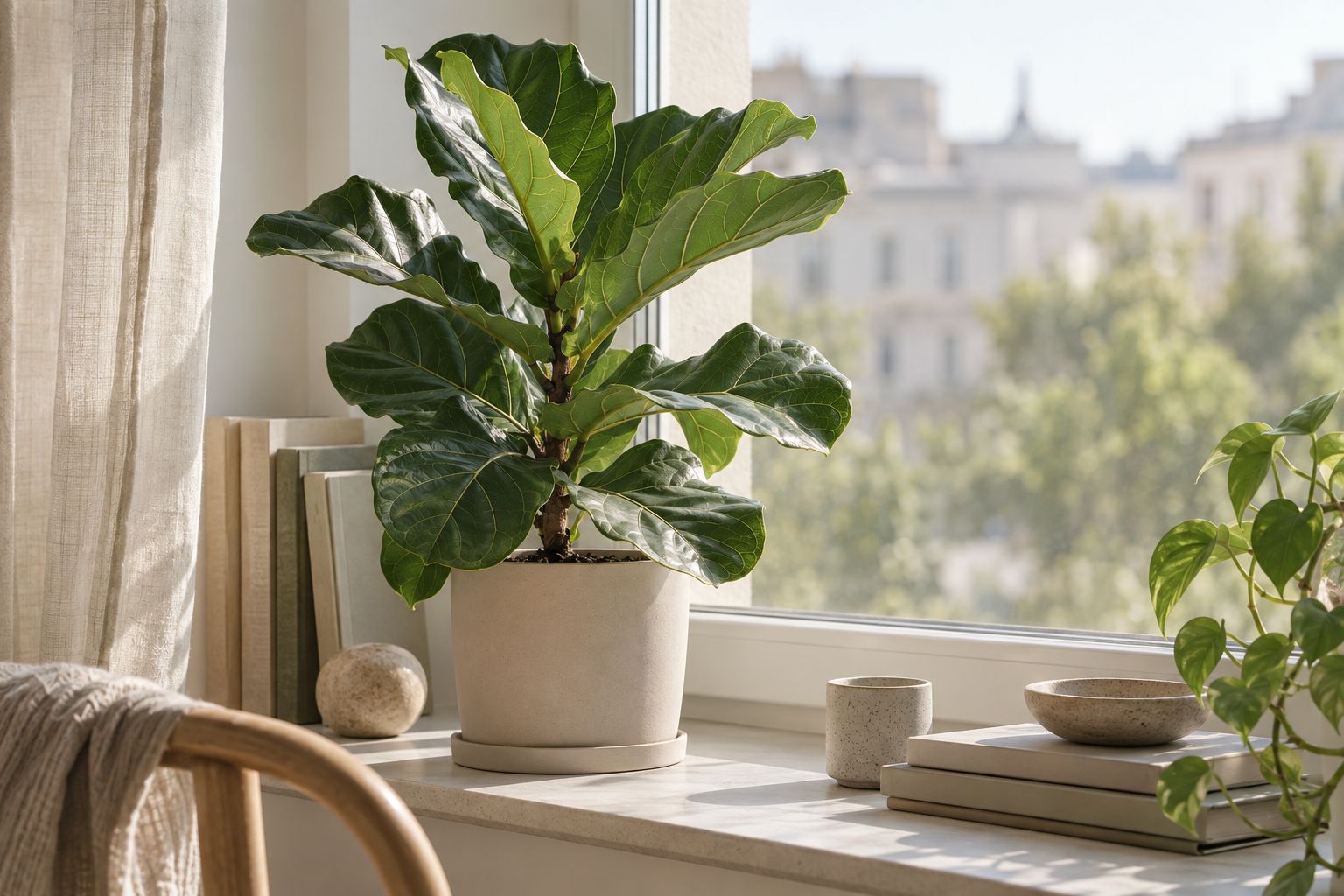
A little green. A lot of curiosity.
If you share your home with a fiddle leaf fig (Ficus lyrata) and a cat or dog with a talent for trouble, you are right to ask the safety question. Fiddle leaf figs are considered toxic to cats and dogs, mainly because the plant’s milky sap and leaf tissue can be irritating. Many exposures are often mild to moderate, but “mild” can still look pretty miserable when a pet has a burning mouth, drooling, or an upset stomach.
Let’s walk through what makes this plant irritating, what symptoms to watch for, what to do immediately, and how to set up your space so your plant and your pets can peacefully coexist.

Why fiddle leaf figs are toxic to pets
Fiddle leaf figs belong to the Ficus genus, which is known for producing a milky latex-like sap. That sap contains irritant compounds (often described in veterinary references as enzyme-rich latex) that can cause:
- Mouth and throat irritation if a pet chews leaves or stems
- Stomach and intestinal upset if swallowed
- Skin irritation if sap gets on the fur or skin (and then gets rubbed in)
- Eye irritation if sap is transferred to the eyes
In other words, the fiddle leaf fig is not a “touch it and collapse” plant. It is more of a “chew it and regret your choices” plant, especially for pets with sensitive mouths or stomachs.
Common symptoms in cats and dogs
Symptoms can vary by pet size, how much was chewed, and how sensitive they are. Many pets show signs fairly quickly after nibbling because the irritation is immediate.
If your pet chewed the leaves or stem
- Drooling or foaming at the mouth
- Pawing at the mouth or shaking the head
- Oral pain, lip smacking, reluctance to eat
- Vomiting
- Diarrhea
- Decreased appetite for a short time
If sap got on skin or fur
- Redness, rash, or itchiness
- Excessive licking of the area
- Localized swelling or irritation
If sap got in an eye
- Squinting
- Watery eyes
- Redness
- Pawing at the face
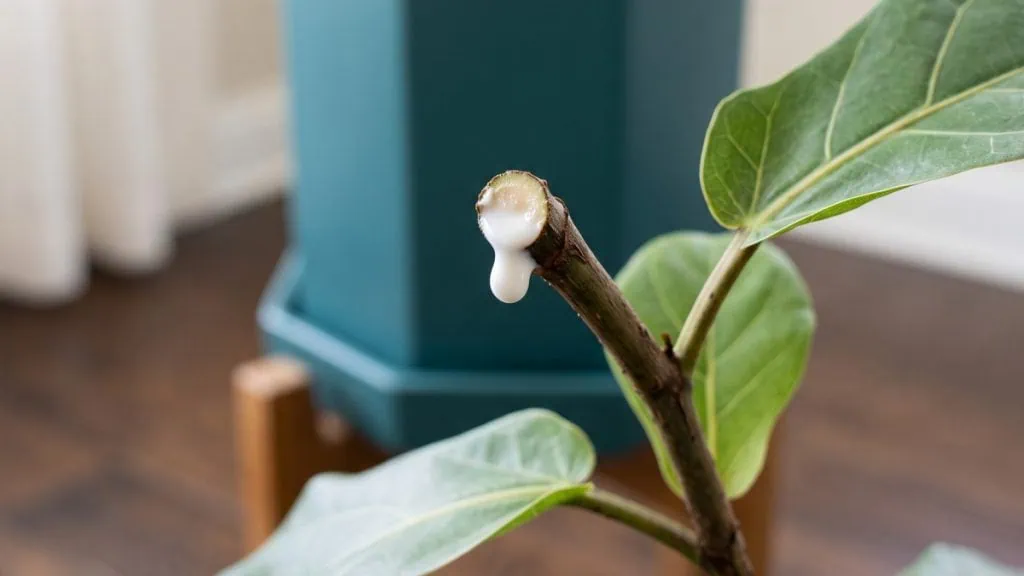
Tip from the plant side of the room: sap exposure is common during pruning, repotting, or when a leaf snaps. If you spot sticky white sap on the plant, assume it could be an irritant if your pet investigates.
What to do right away (first aid)
If you catch your cat or dog chewing a fiddle leaf fig, focus on gentle, practical steps. The goal is to remove plant material, reduce irritation, and prevent further exposure.
1) Remove access and clean up plant bits
- Move your pet away from the plant.
- Pick up any fallen leaf pieces so there is no second snack opportunity.
- Check your pet’s mouth for visible plant bits (only if safe to do so).
2) Offer a little water
Offer a small amount of fresh water to drink. Do not force large amounts of liquid, especially if your pet is stressed or vomiting. If they refuse water and seem uncomfortable, it is a good moment to call your vet or a local animal poison advice service for next steps.
3) If sap is on fur or skin, wash it off
- Use lukewarm water and a pet-safe shampoo.
- Rinse thoroughly.
- Prevent licking while the area is still soapy or irritated.
4) If sap is in the eye, flush with clean water or saline
Flush the eye gently for several minutes if your pet will allow it. Contact a veterinarian promptly for eye exposure, and do not use medicated eye drops unless your vet prescribes them. Eyes do not “wait politely.”
What not to do
- Do not induce vomiting unless a veterinarian tells you to.
- Do not give human medications (including pain relievers).
- Do not assume your pet is fine just because they walked away. Some stomach upset shows up later.
When to call a vet (or poison help)
For many pets, a small nibble leads to drooling and mild stomach upset that resolves with time and supportive care. But you should contact your veterinarian, an emergency vet, or a local animal poison advice service if any of the following are true:
- Your pet is a small kitten or small dog, a puppy, or has existing health conditions.
- You suspect they ate a large amount of leaf or stem.
- There is repeated vomiting or your pet cannot keep water down.
- You see significant lethargy, weakness, or your pet seems unusually quiet.
- There is trouble breathing or notable swelling around the face or mouth.
- Sap exposure involves the eyes with ongoing squinting or redness.
- Symptoms last longer than about 24 hours, or worsen.
Helpful details to have ready: the plant name (fiddle leaf fig, Ficus lyrata), the time of exposure, the estimated amount chewed, your pet’s weight, and a list of symptoms. If you can, bring the plant tag or show a clear photo of the plant to your vet.
How to keep pets from chewing your fiddle leaf fig
Deterrence works best when you combine layout choices, boredom-busting options for pets, and a little bit of “make the wrong thing harder to reach.”
Place it out of reach
- Use height: a sturdy plant stand, a tall shelf, or a room divider zone.
- Use a barrier: baby gates can be surprisingly effective if the plant lives in a bright room your pet does not need to access.
- Mind the launch points: cats can jump from nearby furniture, so move the “runway” away from the pot.

Make the plant less tempting
- Remove fallen leaves promptly. Floor-level leaf bits are a common trigger for chewing.
- Cover the soil surface with large smooth stones if your pet likes to dig. Keep stones too large to swallow.
- Try pet-safe taste deterrents only if your veterinarian approves and your plant tolerates it. Always test on a small area first, because some sprays can spot foliage.
Give your pet a better option
Many pets chew plants because they like texture, movement, or the attention that follows. Redirecting that instinct can help.
- Cats: offer cat grass, rotate toys, and provide scratching posts near favorite hangout areas.
- Dogs: use chew toys, puzzle feeders, and supervised play during the times they usually investigate plants.
Train and supervise, especially after plant chores
Pruning and repotting can leave sap residue or dropped pieces behind. After you handle the plant, wipe the pot rim, clean up trimmings immediately, and wash your hands so you do not accidentally spread sap to your pet’s fur.
Cats vs dogs
Both cats and dogs can react to fiddle leaf fig sap and leaf tissue, and both can end up with mouth irritation and stomach upset. In many homes, cats are more likely to sample leaves (because climbing plus curiosity is a powerful combination), while dogs may ingest larger amounts if they decide something is a snack.
Regardless of species, severity usually depends on the amount chewed and the individual pet’s sensitivity.
What about humans?
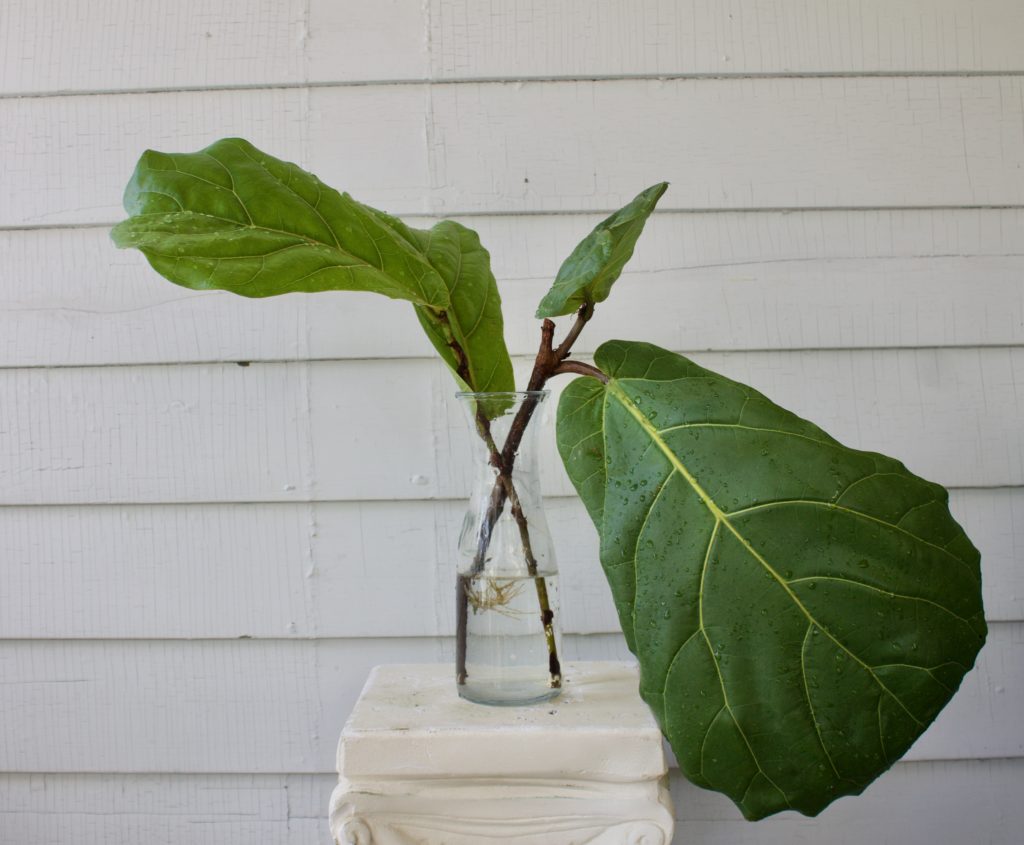
Fiddle leaf fig sap can irritate human skin too, especially if you have sensitive skin. If you prune or propagate your plant, wearing gloves and washing up after is a tidy habit. It also reduces the chance that sap ends up on pet fur through casual contact.
Quick safety checklist
- Toxicity type: irritant sap and leaf tissue
- Most common symptoms: drooling, mouth irritation, vomiting, diarrhea
- First aid: remove plant bits, offer water, wash sap off skin, flush eyes if exposed
- Call the vet if: repeated vomiting, eye exposure, breathing trouble, significant lethargy, or large ingestion
- Prevention: elevate the plant, remove fallen leaves, consider barriers, provide pet-safe chew alternatives
FAQ
Will a small bite of fiddle leaf fig kill my cat or dog?
A small bite is unlikely to be life-threatening, but it can still cause painful mouth irritation and stomach upset. Monitor closely and contact your vet if symptoms are intense or ongoing.
My pet licked a leaf. What should I watch for?
Watch for drooling, lip smacking, pawing at the mouth, vomiting, diarrhea, and reduced appetite. Offer water and keep the plant out of reach while you observe.
Is a fiddle leaf fig safe if my pet never chews plants?
Many people keep fiddle leaf figs successfully with pets, but “never chews plants” can change quickly with boredom, a fallen leaf, or a new growth spurt. If you keep one, set it up with height and cleanup habits from day one.
Are dried fiddle leaf fig leaves still irritating?
Dried leaves are often less sappy, but they can still cause irritation if chewed. Treat fallen leaves like hazards and toss them promptly.
A final leaf of calm
Fiddle leaf figs are not the best housemates for dedicated plant munchers, but they are manageable in many pet homes with smart placement and quick cleanup. If your pet has already taken a test bite, focus on rinsing, removing access, and calling your vet if symptoms escalate. Your plant can keep growing, and your pets can keep their mouths to themselves. Everybody wins, including the couch.