
Amaryllis Rebloom

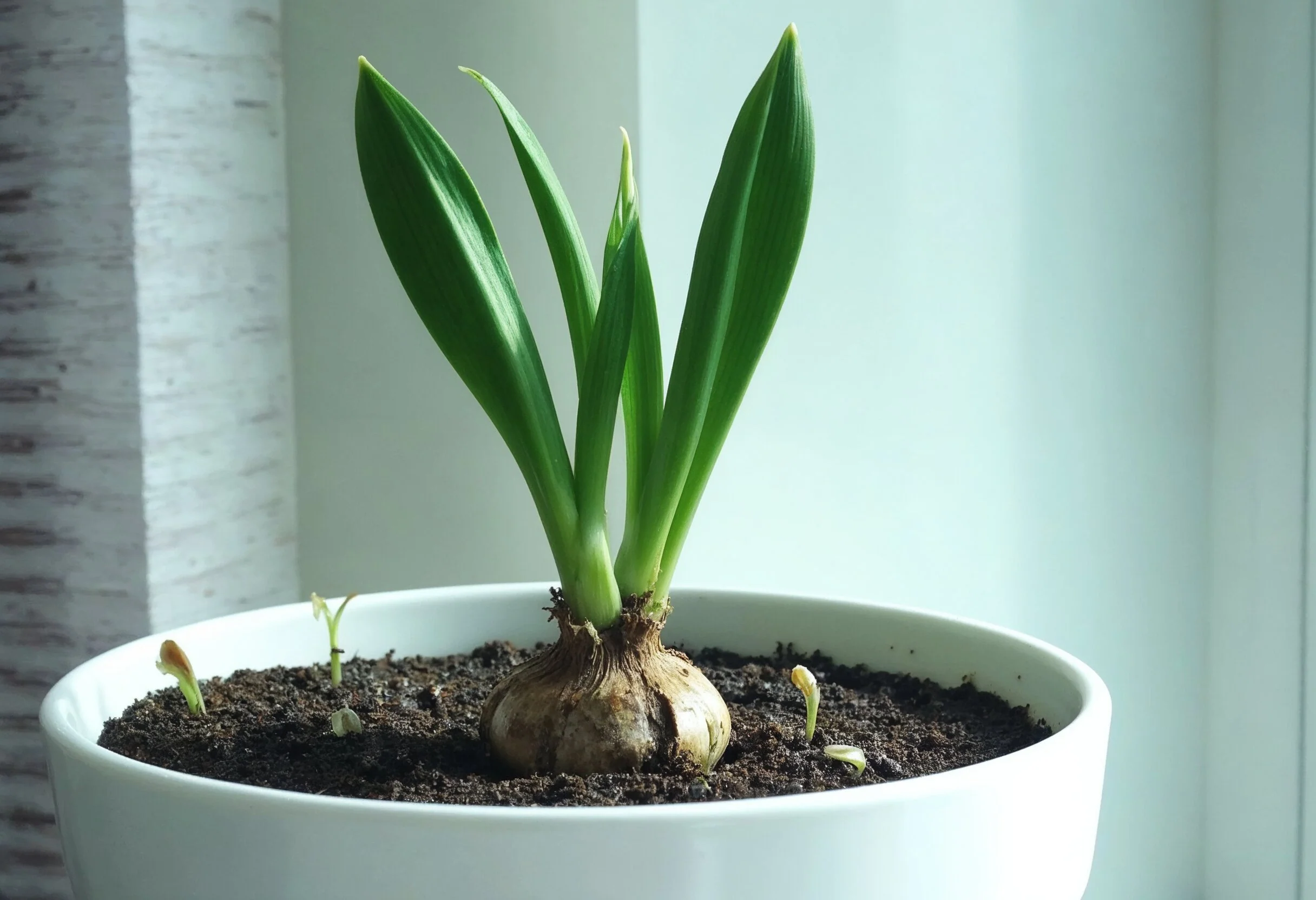
Amaryllis has a way of making us feel like gardening geniuses in the dead of winter. Those huge, trumpet blooms show up when everything outside is asleep. Then the flowers fade and a quiet little panic sets in: Wait, how do I get it to do that again?
Good news: an amaryllis can rebloom for years, and it isn’t complicated. The trick is understanding what the plant is doing. After it blooms, it needs time to grow leaves and store energy back into the bulb. Many bulbs also respond best to a real rest period. Think of it like charging a battery, then turning the switch off, then flipping it back on at the right time.
Quick note on names: Most “amaryllis” sold as holiday bulbs are actually Hippeastrum hybrids. True amaryllis (Amaryllis belladonna) has a different seasonal rhythm outdoors. This guide is for the common indoor Hippeastrum type.

The rebloom timeline
If you remember nothing else, remember this rhythm:
- Bloom phase: Flowers open for weeks.
- Recovery phase: Leaves grow for months, feeding the bulb.
- Rest phase (often the magic step): Many Hippeastrum rebloom more reliably with a cool, drier break for 8 to 12 weeks.
- Restart phase: Warmth, light, and watering wake it up. Buds often follow in 6 to 10 weeks.
Most “my amaryllis won’t rebloom” stories come down to one of three things: the leaves were removed too soon, the bulb never got fed, or the rest period was skipped (or stayed too warm).
After blooming
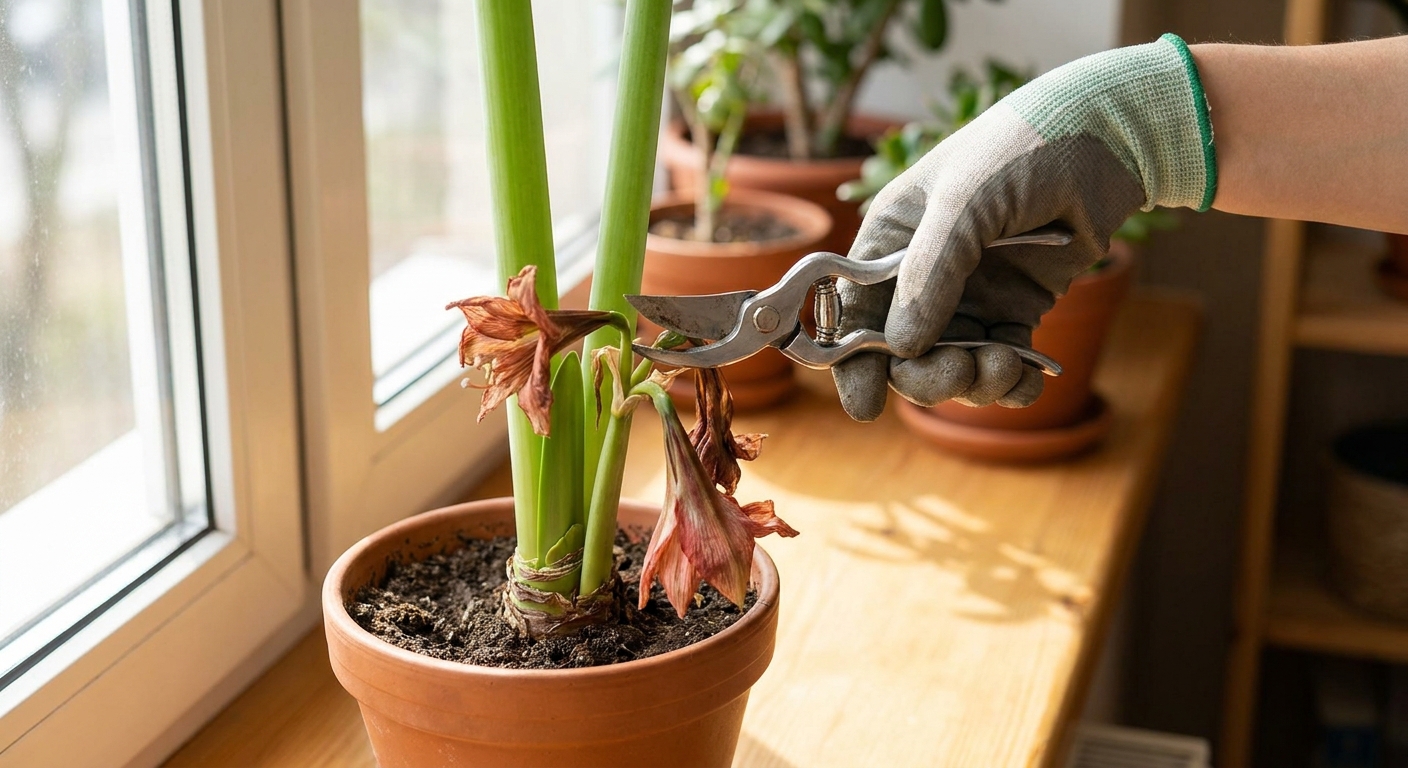
Snip spent flowers
When each flower fades, pinch or snip it off so the plant does not waste energy on seed production.
What to do with the stalk
Once all blooms on that stalk are finished, you have two good options:
- Most reliable: Cut the stalk down to about 1 to 2 inches above the bulb. This avoids any energy drain into the stalk.
- Also fine: If the stalk is still green and firm, you can leave it for a short time, but do not let it form seed pods. Cut it as soon as it starts to soften or yellow.
Do not cut the leaves to tidy it up
Those long strap leaves are not decorative. They are the bulb’s solar panels. The more healthy leaf growth you get in spring and summer, the better your chances of a strong flower stalk next winter.
Recovery care
Light
Place your amaryllis in the brightest spot you have, ideally near a south or west-facing window. Rotate the pot every week so the leaves do not lean hard toward the light.
Water
Water thoroughly until water drains out the bottom, then wait until the top 1 to 2 inches of soil are dry before watering again. In brighter light and warmer rooms, that might be every few days. In lower light or cooler rooms, it might be weekly or less. A bulb sitting in soggy mix is an invitation to rot.
Feed
This is where reblooming is truly earned. Use one of these approaches during active leaf growth:
- Organic liquid feed: A diluted fish emulsion or seaweed blend every 2 to 4 weeks.
- Slow-release option: A light top-dress of compost or worm castings, plus a gentle organic granular fertilizer worked into the surface.
Aim for steady nutrition, not a single heavy dose. The goal is leaf growth that looks deep green and sturdy, not pale and stretched.
Pot and soil
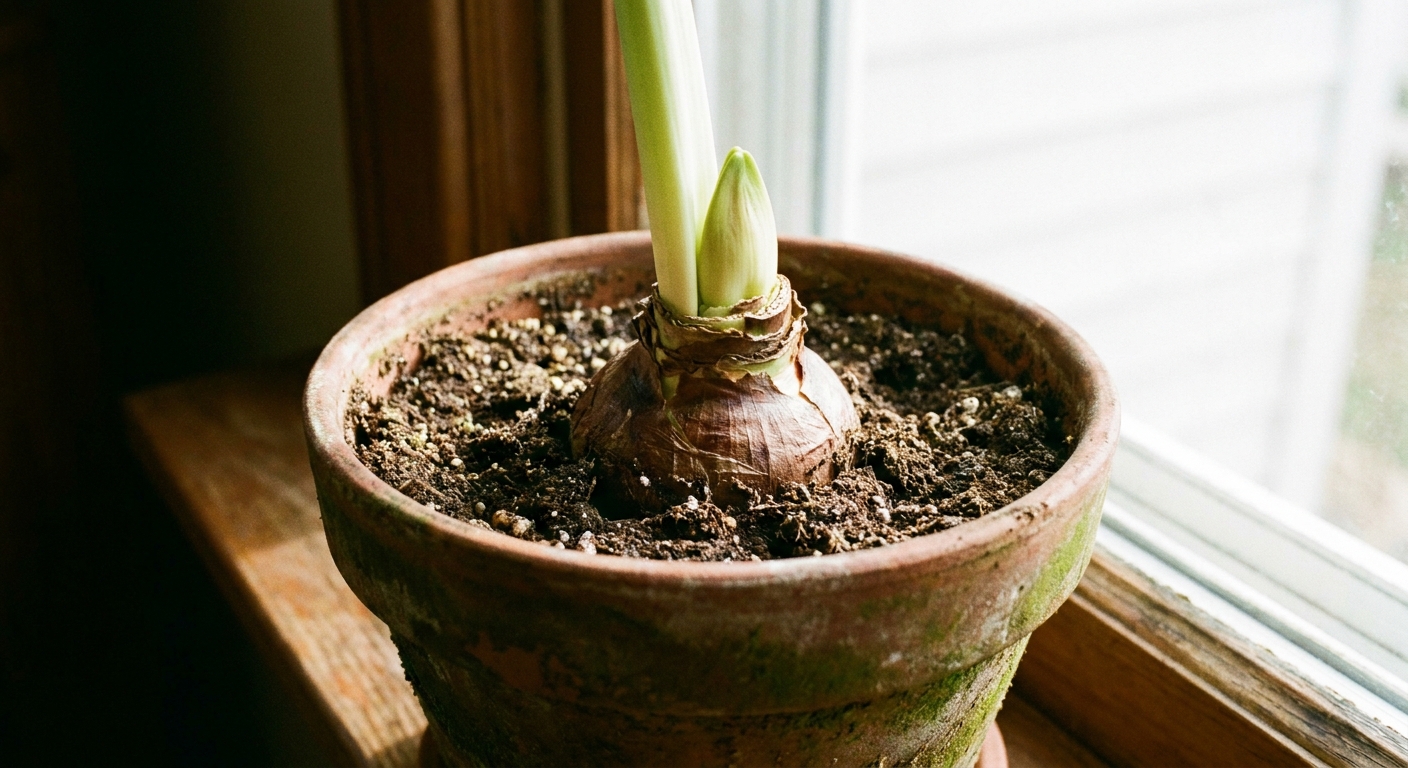
Amaryllis bloom best slightly snug. Keep the bulb in a pot with about 1 to 2 inches of space around it. Use a well-draining potting mix, and make sure the pot has a drainage hole. Plant so the top third of the bulb sits above the soil line.
Watch for pests
During the leaf phase, keep an eye out for spider mites (fine webbing, speckled leaves) and mealybugs (cottony clusters). A quick rinse in the sink, a wipe-down with soapy water, or an insecticidal soap treatment early on prevents a small issue from becoming a whole saga.
Summer outdoors
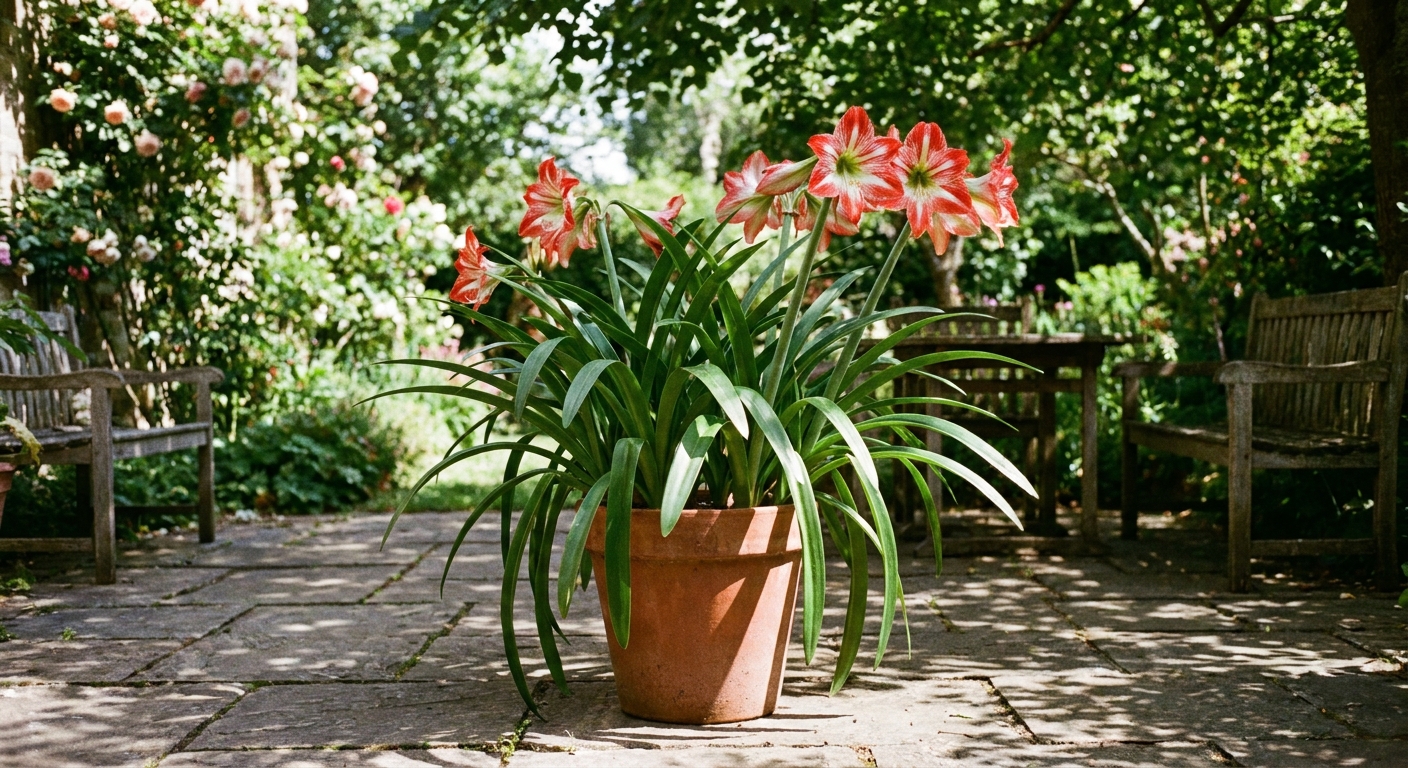
If you can, give your amaryllis a summer outdoors. It is like sending it to a spa, minus the cucumber water.
Move it outside safely
- Wait until nights stay reliably above about 50 to 55°F (10 to 13°C).
- Start in bright shade for a week, then gradually move to morning sun or dappled light.
- Protect from harsh afternoon sun at first, which can scorch indoor-grown leaves.
Keep watering and feeding through summer. This is prime bulb-building time.
Rest period
Many Hippeastrum bulbs rebloom most reliably when they get a rest that resets the clock. Some can rebloom without a strict dry, dark dormancy if they are kept in very strong light and fed well, but a planned rest period is the more dependable route for most homes.
When to start
Count backward from when you want flowers. After rest ends, bloom often follows in 6 to 10 weeks. The rest period itself is usually 8 to 12 weeks.
Example: Want blooms around late December? Start rest sometime in September to early October.
How to start rest
- Stop feeding about a month before rest.
- Reduce watering gradually as fall approaches.
- Once leaves begin to yellow naturally, stop watering and let foliage die back.
- Cut off fully yellow leaves. Do not yank green ones.
- Move the pot (or bare bulb) to a cool, dark, dry place for 8 to 12 weeks.
Temperature: Aim for roughly 50 to 60°F (10 to 15°C). Some varieties prefer it a touch cooler, around 45 to 55°F (7 to 13°C). Avoid freezing temperatures and avoid warm cupboards near appliances. Too cold can damage bulbs, and too warm can fail to trigger a good restart.
In the pot or bare?
Both can work:
- In-pot rest: Easiest. Keep the pot dry and cool.
- Bare bulb storage: Remove the bulb, brush off loose soil, and store it in a breathable bag or box with dry peat or paper. Keep it cool and dry.
Restart
After 8 to 12 weeks, it is go time.
Step-by-step
- Bring the bulb into warmth and light (65 to 75°F is comfortable).
- If it is bare, pot it up in fresh, well-draining mix with the top third of the bulb above the soil.
- Water lightly once to settle the soil, then wait until you see growth before watering more regularly.
- Once a stalk appears, water when the top inch of soil dries out.
- Rotate the pot every few days to keep the stalk straight.
You will often see a thick flower stalk before leaves. That is normal and very satisfying.
No rebloom?
Leaves were cut off early
Fix: Next cycle, let leaves grow as long as they stay green. Feed lightly and give bright light. Bulbs need months of leaf time.
Not enough light during recovery
Fix: Move to a brighter window, add a grow light, or summer it outdoors. Low light equals a smaller, weaker bulb.
Bulb is too small or depleted
Fix: Commit to a full season of growth and feeding. Sometimes a bulb needs one year of rehab before it can bloom again.
No real rest period (or it was too warm)
Fix: Try a planned 8 to 12 weeks cool and dry. Warm rest often fails in consistently heated homes.
Overwatering and rot
Fix: Use a pot with drainage and a gritty mix. Water only when the top layer dries. A mushy bulb will not rebloom, and it may not survive.
Leaves but no stalk
Fix: This is usually a light and nutrition issue, or a bulb size issue. Give brighter light, feed consistently through the leaf season, and be sure it gets either a reliable rest period or truly excellent year-round growing conditions.
Offsets are taking energy
Fix: Offsets are adorable, but they can slow blooming. Separation is optional and can temporarily slow both bulbs. If the pot is crowded, divide when you repot at restart (end of rest) or after flowering, then grow the babies on while the main bulb regains size.
Quick checklist
- After bloom: Deadhead flowers. Cut the stalk when blooming is done. Keep leaves.
- Spring to summer: Bright light, steady watering, light feeding every 2 to 4 weeks.
- Late summer: Stop feeding, taper watering.
- Fall: Let leaves yellow, then go dry and cool for 8 to 12 weeks.
- Restart: Warmth, light, one light watering, then water more once growth starts.
If you are the type who likes a little ritual, I recommend putting a reminder in your phone for rest start and wake-up day. Gardening is allowed to be practical like that.
FAQ
Do I have to force rest?
Often, yes. Indoors, many bulbs will keep making leaves and never get the cool, dry signal that reliably triggers flowering. Some will rebloom without a strict rest if they are kept in very strong light and fed consistently, but a planned rest period is the easiest repeatable method for most people.
How long does it take to rebloom?
After you end rest and restart watering, most bloom in 6 to 10 weeks, depending on variety and conditions.
Can I rebloom waxed bulbs?
Most waxed bulbs are meant for one season because they have no way to take up water or nutrients normally. If the bulb was waxed but still has a root plate and can be removed from wax without damage, you may be able to rehabilitate it, but success varies.
Are amaryllis toxic to pets?
Yes. Hippeastrum bulbs and leaves are toxic if chewed by cats, dogs, and other pets. If you have a curious nibbler, keep the plant out of reach.
Should I use coffee grounds or eggshells for fertilizer?
Skip the trendy shortcuts. Amaryllis does best with balanced, predictable nutrition. Compost, worm castings, and a gentle organic fertilizer will treat you better than a mystery kitchen mix.
From my potting bench
If your amaryllis didn’t rebloom this year, it is not a personal failure. It is just a bulb doing bulb math. Give it bright light, let it keep its leaves, feed it kindly, and give it a real rest when the season turns. You are not forcing it to bloom again. You are simply giving it the cues it has been waiting for.
And yes, I still talk to mine when the first fat bud shows up. It feels only fair.