
Amaryllis Bulbs

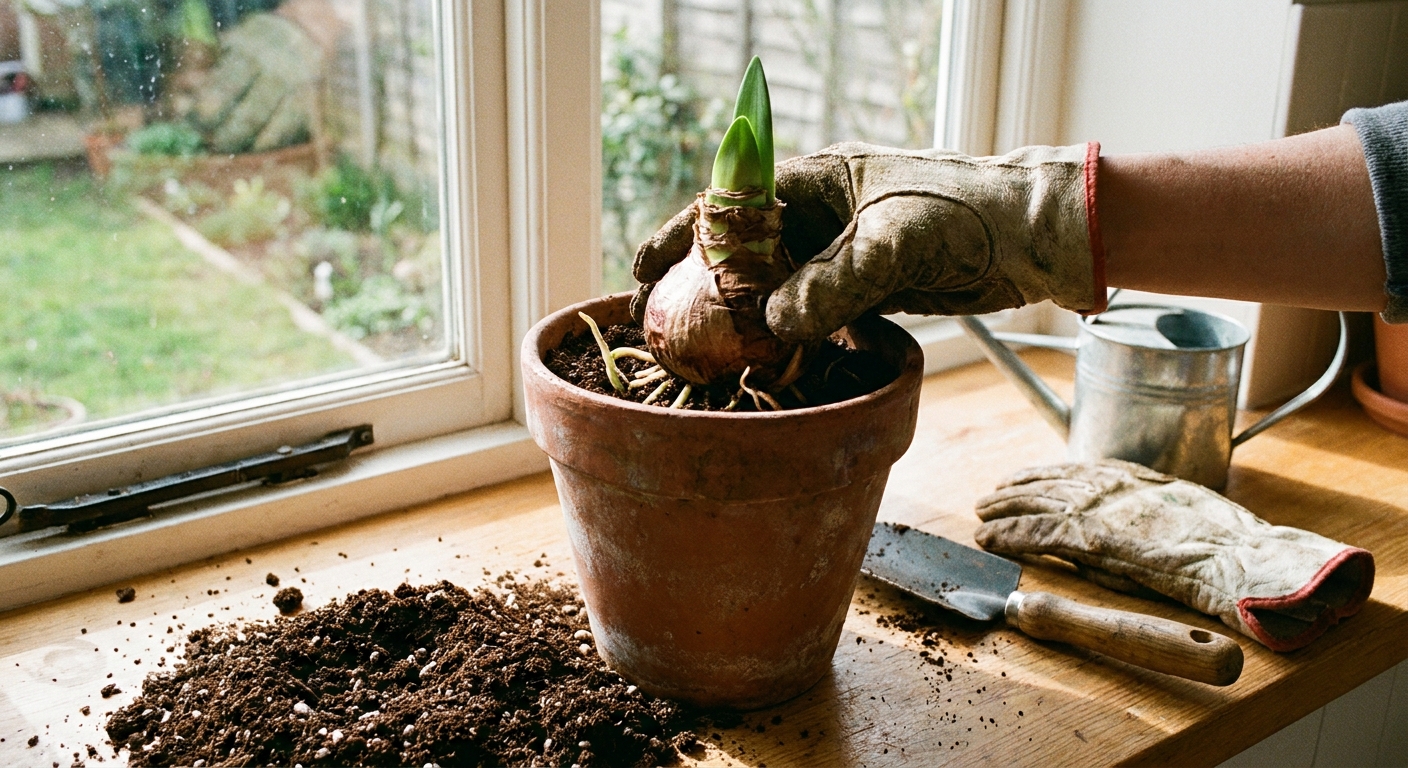
Amaryllis is one of my favorite plant confidence boosters. You tuck a very ordinary-looking bulb into a pot, and a few weeks later it sends up a thick, sturdy stalk topped with trumpet blooms that look like they belong in a florist cooler. If you have ever sworn you have a “black thumb,” amaryllis is here to gently, brightly disagree.

Below is everything you need to know to pick a great bulb, get it blooming, and coax it to flower again next year without complicated rules.
What it is (and why it is easy)
The amaryllis we grow as a houseplant is usually Hippeastrum sold as “amaryllis.” It grows from a large bulb that stores enough energy to bloom with very little fuss.
- Bloom time indoors: often 6 to 10 weeks after planting, but it can be as quick as 4 to 6 weeks or as long as 10 to 12+ depending on bulb size, temperature, light, and how the bulb was stored.
- Flower colors: red, white, pink, salmon, striped, and doubles.
- Growth habit: thick, sturdy flower stalks (scapes), then long strap-like leaves.
Think of amaryllis like a rechargeable battery. Your job is to help it spend energy on blooms, then recharge the bulb afterward so it can do it again.
How to choose a bulb
If you are shopping in person, you can pick a future showstopper with a quick hands-on check.
Look for
- Firm, heavy bulbs for their size. Heavier usually means more stored energy.
- Intact papery outer layers with no soft spots.
- A healthy basal plate (the flat bottom) that is not mushy or moldy.
- Short, plump neck rather than a shriveled top.
Avoid
- Bulbs that feel light, spongy, or hollow.
- Visible mold paired with softness.
- Strong sour smell, which can signal rot.
Size matters. Larger bulbs generally produce more flower stalks. If you are buying a “kit,” check that the bulb is not jammed into a tiny pot with no drainage.
Planting (simple and reliable)
You can plant amaryllis in potting mix, in a bulb vase with water, or in decorative stones. For long-term health and reblooming, I strongly prefer a pot with soil and drainage.
What you need
- A pot with a drainage hole, about 1 to 2 inches wider than the bulb’s diameter (overall)
- Fresh, fluffy potting mix (avoid heavy garden soil indoors)
- Optional: a small stake if your variety tends to flop
Steps
- Choose the pot. Amaryllis likes to be slightly snug. Too big stays wet too long.
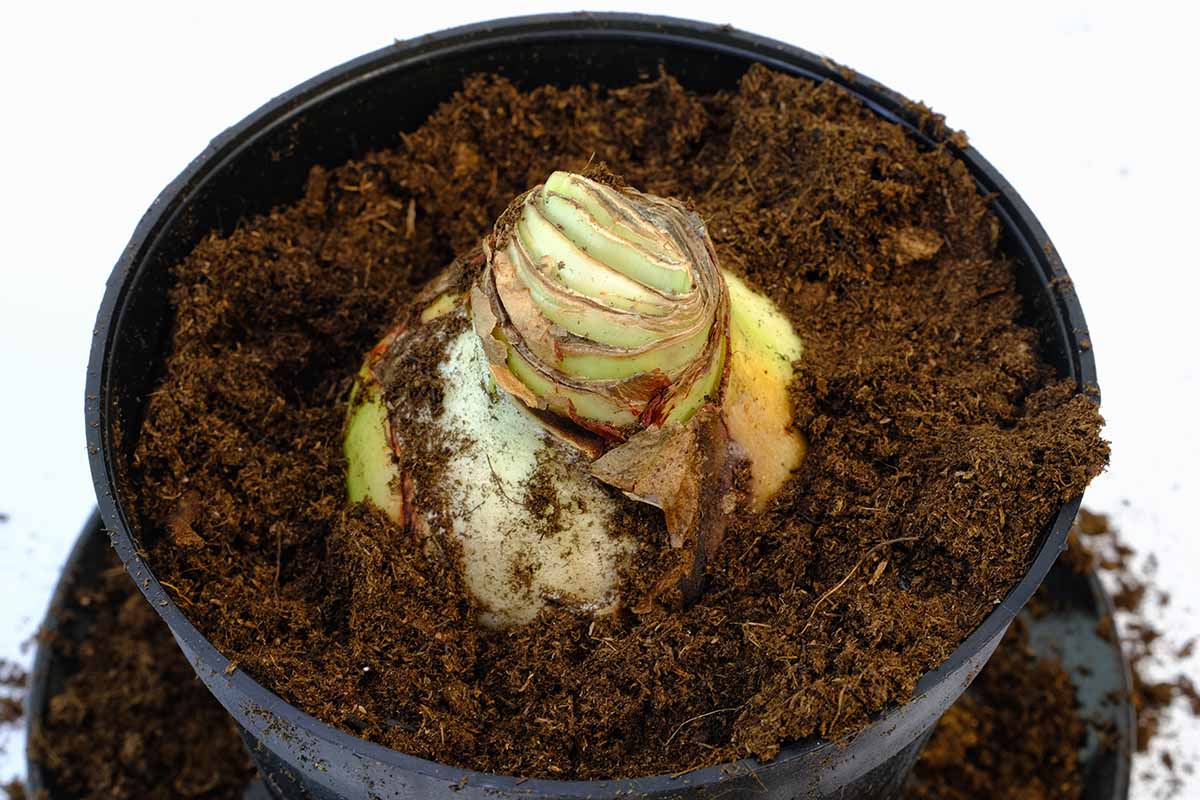
- Add mix. Fill so the bulb will sit with the top third to half above the soil line.
- Set the bulb. Roots down, pointy neck up.
- Backfill and firm gently. You want contact, not compaction.
- Water once. Moisten the soil thoroughly, then let excess drain.
- Place in bright light. A sunny window is perfect.
Key rule: do not bury the whole bulb. Keeping part of it above the soil helps prevent rot.
Water, light, temp
Watering
Right after planting, I water once, then I wait. Overwatering is the fastest way to lose an amaryllis. That said, do not let it sit bone-dry for weeks either.
- Water again when the top inch or two of soil feels dry, or once you see active growth.
- Water deeply, then empty the saucer. Bulbs hate wet feet.
- As growth speeds up, you will water more often, but still let the top dry slightly.
Light
Bright light keeps the stalks sturdy instead of leaning like they are trying to escape the pot.
- Best: a bright, sunny window (east, south, or west exposure).
- Rotate the pot every few days so the stalk grows straight.
Temperature
- For faster bloom: 65 to 75°F (18 to 24°C).
- Cooler rooms slow things down, which can be useful if you want to time blooms.
When will it bloom?
Many amaryllis bloom around 6 to 10 weeks after planting, but the real range is wider. Some bloom in 4 to 6 weeks, and some take 10 to 12+ weeks depending on the variety and the bulb’s condition.
If yours is taking its sweet time, check these three things first:
- Light: is it bright enough?
- Temperature: is the room cool?
- Bulb size: smaller bulbs can be slower and produce fewer stalks.
Care in bloom
This is the part where you get to walk by every morning like, “Yes, I grew that.”
- Support if needed: if the stalk leans, add a stake and a soft tie.
- Keep it cooler for longer blooms: moving it to a slightly cooler spot at night can extend flower life.
- Deadhead: snip off individual spent flowers as they fade.
Seed-saving note: when you deadhead, you can cut off the spent flower (and the swelling green ovary behind it) so the plant does not put energy into making seeds, unless you are intentionally trying to pollinate and grow seed.
Should you cut the stalk?
After all flowers on a stalk fade, you can cut the stalk down to about 1 to 2 inches above the bulb. Leave the leaves alone. They are the solar panels that recharge the bulb.
After bloom: recharge
Most amaryllis “fails” are not failures at all. The plant bloomed, and then we accidentally starved it. Reblooming is all about rebuilding the bulb.
Spring and summer plan
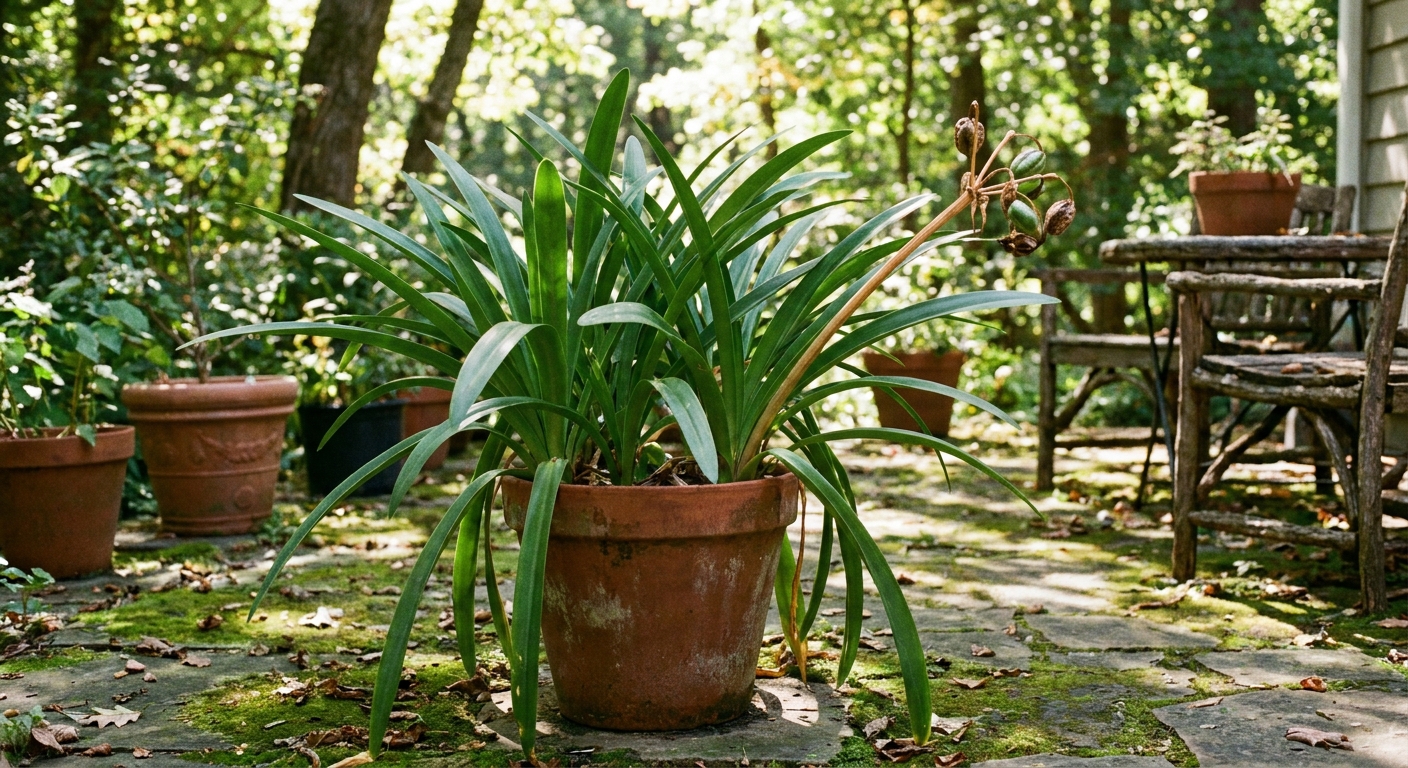
- Keep the leaves growing. Put the pot in the brightest light you have indoors.
- Start feeding. Once you see steady leaf growth, feed every 2 to 4 weeks with a balanced fertilizer (organic or synthetic is fine). Compost tea or a gentle fish emulsion works too, if you can tolerate the smell.
- Water normally. Evenly moist but never soggy.
- Optional outdoor vacation. After frost danger passes, move the pot outdoors gradually. Bright shade for a week, then morning sun or dappled light.
If you do set it outside, keep an eye out for slugs and snails. They can turn amaryllis leaves into lace surprisingly fast.
Rebloom timing
To trigger blooms again, many amaryllis benefit from a rest period. Some bulbs can rebloom without a fully dry, dark dormancy if they are kept growing under strong light and fed well, but a planned rest is still the most reliable way to time winter flowers.
Rest schedule
- Late summer to early fall: stop fertilizing.
- Early fall: reduce watering gradually as leaves begin to yellow.
- When leaves fade: stop watering and let the foliage die back naturally, then trim it.
- Rest the bulb: store the pot in a cool, dim place for 8 to 12 weeks. Aim for about 50 to 60°F (10 to 16°C). A basement or cool closet works well.
- Wake it up: bring it back into bright light, refresh the top layer of soil if needed, and water once to restart growth.
Once you see new growth, return to the normal watering routine. Blooms usually follow in several weeks.
Outdoors in the garden
In warm climates, amaryllis can live outdoors year-round. In colder zones, it is usually grown as a container plant that comes inside before frost.
Guidelines
- USDA zones: typically zones 9 to 11, and sometimes 8 in protected spots with excellent drainage and winter protection.
- Site: bright light with some protection from harsh afternoon sun.
- Soil: well-draining is non-negotiable. Bulbs rot in heavy, wet soil.
If you are planting in-ground in a suitable climate, keep the bulb neck above the soil line and mulch lightly to moderate moisture without smothering the bulb.
Repotting and offsets
Amaryllis likes being slightly snug, but it also appreciates fresh soil now and then.
- Refresh the mix: top-dress with fresh potting mix or repot every 1 to 2 years, ideally after the rest period or right as new growth starts.
- Offsets (bulblets): if you see small bulbs forming around the main bulb, you can leave them to make a fuller pot, or separate them when repotting. Just know that offsets often take a couple of years to reach blooming size.
Common problems
No flowers, only leaves
- Cause: not enough recharge time or fertilizer after last bloom, or a bulb that skipped a rest when it really wanted one.
- Fix: commit to a full spring and summer of leaf growth and feeding. If reblooming is inconsistent, try a true 8 to 12 week rest period to reset the cycle.
Bulb or soil smells bad
- Cause: overwatering and rot.
- Fix: unpot, trim mushy roots, let the bulb dry a day or two, repot in fresh mix, and water sparingly.
Floppy stalks
- Cause: low light or a top-heavy bloom.
- Fix: brighter light, rotate the pot, and stake if needed.
Red blotches on leaves or stalks
- Possible cause: red blotch (also called red fire), commonly attributed to Stagonospora curtisii.
- Fix: improve airflow, avoid wetting leaves, remove badly affected tissue, and consider a fungicide labeled for ornamental bulbs if it persists.
Sticky spots or fine webbing indoors
- Possible pests: mealybugs or spider mites.
- Fix: isolate the plant, rinse the leaves, wipe with insecticidal soap, and repeat weekly for a few rounds. Pests love dry, dusty leaves, so a quick occasional rinse helps.
Quick FAQs
Do I need to soak the bulb?
Not usually. If the roots are extremely dry, a short soak of the roots only for a couple hours can help. Avoid soaking the bulb itself.
Can I grow it in water?
You can, but it is harder to rebloom long-term. If you try it, keep water below the bulb base so only roots touch the water.
Is it toxic to pets?
Yes. Amaryllis bulbs and leaves are toxic if eaten. Keep them out of reach of cats, dogs, and curious nibblers.
A small pep talk
If your amaryllis blooms once and then takes a year off, that is not a moral failing. It is just a bulb that needs to recharge. Give it bright light, feed it while it makes leaves, and if it responds well to a rest, let it nap in fall. You will be amazed how loyal it becomes. I have bulbs that come back like old friends, right when winter feels longest.