
Amarillas (Yellow Bells) Care and Growing Tips

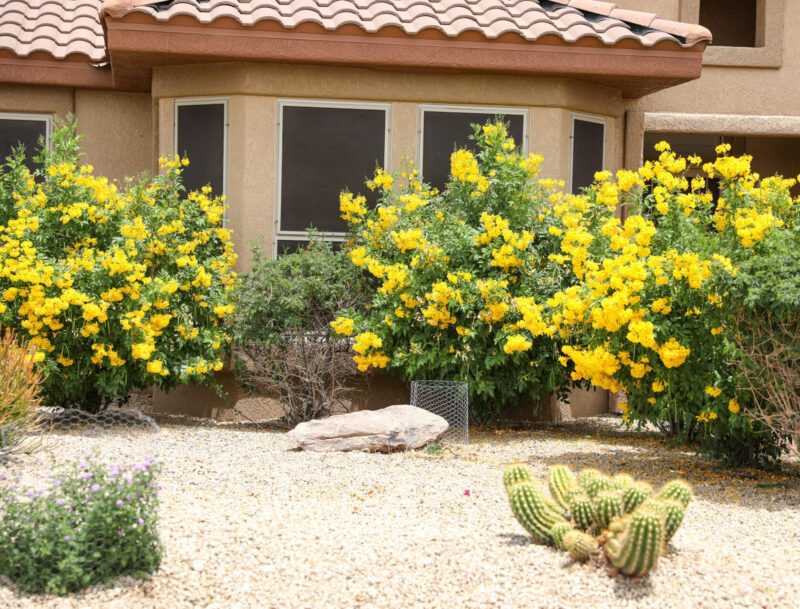
In some garden conversations, amarillas is a casual name people use for the bright, sunny shrub commonly sold as yellow bells, yellow trumpetbush, or esperanza (Tecoma stans). If you have ever seen a hedge covered in golden trumpet flowers while everything else is wilting in the heat, there is a good chance you were looking at amarillas.
I love this plant because it is generous. Give it sun, decent drainage, and a little pruning confidence, and it will bloom like it is trying to out-cheer the whole neighborhood.

What amarillas is
Amarillas (in this article) refers to Tecoma stans. Common names vary by region, and they can overlap with other plants, so when in doubt, the botanical name is the surest way to get the right one.
Depending on where you live, nurseries may label Tecoma stans as:
- Yellow bells
- Yellow trumpetbush
- Esperanza
- Tecoma
- Yellow elder (sometimes, but this name is used for other plants in some places)
In warm climates, amarillas is typically evergreen to semi-evergreen, fast-growing, and a long-season bloomer. In cooler areas it may die back in winter, or it may do best in a container that you can protect.
Quick plant profile
- Botanical name: Tecoma stans
- Plant type: Flowering shrub or small tree
- Mature size: Often 4 to 10 ft tall and wide, sometimes larger with age and warmth
- Bloom: Yellow trumpet flowers, often spring through fall in warm zones
- Light: Full sun for best flowering
- Soil: Well-draining; average to poor soils tolerated
- Water: Drought-tolerant once established, but blooms best with occasional deep watering
- Wildlife value: Great for pollinators, especially bees and hummingbirds
Where it grows best
Amarillas is happiest in warm, sunny climates. It is commonly grown in USDA Zones 8 to 11, with an important nuance:
- In Zone 8, it is often root-hardy but may die back with freezes and return when warm weather settles in.
- In Zones 9 to 11, it is more reliably perennial, with the most consistent evergreen behavior in the warmest areas.
In colder zones, you can still enjoy amarillas as:
- A container plant that moves to shelter during freezes
- A seasonal patio shrub that may die back and regrow if roots survive
- A protected microclimate plant near warm walls or courtyards
If your summers are hot and bright, amarillas will act like it was made for your yard.
Sunlight
If amarillas could talk (I am convinced it can), it would ask for full sun first. Aim for:
- 6 to 8+ hours of direct sun daily for best bloom
- Light shade is tolerated, but you will usually get more leaves and fewer flowers
Garden note: If your amarillas looks healthy but is stingy with blooms, do a quick sun audit. Trees grow, fences go up, and suddenly “full sun” becomes “two hours of morning light.”
Soil and drainage
Amarillas is not picky about rich soil, but it is picky about soggy roots. Choose a spot where water does not sit after rain.
In the ground
- Work in a little compost if your soil is very sandy or extremely compacted
- If you have heavy clay, consider planting on a slight mound and mixing in coarse organic matter for better drainage
- If you want a simple drainage check: a test hole that fills with water should drain within a few hours, not overnight
In containers
- Use a quality potting mix with added perlite or pumice for drainage
- Make sure the pot has drainage holes, no exceptions
Watering
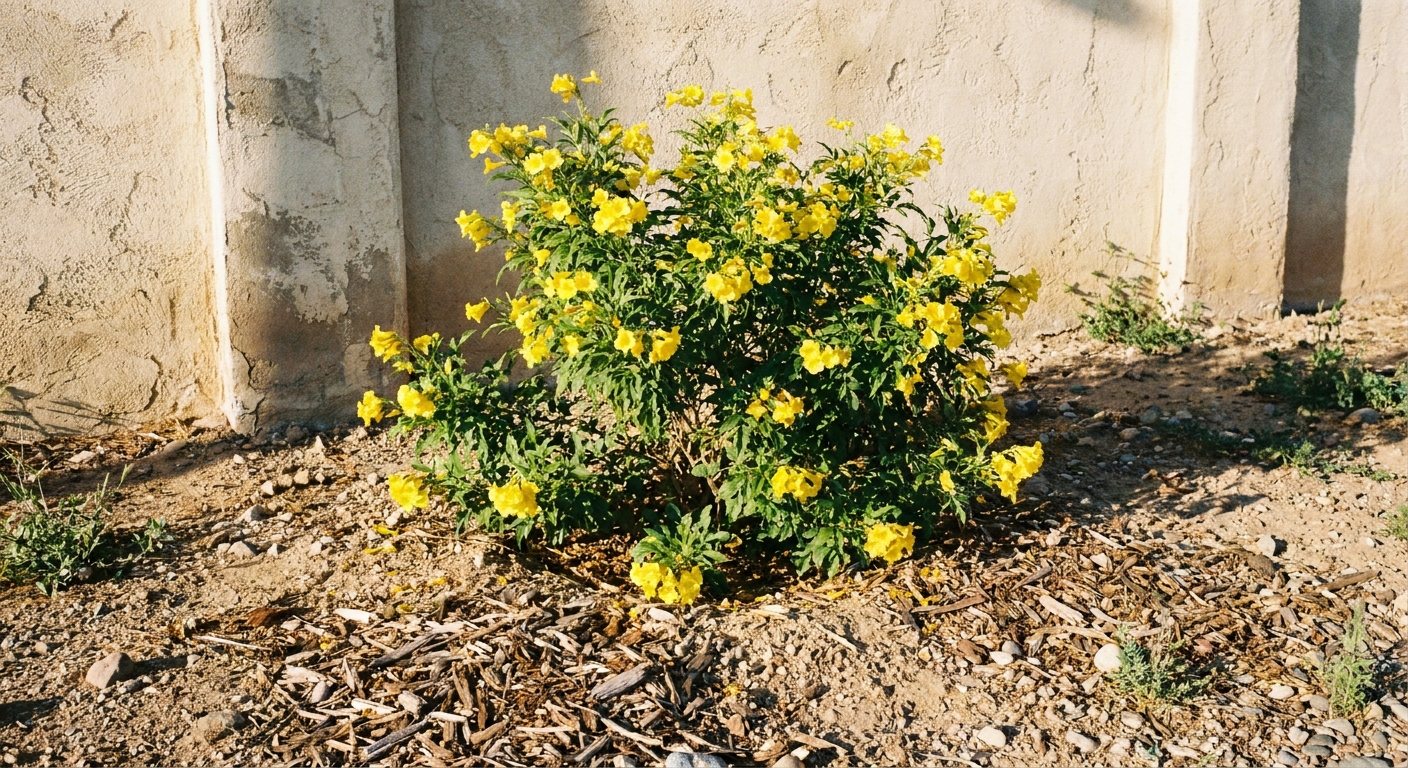
Once established, amarillas can handle drought, but it flowers more generously with a little consistency. Blooming can also slow in extreme heat or prolonged dryness, then rebound quickly when deep watering resumes.
New plant, first season
- Water deeply 1 to 2 times per week depending on heat and soil type
- Let the top couple of inches dry between waterings
Established plant
- Deep water every 10 to 21 days during hot, dry stretches
- Skip frequent light watering, it trains shallow roots
A simple rule: deep, slow, and less often. Your plant will root deeper and become much tougher.
Planting
- Pick your sunniest spot. More sun equals more flowers.
- Dig a wide hole. As wide as the root ball, about as deep.
- Check drainage. If the hole fills with water and drains slowly, adjust location or plant on a mound.
- Plant at the same height. Keep the top of the root ball level with surrounding soil.
- Backfill and water in. Water thoroughly to settle soil around roots.
- Mulch lightly. Add 2 to 3 inches of mulch, keeping it a few inches away from the main stems to prevent rot.
Fertilizer
Amarillas is not a heavy feeder. Too much nitrogen can give you a lush green shrub with fewer flowers.
- If growth is slow or leaves look pale, top-dress with compost in spring
- If you prefer granular fertilizer, choose a balanced or bloom-leaning option and apply lightly in spring
- Avoid frequent high-nitrogen lawn fertilizers near the root zone
I treat amarillas like a capable friend. I offer a good meal once in a while, not a constant buffet.
Pruning
Pruning is where amarillas really shines. It responds with fresh growth and more flowering tips.
Best time to prune
- Late winter to early spring is ideal in many climates, right before strong growth starts
- In frost-prone areas, wait until the risk of hard freeze is mostly past so tender new growth is not zapped
After frost damage
If a hard freeze blackens tips or causes leaf drop, resist the urge to “clean it up” immediately. Wait until spring warmth returns, then prune back to healthy green wood. Amarillas often rebounds from the base if the roots made it through.
How to prune (simple method)
- Remove dead or damaged wood first
- Thin a few of the oldest stems at the base to open airflow
- Reduce overall size by cutting back stems by about 1/3 if needed
- Tip-prune new growth during the season if you want extra bushiness
If your plant is leggy: Do a stronger rejuvenation prune in early spring, cutting back more aggressively to encourage dense regrowth. Amarillas is tough and usually bounces back quickly with warmth and sun.
Growing in pots
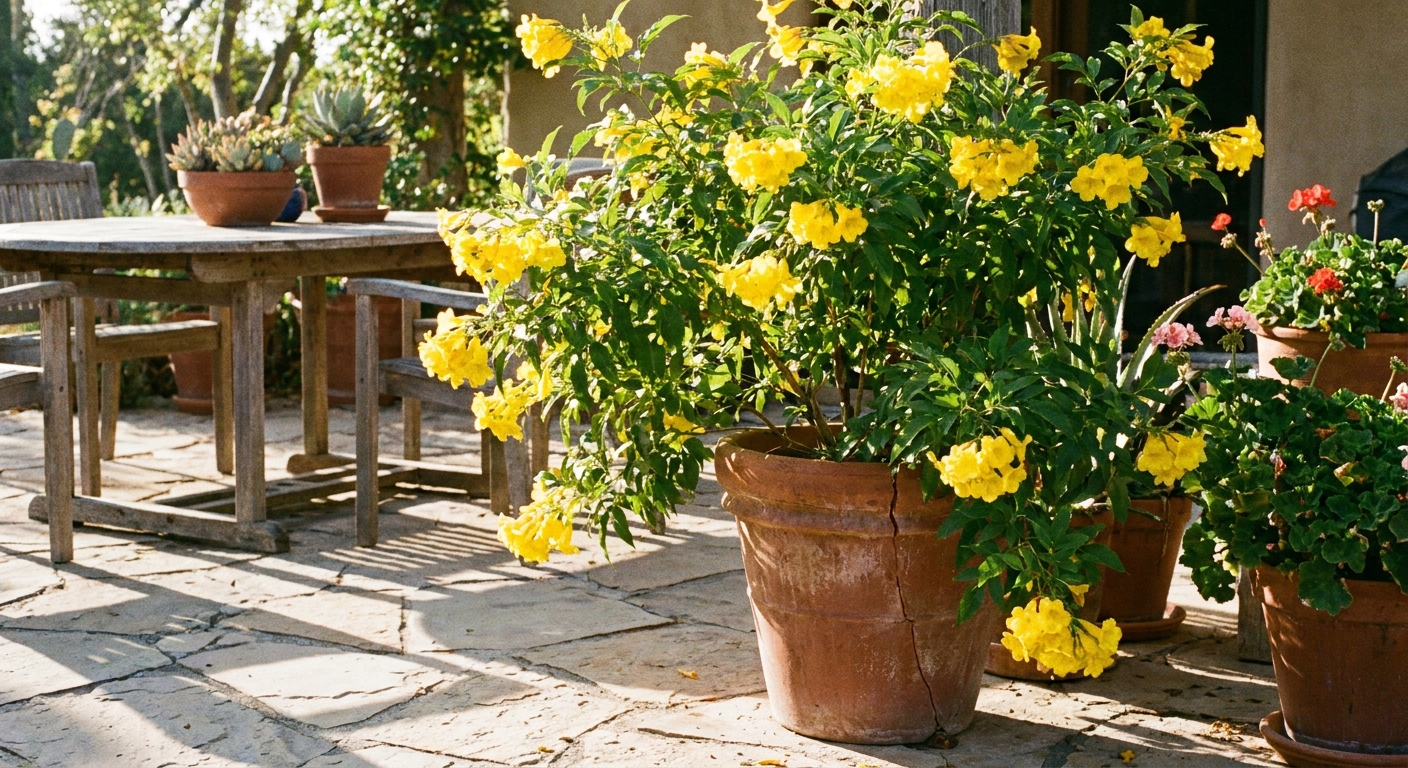
If you are in a cooler zone, or you just want that burst of yellow on a patio, amarillas does very well in a container.
- Pot size: Start with a container at least 14 to 18 inches wide for a young plant
- Sun: Give it the brightest location you have
- Water: Containers dry faster, so check moisture more often in summer
- Winter: Move to a protected spot before a hard freeze, like a garage with light or a covered porch
Pests and problems
Amarillas is generally low-drama, but here are a few things that can pop up.
Few flowers
- Most common cause: Not enough sun
- Too much nitrogen fertilizer can also reduce blooming
- Hard pruning at the wrong time can temporarily reduce flowers
- Extreme heat and very dry soil can pause blooming until conditions improve
Yellowing leaves
- Overwatering or poor drainage is a common culprit
- In containers, check that the pot drains freely and roots are not circling tightly
Aphids or whiteflies
- Blast off with a strong stream of water in the morning
- Encourage beneficial insects by avoiding broad-spectrum pesticides
- Use insecticidal soap if infestations are persistent, following label directions
Root rot
- Usually from soggy soil
- Fix drainage first, then adjust your watering schedule
Is it invasive?
This depends heavily on your region. Tecoma stans can self-seed in warm areas and may spread beyond where you planted it. It has naturalized in some warm regions, so it is worth checking local guidance from your extension office or invasive species council.
If you want to reduce volunteer seedlings, remove spent flower clusters before they form mature seed pods and keep an eye out for young sprouts after rainy periods.
Propagation
If you want more amarillas (and you probably will), you have options:
- Seed: Easy, especially where the plant sets pods. This is also why it can self-seed.
- Cuttings: A good way to clone a plant you love and avoid surprises from seed-grown variation.
Landscaping ideas
- Pollinator corner: Pair amarillas with salvia, lantana, and native milkweed for a buzzing, humming border
- Sunny hedge: Plant as a loose screen, then prune to shape
- Low-water color: Combine with agave, rosemary, and ornamental grasses for a tough, sunny look
- Patio statement pot: One big container near a bright wall turns into a living bouquet
FAQ
Is amarillas the same as amaryllis?
No. Amaryllis is a bulb with large lily-like flowers, often grown indoors. Amarillas in this context refers to Tecoma stans, a flowering shrub with yellow trumpet blooms.
How fast does it grow?
In warm weather with full sun, amarillas can grow quickly, often putting on noticeable size in a single season. Pruning helps shape that enthusiasm.
Does it attract hummingbirds?
Yes, the trumpet-shaped flowers are a classic hummingbird favorite, especially when the plant gets full sun and steady blooms.
Can I grow it indoors?
Long-term indoor growth is tough because amarillas needs strong sun to bloom well. A bright greenhouse or sunroom is your best bet, otherwise treat it as a patio plant.
Next step
If you are choosing a spot today, choose sun first, then make sure the soil drains. Everything else is tweakable. Amarillas is one of those plants that rewards you for trying, even if you do not get it perfect the first time.
If you tell your shrub “good job” when it blooms, I will not judge. My ferns get pep talks weekly.