
Amarillas: How to Grow Golden Blooms and Brighten Your Garden

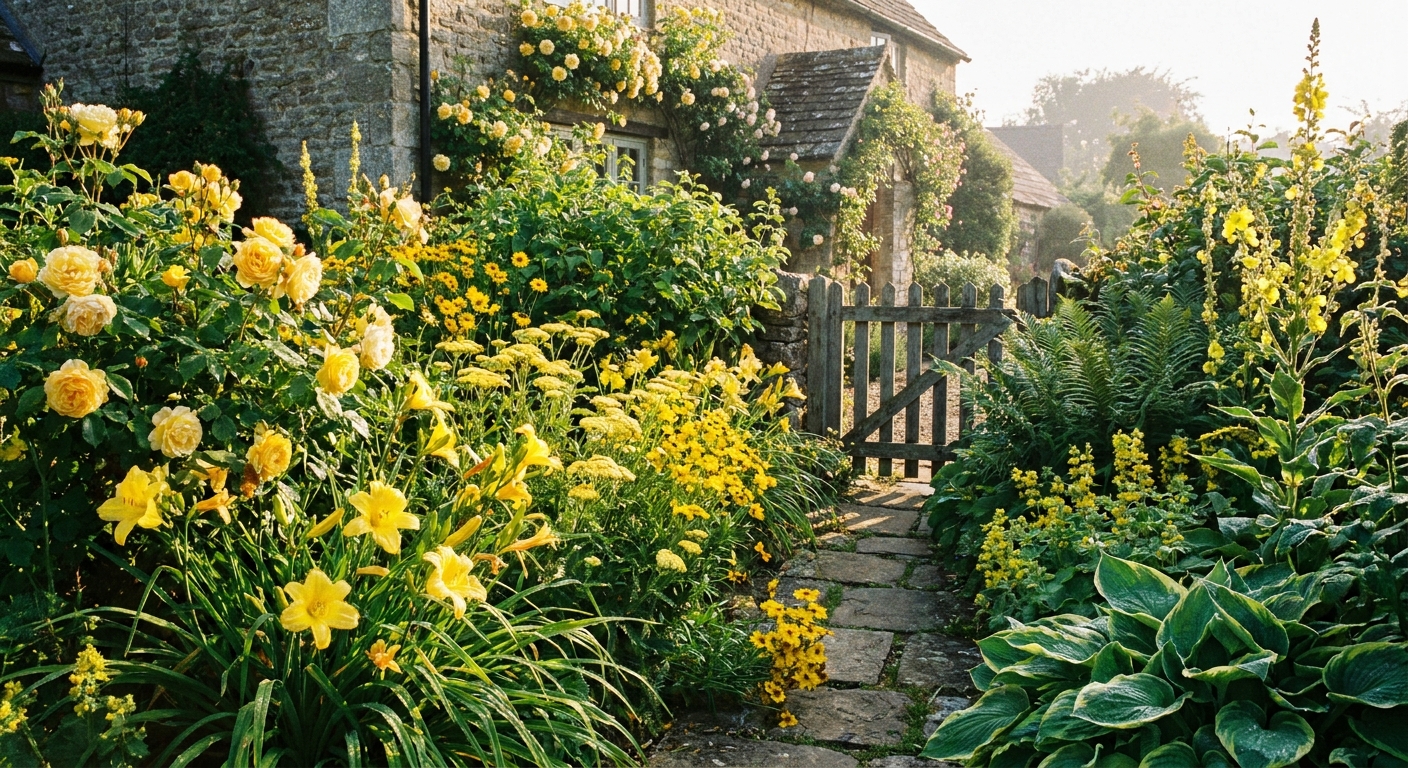
“Amarillas” is the plural form of “amarilla” (yellow) in Spanish, and it is usually used as an adjective, as in flores amarillas (yellow flowers). In the gardening world it often pops up when people are searching for yellow flowers, golden foliage, or even specific plants sold with “amarilla” in the common name. If you landed here because you want that sunny, golden glow in your pots or beds, you are in the right place. Yellow is the color that makes a garden feel instantly warmer, even on a grumpy gray day.

What gardeners mean by “amarillas”
Depending on where you live and what you are shopping for, “amarillas” searches usually fall into one of these buckets:
- Yellow-blooming annuals and perennials for beds and borders
- Golden foliage plants that stay yellow even when not flowering
- Bulbs with yellow blooms for spring or summer color
- Plants with “amarilla” in the name at local nurseries or online listings (for example, you may see listings like “allamanda amarilla” or region-specific common names that include amarilla)
The good news is that the care basics for yellow plants are not mysterious. The slightly annoying news is that bright yellow can make stress look obvious fast, so pale leaves and off-color growth tend to stand out. We will build your “amarillas” garden from the ground up, starting with plant picks that actually behave.
Best amarillas plants
If you want yellow that shows up and shows off, these are some of my most dependable choices. Pick a few that match your sun and climate, then repeat them for a cohesive look.
Sunny annuals
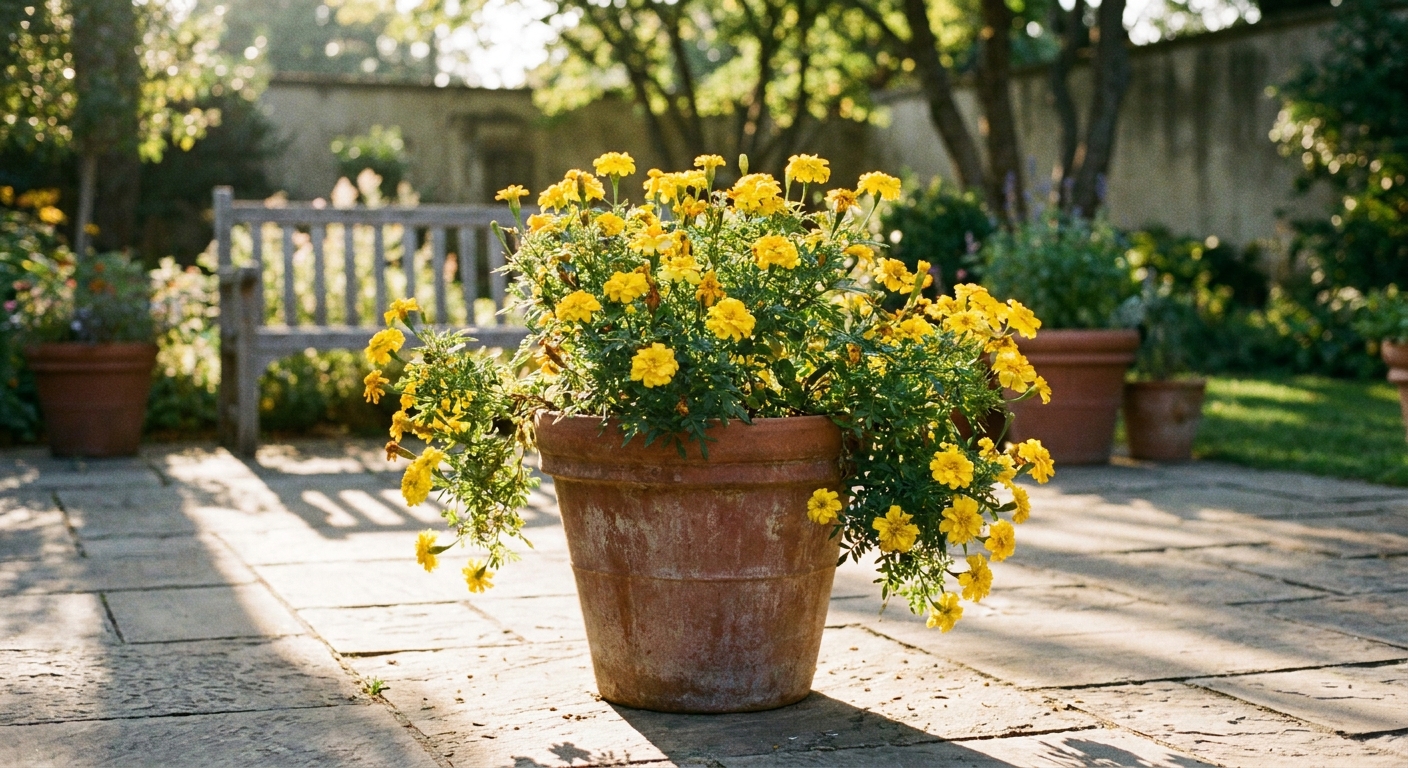
- Marigolds (Tagetes): tough, cheerful, and great for containers. Full sun. Deadhead for more blooms.
- Zinnias (yellow cultivars): heat lovers that bloom like crazy once established. Full sun, good airflow.
- Sunflowers (dwarf or tall): classic golden “amarillas” energy. Full sun, consistent water while establishing.
- Nasturtiums (yellow cultivars): edible flowers and leaves. Prefer leaner soil and sun to part shade. In my pots, they bloom best when I do not pamper them with rich fertilizer.
Perennials
- Black-eyed Susan (Rudbeckia) (USDA Zones 3 to 9, varies by species): golden petals, dark centers, pollinator magnet. Full sun, drought tolerant once established.
- Coreopsis (Zones 4 to 9, varies by species): airy, long blooming, and low fuss. Full sun.
- Yarrow (Achillea, yellow cultivars) (Zones 3 to 9): flat-topped blooms and ferny foliage. Full sun, well-drained soil.
- Daylilies (yellow cultivars, Hemerocallis) (Zones 3 to 9): hardy and adaptable. Best bloom in sun.
Yellow bulbs
- Daffodils (Narcissus) (Zones 3 to 8, some to 9): spring’s golden announcement. Plant in fall.
- Tulips (yellow cultivars) (Zones 3 to 8): best in well-drained soil. Plant in fall. In warmer climates, many are treated as annuals unless you choose heat-tolerant types.
- Yellow crocus (Crocus) (Zones 3 to 8): early spring color. Plant in fall.
Golden foliage
- Heuchera (lime and gold cultivars) (Zones 4 to 9, varies by cultivar): fantastic for part shade. Great in containers.
- Golden creeping Jenny (Lysimachia nummularia ‘Aurea’) (Zones 3 to 9): bright chartreuse groundcover for moist soil. Can spread aggressively and may be invasive in some regions, so it is best contained in pots or bounded beds.
- Hosta (gold cultivars) (Zones 3 to 9): shade-friendly foliage color. Slugs may visit.
Zone note: USDA Zones are a winter survival guide, not a promise of perfect summer performance. Heat, humidity, and nighttime temperatures matter too, especially for tulips and some cool-loving foliage plants.
Design with amarillas
Yellow is friendly, but it is also loud. Here is how to make it feel like a planned glow instead of a neon shout.
Use 60-30-10
- 60% green structure (shrubs, grasses, leafy perennials)
- 30% supporting colors (white, purple, blue, soft pink)
- 10% yellow pop (your amarillas)
Pair with calming partners
My favorite companions for yellow blooms are the colors that make them look richer instead of harsher:
- Purple: salvia, lavender, verbena
- Blue: ageratum, catmint, blue fescue
- White: alyssum, white cosmos, shasta daisy
Repeat, do not sprinkle
A little yellow in five different places can look scattered. Three bigger clumps read as confident. If you are container gardening, repeat the same yellow plant in matching pots to make the space feel pulled together.
Planting and care basics
Whether your amarillas are flowers or foliage, they thrive when you give them the two big fundamentals: light and drainage. After that, we fine-tune watering and feeding.
Light
- Full sun (6 to 8+ hours): most yellow bloomers like marigolds, zinnias, rudbeckia, coreopsis
- Part shade (3 to 6 hours): many golden foliage plants like heuchera and some hostas
If a “full sun” yellow bloomer is getting only 2 or 3 hours of light, it will often grow leggy with fewer flowers. That is not a black thumb. That is physics.
Soil first
For beds, mix 2 to 3 inches of compost into the top 6 to 8 inches of soil before planting. If you garden in heavy clay, go lighter and build gradually over time so you do not create drainage issues. If you have very sandy soil, compost is your best friend and you can often use the higher end of that range.
For containers, use a high-quality potting mix and add a small handful of worm castings or compost for a gentle nutrient boost.
Watering
- Water deeply, then let the top inch or two of soil dry before watering again.
- In containers, check daily in hot weather. Pots can go from moist to crispy fast.
- Aim water at the soil, not the leaves, to reduce fungal issues.
Feeding
Too much fertilizer can mean lots of leaves and fewer flowers. I prefer slow, steady feeding:
- At planting: compost plus a balanced organic fertilizer (follow label rates)
- Mid-season: a light top-dress of compost or worm castings
- For heavy bloomers in pots: a diluted organic liquid feed every 2 to 4 weeks
- Foliage spillers like sweet potato vine: gorgeous, but often thirstier and hungrier in midsummer containers, so plan on more consistent water and occasional feeding.
Keep amarillas bright
This is the part where many gardeners panic: “My plant is turning yellow!” Sometimes that is exactly what you wanted. Sometimes it is a cry for help.
If the flowers are yellow
Congratulations, you are living the amarillas dream. Keep deadheading and give consistent sun and water.
If the leaves are yellowing
Common causes, in order of how often I see them:
- Overwatering or poor drainage: roots need oxygen. Improve drainage, water less often.
- Nitrogen deficiency: older leaves yellow first. Add compost or a balanced organic fertilizer.
- Iron chlorosis (often high pH soils): new growth is yellow with greener veins. Consider chelated iron and test soil pH.
- Magnesium deficiency: older leaves can show interveinal yellowing. A soil test helps, but a gentle magnesium source (like Epsom salt used carefully) is sometimes recommended if deficiency is confirmed.
- Root stress: root-bound pots, compacted soil, or root damage can cause general chlorosis. Check the root ball if a container plant keeps struggling.
- Not enough light: especially for sun-loving bloomers. Move pots or transplant if possible.
Tip: if you are unsure, check the soil moisture with your finger before you do anything else. Most “mystery problems” start there.
Amarillas in containers
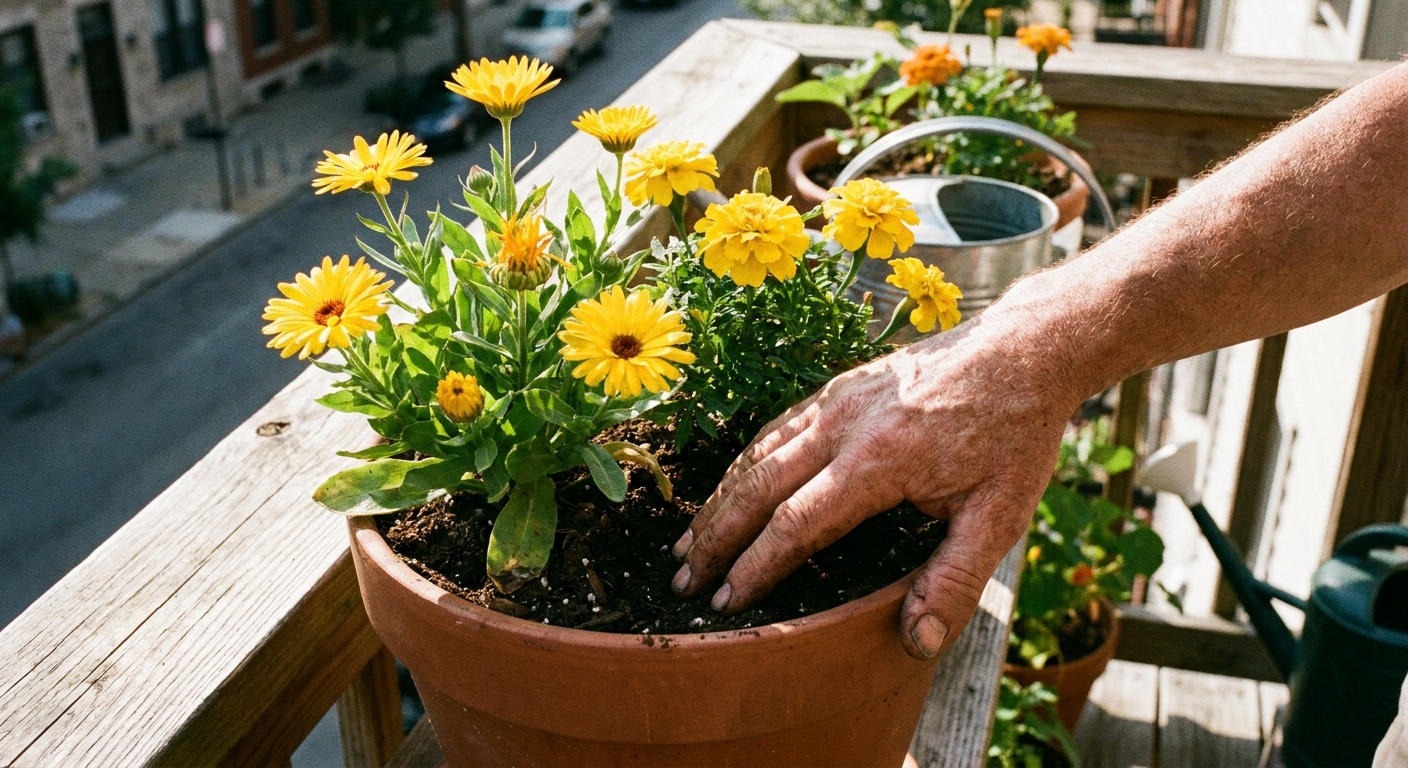
Containers are my favorite way to add controlled bursts of yellow, especially if your in-ground soil is still a work in progress. Here are a few simple combinations.
Full sun patio pot
- 1 dwarf sunflower or upright yellow zinnia as the thriller
- 2 to 3 yellow marigolds as the fillers
- Trailing nasturtium or sweet potato vine as the spiller
Part shade porch pot
- 1 golden heuchera as the color anchor
- 1 small fern for texture
- Trailing creeping Jenny for bright spill (keep it contained)
Container checklist
- Pot has a drainage hole, always.
- Use potting mix, not garden soil.
- Mulch the surface lightly to slow drying.
- Rotate the pot weekly for even growth.
Pollinators and sustainability
Yellow flowers are often a beacon for beneficial insects. If you want your amarillas to feed bees and butterflies, choose open, single blooms when you can and skip pesticide sprays.
- Plant in clusters to make foraging easy.
- Include a shallow water source nearby, even a little dish with stones.
- Let a few flowers go to seed at the end of the season for birds and self-sowing surprises.
Quick picks by condition
- Full sun and on the dry side: yarrow, coreopsis, rudbeckia
- Full sun with regular water: zinnias, marigolds, sunflowers
- Part shade: heuchera, hosta
- Moist spots or containers you water often: creeping Jenny (contained), nasturtiums in pots
Quick troubleshooting
Not blooming
- Check sun hours first.
- Stop high-nitrogen feeding and switch to balanced or bloom-supporting nutrients.
- Deadhead regularly to encourage new buds.
Pale leaves and slow growth
- Top-dress with compost.
- Make sure soil is not waterlogged.
- Consider a soil test if the problem persists season after season.
Wilting in containers
- Water deeply until it drains, then check again later the same day during heat waves.
- Add afternoon shade if the pot is baking against a hot wall.
- Move up one pot size if roots are tightly circling.
Safety notes
If you garden with pets or curious kids, it is worth knowing a few common cautions: daffodils are toxic if ingested, and daylilies are extremely toxic to cats. When in doubt, look up the specific plant you are bringing home.
Your next step
If you take only one thing from this page, let it be this: amarillas thrive when you match the plant to the light and keep the roots happy. Start with a few reliable yellow performers, improve the soil with compost, and give them consistent watering. The rest is just small adjustments and a little patience.
And if your first attempt is more pale lemon than golden glow, you have not failed. You have learned what your garden wants next.