
Agapanthus Care

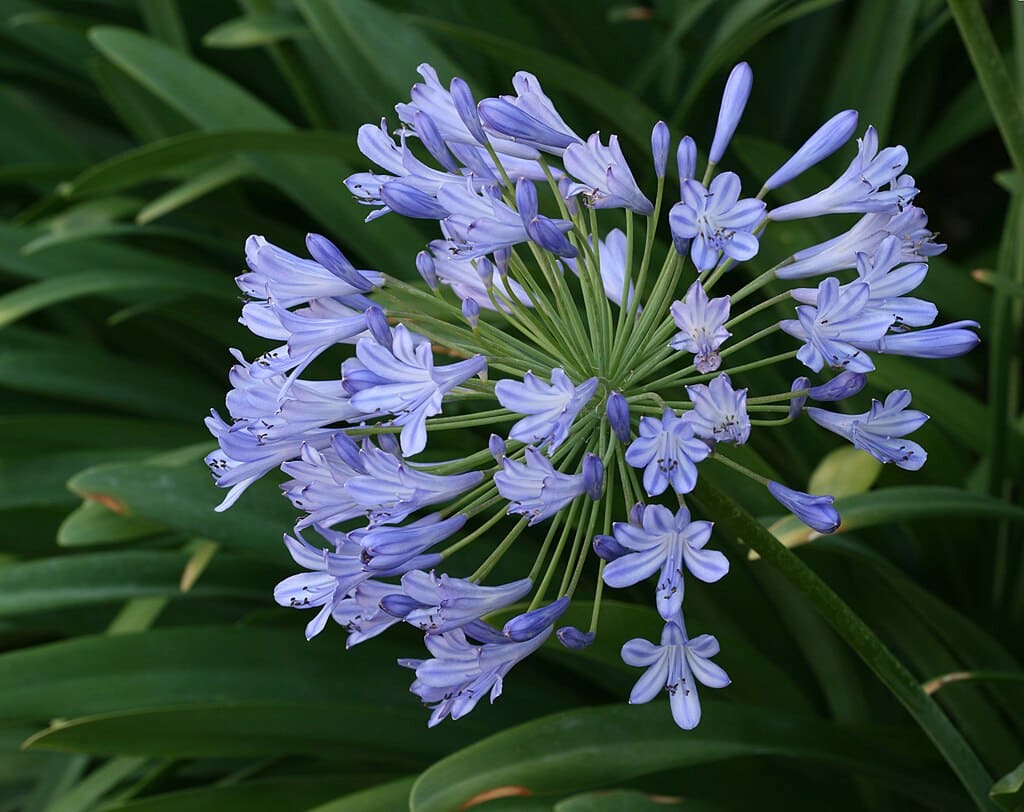
Agapanthus, also called Lily of the Nile, is one of those plants that looks fancy but behaves like a workhorse once you give it two things it truly cares about: sun and drainage. When it's happy, you get straplike leaves and tall stems topped with fireworks of blue, purple, or white flowers that float above the border like little lanterns.
When it's not happy, it usually stays leafy and sulks. No shame. This plant is simply honest about its preferences. Let's walk through exactly what it needs, how to water it, how to coax blooms, and when to split a crowded clump without stressing it or you.

Sun and placement
Full sun is the bloom booster for agapanthus. In most gardens, aim for 6 to 8 hours of direct light for the best flower production.
- Hot inland climates: Morning sun with a little afternoon shade can prevent leaf scorch, especially for evergreen types.
- Cooler summer climates: Give it the sunniest spot you've got. Less light often equals fewer flowers.
- Windy spots: Tall flower stems can lean. Plant near a low wall, fence, or among sturdier perennials for gentle support.
Soil and drainage
Agapanthus likes fertile soil, but it needs drainage. Soggy soil encourages rot and can cut blooming short.
In the ground
- Ideal soil: Loamy, compost-enriched, and quick draining.
- If you've got clay: Plant on a slight mound or raised bed, and work in compost plus a gritty amendment (like pine bark fines or horticultural grit) to open the soil structure.
- If you've got sandy soil: Add compost to improve water holding, then mulch to slow rapid drying.
In containers
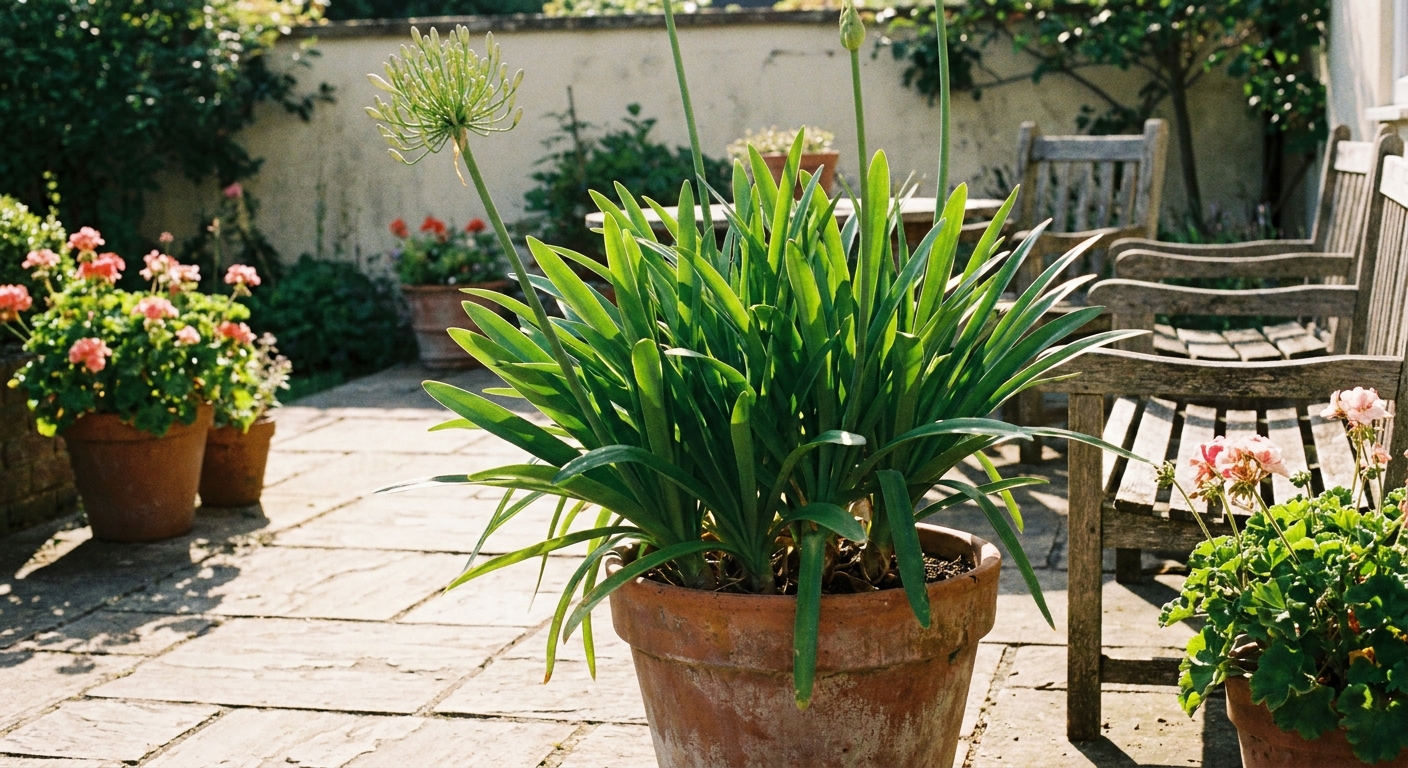
Use a high-quality potting mix with extra drainage. I like a blend that includes bark or perlite . Always choose a pot with drainage holes.
Watering
Agapanthus is drought tolerant once established, but steady moisture during active growth supports better flowering and healthier foliage.
Newly planted (first season)
- Water deeply right after planting.
- For the first 6 to 10 weeks, water when the top few inches of soil feel dry.
- Don't let it sit in a puddle. If water lingers, you've got a drainage issue, not a thirst issue.
Established plants in the ground
- Spring into bloom: Water when the top 2 to 3 inches are dry. Deep watering beats frequent sips.
- After bloom: Taper watering as the plant slows down or temperatures cool. In warm climates, evergreens may keep growing leaves and still appreciate regular moisture.
- In heat waves: Give a deeper drink, especially if leaves look limp first thing in the morning.
Quick wilt note: Midday droop is often heat and thirst. If a plant is limp in the morning and soil isn't dry, it can also point to root trouble or cold stress.
Container agapanthus
Pots dry faster. In summer, you might water every few days depending on heat and pot size. Water until it runs out the bottom, then empty any saucer so roots aren't soaking.
Feeding for blooms
Agapanthus doesn't need heavy feeding, but it does respond to the right nutrients at the right time. Too much nitrogen can give you lush leaves and very few flowers.
Simple feeding plan
- Early spring: Top-dress with compost and apply a balanced, slow-release fertilizer, or one that's slightly lower in nitrogen. The main goal is to avoid high-N feeds.
- When flower stalks start forming: A light second feeding can help, especially in containers.
- Late summer to fall: Stop fertilizing so the plant can naturally slow down for the season.
If you prefer organic options, compost plus a modest amount of an organic granular fertilizer works beautifully. The goal is steady, not explosive, growth. (And a small PSA: extra phosphorus only helps if your soil is actually deficient, so more isn't always better.)
Winter hardiness
Agapanthus hardiness varies widely by cultivar. A good rule of thumb is that many evergreen types are less cold hardy than deciduous ones.
Evergreen vs deciduous: Evergreen agapanthus keeps its leaves through winter in mild climates. Deciduous types die back and return in spring.
- USDA Zones 8 to 11: Many types overwinter in the ground with minimal fuss. Mulch helps in colder pockets.
- USDA Zone 7: Some hardier deciduous cultivars can survive with protection, especially in well-drained soil and a sheltered spot. Winter wet is often more dangerous than cold.
- USDA Zone 6 and colder: Treat agapanthus as a container plant unless you're growing a proven hardy deciduous cultivar and can provide excellent drainage plus serious winter protection.
Hardy cultivar tip: If you're gardening on the edge of its range, look for deciduous selections that are commonly sold as hardy to Zone 6 (sometimes 7 without much protection). Availability and labeling vary, so check your local nursery's recommendations for your area.
In-ground winter protection
- After frost, add 2 to 4 inches of mulch over the root zone (straw, shredded leaves, or pine needles).
- Keep soil on the drier side in winter, especially for evergreen varieties.
Overwintering in pots
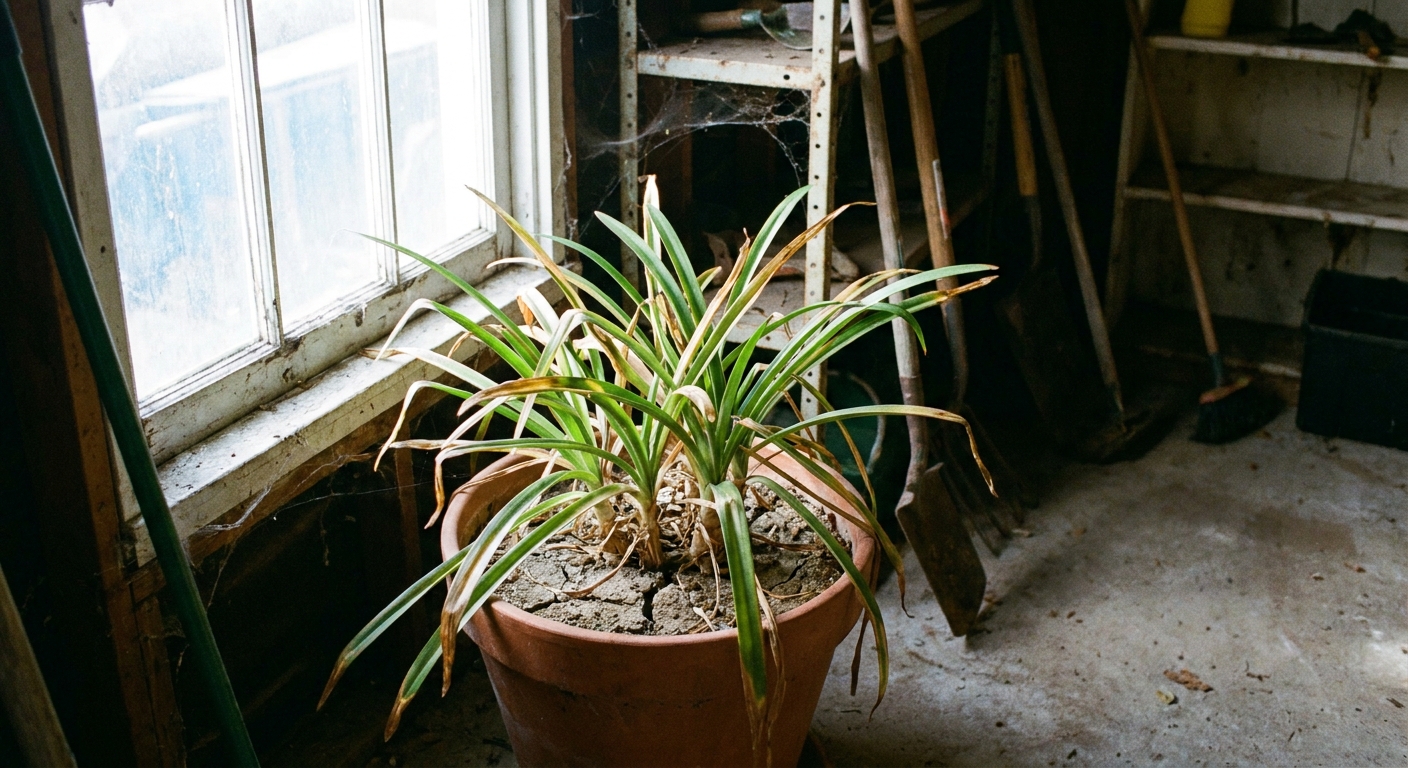
- Move pots to a bright, cool, frost-protected area (unheated garage with a window, cool sunroom, or sheltered porch).
- Water sparingly. Just enough to keep roots from completely drying out.
Pot vs ground
Here's a quirky agapanthus truth: it often blooms best when it's a little snug.
In containers
- Pros: You control drainage, can move it for winter, and slightly crowded roots can encourage flowering.
- Cons: Needs more frequent watering and occasional repotting or division.
- Pot size tip: Don't jump to an oversized pot. Move up just 1 to 2 inches wider when you repot.
In the ground
- Pros: More drought tolerant once established, less daily attention, impressive clumps over time.
- Cons: Heavy soil and winter wet can cause problems, and it can take longer to settle in and bloom after transplanting.
Why it won't bloom
If your plant is healthy but not flowering, it's almost always one of these:
- Not enough sun: Bright shade can equal beautiful leaves and zero blooms.
- Too much nitrogen: Lawn fertilizer drift and high-nitrogen feeds push foliage.
- Recently divided or transplanted: Agapanthus may take a season or two to return to full bloom after disturbance.
- Overwatering or poor drainage: Stressed roots don't prioritize flowers.
- Hard winter damage: Cold can set back buds or overall vigor, especially in evergreen types.
- Pruned at the wrong time: Cutting back green growth on evergreen types can reduce energy for next season.
If you're troubleshooting, start with sun and drainage first. Fertilizer tweaks are helpful, but light and root health are the foundation.
Blooming
Most agapanthus bloom in summer, with timing varying by cultivar and climate (early to late summer is all normal). Each flower stalk (scape) opens over time, so you get a long show, especially if conditions stay steady. Some cultivars even rebloom lightly.
Deadheading and cleanup
- If you want a tidy plant and more energy directed to roots, snip spent flower stalks near the base after blooming.
- If you enjoy seed heads for texture, you can leave a few. Just know the plant may put a bit more energy into seeds.
- Deciduous types: Once foliage yellows after frost, you can cut it back.
- Evergreen types: Tidy by removing damaged or yellowing leaves, but don't shear the whole plant down in fall.
Dividing clumps
Agapanthus forms thick, fleshy roots and can become crowded over time. Division refreshes old clumps, helps with spacing, and gives you bonus plants.
When to divide
- Best time: Early spring as growth starts, or early fall in mild-winter climates so roots can settle before cold.
- Divide when: The center looks sparse, the clump is pushing out of the ground or pot, flowering decreases due to congestion, or water runs off because the root mass is so dense.
- Don't divide too often: Some agapanthus bloom better when slightly crowded. If it's blooming well, let it be.
How to divide
- Water the day before so roots are hydrated but soil isn't muddy.
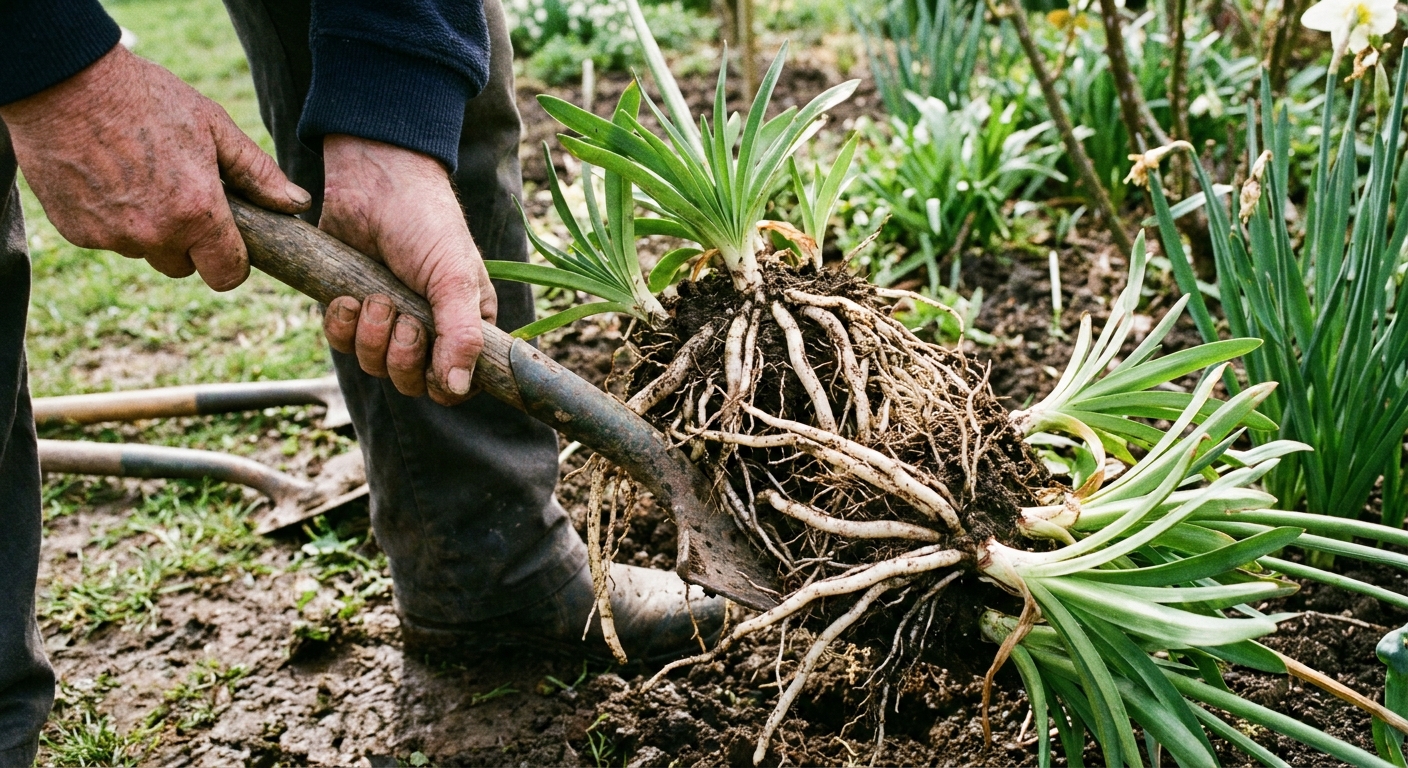
- Lift the clump with a spade or garden fork, keeping as many roots intact as possible.
- Shake or rinse off soil so you can see natural divisions.
- Split into sections using a clean knife, spade, or pruning saw. Each division should have a solid fan of leaves (or growing points) and a good chunk of roots.
- Trim damaged roots and remove dead material from the center.
- Replant immediately at the same depth, in well-drained soil or fresh potting mix.
- Water in deeply, then keep evenly moist for a few weeks while it re-establishes.
Note: If the root mass is stubborn, that's normal. Agapanthus can be downright determined. Take your time, use a sharp tool, and remember you're not hurting it. You're giving it room to breathe.
Pests, problems, and safety
- Snails and slugs: They can chew fresh growth, especially in spring. Keep mulch pulled back from the crown and use your preferred controls if damage shows up.
- Aphids: Sometimes cluster on buds or stems. A strong spray of water or insecticidal soap usually handles small outbreaks.
- Root rot: The big one. It almost always traces back to wet soil and poor drainage.
Skin and pet note: Agapanthus sap can irritate skin, and the plant may be toxic if ingested. Wear gloves when dividing and keep trimmings away from curious kids and pets.
Quick care checklist
- Sun: Full sun for best flowering, light shade in extreme heat.
- Soil: Fertile but fast draining. Avoid winter-wet spots.
- Water: Regular moisture in spring and early summer, then taper as growth slows.
- Fertilizer: Compost plus a modest, balanced slow-release feed in spring. Avoid high nitrogen.
- Winter: Match the variety to your zone, mulch and keep drier in cold seasons.
- Division: Early spring or early fall, only when crowded or performance drops.
If you can give agapanthus sunshine and a dry-ish, well-drained home, it'll reward you with those joyful globe blooms year after year. And if it takes a season to settle in, that's just the plant rooting into its new life. Gardening is slow magic, and agapanthus is very good at it.