
7 Essential Soil Amendments to Revitalize Your Garden Beds

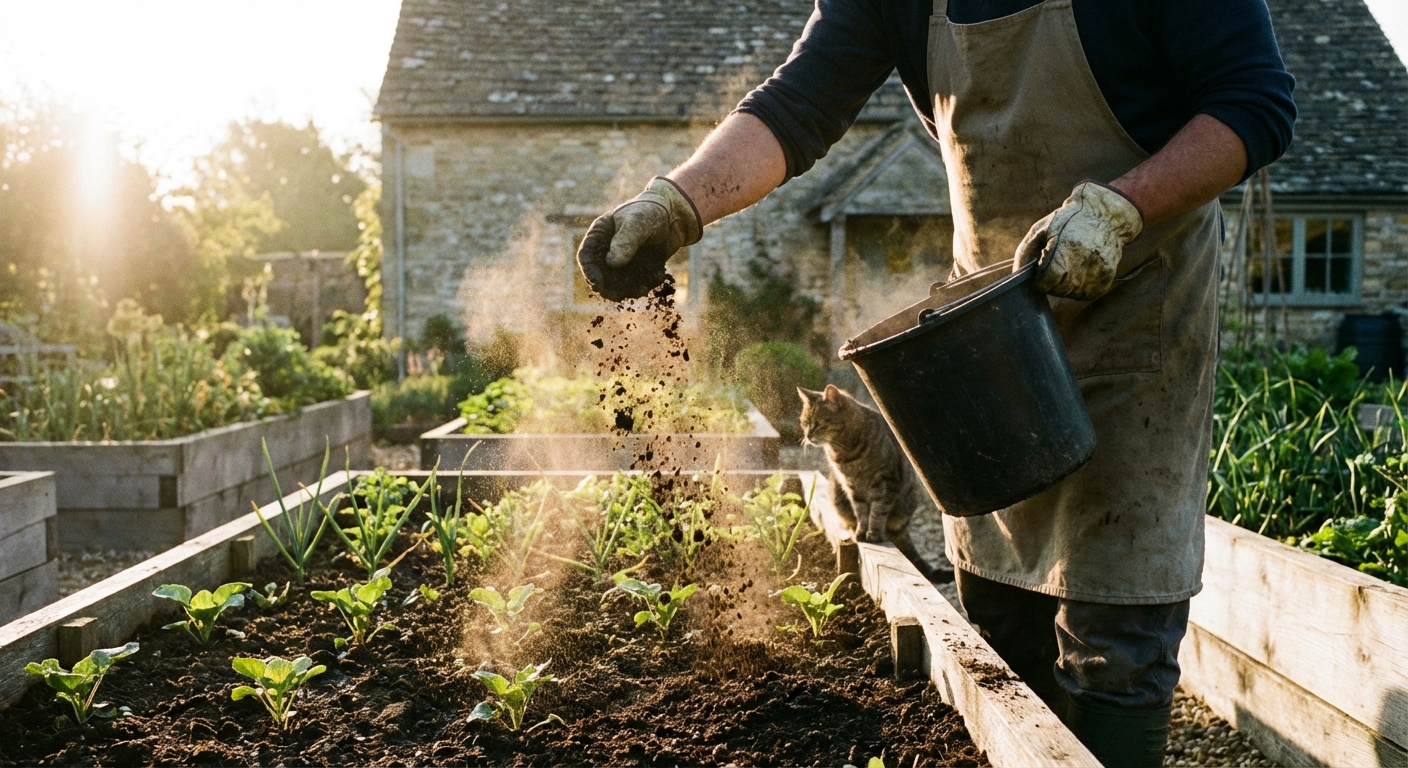
If your garden bed has been looking a little tired, you are not alone. Most “problem” plants are really just growing in “problem” soil. The good news is that soil is wonderfully fixable. With the right natural amendments, you can rebuild structure, feed the soil food web, and give your plants more even nutrient release than many synthetic quick-release fertilizers.
This list focuses on amendments, meaning materials you mix into the soil (or topdress) to improve it long-term. You can use one, but you will usually get the best results by pairing a structure-builder (like compost) with a targeted amendment (like gypsum for sodium issues or lime for pH) based on what your soil actually needs.
Quick note: Amendment needs vary by region and soil type. When in doubt, a basic soil test is the fastest way to avoid guessing (and overdoing it).
Before you amend: a 5-minute soil check
I know, I know. You want to jump right to the good stuff. But taking a moment to “read” your soil helps you choose amendments that actually solve the issue.
- Squeeze test (texture and drainage): Grab a moist handful of soil. If it forms a tight ball and stays sticky, you likely have more clay. If it falls apart like dry cake crumbs, you are likely sandy. If it forms a ball but crumbles when you poke it, that is the sweet spot.
- Dig and sniff (life and compaction): Healthy soil smells earthy, not sour. If it is hard to push a trowel in, compaction is part of the problem.
- Look for worms: A few earthworms in a shovel-full is a good sign that organic matter is supporting life.
- Consider a soil test: If you are struggling with poor growth year after year, a basic lab test is worth it. It tells you pH and major nutrients, and it can prevent you from overdoing things like phosphorus.
How deep should you mix amendments? Most roots and soil biology are busiest in the top few inches. Aim for the top 6 inches when you can. If you are working an empty bed, mixing into 4 to 8 inches is plenty. If you are gardening no-dig, topdress and let worms and weather do the mixing for you.
1) Finished compost
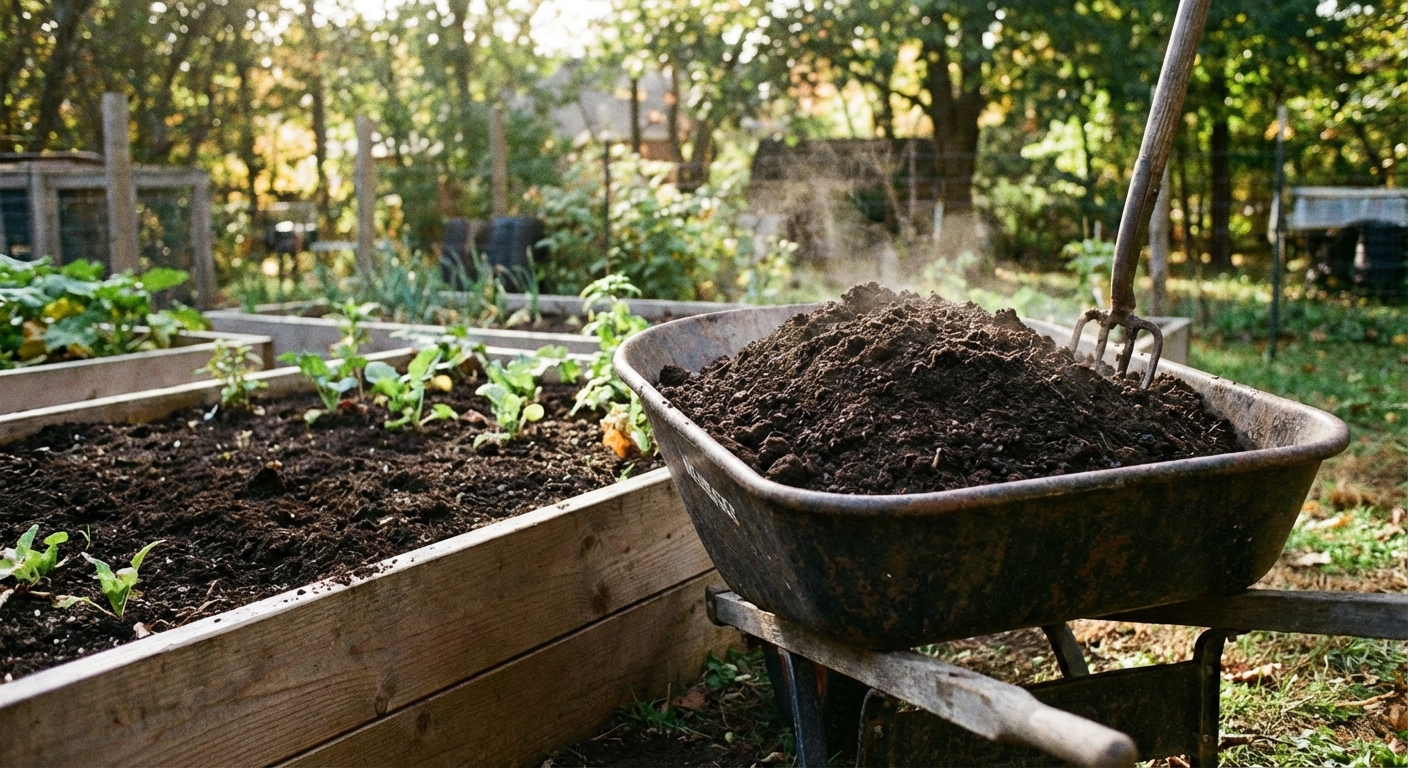
If I could only pick one amendment for the rest of my gardening life, it would be compost. It is food for your soil biology and a gentle, broad-spectrum source of nutrients.
What it adds
- Organic matter that improves both drainage (in clay) and water-holding (in sand)
- Slow-release nutrients including nitrogen, phosphorus, potassium, and micronutrients in small, plant-available amounts
- Beneficial microbes that support root health and nutrient cycling
How to apply
- New beds: Mix in 2 to 4 inches of compost into the top 6 to 8 inches of soil. If you amend yearly (or your soil test shows high phosphorus), err on the lower end.
- Established beds: Topdress with 1 inch each spring (up to 2 inches if your soil is very depleted).
- Around plants: Keep compost 1 to 2 inches away from stems to prevent rot.
Clara’s tip
Use finished compost, not half-broken scraps. It should smell like a forest floor and look dark and crumbly. If it smells sour or looks slimy, let it cure longer.
2) Worm castings
Worm castings are like compost’s fancy cousin. They are nutrient-rich, microbe-dense, and gentle enough for seedlings. I call them my “confidence amendment” because they make plants perk up without drama.
What it adds
- Mild, balanced nutrients (especially available nitrogen) without burning
- Beneficial microbes that can support root resilience
- Humic substances that help with nutrient availability
How to apply
- Bed topdress: Sprinkle 1/4 to 1/2 inch over the soil surface and lightly rake in.
- Planting holes: Mix a small handful into each hole for transplants.
- Potting mix booster: Add 10 to 20 percent by volume to homemade mixes.
Watch-outs
Castings are powerful but pricey. Think of them as a targeted booster, not your main bulk amendment.
3) Leaf mold
Leaf mold is what happens when autumn leaves are allowed to quietly decompose into a silky, sponge-like soil conditioner. It is not a strong fertilizer, and that is exactly why it is so useful.
What it adds
- Organic matter that improves tilth and moisture retention
- Fungal-friendly biology that many perennials and shrubs appreciate
- Gentle structure improvement without pushing leafy growth
How to apply
- Topdress: Apply 1 to 3 inches as mulch around plants.
- In beds: Mix 1 to 2 inches into the top few inches if your soil is tight or crusty.
- Best timing: Fall is perfect, but spring works too.
Clara’s tip
If you have clay soil that cracks in summer, leaf mold is magic. It helps the surface stay softer and more absorbent after rain.
4) Composted manure
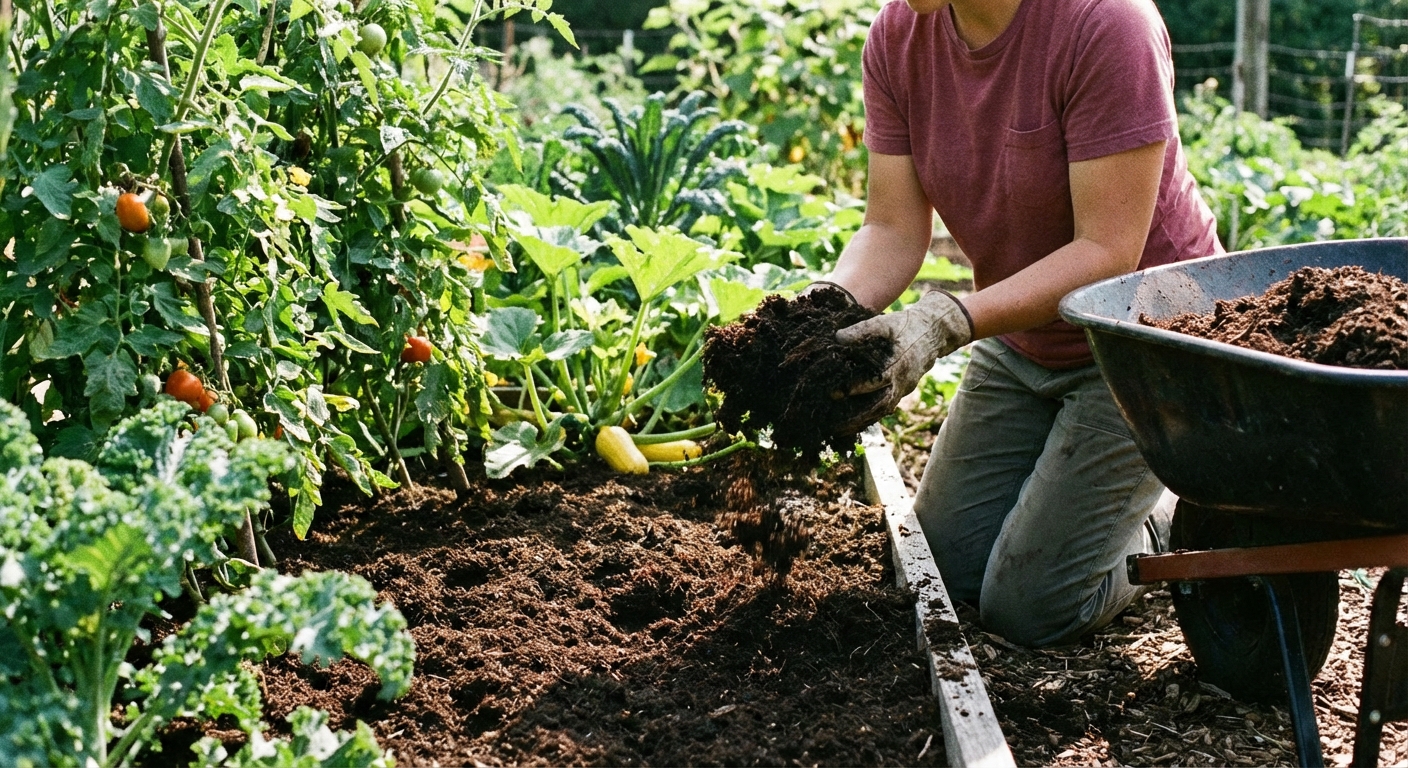
Manure is a classic amendment for a reason. It adds organic matter and nutrients, especially nitrogen. The key is to use composted manure (or truly well-aged manure) so it is safe and plant-friendly.
What it adds
- Nitrogen for leafy growth and overall vigor
- Organic matter that supports soil structure and microbial activity
- Some phosphorus and potassium depending on the source
How to apply
- General bed amendment: Spread 1 inch (up to 2 inches for very hungry beds) and mix into the top 6 inches.
- Best timing: Fall application is ideal so it settles in by spring.
- For heavy feeders: Use around corn, squash, brassicas, and hungry flowers, but do not overdo it.
Watch-outs
- Composted is best: Look for manure that has been hot-composted and fully cured. If you are buying bagged, choose “composted manure” from a reputable source.
- What “aged” should mean: Not “a little older than yesterday.” It should be broken down, earthy-smelling, and no longer heating up. When in doubt, compost it longer.
- Edible garden safety: Avoid using raw manure close to harvest. Many gardeners follow the conservative rule of applying raw manure at least 90 to 120 days before harvesting (depending on crop contact with soil). Using composted manure helps reduce this risk.
- Phosphorus can build up: If your soil test shows high phosphorus, lean on compost and leaf mold instead.
5) Gypsum
Gypsum is one of my favorite “quiet helpers,” but it works best in specific situations. It supplies calcium and sulfur, and it can improve soil structure most reliably in sodic (high-sodium) clays or soils where a test suggests sodium is part of the problem. In many ordinary clay soils, organic matter is the real hero.
What it adds
- Calcium (important for cell walls and root growth)
- Sulfur (supports protein formation and overall plant health)
- Better aggregation in some sodium-affected clays, helping infiltration and reducing crusting
How to apply
- When it makes sense: If a soil test flags sodium issues (often listed as SAR or ESP), or your soil shows classic signs like crusting and poor infiltration that does not improve with organic matter alone.
- Typical rate: Follow the product label or soil test recommendation. A common home-garden range is about 5 to 10 pounds per 100 square feet, then water in.
- Timing: Spring or fall, whenever you are prepping beds.
Watch-outs
Gypsum is not a cure-all for compaction. If foot traffic is the issue, add pathways, avoid working wet soil, and add organic matter. Gypsum shines most when paired with compost, and when sodium is actually the problem.
6) Rock dust (basalt or granite)
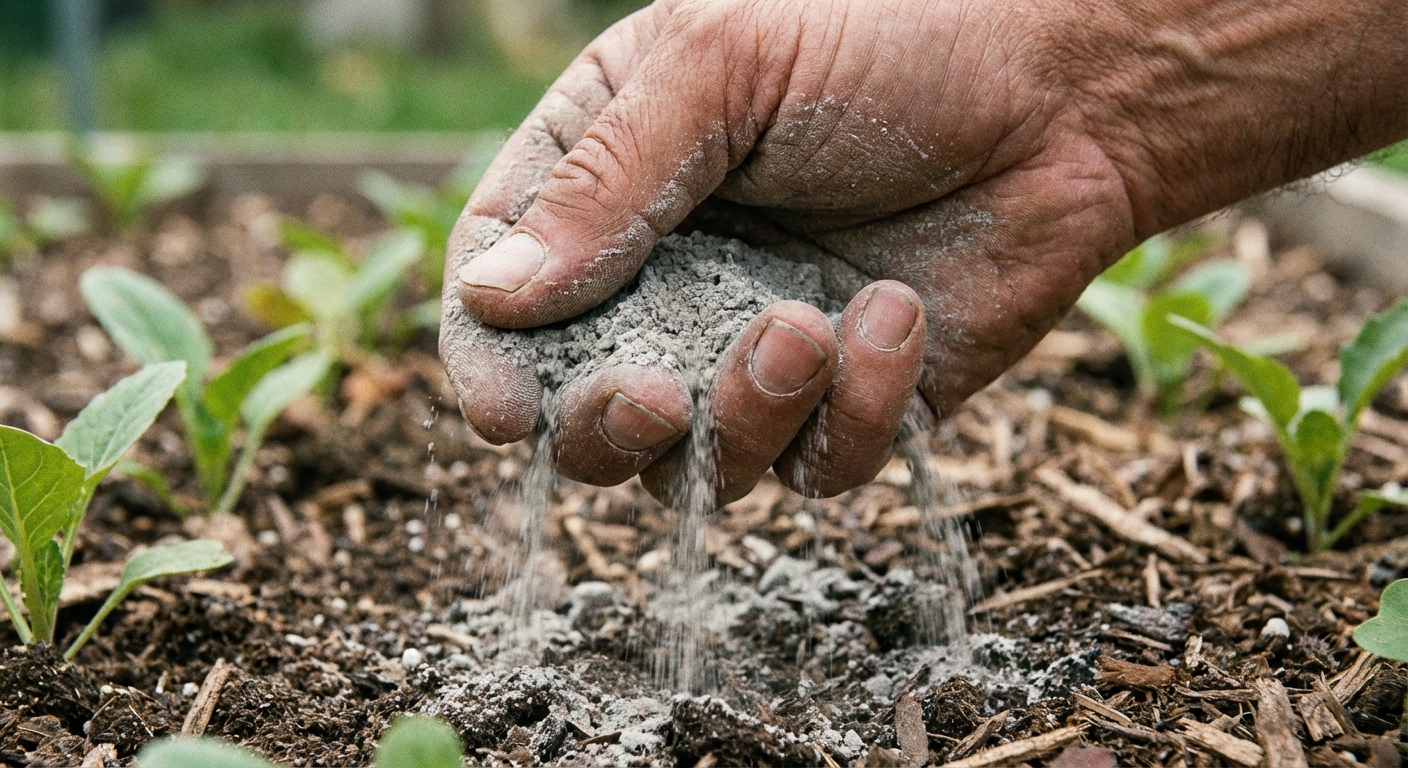
Rock dust is a slow, long-game mineral amendment. In some depleted or heavily cropped soils, it may help replenish trace minerals over time. In many home gardens, soils already contain plenty of micronutrients, so results can be subtle or variable. If you are considering it as a routine add-on, a soil test is your best reality check.
What it adds
- Trace minerals such as iron, manganese, zinc, copper, and others (varies by source)
- Slow-release mineral input that becomes available as it weathers
- Mineral diversity that may support soil processes over time
How to apply
- Typical rate: 5 to 20 pounds per 100 square feet, depending on product and soil needs.
- Mix in: Incorporate into the top few inches, or apply before a compost topdress.
- Frequency: Every 1 to 3 years is common for maintenance, but only if you have a reason to use it.
Watch-outs
Choose a reputable source and follow label rates. “More” is not automatically better with mineral amendments. If your soil test already shows adequate micronutrients, compost is usually a better investment.
7) Biochar (charged)
Biochar is charcoal made for soil. Think of it as a tiny apartment complex for microbes. It can also help soils hold onto nutrients and moisture, but the effect depends on your soil type and the biochar itself. The key is that it should be charged first, meaning pre-loaded with nutrients so it does not pull nitrogen from the root zone at the start.
What it adds
- Long-term carbon that can improve soil resilience
- Habitat for microbes that supports nutrient cycling
- Potentially improved nutrient holding (often described as higher CEC in certain soils and biochars)
How to apply
- Charge it: Soak biochar in compost tea, fish hydrolysate, diluted urine (yes, really), or mix it with finished compost and let it sit a couple of weeks.
- Application rate: Start modest at 5 to 10 percent by volume in the top layer, or roughly 1/4 to 1/2 inch spread across the bed and mixed into the top few inches.
- Best timing: When building a new bed, or during spring or fall soil prep.
Watch-outs
Uncharged biochar can temporarily adsorb nutrients and contribute to short-term nitrogen drawdown. Charge it first and your plants will thank you instead of pouting.
8) Lime and sulfur (for pH)
If your plants struggle even when you “feed” them, pH can be the hidden culprit. You can have nutrients in the soil and still have hungry plants if pH is far off.
What to use
- Garden lime (raises pH): Used for overly acidic soils. It also adds calcium (and magnesium if you use dolomitic lime).
- Elemental sulfur (lowers pH): Used for overly alkaline soils. It works gradually as soil microbes convert it.
How to apply
- Test first: pH amendments are powerful. Apply based on a soil test recommendation whenever possible.
- Go slow: Small adjustments are safer than big swings.
- Timing: Fall is a great time because changes can settle in by spring, but you can adjust when prepping beds too.
Watch-outs
Do not stack lime and gypsum and hope for magic. They solve different problems. When in doubt, test, then target.
How to choose the right amendments
If decision fatigue is creeping in, here is my simple pairing approach:
- For tired, low-life soil: Compost + worm castings (topdress both).
- For heavy clay and poor drainage: Compost + leaf mold. Consider gypsum only if a soil test suggests sodium issues or you see classic sodic symptoms.
- For sandy soil that dries out fast: Compost + charged biochar for better moisture and nutrient holding.
- For pH problems: Compost + lime (to raise pH) or elemental sulfur (to lower pH), based on a test.
- For long-term mineral questions: Compost + rock dust only if you have a reason (soil test, known depletion, or repeated micronutrient issues).
How to apply amendments
Option A: Gentle mix-in (best for empty beds)
- Weed and remove old crop debris (compost healthy material, discard diseased).
- Spread your amendments evenly over the bed surface.
- Incorporate lightly into the top 4 to 8 inches using a garden fork or broadfork. Most benefits happen in the top 6 inches, so do not feel like you need to dig to China. Avoid pulverizing the soil.
- Water well to settle everything in.
- Mulch with leaves, straw, or shredded bark to protect your work.
Option B: No-dig topdress (best for established beds)
- Pull weeds and loosen only where needed for planting holes.
- Topdress with 1 to 2 inches compost (and any fine amendments like worm castings).
- Add mulch on top to reduce erosion and keep moisture steady.
- Be patient: Soil life will pull the goodness down over weeks and months.
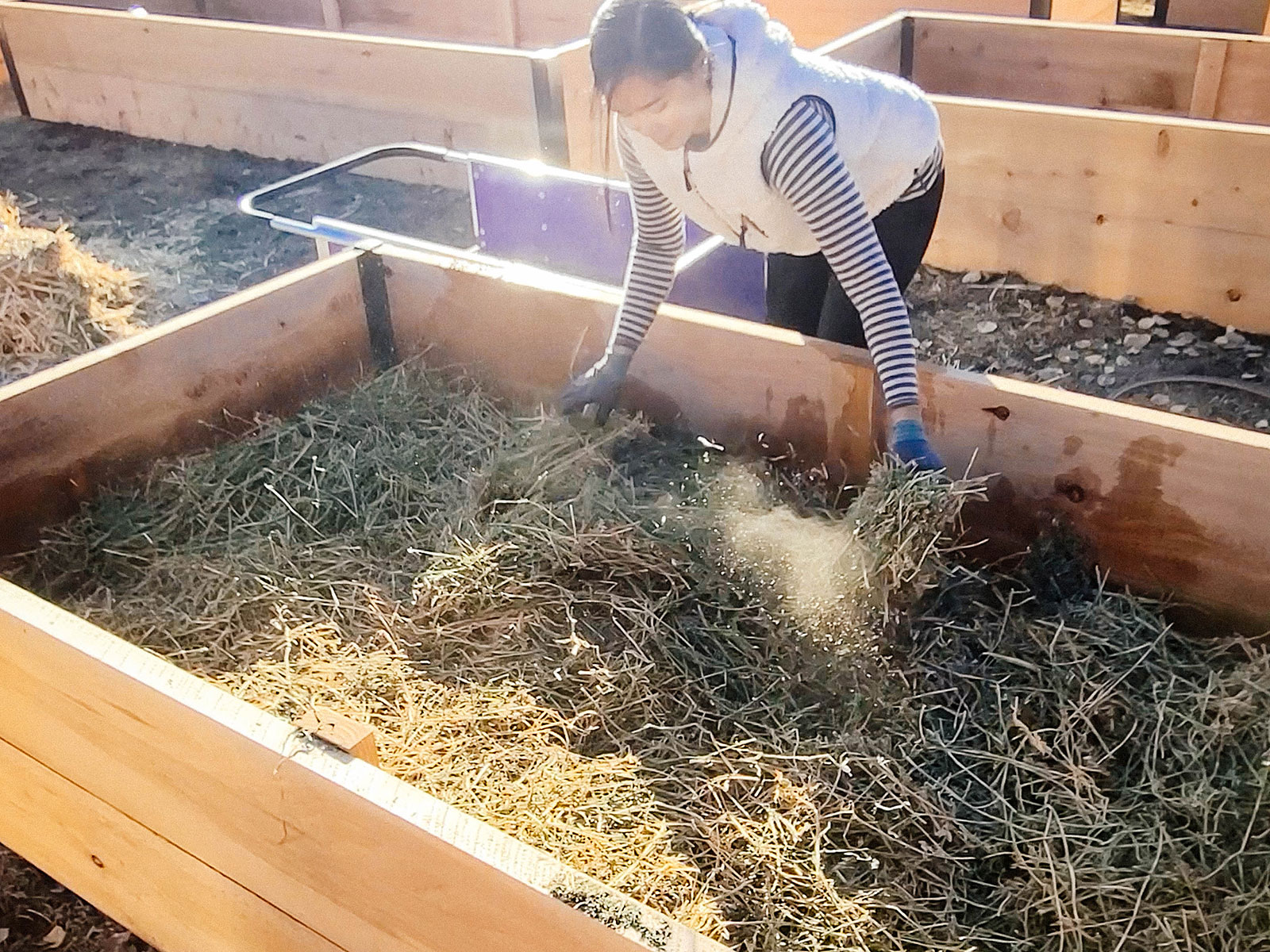
Mulch and cover crops
If you want the cheapest “amendment” that quietly improves soil all year, it is cover. Bare soil is stressed soil.
- Mulch: Protects the surface from baking and erosion, smooths out moisture swings, and slowly feeds soil life as it breaks down.
- Cover crops: Act like living mulch. They reduce weeds, protect soil structure, and add organic matter. Legumes (like clover or vetch) can add nitrogen when managed correctly.
Even a simple layer of shredded leaves in fall counts. Your soil does not care if it is fancy. It cares if it is consistent.
Common amendment mistakes
- Adding sand to clay: This can create a concrete-like texture unless you add large amounts of organic matter too. Compost is the safer path.
- Overloading with manure: Too much can push excessive leafy growth and can build phosphorus over time.
- Ignoring pH: Nutrients can be present but unavailable if pH is far off. If plants struggle despite amendments, test pH.
- Working wet soil: If soil sticks to your tools like frosting, step away. Working it wet destroys structure.
- Expecting instant miracles: Some improvements are immediate, like better moisture retention. Others, like pH adjustments and rock dust, are slow and steady.
A simple seasonal plan
If you want a routine that is realistic, here is a soil-care rhythm that works in most home gardens:
- Spring: Topdress 1 inch compost, add worm castings at planting, mulch after seedlings establish.
- Mid-season: Refresh mulch, spot topdress compost around heavy feeders, avoid bare soil.
- Fall: Add 1 inch compost or leaf mold, apply composted manure if needed, cover beds with leaves or a cover crop.
And if you mess up a little, welcome to the club. Soil is forgiving. It just wants consistent care, like a good friend who appreciates being fed and listened to.