Why Rose Buds Turn Brown and Never Open

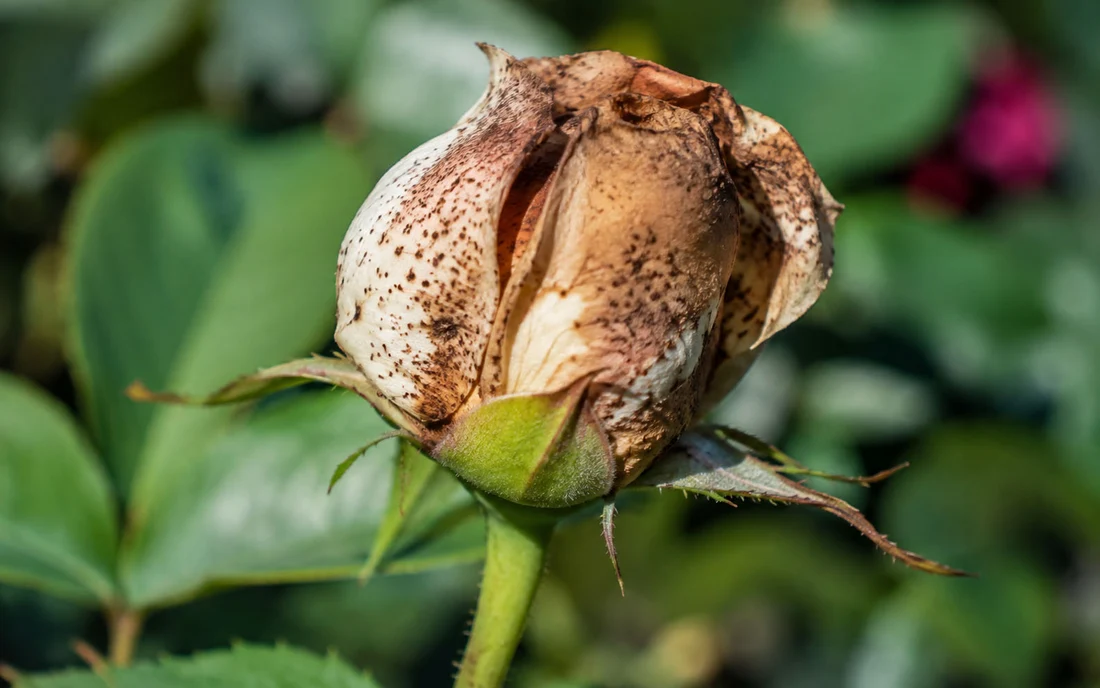
Nothing is more heartbreaking than watching a rose bud fatten up like it is about to put on a show, only to turn brown and stall. I have stood over plenty of buds like a concerned auntie, gently pinching, sniffing, and whispering pep talks that (sadly) do not count as plant care.
The good news is that most “brown bud, never opens” problems fall into a few clear categories. Once you know what you are looking at, you can decide whether to snip that bud off today or give it a little time to recover and open after the weather improves.
One more helpful truth: more than one issue can be happening at once. A bud that starts as weather balling can slide into botrytis, and thrips-scarred petals can sometimes invite secondary rot if conditions stay wet.
Quick diagnosis
Use this as your fast sorting tool, then jump to the section that matches what you see.
- Bud looks swollen and stuck shut after rain or high humidity: likely weather balling.
- Bud has tan to brown spots and may develop gray fuzz, especially in damp weather: likely botrytis (gray mold).
- Bud opens a little but petals look browned at the edges, streaked, or scarred, sometimes distorted: likely thrips.
- Bud turns crispy and brown during a hot, dry spell but stays firm (no mush, no mold): often dry stress and may recover.
Weather balling
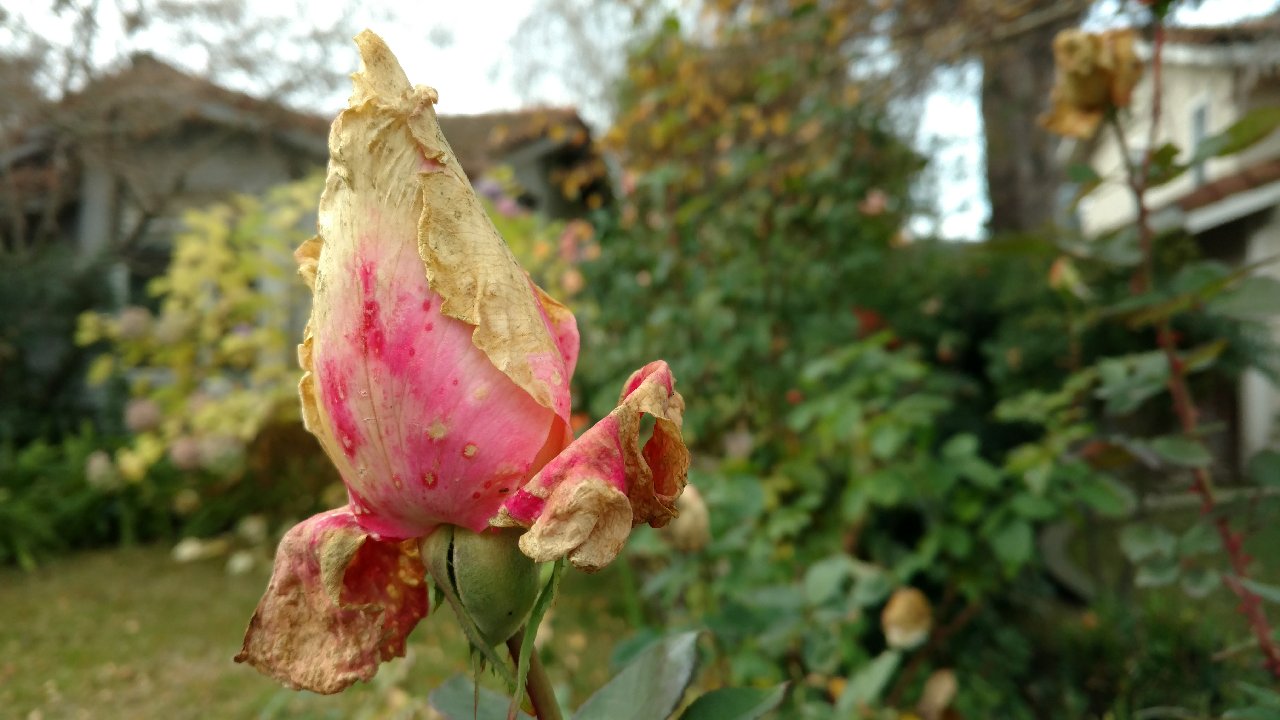
Weather balling happens when the outer petals get wet and then dry slowly. Those petals can stick together like damp tissue paper. The bud keeps trying to expand from the inside, but the outside never loosens, so the bud browns and stalls. If wet conditions linger, balling can also set the stage for botrytis.
What it looks like
- Buds swell but do not open.
- Outer petals turn brown or tan, often starting at the tip.
- Sepals may look fine and green, while the petals underneath are stuck.
- Most common after cool rain, foggy mornings, or long humid stretches.
Remove the bud?
Maybe. If the bud feels mushy, smells off, or you see any gray mold, remove it (that is botrytis territory). If it feels firm and you can see the bloom color underneath, it still has a chance.
What to do now
- Wait for a dry day. Sometimes the next warm, breezy afternoon is all it needs.
- Gently peel away one or two browned outer petals if they are papery and loose. Do not force it. If you have to wrestle the bud, stop.
- Improve airflow by thinning crowded growth around the bloom zone.
- Water at the soil line, not overhead, so you are not re-wetting buds daily.
If your rose is a very full, many-petaled variety, balling is more common. That is not your fault. It is just a lot of petals trying to coordinate their grand entrance.
Botrytis (gray mold)
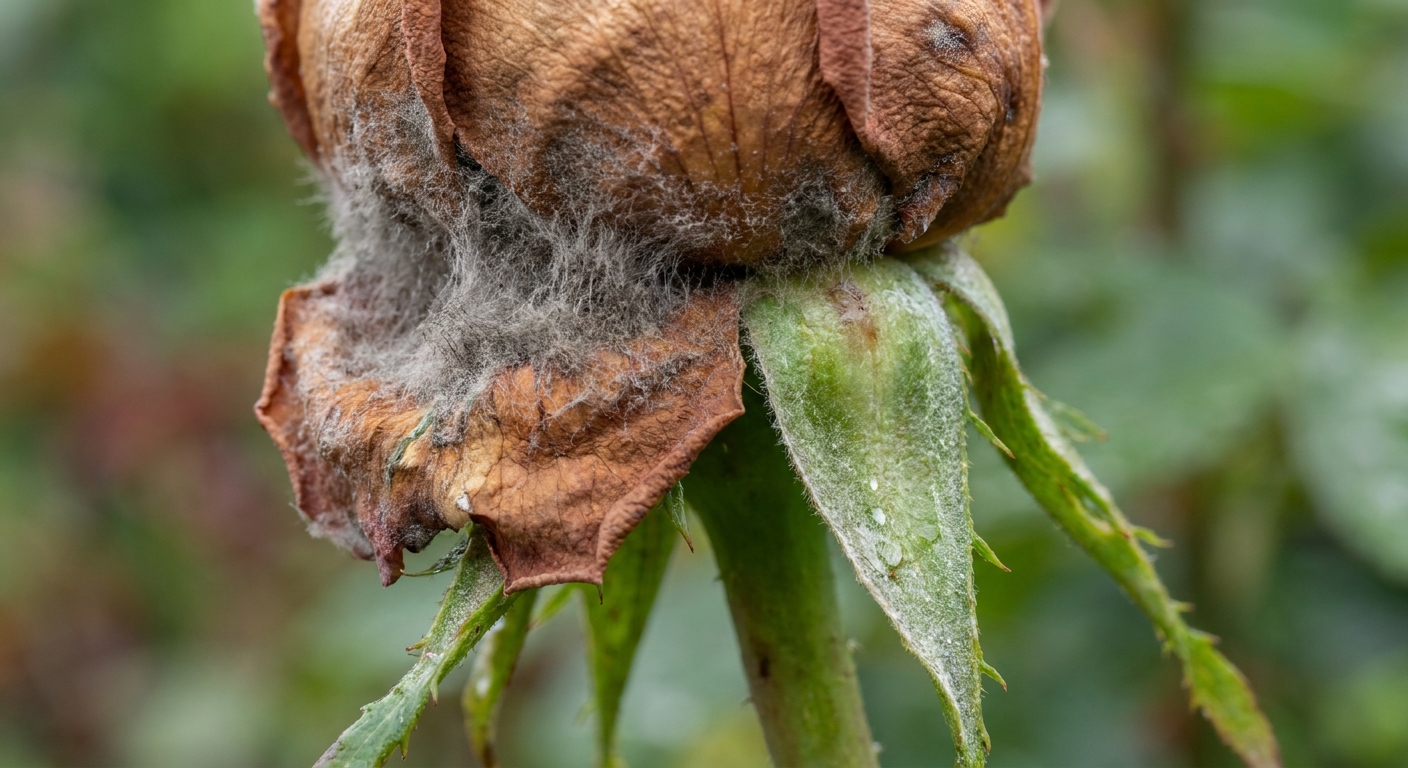
Botrytis cinerea is a fungus that thrives in cool to mild, damp conditions and poor airflow. On roses, it often hits buds and petals first. It can make buds brown, fail to open, or open into a blotchy mess. It also loves aging petals and spent blooms left on the plant because those tissues are easy for it to colonize, then it spreads by spores to the next round.
What it looks like
- Brown spots on buds or outer petals that spread.
- Buds may feel soft or look water-soaked.
- In humidity, you may see gray, fuzzy mold on the bud or spent petals.
- More common when blooms stay wet from rain, sprinklers, or dense foliage.
Remove the bud?
Yes, remove it. A botrytis-infected bud is very unlikely to open into a healthy flower, and leaving it in place gives the fungus more time to spread to neighboring buds and petals.
How to prune it
- Use sharp pruners and snip the bud off with a short piece of stem attached.
- Cut back to the next set of healthy leaves or a strong outward-facing bud eye if you are cleaning up a whole cluster.
- Bag and trash infected buds and petals. Do not compost them if botrytis is active in your garden, because most home compost piles do not consistently get hot enough to kill plant pathogens.
- Clean pruner blades with soap and water, or wipe with alcohol between heavily infected plants.
Stop it from returning
- Increase airflow: thin crowded stems, remove twiggy interior growth, and avoid letting climbers become a solid wall of leaves.
- Water early and low: drip line or a wand at soil level is ideal.
- Ground cleanup matters: pick up fallen petals and mushy blooms during wet spells, especially if you are seeing mold.
- Mulch to reduce soil splash onto lower growth.
If botrytis is a recurring problem where you live, it can be worth choosing rose varieties with a bit more disease resistance and fewer ultra-packed petals.
Thrips
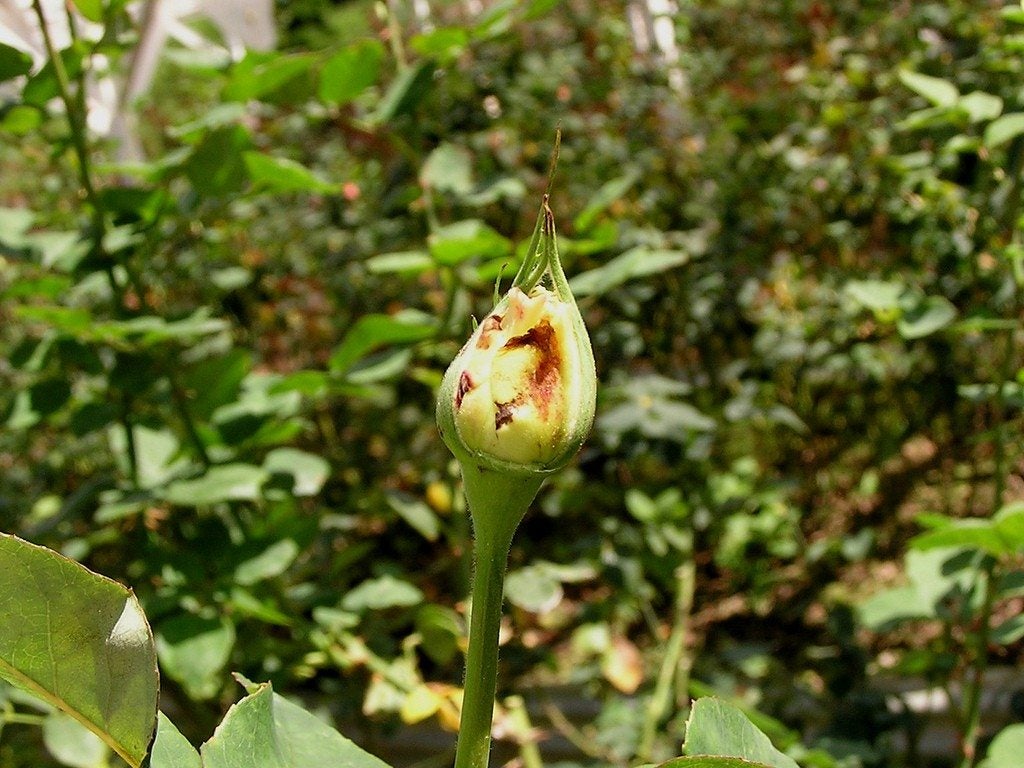
Thrips are tiny, slender insects that feed by rasping plant tissue and sucking the juices. On roses, they often damage petals while the bud is still closed. Then, when the flower tries to open, the petals look browned, streaked, or “burnt” at the edges and sometimes stick together. In prolonged wet weather, that petal damage can also make blooms more likely to rot.
What it looks like
- Buds may open partway, then stall.
- Petals have brown edges, tan streaks, or scabby-looking patches.
- Light-colored roses show damage most dramatically.
- You may see tiny black specks (thrips droppings) on petals.
Confirm thrips
- Tap test: hold a white sheet of paper under a bud or bloom and tap it gently. Thrips can fall onto the paper as tiny moving slivers.
- Peek into the bud: if the bud is starting to open, gently separate petals and look deep inside. Thrips often hide in the folds.
Remove the bud?
It depends on your goals. A thrips-damaged bud may still open, but the bloom can be misshapen or browned. If this is a showy front-yard rose or you are cutting flowers for a vase, I remove badly damaged buds so the plant puts energy into fresh ones.
Control options
- Remove and discard the worst buds early to physically reduce the population.
- Rinse buds with a firm stream of water in the morning to knock some thrips loose. It can reduce numbers, but it is usually not a one-and-done solution because thrips can hide deep in the bud. Avoid doing this late in the day or during cool, humid spells, since extra wetness can worsen balling or botrytis.
- Encourage beneficials like lacewings and minute pirate bugs by keeping a diverse garden with small-flowered herbs nearby.
- Go easy on high-nitrogen feeding, which can push soft growth that attracts pests.
If you choose to spray, use the least disruptive option you can, and follow the label exactly. Gardeners often reach for insecticidal soap, horticultural oil, or spinosad for thrips, but timing matters. Spray at dusk or very early morning when pollinators are less active, and avoid spraying open blooms whenever possible.
Dry stress
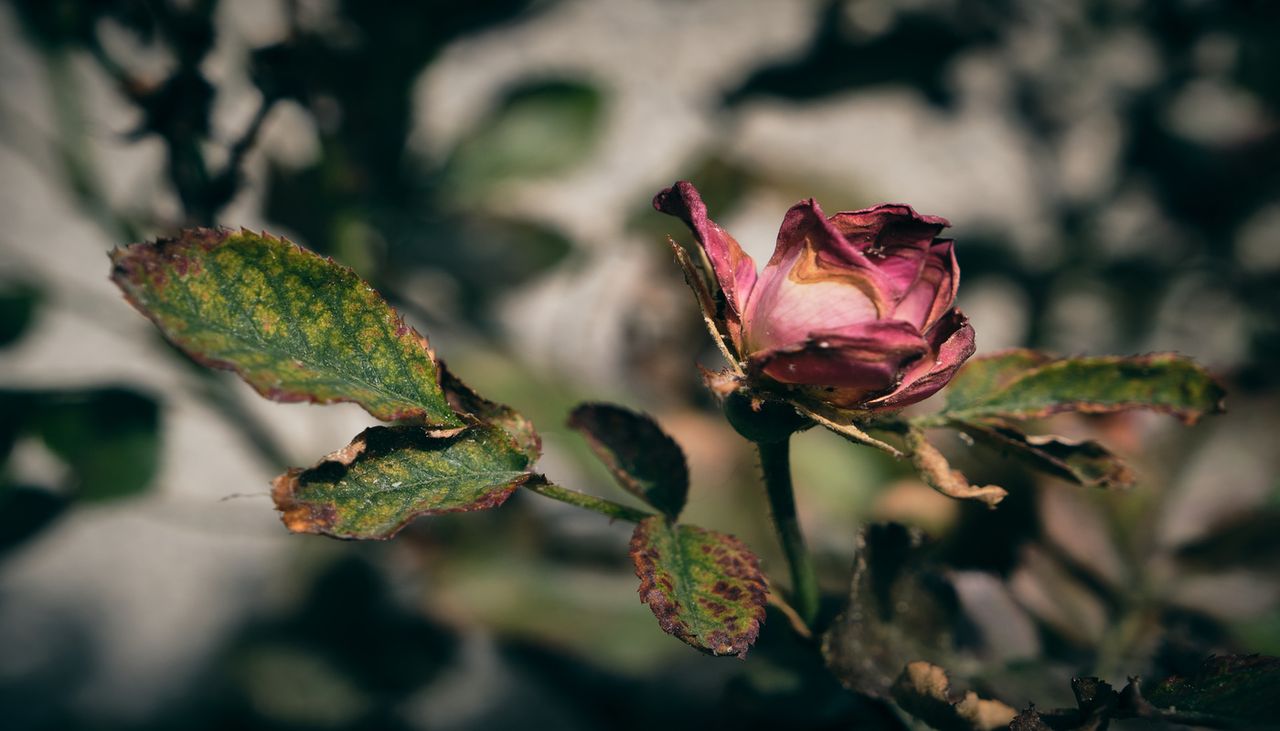
Not all brown on a rose bud is disease or pests. During hot, windy weather or inconsistent watering, buds can dehydrate. The outer petals might crisp at the edges, and the bud may pause. Once moisture returns and temperatures ease, many of these buds will open just fine, even if the very outer petals look a little toasted.
What it looks like
- Brown is dry and papery, not soft.
- No gray fuzz and no foul smell.
- Plant may also show mild wilting during the hottest part of the day.
- Often happens to buds on the sunniest side of the plant.
Which buds to leave
Leave buds that are firm and still enlarging, even if the outermost petals are browned. Those outer petals are basically the rose’s travel jacket. They can be ugly while the inner petals are still perfectly lovely.
Help them open
- Water deeply at the base, then let the soil partially dry before watering again. Frequent sips encourage shallow roots.
- Mulch 2 to 3 inches with compost, shredded leaves, or bark to stabilize moisture and soil temperature.
- Water in the morning so the plant goes into the heat of the day well-hydrated.
- If your rose is in a pot, check it daily in heat. Containers can dry out in a single afternoon.
Other causes
If none of the four main categories fits, do not panic. Roses have a few other bud problems that can look similar at first glance.
Late frost or cold snaps
A sudden cold night can brown tender buds quickly, sometimes overnight. The bud may turn brown at the tip, feel firm (not moldy), and simply fail. If you had an unexpected frost warning or a big temperature dip, this is a strong contender.
Sudden heat spikes
A rapid jump into high heat can “cook” outer petals, especially on light-colored roses. The bud may still open, but it can look crisped on the outside.
Powdery mildew
Powdery mildew is more famous for white coating on leaves, but it can also distort new growth and cause buds and petals to twist or open poorly. It is not the classic cause of a single brown, stalled bud, but it is common enough to check for white or gray powder on nearby leaves and stems.
Rose midge and other bud pests
In some regions, rose midge larvae feed on developing buds, which can turn buds brown, dry, or deformed before opening. If you consistently see buds fail even in good weather, and you do not see mold or thrips scarring, it may be worth looking up regional bud pests for your area.
Remove or keep
If you are standing there with pruners in hand, here is the simplest decision tree I use in my own garden.
Remove the bud if
- It is soft, mushy, or blackening.
- You see gray fuzz or spreading brown spots (botrytis).
- The bud is clearly dead and drying down on the stem.
- Thrips damage is severe and you want to reduce the population fast.
Leave it for now if
- The bud is firm and still growing.
- Browning is mostly on the outermost petals and looks papery.
- The weather just shifted from wet to dry, or hot to mild, and you expect improvement.
When in doubt, give it 2 to 4 days of better conditions. Roses are surprisingly good at bouncing back when the environment cooperates.
Lookalikes
These issues absolutely matter, but they usually show up on leaves or canes first. If your main symptom is an unopened bud turning brown, the culprits earlier in this article are far more likely.
Black spot
Black spot causes round black lesions with yellowing on leaves and can lead to defoliation. It does not typically cause a single bud to brown and fail to open unless the plant is severely stressed overall.
Rose rust
Rust shows orange or rust-colored pustules, especially on the undersides of leaves. Bud failure is not the classic first sign.
Rose slugs
Rose slugs skeletonize leaves, leaving a “windowpane” look. They are leaf pests, not bud browning specialists.
Rose rosette disease
Rose rosette causes distorted, excessively red growth, clustered shoots, and often an explosion of thorns. It is a whole-plant pattern, not just a few brown buds.
Prevent brown buds
I love quick fixes, but prevention is where roses really reward you. These habits reduce balling, botrytis, and thrips pressure in one go.
- Prioritize airflow: space roses well, thin dense centers, and avoid letting neighboring shrubs smother them.
- Water the soil, not the blooms: drip irrigation or a wand at the base keeps buds drier.
- Mulch and feed gently: healthy, steady growth resists pests better than overly lush, nitrogen-pushed growth.
- Deadhead and clean up: remove spent blooms and fallen petals, especially during humid weeks.
- Watch the first flush: early detection of thrips or botrytis makes the rest of the season easier.
FAQ
Can a brown rose bud still bloom?
Yes, if the bud is firm and the browning is limited to the outermost petals, especially after heat or a dry spell. If the bud is soft, spreading brown, or moldy, it will not recover and is best removed.
Why do my rose buds turn brown after rain?
After rain, brown buds are most commonly weather balling (petals stick shut) or botrytis (gray mold). If you see gray fuzz or the bud feels mushy, assume botrytis and remove it.
What do thrips look like on roses?
Thrips are tiny, slender insects, often pale yellow, tan, or darker as they mature. You may not notice them until you tap a bud over white paper and see little moving slivers.
Should I deadhead buds that never opened?
If the bud is dead, moldy, or badly damaged, yes. Removing it helps the plant redirect energy into new blooms and reduces disease and pest pressure. If it is firm and conditions just improved, you can wait a few days to see if it opens.