Why Is My Hydrangea Not Blooming? 7 Causes and Fixes

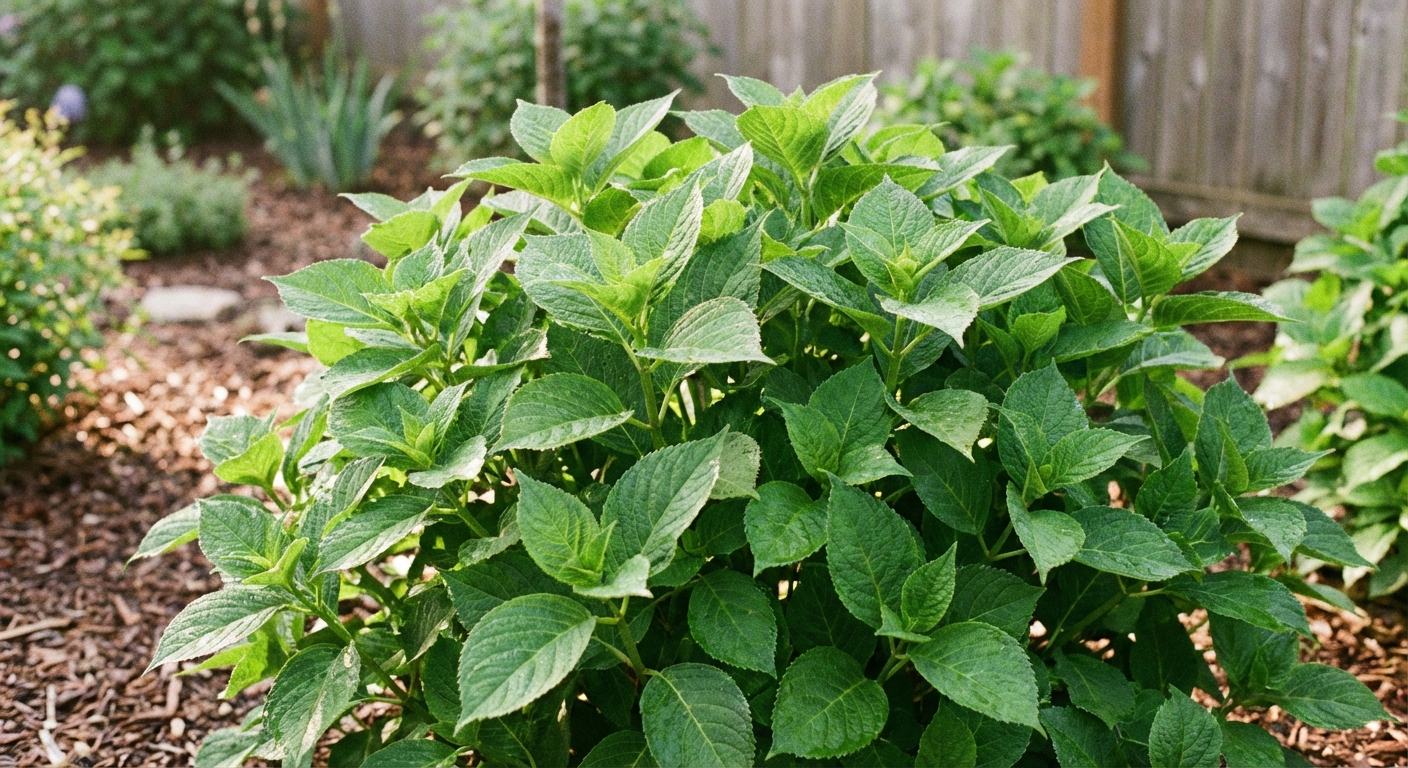
Hydrangeas are the kind of shrub that can make you feel like a gardening wizard one summer and a total imposter the next. One year it is all fluffy blooms and happy bees. The next year you get a beautiful mound of leaves and exactly zero flowers.
The good news is that hydrangeas are predictable once you know what to look for. Below are the 7 most common reasons hydrangeas do not bloom, plus a simple way to diagnose each one and the fix that actually works.
Quick reality check: cultivar and microclimate matter. Two “bigleaf hydrangeas” can behave differently depending on the exact variety and how winter hits your yard.
Quick check before you troubleshoot
Hydrangeas follow seasonal timing. If yours is newly planted, recently moved, or heavily stressed, it may be focusing on roots and recovery instead of flowers.
- New plant? Many hydrangeas take a season to settle in and bloom well.
- Recently transplanted? Expect a “quiet” year while roots re-establish.
- Hard pruning or storm damage last year? That can reset bloom wood depending on the type.
If your hydrangea is established and still refuses to bloom, move into the causes below.
1) Pruning at the wrong time
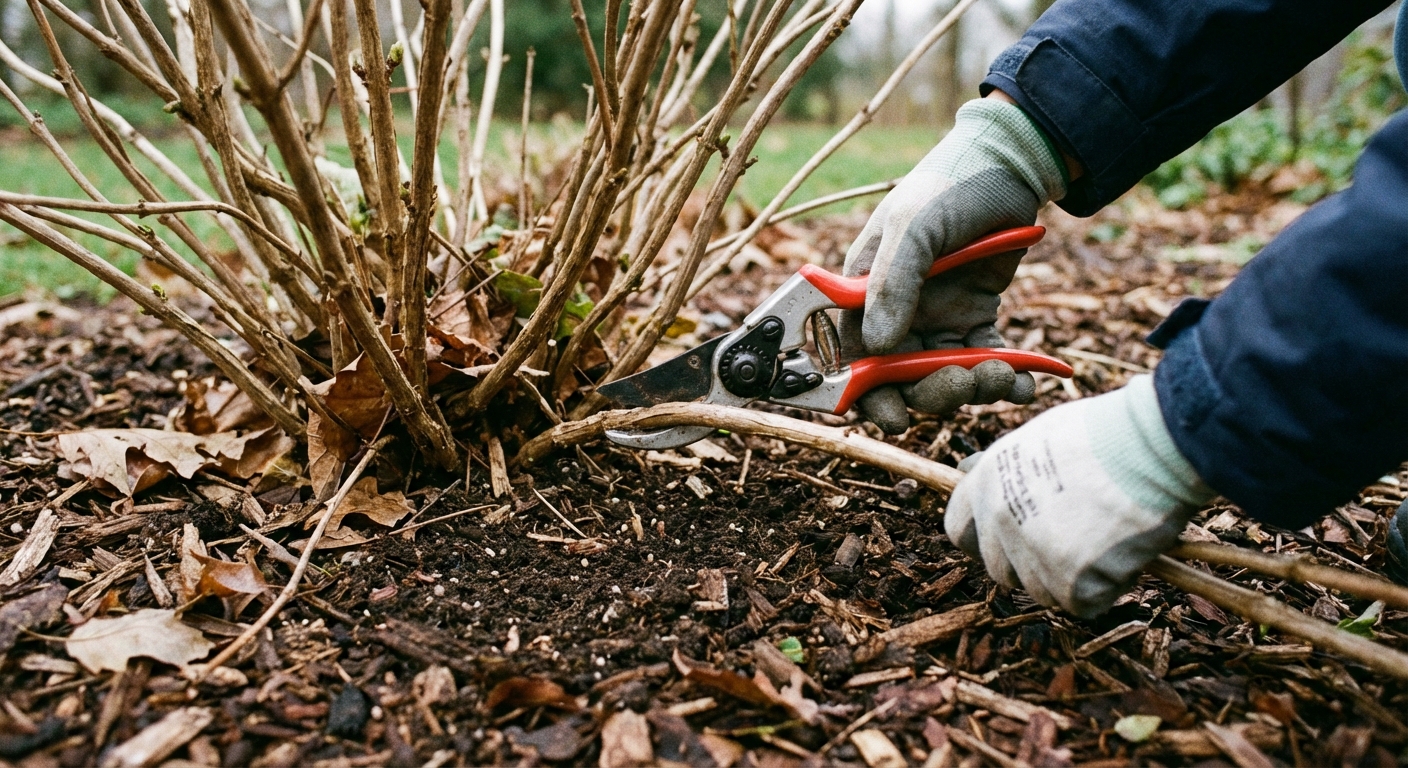
This is the number one bloom killer, especially for bigleaf and oakleaf hydrangeas. Many old-wood types set flower buds months before you ever see them, often in late summer or fall. If those buds get pruned off, spring arrives and there is nothing left to bloom.
Important nuance: species is a helpful clue, but cultivar matters. Many modern bigleaf cultivars (think reblooming types) can flower on both old and new wood. Mountain hydrangea (Hydrangea serrata) is commonly sold without clear labeling and behaves a lot like bigleaf.
How to diagnose it
- You pruned in fall, winter, or early spring and removed a lot of stems.
- The plant looks tidy and leafy, but you cannot find plump buds at the tips of stems in late winter.
- You see old cut stems with no branching near the top where buds would have formed.
The fix
- Identify your hydrangea type (and, if possible, the cultivar). Bigleaf (Hydrangea macrophylla), mountain (Hydrangea serrata), and oakleaf (Hydrangea quercifolia) often bloom on old wood (with many bigleaf and serrata cultivars also reblooming on new growth). Panicle (Hydrangea paniculata) and smooth (Hydrangea arborescens) bloom on new wood.
- If it blooms on old wood (or you are not sure): prune only right after flowering, and keep pruning light. Remove dead wood and a few of the oldest canes at the base for airflow.
- If it blooms on new wood: prune in late winter to early spring before growth takes off. You can cut back by about one third, or more aggressively for smooth hydrangeas if you want bigger but fewer blooms.
- Remember: panicle and smooth hydrangeas form buds on the current season’s growth, so fall pruning does not usually “remove next year’s buds” the way it does on old-wood types.
Clara note: If you are unsure what kind you have, skip major pruning for a year. A slightly shaggy hydrangea is still charming. A bloomless one is just rude.
2) Not enough (or too much) sun
Hydrangeas are famous for liking morning sun and afternoon shade, but there is a wide range depending on the species and your climate. Too much shade means fewer blooms. Too much harsh sun can stress the plant, leading to scorched leaves and reduced bud formation and flowering.
How to diagnose it
- Too shady: the plant is tall and lanky, has large soft leaves, and blooms are sparse or absent. It gets less than 3 to 4 hours of direct sun.
- Too sunny: leaves scorch at the edges, the plant wilts daily even with watering, and growth looks stressed.
The fix
- Aim for morning sun with afternoon shade in most regions.
- In cooler climates, many hydrangeas bloom best with more sun, sometimes 6 hours or more.
- In hot climates, prioritize dappled light or protection from late-day sun.
- If moving the plant is not realistic, you can selectively prune nearby branches to add a little morning light, or use a light shade cloth during extreme heat.
Simple test: Watch the spot for one day. If the hydrangea gets only “bright shade” with no direct sun, it may be photosynthesizing just fine but not getting the energy it needs to set buds.
Also watch for the slow creep: a hydrangea that bloomed beautifully for years can stop when a nearby tree fills in, or when shrubs around it mature and steal the morning light.
3) Frost zapped the buds
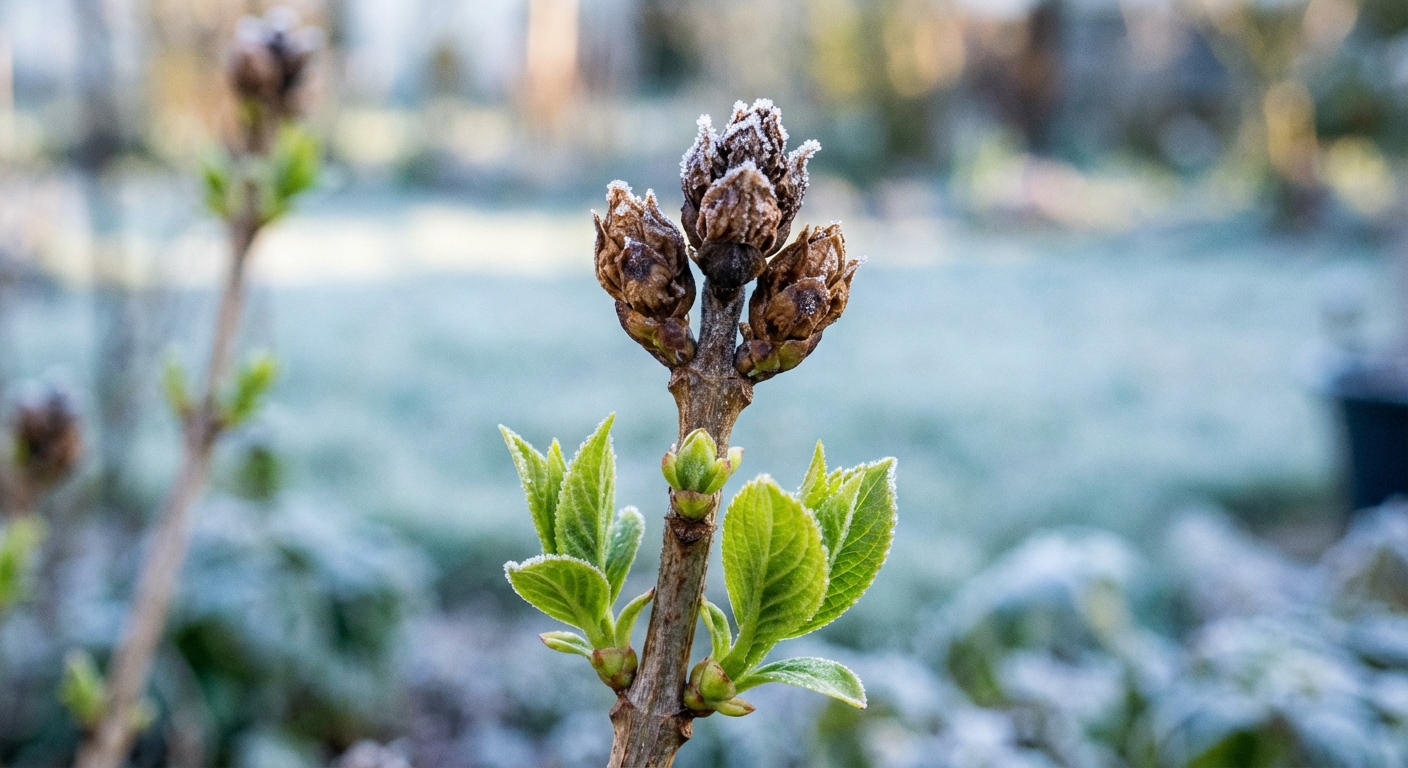
Late spring frosts can nip hydrangea buds right as they are waking up. This is especially common with bigleaf, mountain, and oakleaf hydrangeas that formed their buds the previous season. A single cold night can wipe out flowers for the year while the shrub still looks perfectly healthy.
How to diagnose it
- You had a late freeze after warm weather triggered early growth.
- Tips of stems look blackened, mushy, or dried out after the cold snap.
- No blooms appear, but the plant produces plenty of new leaves from lower nodes.
The fix
- Do not rush spring cleanup. Leave last year’s stems until the threat of hard frost has passed. They offer a little insulation.
- Cover on cold nights. Use a breathable frost cloth or an old sheet in the evening and remove it in the morning.
- Mulch the root zone with 2 to 3 inches of compost or shredded leaves to buffer temperature swings.
- If frost is a regular issue, consider a reblooming variety that can set buds on new growth later in summer.
4) Too much nitrogen
Nitrogen makes leaves. Lots of it. If your hydrangea is lush, dark green, and growing like it just joined a gym, too much nitrogen is a prime suspect. This can happen if you fertilize heavily, or if lawn fertilizer drifts into the hydrangea’s root zone.
How to diagnose it
- Huge leafy growth with few or no buds.
- Long, soft stems that flop.
- You apply lawn fertilizer nearby, especially “weed and feed” products.
The fix
- Stop high-nitrogen feeding. Skip fertilizer for a bit and let the plant use what is already in the soil.
- Switch to compost. A top-dressing of finished compost supports soil health without forcing leafy growth.
- If you want a fertilizer, choose a balanced slow-release (something like 10-10-10) or a bloom-supporting option with lower nitrogen, and apply lightly in spring.
- Keep lawn fertilizer away from the drip line of the shrub.
Clara note: My rule is “feed the soil, not the ego.” Hydrangeas usually do better with steady organic matter than frequent strong fertilizer.
5) pH confusion
Let’s clear up a common myth: soil pH rarely stops hydrangeas from blooming. pH mainly affects flower color in bigleaf (Hydrangea macrophylla) and mountain (Hydrangea serrata) hydrangeas, not whether blooms happen at all. That said, extreme pH can affect nutrient availability and overall vigor, which can reduce flowering indirectly.
How to diagnose it
- Your plant looks generally unhealthy: pale leaves, weak growth, or poor performance year after year.
- You have very alkaline soil (common in areas with limestone) or extremely sandy, acidic soil.
- You have been aggressively applying aluminum sulfate or lime to chase a specific flower color.
The fix
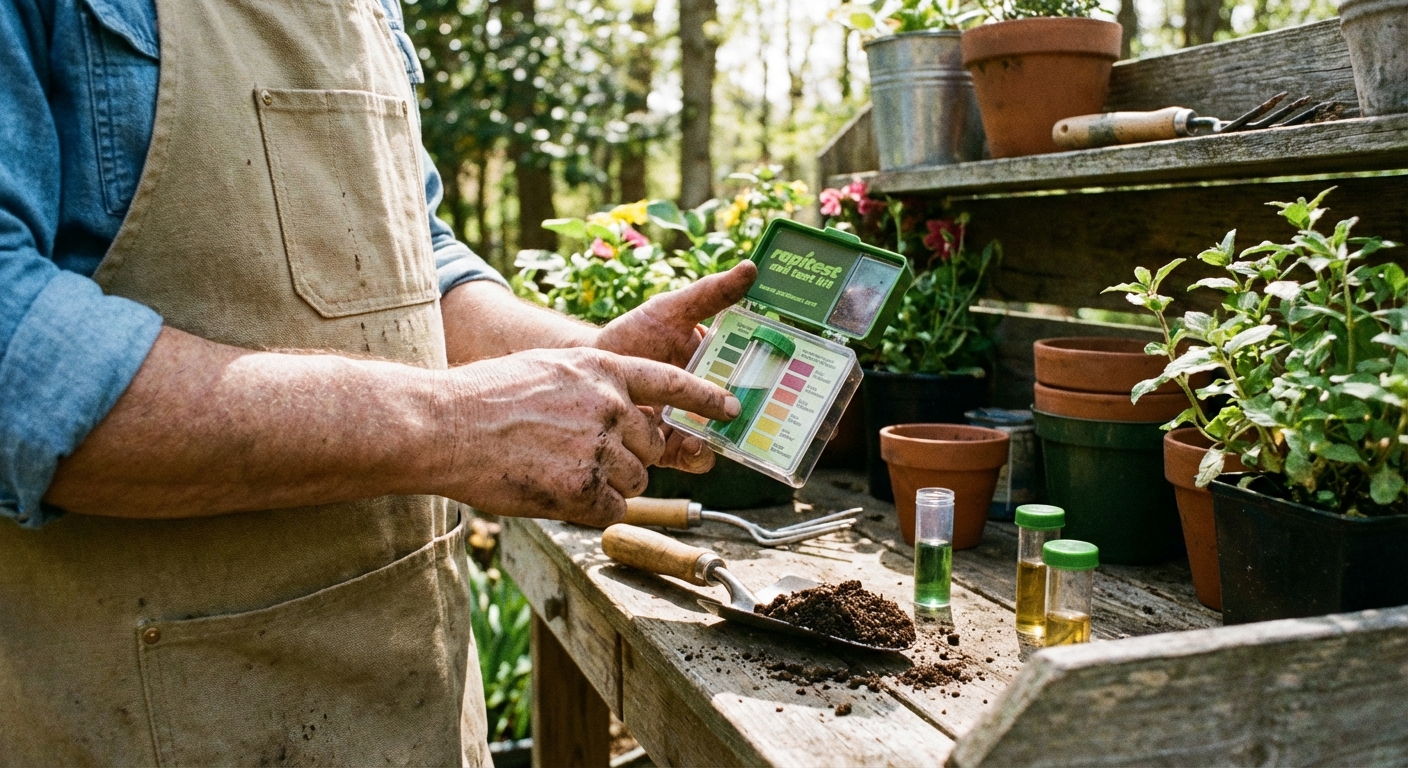
- Test your soil with a basic home kit or a local extension lab test.
- For many gardens, a mildly acidic range (roughly pH 5.5 to 6.5) is a solid nutrient-availability sweet spot, but hydrangeas can still do fine outside it depending on soil structure and organic matter.
- Make changes slowly. If adjusting for color, do it gently and focus on plant health first.
- Add compost and leaf mold to improve nutrient holding and root comfort, regardless of pH.
6) Planted too deep (or mulched too high)
Hydrangeas have a crown where stems meet roots, and they want that crown at or slightly above the surrounding soil level. Planting too deep, or building a mulch volcano against the stems, can stress the plant, reduce oxygen at the root zone, and slow growth enough that bloom production stays weak.
Is this the most common reason for zero blooms? Usually no. But it is common enough (and easy enough to fix) that it deserves a spot on the list.
How to diagnose it
- The base of the stems appears buried or covered by soil or mulch.
- The plant struggles, stays small, or produces weak stems.
- Mulch is piled up against the stems like a little volcano.
The fix
- Expose the crown. Pull mulch back so it is a few inches away from the stems.
- If the plant is truly buried, gently lift and replant in early spring or fall. Set the top of the root ball level with the soil surface.
- Water well after replanting and keep moisture consistent for a few weeks while roots settle.
Mulch tip: Keep mulch 2 to 3 inches deep, flat like a blanket, not piled like a cone.
7) Variety timing and habits
Not all hydrangeas bloom the same way, and this is the sneakiest reason people get stuck. Some bloom on old wood, some on new, and some do both. Some also bloom later than you expect. If you are waiting for June flowers on a variety that peaks in late summer, it can feel like nothing is happening.
How to diagnose it
- You do not know what type or cultivar you have.
- Your hydrangea makes buds only at stem tips (common for old-wood bloomers).
- It blooms inconsistently year to year despite good care.
- It is mid-summer and you are panicking, but you might be growing a later bloomer (hello, panicles).
The fix
- Identify the type. Look for clues:
- Bigleaf (Hydrangea macrophylla): glossy leaves, mophead or lacecap blooms, often blue or pink depending on soil. Many bloom on old wood unless reblooming.
- Mountain (Hydrangea serrata): similar to bigleaf, often a bit more cold-tolerant, usually lacecap, color also shifts with soil. Many bloom on old wood, with some reblooming cultivars.
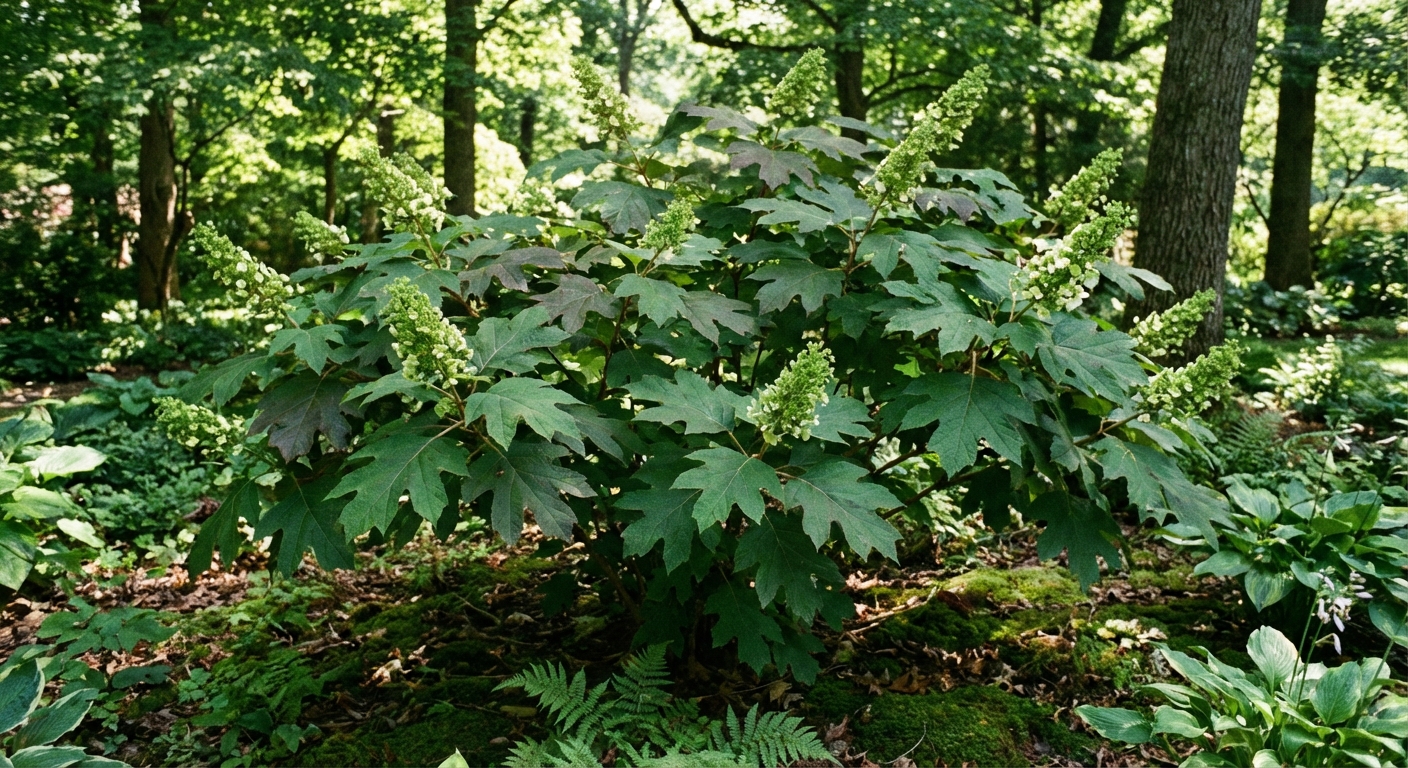
- Oakleaf (Hydrangea quercifolia): oak-shaped leaves, cone flowers, great fall color. Blooms on old wood.
- Panicle (Hydrangea paniculata): cone blooms, often white turning pink, tough and sun-tolerant. Blooms on new wood and often peaks mid to late summer.
- Smooth (Hydrangea arborescens): round white or greenish blooms like ‘Annabelle’. Blooms on new wood and can start in early to mid-summer.
- If you have a bigleaf or mountain hydrangea and want more reliable flowers, consider a reblooming series (often marketed as “blooms on old and new wood”). It is not magic, but it is more forgiving after winter damage.
- Adjust pruning and expectations to match the type, then give it a full season to respond.
Honorable mentions
If you have checked the big seven and still have no flowers, these are common real-garden culprits that deserve a quick look.
- Deer or rabbit browsing: they love to snip tender tips, which can remove flower buds on old-wood types. Look for clean clipped ends on stems.
- Drought or erratic watering: old-wood bloomers are setting next year’s buds in late summer. If the plant is repeatedly stressed then, it can set fewer buds. Aim for steady moisture, not swampy soil.
- Heat stress during bud set: prolonged high heat can reduce flowering, especially if paired with dry soil and hot afternoon sun.
Fast troubleshooting flow
If you want the fastest path to an answer, here is the order I check things in my own garden.
- What type is it? Old wood or new wood determines everything else.
- What month is it? Panicles often peak later than bigleaf types, so do not call it too early.
- Did I prune at the wrong time? If yes, that is likely the whole story.
- Did we have a late freeze? Especially if you normally get blooms.
- How much sun does it really get? Count the hours of direct sun, and consider how the light has changed over the years.
- Am I overfeeding? Watch for dark green leafiness with no buds.
- Is the crown buried or mulched too high? Fix this quickly.
- Any browsing or drought stress? Check stem tips and your late-summer watering habits.
- Soil test if the plant looks generally unwell. Use data, not guesses.
When will it bloom again?
After you correct the issue, timing depends on the hydrangea type.
- Old-wood bloomers: If buds were removed or killed, you may need to wait until the plant sets new buds in late summer and then protect those buds through winter. Often that means next year.
- New-wood bloomers: Improvements in light, nutrition, and pruning can help within the same season, especially if corrected early.
- Stressed or newly planted shrubs: Expect better flowering after a full growing season of steady moisture and gentle care.
If you want, tell me what kind of hydrangea you have (or upload a clear photo of leaves and any dried flower heads), plus your general region. I can help you pinpoint the cause quickly.