
Vegetable Planting Calendar by Hardiness Zone (3 to 10)

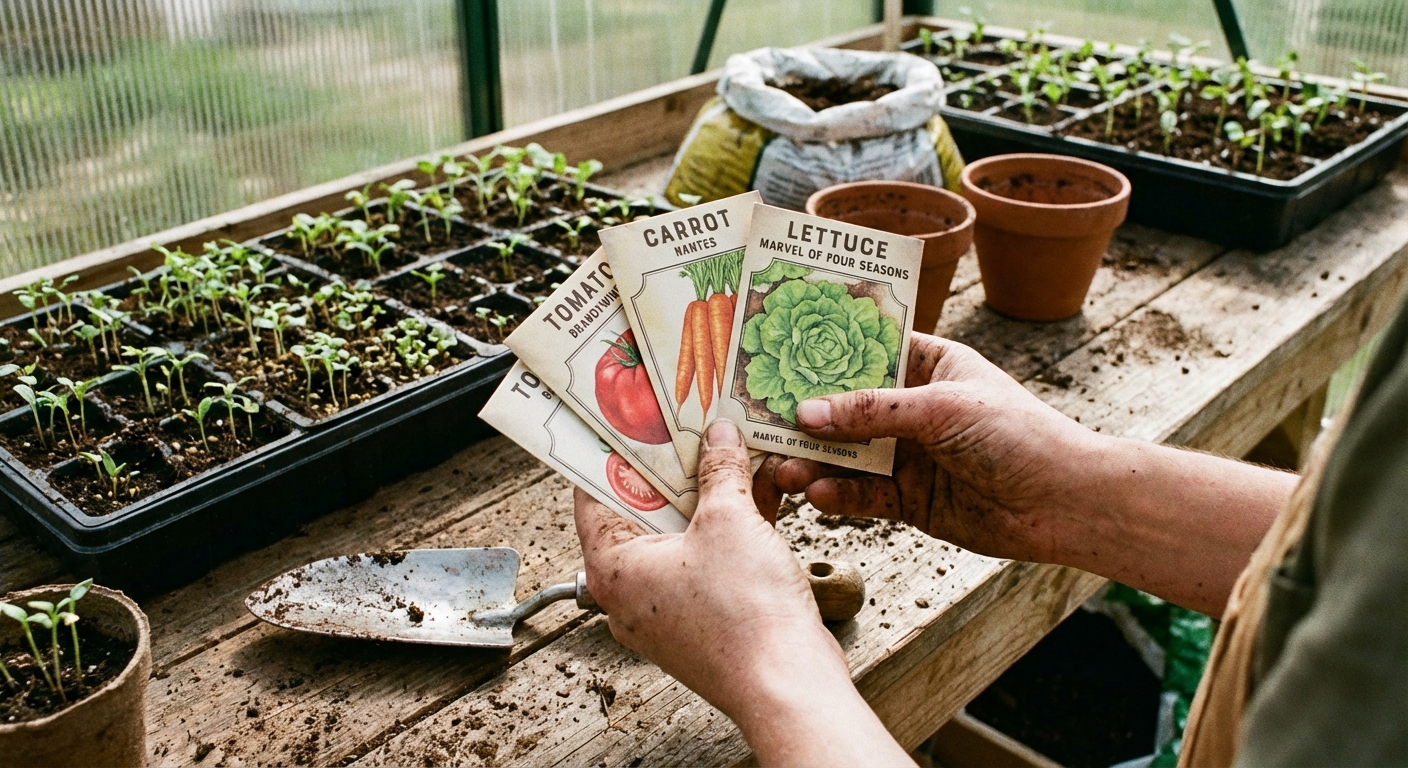
If you have ever stared at a seed packet in February and thought, Is this too early? Too late? Am I about to doom these poor tomatoes?, take a breath. You are not behind. You just need a calendar that matches your climate.
This page is a practical, month-by-month vegetable planting calendar for USDA hardiness zones 3 through 10. Use it as a quick reference for when to start seeds indoors, transplant outside, and direct sow into the garden.
Before you use the calendar
1) Quick zone reminder
- Find your USDA hardiness zone using the official USDA map (search your ZIP code) or your local extension office.
- Your zone tells you winter cold tolerance, but for planting dates we also lean on your average last spring frost and first fall frost.
2) Frost dates (your anchor)
These are broad, typical windows. They can vary widely within a zone based on elevation, proximity to water, wind exposure, and urban heat. Always verify with local frost-date data (extension office, a reliable garden almanac, or a nearby weather station).
| Zone | Typical last spring frost | Typical first fall frost |
|---|---|---|
| 3 | Mid May to early June | Mid September |
| 4 | Early to mid May | Late September |
| 5 | Mid to late April | Early to mid October |
| 6 | Mid April | Mid October |
| 7 | Late March to mid April | Late October |
| 8 | Early to late March (very location-dependent) | Early to mid November |
| 9 | Often February to March (can be later inland or at elevation) | Late November to December |
| 10 | Often frost-free; occasional light frosts can still happen | Often frost-free |
Microclimate reality check: A coastal Zone 9 yard can behave like it has a soft, slow spring, while an inland Zone 9 valley (or a foothill neighborhood) may still get a surprise frost well into March or April. If you have ever watched your neighbor plant weeks before you, and somehow their tomatoes survive, that is microclimates at work.
How to read the charts below: Each month lists the most common actions for popular vegetables. Think of it like a friendly nudge, not a rigid rule. If your soil is cold and muddy, wait. If you have a warm microclimate and row cover, you can often go earlier.
Quick legend: “Brassicas” includes broccoli, cabbage, cauliflower, kale, collards, and Brussels sprouts.
Zone 3 planting calendar (month-by-month)
Zone 3 is all about smart timing. We sprint through summer, so starting seeds indoors is your best friend.
| Month | Start indoors | Transplant out | Direct sow outside |
|---|---|---|---|
| Jan | Onions (from seed), leeks (late month) | None | None |
| Feb | Onions, leeks | None | None |
| Mar | Peppers, eggplant; early brassicas (broccoli, cabbage) | None | None |
| Apr | Tomatoes (late month), herbs; more brassicas | None | None, or spinach in protected beds (late month) |
| May | Cucumbers, squash (late month) | Broccoli, cabbage (late month with protection) | Peas, spinach, lettuce, radishes, carrots, beets (as soil can be worked) |
| Jun | Succession lettuce (optional) | Tomatoes, peppers (after last frost); cucumbers, squash | Bush beans, corn; more carrots, beets, lettuce |
| Jul | Start fall brassicas (kale, broccoli) indoors (early month) | Transplant kale, broccoli (late month) | More beans (early); turnips, rutabaga; fall lettuce |
| Aug | None | None | Spinach, radishes, lettuce (early); cover crops (late) |
| Sep | None | None | Garlic goes in late Sep to Oct depending on first frost |
| Oct | None | None | Garlic (best month); mulch beds for winter |
| Nov | None | None | None |
| Dec | None | None | None |
Zone 4 planting calendar (month-by-month)
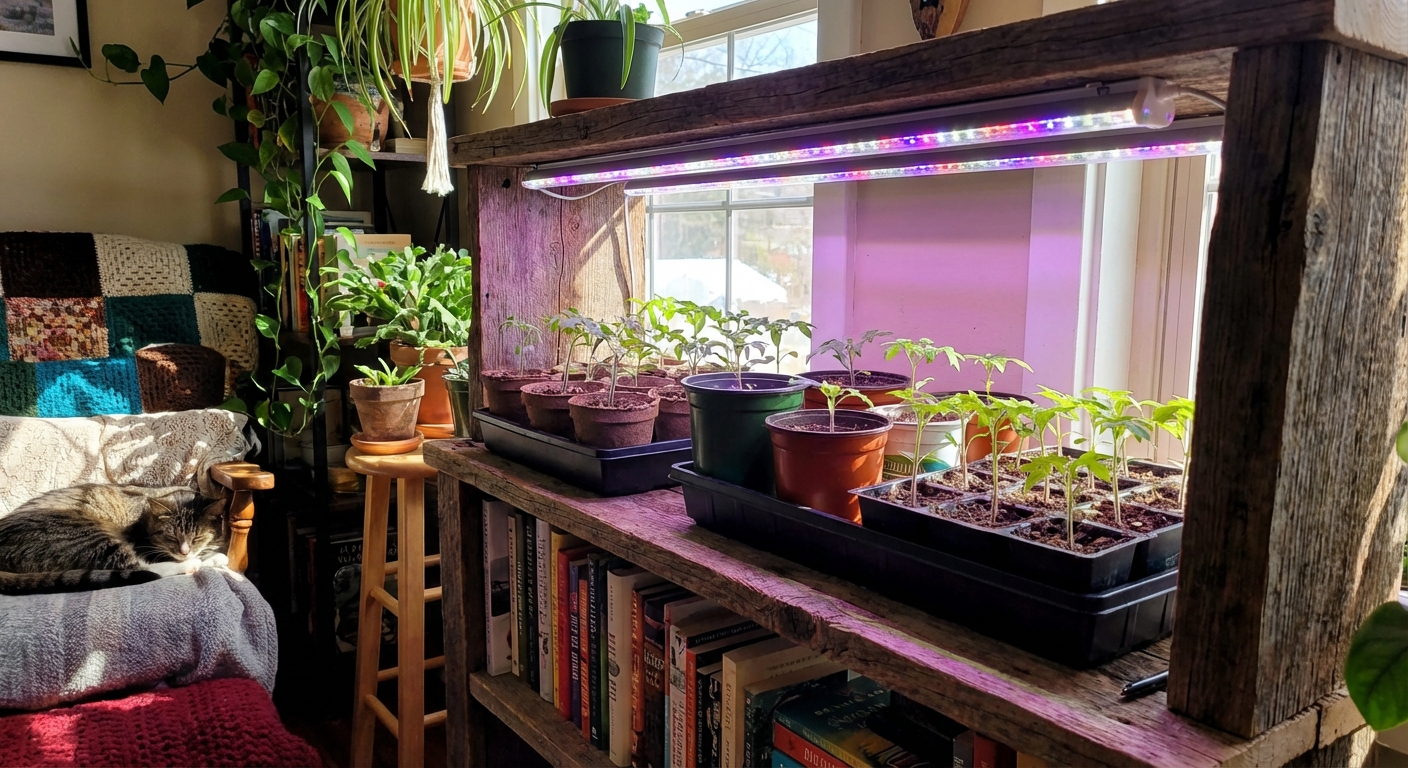
| Month | Start indoors | Transplant out | Direct sow outside |
|---|---|---|---|
| Jan | Onions (from seed), leeks (late) | None | None |
| Feb | Onions, leeks | None | None |
| Mar | Peppers, eggplant; brassicas | None | None |
| Apr | Tomatoes (mid to late); herbs | Begin hardening off brassicas (late); transplant only if soil is workable and nights allow | Peas, spinach, lettuce, radishes (late month if soil is workable) |
| May | Cucumbers, squash (mid) | Broccoli, cabbage (early to mid); tomatoes and peppers (late) | Carrots, beets, potatoes; more greens; early beans (late) |
| Jun | Succession lettuce (optional) | Cucumbers, squash; basil (after nights warm) | Beans, corn; second sowing carrots and beets |
| Jul | Start fall brassicas indoors (early) | Transplant kale, broccoli (late) | Fall peas (early); turnips, radishes, lettuce |
| Aug | None | None | Spinach (mid); radishes; cover crops (late) |
| Sep | None | None | Garlic (late Sep to Oct) |
| Oct | None | None | Garlic; mulch and protect perennials |
| Nov | None | None | None |
| Dec | None | None | None |
Zone 5 planting calendar (month-by-month)
| Month | Start indoors | Transplant out | Direct sow outside |
|---|---|---|---|
| Jan | Onions (from seed), leeks (late) | None | None |
| Feb | Onions, leeks | None | None |
| Mar | Peppers, eggplant; brassicas | None | None |
| Apr | Tomatoes (early to mid); herbs | Broccoli, cabbage (late with protection) | Peas, spinach, lettuce, radishes; carrots, beets (late) |
| May | Cucumbers, squash (early) | Tomatoes, peppers (mid to late); basil (late) | Beans (mid); corn (late); potatoes; more carrots and beets |
| Jun | Succession lettuce; fall cabbage (optional indoors) | Cucumbers, squash, melons | Beans (second sowing); summer squash (if not transplanted) |
| Jul | Start fall brassicas indoors (early); start lettuce indoors (late) | Transplant fall broccoli, kale (mid to late) | Carrots for fall (early); turnips, radishes, bush beans (early) |
| Aug | None | Transplant fall lettuce (late) | Spinach (late), radishes, greens; cover crops |
| Sep | None | None | Garlic (late); overwintering spinach in protected beds (late) |
| Oct | None | None | Garlic; mulch beds |
| Nov | None | None | None |
| Dec | None | None | None |
Zone 6 planting calendar (month-by-month)
| Month | Start indoors | Transplant out | Direct sow outside |
|---|---|---|---|
| Jan | Onions (from seed, late); leeks (late) | None | None |
| Feb | Onions, leeks | None | None |
| Mar | Peppers, eggplant; brassicas | None | Peas, spinach, radishes (late month in many areas, if soil is workable) |
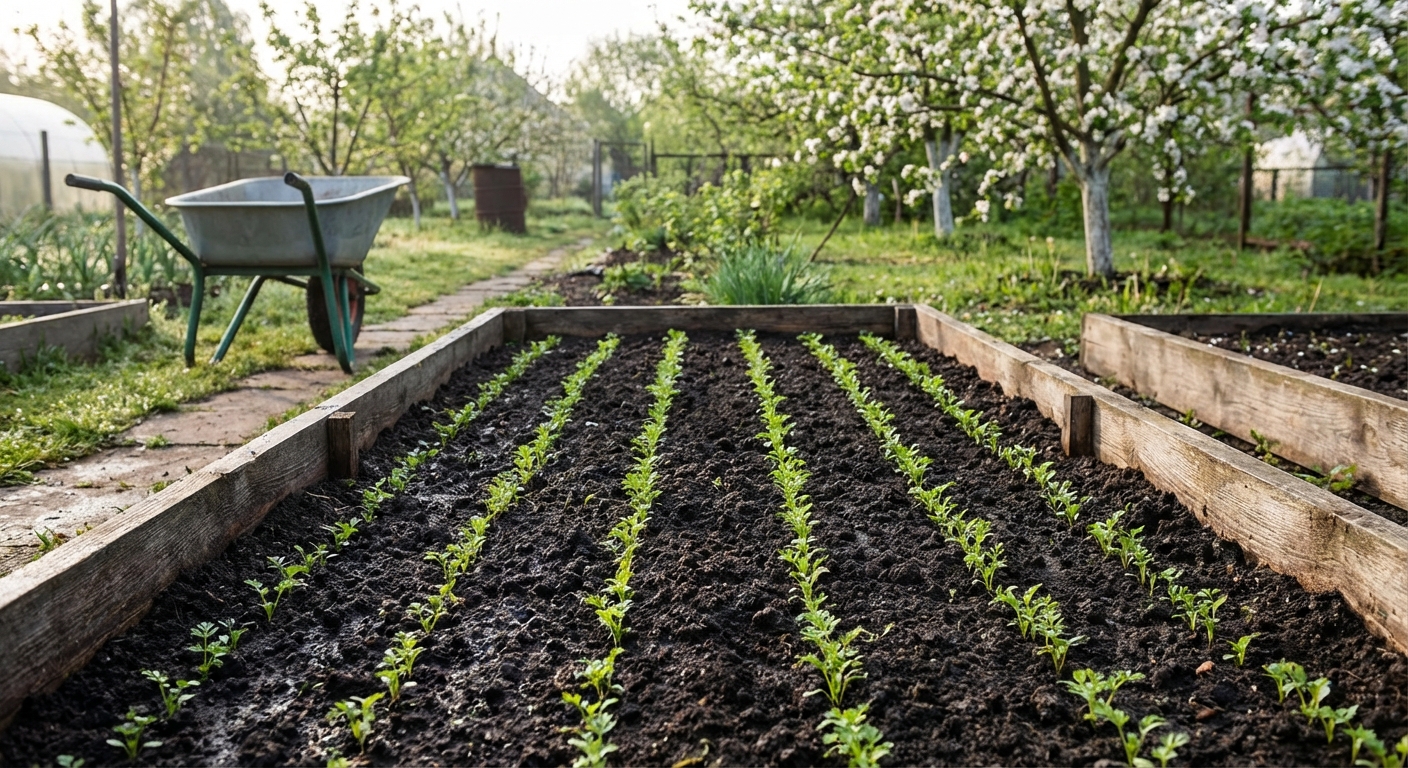
| Apr | Tomatoes (early); herbs | Broccoli, cabbage (early to mid); lettuce starts (mid) | Carrots, beets, greens, potatoes |
| May | Cucumbers, squash (early) | Tomatoes, peppers (after frost); basil (mid) | Beans, corn; more carrots and beets |
| Jun | Succession lettuce; start fall brassicas indoors (late) | Cucumbers, squash, melons | Beans (second sowing); summer squash; carrots for storage (late) |
| Jul | Start fall broccoli, kale indoors (early); lettuce indoors (late) | Transplant fall brassicas (mid) | Turnips, radishes, bush beans (early); fall carrots (early) |
| Aug | None | Transplant fall lettuce (late) | Spinach (late), arugula, radishes; cover crops |
| Sep | None | None | Garlic (late); sow hardy greens in protected beds |
| Oct | None | None | Garlic; mulch |
| Nov | None | None | None |
| Dec | None | None | None |
Zone 7 planting calendar (month-by-month)
| Month | Start indoors | Transplant out | Direct sow outside |
|---|---|---|---|
| Jan | Onions, leeks (late); early lettuce indoors (optional) | None | In mild spells, where soil is workable: peas, spinach (late) |
| Feb | Brassicas; peppers (late) | Broccoli, cabbage (late with protection) | Peas, spinach, radishes, carrots (late, where soil is workable) |
| Mar | Tomatoes (mid); peppers, eggplant | Brassicas, lettuce | Beets, potatoes, more carrots; early beans (late, if soil is warm enough) |
| Apr | Cucumbers, squash (early to mid) | Tomatoes (late); peppers (late) | Beans, corn (late); squash if not transplanted |
| May | Succession basil (optional) | Warm-season transplants are happy now | Beans (succession), cucumbers, okra; carrots for summer |
| Jun | Start fall brassicas indoors (late) | Melons, sweet potatoes (where grown) | Southern peas; more beans; second corn sowing |
| Jul | Start fall broccoli, cabbage, kale indoors | Transplant fall brassicas (late) | Carrots for fall (early); turnips and rutabaga (mid to late) |
| Aug | Start lettuce indoors (late) | Transplant fall brassicas (early) | Fall beans (early); beets, carrots, radishes; spinach (late) |
| Sep | None | Transplant lettuce | Greens, radishes, peas (late); garlic (late) |
| Oct | None | None | Garlic; cover crops; keep harvesting greens |
| Nov | None | None | In many areas: sow hardy greens under cover |
| Dec | None | None | None |
Zone 8 planting calendar (month-by-month)
Zone 8 gardeners often get two strong shoulder seasons. Spring heats up fast, so focus on early cool crops and a solid fall garden.
| Month | Start indoors | Transplant out | Direct sow outside |
|---|---|---|---|
| Jan | Brassicas (optional), lettuce (optional); peppers (late) | Broccoli, cabbage, lettuce (in many areas, depending on winter lows) | Peas, spinach, carrots, radishes, beets (mild spells, when soil is workable) |
| Feb | Tomatoes (late); peppers, eggplant | Brassicas; onions (sets or seedlings) | Potatoes; peas; carrots; greens |
| Mar | Cucumbers, squash (late) | Tomatoes (mid to late); peppers (late) | Beans (late); corn (late); squash (late) |
| Apr | Succession basil (optional) | Warm-season transplants thrive | Beans, cucumbers, okra; more corn |
| May | None | Sweet potatoes (where grown) | Southern peas; more beans; heat-tolerant greens (limited) |
| Jun | Start fall tomatoes indoors (optional for long season); start fall brassicas (late) | None | Okra; southern peas; pumpkins (early) |
| Jul | Start fall broccoli, cabbage, kale indoors | Transplant fall tomatoes (early, if doing) | Carrots for fall (late); beets (late) |
| Aug | Start lettuce indoors (late) | Transplant fall brassicas (late) | Beans for fall (early); cucumbers (early); spinach (late, when nights ease) |
| Sep | None | Transplant brassicas, lettuce | Greens, carrots, beets, radishes; peas (late) |
| Oct | None | None | Garlic; onions in mild areas; greens and radishes |
| Nov | None | None | Fava beans (where grown), peas; cover crops |
| Dec | None | None | In mild winters: greens and carrots continue |
Zone 9 planting calendar (month-by-month)
Zone 9 is the land of long seasons and strategic heat management. Spring can come early, and fall planting can be downright glorious. It is also a zone where frost dates can be wildly different (coastal vs inland is a big one), so lean on local frost and soil temperature data.
| Month | Start indoors | Transplant out | Direct sow outside |
|---|---|---|---|
| Jan | Tomatoes (late), peppers (mid to late) | Brassicas, lettuce, onions (where winter is mild enough) | Peas, carrots, beets, radishes, potatoes (if soil is workable) |
| Feb | Cucumbers, squash (late) | Tomatoes (mid); peppers (late) | Beans (late); corn (late); more greens |
| Mar | None | Eggplant, basil, cucumbers, squash | Beans, corn, melons, okra |
| Apr | Start fall tomatoes indoors (optional, late) | Sweet potatoes (where grown) | Southern peas; pumpkins; more okra |
| May | Start fall brassicas indoors (late, in hot areas) | None | Okra and southern peas continue; heat slows cool crops |
| Jun | Start fall tomatoes indoors (best month in many areas); start fall brassicas (late) | None | Okra; southern peas; long-season squash (early) |
| Jul | Start fall broccoli, cabbage, kale indoors; start lettuce indoors (late) | Transplant fall tomatoes (late, if doing) | Carrots and beets for fall (late, if nights cool a bit) |
| Aug | Start lettuce indoors | Transplant brassicas (late) | Beans for fall (early); cucumbers (early); greens (late, depending on heat) |
| Sep | None | Transplant brassicas, lettuce | Carrots, beets, radishes; peas (late) |
| Oct | None | None | Garlic; onions in many areas; greens |
| Nov | None | None | Peas, fava beans; carrots; cover crops |
| Dec | None | None | Greens and roots continue in many gardens |
Zone 10 planting calendar (month-by-month)
Zone 10 is wonderfully different. Many gardeners plant through winter and avoid the hottest stretch of summer for cool-season crops. Your timing is driven more by heat than frost, but yes, occasional light frosts can still happen in some pockets.
| Month | Start indoors | Transplant out | Direct sow outside |
|---|---|---|---|
| Jan | Tomatoes, peppers (optional) | Lettuce, brassicas, onions (where they thrive) | Carrots, beets, radishes, peas (where they thrive), potatoes |
| Feb | Cucumbers, squash (optional) | Tomatoes, peppers, eggplant | Beans, corn; more roots and greens |
| Mar | None | Warm-season crops continue | Okra, melons, pumpkins; southern peas |
| Apr | None | Sweet potatoes (where grown) | Okra; beans (watch heat); corn |
| May | Start fall tomatoes indoors (late, in very hot areas) | None | Heat-loving crops only; keep irrigation steady |
| Jun | Start fall tomatoes indoors; start fall brassicas indoors (late) | None | Okra and southern peas; avoid bolting greens |
| Jul | Start fall brassicas indoors; start lettuce indoors (late) | None | Limited sowing unless monsoon or milder nights |
| Aug | Start lettuce indoors | Transplant fall tomatoes (late); transplant brassicas (late) | Beans for fall (early in some areas); carrots (late) |
| Sep | None | Transplant brassicas, lettuce | Carrots, beets, radishes; cucumbers (in mild areas) |
| Oct | None | None | Garlic (where grown), onions; peas (in suitable climates), greens |
| Nov | None | None | Roots and greens; fava beans (where grown) |
| Dec | None | None | Cool-season succession sowing continues |
Fast lookup: popular vegetables
If you want the quickest cheat sheet, use these timing rules based on your frost date. Then match the month in your zone chart above.
| Vegetable | Start indoors | Transplant out | Direct sow | Notes I wish every gardener knew |
|---|---|---|---|---|
| Tomatoes | 6 to 8 weeks before last frost | After last frost, when nights are mostly above 50°F | Not recommended in short seasons | Leggy seedlings mean more light, not more fertilizer. |
| Peppers | 8 to 10 weeks before last frost | 2 to 3 weeks after last frost | Only in very long seasons | They sulk in cold soil. Warmth first, growth second. |
| Lettuce | Optional: 3 to 5 weeks before last frost | 2 to 4 weeks before last frost (with protection) | As soon as soil can be worked | Succession sow every 2 weeks for steady salads. |
| Peas | No | No | 4 to 6 weeks before last frost (and again late summer for fall) | If your soil is a cold sponge, peas will sit and pout. Wait for workable soil. |
| Beans (bush) | No | No | After last frost, when soil is warm | Cold, wet soil rots seed. Wait for warmth. |
| Summer squash | 2 to 4 weeks before last frost | After last frost | After last frost | One or two plants can feed a household, truly. |
| Cucumbers | 2 to 4 weeks before last frost | After last frost | After last frost | They hate cold feet. Warm soil makes fast vines. |
| Carrots | No | No | 2 to 4 weeks before last frost through mid-summer | Keep the top inch of soil evenly moist until they sprout. |
| Broccoli | 6 to 8 weeks before last frost | 2 to 4 weeks before last frost | Possible in cool springs | Fall broccoli often tastes sweeter and grows easier. |
| Kale | 4 to 6 weeks before last frost (optional) | 2 to 4 weeks before last frost, or late summer for fall | As soon as soil can be worked (best in cool weather) | It is the sweatshirt of the garden: happiest in cool weather, tougher than it looks. |
| Potatoes | No | No | 2 to 4 weeks before last frost (or when soil is workable) | They do not need warm air, but they do need soil that is not waterlogged. |
| Onions | 10 to 12 weeks before last frost (from seed) | 4 to 6 weeks before last frost | Sets can be planted early spring | Day length matters. Buy varieties suited to your latitude. In warm zones, short-day onions are often planted in fall or winter. |
| Garlic | No | No | Plant 2 to 6 weeks before the ground freezes | Warm zones often plant later (fall into winter) and some varieties need chill. Big harvest starts with big cloves and rich soil. |
Soil temps (tiny cheat sheet)
You will hear me say this a lot because it saves so much heartbreak: soil temperature beats air temperature.
- Beans and corn: wait until soil is about 60°F or warmer for best germination.
- Tomatoes and peppers: transplant when soil is warming and nights stay mild (tomatoes usually happier once nights hover near 50°F).
- Peas, lettuce, spinach: they tolerate cool soil, but they still hate sitting in cold mud. Workable soil matters.
Three tips that make this work
- Soil temperature beats air temperature. Carrots and peas will tolerate chilly air, but soggy, cold soil can stall them. If you can, use a simple soil thermometer.
- Harden off transplants slowly. Give seedlings 7 to 10 days of increasing outdoor time, out of wind first. Sunburned seedlings happen fast.
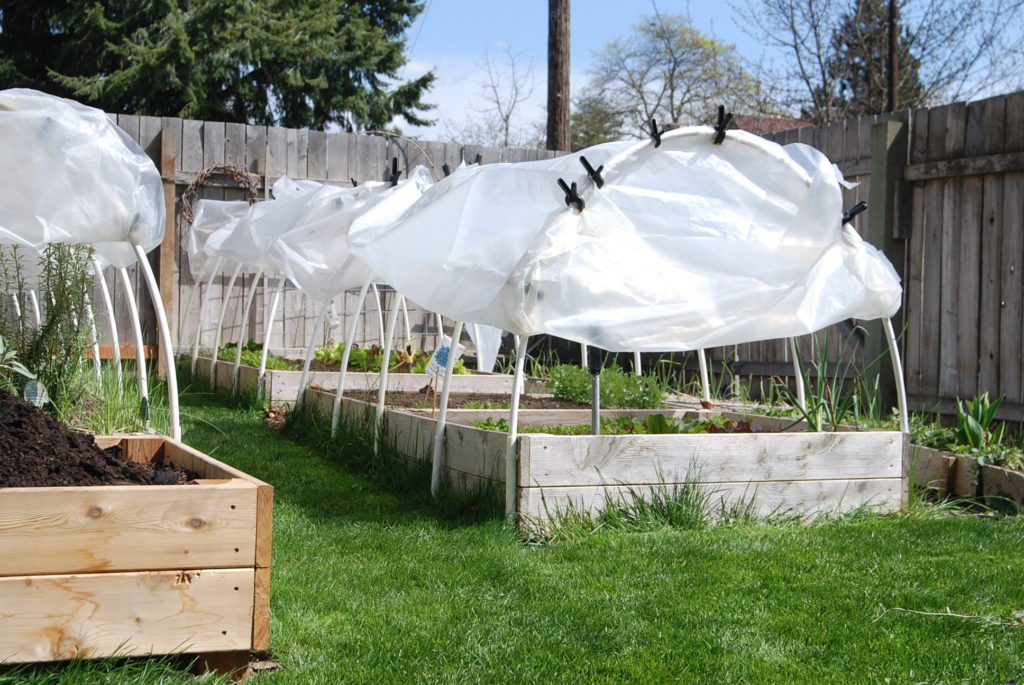
- Build in a buffer. If the chart says “late April” and your yard is still a mud puddle, wait. If you are itching to plant, use row cover, cloches, or a cold frame.
Friendly note from my garden
I talk to my ferns, so yes, I am going to say this out loud. Gardening is not a test you can fail. If you plant beans a week too early and they sulk, you sow again. If your tomatoes outgrow their pots, you pot up and promise them more light. The calendar helps, but your garden will teach you too.
If you want, tell me your zone and your best guess at your last frost date, and I will help you turn this chart into a simple, personalized to-do list for the next four weeks.