
Transitioning Indoor Plants for Winter Dormancy

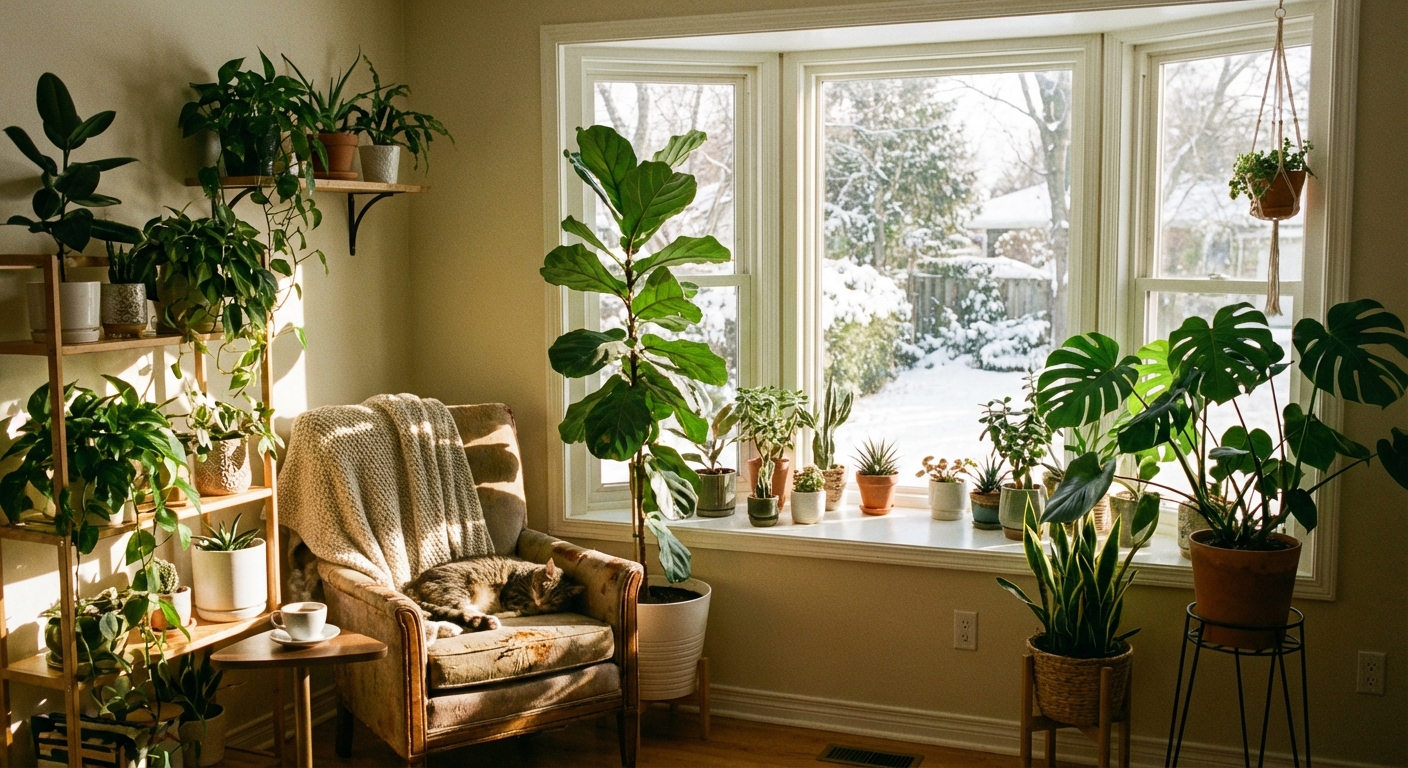
When the days shrink and the heater kicks on, your houseplants notice. Even the ones that live their whole lives indoors are wired to respond to seasonal shifts in light, temperature, and humidity. What we call “winter dormancy” indoors is often a winter slowdown for many tropicals, not a true botanical dormancy. Either way, it is not your plant giving up; it is your plant saving energy.
Think of this as helping your plants change into their cozy clothes. We are going to adjust watering (the big one), protect humidity, and squeeze every bit of usable light out of short winter days. And yes, your plant can still grow in winter, especially with strong light or a grow light. The goal is steady and healthy, not fast.
What winter slowdown looks like indoors
Winter behavior is a spectrum. Some plants slow down dramatically, some barely pause, and a few keep growing if conditions stay bright and warm. The trick is reading your plant’s behavior instead of following a rigid calendar.
Common signs your plant is shifting into a winter rhythm
- Slower growth or no new leaves for weeks.
- Soil staying wet longer after watering.
- Leaves turning toward the window or stretching (leggy growth).
- Yellowing of a few older leaves, especially on fast growers like pothos.
- Less thirst, even if the plant looks fine.
If your plant is dropping lots of leaves quickly, getting mushy stems, or smelling sour at the soil line, that is not normal seasonal slowing. That is a care mismatch, often too much water paired with low light (or a pot and soil mix that stay wet too long).
The winter transition checklist
I like to do a gentle shift over 2 to 3 weeks once nights cool off and the sun angle changes. Here is the order that keeps the most plants happy.
- Ease up on fertilizer (pause for most plants, reduce for winter bloomers, continue lightly for plants actively growing under strong light).
- Reassess light because winter light drives everything else.
- Adjust watering based on the new light and temperature.
- Stabilize humidity so leaves do not crisp and pests do not move in.
- Do a quick health check for pests and root issues before plants slow down.
Watering in winter
Many winter plant problems are watering problems wearing disguises. In low light, your plant uses water more slowly. At the same time, heated air can make leaves feel dry and crispy while the soil stays wet longer, which is how people end up overwatering a plant that “looks thirsty.”
My winter watering rule
Water when the plant needs it, not when the schedule says so. In winter, that usually means longer gaps between waterings and a closer look at the soil before you pick up the watering can.
How to check soil moisture
- Finger test: Feel 1 to 2 inches down for most houseplants. If it is cool and damp, wait.
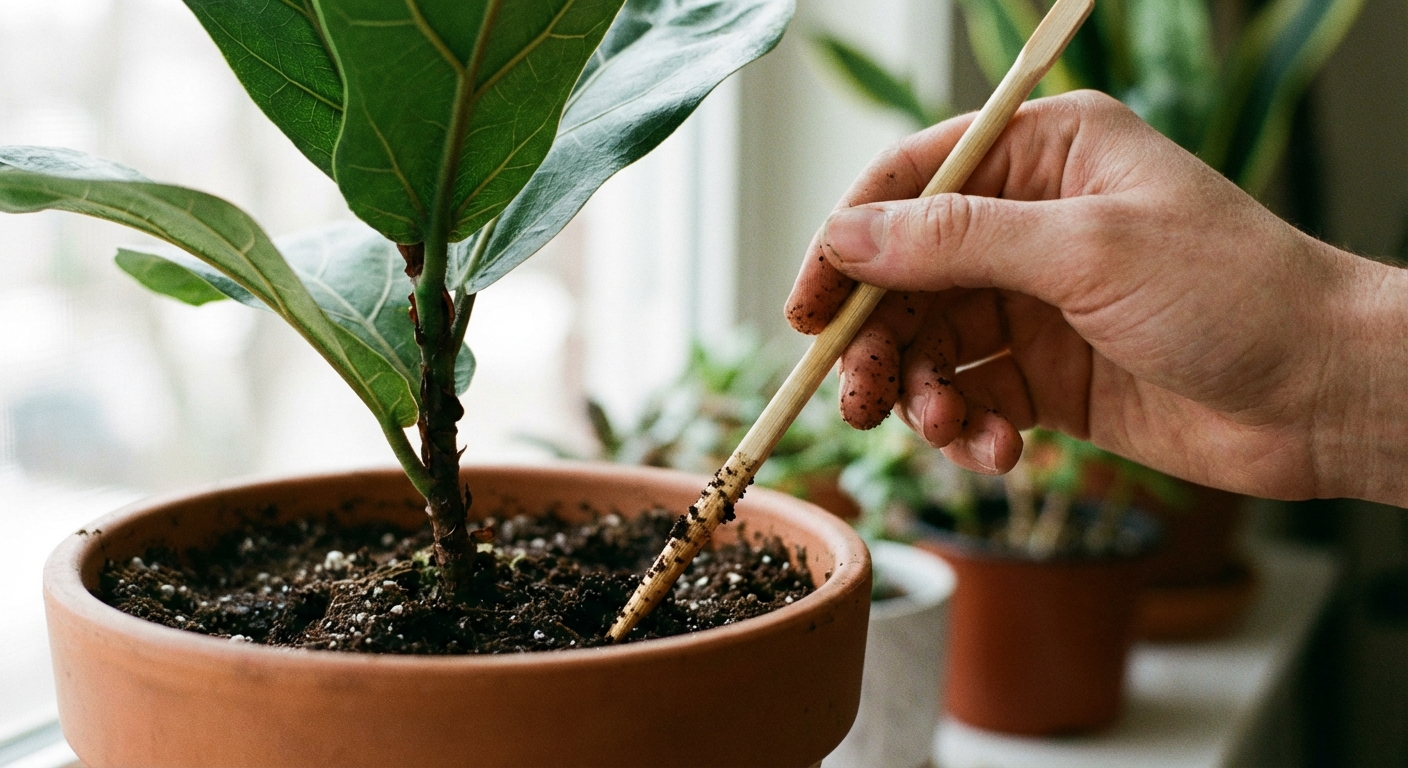
- Chopstick test: Slide a dry wooden chopstick in and pull it out. If soil clings or the wood darkens, it is not time.
- Pot weight: Lift the pot right after watering, then again a week later. Your hands learn fast.
How much to water when it is time
When you do water, water thoroughly. Give the soil a full soak until water runs out the drainage holes, then empty the saucer. Small sips can encourage shallow roots and can contribute to salt buildup over time, especially if you use fertilizer or hard water.
One more winter sanity check: make sure your pot has a drainage hole. If you have a chronic overwatering situation in winter, consider a chunkier, airier mix (more perlite, bark, or pumice depending on the plant) so roots get oxygen between waterings.
Plants that often want extra drying time
- Snake plant (Sansevieria)
- ZZ plant (Zamioculcas)
- Hoyas
- Cacti and most succulents
Plants that still hate drying out
- Peace lily (they will dramatize, but they are honest)
- Ferns (they prefer consistently lightly moist soil)
- Calathea and maranta (steady moisture, plus humidity)
Humidity in winter
Forced-air heat can drop indoor humidity into desert territory (often 20 to 30 percent). Many tropical houseplants can tolerate winter dryness, but you will often see crispy edges, stalled growth, and spider mites moving in like they pay rent.
What humidity level to aim for
- 40 to 60 percent is a comfortable range for many homes and many houseplants.
- 50 to 70 percent can be a sweet spot for fussier tropicals, as long as you have airflow and do not keep soil soggy.
If you are increasing humidity, a simple hygrometer helps. Also keep an eye on condensation on windows and walls, which can be a sign you need more airflow or a lower target to avoid mold issues.
Humidity methods that help
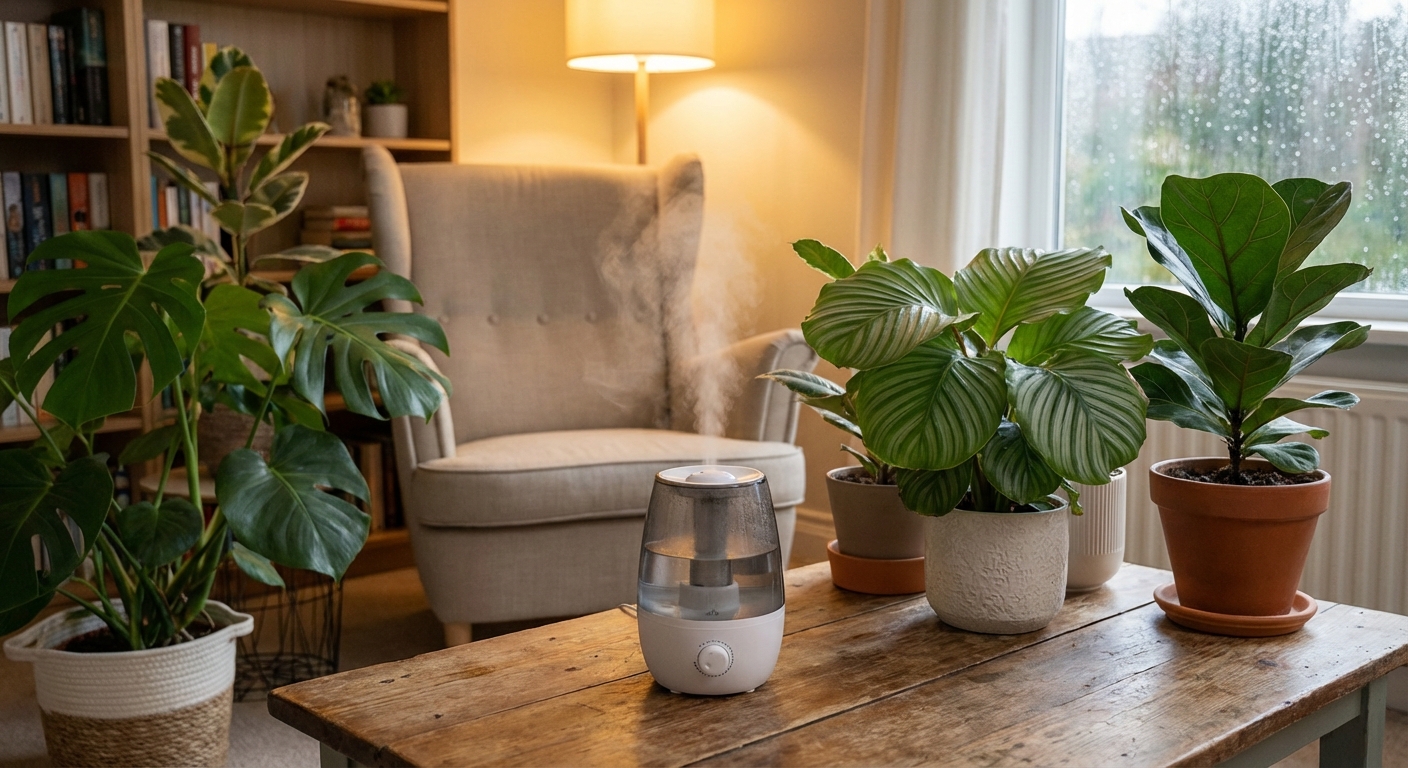
- Run a humidifier near your plant cluster: Usually the most effective option, especially for calathea, ferns, anthurium, and orchids. Keep the unit clean and follow the manufacturer’s cleaning schedule so you are not misting microbes into your living room.
- Group plants together: They create a small shared pocket of humidity as they transpire.
- Pebble tray with water: This can offer a modest, very localized boost right around the plant. It is a nice helper, but it is rarely enough as your only strategy in a dry home.
- Move plants away from vents: A blast of hot, dry air is basically leaf-dehydration on turbo mode.
About misting
Misting can rinse dust and briefly raise humidity right at the leaf surface, but it does not meaningfully change room humidity. If you love misting, treat it like leaf hygiene, not winter humidity insurance.
Winter light
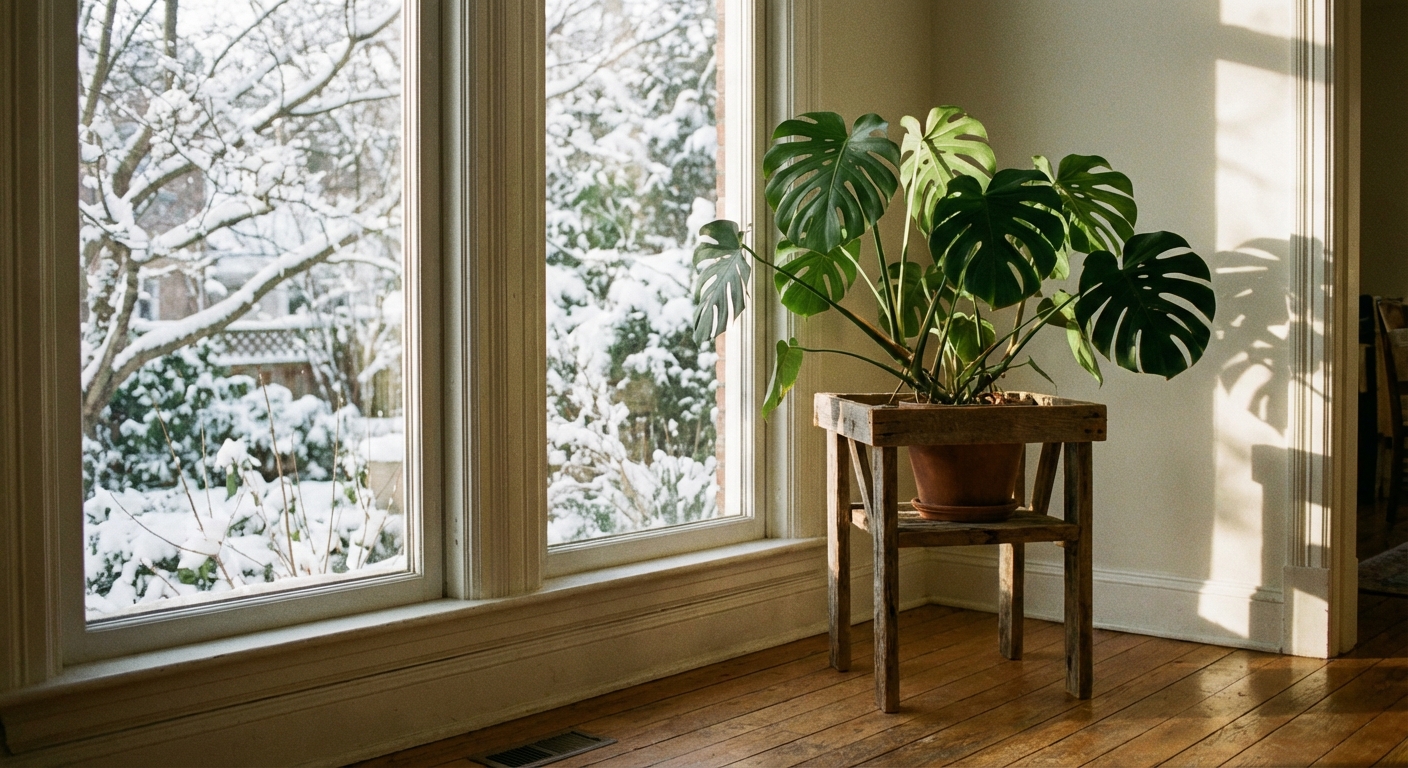
Light is the steering wheel. In winter, the sun sits lower and the day is shorter, so even a “bright window” can become medium or low light. Your plant responds by growing slower and using less water.
Quick ways to increase usable light
- Move plants closer to the window, especially sun-loving types. Even a few feet matters.
- Clean the glass. It sounds silly until you see how much dust film steals light.
- Rotate pots weekly so plants do not lean hard to one side.
- Use light-colored walls or a simple reflector like a white foam board propped opposite the window.
When a grow light helps
If your plant is stretching, losing variegation, or your home simply does not get strong winter sun, a grow light can be a sanity-saver. Aim for 8 to 12 hours a day for most foliage plants. Keep the light at an appropriate distance for the fixture and watch for leaf bleaching, which is a sign the light is too close or too intense.
Cold glass and drafts
A plant can love a bright window and still get chilled. Leaves pressed against cold glass can develop pale or mushy spots. If your window gets frosty, pull plants back a few inches at night or place them on a small stand so foliage is not touching the pane.
Temperature and airflow
Indoor temperatures usually stay plant-friendly, but microclimates are real. The space near a radiator, the shelf above a heat vent, and the chilly corner by a door all behave differently.
Easy winter temperature tips
- Keep plants away from heat vents and radiators to prevent crispy leaves and rapid drying.
- Avoid cold drafts near exterior doors and leaky windows.
- Avoid sudden swings. Many common tropical houseplants prefer a steady 65 to 75°F, though plenty tolerate slightly cooler nights.
- Give humid rooms airflow to discourage fungus gnats and mildew. A gentle fan across the room can help a lot.
Fertilizer and repotting
Winter is not the season to push growth for most indoor plants. Fertilizing a plant that is not actively growing can lead to salt buildup in the soil and stressed roots.
Fertilizing in winter
- Most foliage houseplants: Pause fertilizing until days lengthen, often late winter or early spring.
- Plants actively growing under strong light: If your plant is genuinely growing, you can use a diluted fertilizer (about 1/4 to 1/2 strength) once a month.
- Winter growers and winter bloomers: Some plants (certain orchids, some succulents, and plants like Christmas cactus while setting buds) may appreciate light feeding if they are actively growing. Keep it gentle and let new growth be your cue.
Repotting in winter
Try not to repot during slowdown unless you have a reason. Good reasons include roots circling aggressively, the plant drying out in a day or two even in winter, or clear soil breakdown that stays soggy. Otherwise, wait for spring when roots rebound quickly.
Pruning and grooming
I call this the “soft reset.” Not a hard haircut, just small choices that help your plant coast through winter with fewer problems.
- Remove yellow or damaged leaves by snipping at the base with clean scissors.
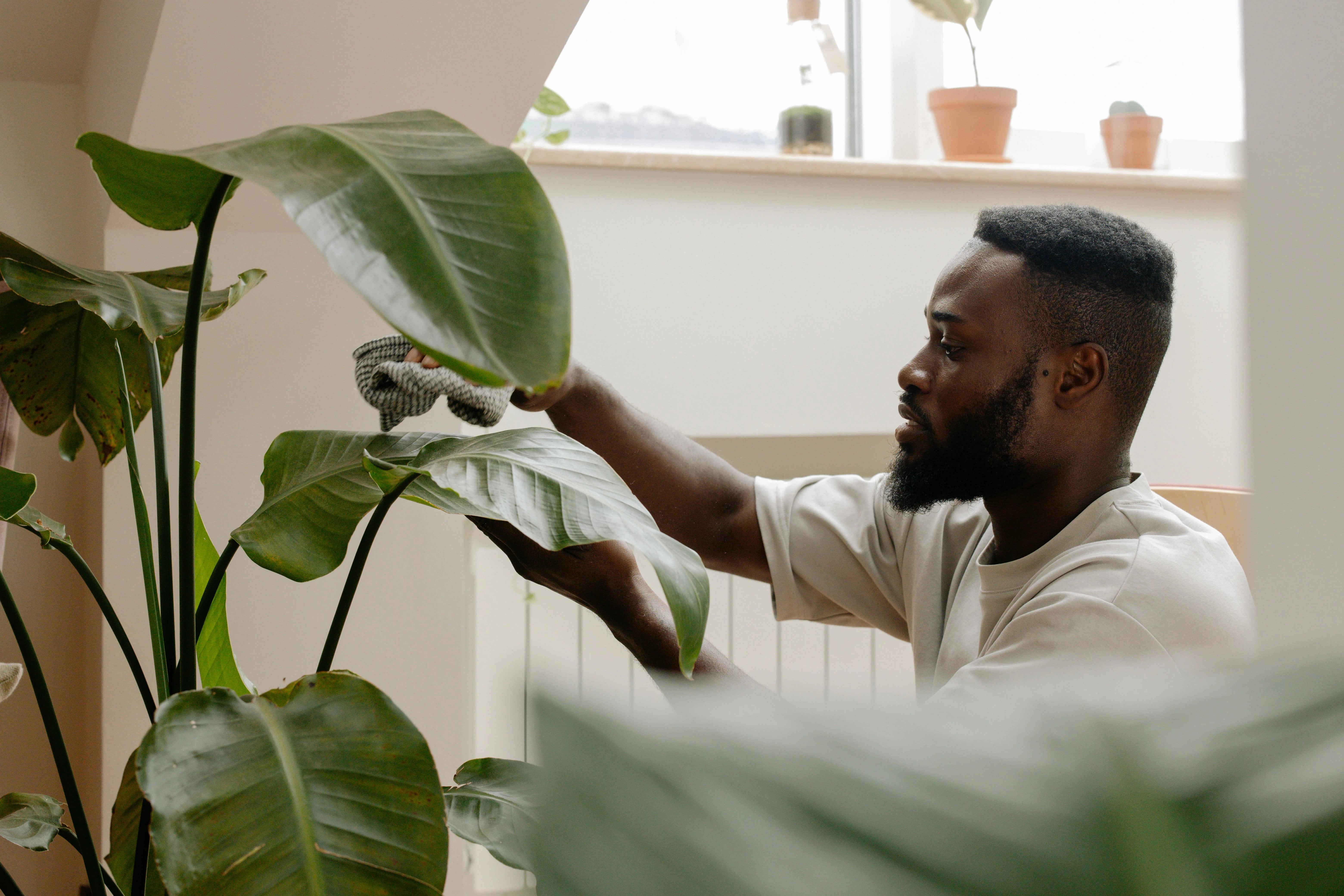
- Wipe dust off leaves with a damp cloth so the plant can photosynthesize more efficiently in low light.
- Pinch leggy growth lightly on trailing plants if you want bushiness, but do not expect fast regrowth until spring.
Pest prevention in winter
Spider mites, mealybugs, and scale often show up in winter when indoor air is dry and plants are stressed. The earlier you catch them, the easier they are to manage.
Weekly winter plant check
- Look under leaves and along stems.
- Check leaf joints where pests like to hide.
- Watch for fine webbing, sticky residue, or cottony clumps.
If you spot pests
Isolate the plant right away. Rinse foliage in the shower with lukewarm water, then treat with insecticidal soap or horticultural oil according to label instructions. Repeat treatments are usually necessary because eggs hatch in cycles.
Winter care by plant type
If you are not sure what your plant wants, this quick guide will steer you in the right direction.
Tropical foliage plants (monstera, philodendron, pothos)
- Expect slower growth and longer watering intervals.
- Prioritize light and avoid cold drafts.
- Humidity helps, especially for larger-leaf tropicals that brown at edges.
Low-light tolerant plants (snake plant, ZZ)
- Water sparingly. Overwatering is the common winter killer.
- They can handle lower light, but do not put them in a dark cave.
Succulents and cacti
- Give the brightest light you have.
- Water much less frequently, and only when soil is fully dry.
- Cooler temps can be fine, but avoid freezing windowsills.
Ferns, calathea, maranta
- Focus on humidity and consistent, lightly moist soil.
- Use filtered water if you see crispy edges or spotting from mineral buildup.
- Keep them away from vents and radiators.
Orchids
- Bright, indirect light is key in winter.
- Water when the potting medium approaches dryness, not on a fixed schedule.
- Good airflow prevents crown and root issues.
Troubleshooting
Yellow leaves
- Common cause in winter: soil staying wet too long.
- Try: increase light, extend time between waterings, and confirm the pot drains freely.
Brown crispy edges
- Common causes: low humidity, heater blasts, or mineral-heavy water buildup.
- Try: humidifier, move away from vents, flush the pot with water once, and consider filtered water for sensitive plants.
Leggy, stretched growth
- Cause: not enough light.
- Try: move closer to a window, rotate weekly, or add a grow light.
Mushy stems or a sour soil smell
- Cause: rot risk from overwatering and low oxygen in the soil.
- Try: pause watering, improve light, and consider checking roots if the plant declines quickly.
A simple winter routine
If you want a simple winter rhythm that works for most homes, here is mine.
- Once a week: rotate plants, check soil moisture, inspect for pests, wipe a couple dusty leaves.
- Every 2 to 4 weeks: water only the plants that truly need it, then empty saucers.
- After any big weather shift: check plants near windows and doors for chill damage and drafts.
And please remember, winter is a season of patience. Your plant is not failing because it is not exploding with new leaves. It is resting (or at least coasting), storing energy, and waiting for longer days. You are doing the same thing, honestly, just with better snacks.