
Succulent Care for Beginners

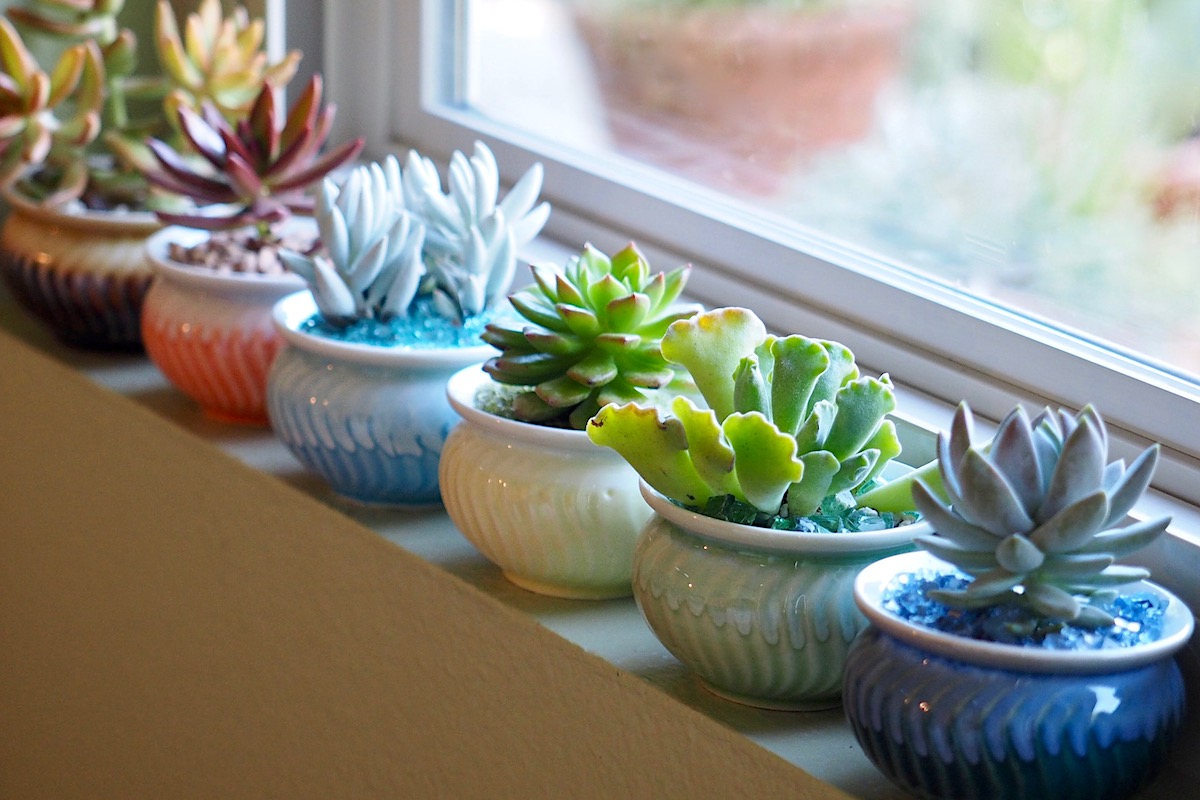
Succulents have a reputation for being “unkillable,” but the truth is sweeter than that. They are predictable. Give them bright light, fast-draining soil, and a watering rhythm that lets them fully dry out, and they will quietly thrive on your windowsill like little living sculptures.
If you have ever loved a succulent to death with too much water, you are not alone. I have done it too. The good news is that once you understand what succulents are built for, caring for them becomes wonderfully simple.
What makes a plant a succulent?
“Succulent” is not one specific plant family. It is a trait. Succulents store water in thick leaves, stems, or roots, which helps them survive dry spells. That built-in water storage is exactly why the most common mistake is overwatering.
Think of a succulent like a camel. It can carry water reserves, but it still needs the right habitat and a chance to dry out between drinks.
Light: the number one success factor
If I could fix only one thing for beginner succulent growers, it would be light. Indoors, most succulents need very bright light to stay compact, colorful, and sturdy.
How much light do succulents need?
- Bright, direct sun (best for many): 4 to 6+ hours of sun, often a south or west-facing window in the Northern Hemisphere.
- Bright, indirect light (works for some): Strong ambient light near a window, especially for lower-light tolerant types like haworthia.
- Low light (usually not enough): If you can comfortably read a book there, that does not automatically mean it is succulent-level bright.
Signs your succulent needs more light
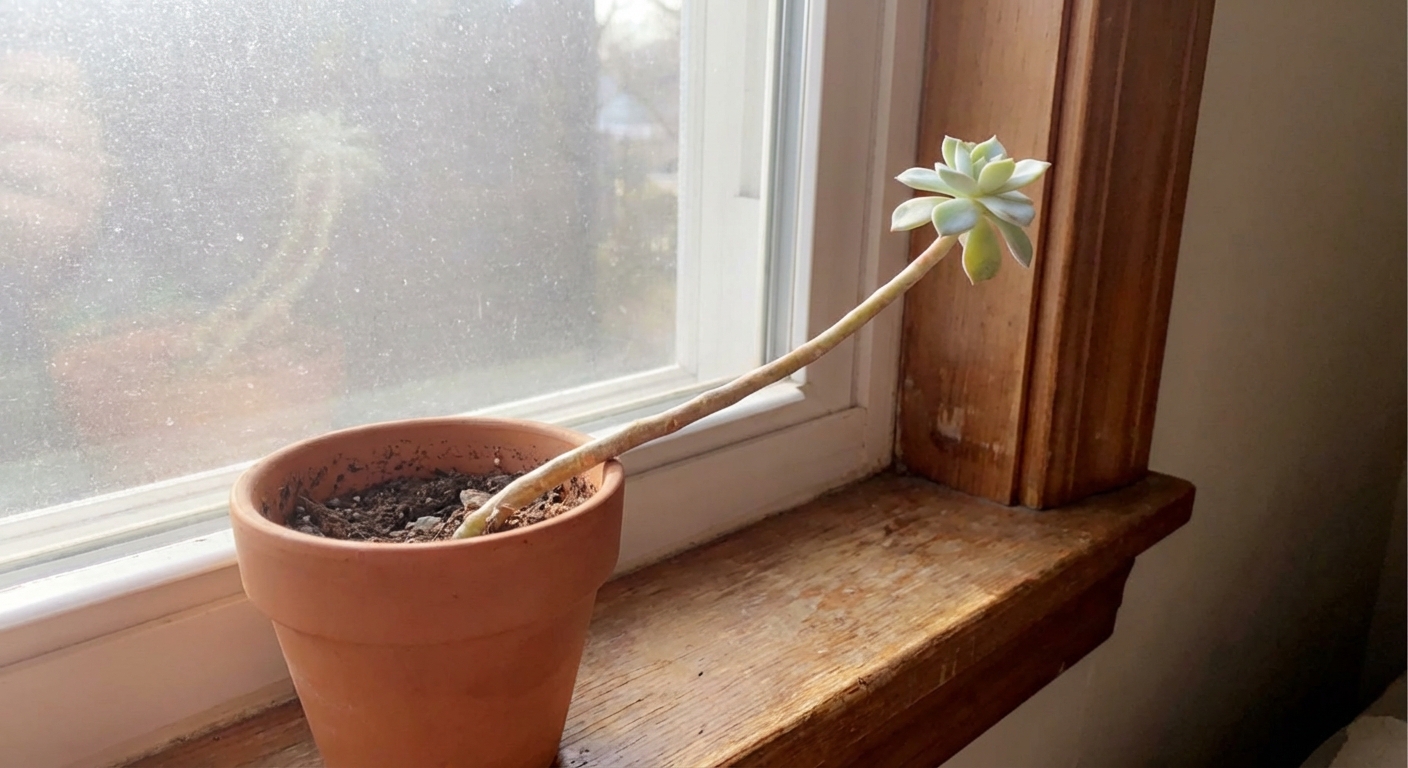
- Stretching (etiolation): long stems, wide gaps between leaves, “reaching” toward the window
- Pale color: greens look washed out, reds and purples fade
- Leaning: the plant tips and grows sideways
Rotate gently, acclimate slowly
Rotate pots every week or two so they grow evenly. And if you move a succulent into stronger sun, do it gradually over 7 to 14 days. Sudden intense sun can cause sunburn, which looks like tan, white, or brown patches that do not heal.
Watering: soak, then fully dry
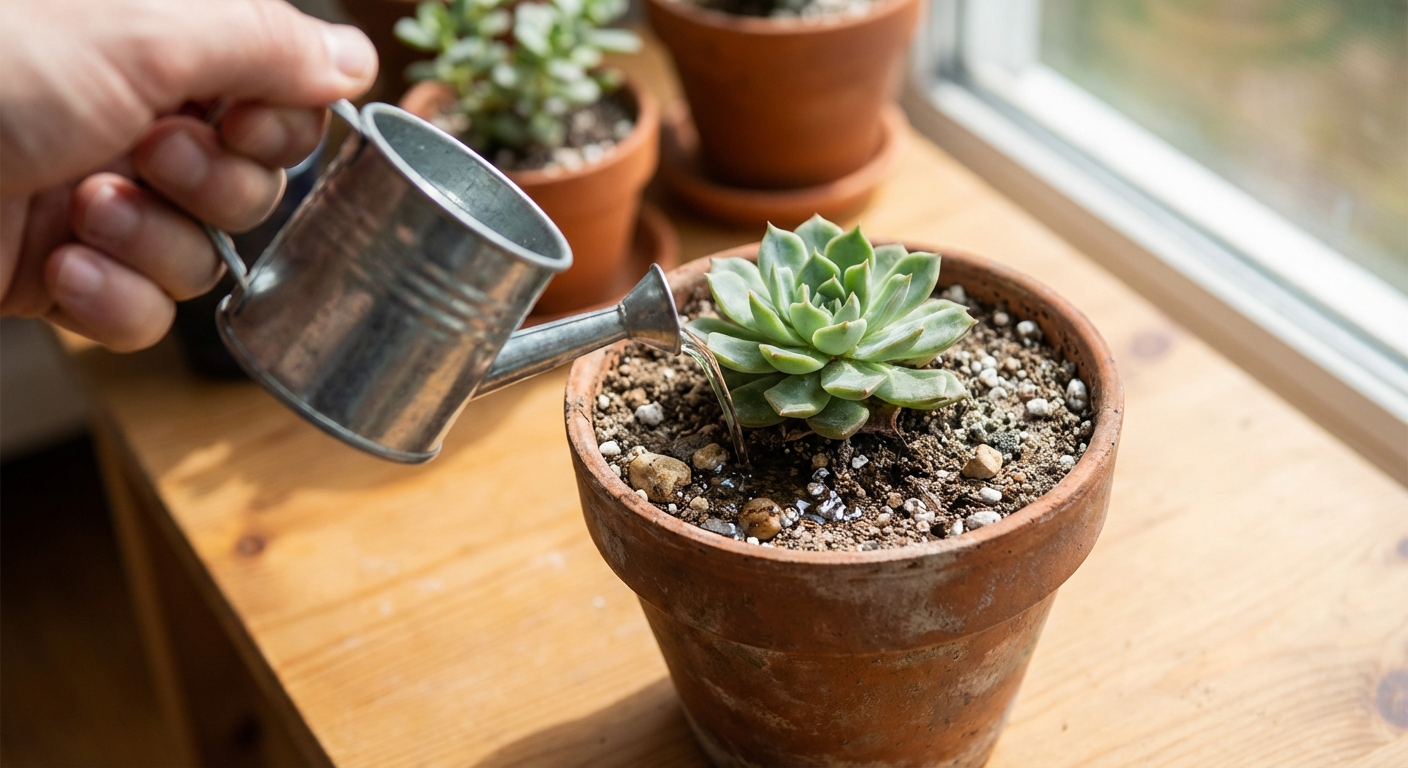
Succulent watering is simple once you ditch the calendar. The goal is thorough watering followed by complete dry-down.
The best method: soak and dry
- Check the soil. Stick a finger 2 inches down or use a wooden skewer. If it is cool or damp, wait.
- Water deeply. Water until it runs freely out the drainage holes.
- Empty the saucer. Do not let the pot sit in water.
- Wait. Water again only when the mix is dry all the way through.
How often should you water?
It depends on light, pot size, soil, season, and indoor humidity. As a starting point:
- Bright window, gritty soil: often every 10 to 21 days
- Winter or lower light: often every 3 to 5+ weeks
- Outdoors in heat: can be more frequent, but still only after drying out
Your plant’s needs are the schedule. In high light and warmth, succulents use water faster. In winter, they often slow down and can go much longer between drinks.
Bottom watering: helpful, not mandatory
If water runs down the sides and never seems to soak in, your mix may be hydrophobic. Bottom watering can help: set the pot in a bowl of water for 10 to 20 minutes, then let it drain completely. I use this occasionally, especially for very dry mixes.
Soil: fast-draining beats “rich” every time
Succulents want soil that drains quickly and holds plenty of air around the roots. Standard potting soil is usually too moisture-retentive on its own.
An easy beginner mix
For most indoor succulents, start with:
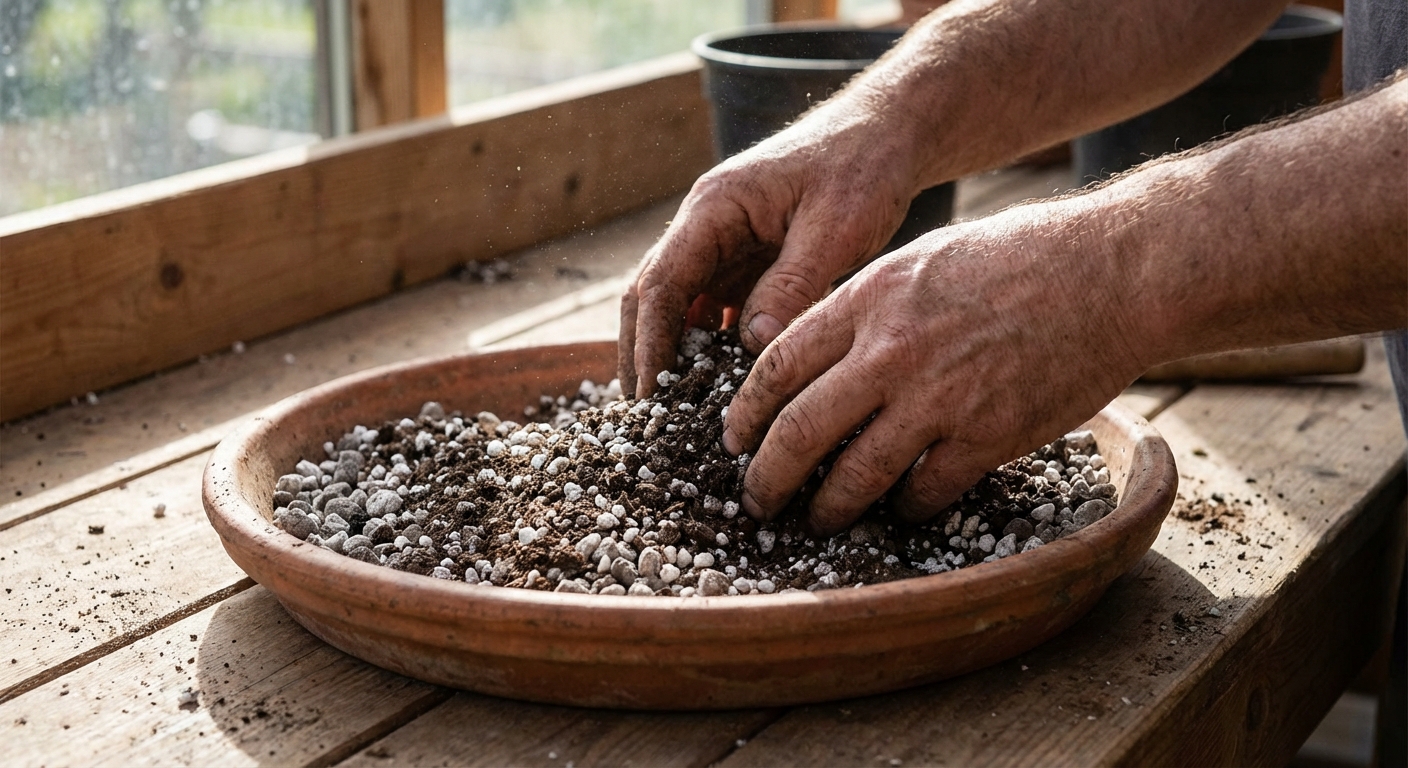
- 50% cactus and succulent potting mix
- 50% mineral grit such as perlite, pumice, or coarse sand
If you tend to overwater, bump the grit higher (60% to 70%). If you live in a very hot, dry climate or grow outdoors in full sun, you might keep a bit more moisture by using slightly less grit.
Why gritty mixes work
- Water moves through quickly
- Roots get oxygen, which helps prevent rot
- Plants can dry down between waterings, which matches their natural rhythm
Containers: drainage is not optional
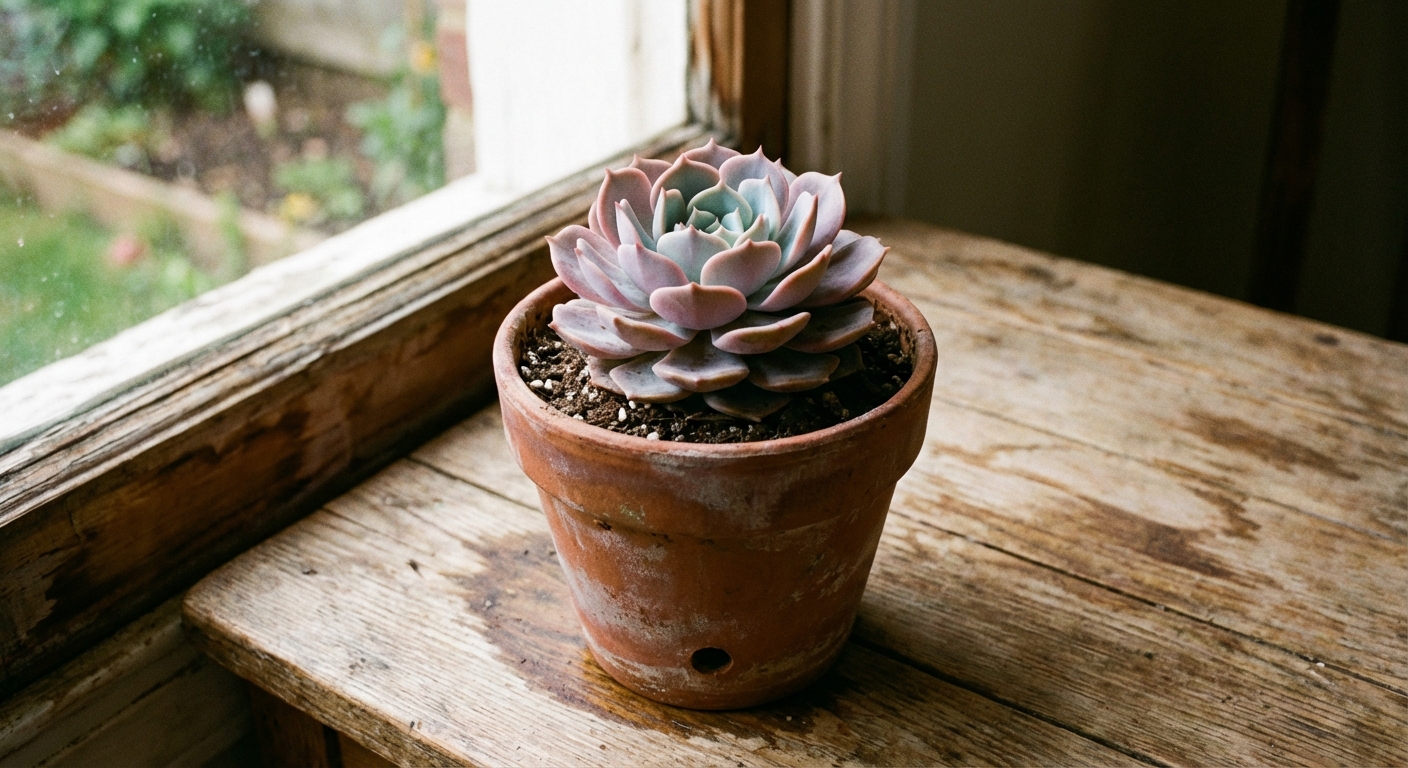
If you remember nothing else, remember this: succulents need drainage holes. A pot without a hole is a tiny bathtub, and roots rot quietly before you notice anything is wrong.
Best pots for beginners
- Terracotta: breathable, dries faster, very forgiving for heavy-handed waterers
- Unglazed ceramic: similar benefits to terracotta
- Plastic: holds moisture longer, works well if you already have strong light and a gritty mix
Pot size tips
Choose a pot that is only slightly larger than the root ball. Oversized pots hold extra damp soil that roots cannot use fast enough.
Temperature and airflow
Most common succulents are happy in typical home temperatures: roughly 60 to 80°F (16 to 27°C). They also appreciate airflow. Stagnant, humid air plus damp soil is a recipe for rot and fungus gnats.
- Indoors: crack a window when weather allows, or run a small fan nearby on low.
- Outdoors: protect from hard frost unless you are growing cold-hardy sedums and sempervivums.
Fertilizer: optional, light-handed
Succulents do not need heavy feeding. If you want to encourage growth during spring and summer, use a balanced liquid fertilizer diluted to quarter strength once every 4 to 8 weeks. Skip fertilizer in winter when growth slows.
If your succulent is stressed (too little light, too much water, recent repotting), hold off on feeding. Fix the environment first.
Easy succulents to start with
If you are new, choose varieties that tolerate a little learning curve. Here are three beginner favorites that I recommend again and again.
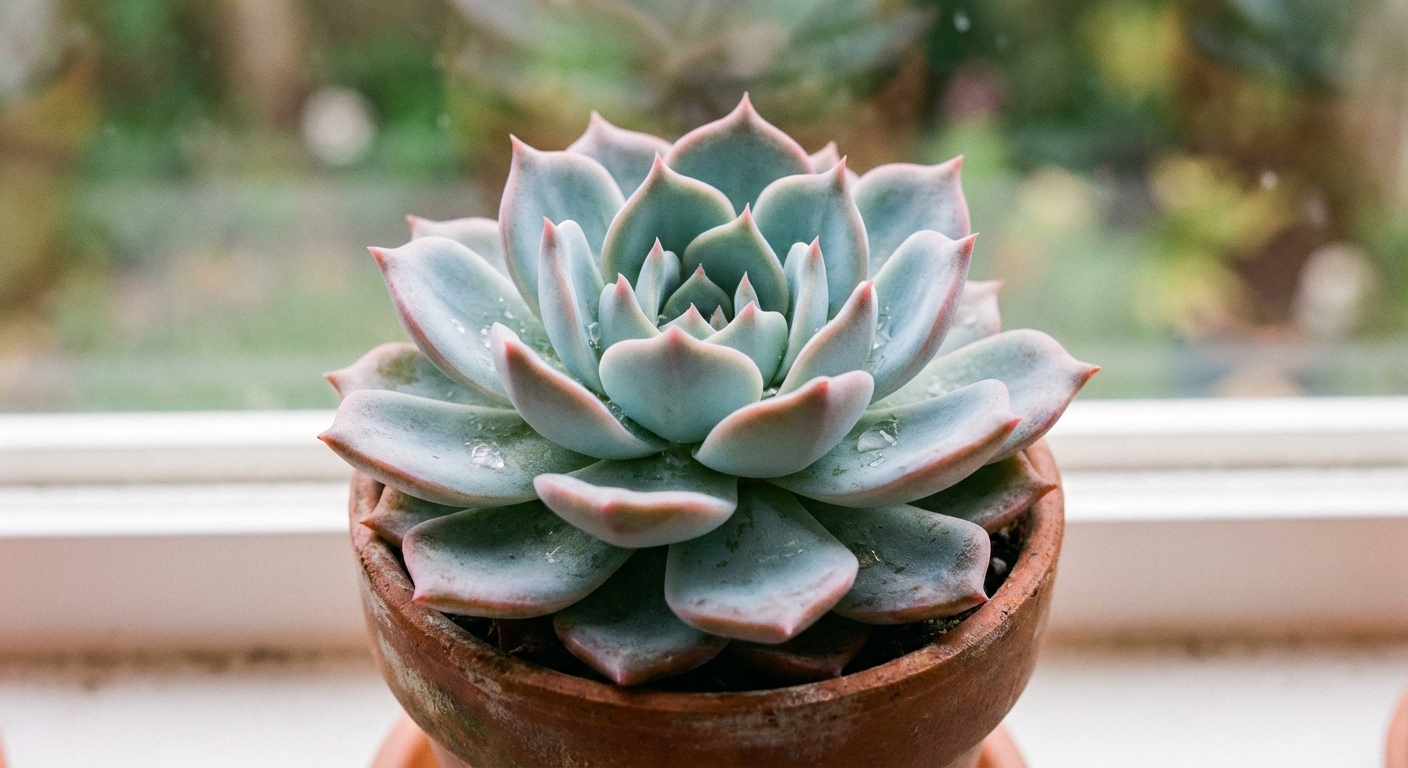
Echeveria
Echeverias make those classic rosettes that look like flower-shaped sculptures. They love bright light and often show beautiful color in strong sun.
- Best for: sunny windows, grow lights, outdoor containers in bright conditions
- Watch for: stretching in low light, farina (the powdery coating) rubbing off if handled a lot
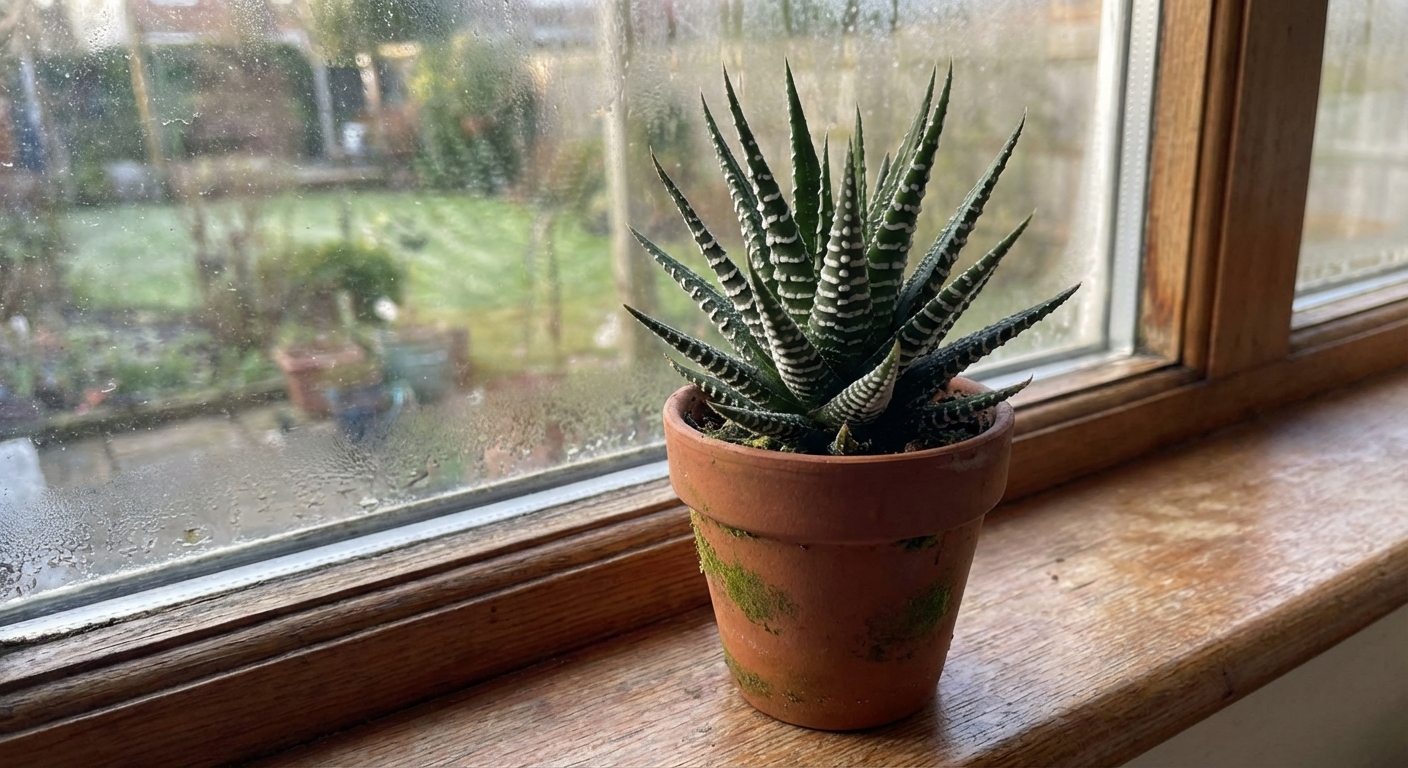
Haworthia
Haworthias are wonderfully patient houseplants with striped or textured leaves. They handle bright indirect light better than many succulents.
- Best for: east windows, bright rooms, desks near windows
- Watch for: slow growth, which is normal
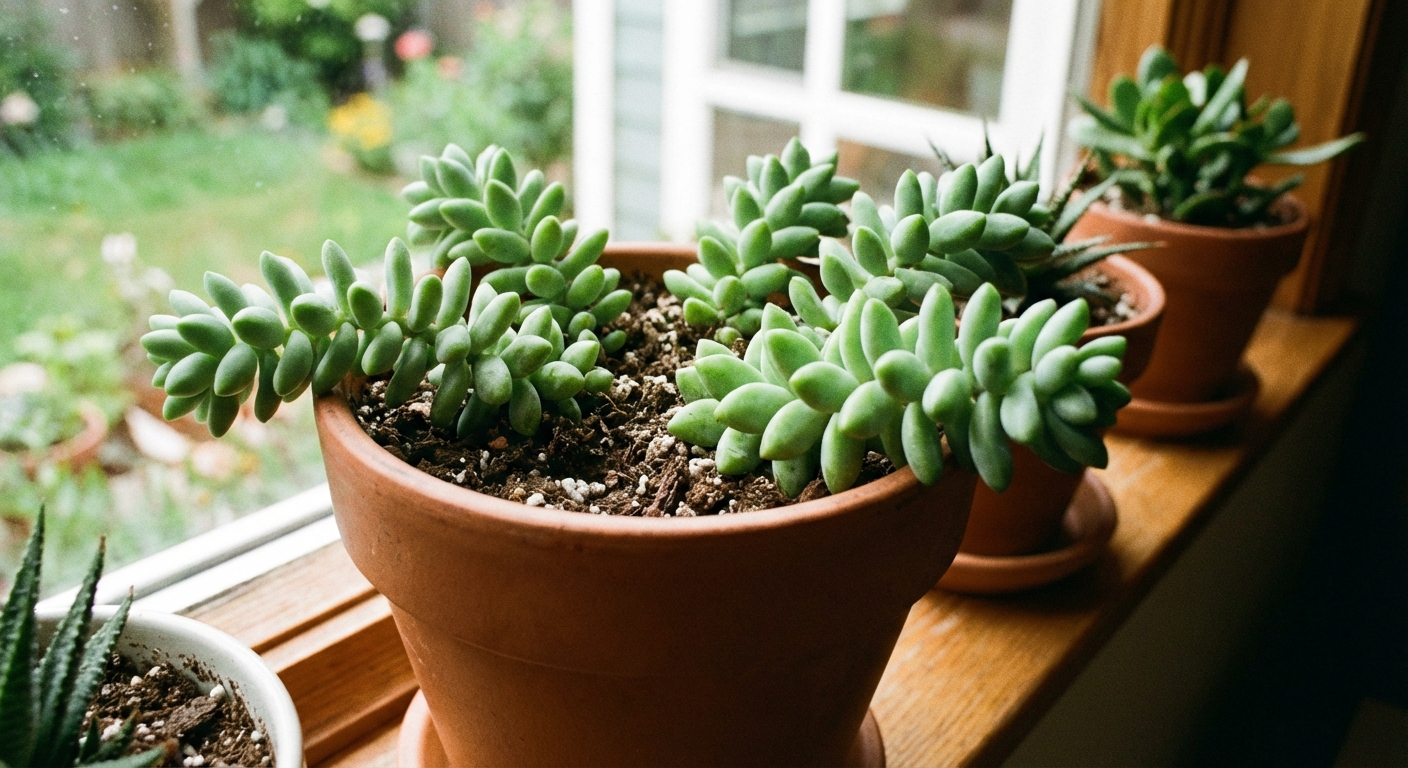
Sedum
Sedums range from trailing “strings” perfect for hanging pots to upright little clusters that do well outdoors. Many are tough and fast-growing in good light.
- Best for: sunny windows, outdoor pots, groundcovers in appropriate climates
- Watch for: dropping leaves if moved abruptly or overwatered
Common mistakes (and how to fix them)
Overwatering
What it looks like: mushy or translucent leaves, leaves falling off easily, black or brown spots near the base, a plant that suddenly collapses.
What to do: Stop watering, move to brighter light, and let the pot dry fast. If the base is rotting, take healthy cuttings above the rot and restart in fresh, dry mix.
Not enough light
What it looks like: stretched growth, leaning, dull color.
What to do: move closer to the brightest window you have, or add a grow light. Once stretched, most succulents will not “un-stretch,” but new growth can come in compact again.
No drainage hole
What it looks like: soil stays wet for many days, fungus gnats, repeated leaf drop, rot.
What to do: repot into a container with a drainage hole. If you love a decorative pot, use it as a cachepot and keep the succulent in a draining nursery pot inside it.
Wrong soil
What it looks like: slow drying, soft leaves, root issues even when you “barely water.”
What to do: repot into a gritty mix. Succulents prefer airy roots over rich, composty soil.
Watering tiny sips
What it looks like: shallow roots, uneven hydration, leaves shriveling even though you water frequently.
What to do: water deeply, then wait until dry. The soak-and-dry cycle encourages strong roots.
Repotting: when and how
Most store-bought succulents arrive in peat-heavy mix that stays wet too long. Repotting is often the kindest first step.
When to repot
- Within 1 to 3 weeks of bringing a new plant home (after it adjusts)
- When roots circle the pot or grow out the bottom
- When soil compacts and dries very slowly
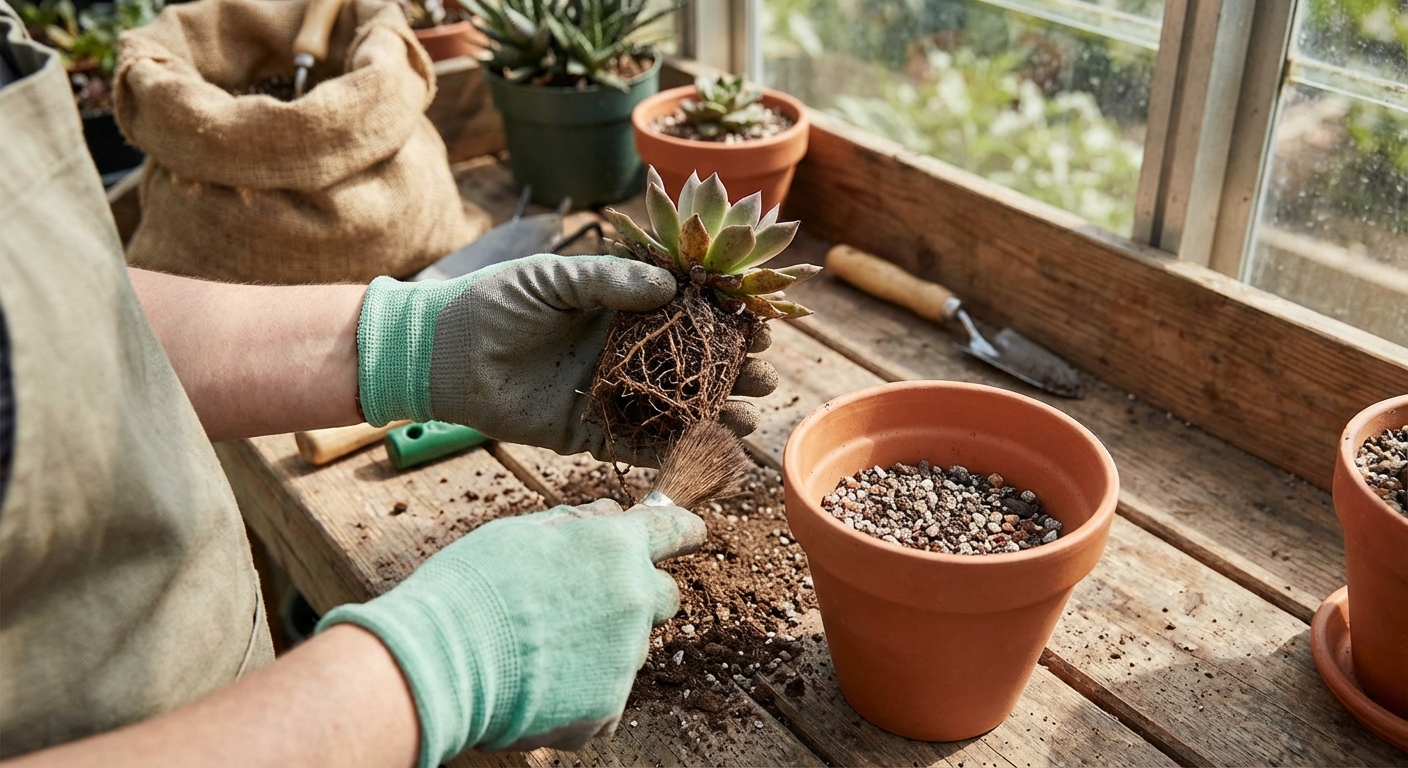
How to repot (simple method)
- Gently remove the plant and brush off some old soil.
- Check roots. Trim any black, mushy roots with clean scissors.
- Place in a pot with a drainage hole and gritty mix.
- Wait 3 to 7 days before watering so any root nicks can callus.
Quick troubleshooting guide
- Wrinkled, limp leaves: usually thirsty. Water deeply if the soil is fully dry.
- Soft, yellowing leaves: often too much water or low light. Let dry and increase light.
- Brown crispy patches: sunburn or extreme heat. Provide gentler light and acclimate slowly.
- White fuzzy spots: possible mealybugs. Isolate and treat with rubbing alcohol on a cotton swab, then monitor.
- Leaves dropping when touched: stress from overwatering, recent change, or low light. Check roots and soil moisture.
A simple beginner routine
If you want an easy plan to follow, here is the one I give friends who swear they have a black thumb.
- Once a week: check soil dryness and rotate the pot a quarter turn.
- When soil is fully dry: water deeply, then drain the saucer.
- Once a month: inspect for pests and wipe dust off leaves with a soft, dry brush.
- Spring to summer: consider a quarter-strength fertilizer occasionally if growth is active.
Most of all, let your succulent teach you. These plants are steady, honest communicators. When you give them the basics, they repay you with calm, sculptural beauty, and the quiet satisfaction of getting it right.
Next step: make more succulents
Once your plants are happy, propagation becomes much easier and much more fun. If you are ready to multiply your collection, head over to our guide on propagating succulents from leaves and cuttings.