Small Backyard Landscape Design for Urban Spaces

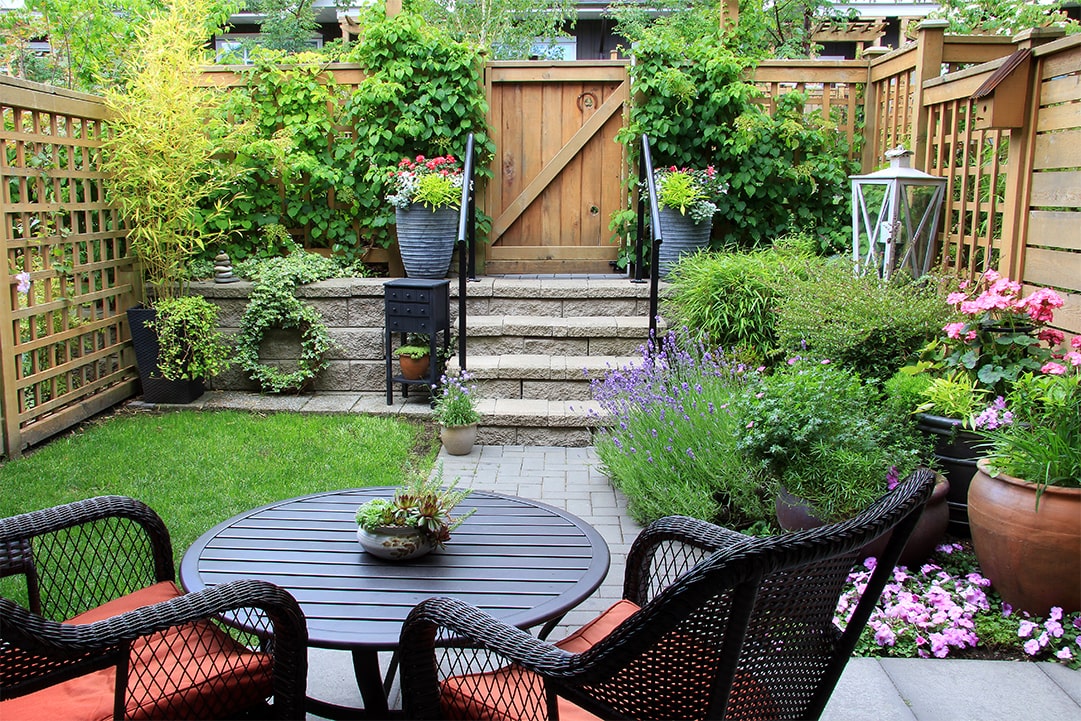
Small backyards have a funny way of making us feel like we have to choose: a place to sit or a place to plant. A little shade or a little sunshine. A bit of privacy or a sense of openness.
Here’s the good news (I tell my ferns, yes, I talk to them): you can have all of those things in a compact space if you design with intention. The trick is to treat your backyard like a tiny outdoor room that needs flow, storage, and a few tall moments for drama (think a trellis, a small tree, or a simple obelisk).
Start with a simple plan
When space is tight, every foot matters. A quick sketch will save you from the classic small yard problem: too many pots, not enough breathing room.
Step 1: Measure the fixed stuff
- Doors, steps, and paths you must keep accessible
- Utilities like AC units, meters, drain cleanouts, hose bibs
- Sun, shade, and heat (morning sun, afternoon scorch, reflected heat off walls)
- Wind pockets (turbulence between buildings can dry plants fast)
- Views: what you want to see and what you want to hide
Step 2: Choose 1 main use + 2 helpers
Most small backyards feel cluttered because they are trying to do six things at once. Choose one main character function.
- Primary use: dining, lounging, kid play, container gardening, or entertaining
- Supporting use #1: herbs, a grill nook, a fire bowl, a tiny lawn patch, a pollinator strip
- Supporting use #2: storage, compost, bike parking, pet zone
Once you know what the space is for, layout decisions get much easier.
Layout tricks that feel bigger
Create one destination
A small backyard feels more expansive when your eye has somewhere to land. Create a focal point at the far end or along a back fence.
- A single small tree in a raised bed
- A simple bench under an arch
- A large pot with a bold plant (a dwarf citrus in warm climates, a Japanese maple in cooler ones)
- A wall fountain for sound and movement
Use gentle curves or a diagonal
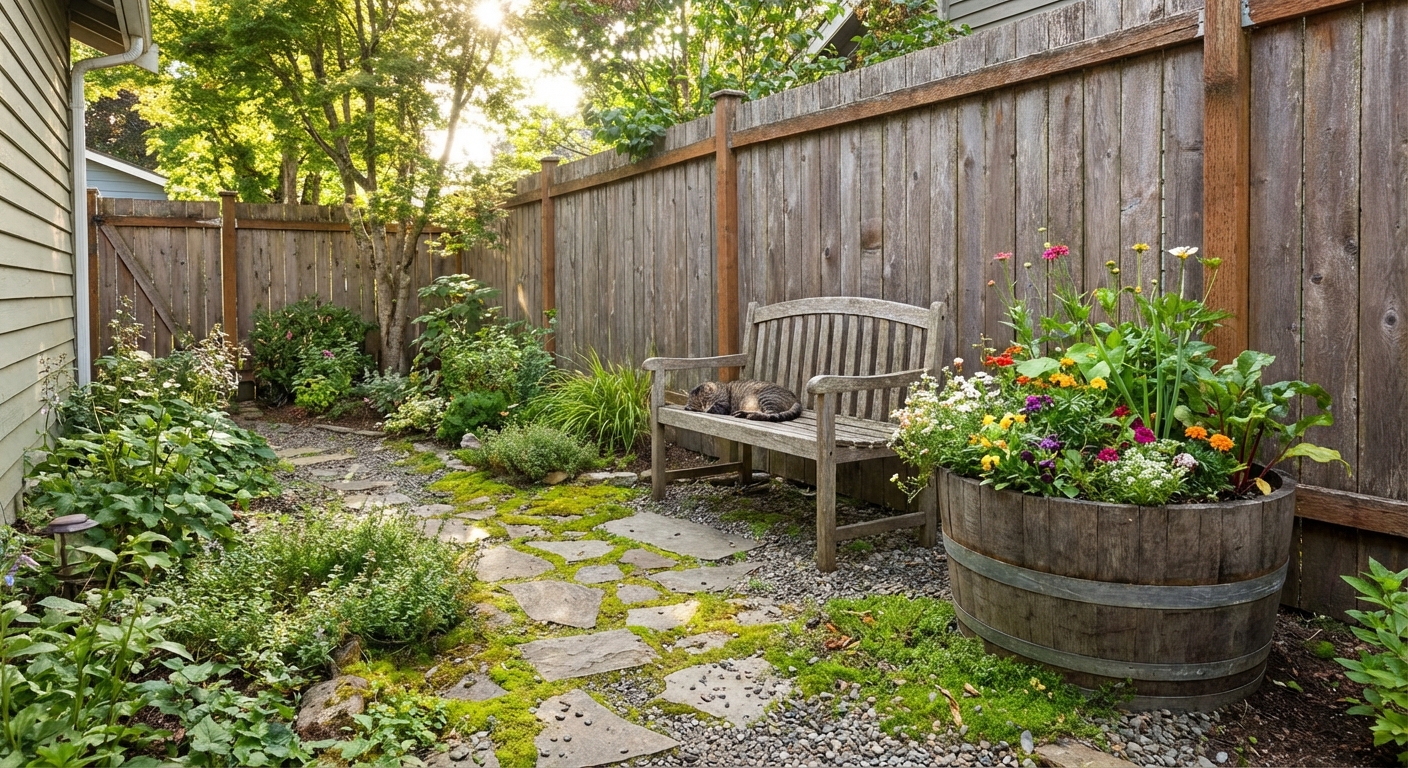
Perfect rectangles can make tiny yards feel like boxes. A gentle curve in a planting bed or a diagonal paver path can add depth without stealing space.
- Diagonal paving can visually widen a narrow yard
- Curved bed edges create softness and the feeling of more to explore
- Offset stepping stones slow the walk and stretch the experience
Layer plants like nature does
In nature, you rarely see one flat layer of plants. Steal that idea.
- Back layer: tall, airy stuff (trellis vines, ornamental grasses, clumping bamboo where appropriate, espalier trees)
- Middle layer: shrubs and midsize perennials
- Front layer: groundcovers, strawberries, thyme, low sedums
Layering lets you plant more without making the space feel crowded, because everything has a job and a height.
Go vertical
Urban backyards are often fence-heavy, which is not a bad thing. Fences are basically blank canvases. Vertical gardening gives you privacy, softens hard lines, and makes room for more plants without shrinking your walking space.
Vertical options that work
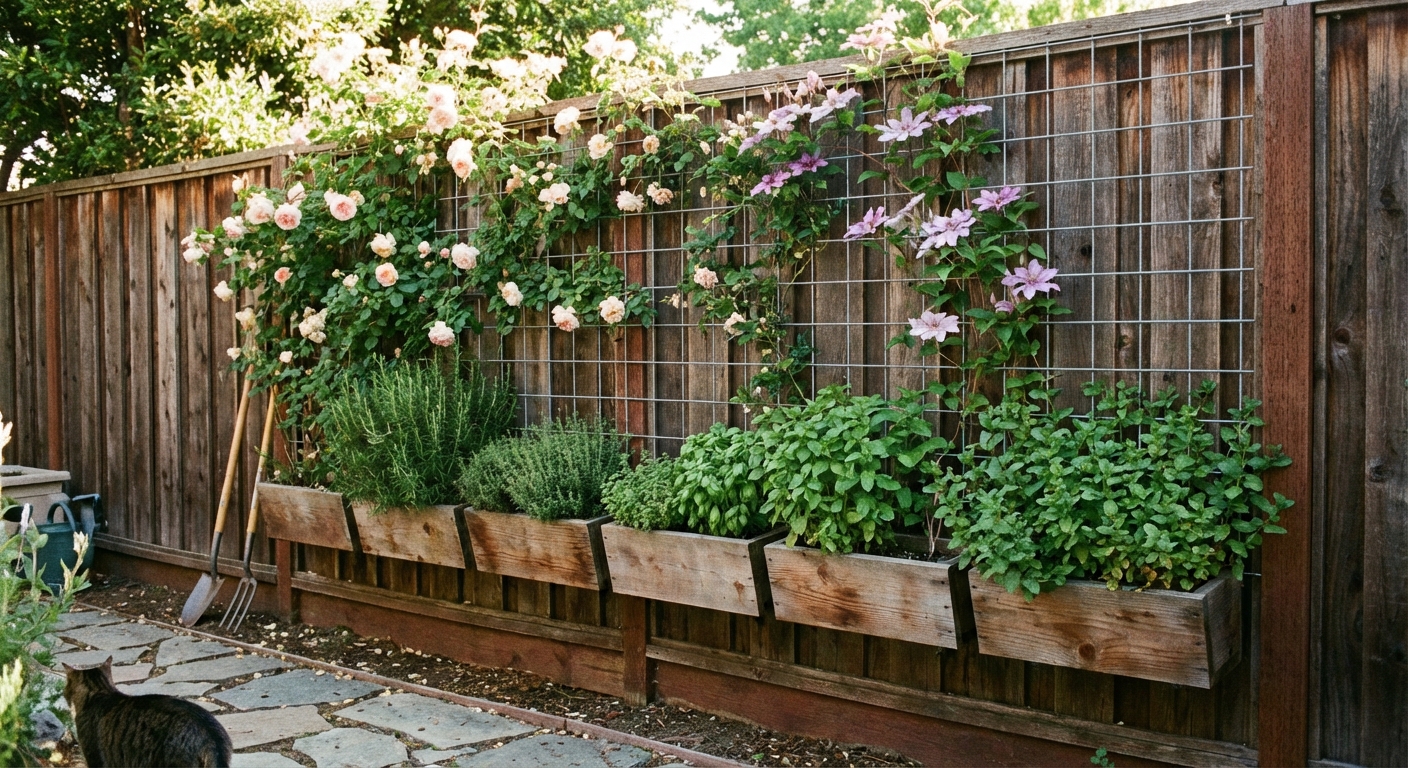
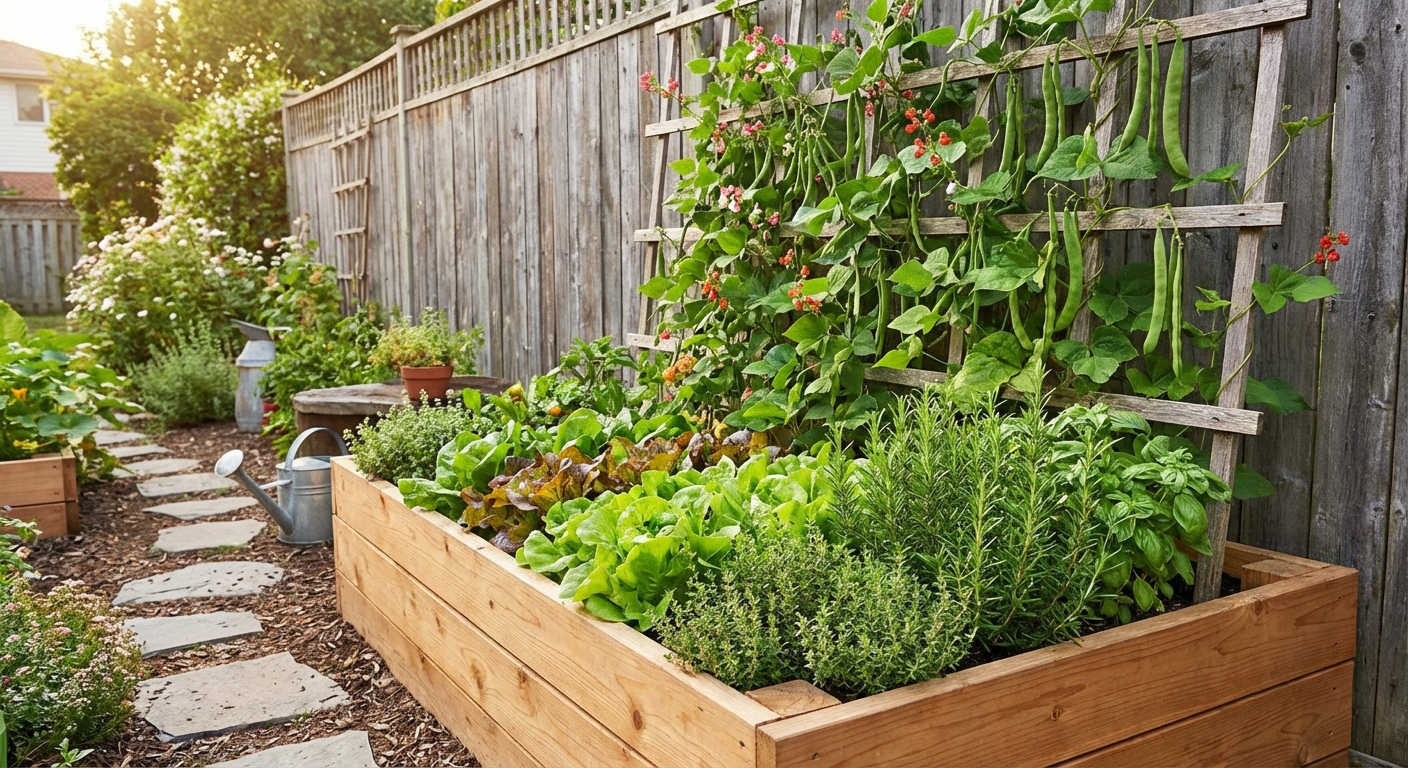
- Trellises and wire grids: best for jasmine, clematis, climbing roses, grapes, pole beans
- Espalier fruit trees: best for apples, pears, and some stone fruit trained flat against a fence
- Hanging planters: best for trailing herbs and flowers (they dry fast in full sun)
- Wall-mounted pocket planters: best for shallow-rooted plants like lettuce and strawberries
- Freestanding obelisks in a bed or large pot: best for instant height and structure
Fences and airflow
If you attach planters directly to a wooden fence, leave a small gap behind them so the fence can dry out. Healthy airflow prevents rot and helps keep mildew off your plants too.
Features that earn their footprint
In a small backyard, every element should do double duty. Ideally triple duty. If something only has one job, it needs to be either tiny or truly beloved.
Seating with storage
- Bench with hidden storage for cushions, hand tools, and watering cans
- Built-in seat wall that also acts as a raised bed edge
Raised beds that define space
Raised beds are not just for vegetables. They are also clean lines, built-in organization, and a way to create rooms outdoors.
- Use a raised bed to separate a dining pad from the planting zone
- Make one bed extra wide on one side so it becomes casual perch seating
- Common height: 12 to 18 inches for a tidy, space-saving profile
- Easier on backs: 18 to 24 inches if bending is a concern
Privacy screens that grow
Instead of adding bulky structures, let plants do the work (and always check local guidance for aggressive or invasive plants in your region).
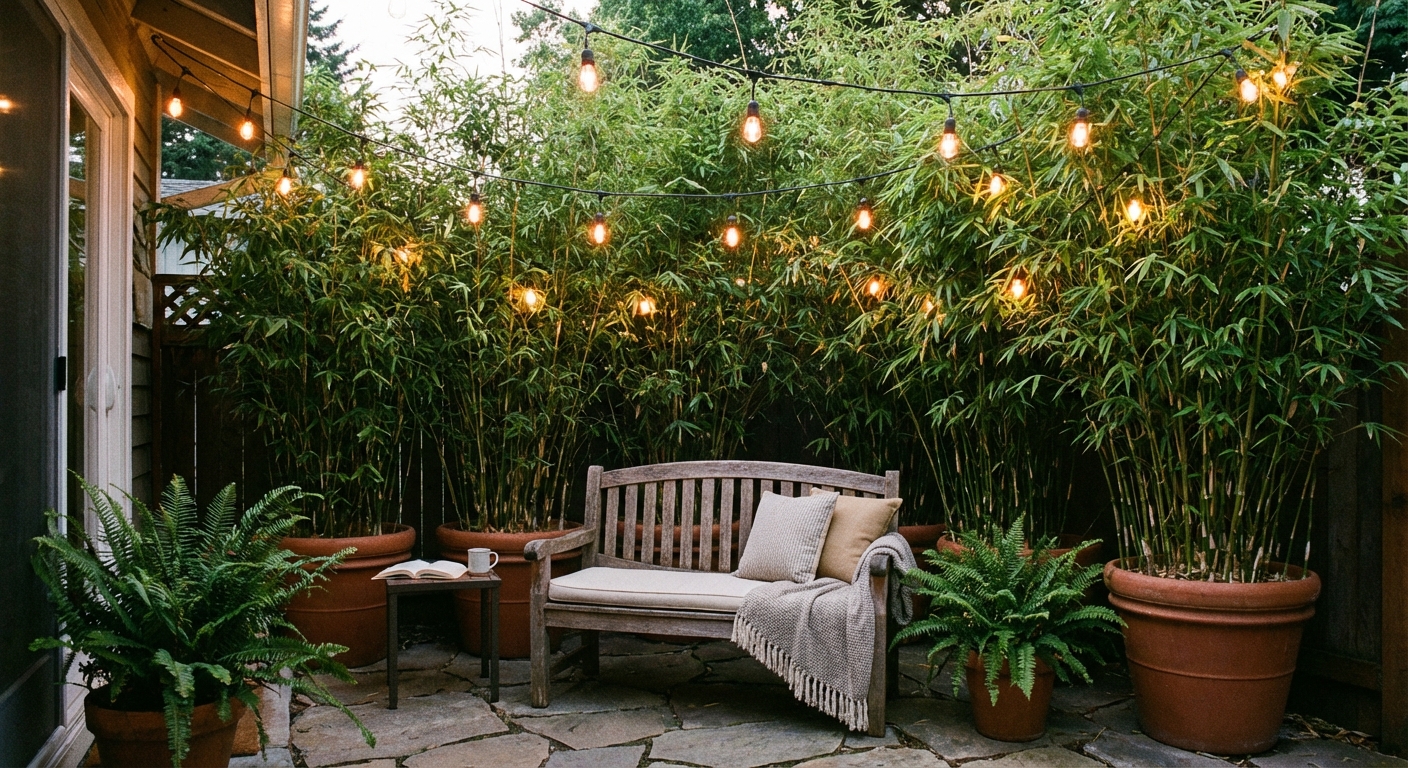
- Clumping bamboo (not running) in large containers for a quick screen (containers dry out fast, so plan for regular watering)
- Evergreen shrubs in a narrow bed: boxwood alternatives like inkberry holly, dwarf yaupon, or compact pittosporum depending on climate
- Trellised vines for soft privacy: star jasmine in warm zones, climbing hydrangea for shade, crossvine or a well-behaved native honeysuckle where appropriate, clematis in cooler climates
Materials that open the space
Hardscaping choices can make a small yard feel airy or cramped. My rule is simple: fewer materials, repeated more often.
Keep the palette tight
- Pick one main paver or gravel type and use it consistently
- Repeat one wood tone for planters, bench, or trellis
- Stick to two or three pot colors so your plants are the stars
Choose permeable when you can
Permeable pavers, decomposed granite, and gravel paths let rain soak in instead of running off. That is healthier for soil and friendlier to many tree roots when installed correctly (base prep and compaction matter).
Planting for small backyards
Big plant energy is wonderful, but scale matters. Oversized shrubs can swallow a small yard in two seasons. Tiny plants, on the other hand, can make things feel busy and speckled. You want confident shapes, repeated a few times.
Repeat a few favorites
Repetition is calming. It also makes a space feel designed, not accidental.
- Choose 3 to 5 backbone plants (shrubs, grasses, or structural perennials)
- Repeat them in groups of 2 or 3
- Fill gaps with seasonal color in pots, so the bed stays steady
Choose slim shapes
- Columnar trees (like columnar apple, narrow junipers, sky pencil holly, columnar hornbeam depending on climate) for height without width
- Upright grasses (feather reed grass, little bluestem) for movement and softness
- Clumping perennials that stay where you put them (salvia, catmint, daylilies, heuchera)
Mix edibles in
Urban gardens shine when they are beautiful and useful.
- Blueberries in large pots (acidic soil, consistent watering)
- Herb borders with thyme, oregano, chives, and basil in summer
- Strawberries as a low edging plant
- Climbing beans on a trellis as a living screen
Lighting and finishing touches
This is the part people skip, then wonder why the yard still feels like a leftover space. Finishing touches are not fluff. They are what makes you use the garden.
Layer your lighting
- Path lights for safety (solar can work well if the spot gets enough sun)
- String lights for warm overhead glow
- One accent light aimed at a focal plant or small tree
Add sound or movement
- A small bubbling fountain (the water sound masks city noise)
- Ornamental grasses for breeze movement
- A wind chime if your neighbors will not hate you
Maintenance and reality checks
A small backyard stays magical when it stays manageable. The best design tip I can give you is this: choose a setup you can keep up with in regular clothes, on a normal Tuesday.
- Prune for scale: give shrubs and vines a quick seasonal haircut so they do not eat your walkway
- Water plan: containers dry out faster than beds, especially in wind or reflected heat. Drip irrigation or a simple soaker hose can be life-changing
- Phase it: start with the hardscape and one focal point, then add plants in layers as you learn the light
- Check rules: HOA and city codes can affect fences, fire bowls, electrical for lighting, and water feature plumbing
A tiny backyard checklist
- Clear path: can two people pass comfortably?
- One focal point: what do your eyes land on first?
- Vertical layer: do you have height somewhere besides the fence line?
- Seating: is there a spot you actually want to sit?
- Plant repetition: are you repeating a few key plants rather than collecting everything?
- Water plan: hose reach, drip line, or a simple watering routine you can keep up with
If you want the most honest advice I can offer: leave a little empty space. A garden needs breathing room the same way soil needs air. And you deserve a backyard that feels like a deep exhale, even if it is only twelve feet wide.