Raised Beds vs. In-Ground Gardening

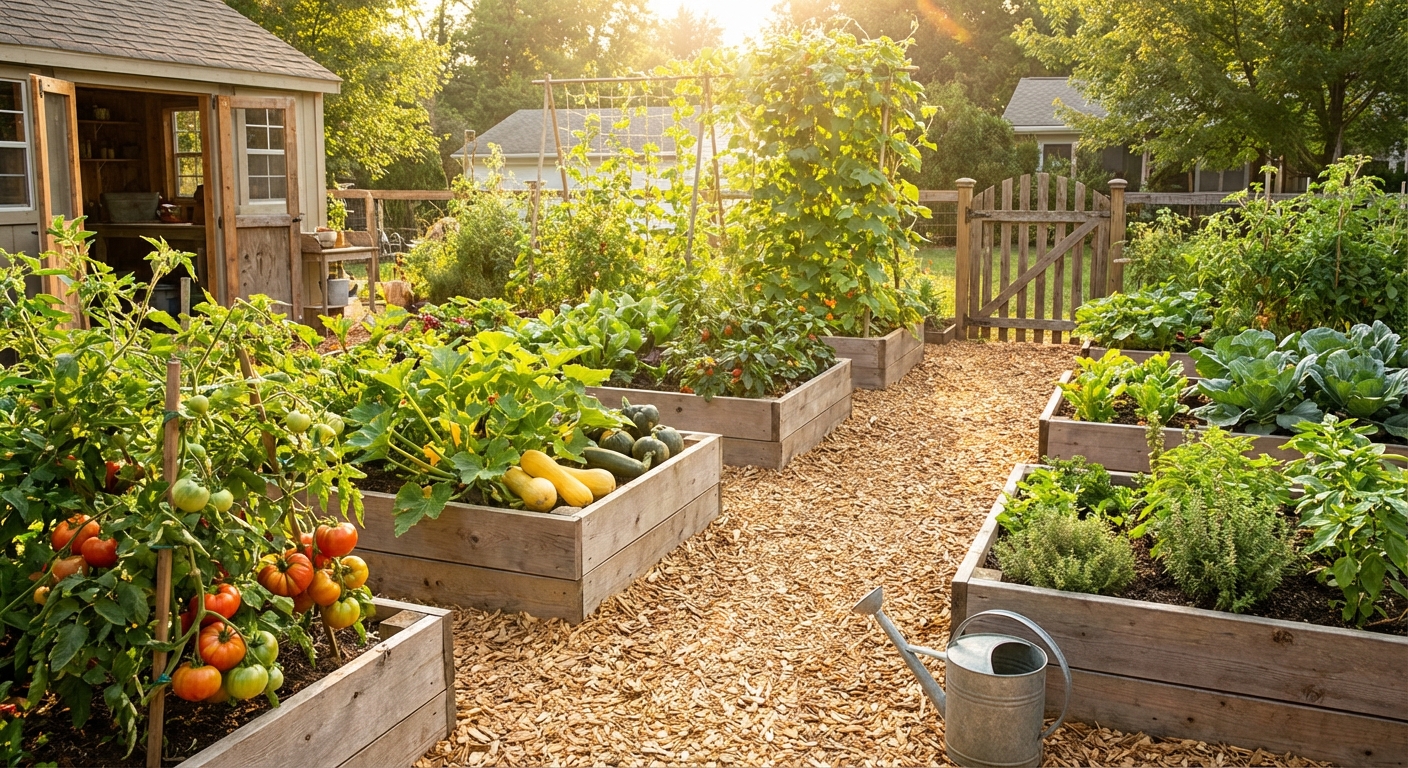
If you have ever stood in your yard holding a tape measure in one hand and a seed packet in the other, wondering whether to build raised beds or just dig in, welcome. This decision is not about being a “real” gardener. It is about choosing a layout that fits your space, your soil, your body, and the amount of time you actually have on a Tuesday.
I have grown food in every scenario: balcony pots, scrappy rented plots, and a backyard where I finally got to design things from scratch. Here is the honest truth: raised beds and in-ground planting can both grow gorgeous, abundant gardens. They simply solve different problems.
The quick difference
Raised beds are contained growing areas that sit above the surrounding ground. They are typically framed with wood, stone, metal, or composite, and they are often filled with imported soil mix or heavily amended soil (though some are simply mounded native soil shaped into a raised area).
In-ground gardens are planted directly into your native soil, improved over time with compost, mulch, cover crops, and good garden habits.
Think of raised beds as building a brand new “soil home.” In-ground gardening is renovating the one you already have.
Raised beds: where they shine
1) You get control over soil faster
If your native soil is heavy clay, compacted fill dirt, or just plain exhausted, raised beds let you start with a balanced mix right away. This is especially helpful for vegetables that like loose, fertile soil such as carrots, beets, onions, and potatoes.
- Best for: poor soil, new construction lots, areas with lots of rocks, or gardens where you want quick results
- Reality check: you still need to feed that soil every year with compost and mulch, because good soil is made, not bought once
2) Drainage improves in many yards
Because the soil is elevated, raised beds often dry out faster after heavy rain and can warm a bit earlier in spring (especially with taller beds, good sun, and well-draining soil). If your yard tends to puddle or stay soggy, raised beds can reduce waterlogging and lower the risk of root problems by improving drainage.
Tip: If you have a very dry, windy yard, raised beds can also dry out too quickly. This is solvable with thicker mulch, drip irrigation, and adding compost to improve moisture retention.
3) They can be easier on your body
Back pain is not a gardening badge of honor. Raised beds reduce bending and kneeling, especially if you build them taller. Even a modest 10- to 12-inch bed makes a difference when you are weeding or harvesting.
- Comfort heights: 10- to 12-inch for standard beds, 18- to 24-inch for easier access, 30-plus inches for near standing-height gardening
- Layout perk: defined paths mean less stepping on soil and fewer muddy shoes tracked into the house
4) Weed pressure can be lower at first
Starting with clean soil reduces the existing weed seed bank. You will still get weeds, because nature is persistent, but you often begin with fewer “legacy weeds” like bindweed or Bermuda grass that can haunt an in-ground plot.
Important: perennial weeds can still creep in from edges. A thick mulch layer and tidy bed borders help.
5) They look tidy and intentional
If you like structure, raised beds are instant garden architecture. They create strong lines, clear paths, and a sense of “this space has a purpose.” For many people, that visual order is what makes gardening feel approachable.
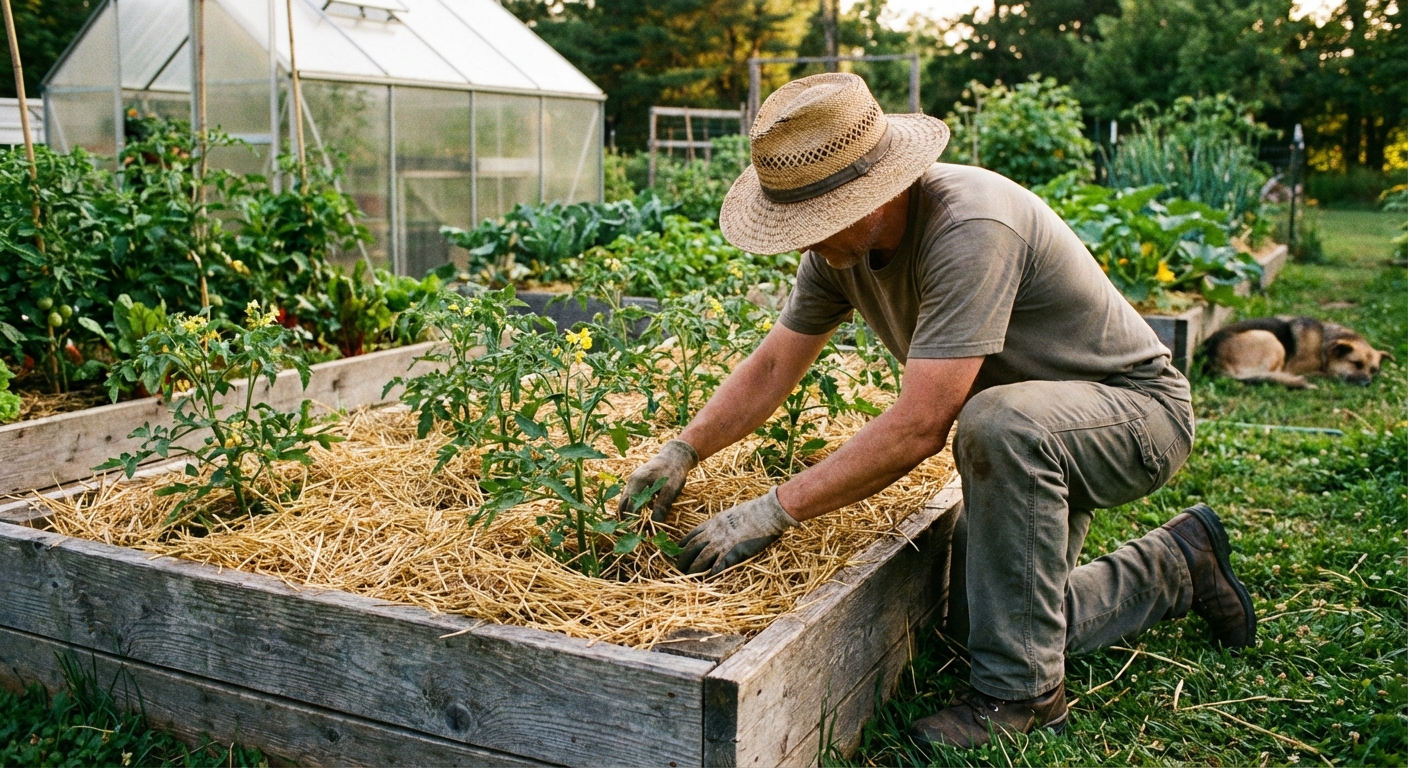
Raised beds: trade-offs
1) Cost and materials add up
Raised beds can be a bigger upfront investment, especially if you are filling them from scratch. Lumber, hardware, soil mix, and irrigation are real costs.
- Budget-friendly approach: start with one bed, build from there, and source compost locally if you can
- Material note: choose rot-resistant materials when possible. If you use pressure-treated wood, modern treatments (like ACQ or CA) are widely considered acceptable for vegetable beds by many extension offices, but avoid older CCA-treated lumber and anything of unknown origin for edibles.
2) They can dry out faster
Elevated soil is exposed to air on the sides, so moisture evaporates more quickly. In hot summers, raised beds may need more frequent watering than in-ground plots, particularly for thirsty crops like cucumbers and squash.
3) Soil depth matters more than you think
A shallow bed placed over compacted ground is basically a planter box with a hard floor. Roots will hit that dense layer and stall. If you build a bed, also loosen the soil beneath it before filling, or use a broadfork if you have one.
4) They are not always ideal for large-scale growing
If you want long rows of corn, big patches of pumpkins, or enough potatoes to feed a small village, in-ground gardens are often more practical and affordable.
In-ground: where it shines
1) It is the most economical layout
If you already have workable soil, in-ground planting can be wonderfully simple. You can create beds with a shovel, compost, and mulch, then improve year after year.
- Best for: large gardens, gardeners on a budget, and anyone who enjoys building soil gradually
- Bonus: fewer materials to buy, maintain, or replace over time
2) Moisture can be steadier
Native soil, once improved and mulched, can hold moisture more evenly than a raised bed mix in many climates. In-ground gardens can be more forgiving during heat waves and can reduce irrigation needs.
3) Roots can go deeper
When soil structure is healthy, in-ground beds allow deep rooting. Deep roots support sturdy plants and can make gardens more resilient during dry stretches.
4) It is easier to scale up
Adding another in-ground bed is usually a matter of expanding your mulched area, continuing your compost routine, and keeping paths clear. If your garden dreams are big, in-ground layouts tend to grow with you.
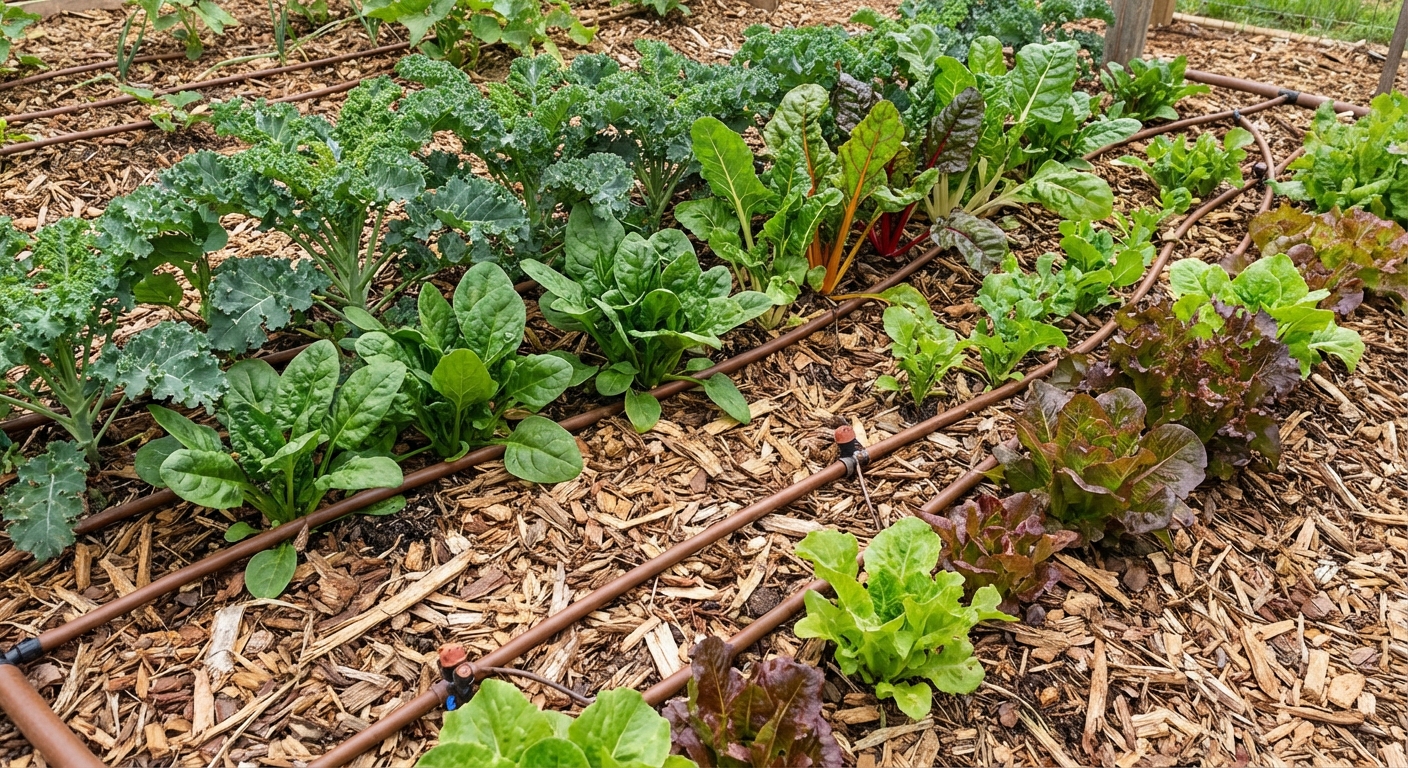
In-ground: trade-offs
1) Your soil is the boss at first
Clay, sand, and compacted soil each come with quirks. The first year can be a little humbling, especially if drainage is poor or soil is low in organic matter.
Soil-friendly fix: compost, compost, compost. Add it on top, mulch heavily, and let earthworms do their quiet magic.
2) Weeds can be more intense
Existing weed seeds, creeping grasses, and perennial roots already live in the ground. You can absolutely beat them, but it takes consistency: mulching, hoeing at the right time, and not letting weeds go to seed.
3) It can be harder on knees and backs
In-ground beds ask more of your joints. Knee pads, a good garden stool, and designing wider paths can help, but if mobility is a concern, raised beds may be worth every penny.
4) Drainage can be a challenge
If your yard sits low, has heavy clay, or gets runoff, plants may struggle until the soil structure improves. Sometimes the smartest move is a hybrid approach: raised beds in the wettest area, in-ground elsewhere.
How to choose
When I am helping someone decide, I ask a few practical questions. The answers usually make the choice obvious.
Choose raised beds if you:
- Have very poor soil or unknown fill dirt
- Deal with waterlogged areas or slow drainage
- Want a tidy, organized look with defined paths
- Need easier access due to back or knee pain
- Are gardening in a small space and want to maximize productivity
Choose in-ground if you:
- Have decent native soil or are willing to improve it over time
- Want a larger garden without large upfront costs
- Garden in a hot, dry climate where moisture retention matters
- Plan to grow sprawling crops or staple quantities
- Enjoy the long-game of soil building
Consider a hybrid if you:
- Want raised beds for vegetables, and in-ground for berries, herbs, and flowers
- Have one problem area (too wet, too rocky) but the rest of the yard is fine
- Want to test what you love before committing to a full redesign
Details that matter
Bed size and reach
Whether raised or in-ground, make beds narrow enough that you never have to step on them. Compacted soil is the enemy of happy roots.
- Sweet spot width: 3 to 4 feet wide (reachable from both sides)
- Length: as long as your space allows, but consider leaving breaks for access and wheelbarrows
Path width
Give yourself comfortable paths. You will use them more than you think, especially when carrying compost, mulch, or a basket of tomatoes that you will swear you are not going to drop this time.
- Minimum: 18 to 24 inches for foot traffic
- Comfortable: 30 to 36 inches if you use a wheelbarrow or garden cart
Sun and water access
Put your most-used beds where you can reach them easily. A garden that is convenient gets cared for. A garden that is “way over there” tends to become a weed sanctuary.
- Prioritize 6 to 8 hours of sun for vegetables
- Plan for irrigation early, especially for raised beds
Soil health, whichever route you pick
Raised or in-ground, your best long-term strategy is the same.
- Add compost annually
- Mulch generously (leaves, straw, shredded bark, or untreated grass clippings in thin layers)
- Keep soil covered as much as possible
- Rotate crops to reduce pest and disease pressure
- Use gentle, organic fertilizers only when needed
Cost snapshot
Prices vary wildly by region, but the pattern is consistent.
Raised bed costs usually come from:
- Framing material (wood, composite, stone, metal)
- Hardware and tools
- Soil mix and compost to fill the bed
- Optional extras like drip irrigation, trellises, and pest netting
In-ground costs usually come from:
- Compost and mulch (often the biggest expense)
- Soil test if you want precise amendments
- Edging material if you want a formal look
My rule of thumb: Spend money on soil and water management before you spend money on fancy add-ons. Plants forgive a lot, but they do not forgive bad soil for very long.
Common mistakes
Building raised beds and filling them with cheap “topsoil” alone
Topsoil is often low in organic matter and can compact quickly. Mix in compost and a material that improves structure, depending on your region and what is available. The goal is fluffy, crumbly, moisture-holding soil that still drains well.
Planting in-ground without improving the soil
If you dig a hole in hard clay and plop in a transplant, it can sit there sulking. Top-dress with compost, mulch, and be patient. Soil improves like sourdough starter, slowly, then all at once.
Making beds too wide
If you cannot comfortably reach the center without stepping in, it will compact and become harder to manage. Narrow beds produce more, because the soil stays healthier.
Forgetting the human path through the garden
Leave enough room to move, harvest, and maintain. A beautiful garden is great. A garden you can navigate with a bucket of weeds and a hose is even better.
My gentle recommendation
If you are brand new and feeling overwhelmed, start small and choose the layout that reduces your biggest pain point.
- If your biggest pain point is soil quality or drainage, start with one raised bed.
- If your biggest pain point is budget or you want more growing space, start in-ground with a well-mulched bed.
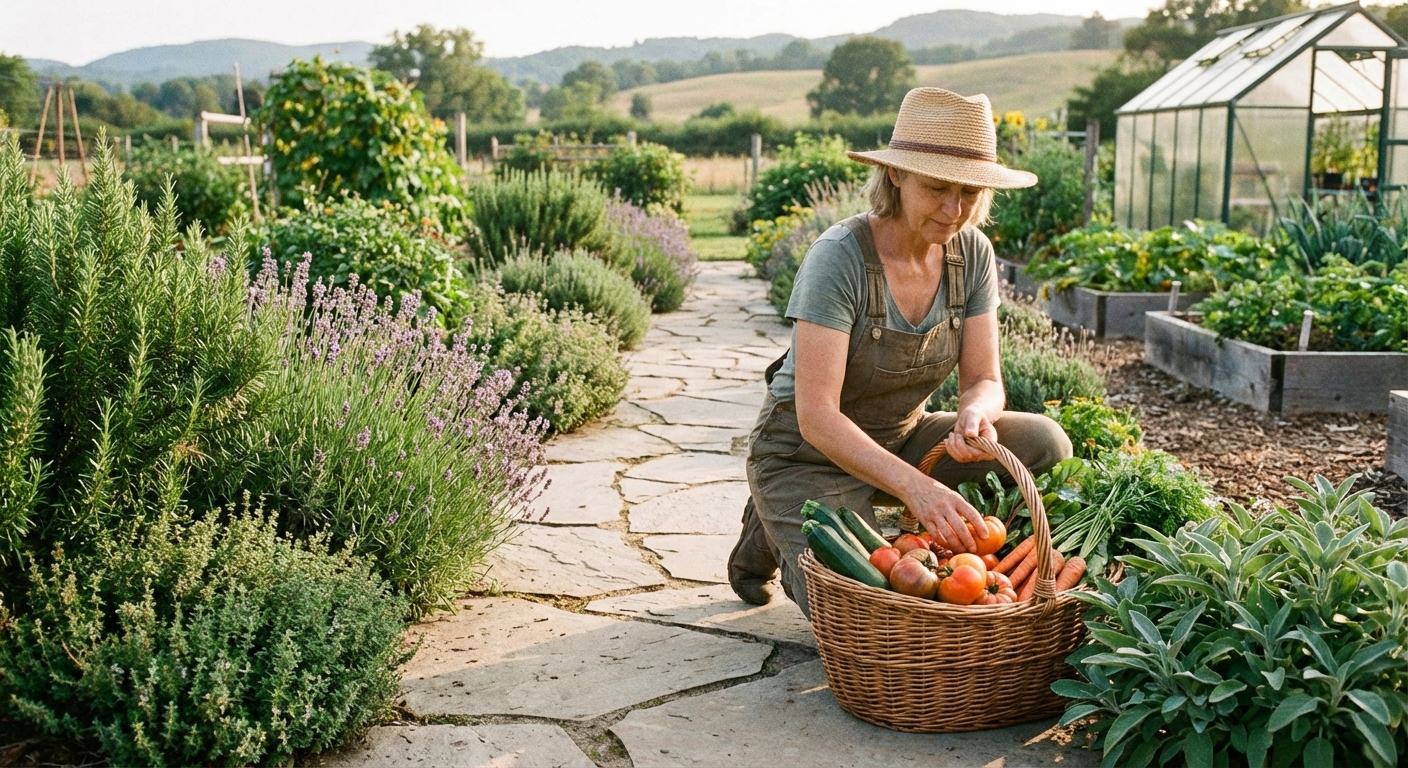
And if you are still torn, here is my favorite “quiet confidence” option: build one raised bed and also prep one in-ground bed nearby. Grow the same crop in both for a season. Your yard will tell you what it likes. So will your schedule. So will your knees.
FAQ
Do raised beds need a bottom?
Usually no. Most raised beds are open to the ground, which allows drainage and deeper rooting. If gophers are a problem, you can add hardware cloth under the bed before filling. Avoid solid plastic sheeting under beds, which can trap water and interfere with drainage and soil life.
Are raised beds warmer than in-ground beds?
Often yes, especially in spring. Elevated soil can warm faster, but it depends on bed height, soil moisture, sun exposure, wind, and how the bed is mulched. In very hot climates, that can also mean heat stress in midsummer, so mulch and consistent watering matter.
Can I convert an in-ground garden to raised beds later?
Absolutely. Many gardens evolve that way. Start with soil improvement and simple bed shapes, then add raised structures over time as your needs and budget allow.
Which is better for pests?
Neither is pest-proof. Raised beds can make it easier to add hoops, netting, and row covers. In-ground gardens can support more habitat for beneficial insects when surrounded by diverse plantings. Your best defense is healthy soil, plant diversity, and attentive observation.