
Pruning Tomato Plants for Maximum Yield

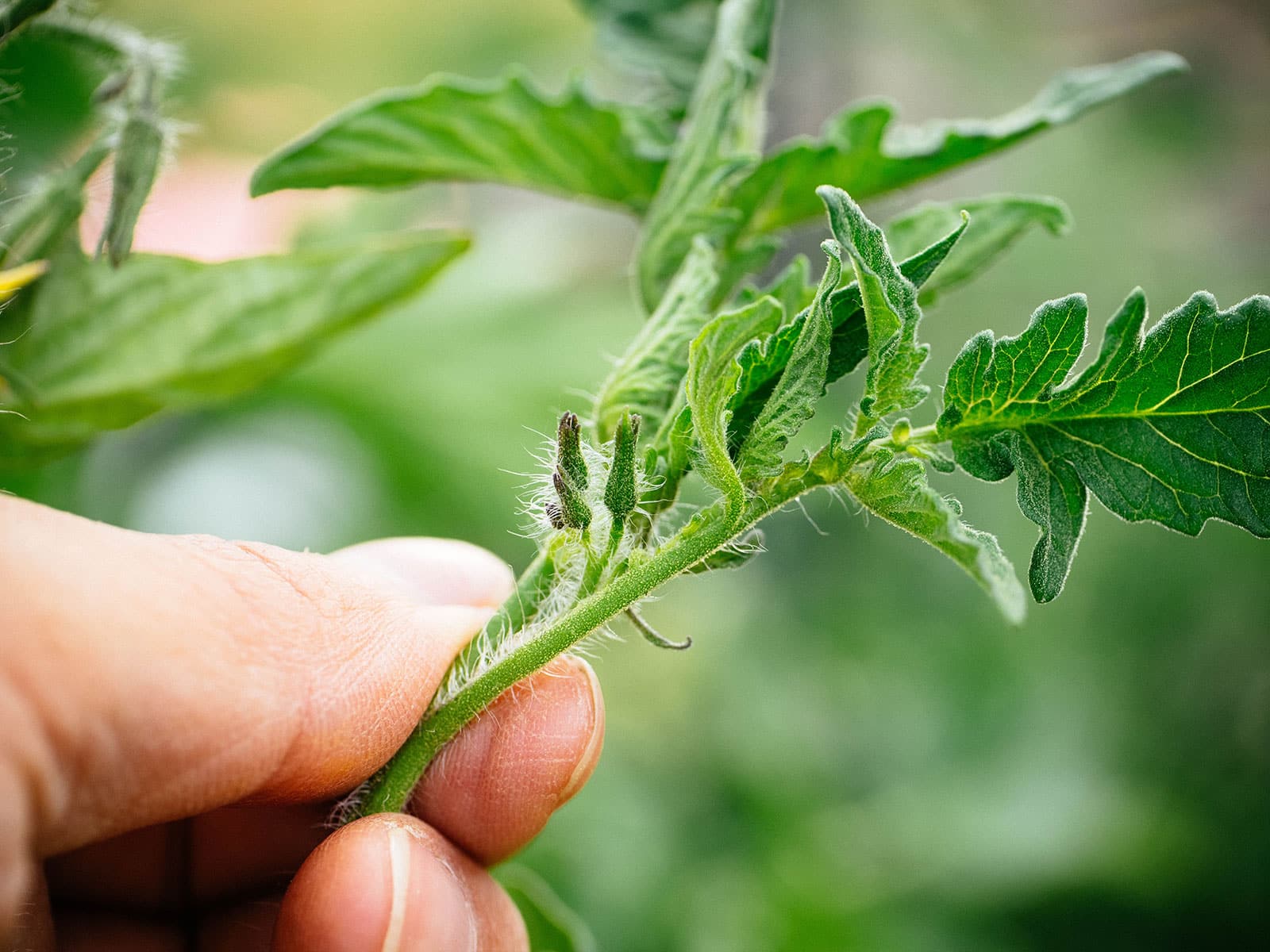
If tomatoes had a love language, it would be light and airflow. Pruning is how you help your plant spend its energy where you want it: sturdy stems, healthy leaves, and fruit that ripens before the season runs out.
I know pruning can feel like you are “hurting” your plant. I still talk to my ferns when I snip them, so I get it. But with tomatoes, a thoughtful trim is often the difference between a jungle of leaves and a basket of glossy, sun-warmed fruit.
First: Know what kind of tomato you are growing
Pruning advice only makes sense once you know whether your tomato is indeterminate (keeps growing and fruiting) or determinate (grows to a set size and fruits in a shorter window).
Indeterminate tomatoes
- Keep growing until frost, disease, or extreme weather slows them down.
- Examples often include: many cherry tomatoes, beefsteaks, heirlooms (but always check your tag).
- Pruning helps a lot, especially for trellised plants.
Determinate tomatoes
- Grow to a more compact size and set most fruit around the same time.
- Often labeled “bush,” “patio,” or “Roma” types (again, check the tag because there are exceptions).
- Pruning is minimal. Too much pruning can reduce your harvest because fruiting happens on more of the plant at once.
Quick check: If your seed packet or plant label says “IND” or “DET,” believe it. If you are unsure, look at the growth habit. Indeterminates keep producing new growth at the tips and will happily climb tall supports. Determinates tend to top out and look bushier.
What pruning does (and does not)
Pruning is not magic, but it is powerful. Here is what it does well:
- Improves airflow so leaves dry faster after rain or watering, lowering fungal disease pressure.
- Lets light in, helping fruit color up and reducing that damp, shaded “blight-friendly” vibe.
- Directs energy into fewer main stems and fruit clusters, which may mean larger fruit and earlier ripening on indeterminates (depending on variety, nutrition, spacing, and how hard you prune).
- Makes plants easier to manage on stakes, strings, or trellises.
Here is what pruning does not do: fix poor soil, inconsistent watering, or nutrient imbalances. Pruning is a helper, not a substitute for the basics.
Tools and prep
You can pinch tiny suckers with your fingers, but for anything thicker than a pencil lead, use clean snips.
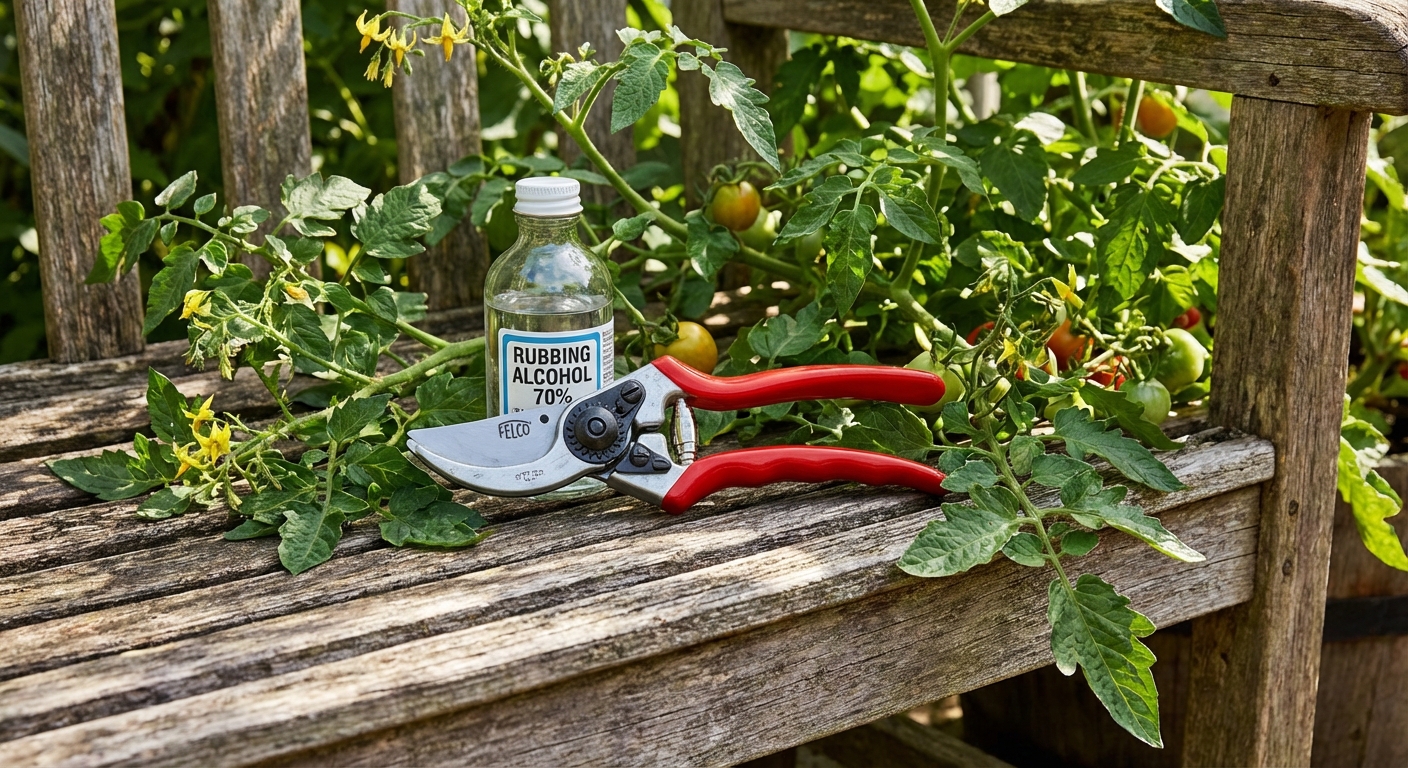
- Hand pruners or herb snips: For quick, clean cuts.
- Isopropyl alcohol (70%) or disinfectant wipes: Wipe blades between plants, especially if you see spots, yellowing, or wilting. (Tool sanitation helps most with diseases that spread through sap and handling, but it is still a smart habit.)
- Soft plant ties: Pruning pairs best with training. Support matters.
- A small bucket: Toss prunings in it so you are not stepping on stems or dragging leaves through the bed.
Timing tip: Prune when foliage is dry. Damp conditions and fresh cuts can increase the odds of disease spreading, especially if pathogens are already around.
Plant health tip: If your plant is wilted, heat-stressed, or freshly transplanted and struggling, skip the haircut. Water, shade if needed, and prune later when it is perky again.
Tomato anatomy: spot the sucker
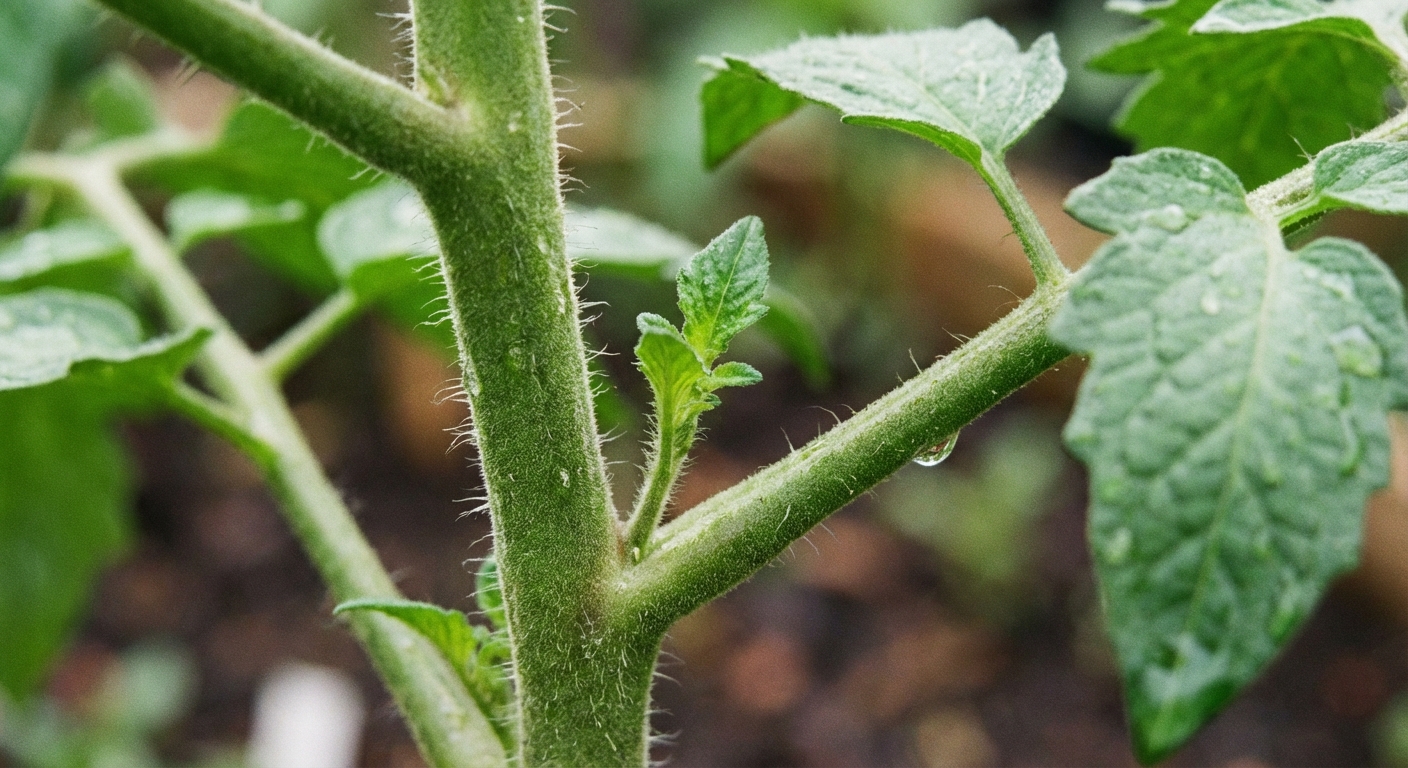
The most important pruning target is the sucker.
A sucker is a new shoot that grows in the “armpit” between the main stem and a leaf branch (the leaf axil). Left alone, it can become a full fruiting stem. Great, until it is not.
Sucker vs flower cluster: A sucker looks like a tiny new tomato plant with its own leaves. A flower cluster looks stubbier and more “branched,” and soon you will see buds (then yellow flowers) instead of true leaves.
How to prune indeterminate tomatoes
If you want maximum yield and manageable plants, indeterminates are where pruning shines. Your goal is usually to grow the plant on one or two main leaders and remove extra suckers that would create a dense thicket.
Step 1: Start early
When suckers are 2 to 4 inches long, they pinch off easily and the plant barely notices. Wait too long and you will make bigger wounds that take longer to callus over.
Step 2: Pick one or two stems
- One-stem: Best for tight spacing, strings, or tall stakes. Often gives earlier, larger fruit and great airflow.
- Two-stem: A sweet spot for many gardeners. Pick one strong sucker below the first flower cluster to keep as a second leader, then remove most others.
My rule of thumb: If your plant has room to breathe and you can keep it supported, two stems is productive without turning into a leafy monster.
Step 3: Remove the rest
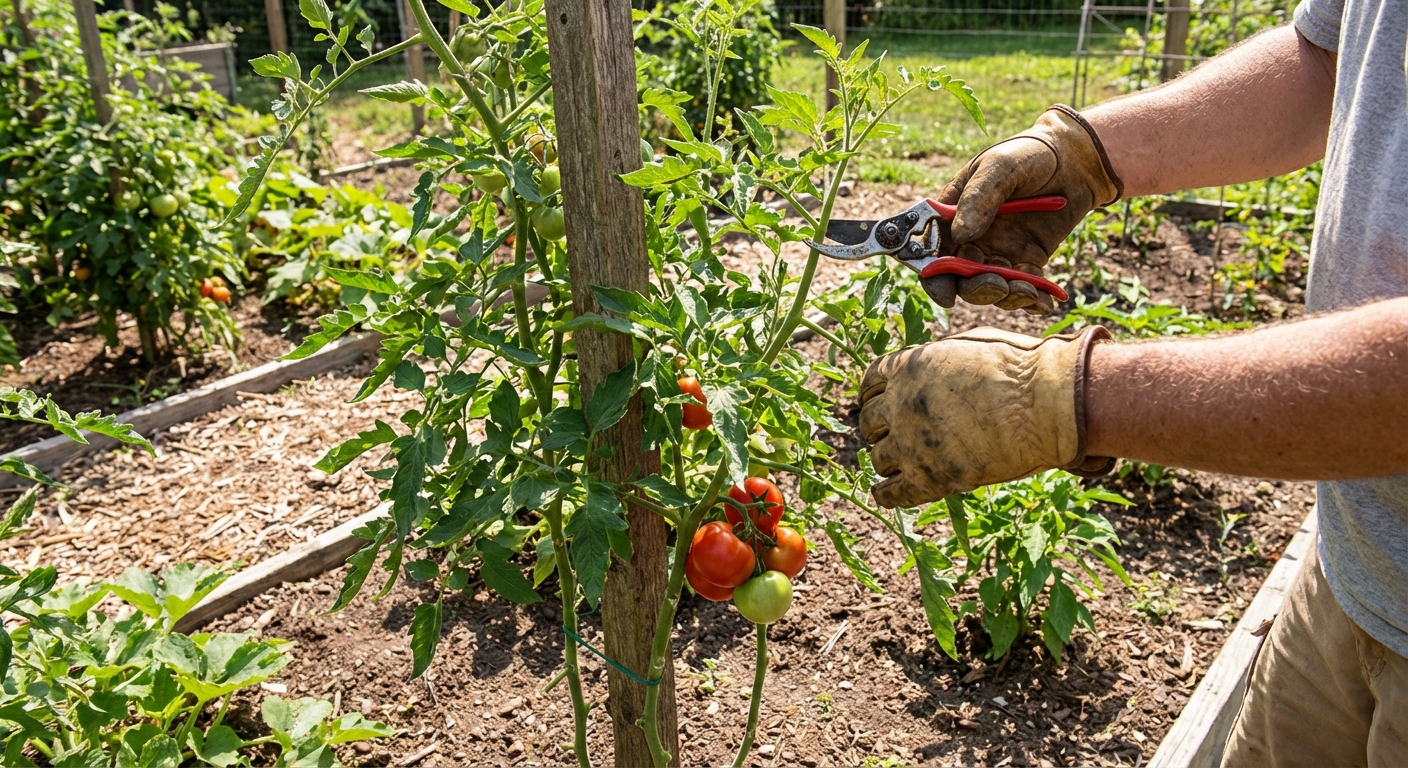
Pinch or snip suckers at their base. Aim for a clean cut without tearing the main stem.
- Pinch for small suckers.
- Snip for thicker suckers.
- As a conservative guideline, do not remove more than 20 to 30% of the foliage in one session.
Step 4: Skirt the plant
Once the plant is established and setting fruit, remove leaves that touch the soil or hover close to it. Soil splash is a common way diseases spread.
A common target is to keep the bottom 8 to 12 inches of stem leaf-free, adjusting for your climate, spacing, and fruit height. In very hot, high-sun areas, you may keep a little more foliage low to protect fruit from sunscald.
Bonus move: Mulch under tomatoes to reduce soil splash even more.
Step 5: Keep fruit visible, not sunburned
Airflow is good. Scorching fruit is not. Avoid stripping leaves above fruit clusters like you are shaving a hedge. Leaves are the plant’s solar panels.
Instead, remove the leaves that:
- Are yellowing or spotted.
- Are crowding the center and blocking airflow.
- Are shading fruit so heavily that the cluster stays damp all day.
Step 6: Top late season (optional)
About 4 to 6 weeks before your expected first frost, consider topping indeterminates. This means cutting the growing tip off the main stem(s) so the plant stops reaching for the sky and focuses on ripening existing fruit.
How: snip the main leader above a leaf node, leaving a couple leaves above the highest fruit cluster you want to finish.
How to prune determinate tomatoes
Determinate tomatoes are already on a schedule. Heavy pruning can reduce your overall harvest because you remove potential fruiting sites.
Do this
- Remove damaged or diseased leaves anytime you spot them.
- Remove leaves touching the soil to reduce splash and rot risk.
- Thin only for airflow if the center becomes very congested, especially in humid climates.
Avoid this
- Routine sucker removal all over the plant.
- Topping. It can cut off future flower clusters on determinates.
- Stripping leaves above fruit. Determinates need that canopy for steady ripening and sun protection.
Exception: If a determinate is grown in a very tight container and getting mildew from crowding, removing a few interior suckers for airflow can help. Keep it modest.
Timing: when to prune
Seedling to transplant stage
Skip pruning except for truly damaged leaves. Focus on strong roots, steady growth, and hardening off.
Early growth (first 3 to 5 weeks after transplant)
This is prime time for indeterminate sucker pinching. Small, consistent sessions beat one dramatic haircut.
Flowering and fruit set
Keep up with sucker management on indeterminates, and remove only problem leaves on determinates. This is also when “skirting” becomes useful.
Late season
Indeterminates can be topped to ripen what is already formed. Both types benefit from removing yellowing leaves that are no longer contributing much.
Best time of day: late morning to early afternoon, after dew has dried.
Where to cut
For suckers
- Cut or pinch as close to the base of the sucker as you can without nicking the main stem.
- If a sucker is thick, leave a tiny stub (about 1/4 inch) to reduce the chance of tearing.
For leaf removal
- Cut the leaf stem (petiole, the little “leaf handle”) close to the main stem.
- Avoid ripping downward. Tomatoes can peel if you yank.
How much is too much?
If you can suddenly see straight through your plant like it is a wire sculpture, you probably removed too much. Tomatoes need leaves to fuel fruit.
Pruning cleanup and disposal
Healthy prunings can go in the compost (or right back onto the bed as light mulch, if you do not have disease issues).
If leaves look diseased (spots, fuzzy growth, blackening, widespread yellowing), do not compost them. Bag and trash them, or dispose of them according to local guidance. Future-you will be grateful.
Common pruning mistakes
1) Pruning determinates like indeterminates
Fix: On determinates, focus on sanitation and airflow only. Let them be a bit bushy.
2) Letting suckers become “tree trunks”
Fix: Set a simple rhythm. Walk your tomato row every 5 to 7 days in peak growth. Pinch early.
3) Removing too many leaves around fruit
Fix: Leave a protective canopy. In hot climates, fruit can sunscald fast. If you need airflow, thin selectively and prioritize lower leaves and crowded interior growth.
4) Pruning when plants are wet
Fix: Wait for dry foliage. If rain is nonstop, prune lightly and disinfect tools more often.
5) Not disinfecting tools between plants
Fix: A quick wipe with alcohol is faster than dealing with disease spread.
Pruning for different setups
Tomatoes on a stake or string trellis
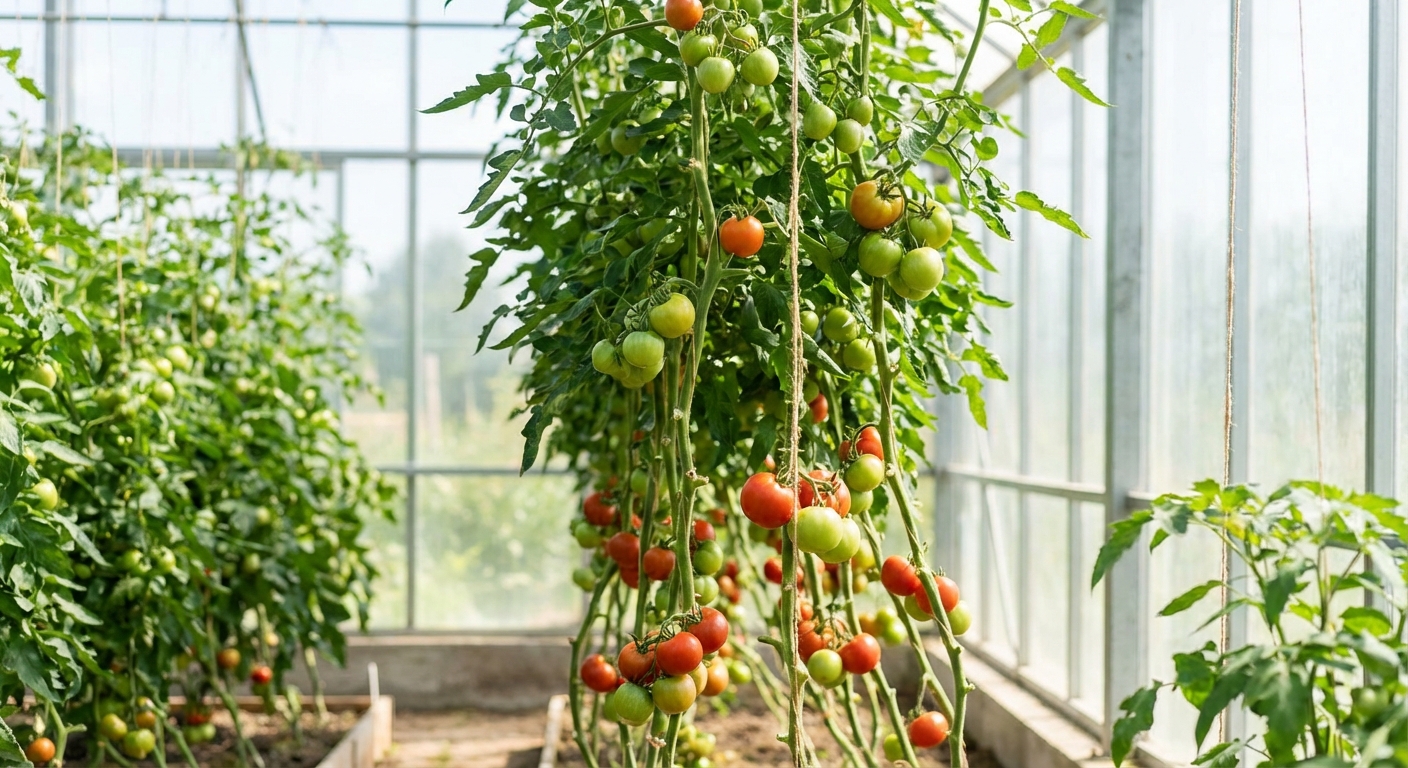
These systems love one or two leaders. Prune indeterminates consistently and tie the leader(s) every 8 to 12 inches of growth so weight does not snap stems.
Tomatoes in cages
You can prune indeterminates less aggressively in a sturdy cage, but still consider:
- Removing the lowest leaves.
- Thinning a few suckers for airflow if the cage becomes a dense ball.
Tomatoes in containers
Container tomatoes dry out faster and can stress more easily. Keep pruning gentle, stay consistent with watering, and avoid heavy leaf removal during heatwaves.
Quick checklist: this week
- Confirm whether each plant is determinate or indeterminate.
- Remove any leaves touching soil.
- On indeterminates, pinch suckers under 4 inches.
- Step back and look: can air move through the plant?
- Disinfect your snips before moving to the next plant.
FAQ
Should I prune all suckers off indeterminate tomatoes?
Not necessarily. Many gardeners remove most suckers and keep one or two main stems. Leaving a few carefully chosen suckers can increase total yield, but it can also increase disease risk in humid or tight spaces.
What if I accidentally removed a flower cluster?
It happens. The plant will make more flowers if it is healthy and has time left in the season. Focus on consistent watering, good nutrition, and gentle training going forward.
Can I prune to prevent blight?
Pruning helps by improving airflow and reducing soil splash, but it cannot guarantee prevention. Pair pruning with mulching, watering at the base, spacing, and removing infected leaves promptly.
Do I prune cherry tomatoes the same way?
Cherry tomatoes are often indeterminate and extremely vigorous. You can prune them the same way, but many people keep two leaders (or even three if space and airflow allow) because they fruit so enthusiastically.
A final pep talk
Pruning tomatoes is part science, part listening. If your plant looks like a crowded subway car, thin for airflow. If it looks sparse and sun-baked, step away from the snips and let it leaf out.
Your best teacher is what happens next: how quickly leaves dry, how the plant responds with new growth, and how confidently you can reach in to pick ripe fruit without getting swallowed by vines. That is the kind of calm that feels very Leafy Zen to me.