
Neem Oil for Plants: How to Mix and Apply Safely

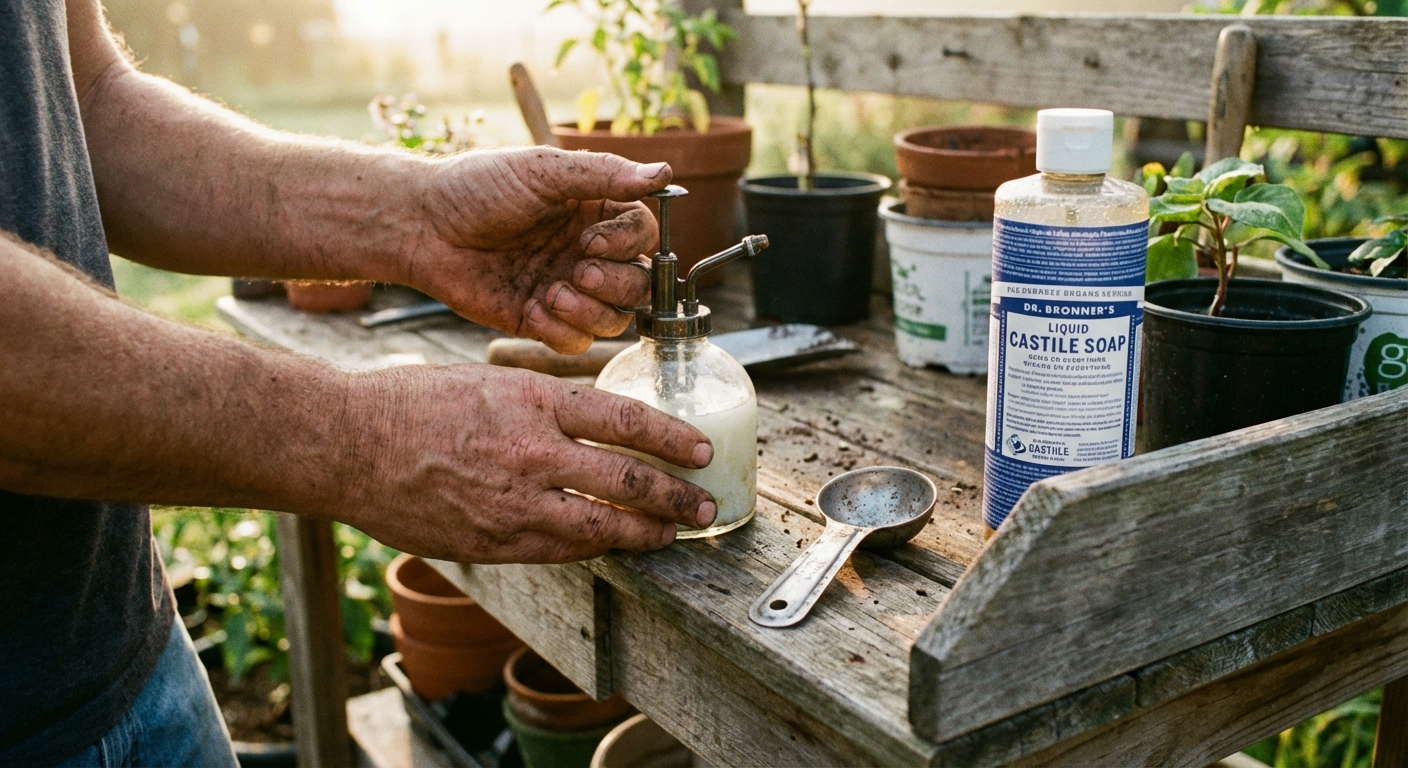
Neem oil is one of my favorite gentle, organic tools because it works in a few different ways at once. It can smother soft-bodied pests on contact, discourage feeding, and interrupt insect growth cycles. Used correctly, it is effective without turning your garden into a chemical war zone.
The key words there are used correctly. Neem is powerful, but it is also easy to misuse, especially with tender houseplants, seedlings, and anything in hot sun. This guide will walk you through choosing the right neem, mixing it so it stays blended, and applying it safely on both indoor plants and edible gardens.
Two neem types: labels matter
Neem products get lumped together, but the label type changes how they behave and how reliably they work.
Cold-pressed neem oil (often called neem oil, raw, or unrefined)
- What it is: Oil pressed from neem seeds. It usually contains a range of compounds including azadirachtin (the most studied insect growth regulator component), but levels vary by batch and age.
- Smell and look: Strong garlicky or nutty smell, can look cloudy or semi-solid when cool.
- Best for: Home gardens where you want a broad, traditional neem oil product and are willing to mix carefully and use fresh batches.
- Note: Azadirachtin content can degrade with heat, light, and time. Store it cool and dark and do not buy a bottle that has been sitting in a hot garage.
Clarified hydrophobic extract of neem oil (often abbreviated as “neem oil extract”)
- What it is: A more processed product designed to be a stable “oil extract” that mixes more consistently. Some formulations have little to no azadirachtin and work mainly by contact smothering and repellency.
- Smell and look: Milder odor, usually more uniform.
- Best for: Consistent foliar sprays, houseplants, and gardeners who want fewer mixing headaches.
What to do with this information: For most home use, either can work well when applied correctly. If your main goal is tackling persistent pests like spider mites or aphids, the clarified extract is often easier for beginners because it emulsifies more predictably. If you are targeting longer-term disruption of pest life cycles, choose a reputable cold-pressed product and use it fresh.
Neem mixing ratios (by percent)
Neem is one of those “more is not better” inputs. Too strong can burn leaves, especially on thin-leaved houseplants and anything already stressed.
Quick ratios by use
- Houseplants (gentle starting point): 0.5% solution
- Outdoor ornamentals and mature plants: 1% solution
- Vegetables and fruiting plants (typical garden rate): 1% solution
- Only if label allows and plants tolerate it: up to 2% for heavy infestations on tough leaves
How to measure 0.5%, 1%, and 2% without doing math every time
These are common home-gardener conversions. Always follow your product label if it lists a specific rate.
Important: A “percent solution” here means percent by volume. The teaspoon amounts below match that math.
For 1 quart (32 oz) of spray
- 0.5%: 1 teaspoon neem oil
- 1%: 2 teaspoons neem oil
- 2%: 4 teaspoons neem oil (that is 1 tablespoon + 1 teaspoon)
For 1 gallon (128 oz) of spray
- 0.5%: 4 teaspoons neem oil (that is 1 tablespoon + 1 teaspoon)
- 1%: 8 teaspoons neem oil (that is 2 tablespoons + 2 teaspoons)
- 2%: 16 teaspoons neem oil (that is 5 tablespoons + 1 teaspoon)
Emulsifier (so the oil actually mixes): Add 1/4 to 1/2 teaspoon of mild liquid soap per quart, or 1 to 2 teaspoons per gallon.
Use a gentle soap like unscented castile soap or a mild, fragrance-free dish soap. Avoid antibacterial soaps, heavy degreasers, and anything with added bleach or strong solvents.
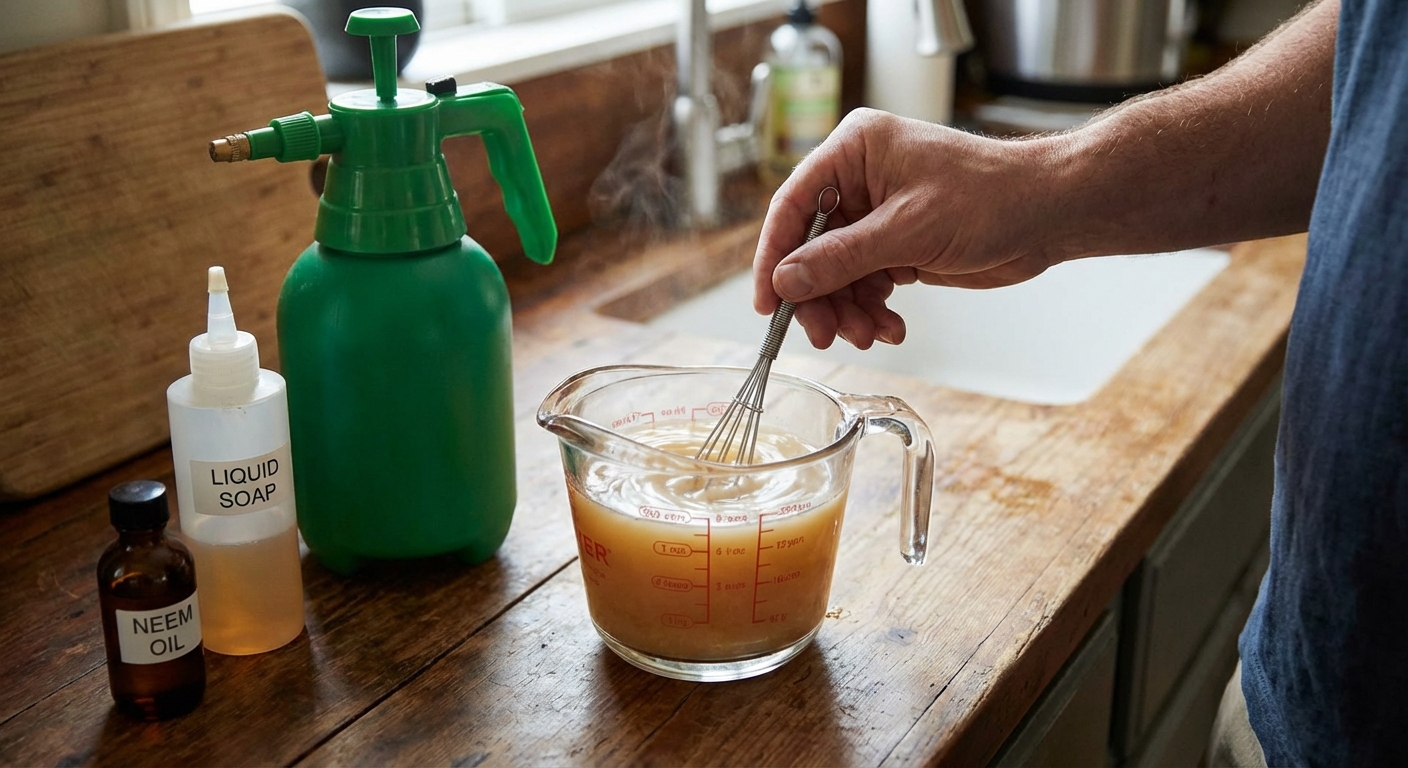
How to mix neem so it stays blended
If you have ever sprayed neem and found oily speckles on leaves, that is usually poor emulsification. Here is the method that stays blended long enough to be useful.
Step-by-step mixing (spray bottle or pump sprayer)
- Warm your water slightly. Use lukewarm water, not hot. Cold water makes neem clump and float.
- Pre-mix the “neem concentrate.” In a small jar or cup, combine your measured neem oil + the measured soap. Stir until it looks evenly slick.
- Add a little water and whisk. Add a few tablespoons of lukewarm water to the jar and shake or whisk hard. You want a creamy, uniform look.
- Fill your sprayer halfway with water. This helps prevent the neem from sticking to the bottom.
- Pour in the pre-mix. Then top off with the remaining water.
- Shake often while spraying. Even a well-mixed batch separates over time. Give the bottle a swirl every minute or two.
Make only what you will use that day. Mixed neem breaks down and becomes less effective. Also, old mix is a common culprit behind leaf spotting and clogged sprayers.
How to apply neem: spray vs. drench
Think of neem application like choosing the right watering can. Use the method that matches the pest and where it lives.
Foliar spray (most common)
Best for: aphids, whiteflies, spider mites, thrips (limited), mealybugs (as part of a plan), powdery mildew prevention on some plants.
How to do it:
- Spray until leaves are evenly coated, including the undersides where pests hide.
- Target stems, leaf joints, and new growth where insects gather.
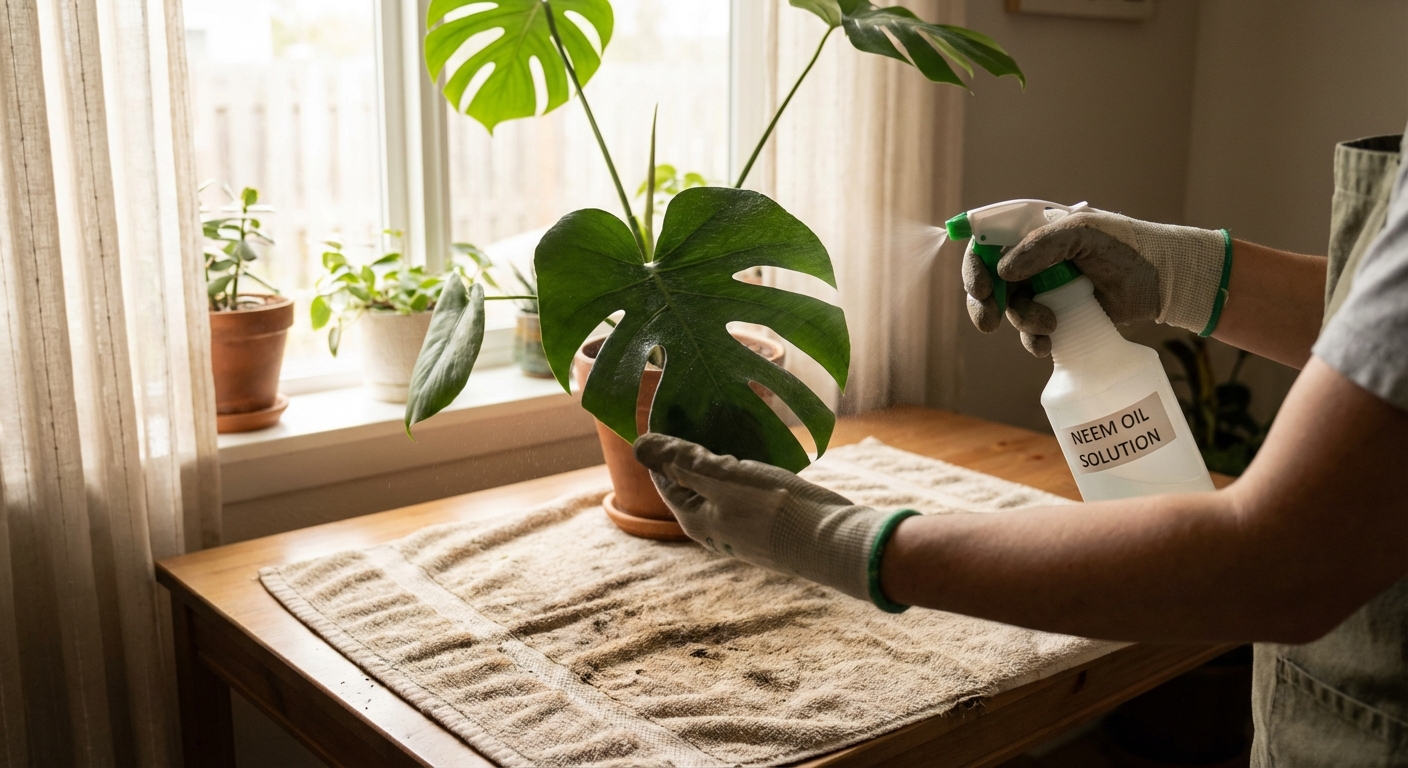
- For houseplants, place the plant in a tub or shower to contain drips, then let it dry out of direct sun.
Soil drench (use with care)
Best for: pests that spend time feeding or breeding around the plant base, and for situations where spraying is hard. Some gardeners use drenches for fungus gnat management in combination with drying the soil surface and sticky traps.
Important note: Not all neem products are labeled for soil drench use, and not all plants appreciate oil in the root zone. Follow your label and start light.
A gentle drench approach for houseplants:
- Mix a 0.5% solution and apply to already-moist soil, not bone dry soil.
- Use only enough to moisten the top few inches, not to flood and leach heavily out the drainage holes.
- Repeat no more than every 14 days if needed.
When to spray neem
Best time of day
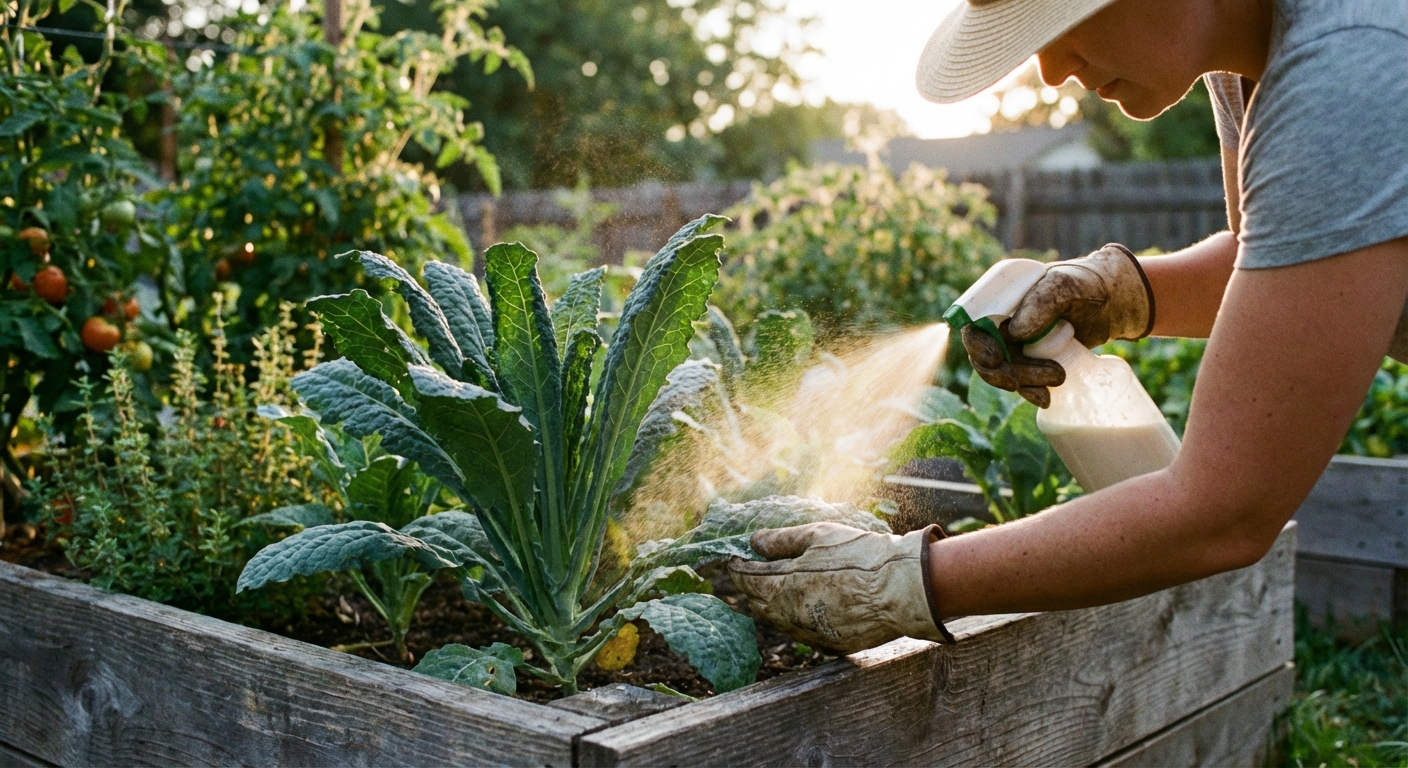
- Outdoors: Early morning or evening when temperatures are mild and pollinators are less active.
- Indoors: Any time, but keep plants out of strong direct sun until leaves are fully dry.
Weather rules that prevent leaf burn
- Avoid spraying in hot sun or when temps are above about 85°F, especially on tender crops.
- Do not spray drought-stressed plants. Water first, then treat the next day.
- Avoid spraying just before rain. You want a few hours of dry time for coverage.
How often to apply
Neem is not a one-and-done product. For active infestations, consistency matters more than strength.
- Active pest outbreak: Every 7 days for 2 to 4 rounds, then reassess.
- Light pressure or prevention: Every 10 to 14 days as needed.
- Powdery mildew pressure: Start early and reapply on a schedule, but stop if leaves show sensitivity.
If you are not seeing improvement after two applications, pause and confirm the pest. Neem is helpful for many issues, but it is not a cure-all for everything that crawls or spots a leaf.
What neem treats (and what it does not)
Pests neem can help with
- Aphids
- Whiteflies
- Spider mites (best as part of a plan with rinsing and humidity adjustments)
- Scale crawlers (the young mobile stage, not the hard adult shells)
- Mealybugs (helpful, but wipe adults with alcohol first for best results)
- Thrips (can reduce pressure, but thrips often require multiple tactics)
- Leafminers (limited, because larvae are protected inside the leaf)
- Fungus gnats (limited, focus on drying soil surface and biological controls)
Diseases neem may help prevent or reduce
- Powdery mildew (best as early intervention and prevention)
- Some leaf spot and fungal issues (results vary widely by plant and conditions)
What neem is not great for
- Severe fungal outbreaks where leaves are already heavily infected. Remove infected foliage and improve airflow first.
- Hard-shelled scale adults without scraping or wiping them off. Neem does not magically penetrate armor.
- Bacterial diseases like bacterial leaf spot. Neem is not an antibiotic.
Safety for edibles, pets, and pollinators
Edible plants and harvest timing
- Follow the label for food crops. Neem products vary, and the label is your legal and safest guide.
- Wash produce well under running water, especially leafy greens where oil can cling.
- Spray in the cool of the day and avoid coating flowers on fruiting crops.
- If you can smell neem strongly on the plant, you used too much or sprayed too close to harvest. Back off and wash thoroughly.
Pets and kids
- Keep pets away until sprayed foliage is completely dry.
- Do not allow pets to chew treated leaves.
- Store neem oil and mixed solution out of reach. Neem is natural, but concentrated oils can cause stomach upset if ingested.
Bees, butterflies, and other beneficial insects
- Neem can harm beneficial insects if it hits them directly or coats their food sources.
- Never spray open flowers. Aim for leaves and stems only.
- Spray at dusk or early morning when pollinators are not active.
- If you have an active bloom in the vegetable garden, consider skipping neem and using physical controls instead (hand removal, strong water spray, insect netting).
Plant sensitivity and leaf burn
Some plants are more sensitive to oil sprays, especially thin-leaved houseplants and delicate ferns. Before you spray the whole plant, do a patch test.
- Spray one or two leaves.
- Wait 24 to 48 hours.
- If you see spotting, bronzing, curling, or scorch, rinse the plant and reduce concentration or switch tactics.
Neem troubleshooting
My neem separates instantly
- Use lukewarm water.
- Pre-mix neem with soap before adding to the sprayer.
- Shake frequently while applying.
Leaves look speckled or burned after spraying
- Concentration may be too strong. Drop to 0.5% for houseplants.
- Sun or heat exposure after spraying can cause scorch. Apply in cooler conditions and keep plants out of direct sun until dry.
- Plant may be oil-sensitive. Switch to insecticidal soap or horticultural oil labeled for that plant type.
I am not seeing results
- Confirm the pest with a close look at leaf undersides and new growth.
- Neem works best with repeat applications. Do at least two weekly sprays.
- For heavy infestations, combine with mechanical removal like a strong water rinse, pruning badly infested tips, and wiping pests off stems.
My go-to neem routine
If you just want a calm starting point that is unlikely to hurt your plants, here is my default plan.
For houseplants
- Mix a 0.5% foliar spray.
- Patch test, then spray top and undersides of leaves.
- Repeat every 7 to 10 days for 3 rounds.
- During treatment, wipe leaves weekly and keep plants isolated if possible.
For vegetable gardens
- Mix a 1% foliar spray and apply at dusk.
- Do not spray open blossoms.
- Repeat every 7 days during active pressure, then stop once you are back in balance.
Neem is at its best when it is part of a bigger, kinder strategy: healthy soil, consistent watering, and plants that are not already stressed. If you want, tell me what pest you are fighting and what plant it is on, and I can suggest the gentlest plan that actually works.