
Mulch vs. Gravel for Garden Beds

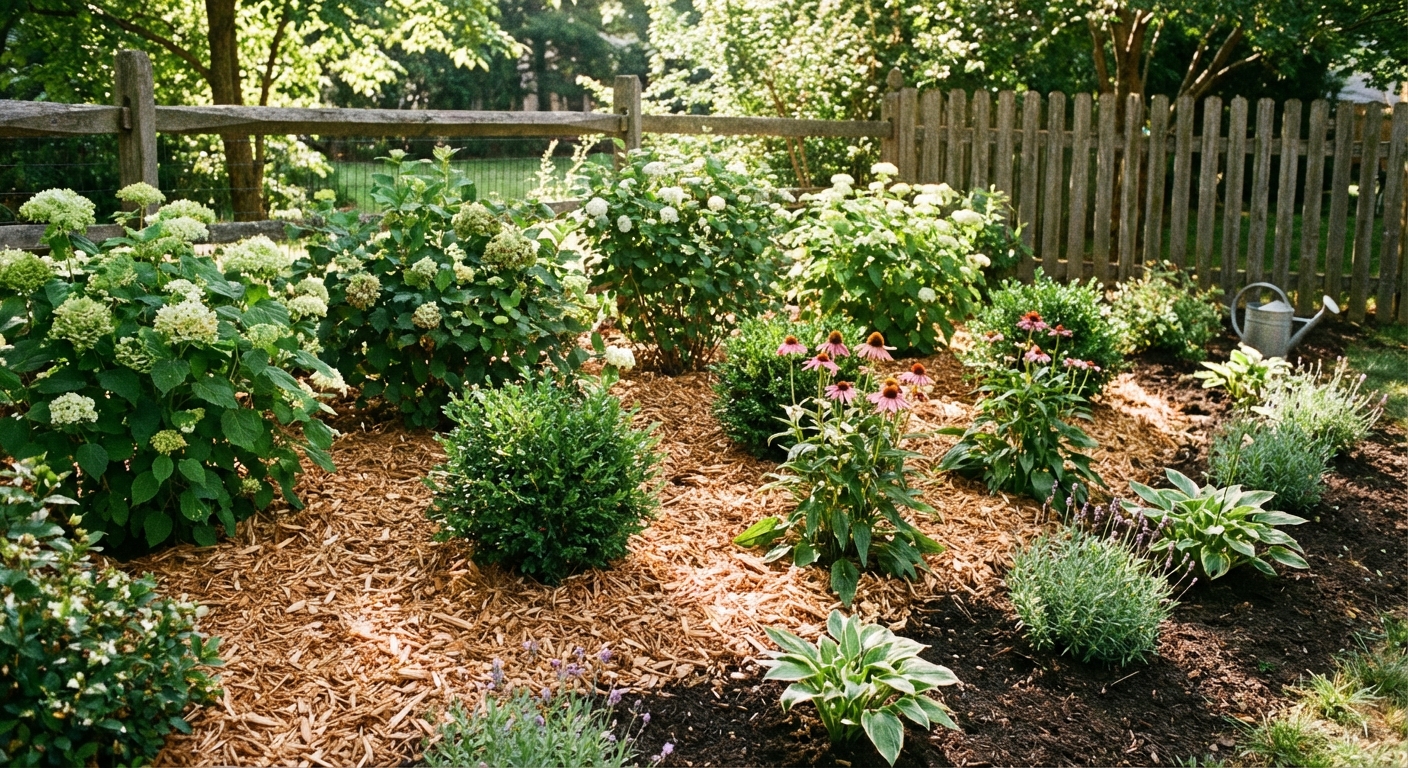
If garden beds had a personality test, mulch would be the cozy friend who brings soup and quietly improves your life. Gravel would be the tidy minimalist who always looks put-together and never spills a crumb. Both can be wonderful, but they behave very differently once the sun, rain, weeds, and seasons start doing their thing.
This guide breaks down the real-life differences between organic mulch and decorative rock so you can choose what fits your plants, your climate, your back, and your patience level.
The quick verdict
- Choose organic mulch if you want healthier soil, fewer watering chores, cooler plant roots (in most conditions), and an easier bed to refresh year after year.
- Choose gravel if you want a crisp, modern look, good surface drainage and less splash, and you do not mind extra heat and more involved weeding over time. (Your underlying soil still does the heavy lifting for true drainage.)
- Best of both worlds: many gardens use mulch around plants and gravel in paths or dry zones where soil building is not the main goal.
What each one really is
Organic mulch
Organic mulch is a layer of plant-based material spread over bare soil. Common types include shredded bark, arborist wood chips, pine straw, leaf mold, compost, and (less commonly) cocoa hulls. Over time, it breaks down and becomes part of your soil.
- Quick cocoa hull note: cocoa hull mulch can smell nice and look great, but it can mat or grow mold in wet climates, and it is not a great choice if you have dogs that might eat it (it can be harmful if ingested).
Decorative gravel and rock
Gravel is typically crushed stone, pea gravel, river rock, or lava rock. It does not decompose, so it will not feed your soil. It can shift, sink, and collect debris, but it usually does not break down the way mulch does.
- Reality check: pea gravel and rounded river rock can migrate a lot with foot traffic, pets, runoff, or slopes unless edging and depth are dialed in.
Cost: upfront vs. long-term
Mulch costs
Mulch is usually cheaper to install, especially if you can get local arborist chips, municipal mulch, or you make your own leaf mulch. The tradeoff is that you will refresh it periodically because it decomposes.
- Typical refresh cycle: top up 1 to 2 inches every year or two, depending on climate and material.
- Budget tip: use a “good” mulch where it shows and a “free” mulch where it does not. Leaves and wood chips can be surprisingly handsome once they settle.
Gravel costs
Gravel usually costs more at the start, especially when you factor in depth, delivery, and containment. It can be cost-effective over many years, but only if you install it correctly and are willing to maintain it.
- Typical depth: 2 to 3 inches for most bed applications. Shallow gravel is a weed invitation.
- Hidden costs: edging to keep rock from migrating, occasional top-ups, and potentially soil improvements later if plants struggle from heat or tired soil biology.
- Hard to reverse: gravel is one of the most annoying garden decisions to undo. If you are on the fence, test it in a small area first.
Weed control: what works
Let us be honest. No ground cover “prevents weeds forever.” Weeds are stubborn little philosophers: they find a way. The best you can do is make weeding less frequent and less miserable.
Mulch and weeds
Mulch is excellent at blocking light. A 2 to 4 inch layer can dramatically reduce annual weeds. It also makes weeds easier to pull because the soil underneath stays looser and more evenly moist.
- Best depth: 2 to 4 inches for weed suppression.
- Depth nuance: use less around tiny seedlings and low crowns so you do not smother them.
- Watch for: mulch that is too thin, or mulch that has broken down into a fine, composty layer that weeds love to germinate in.
Gravel and weeds
Fresh gravel can look nearly weed-free, especially the first season. Over time, windblown dust and decomposing leaves create a thin “soil” layer between stones. That is enough for weed seeds to sprout.
- Reality check: gravel beds can shift from “no weeds” to “weeds in every little crevice” if you do not stay on top of debris cleanup.
- What helps: a thick layer of gravel (2 to 3 inches), tight edging, and regularly blowing out leaves and dirt.
About landscape fabric
I know fabric is tempting. It feels like a one-time fix. In real gardens, fabric often becomes a long-term annoyance because weeds root into the debris layer above it, and then you are pulling weeds that are stitched through a plastic blanket.
- Better option under gravel: a high-quality, woven geotextile (not flimsy plastic) can help separate stone from soil and reduce sinking.
- Under mulch: skip fabric. Use cardboard for sheet mulching if you need to smother an existing weedy area, then mulch on top.
Water and temperature
Mulch: cooler soil, steadier moisture
Organic mulch is a moisture manager. It slows evaporation and moderates temperature swings. In summer, it often helps keep roots cooler. In winter, it can buffer freeze-thaw cycles that heave perennials, especially when applied at the right depth.
- Best for: vegetables, perennials, shrubs, hydrangeas, woodland plants, and pretty much anything that likes consistent moisture.
- Bonus: less soil splash onto leaves during rain, which can reduce some disease issues.
Gravel: surface drainage plus extra heat
Gravel can improve surface infiltration, reduce mud, and cut down on splash. It also reflects heat and light into plants. That is wonderful for Mediterranean herbs and rock garden plants. It can also stress moisture-loving plants and bake shallow roots in hot climates. If your soil underneath is compacted or clay-heavy, gravel on top does not magically fix drainage without soil prep.
- Best for: lavender, thyme, sedums, hardy succulents, yarrow, and other drought-tolerant plantings.
- Heads up: in full sun, gravel can make a bed significantly hotter. If you garden in a heat-prone area, this matters.
Soil health
This is the part where my inner soil nerd starts talking to the earthworms like they are coworkers.
Mulch feeds the soil food web
As mulch breaks down, it becomes organic matter. Organic matter improves soil structure, water-holding capacity, and nutrient availability. It supports fungi, bacteria, and the tiny organisms that make plants more resilient.
- Best choices for soil building: arborist wood chips for trees and shrubs, shredded leaves for perennial beds, compost as a thin topdress under a light mulch layer.
- Good to know: surface-applied wood chips generally do not “steal nitrogen” from established plants. Nitrogen tie-up is mainly a concern when woody material is mixed into the soil, not layered on top.
- Avoid: “mulch volcanos” piled against trunks, which can cause rot and invite pests.
Gravel does not improve soil
Gravel does not decompose, so it does not add organic matter. You can still have healthy soil beneath gravel if you build it well first, but gravel itself will not help. Over time, gravel can make it harder to add compost, adjust irrigation, or plant new perennials because you are always working through a layer of rock.
Maintenance
Mulch maintenance
- Top up as it decomposes, usually once a year or every other year.
- Rake lightly if it mats, especially fine shredded products.
- Edge cleanup: mulch can wander onto lawns and paths, but it is easy to sweep back.
Gravel maintenance
- Blow out debris regularly so it does not turn into soil.
- Weed carefully: pulling weeds can disturb stones, and hoeing is tricky.
- Redistribute and top up: gravel migrates and can sink into soil over time.
- Watch your shovel: planting and dividing perennials in gravel is more effort than in mulch.
Slopes, runoff, and traffic
If your bed is on a slope or gets hit with heavy rain runoff, ground cover behavior gets real, fast.
- Mulch on slopes: it can wash downhill in storms, especially fine bark. Chunkier wood chips knit together better. A low edge, terraces, or a few strategically placed rocks can help hold it.
- Gravel on slopes: it can migrate downhill and into lawns and walks, particularly rounded gravel. Crushed angular stone tends to lock together better, but edging is still your best friend.
- Foot traffic: gravel moves under feet; mulch compresses. Neither loves being walked on, but mulch is easier to “reset” with a rake.
Aesthetics
Mulch style notes
Mulch reads as natural and soft. It pairs beautifully with cottage gardens, woodland borders, edible beds, and anything lush. Different mulches create different moods: chunky arborist chips look casual and organic; finely shredded bark looks tidy and formal.
- Small caution: some dyed mulches can fade and may contain mixed recycled wood. If you are growing edibles, many gardeners prefer undyed, known-source mulch.
Gravel style notes
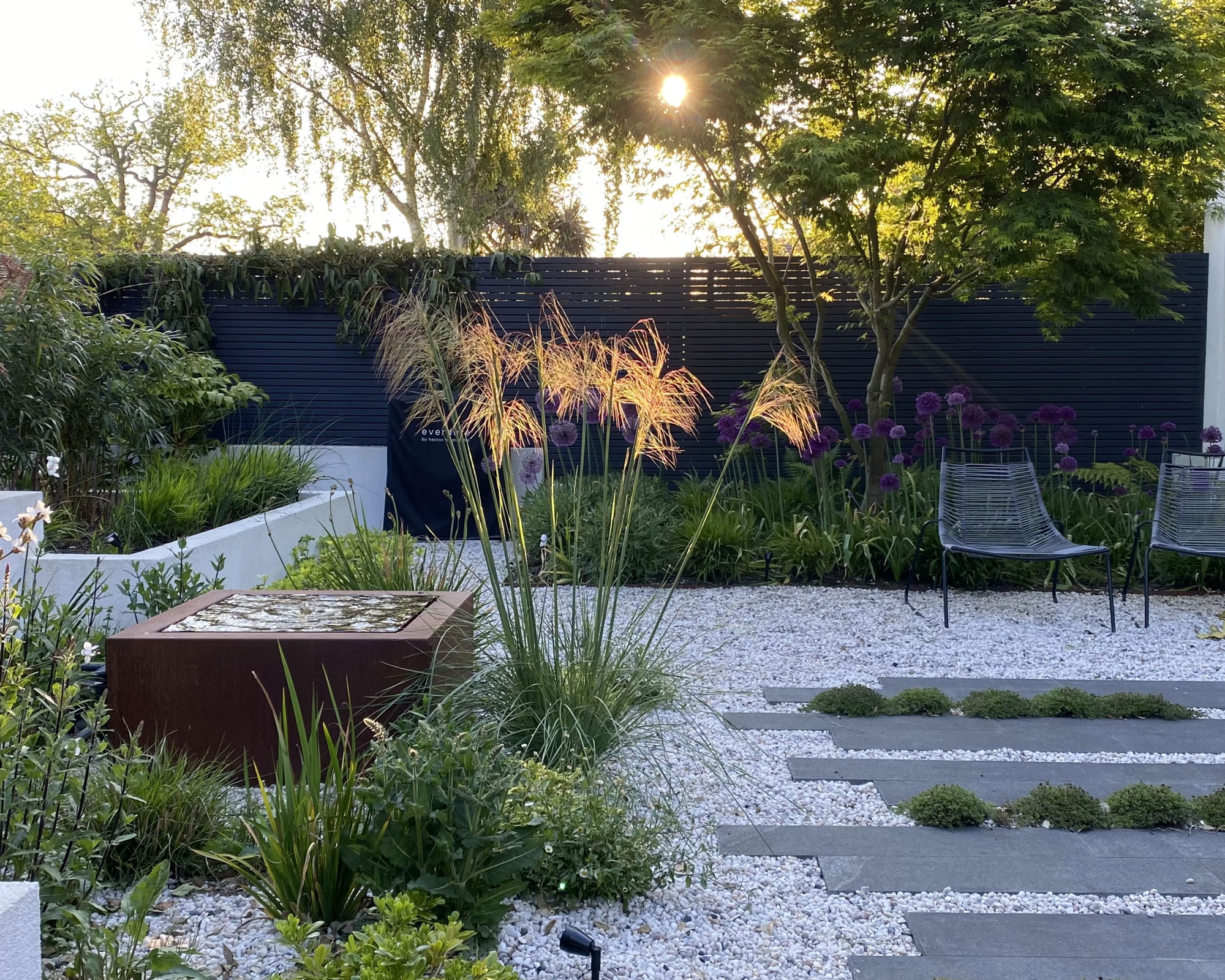
Gravel reads as clean, structured, and drought-smart. It is a natural fit for Mediterranean landscapes, modern designs, and areas where you want a bright, reflective ground plane. Color matters a lot: pale gravel can look luminous, but it can also show debris more quickly.
Plant match
Mulch tends to be best for
- Vegetable gardens and raised beds
- Newly planted shrubs and trees
- Moisture-loving perennials (hostas, astilbe, ferns, heuchera)
- Acid-loving plants (blueberries, azaleas) when paired with the right mulch type like pine bark or pine straw
- Pollinator borders where you want soil life thriving
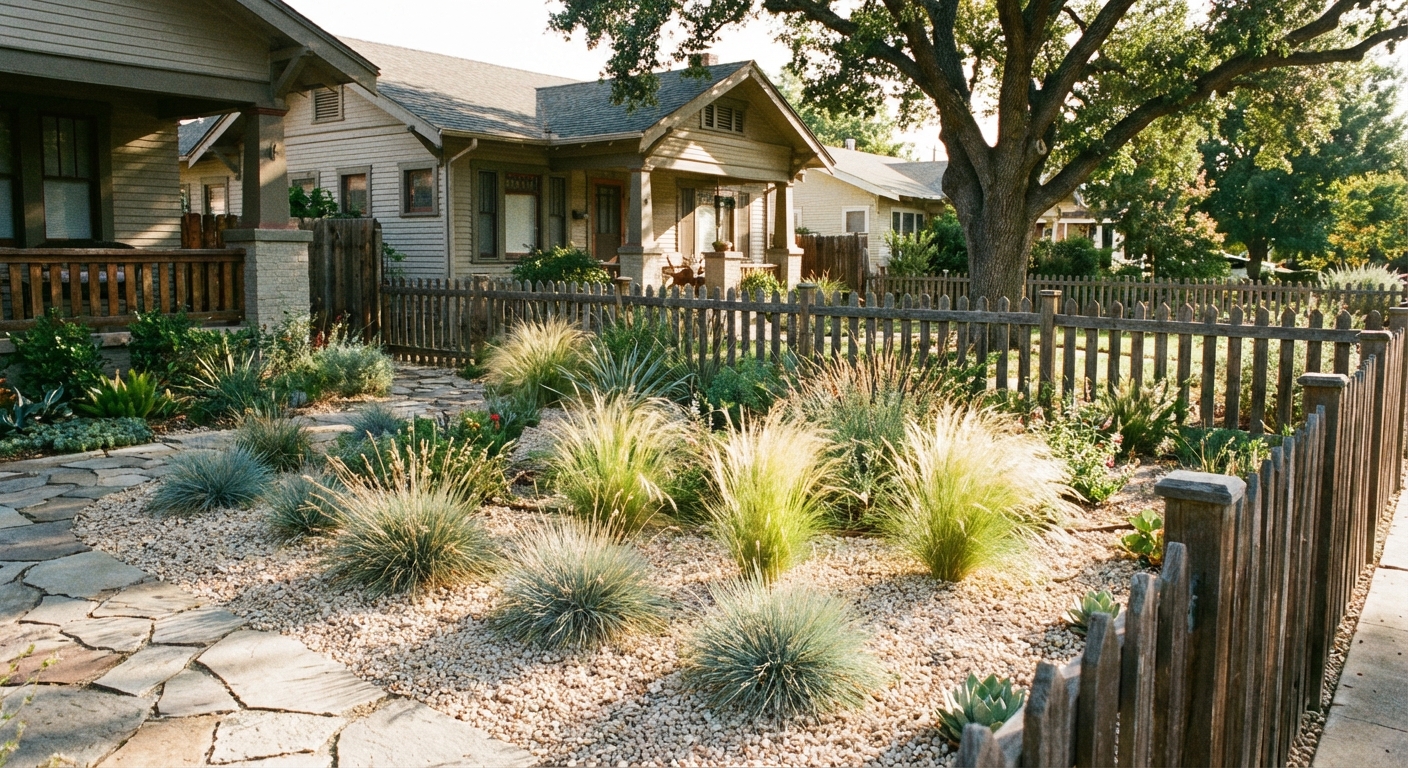
Gravel tends to be best for
- Rock gardens and alpine plants
- Herb gardens in sunny, dry spots (thyme, oregano, sage)
- Succulent beds in appropriate climates
- Areas near foundations where you want splash control and quick surface drainage
- Fire-wise zones where local guidance recommends non-combustible ground cover
One caution: some plants hate “wet feet” but still appreciate cooler roots. In those cases, focus on improving soil structure first (often with compost) and, where appropriate, add grit or aggregate based on local extension guidance. Then choose a mulch or gravel top layer that fits the plant.
How to choose
Pick mulch if you want
- Healthier soil every season
- Lower watering needs
- Easier planting, dividing, and editing of beds
- A softer, more natural look
Pick gravel if you want
- A very structured, low-organic look
- Less splash and mud, and better surface infiltration (with well-prepared soil)
- A great match for drought-tolerant plants
- Less material breakdown (but not necessarily less work)
Three quick questions
- Do you want to build soil? Choose mulch.
- Is this bed in full, blazing sun? Mulch is often kinder to plants. Gravel can be too hot unless you are planting heat lovers.
- Will you change plants often? Mulch is much easier to work with than rock.
Best practices
Mulch done right
- Weed first, then water the soil deeply.
- Optional: lay plain cardboard (no glossy ink) over weedy areas, overlap seams, then soak it.
- Apply 2 to 4 inches of mulch.
- Keep it off stems and trunks: leave a few inches of breathing room around plants.
- Drip irrigation tip: mulch makes it easy to hide lines and adjust emitters as plants grow.
Gravel done right
- Start with great soil: loosen compaction, amend if needed, and level before stone goes down. Drainage depends on what is underneath.
- Use edging to keep gravel contained.
- Add a woven separator layer if needed to reduce sinking, especially in soft soils.
- Apply 2 to 3 inches of gravel for better coverage.
- Plan for cleanup: consider how you will remove leaves and debris in fall.
- Irrigation note: drip lines can be harder to pin in place and adjust under gravel. Also keep emitters clear of silt and debris.
My recommendation
If your garden bed contains living plants you want to grow bigger, happier, and more resilient, organic mulch is usually the best default. It is forgiving, it supports soil health, and it makes the whole system easier to manage.
I reach for gravel when the plant palette is truly drought-tolerant, the bed is in a hot, sunny spot where quick surface drying and low splash matter, or when I want a crisp design statement and I am willing to maintain it.
And if you are still unsure, try this low-stakes experiment: mulch one section and gravel another small section for a season. Your weeds, watering schedule, and plants will tell you the truth faster than any article can.
FAQ
Can I put mulch on top of gravel?
You can, but it usually turns into a mixed layer that is hard to clean up later. If you want the benefits of mulch, it is better to remove gravel from planting zones and use mulch there, keeping gravel for paths or non-plant areas.
Can I put gravel on top of mulch?
Not recommended. The mulch decomposes, the gravel sinks, and you end up with a messy, uneven layer that is difficult to weed and replant.
What about pests like termites with mulch?
Mulch does not “cause” termites, but it can create a moist environment near foundations. Keep mulch several inches away from the house, avoid piling it against siding, and maintain an inspection gap. Follow local extension, building, and pest-control guidance if termites are common in your area.
What is the best mulch for garden beds?
For most ornamental beds, shredded bark or arborist wood chips work beautifully. For perennials, shredded leaves are a quiet miracle. For vegetables, straw (seed-free) or leaf mulch is often a great choice.