
Kid-Friendly, Pet-Safe Backyard Design

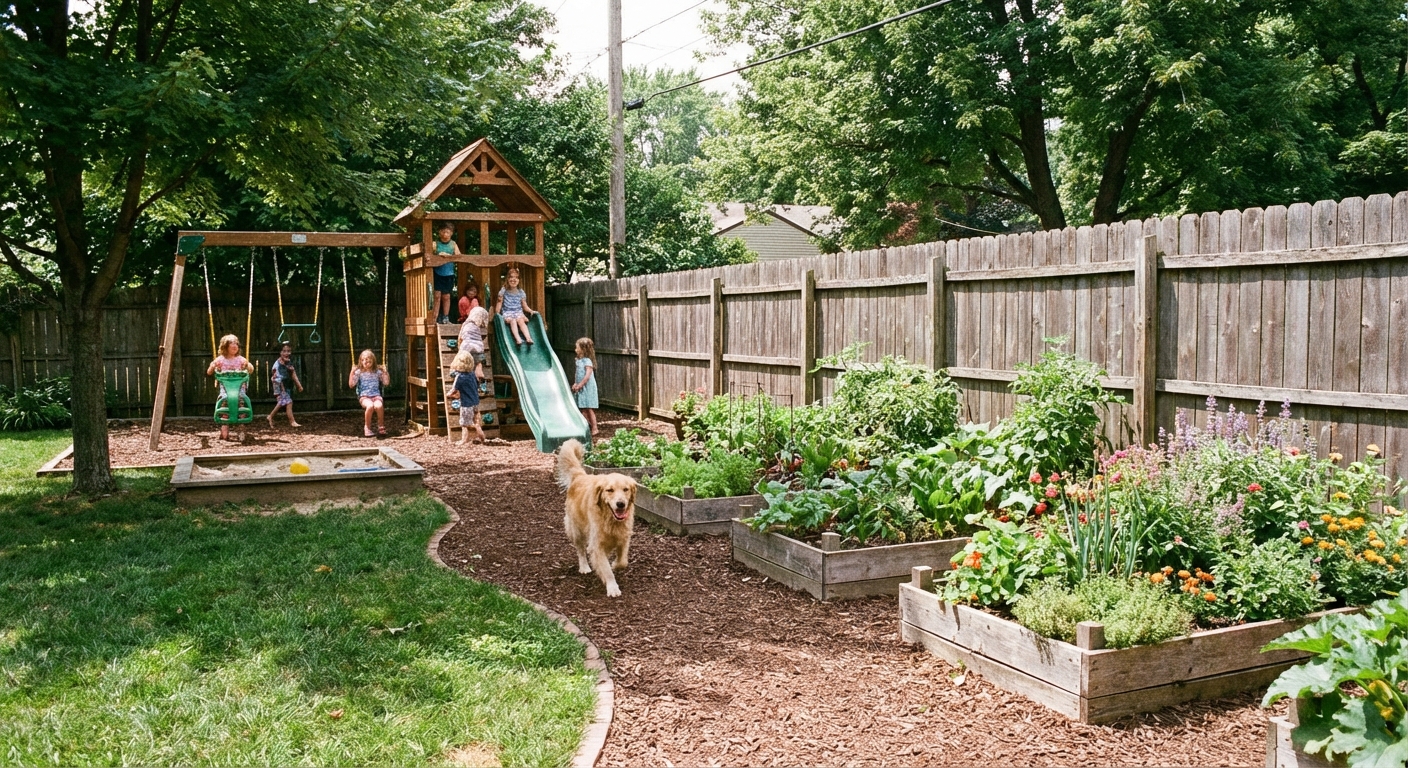
A kid-friendly, pet-safe backyard is not a showroom. It is a living space where scooters skid, dogs do victory laps, and someone will absolutely “help” you water with the hose on full blast. The goal is not perfection. The goal is a yard that forgives chaos, keeps curious mouths away from trouble, and still feels like a little slice of green calm.
Below is how I design family backyards in a way that actually holds up: smart zones, safer plant choices, and surfaces that can take a beating without turning into a mud pit.
Quick rule: put the toughest surface where feet and paws turn (corners, gates, doorways, and fence patrol routes). That is where lawns and beds lose the fight first.
Start with zones, not plants
If you only do one thing, do this: split your yard into clear “rooms.” Zoning prevents plant trampling, reduces safety risks, and keeps your maintenance realistic. I like to sketch a quick map on paper first, then walk the yard and adjust it based on sun, shade, and how your family naturally moves.
The 4-zone backyard
- Zoom Zone (high energy): open play space for running, fetch, soccer, or a swing set. Keep this as simple and tough as possible.
- Calm Zone (low energy): a patio or seating area where you can actually drink your tea while it is still warm. Add shade and fragrance plants here.
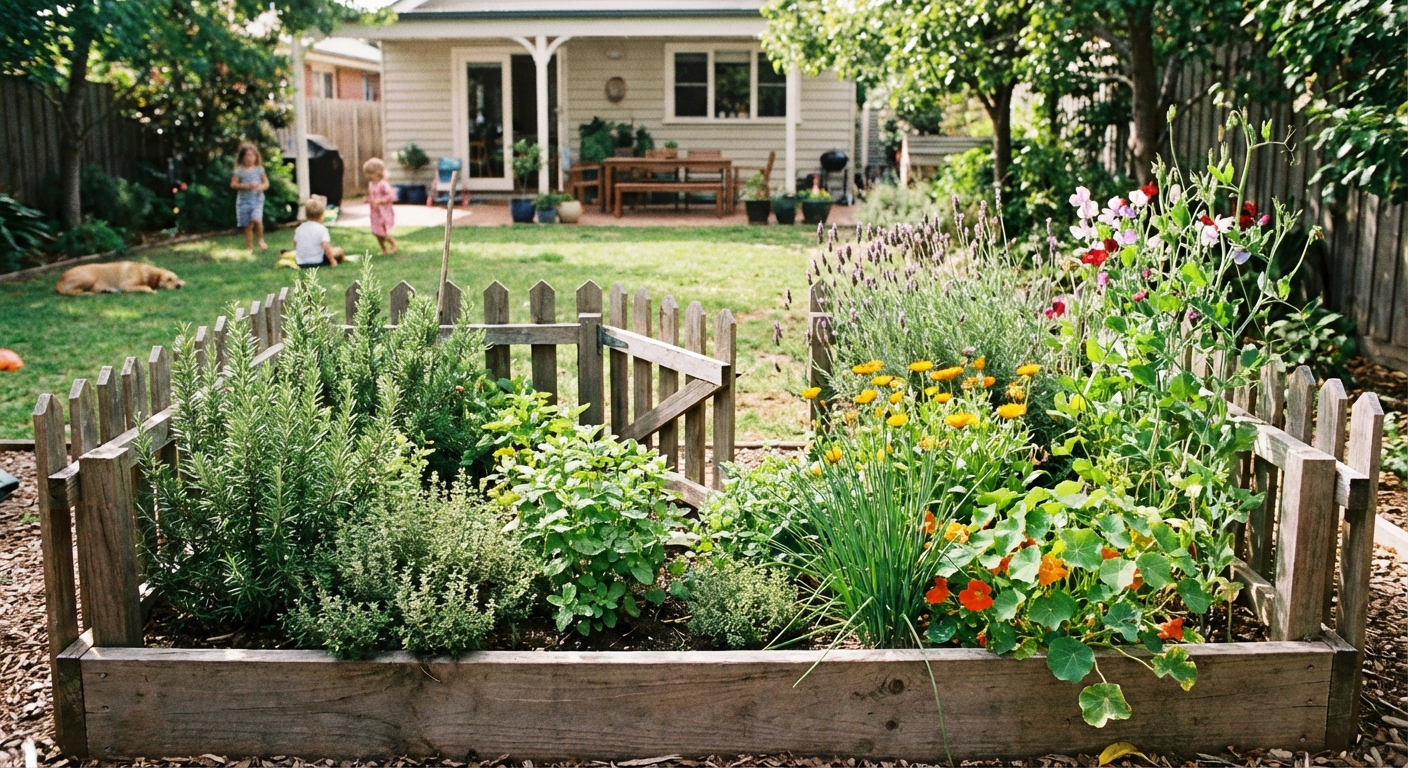
- Garden Zone (protected): raised beds, herb planters, compost, and anything fragile. This zone needs a boundary.
- Service Zone (mess-friendly): trash bins, hose reels, potting bench, dog rinse station, and storage. Hide it with screening plants or a trellis.
Simple ways to set boundaries
You do not need a full renovation to create separation. The best boundaries are gentle, obvious, and hard to ignore at a sprint.
- Low fencing: 24 to 36 inches can be enough for many families to protect beds while still feeling open, but it depends on your child’s age and your pet’s size, jumping ability, and enthusiasm.
- Hedges and sturdy shrubs: think of them as living bumpers.
- Paths: a defined walkway quietly tells kids and pets where travel is welcomed.
- Edging: steel, brick, or stone edging helps keep mulch where it belongs. Just make sure it is installed flush and secure so it does not heave into a toe-stubber. If you use metal edging, choose a rolled, capped, or rounded top.
Choose surfaces that survive
Heavy traffic is what breaks most backyards. The trick is to put durable materials where wear is guaranteed, then save your softer, prettier plantings for protected areas.
Best options for play and pet paths
- Shredded wood mulch (play-safe): great under play sets and in kid zones when installed deeply. Use certified playground mulch if possible. Top up as it compacts.
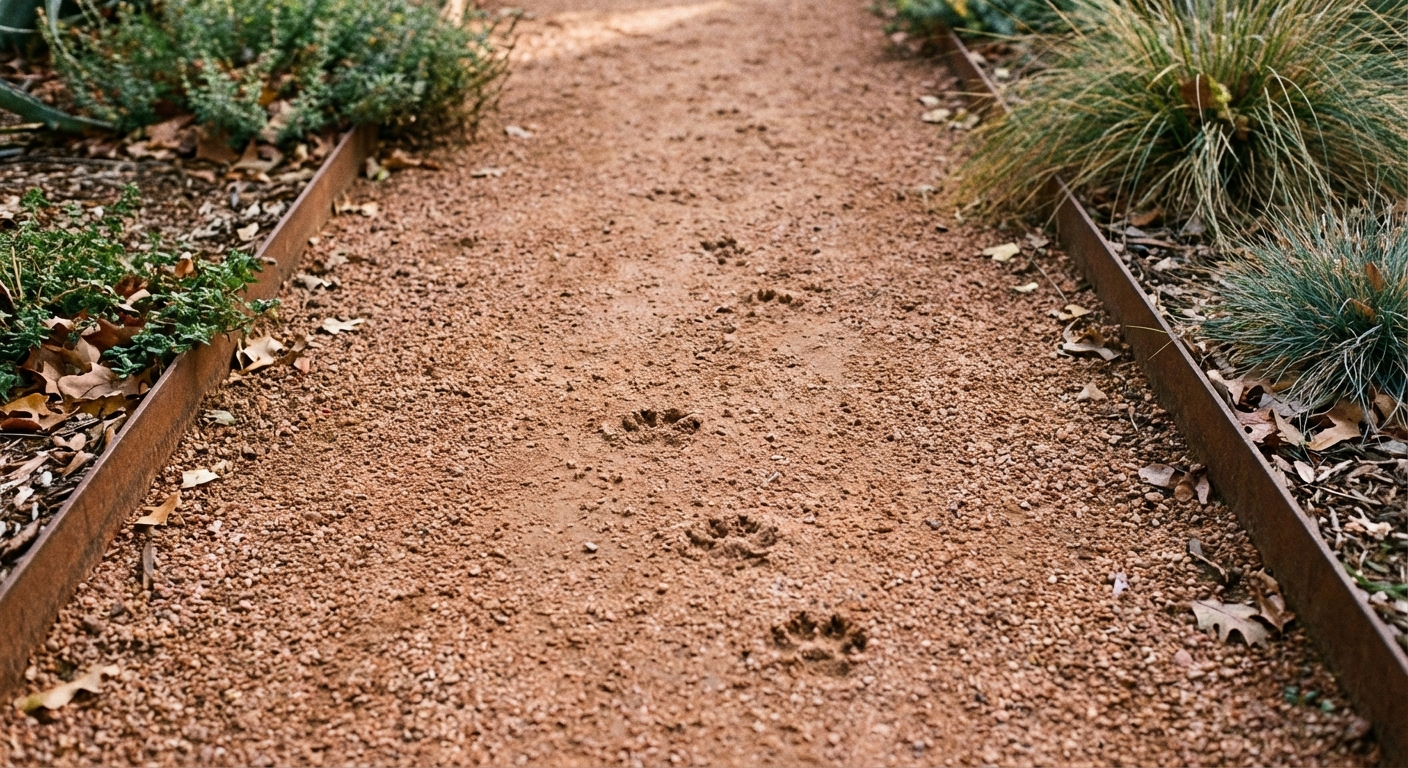
- Decomposed granite (DG) with stabilizer: excellent for paths and small sitting areas when installed over a proper base with good edging so it does not migrate.
- Pavers or flagstone: ideal for high-use routes. Choose a slightly textured finish to reduce slipping when wet.
- Gravel (rounded pea gravel): good drainage, but not my first pick for toddlers or dogs who like to taste-test rocks. If you use it, keep it contained and away from play areas.
- “Dog runway” strips: a narrow, deliberate path along the fence line can protect the rest of your yard if your dog patrols the perimeter.
Natural grass vs. alternative turf
For many families, lawn is still the easiest soft landing. The key is picking grass suited to your climate and traffic level, then giving it a chance to recover. Cultivar and site conditions matter more than most people want to hear, but they do.
- Cool-season regions: tall fescue blends are often tougher than Kentucky bluegrass in heat and drought, with decent wear tolerance (varies a lot by cultivar).
- Warm-season regions: Bermuda grass handles traffic very well in full sun, but struggles in shade. Zoysia is dense and durable, but slower to fill in and can thatch if overfed or overwatered.
- Shady yards: a lawn in deep shade becomes a mud factory. Consider shade-tolerant groundcovers in the Calm Zone and hardscape paths for circulation.
If you are considering artificial turf, look for products designed for pets (good drainage, low odor retention). Also know this: turf can get much hotter than the air temperature in direct sun, sometimes startlingly so. Plan shade, pick lighter colors when possible, and avoid placing it where it bakes all afternoon.
Non-toxic plant choices
This is the part where I gently say: “pet-safe” is not a single official label, and sensitivity varies by species and by animal. Some dogs never chew plants. Some cats treat your garden like a salad bar. Small kids explore with hands first, and sometimes mouths. So we design for curiosity and reduce risk where we can.
My rule of thumb: avoid known high-toxicity ornamentals in areas kids and pets can reach. Put “question mark plants” behind a barrier. And if your pet is a dedicated chewer, treat the whole yard like a toddler-proofed room.
Safety note
Before you plant (or panic), cross-check plant lists with a trusted source like the ASPCA Animal Poison Control, Pet Poison Helpline, or your local extension office. “Non-toxic” does not always mean “non-irritating,” either. Sap, pollen, thorns, and even rough grasses can bother skin and mouths.
Lower-risk favorites
Always confirm for your specific pet, especially if ingestion is likely. That said, these are commonly used as lower-risk choices in family yards:
- Sunflowers (Helianthus): cheerful, sturdy, and kid-magnet in the best way.
- Snapdragons (Antirrhinum): fun for kids to “make them talk.”
- Zinnias: tough annual color that shrugs off heat.
- Roses: toxicity is not usually the issue, thorns are. Choose thornless varieties or place behind a border.
- Marigolds (Tagetes): hardy and useful around veggie beds, but can cause mild tummy upset or skin irritation for some pets if chewed a lot.
- Herbs like basil, rosemary, thyme: great for sensory gardens. Most are fine in culinary amounts, but a pet that eats a whole rosemary shrub may have regrets. Place rosemary where it will not poke running legs.
- Blueberry shrubs: kid-friendly harvesting and a wildlife win.
Plants I avoid near play
Many common landscape plants can be harmful if ingested. These are frequent “no thanks” picks near play areas because they are well-known for toxicity concerns:
- Oleander
- Foxglove
- True lilies and daylilies (Lilium and Hemerocallis, especially dangerous for cats). Note: “peace lily” is a different plant with a different toxicity profile, but it is still not a snack.
- Sago palm
- Yew
- Castor bean
- Autumn crocus
Place tempting plants far away
Bright berries and dangling flowers invite grabbing. Put those in the Garden Zone behind a low fence, and use sturdy, less snackable plants in the Zoom Zone borders. Think grasses, dense shrubs, and groundcovers that can take a shoulder-check.
Build play areas that behave
The best play spaces are contained. The second best are strategically placed where damage is least annoying.
Play set placement
- Pick a level spot with sightlines from the house or seating area.
- Use impact-absorbing surfacing under climbing equipment. Many families choose deep wood mulch or engineered wood fiber. Follow the play equipment manufacturer’s depth recommendations.
- Leave a clear run-out zone around swings and slides so kids are not launching into shrubs.
- Skip thorny or stiff plants nearby and avoid hard borders in the fall zone.
Sandboxes and digging corners
If you have a digger, give them a place to dig. It saves your beds. Use a covered sandbox, and consider a small “construction zone” with a few large stones, a log, and a patch of bare soil or mulch. Mess in one corner is easier than mess everywhere.
Trampolines and sports goals
These tend to create dead zones in the grass. Place them on a tough surface (mulch or DG) or accept that you will reseed and rotate them. If your yard is small, rotating equipment seasonally is the difference between lawn and mud.
Make beds harder to bulldoze
I love a lush border as much as anyone, but kid and pet yards need plants with a little backbone. Think flexible stems, quick regrowth, and deep roots.
Bed design that survives traffic
- Go wider, not narrower: skinny beds invite stepping. Aim for at least 3 feet wide so plants can knit together.
- Use raised edges: 6 to 12 inches gives a clear “this is a bed” signal.
- Add stepping stones in big beds: for weeding access so you are not tempted to step on plants, either.
- Mulch deeply: 2 to 4 inches helps protect soil structure and reduces mud. Keep mulch a few inches away from plant stems.
Traffic-tough plant ideas
- Ornamental grasses: they bend, they bounce back, and they buffer chaos.
- Shrubs with flexible branches: choose varieties that can take brushing and occasional bumping.
- Groundcovers for edges: in mild climates, look for options that can handle occasional stepping in the Calm Zone.
Pet comfort upgrades
Dogs and cats experience a backyard differently than we do. They run low to the ground, they sniff everything, and they find the one muddy spot you missed. A few small additions can make the whole yard feel calmer and cleaner.
Create a pet pit stop
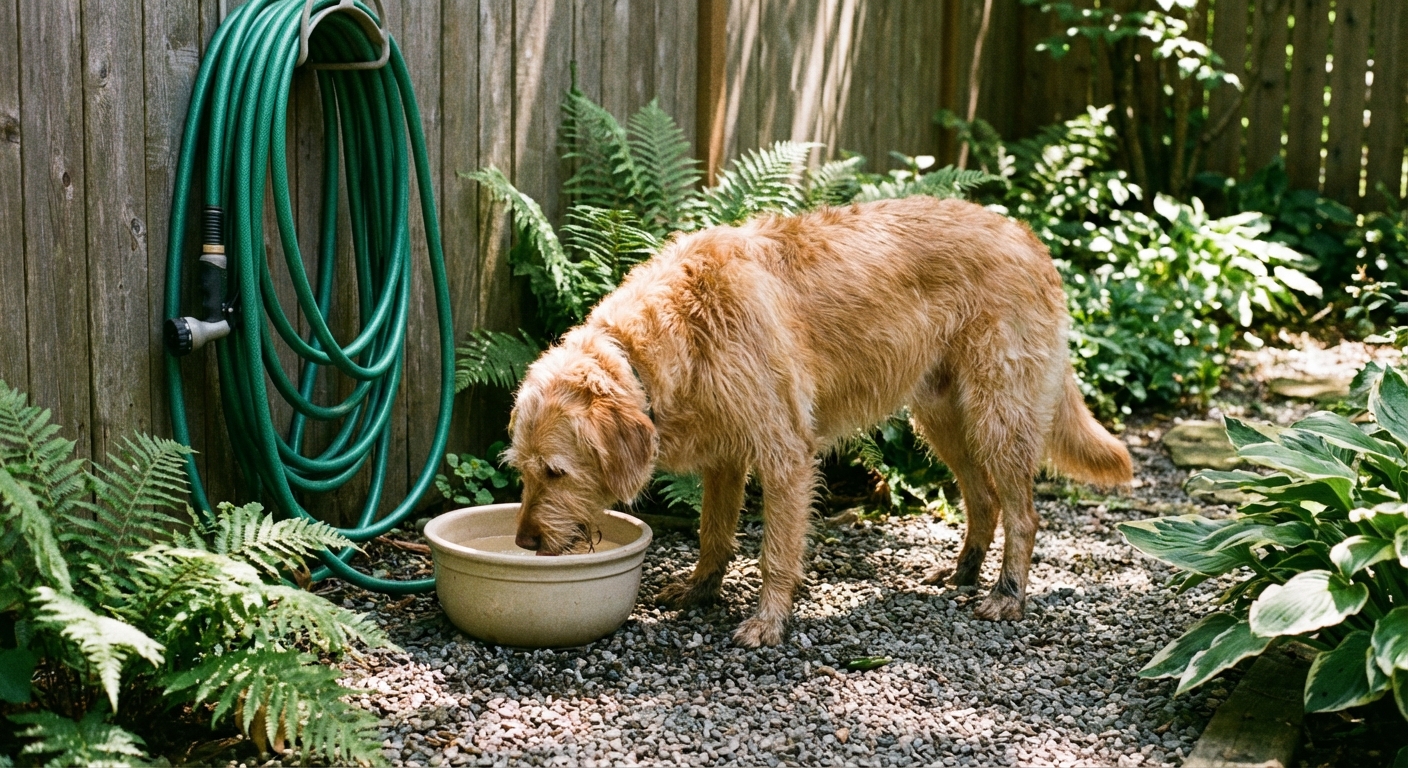
- Dog rinse station: a hose and a small gravel pad near the door prevents muddy paw parades.
- Designated potty area: pea gravel or mulch in a tucked-away spot makes cleanup easier and protects the lawn. Choose based on your dog’s habits. If your dog mouths stones, skip pea gravel. If your dog eats mulch or it gets smelly fast in your climate, choose a different surface.
- Shade and water: a shaded corner with a sturdy bowl goes a long way in summer.
Fencing and gates that work
- Check gaps: especially under gates and along slopes. Small dogs are liquid.
- Avoid sharp pickets: choose smooth tops or add cap rails.
- Use self-closing hinges if your household is the “someone left it open” type.
Kid-proofing basics
Kids are brilliant and fast. Gardening tools are sharp. Water features are alluring. Here is where I focus my safety energy.
Water features
- Skip open ponds in yards with toddlers unless they are securely fenced and supervised. Even shallow water can be risky.
- Choose recirculating fountains with minimal standing water, and place them in the Calm Zone where adults are present.
- Keep mosquito control in mind: prevent standing water or refresh it regularly.
Tools, products, and re-entry times
- Lock up fertilizers and pest products even organic ones.
- Follow label directions and re-entry intervals: keep kids and pets off treated areas until the product says it is safe (and the surface is dry, at minimum).
- Store tools off the ground in a shed or box with a latch.
- Choose safer mulches: avoid cocoa mulch if pets are prone to eating mulch, since it can pose serious risks if ingested. Also avoid sharp, splintery mulch in play fall zones, and keep any mulch out of known chew zones.
- Hose management: keep hoses on reels or hooks and route them away from main walkways to reduce trip hazards.
Soil health helps everything
Healthy soil drains better, compacts less, and grows sturdier plants. That matters when your yard gets stomped on daily.
Prevent compaction and mud
- Add organic matter: compost improves structure and helps soil hold moisture without turning into soup.
- Aerate high-traffic lawn areas: especially if you see water pooling or grass thinning.
- Use paths for circulation: do not fight desire lines. If everyone walks the same route, build a path there.
- Fix drainage the smart way: a simple French drain or dry creek bed can help in chronically soggy spots, but only if water has somewhere appropriate to go. Check utilities, local codes, and grading before you dig.
And yes, I talk to my ferns. But I also talk to my soil. If you treat it kindly, it will quietly do half the work for you.
Quick checklist
- Do you have clear zones for running, resting, gardening, and storage?
- Are the main travel routes protected with durable paths or tough turf (especially at corners and gates)?
- Are any high-toxicity plants removed from kid and pet reach areas (and double-checked with a trusted list)?
- Is the play area surfaced appropriately and placed where you can supervise?
- Do you have a mud-control plan near doors and gates?
- Are tools, products, and water features secured, and are treatment re-entry times followed?
If you want, tell me your yard size, your climate, and whether you are dealing with a digger, a chewer, a sprinter, or all three. I can help you choose a simple zone layout and a short list of plants that fit your light and your life.