
How to Keep Rabbits Out of Your Garden Naturally

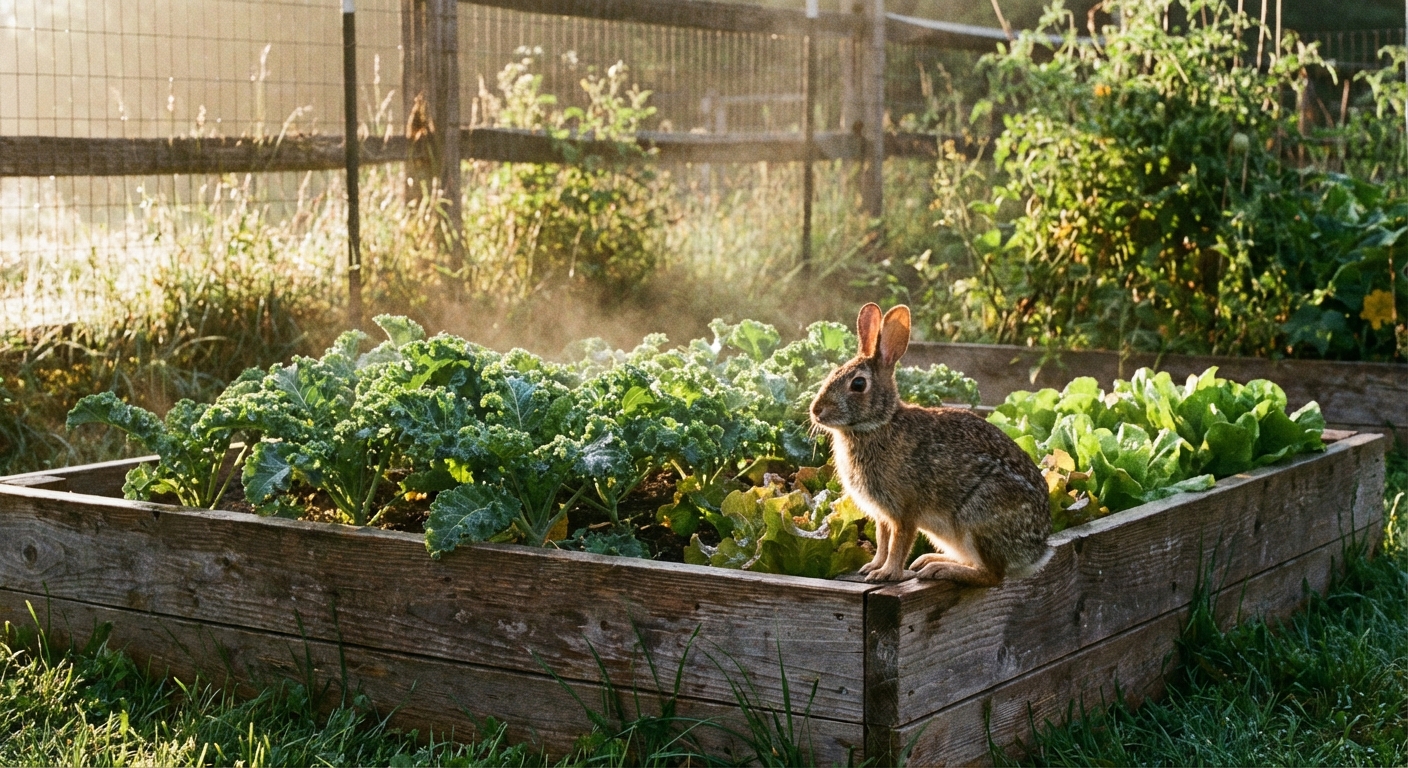
Rabbits look sweet until they treat your garden like an all-you-can-eat salad bar. If you have ever walked out at dawn to find lettuce nibbled to lace and seedlings clipped clean at the base, you are not alone. Rabbits are among the most common vertebrate garden pests in the US, especially in neighborhoods where lawns, shrubs, and hiding spots create a cozy rabbit resort.
The good news is you can protect your beds naturally and humanely. The secret is to think like a rabbit: they want tender growth, easy access, and safe cover. Take away one of those three and you will see a big improvement. Take away two and they usually move on.
How to tell if rabbits did it
Before you build a fortress, confirm it is actually rabbits. Deer, groundhogs, and even squirrels can create similar chaos, but rabbit damage has a few telltale signs.
- Clean, angled cuts on stems, often close to a 45-degree slant, like tiny pruning shears. (Deer tend to leave ragged, torn ends because they lack upper incisors.)
- Damage close to the ground, usually under 2 feet high. Rabbits can reach a bit higher by standing on their hind legs, and snow can give them a boost.
- Seedlings clipped completely right at the soil line.
- Small round droppings scattered nearby, like pea-sized pellets (the “cocoa puff” look).
If you see ragged tears in leaves or bark stripped higher up, you might be dealing with deer or rodents instead. You can still use many of the barrier tips below, but the height and mesh size will change.
Plants rabbits target most
Rabbits prefer tender, young growth and sweet greens. In early spring, they often go straight for the freshest new shoots when other food is scarce.
Favorite vegetables and herbs
- Lettuce, spinach, arugula, kale, Swiss chard
- Bean seedlings, pea shoots
- Carrots and beet tops
- Broccoli, cabbage, and other brassica seedlings
- Parsley and cilantro
- Young pepper and tomato plants, especially when newly transplanted
Flowers and ornamentals they chew
- Tulips and crocus
- Pansies and violas
- Hostas
- Young marigolds and zinnias
- New shoots on perennials in spring
In general, new transplants and seedlings are the highest risk. Once plants mature and toughen up, rabbits may still nibble, but the devastation is usually less dramatic.
Start with barriers
If you only do one thing, make it a barrier. Scents and sprays can help, but a well-built fence is what turns rabbit problems from chronic to occasional.
Chicken wire or hardware cloth fencing
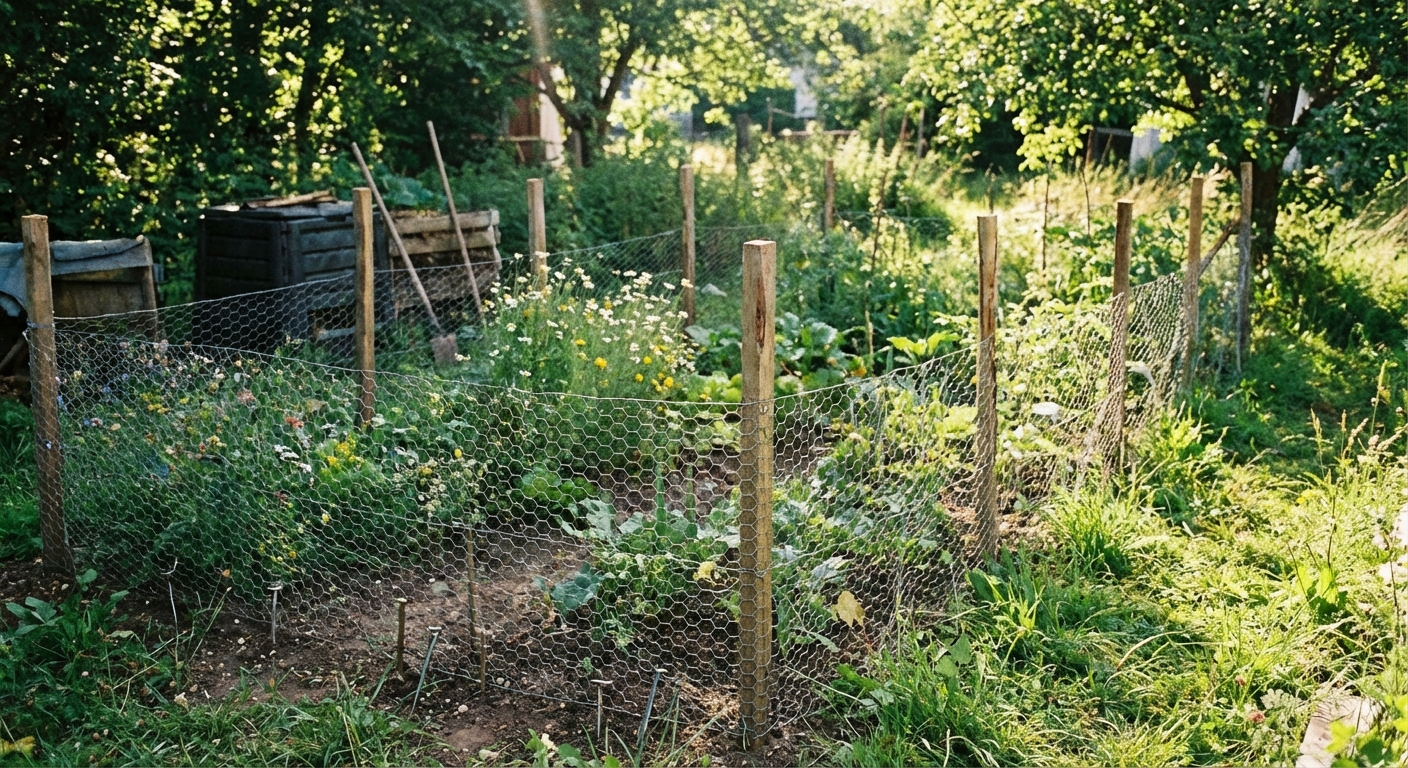
Rabbit fencing does not need to be tall. It needs to be tight and low-gap.
- Height: 2 to 3 feet is usually enough for rabbits.
- Mesh size: For reliable exclusion, especially in heavy rabbit activity, 1/2-inch hardware cloth is hard to beat. 1-inch chicken wire can work for many gardens, but small juveniles may squeeze through it in some situations.
- Bury the bottom: Bury at least 6 inches, or pin the bottom down with landscape staples and flare it outward in an L-shape apron to discourage digging.
- Seal gaps: Rabbits squeeze through surprisingly small openings. If you can fit two fingers through, a rabbit might get through.
One more gentle truth from a gardener who has learned it the hard way: the gate is where rabbits win. Use a latch that pulls the gate snug, and check that the bottom edge touches the ground.
Raised bed guards
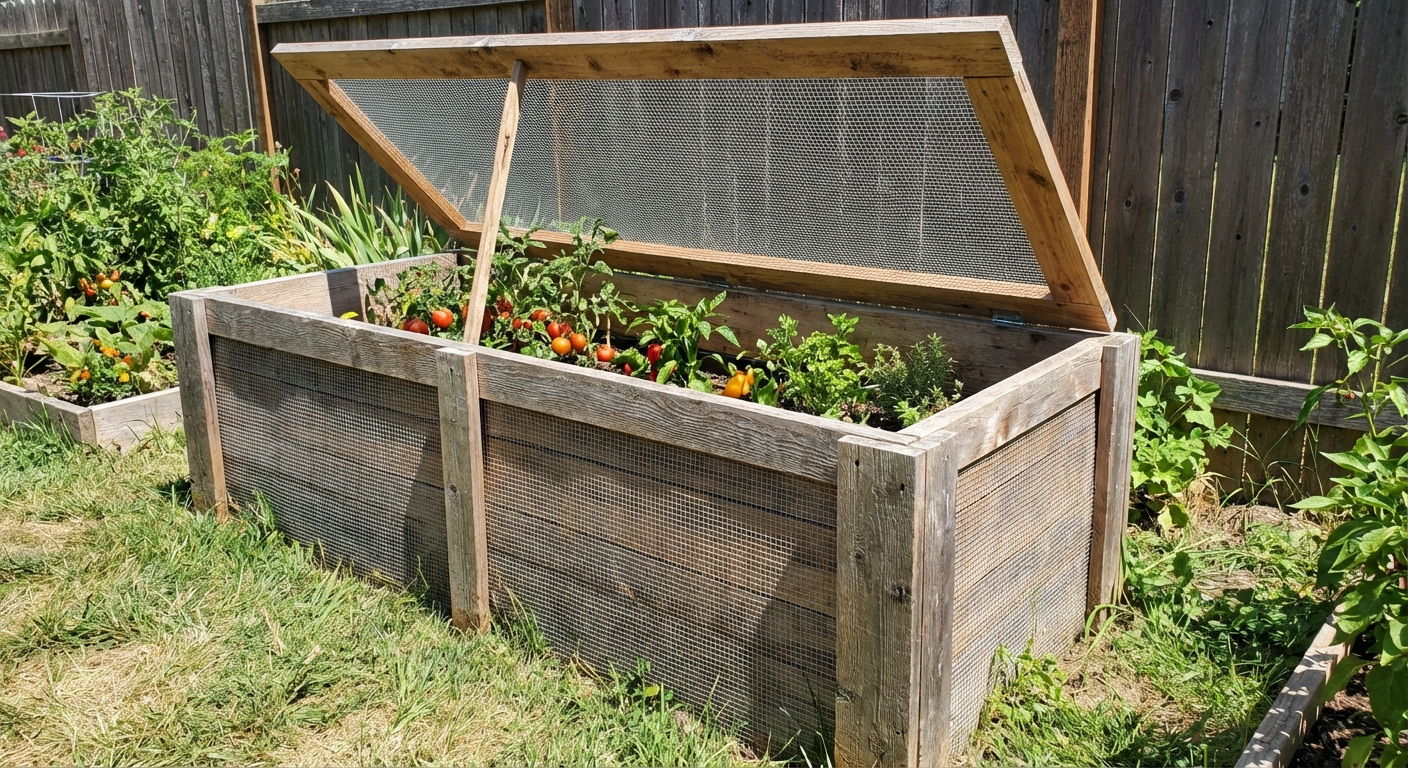
Raised beds are easier to protect because you are fencing a smaller footprint. If you already garden in raised beds, you are halfway to rabbit-proofing.
- Wrap the sides with chicken wire or hardware cloth if rabbits climb onto the bed and hop in.
- Add a simple hoop-and-cover for seedlings. Spunbond row cover fabric is a great option, and wire mesh over hoops is even sturdier. Lightweight plastic netting is fine for light pressure, but determined rabbits can chew through it.
- Use a removable cage top made from a wooden frame and stapled wire mesh. This is fantastic for lettuce and spinach beds that rabbits adore.
Individual plant protection
If fencing the whole garden is not possible, protect what rabbits love most.
- Wire cloches (mesh domes) over young transplants.
- Plastic tree guards or wire cylinders around woody seedlings or perennials.
- Temporary ring fencing around a small patch of greens using stakes and chicken wire.
This method is a bit quirky looking, but it is affordable, targeted, and very effective for new plants while they establish.
Natural deterrents
Deterrents work by making plants smell or taste “not worth it.” They are most successful when you rotate them and reapply consistently, especially after rain or overhead watering. Think of these as helpers, not the foundation, especially when rabbits are persistent.
Garlic and hot pepper sprays
These are classics because they are easy and reasonably effective on tender greens and ornamentals. They do not hurt rabbits, they just make browsing unpleasant.
- Buy or DIY: Look for garden-ready repellents that list garlic, capsaicin, or pepper as active ingredients, or make your own using garlic and hot pepper steeped in water plus a tiny drop of gentle soap as a spreader.
- Test first: Spray a small portion of the plant and wait 24 hours. Some delicate leaves can spot.
- Reapply: After rain, and at least weekly during heavy rabbit activity.
Tip: Spray in the evening so leaves dry slowly and you avoid sun scorch on sensitive plants.
Blood meal
Blood meal is a high-nitrogen organic amendment that can also act as a scent deterrent for some rabbits. It may help around the perimeter of beds or at known entry points.
- Sprinkle a light band around the outside of the bed, not directly on tender leaves.
- Reapply after heavy rain.
- Avoid overuse in already nitrogen-rich beds, especially around leafy greens that can get too lush and floppy.
Human hair and pet fur
This is one of my favorite “gardener folklore” tricks because it is low waste and easy. The results are mixed and the evidence is mostly anecdotal, but it can reduce casual nibbling in some yards, especially in smaller spaces like raised beds.
- Place hair or fur in breathable mesh bags or old pantyhose and hang them on stakes around beds.
- Replace when the scent fades or after prolonged rain.
Will this stop a determined rabbit forever? No. Can it buy time while seedlings get bigger? Sometimes, yes.
Predator scents
Some gardeners use predator scents, but results vary and the smell can be unpleasant for humans, too. If you try it, use it outside the garden as a perimeter cue, and follow the product directions carefully. In tight urban spaces, I usually recommend barriers and plant-based sprays first.
Companion planting
Companion planting will not replace a fence in a high-rabbit neighborhood, but it can reduce temptation and create a “scent wall” that makes your tastiest crops less obvious.
Herbs rabbits avoid
- Rosemary
- Sage
- Thyme
- Oregano
- Lavender
- Mint (use in pots or contained areas, it spreads)
- Chives and garlic chives
- Alliums like onions and garlic
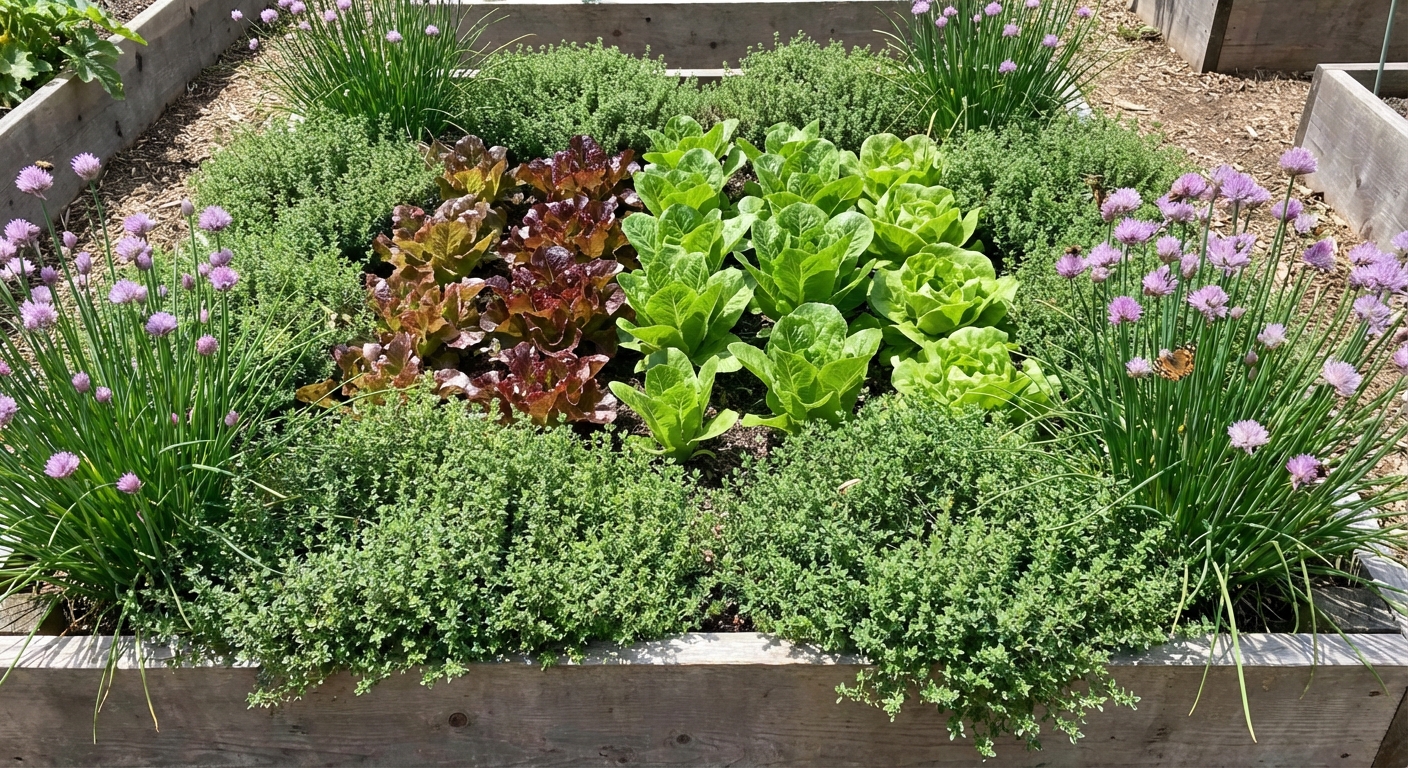
Try planting a border of thyme, chives, and sage along bed edges, then tuck your more rabbit-loved crops like lettuce toward the center. Think of it as building layers of inconvenience.
Make your yard less rabbit-friendly
Rabbits thrive where they have cover. If you remove the cozy hiding places right next to your garden, you reduce the chance they will settle in and snack nightly.
Trim rabbit runways
- Keep grass and weeds trimmed around the garden perimeter.
- Clear brush piles, dense groundcover, and low evergreen branches near beds.
- Move woodpiles and compost piles away from the garden if they create hiding pockets.
Block access under structures
Sheds and decks are prime nesting spots. Use hardware cloth to screen openings, and bury it a few inches to prevent digging. This is one of the most humane long-term solutions because you are simply removing shelter.
Support plant health
This is not a magic rabbit fix, but healthy plants recover faster if they do get nibbled. Avoid pushing overly lush, floppy growth with too much nitrogen, and water consistently so plants are steady and resilient.
A simple plan
- Fence or cover seedlings first. Protect the most vulnerable stage with mesh lids, row cover fabric, or a low fence.
- Add a taste or scent deterrent. Use garlic or hot pepper spray on high-value crops, then rotate with another option like blood meal around the perimeter.
- Plant a repelling herb edge. Chives, thyme, and sage are easy, useful in the kitchen, and they help.
- Remove nearby hiding spots. Trim, tidy, and block under-structure access so rabbits do not feel safe lingering.
- Check weekly. Look for new gaps, fresh droppings, or chewed entry points and adjust quickly.
Most rabbit battles are won through consistency, not perfection. You do not need to outsmart every rabbit in the neighborhood. You just need to make your garden the least convenient buffet on the block.
Safety notes
- Follow labels on any commercial repellent, especially on edible crops.
- Wash produce well and avoid spraying anything right before harvest.
- Be careful with capsaicin. Keep sprays away from eyes, kids, and pets, and wash your hands after applying.
- Go easy on soap in DIY sprays. Too much can burn foliage.
FAQ
Will coffee grounds keep rabbits away?
Coffee grounds can add organic matter to soil, but as a rabbit repellent they are hit or miss. If you like using them, consider them a mild, short-lived scent tool, not a primary solution. Barriers are far more reliable.
Do marigolds repel rabbits?
Marigolds are sometimes listed as rabbit-repelling, but I have seen rabbits nibble young marigolds without hesitation. If you love marigolds, plant them, but do not count on them as protection for lettuce.
What is the most humane way to keep rabbits out?
Humane exclusion is all about blocking access and removing shelter. A properly installed wire barrier, covered gaps under decks and sheds, and tidy edges around beds are effective without harming animals.
How do I protect shrubs and young trees in winter?
In winter, rabbits may gnaw bark on young trees and shrubs. Wrap trunks with a wire cylinder or 1/2-inch hardware cloth in fall, tall enough to sit above typical snow depth.
When to escalate
If rabbits are still getting in after you have tightened fencing and protected seedlings, take a closer look at entry points and mesh size. In heavy pressure areas, upgrading to 1/2-inch hardware cloth and adding a snug gate solution is often the turning point.
If you are considering trapping or relocation, check local rules first. In many areas it is restricted, and relocation can be stressful for wildlife. Your local extension office or a licensed wildlife professional can help you choose a legal, humane option if the situation feels out of hand.
And if you are feeling discouraged, hear this from someone who has apologized to many a chewed seedling: you are not failing. You are gardening. Every season teaches us how to partner with nature, even the nibbling parts.