
How to Keep Deer Out of Your Garden Naturally

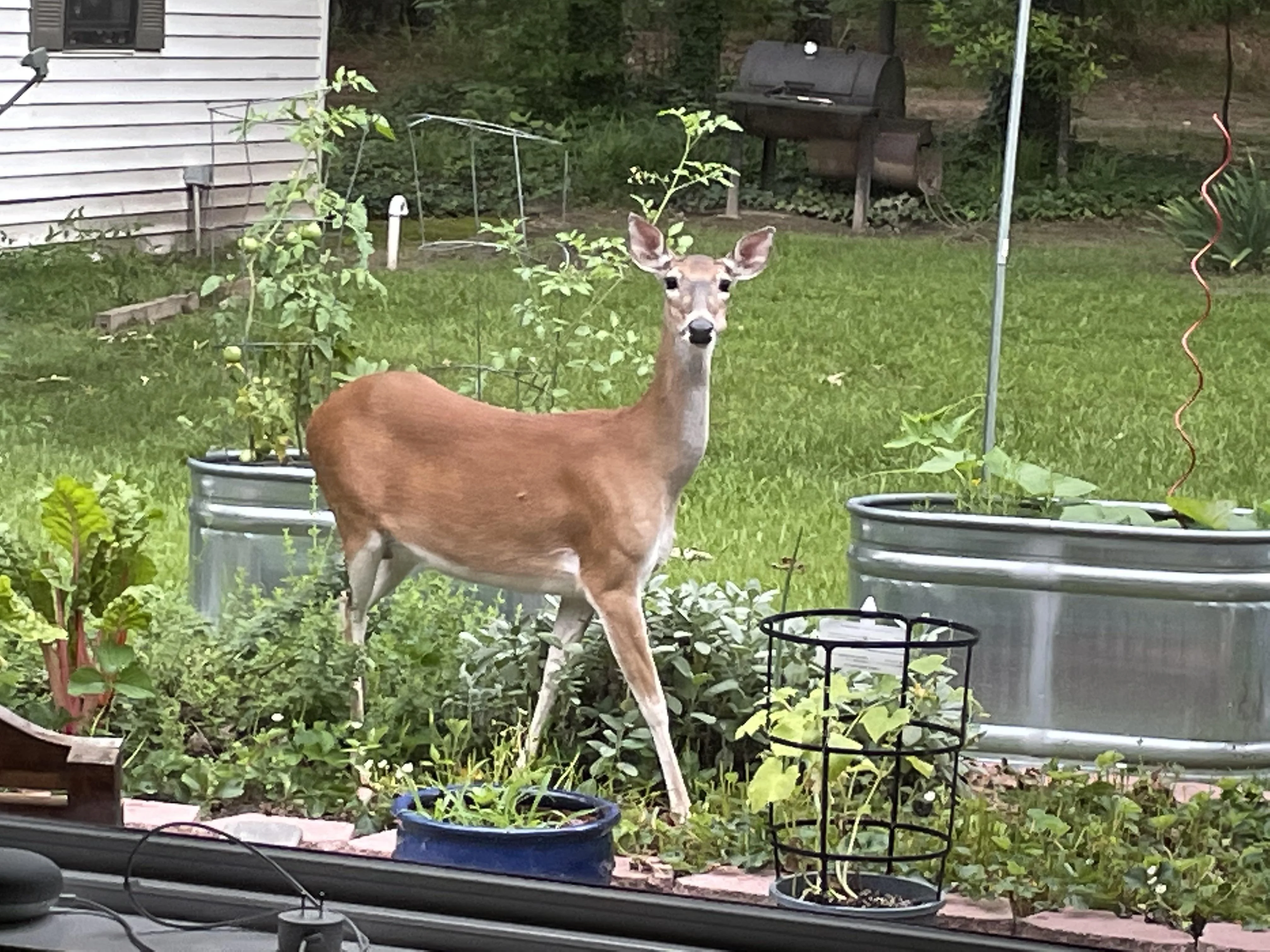
If you have ever walked out with your coffee to admire your garden and found your hostas trimmed into sad little stubs, you already know this truth: deer are not “picky.” They are persistent, hungry, and shockingly bold. The good news is you do not need harsh chemicals or an all-out war to get your garden back.
Natural deer control works best as a layered system. Think: block access, make your garden less tasty, and startle them before they settle in. Below is the exact approach I use and recommend, whether you garden on a suburban lot or have a big rural yard that deer treat like a buffet.
Why deer keep coming back
Deer are creatures of habit. If they find an easy meal, they will revisit the same route again and again, especially at dawn and dusk. A few factors make your yard extra appealing:
- Low pressure: quiet neighborhoods, few loose dogs, predictable human activity.
- Cover nearby: woods, hedgerows, tall ornamental grasses, or overgrown edges they can duck into.
- Water and salt: birdbaths, ponds, and even salty fertilizers or de-icers can attract them.
- Seasonal hunger: late winter and early spring can be rough, so “deer-resistant” becomes “deer-acceptable.”
This is why the same yard can be left alone one year and hammered the next. When the local herd increases, or when natural browse is scarce, your garden suddenly looks like a salad bar with table service.
The best natural solution: fencing
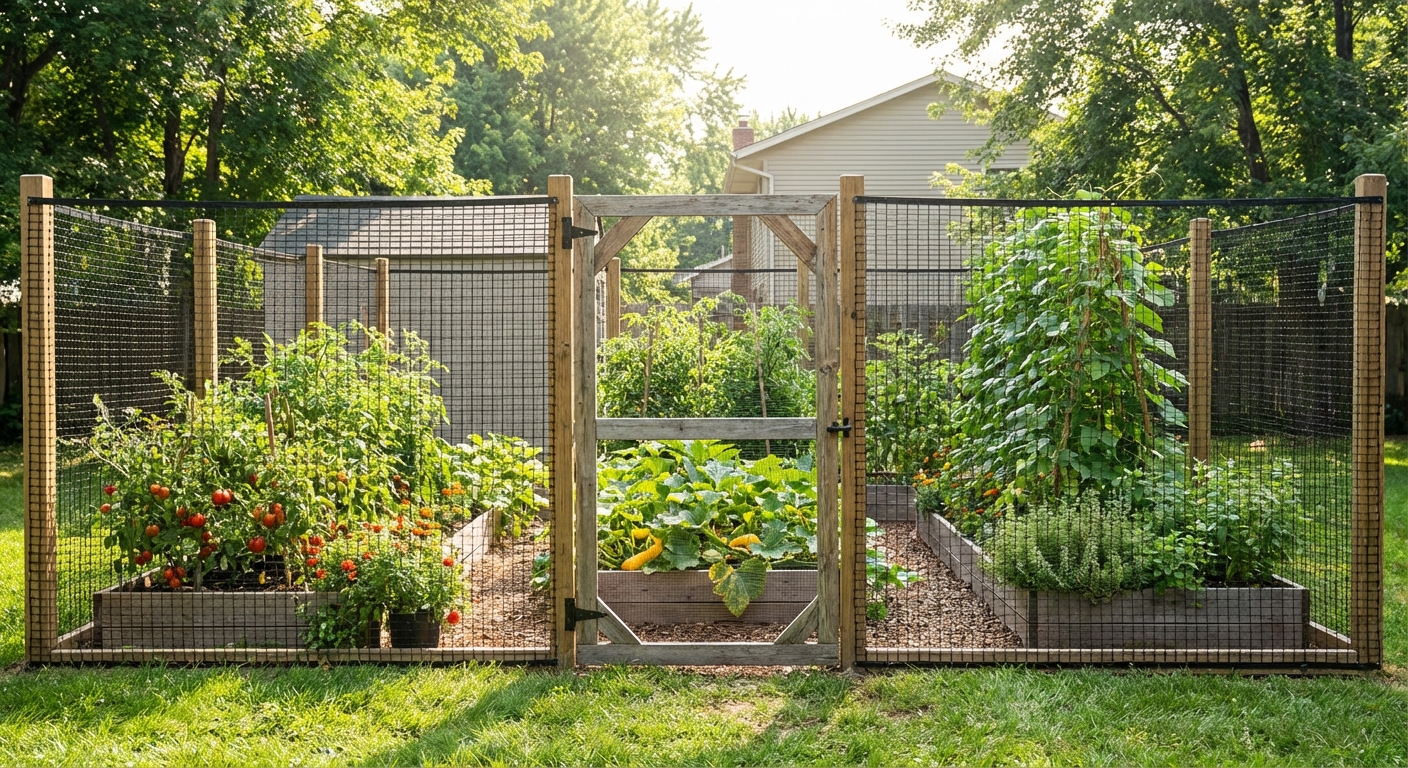
If you want the highest success rate with the least ongoing maintenance, fencing is it. Deer can jump high, and motivated deer can clear surprisingly tall barriers. The goal is to make entry feel difficult, risky, and not worth it.
Deer fence height
- 8 feet: the gold standard for reliable protection in most areas.
- 7 feet: can work in some lower-pressure yards, but it is variable. Some deer will clear 7 feet when determined.
- 5 to 6 feet: helps and may reduce casual browsing, but plenty of deer will hop it, especially in high-pressure neighborhoods or during lean seasons.
Fence styles
- Poly deer fencing (mesh): budget-friendly and less visually heavy. Use sturdy posts and keep it taut.
- Welded wire: long-lasting, more rigid, and great for permanent vegetable gardens.
- Electric (conditioning barrier): very effective when installed correctly. It delivers a painful shock, so it must be set up safely, checked regularly, and used according to local rules.
Fencing details that matter
- Fix gaps first: deer love an easy opening near a gate, corner, or sagging section.
- Make gates tight: if the latch is fiddly, you will stop using it correctly. Choose a latch you will actually secure.
- Secure the bottom edge: pin mesh to the ground or use a bottom wire so deer cannot nose underneath.
- Make it visible: add small flagging or reflective tape so deer see the barrier before they try to leap and get tangled.
Double fence trick
If an 8-foot fence is not realistic, a double fence can work because deer often avoid jumping into a tight, uncertain landing zone. Create two lower fences 3 to 5 feet apart (for example, two 4-foot fences). It is not magic and it is not foolproof, but it can be surprisingly effective in the right yard.
Safety and local rules
Before you build, take five minutes to check local ordinances, HOA rules, and property-line requirements. If you use electric fencing, follow manufacturer instructions, use warning signs where appropriate, and keep it well away from play areas and curious pets.
Deer-resistant plants and favorites
Plant choice will not solve a heavy deer problem on its own, but it can reduce damage dramatically, especially for ornamental beds and borders. Deer tend to avoid plants that are aromatic, toxic, fuzzy, thorny, or bitter.
Important: Nothing is 100 percent deer-proof. In drought, late winter, early spring, or high-pressure areas, deer may sample almost anything. Treat these lists as “often safer” versus “usually irresistible,” and let local experience be your final judge.
Plants deer often avoid
These are consistently safer picks in many regions, though any of them can be browsed when deer pressure is high:
- Herbs and aromatics: lavender, rosemary, sage, thyme, oregano, catmint (Nepeta), mint (best in containers).
- Fuzzy or prickly: lamb’s ear, Russian sage, yarrow, globe thistle (Echinops).
- Tough perennials: coneflower (Echinacea), black-eyed Susan (Rudbeckia), bee balm (Monarda), salvia, coreopsis.
- Classic deer-resistant flowers: daffodils, allium, hyacinth, snowdrops, hellebores.
- Shrubs: boxwood, inkberry holly, pieris, spirea (often), potentilla.
- Grasses and sedges: feather reed grass, switchgrass, blue fescue (deer may bed nearby, but usually do not eat).
Plants deer love
If deer are visiting regularly, these favorites are basically an invitation:
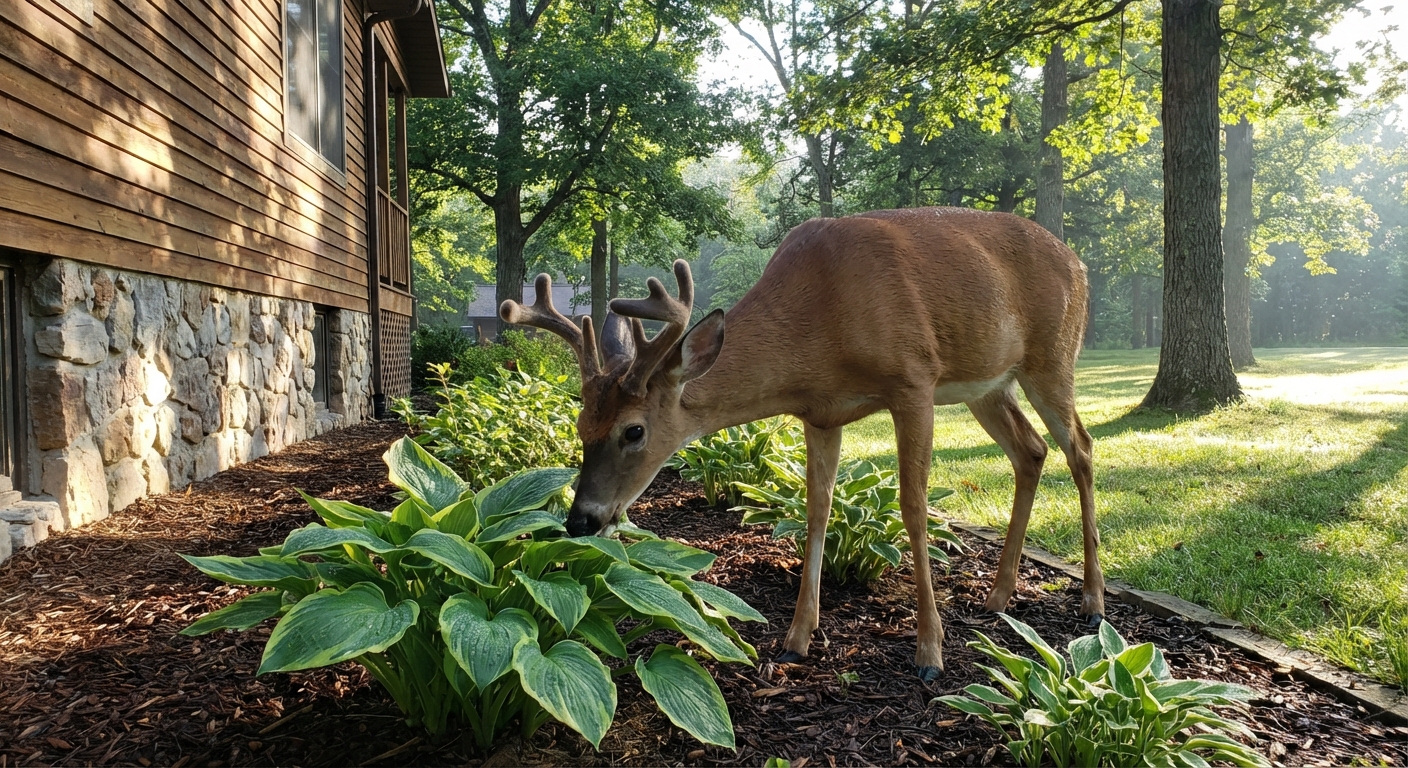
- Tender ornamentals: hostas, tulips, daylilies, pansies, petunias, impatiens.
- Edible crops: beans, peas, lettuce, spinach, Swiss chard, sweet potato vines, strawberry plants.
- Fruit and brambles: young apple trees, blueberry shrubs, raspberry canes, grape vines.
- Shrubs and trees: arborvitae, yew, roses, young maples, many tender new shoots in spring.
How to plant strategically
- Create an outer ring: plant more deer-resistant herbs and tough perennials on the bed edge as a first line of discouragement.
- Hide the candy: tuck deer favorites closer to the house, inside a fenced area, or behind thorny shrubs.
- Mix textures and scents: a monoculture buffet is easier for deer to browse than a mixed, aromatic border.
Natural repellents
Repellents work by making plants smell or taste “wrong.” The big key is consistent reapplication, especially after rain, heavy dew, irrigation, or when plants are pushing fresh growth. Always follow the product label first, since timing varies by formula and weather.
Commercial repellents
Look for formulas based on one or more of these common active ingredients:
- Putrescent egg solids: a strong smell signal that deer dislike.
- Garlic and botanical oils: helpful for light to moderate pressure.
- Capsaicin (hot pepper): taste-based deterrent, often best for ornamentals.
Follow label directions closely. Many products are safe for ornamentals and some are labeled for edible gardens, but always check for food-crop labeling, any pre-harvest interval, and washing guidance. If you have delicate plants, do a small test spray first.
DIY deer repellent spray
This is my go-to for quick coverage on non-edible ornamentals. It works best as a short-term tool while you build longer-term defenses.
- 2 whole eggs
- 1 quart of water
- 1 tablespoon of mild liquid soap (helps it stick)
How to make it: Blend eggs with water, strain through cheesecloth (skip this and you will clog your sprayer), then add soap. Spray on foliage and stems. Reapply as needed, typically every 7 to 14 days, and after rain.
Important: Avoid spraying egg mixtures in extreme heat where odor can become overpowering up close, and do not spray directly on edible leaves you plan to harvest soon.
Garlic and pepper spray for perimeter plants
For a plant-friendly perimeter spray, steep crushed garlic in water overnight, strain, then add a small squirt of soap. If you add cayenne, treat it like a taste deterrent and keep it off anything you will harvest without washing well.
Make repellents work
- Start early: begin when new growth emerges, before deer make your yard a habit.
- Rotate products: deer can acclimate to one smell over time.
- Hit new growth: tender tips are what deer want most.
- Reapply after weather: heavy rain can mean you need to respray sooner than planned.

Humane scare tactics
Scare tactics work best when they are unpredictable. If the same thing happens every night, deer learn it is harmless. Pair scare tactics with repellents or fencing for the best results.
Motion-activated options
- Motion-activated sprinklers: one of the best humane deterrents. Deer hate surprise water.
- Motion lights: helpful, especially in smaller yards, though deer can acclimate.
- Motion alarms: can work, but consider neighbors and pets.
Low-tech options
- Reflective tape or pinwheels: best for short periods, like protecting tulips in spring.
- Wind chimes: mild help, especially if moved around occasionally.
- Dog presence: even the scent of a dog can change deer behavior. Supervised yard time helps most.
If you try only one scare tactic, make it a motion-activated sprinkler. It is the closest thing to a polite but firm “No, thank you” your garden can deliver.
Layout tricks
Sometimes the biggest improvement comes from changing how deer move through your space.
Make your garden less welcoming
- Remove hiding spots: keep edges trimmed, especially near beds deer frequent.
- Create narrow entry points: deer prefer wide, easy access routes.
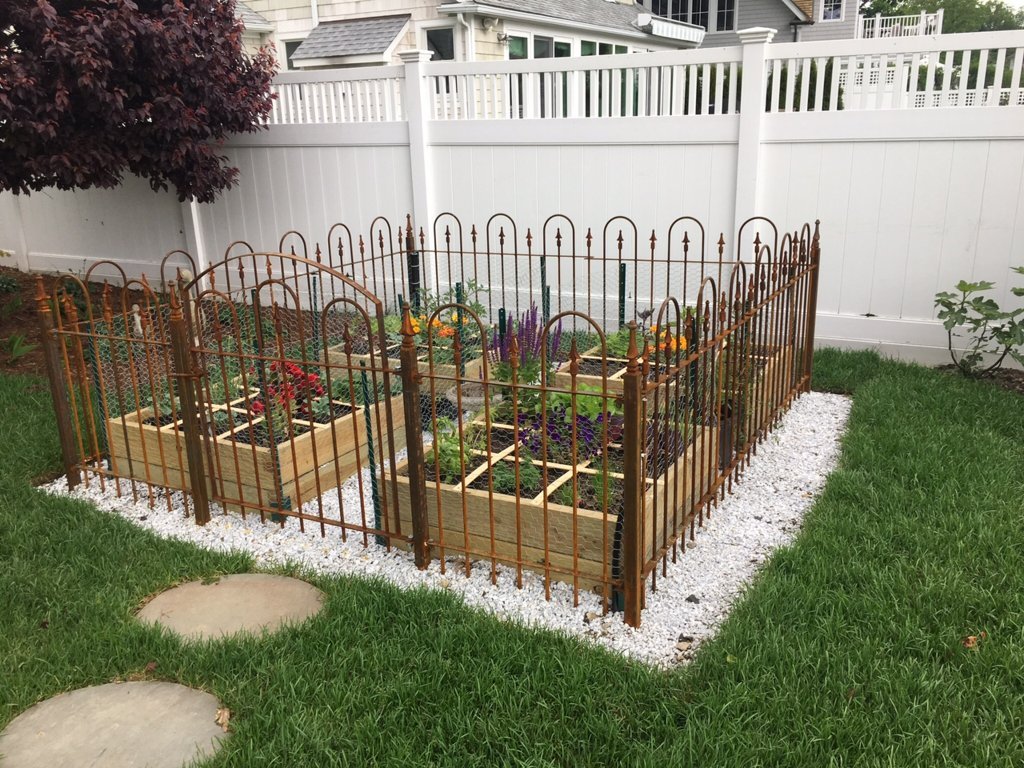
- Use raised beds: they do not stop deer alone, but they help when paired with a low fence or repellent routine.
- Plant in clusters: interplant deer-resistant herbs among susceptible plants to confuse the nose.
Protect their first targets
Deer often browse the same species repeatedly. If you know your local herd loves hostas, beans, or tulips, protect those specifically with a mini fence, netting, or a consistent spray schedule. You do not have to fortress the entire yard on day one.
Seasonal strategies
Spring
- New growth is irresistible. Start repellents early and reapply consistently.
- Protect tulips and young perennials before buds form.
Summer
- Deer may browse less if wild forage is abundant, but drought can push them into irrigated gardens.
- Keep up repellent after thunderstorms, heavy dew, and frequent watering.
Fall
- Deer feed heavily before winter. Expect renewed pressure.
- Protect shrubs and young trees. Browsing and rubbing can increase.
Winter
- In snowy areas, deer browse whatever is reachable. Physical barriers help most.
- Evergreens like arborvitae can be heavily damaged. Wraps and cages prevent long-term harm.
Stop rubbing damage
If you see shredded bark or scuffed trunks, that is usually buck rubbing. Repellents rarely solve it. Physical protection does.
- Wire cage: circle the trunk with sturdy welded wire and leave a few inches of breathing room.
- Tree shelters or guards: use breathable guards sized for your tree, and remove or loosen as the trunk grows.
- Protect new plantings: young trees and shrubs are the most vulnerable for both browsing and rubbing.
If deer still get in
If you have fencing and deer are still browsing, it is usually a simple failure point. Here are the first things I check:
- Gate not fully latched or a corner that flexes open.
- Sagging mesh that creates a low spot for an easy hop.
- Gaps at the bottom near uneven ground, mulch, or a washed-out edge.
- Overhanging branches that allow a jump-in from higher ground or a landing spot.
- Terrain advantage like a slope, stacked rocks, or a raised bed near the fence line that effectively lowers the height.
A simple plan
If deer are actively eating your garden right now, here is a realistic step-by-step that does not require doing everything at once:
- Identify the top 5 favorite plants getting hit and protect them first.
- Install a barrier where it matters most, like fencing a vegetable patch or a single bed.
- Add a motion-activated sprinkler on the main approach route.
- Use a repellent rotation for 3 to 4 weeks to help break the habit loop, reapplying per label and after weather.
- Replant borders with resistance in mind using aromatics and tougher perennials as your outer layer.
Deer control is rarely one perfect product. It is a calm routine, a few smart physical barriers, and a garden that stops advertising itself as the easiest meal on the block. And if you slip up or they get a nibble anyway, it does not mean you failed. It just means you are gardening in a living ecosystem, which is messy and beautiful and worth it.
Quick FAQs
Do coffee grounds keep deer away?
Results are mixed and usually inconsistent. Coffee grounds can add organic matter to soil in small amounts, but as a deer deterrent they are not dependable, especially once deer get used to the scent.
Will human hair or bar soap repel deer?
Sometimes, briefly, and results vary a lot by location and deer pressure. These scent tricks can help for a week or two, but deer often adapt. Consider them short-term fillers, not the foundation.
What is the most humane deer deterrent?
Physical barriers like fencing and motion-activated sprinklers are highly effective and humane. Repellents can be humane too when used as directed.