
How to Grow Zucchini and Summer Squash

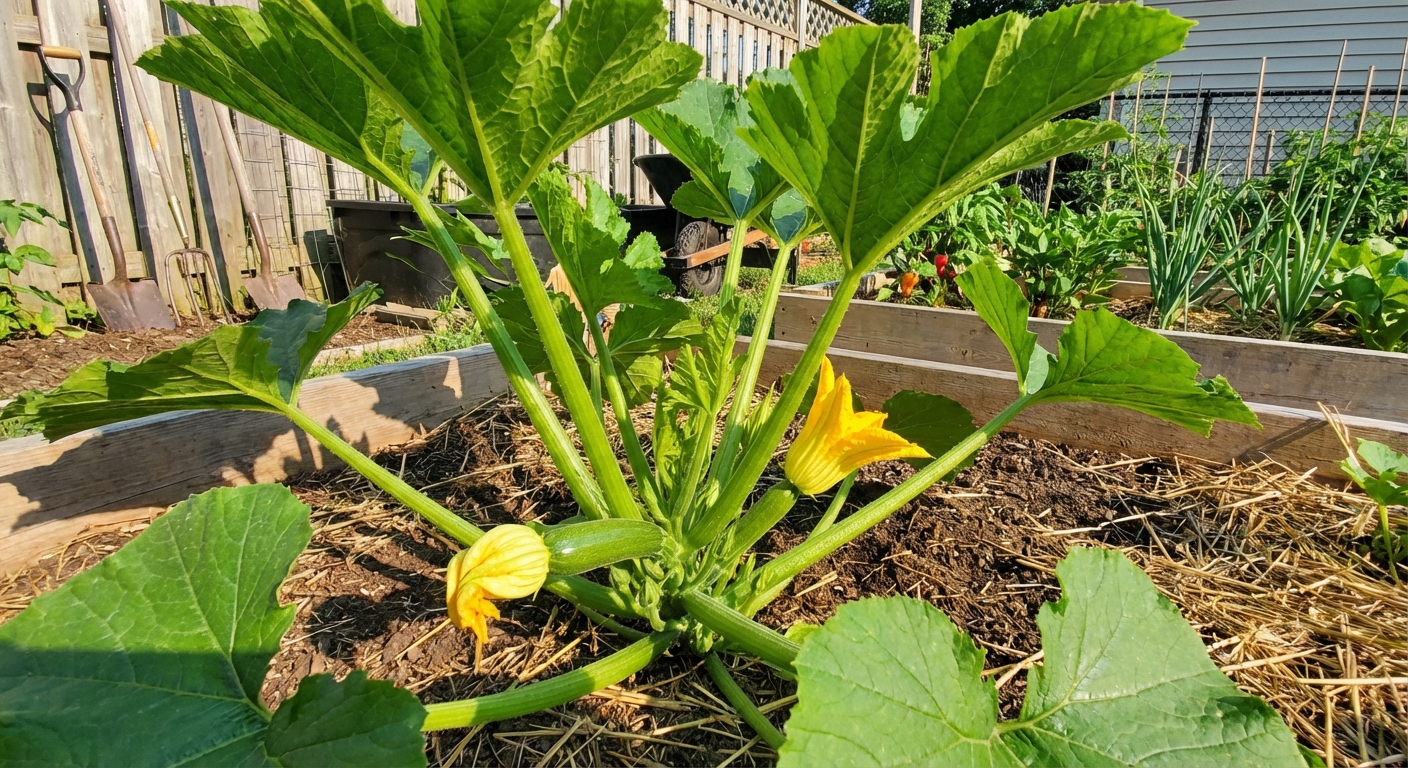
Zucchini has a funny way of making confident gardeners out of nervous beginners. Plant one seedling, keep it watered, and suddenly you are handing squash to neighbors like you are running a tiny roadside farm stand.
In this guide, I will walk you through growing zucchini and other summer squash in garden beds and large containers, plus how to avoid the classic headaches: poor pollination, powdery mildew, pests, and the dreaded baseball bat zucchini.
Zucchini vs. summer squash
Zucchini is a type of summer squash, which means it is harvested tender with thin, edible skin. Other summer squash you may grow the same way include:
- Yellow straightneck and crookneck
- Pattypan (those cute flying saucer shapes)
- Round zucchini
They all like warm weather, rich soil, steady moisture, and plenty of space and airflow. The good news is that once you learn one, you have basically learned them all.
Best conditions for fast, healthy squash
Sun
Aim for full sun, at least 6 hours per day, and 8 to 10 is even better for heavy production.
Soil
Squash are hungry plants. They thrive in loamy, well-draining soil with lots of organic matter. If you only do one thing, do this: work compost into the planting area before you plant.
If you want a deeper dive, Leafy Zen has a full guide on composting and building soil you can lean on year after year: How to Make Compost for a Healthier Garden.
Temperature
Summer squash hate cold feet. Plant outdoors only after:
- All danger of frost has passed
- Night temperatures are reliably above about 50°F / 10°C
- Soil is warming up, ideally 65°F / 18°C or warmer
Garden beds: planting and spacing
This is the part where zucchini gets dramatic. It looks small at planting time. Then it becomes a leafy octopus.
How far apart to plant
- Bush types (most zucchini and yellow squash): space 2 to 3 feet apart in rows 3 to 4 feet apart.
- Vining types: give 3 to 4 feet per plant, or plan to trellis.
Good spacing is not just about size. It is one of your best tools for mildew prevention because it improves airflow and helps leaves dry faster after watering or rain.
Direct sowing vs. transplants
You can do either. Here is how I decide:
- Direct sow if your summers are long and your soil warms quickly.
- Transplant if you want an earlier start or you struggle with pests eating seedlings.
Direct sow steps
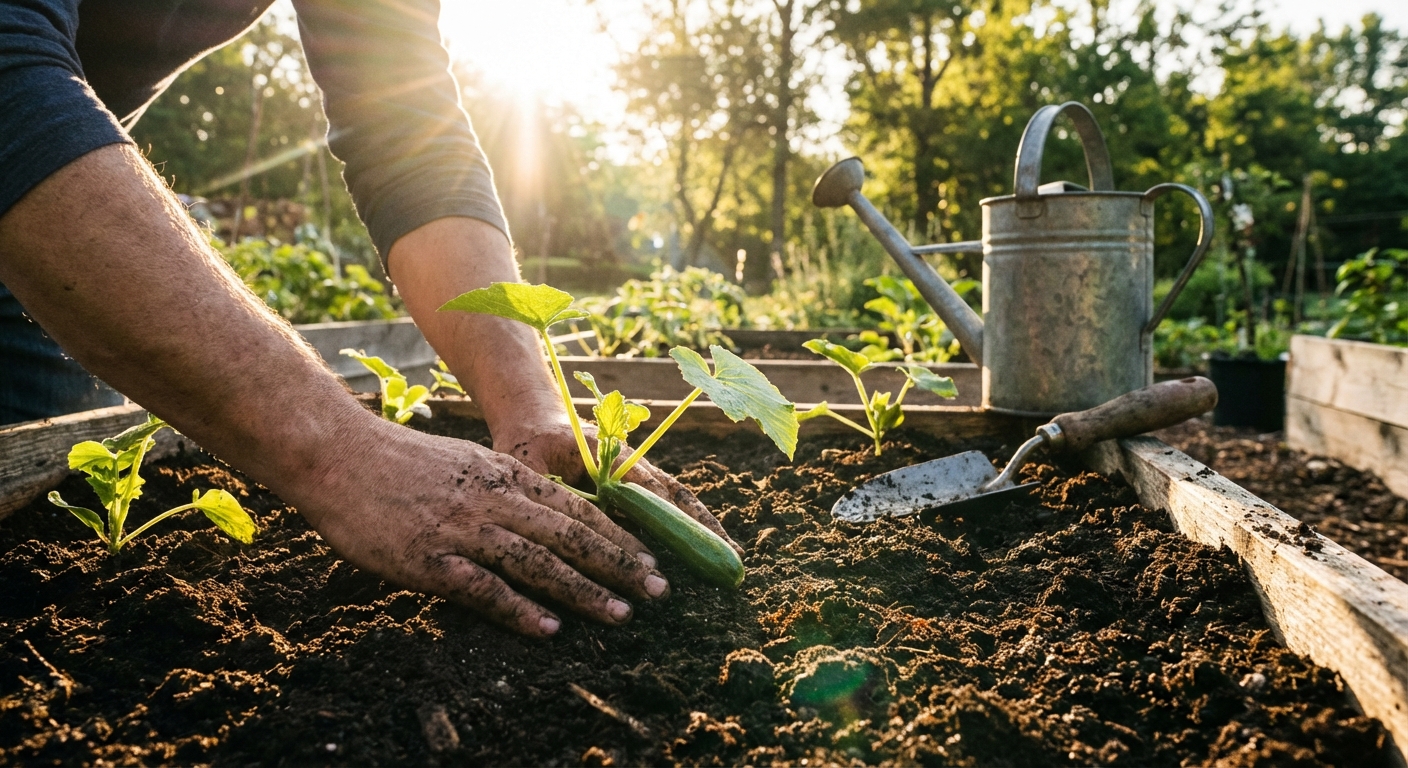
- Make a small mound or slightly raised planting area to improve drainage.
- Plant seeds 1 inch deep.
- Sow 2 to 3 seeds per spot, then thin to the strongest plant once they have true leaves.
- Water gently and keep the soil evenly moist until germination.
Containers: yes, you can grow zucchini on a patio
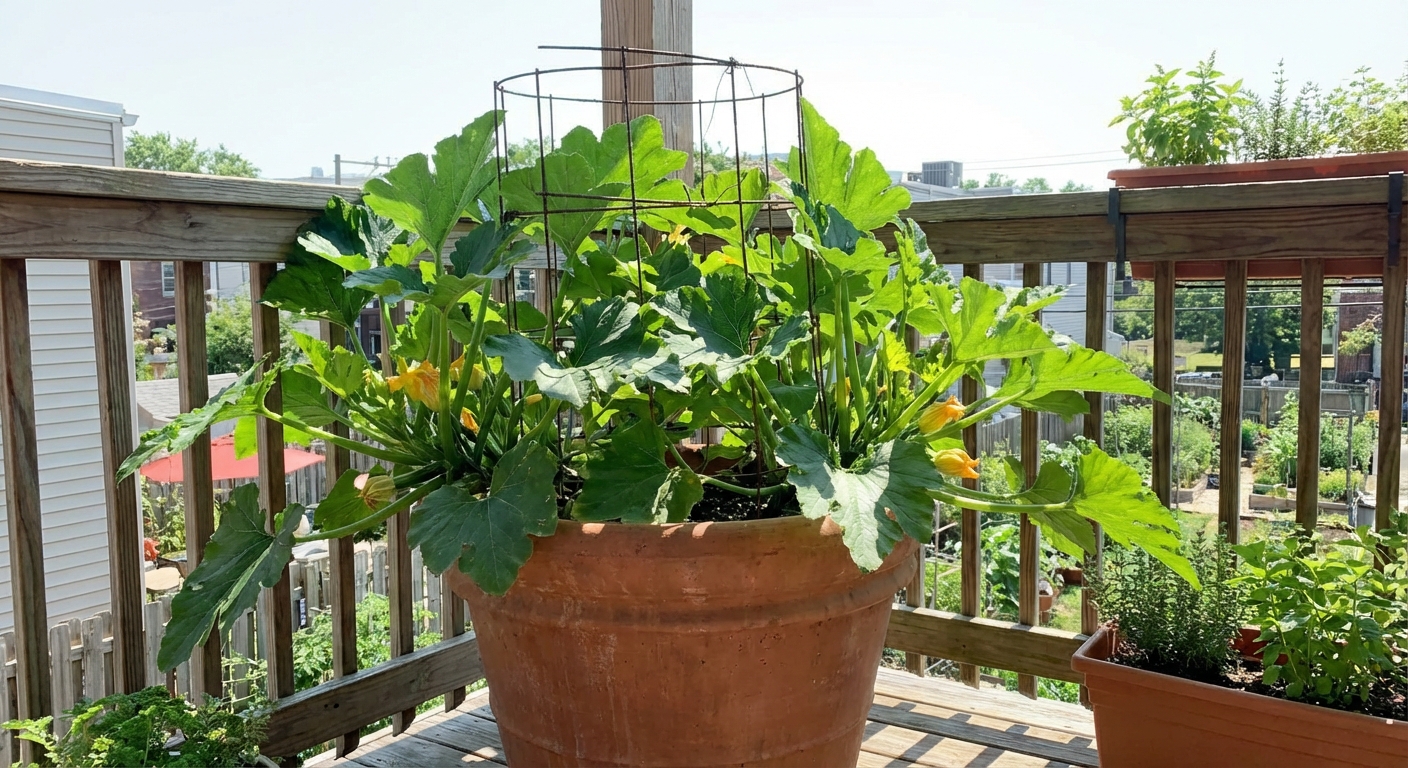
Container zucchini is absolutely doable, but the container has to match the plant’s ambition.
Container size
- Use a pot that holds at least 15 to 20 gallons for one plant.
- Wider is better than tall. Zucchini roots spread.
- Make sure there are generous drainage holes.
Soil mix for pots
Skip garden soil in containers. Use a quality potting mix and enrich it:
- About 2 parts potting mix
- 1 part finished compost
- Optional: a handful of worm castings for a gentle nutrient boost
Watering in containers
In pots, squash can go from “fine” to “flopped over and fainting” in one hot afternoon. Check moisture daily in summer. Water deeply when the top inch feels dry.
Support
Even bush varieties can sprawl. A sturdy tomato cage or a short trellis can keep leaves off the soil and improve airflow.
Watering and feeding without overdoing it
Water at the base
Squash leaves are big and they love to trap moisture. Watering overhead can invite disease. Instead, water at the soil line and aim for consistent moisture, not soggy soil.
Mulch helps everything
Add 2 to 3 inches of straw, shredded leaves, or untreated grass clippings once the soil is warm. Mulch:
- Reduces evaporation
- Prevents soil splash (which can spread disease)
- Keeps fruit cleaner
Fertilizing
If you started with compost-rich soil, you may not need much else. If plants look pale or production slows, side-dress with compost or use a gentle organic fertilizer. Avoid going heavy on nitrogen, which can give you a gorgeous jungle of leaves and fewer fruits.
Pollination problems (and how to fix them)
This is the number one reason gardeners say, “My zucchini flowers but never makes zucchini.” Summer squash have separate male and female flowers on the same plant, and they need pollen transferred between them, usually by bees.
How to tell male vs. female flowers
- Male flower: on a thin stem, no swelling at the base.
- Female flower: has a tiny “baby squash” swelling behind the flower.
Signs of poor pollination
- Tiny fruits start, then turn yellow and shrivel
- Lots of flowers, but fruits do not develop
Easy fixes
- Be patient early on: plants often produce male flowers first.
- Grow pollinator-friendly flowers nearby: calendula, borage, zinnias, sunflowers.
- Avoid spraying anything during bloom: even organic products can harm pollinators if used at the wrong time.
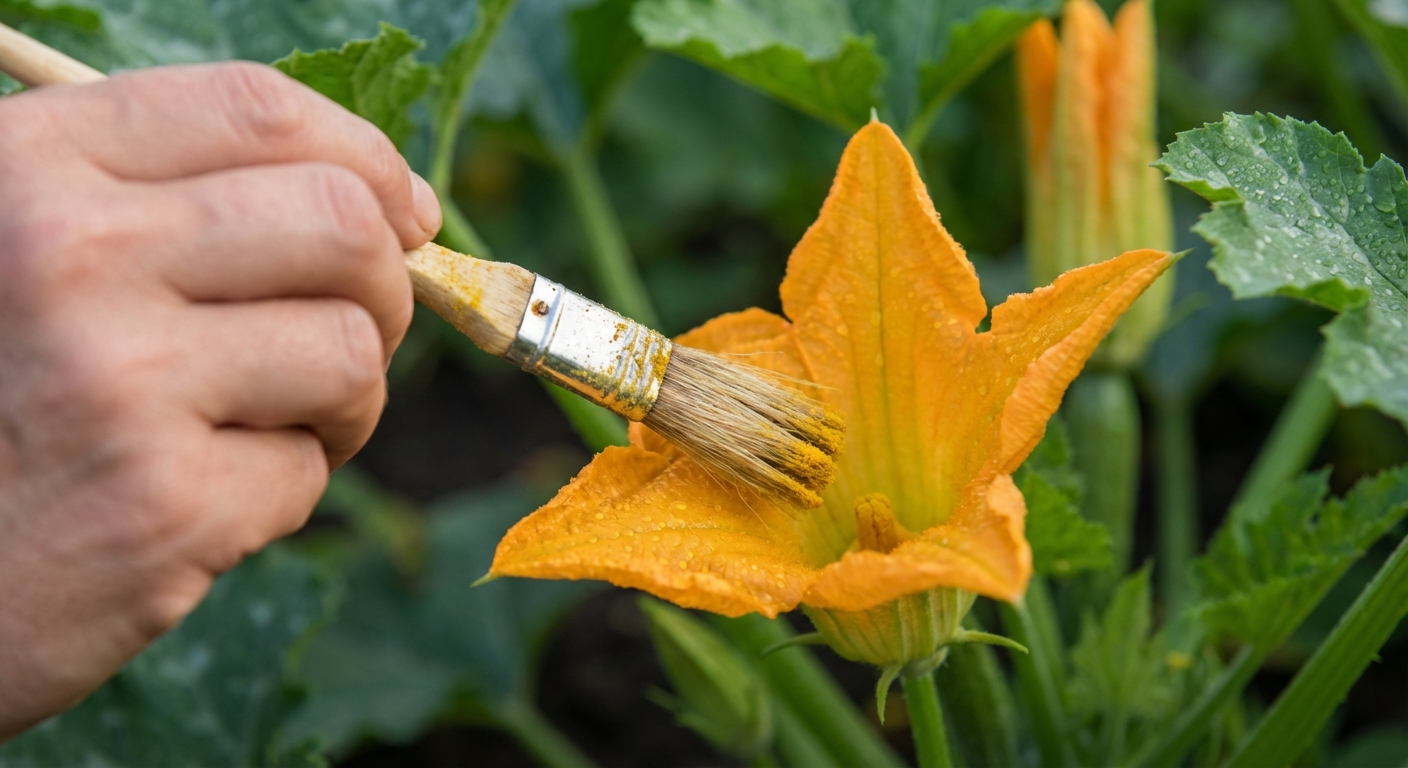
- Hand-pollinate: in the morning, pick a male flower, peel back petals, and gently brush pollen onto the center of a female flower. A small paintbrush also works.
Powdery mildew: prevent it before it takes over
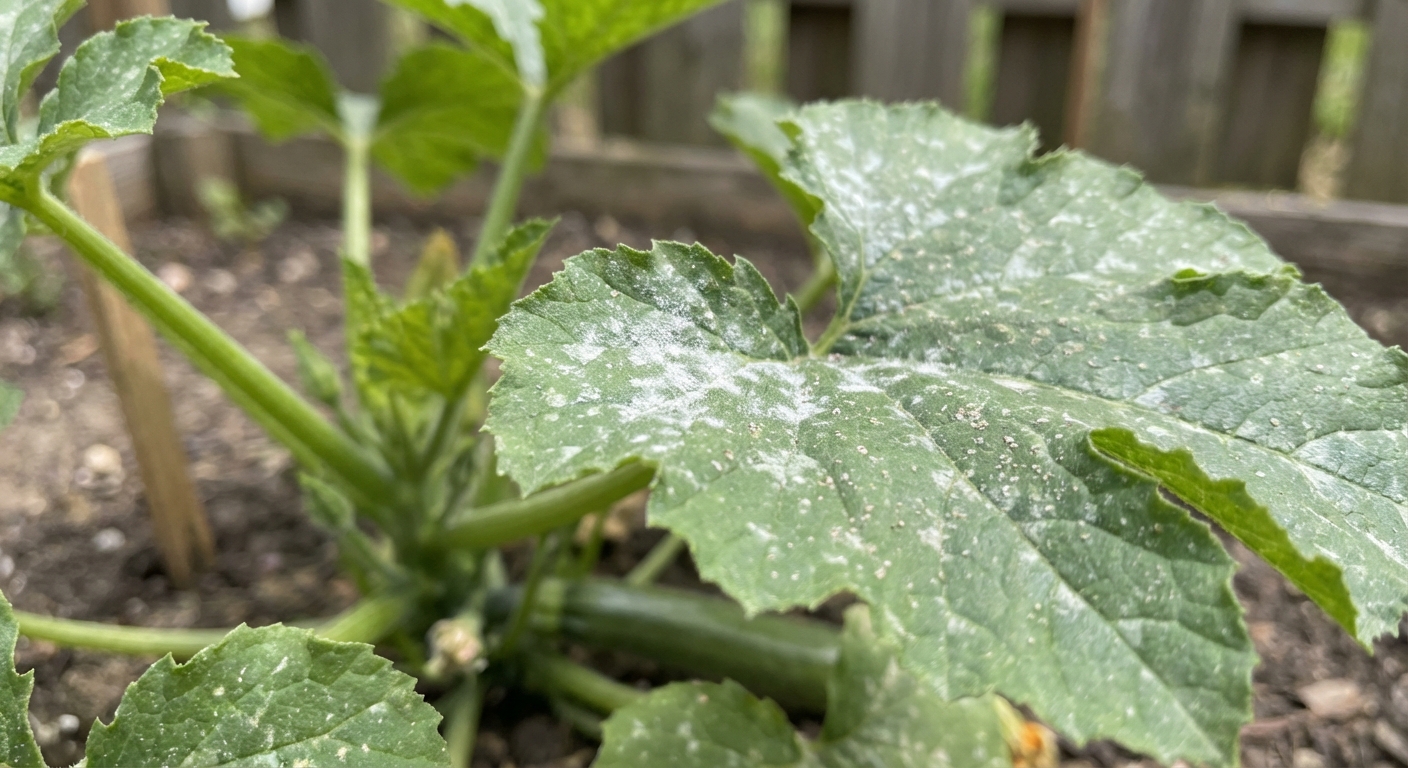
If you have ever grown squash, you have probably met powdery mildew. It looks like white flour dusted on the leaves and can slow the plant down hard by late summer. The goal is not perfection. The goal is keeping plants productive long enough to get a great harvest.
Prevention checklist
- Space plants well so leaves can dry quickly
- Water at the base, not over the leaves
- Mulch to reduce soil splash
- Pick resistant varieties if mildew is common in your area
- Prune selectively by removing a few older leaves near the base to increase airflow
What to do if you see it
Remove the worst affected leaves (do not compost them if disease pressure is high) and focus on keeping the plant unstressed with steady water. If you use an organic spray, follow label directions carefully and apply in the evening when pollinators are not active.
For a more detailed walkthrough, including organic options and timing, visit: How to Prevent Powdery Mildew in the Garden.
Pests to watch for
Zucchini is generous, but it is also popular at the all-you-can-eat insect buffet. Two pests cause most of the drama in home gardens: squash vine borers and squash bugs. Catching them early makes a huge difference.
Squash vine borer
If a healthy-looking plant suddenly collapses, this is the prime suspect. The larva tunnels inside the stem, which blocks water flow. It can look like “it wilted overnight for no reason,” which is exactly why it breaks hearts.
- What to look for: sudden wilting that does not recover by morning, a small hole or split near the base of the stem, and frass (sawdust-like orange or tan gunk) at the stem base.
- What to do right away: mound soil or compost over the stem nodes to encourage extra rooting, keep the plant evenly watered, and remove badly collapsed plants so the pest does not keep developing in place.
- Prevention habits: use a lightweight row cover early in the season and remove it when flowering starts (so pollinators can do their job), rotate where you plant squash, and clean up vines at the end of the season.
Squash bugs
These sap-sucking pests are the slow-burn problem. They sneak up on you, and then suddenly you have leaves looking tired and speckled, plus clusters of bugs hiding like they pay rent.
- What to look for: bronze or brown adult bugs, gray nymphs, and clusters of coppery-brown eggs on the underside of leaves, usually along the veins.
- Easy control: check leaf undersides a few times a week, scrape eggs off with your fingernail or a piece of tape, and drop nymphs and adults into soapy water.
- Prevention habits: keep weeds down, avoid letting plants sprawl into a dense mat, and remove old vines and debris where they like to hide.
Common zucchini and squash issues
Lots of leaves, few fruits
- Often caused by too much nitrogen or low pollination.
- Ease up on high-nitrogen fertilizer and encourage pollinators or hand-pollinate.
Blossom end rot look-alike
Sometimes fruits rot at the blossom end due to inconsistent watering or incomplete pollination. Keep moisture steady and improve pollination. True blossom end rot is more common in tomatoes and peppers than in squash, but watering consistency still matters here.
Wilting in the afternoon
Squash leaves can droop during midday heat, then perk up in the evening. If the plant is still wilted the next morning, check soil moisture and take a close look at the base of the stem. If you see frass or a small hole, think squash vine borer and act fast.
Harvesting: pick small, pick often
This is the secret to tender squash and nonstop production: harvest regularly. Every oversized fruit left on the plant tells it, “Mission accomplished,” and production slows.
Best harvest size
- Zucchini: about 6 to 8 inches long is a sweet spot for texture and flavor.
- Yellow squash: 4 to 7 inches is usually perfect.
- Pattypan: 2 to 4 inches across is tender and adorable.
How to harvest
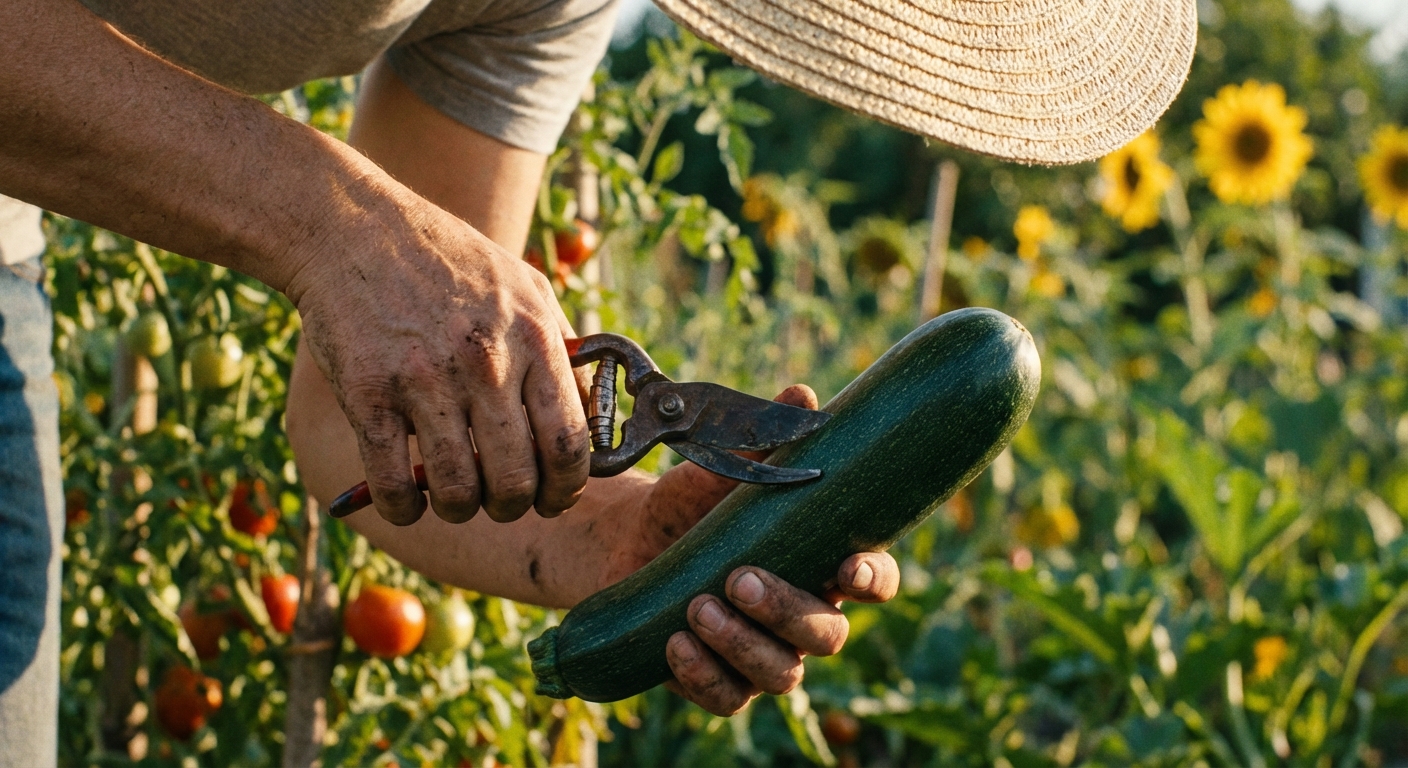
- Use clean pruners or a knife. Do not twist hard, you can snap stems and stress the plant.
- Harvest in the morning if you can, when fruits are firm and hydrated.
- Check plants every day or two during peak season.
Keeping plants producing longer
- Keep picking: frequent harvest is the biggest yield booster.
- Remove tired leaves: as the plant grows, clip a few older, spotted leaves to improve airflow.
- Feed lightly midseason: a compost side-dress can refresh container plants and heavy producers.
- Plant a second round: in long-season climates, a late spring planting plus a mid-summer planting can spread out your harvest.
Quick start checklist
- Plant after frost, in warm soil and full sun
- Give each plant real space, or use a very large container
- Water at the base and mulch to reduce stress and disease
- Watch for pollination issues and hand-pollinate if needed
- Prevent powdery mildew with airflow and good watering habits
- Scout for squash bugs and squash vine borers before they get established
- Harvest small and often for the best flavor and ongoing production
If your first season is a little messy, welcome to the club. Zucchini teaches all of us the same lesson: the garden does not want you to be perfect. It just wants you to show up regularly, notice what is happening, and adjust one small thing at a time.