
How to Grow Sunflowers from Seed

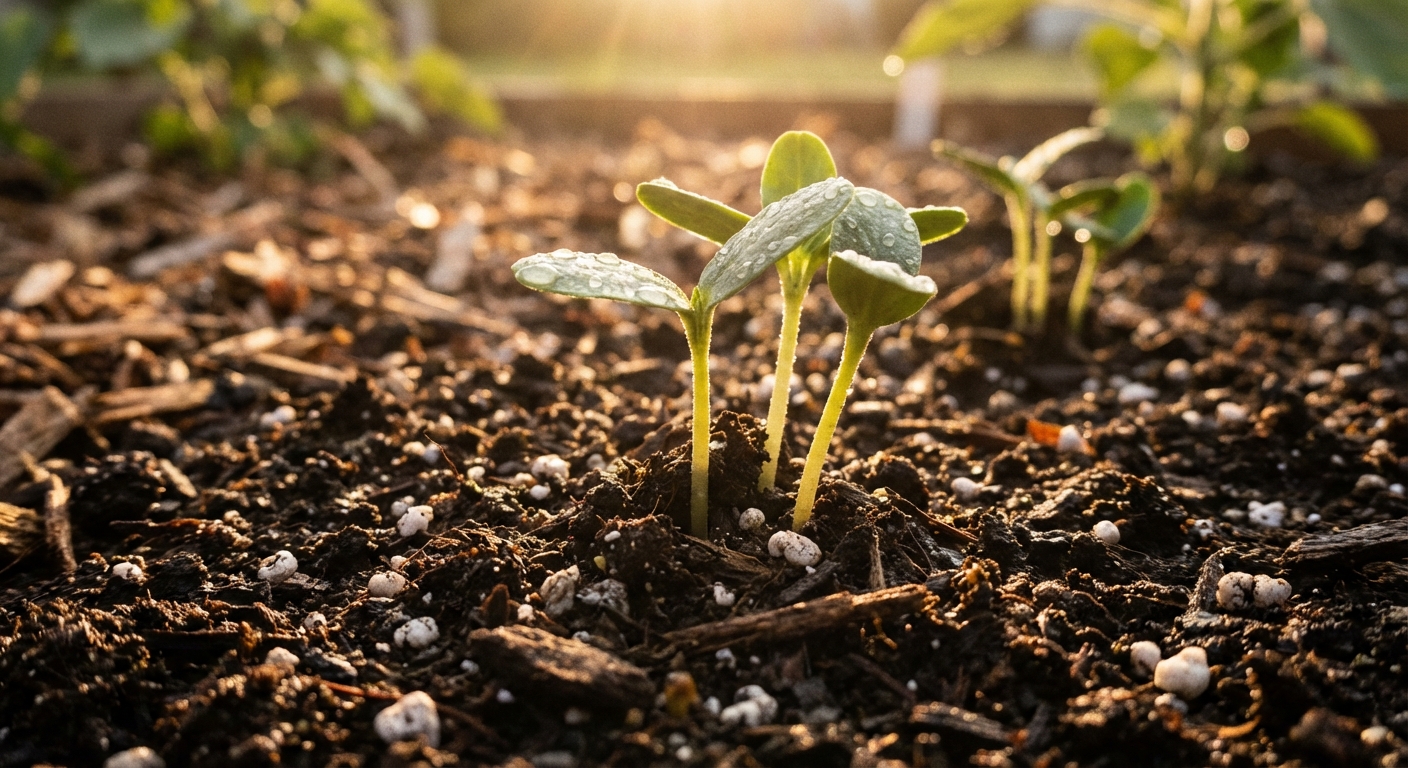
Sunflowers are the kind of plant that turns a regular yard into a place you want to linger. They are also wonderfully beginner-friendly, as long as you give them sun, decent soil, and the right spacing. In this guide, I’ll walk you from seed to harvest with practical, organic-first steps that work in beds, raised beds, and big containers.
Choose the right sunflower type
Before you buy a packet, decide what you want your sunflowers to do. Height, branching, and pollen all matter, especially if you’re growing for bouquets.
Giant (single-stem) sunflowers
- Best for: dramatic garden height, kids’ gardens, seed harvest.
- What to expect: one main stalk, one big flower head, often 6 to 12 feet tall (sometimes taller).
- Good to know: giants are more likely to need staking and wind protection.
Dwarf sunflowers
- Best for: containers, small beds, front borders.
- What to expect: shorter plants, often 1 to 3 feet tall, with proportionally smaller blooms.
- Good to know: drought stress shows up faster in pots, so keep watering consistent.
Branching sunflowers
- Best for: lots of blooms over a longer season, cut flowers.
- What to expect: multiple stems and many smaller flower heads per plant.
- Good to know: deadheading is not required for many branching types because they keep producing, but you can remove spent blooms for tidiness and to encourage continued flowering on some varieties.
Cut-flower traits
If bouquets are the goal, check the variety description for these traits:
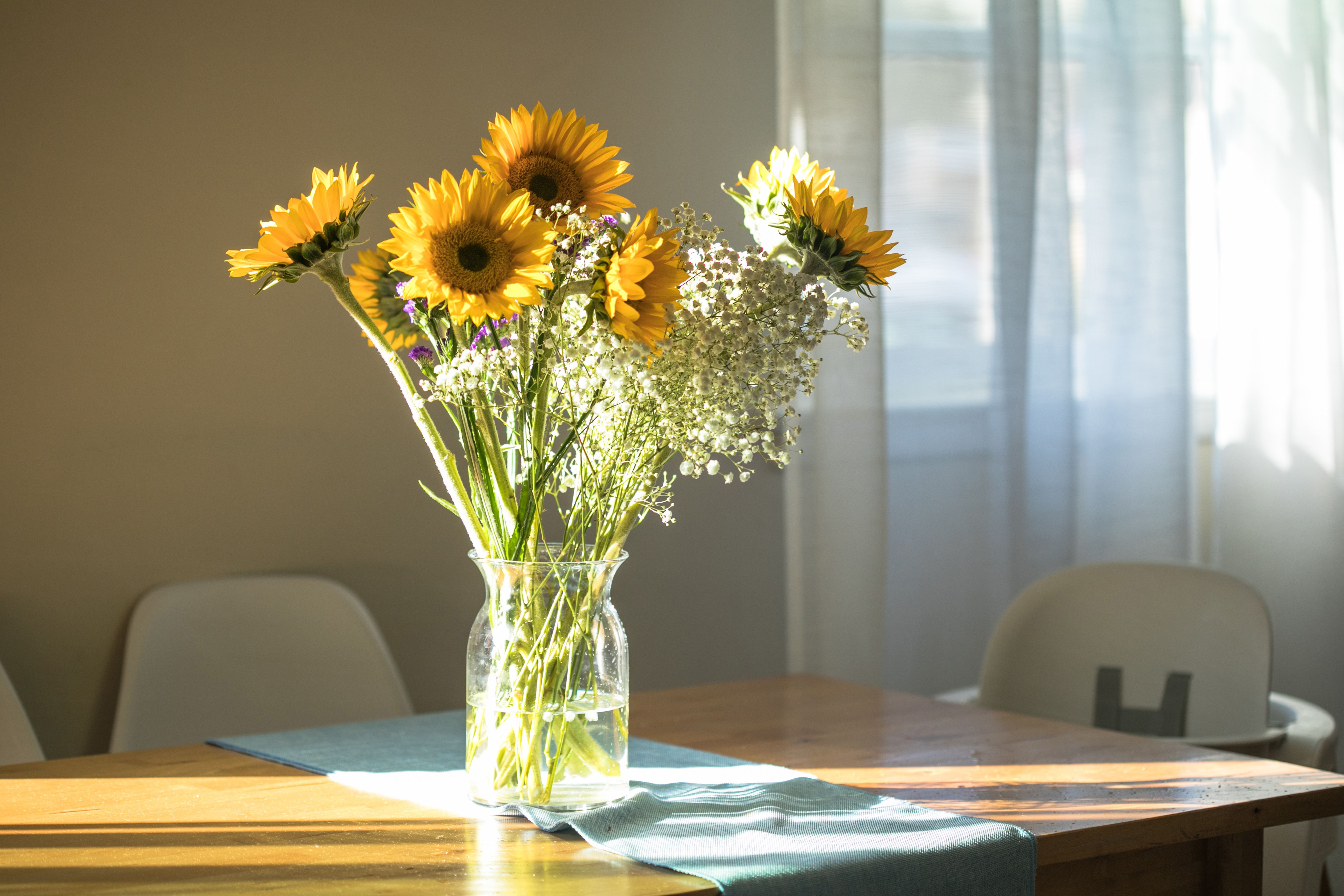
- Pollenless: cleaner bouquets and less staining on tablecloths. Great for indoors.
- Strong stems: helps blooms hold up in a vase.
- Uniform bloom timing: useful if you want a predictable harvest window.
- Color range: beyond classic yellow, you can grow creamy, copper, burgundy, and bi-color blooms.
Container sunflowers in 60 seconds
If you are growing in pots, a little planning up front saves a lot of stress later.
- Pot size: 5 to 7 gallons for most dwarfs. 10 to 15+ gallons for branching types. Giants are best in-ground, but if you try a pot, go very large (15 to 25 gallons) and expect staking.
- Depth: aim for 12 to 18 inches deep (deeper is better).
- Drainage: non-negotiable drainage holes.
- How many per pot: usually 1 plant per container (especially branching and larger dwarfs).
- Water: containers dry out fast. In warm weather you may water daily.
- Support: add a stake early for anything over about 2 to 3 feet.
When to plant sunflower seeds
Sunflowers are warm-season plants. They do best when the soil has warmed and nights are reliably mild.
- Direct sow outdoors: after your last frost date, once the soil is around 60°F (16°C) or warmer for reliable germination (a bit cooler can work, but it is slower).
- Succession planting: sow a small batch every 1 to 2 weeks for a rolling wave of blooms, especially for cut flowers.
- Short-season areas: choose faster varieties and plant as soon as conditions allow.
They can be started indoors, but sunflowers dislike root disturbance. If you do start inside, use deep, biodegradable pots and transplant very gently while small.
Sunlight and placement
Sunflowers want full sun, the open kind that keeps the plants sturdy and the blooms bold.
- Light: 6 to 8+ hours of direct sun.
- Wind: tall varieties appreciate a spot with some shelter from strong gusts.
- Space from fences: give giants room so the heads can track the sun without leaning into a barrier.
Soil prep
Sunflowers are not fussy, but they are moderate feeders that appreciate fertile, well-drained soil, especially tall or giant types building thick stalks and big flower heads. Better soil usually means sturdier stems and fewer toppled plants.
Quick soil checklist
- Drainage: good drainage is non-negotiable. Soggy soil invites rot.
- Fertility: moderately rich soil helps, but avoid overdoing nitrogen.
- pH: most garden soils are fine. Sunflowers tolerate a broad range.
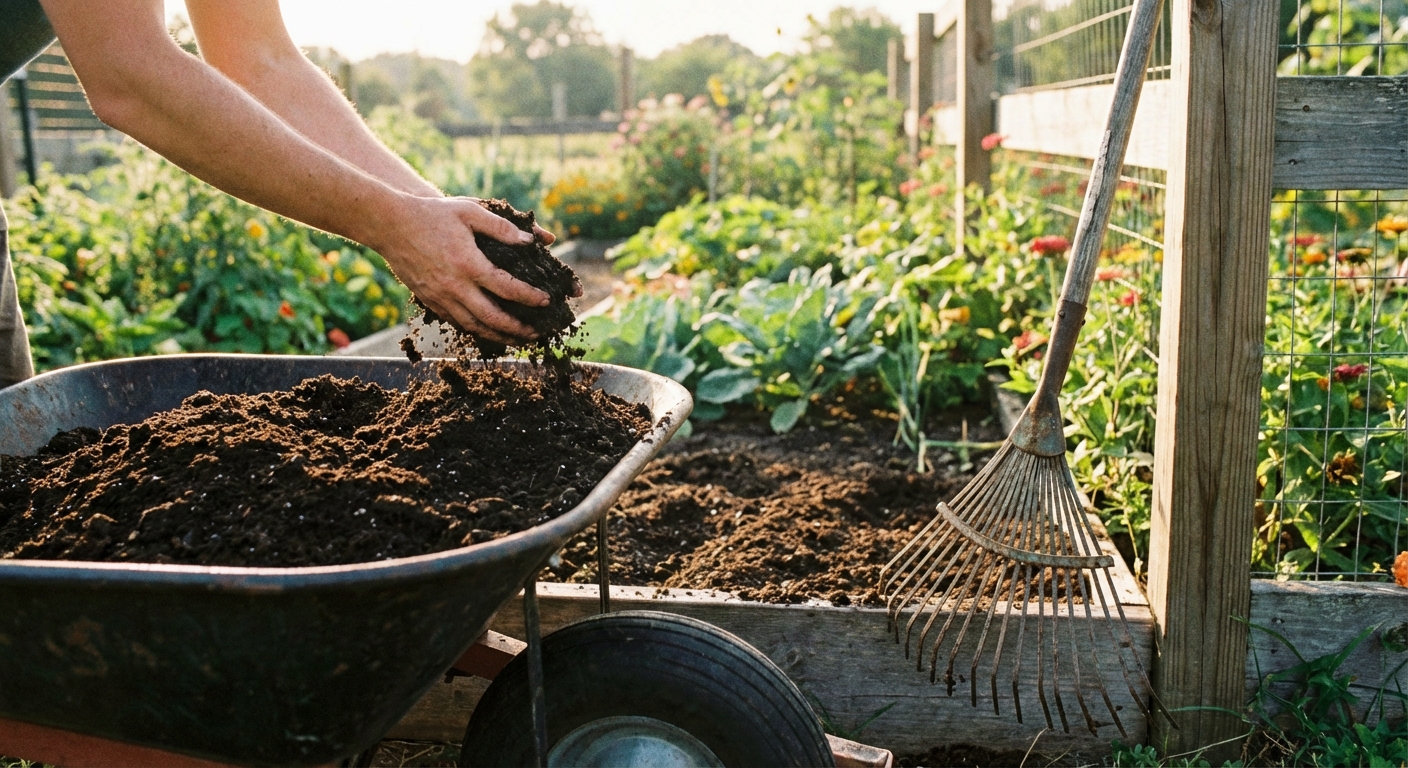
My simple organic prep
- Loosen the top 8 to 12 inches of soil (or as deep as your bed allows).
- Mix in 1 to 2 inches of finished compost.
- If your soil is sandy or tired, add a little worm castings or well-rotted composted manure.
- Skip high-nitrogen fertilizer. Too much nitrogen can mean huge leaves, weaker flowering, and floppier stems.
How to direct sow sunflower seeds
Direct sowing is the easiest route and often the healthiest for the plant.
Step-by-step
- Water the bed lightly if it’s dry, so the soil is evenly moist.
- Plant depth: about 1 inch deep.
- Plant 2 to 3 seeds per spot (a little insurance against poor germination).
- Cover and press the soil gently for good seed-to-soil contact.
- Water in with a soft sprinkle, not a blasting jet.
- Thin seedlings when they have their first true leaves, keeping the strongest plant.
Expect germination in about 7 to 10 days in warm soil, sometimes faster.
Spacing and layout
Sunflowers are friendly, but they are not great at sharing elbow room. Crowding leads to skinny stems, smaller blooms, and more disease pressure.
Spacing basics
- Dwarf varieties: 8 to 12 inches apart.
- Branching varieties: 12 to 18 inches apart (more space usually means more branching and stronger stems).
- Giant varieties: 18 to 24 inches apart, sometimes 30 inches for truly massive types.
Cut-flower vs garden spacing
Use this as a simple rule of thumb. Always check your variety packet if it gives specific spacing.
- Garden blooms (bigger heads): follow the spacing above.
- Cut-flower rows (straighter stems, smaller blooms): you can plant a bit tighter, often around 6 to 9 inches apart for single-stem cut varieties, as long as airflow stays decent and you keep up with water and fertility.
Row spacing
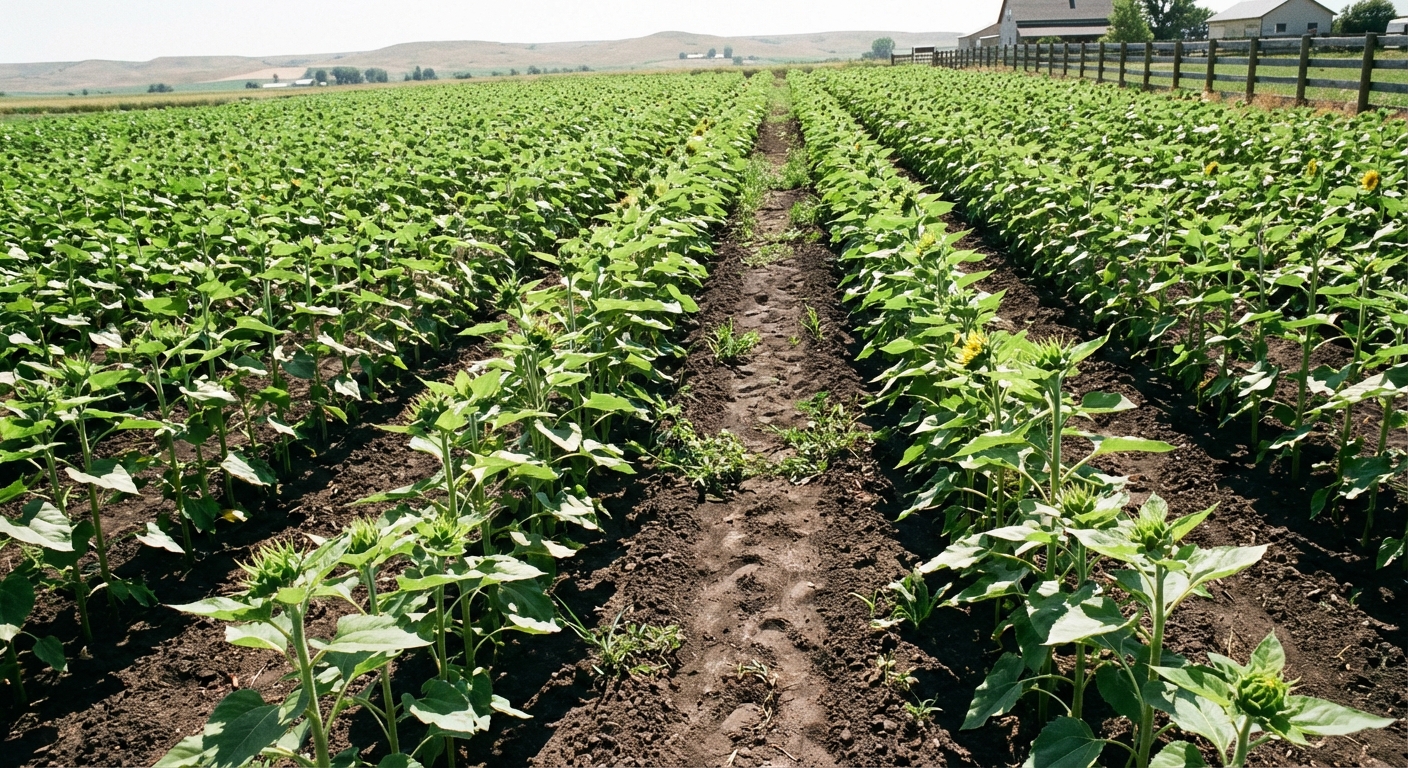
- Leave 24 to 36 inches between rows so you can water, weed, and harvest without wrestling your way through stalks.
Watering and mulching
Sunflowers are drought-tolerant once established, but they grow better with steady moisture, especially while forming buds and flowers.
- Seedling stage: keep the top few inches of soil lightly moist.
- In-ground plants: water deeply when the top 2 inches dry out.
- Containers: check daily in warm weather. Pots can need water much more often.
- Best method: water at the base to keep leaves dry and reduce fungal issues.
Mulch is your secret helper for steady growth. Add 2 to 3 inches of straw, shredded leaves, or untreated grass clippings (thin layers) once seedlings are a few inches tall. Keep mulch a couple inches away from the stem.
Staking tall sunflowers
Giant varieties can go from “cute” to “oh no” after one windy night. Staking early is easier than rescuing a leaning sunflower later.
When to stake
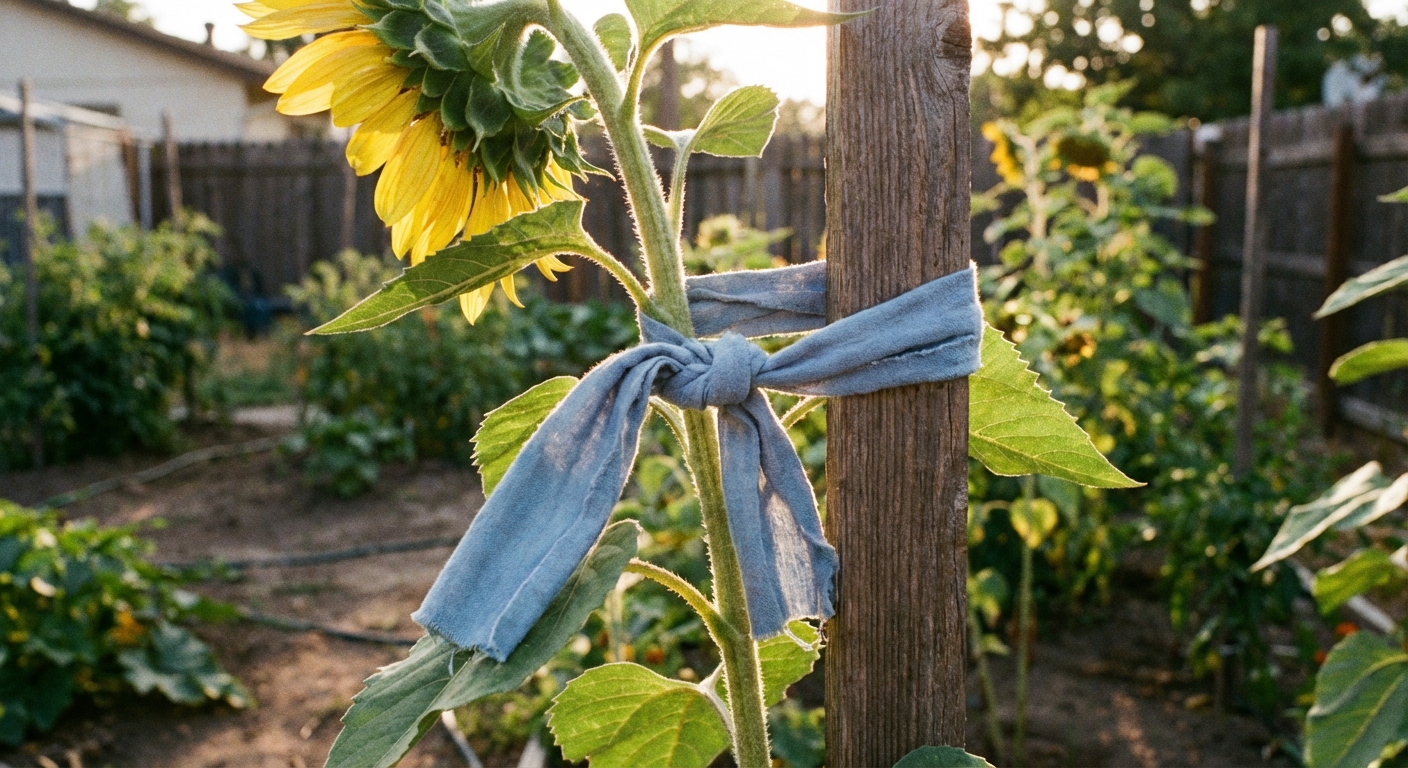
Add support when plants are 12 to 18 inches tall, before they get top-heavy.
Easy staking methods
- Single stake: a sturdy bamboo pole, metal stake, or wooden stake placed 2 to 3 inches from the stem.
- Soft tie: use cloth strips, garden tape, or twine in a loose figure-eight so the stem can move a bit.
- Fence support: planting near a fence can help, but still tie the stalk loosely to prevent rubbing damage.
If you regularly get strong winds, consider a group planting. Sunflowers in a block can shelter each other, as long as they are not overcrowded.
Feeding sunflowers
With compost-rich soil, many gardens do not need extra fertilizer. If plants look pale, stunted, or are growing in very lean soil, a gentle boost helps.
- Best option: side-dress with compost when plants are 12 to 18 inches tall.
- Alternative: a balanced organic fertilizer applied lightly, following label rates.
- Avoid: heavy nitrogen feeds, which can create tall, leafy plants with weaker stems and fewer flowers.
Common problems
Birds digging up seeds
- Cover the planted area with lightweight row cover until seedlings are a few inches tall.
- Or start seeds in a protected spot and transplant very young seedlings carefully.
Squirrels and rodents
- At planting time: use row cover or hardware cloth laid flat over the bed until seedlings are established.
- As heads mature: bag flower heads with mesh bags or paper bags to protect developing seeds.
- General deterrence: harvest seed heads a touch early and finish drying indoors if critters are relentless.
Slugs and snails on seedlings
- Hand-pick at dusk, use iron phosphate bait if needed, and keep mulch back until seedlings are larger.
Aphids on stems and buds
- Blast off with a strong spray of water.
- Encourage ladybugs and lacewings by keeping a diverse garden.
- Use insecticidal soap only if the infestation is heavy.
Powdery mildew
- Give plants adequate spacing and airflow.
- Water at the base, not overhead.
- Remove heavily affected leaves late in the season if needed.
Other leaf diseases
Rust, downy mildew, and leaf spots can also show up, especially in humid weather. The best organic approach is prevention and cleanup: keep leaves as dry as you can, avoid crowding, and remove spent plants and fallen debris at season’s end so problems do not overwinter.
Heads drooping before bloom
A little nodding can be normal, but major drooping can mean the plant is thirsty, stressed, or top-heavy. Deep watering and staking usually solve it.
Cut-flower tips
If you want vases full of long-lasting blooms, timing is everything.
When to cut
- Cut in the cool of morning after watering, when stems are plump.
- Harvest when the bloom is just starting to open and petals are lifting. Fully open flowers can drop petals faster indoors.
Conditioning
- Use sharp pruners and cut stems at an angle.
- Strip leaves that would sit below the waterline.
- Place stems immediately into a clean bucket of cool water.
- Let them drink in a cool, shaded place for a few hours before arranging.
Pollenless varieties are the tidy choice for indoor arrangements, especially if you have light-colored linens or curious pets.
Harvesting sunflower seeds
Saving your own sunflower seeds feels like bottling up summer. Let the plant do most of the work.
When seeds are ready
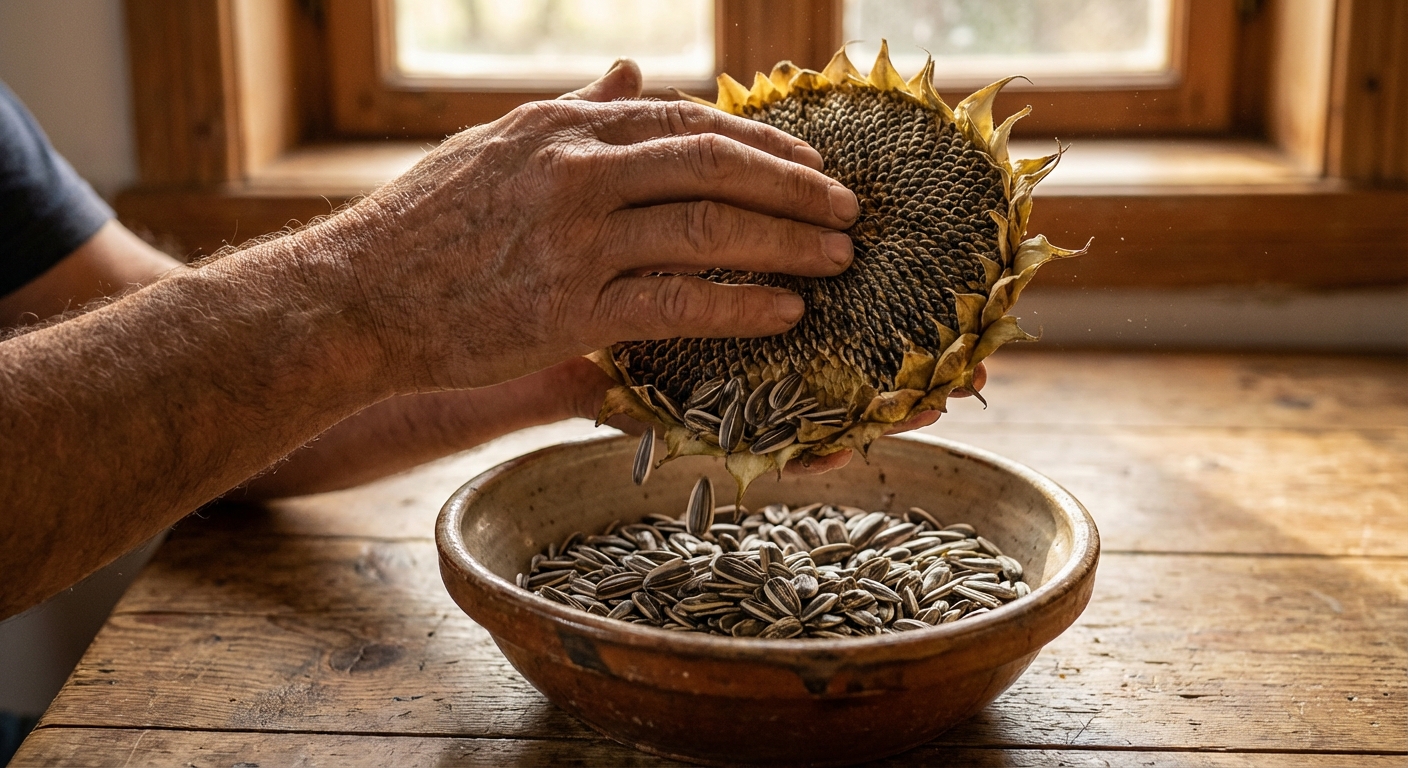
- The back of the flower head turns from green to yellow-brown.
- The head starts to droop.
- Seeds look plump and loosen more easily when rubbed.
How to harvest
- Protect the head a week or two before full maturity if birds or squirrels are stealing seeds. A paper bag or mesh bag tied loosely over the head works well.
- Cut the head with 12 to 18 inches of stem attached.
- Dry in a warm, airy place out of direct rain and intense sun for 1 to 2 weeks.
- Rub seeds out with your hands or a stiff brush into a bowl.
- Dry again for a few days until seeds are fully dry.
Roasting seeds
If you are harvesting for snacking, keep it simple.
- Rinse to remove chaff and let seeds drain well.
- Optional: soak in salted water, then drain.
- Roast on a baking sheet until dry and toasty, stirring occasionally.
- Cool completely before storing in a clean, airtight container.
For food safety, use clean tools and fully dry the seeds before storage so they do not mold.
Saving seeds for planting
You can absolutely save seeds for next year, with a couple of important notes.
- Open-pollinated varieties will come true to type more reliably.
- Hybrids may grow into plants that look different than the parent.
- Isolation: if you grow multiple varieties close together, they can cross-pollinate. That can be fun, but it makes results unpredictable.
Storage basics
- Store fully dry seeds in a paper envelope or breathable bag.
- Keep them in a cool, dark, dry spot.
- Label the variety and year. Future-you will be grateful.
Seed-to-bloom timeline
- Days 7 to 10: germination in warm soil
- Weeks 2 to 4: fast leafy growth
- Weeks 6 to 10: buds form (variety dependent)
- Weeks 8 to 12+: blooming and pollinator party
- Weeks 12 to 16+: seed heads mature for harvest (especially giants)
If you try one thing from this whole page, let it be this: space your sunflowers properly. It’s the simplest way to grow thicker stems, bigger blooms, and happier plants without extra work.