
How to Grow Strawberries in Pots and Containers

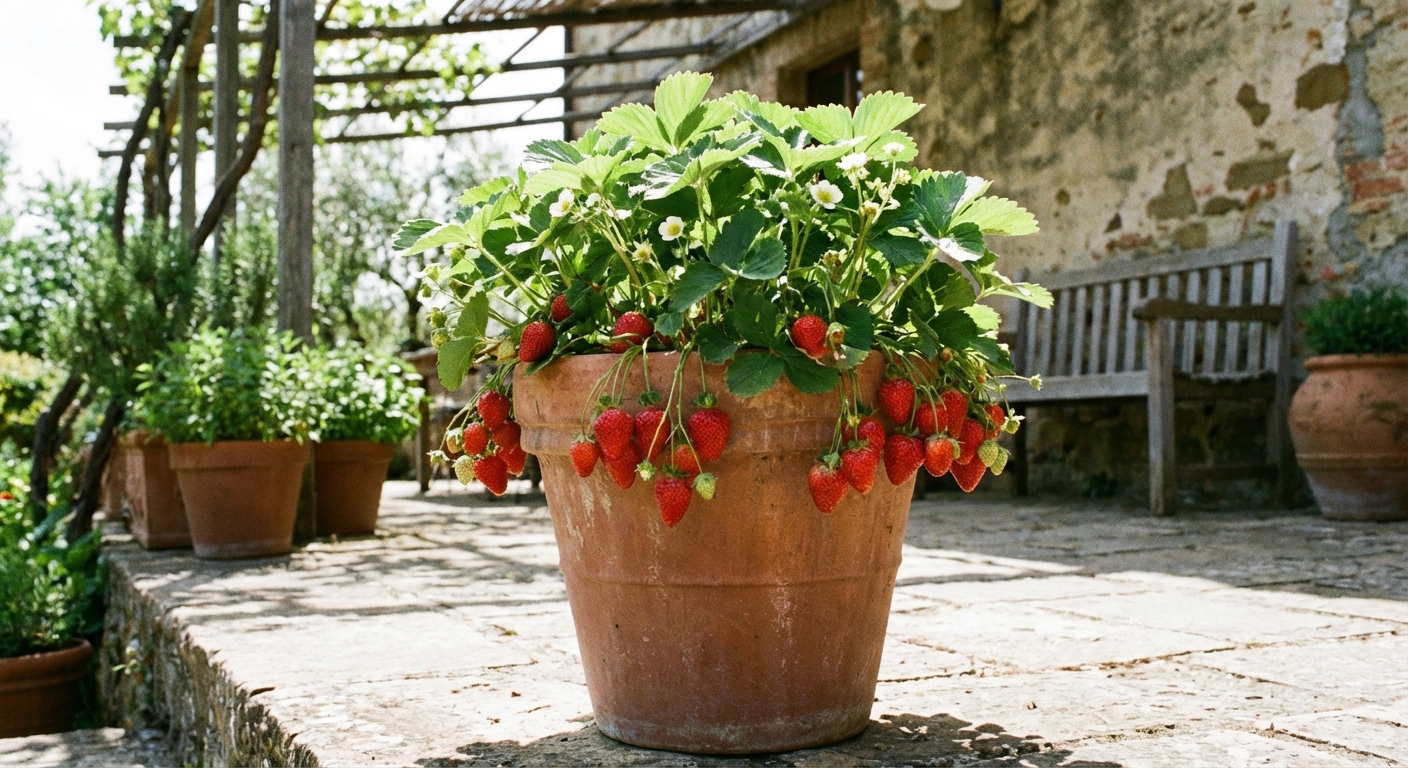
Strawberries are one of my favorite “small space wins.” A single pot on a sunny step can give you a handful of warm, ruby berries that taste like summer should. Container strawberries also let you control the soil, deal with fewer weed seeds than garden beds, and keep fruit cleaner and less slug-bitten than in-ground patches.
This guide walks you through the whole process, from choosing varieties to winter care, with practical steps you can actually follow on a patio, balcony, or tiny yard.
Choose the right strawberry type
Strawberries come in a few “fruiting schedules.” Picking the right one is half the battle in containers.
June-bearing
- Harvest: One big crop over about 2 to 3 weeks in late spring or early summer.
- Best for: People who want a lot at once for jam, freezing, shortcake, and serious snacking.
- Container note: They can be very productive, but you will want to manage runners to keep pots from turning into a tangled thicket.
Everbearing
- Harvest: Two main crops, typically early summer and again in late summer or early fall.
- Best for: Gardeners who want waves of berries without daily harvesting for weeks on end.
- Container note: A nice balance of yield and season length.
Day-neutral
- Harvest: Repeated flushes from late spring into fall when temperatures are mild. Production slows in cold snaps and tends to drop in hot weather.
- Best for: Containers, balconies, and anyone who wants berries for as long as possible.
- Container note: Often the easiest for pots because they focus more on fruiting than on making endless runners.
My simple recommendation: For most container gardeners, start with day-neutral or everbearing. If your dream is a big “strawberry week,” go June-bearing.
Good container varieties
Availability varies by region, but these types tend to do well in pots. Use this as a starting point when you are browsing tags at the nursery.
- Day-neutral favorites: Albion, Seascape, San Andreas
- Everbearing favorites: Ozark Beauty, Quinault
- Compact and great for baskets: Tristan (a compact, often “ornamental edible” type)
If you can, choose disease-resistant varieties recommended for your area. That one choice can save you a lot of troubleshooting later.
Pick a pot that actually works
Strawberries have relatively shallow roots, but they still need room, airflow, and consistent moisture. The container choice directly affects how often you water and how happy your plants stay.
Ideal pot size
- Minimum: 8 to 10 inches deep.
- Best for 1 plant: 10 to 12 inch diameter pot (or about 2 to 3 gallons).
- Best for multiple plants: 16 to 20 inch wide container or window box.
- Spacing: Plan on 8 to 10 inches between plants in a shared container, or 10 to 12 inches if you have room for extra airflow.
Quick planning guide
- 10 to 12 inch pot: 1 plant (2 if you are okay with tighter spacing and more frequent feeding).
- 14 to 16 inch pot: 2 to 3 plants.
- 18 to 20 inch bowl: 3 to 4 plants.
- 24 inch window box: 3 plants.
- 36 inch window box: 4 to 5 plants.
Drainage is non-negotiable
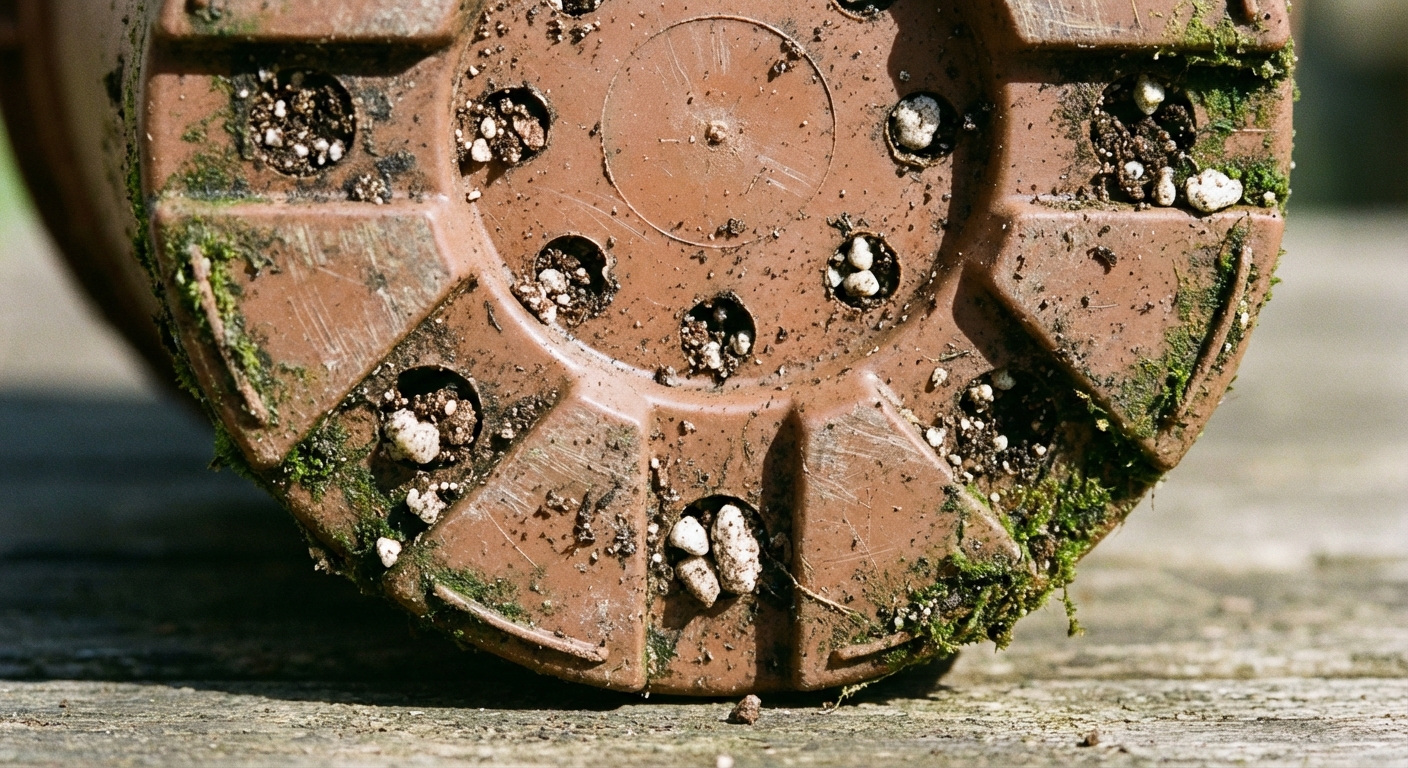
Strawberries hate sitting in water. Your container should have several drainage holes, not just one tiny token hole. If you use a saucer, empty it after watering so roots do not stew.
What about strawberry pots and hanging baskets?
- Strawberry jars (pots with side pockets): Cute and productive, but they dry out fast. Great if you are around to water.
- Hanging baskets: Excellent for keeping fruit away from slugs, but expect frequent watering in summer.
- Grow bags: Breathable and affordable, but they can dry quickly in heat and wind.
Use a soil mix made for containers
Garden soil is too heavy for pots and tends to compact, which suffocates roots. Container strawberries thrive in a light, fertile mix that holds moisture but still drains well.
Easy organic container mix
- 60 to 70% high-quality potting mix (peat-free if you can find it)
- 20 to 30% well-finished compost (avoid “hot” or unfinished compost)
- 10% perlite or pumice for extra drainage
Target pH: Strawberries prefer slightly acidic soil, roughly pH 5.5 to 6.5. Most quality potting mixes land close enough for container success.
Optional, helpful add-ins
- Worm castings: A gentle nutrient boost.
- Slow-release organic fertilizer: Mixed in at planting to reduce guesswork.
- Pine fines or shredded leaf mold: Adds structure and supports healthy soil biology.
If you want to talk to your plants while you mix soil, I will not judge. My ferns insist it helps.
Start with good plants
Bare-root vs. plugs
- Bare-root plants: Usually cheapest with lots of variety choices. They can look a little sad at first, but they catch up quickly once planted.
- Plugs (starter plants in cells/pots): Easier and faster to establish, often with a quicker first harvest, but typically cost more.
Should you remove first flowers?
- June-bearing: Pinching off early flowers the first few weeks can help the plant build a stronger crown and root system.
- Day-neutral and everbearing: Optional. If your plant is small or stressed from transplanting, removing the first round of blooms can help. If it is already vigorous, you can let it fruit.
Planting strawberries the right way
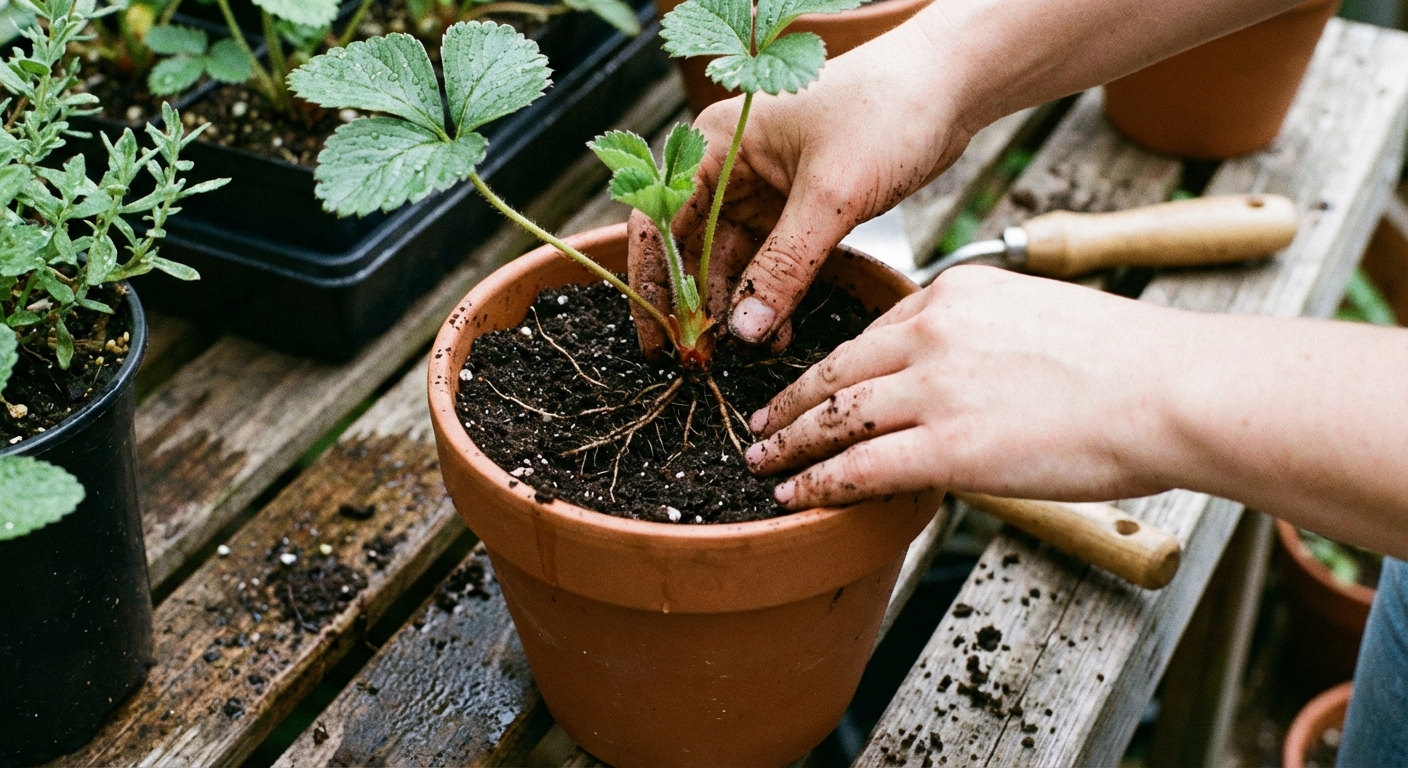
Most container strawberry failures come down to planting depth. The crown is the “knuckle” where leaves meet roots, and it needs the Goldilocks treatment.
When to plant
- Spring: Plant after hard freezes are mostly done in your area. Light frosts are usually okay.
- Fall (mild climates): Plant in early fall so roots establish before winter.
Step-by-step planting
- Moisten your soil mix so it is evenly damp before filling the pot.
- Fill container to within 1 to 2 inches of the rim (for watering space).
- Make a planting hole wide enough to spread roots slightly.
- Set the plant so the crown sits right at soil level. Not buried, not perched above.
- Backfill and firm gently around roots to remove big air pockets.
- Water thoroughly until water drains from the bottom.
Crown placement checklist
- If the crown is buried, it can rot.
- If the crown is too high, roots dry out and growth stalls.
Sunlight for sweeter berries
Strawberries need sun to make sugar. In containers, you can use that to your advantage by placing pots where light is strongest.
- Ideal: 6 to 8+ hours of direct sun. More sun usually means sweeter berries.
- Works: About 6 hours of direct sun, especially with strong afternoon light.
- Hot climates tip: If summer afternoons are brutal, a bit of late-day shade can prevent wilt and sunscald.
If your plant looks healthy but berries are bland, it is often a light issue, though heat, variety, and inconsistent watering can also play a role.
Watering: steady, not soggy
Container strawberries dry out faster than in-ground plants, especially in terracotta, hanging baskets, and windy balconies.
How often to water
- Spring: Usually 2 to 4 times per week, depending on sun and wind.
- Summer heat: Often daily. Small pots may need water twice a day during heat waves.
- Fall: Reduce as temperatures cool, but never let pots become bone dry.
Best method
- Water at the soil line, not over the leaves, to reduce disease pressure.
- Water until you see steady drainage from the bottom.
- Check moisture with a finger: if the top 1 inch is dry, it is time.
Mulch makes containers easier
Add a 1 inch layer of clean straw, pine needles, or shredded leaves around plants to reduce evaporation and keep berries clean.
Feeding strawberries in pots
Containers have limited nutrients, and strawberries are steady feeders. The trick is providing enough energy for flowering and fruit without pushing a bunch of soft leaves.
At planting
- Mix in a slow-release organic fertilizer labeled for fruits and vegetables, following the package rate for containers.
During the growing season
- Day-neutral and everbearing: Feed lightly every 3 to 4 weeks with a diluted liquid organic fertilizer (like fish and seaweed) or top-dress with compost.
- June-bearing: Feed lightly after harvest to support next year’s buds and healthy crowns.
Watch for these signs
- Lots of leaves, few flowers: Too much nitrogen, not enough sun, or plants are too crowded.
- Pale leaves and slow growth: Underfed, rootbound, or soil staying too wet.
Runner management
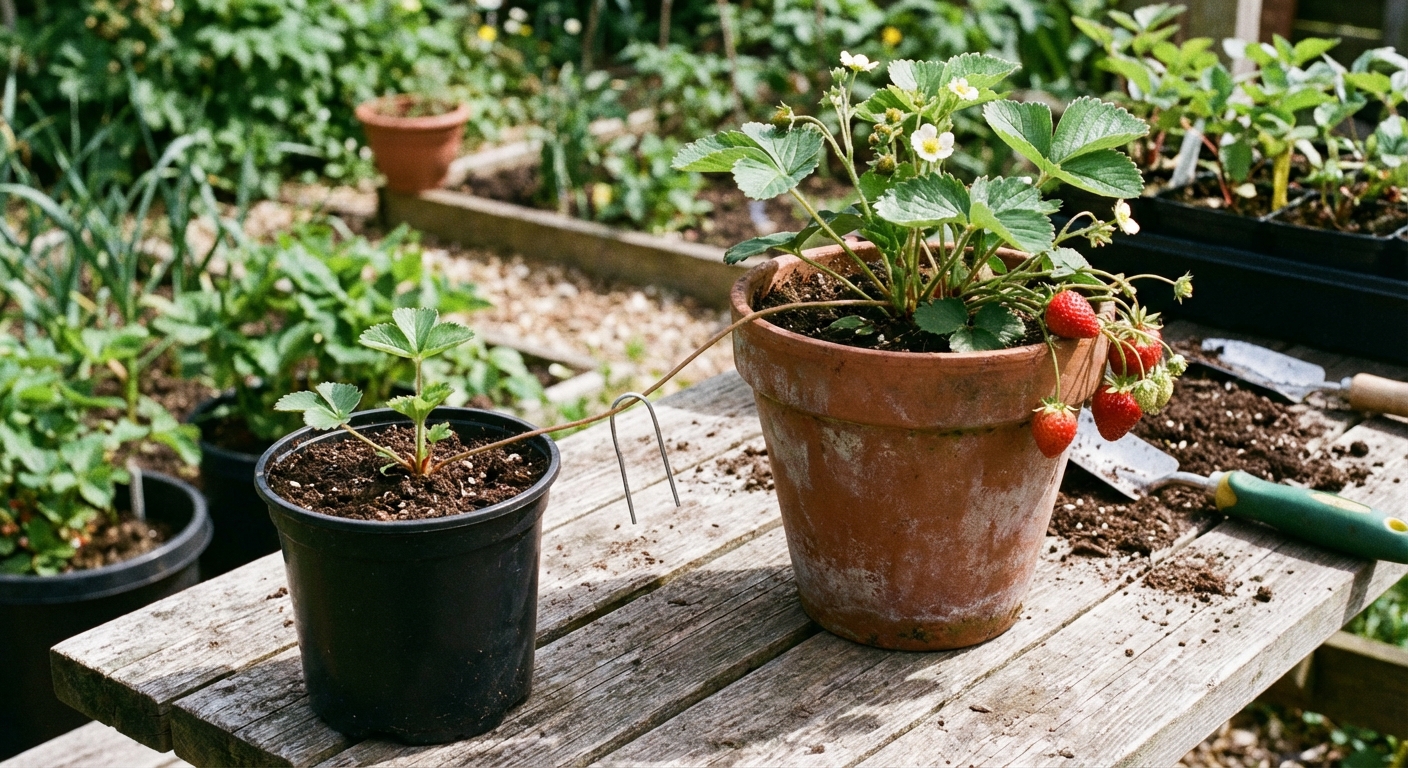
Runners are strawberry “baby-making” stems. In containers, they can quickly steal energy from fruit production and crowd the pot.
For the most berries
- Pinch off runners as soon as you see them.
- This keeps the plant focused on flowering and fruiting.
To make new plants
- Let 1 to 3 runners root into small pots filled with potting mix.
- Once the baby plant has a good root system (usually a few weeks), snip the runner connecting it to the mother plant.
- Replace older plants with these fresh starts next season.
Container reality: A crowded pot gives you smaller berries and more disease. If your container looks like a strawberry hairball, it is time to thin.
Pollination on balconies
Most strawberries are self-fertile, but they still need pollination help from bees, wind, or you.
- If your plants flower but berries are misshapen, pollination is often the cause.
- On quiet balconies, gently tap flower clusters or brush flowers with a soft paintbrush every couple of days while they bloom.
Bird and squirrel protection
If you grow strawberries where wildlife can see them, assume you are not the only one excited about harvest. A few simple defenses can save your crop.
- Netting: Drape bird netting over a simple frame so it does not rest directly on plants (birds can peck through).
- Balcony hack: A lightweight mesh laundry pop-up hamper or wire cloche can work as a quick “berry cage.”
- Reflective deterrents: Flash tape can help, but it works best combined with a physical barrier.
- Harvest fast: The longer ripe berries sit, the more likely something else claims them.
Pests and problems
Slugs and snails
- Keep containers elevated if possible.
- Use copper tape on pot rims or hand-pick at dusk.
- Mulch with straw, not thick wet compost, to reduce hiding spots.
Aphids
- Blast off with a strong water spray.
- Use insecticidal soap if needed, applied in the evening.
Powdery mildew and leaf spot
- Give plants space and sun.
- Water at soil level.
- Remove heavily affected leaves and avoid overfeeding nitrogen.
Root rot
- Often from poor drainage or constantly wet soil.
- Repot into fresh mix and a better-draining container if needed.
Harvesting for peak flavor
Strawberries do not sweeten after picking, so timing matters.
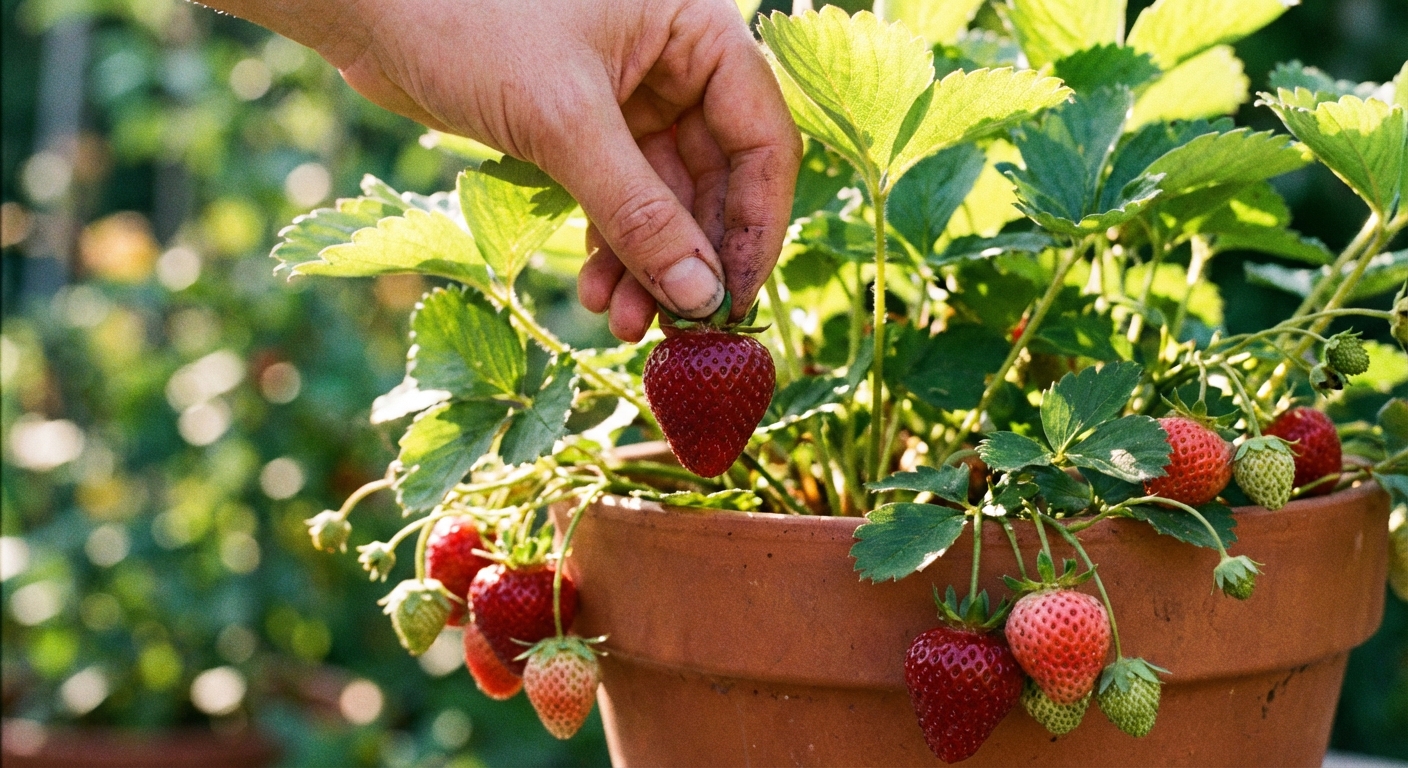
- Pick when: The berry is fully red (no white shoulders), glossy, and fragrant.
- How: Snip or pinch the stem just above the berry cap to avoid bruising.
- How often: Check daily during peak season. Ripe berries go from perfect to mushy quickly in warm weather.
Bonus tip: Harvest in the morning after dew dries. The berries are cooler and firmer, which helps them keep longer.
Seasonal care timeline
Use this as your container strawberry rhythm. Adjust by a few weeks based on your local climate and last frost date.
Early spring
- Plant or refresh: Set new plants out, or top-dress existing pots with compost.
- Clean up: Remove dead leaves and old mulch.
- Check drainage: Winter can compact soil. Make sure water still runs freely.
- First feeding: Light slow-release organic fertilizer or compost.
Mid to late spring
- Sun check: Move containers to the brightest spot.
- Water consistently: Flowering time is when drought causes small or misshapen fruit.
- Mulch: Add clean straw or pine needles to keep berries off soil.
- Runner decision: Pinch runners if you want maximum fruit.
Summer
- Water as needed: Especially during heat waves and in small pots.
- Feed lightly: Everbearing and day-neutral types appreciate monthly gentle feeding.
- Harvest often: This reduces rot and encourages more fruit.
- Watch pests: Slugs and aphids love lush summer growth.
Late summer to fall
- Keep watering: Roots are still active even as temperatures cool.
- Stop heavy feeding: Let plants slow down naturally. In most climates, stop liquid feeding about 6 weeks before first frost.
- Root runner babies: This is a good time to start replacement plants in small pots in mild climates.
- Trim selectively: Remove diseased leaves, but do not scalp the plant.
After harvest cleanup
- June-bearing: After your main crop, remove dead or badly spotted leaves, snip off old flower stems, and thin overcrowded growth. Avoid cutting into the crown.
- Everbearing and day-neutral: Keep it gentle. Remove yellowing leaves and spent stems as needed, but leave plenty of healthy foliage for continued production.
Winter dormancy
In containers, roots are more exposed to freezing than in the ground. Many varieties can survive winter, but they need protection.
- After a few frosts: Plants naturally slow down. This is your cue to winterize.
- Mulch crowns: Cover plants with loose straw or shredded leaves once they are dormant.
- Move pots: Tuck containers against a sheltered wall, or place them in an unheated garage or shed. Light is not required while plants are dormant. The goal is cold protection, not warmth.
- Insulate containers: Cluster pots together and wrap them with burlap, leaves, or a blanket around the pots (not packed onto the crowns).
- Water sparingly: About once every few weeks if the soil is dry and not frozen. You are preventing root desiccation, not encouraging growth.
Cold-climate note: If your winters regularly drop well below freezing for long stretches, the safest method is moving pots into an unheated, protected space once plants go dormant.
How long do container strawberries last?
Strawberry plants are most productive in their first couple of years.
- Year 1: Often a modest harvest while roots establish (especially from bare-root plants).
- Year 2: Usually peak production.
- Year 3: Yield often declines, berries can get smaller.
Many container gardeners refresh plants every 2 years using runner starts or new disease-free plants. Your reward is bigger berries and fewer problems.
Quick troubleshooting
- No flowers: Not enough sun, too much nitrogen, or plants are too young.
- Flowers but no berries: Poor pollination, heat stress, or cold snaps during bloom.
- Small berries: Inconsistent watering, crowding, nutrient depletion, or heat.
- Mushy berries: Overwatering, poor airflow, harvesting too late, or rain soaking fruit.
- Wilting midday but fine at night: Normal heat response. If wilt continues into evening, water deeply and check drainage.
My simplest setup
If you want the least fussy path to success, here is what I would do for a first attempt:
- Variety: Day-neutral
- Container: 12 to 16 inch pot with multiple drainage holes
- Soil: Potting mix + well-finished compost + perlite
- Placement: 6 to 8+ hours of sun
- Care: Water when top inch is dry, pinch runners, feed lightly monthly, mulch with straw, protect from birds if needed
Start small, observe, adjust. Strawberries are wonderfully forgiving teachers, and once you taste your first warm berry straight off the plant, you will understand why I keep making room for “just one more pot.”