
How to Grow Lettuce and Salad Greens at Home

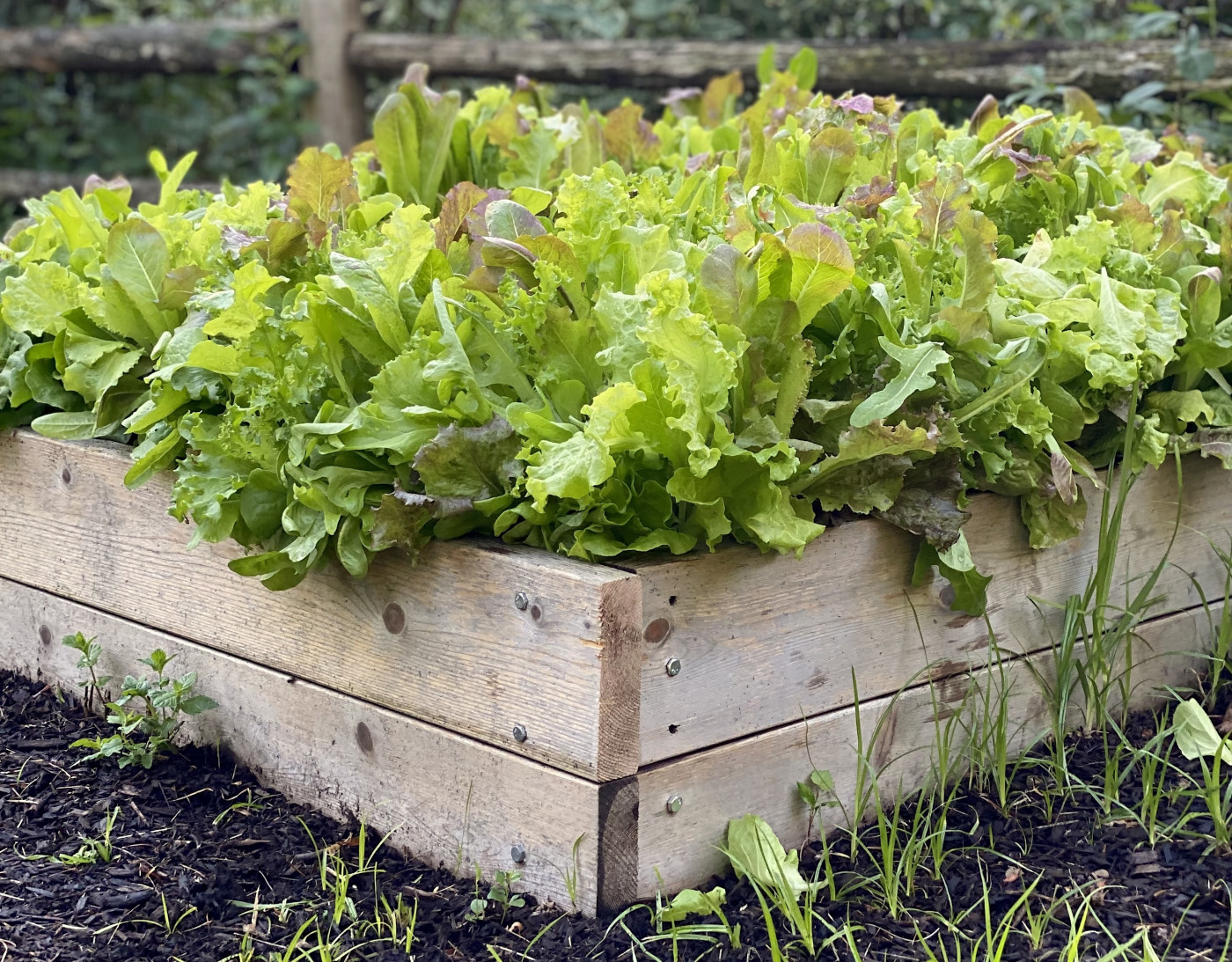
Leafy greens are the fastest way I know to turn “I kill everything” into “Wait, I grew food.” Lettuce, spinach, arugula, and salad mixes do not ask for much: cool-ish temperatures (ideally about 45 to 70°F or 7 to 21°C), evenly moist soil, and a little patience while you resist harvesting the whole patch at once. Do that, and you can be tossing homegrown salads on the table in a few weeks.
This page walks you through growing greens in garden beds and containers, how to keep harvests coming with succession planting, what to do when summer heat tries to shove your plants into flowering mode, and a simple indoor setup for year-round greens.
Best salad greens to grow
If you are new, start with forgiving varieties that germinate quickly and taste great even when your watering schedule is not perfect yet.
- Lettuce (Lactuca sativa): Looseleaf types are easiest for cut-and-come-again harvesting. Romaine is sturdier and slower, but still beginner-friendly. Head lettuce needs more space and tighter timing.
- Spinach (Spinacia oleracea): Sweet and nutrient-dense, but it bolts quickly in heat. Best for spring, fall, and indoor winter growing.
- Arugula (Eruca sativa): Fast and spicy. Handles cool weather beautifully and tolerates partial shade.
- Mixed baby greens: Mesclun blends often include mizuna, tatsoi, mustard greens, and baby kale. Many of these (especially mizuna, tatsoi, and mustards) handle warmth better than spinach, although baby kale can get tougher in heat.
My beginner shortcut: If seed packets overwhelm you, buy one “cut-and-come-again lettuce mix” plus one arugula packet. You will learn a ton from just those two.
Where to grow
Garden beds
Beds are perfect if you want volume. Greens have shallow roots, so you do not need a deep bed, but you do need fluffy, well-fed soil that holds water without staying soggy.
- Sun: 4 to 6 hours can be enough for most greens, especially in warm climates. In cool weather, 6+ hours usually means faster growth and bigger harvests.
- Spacing: For baby greens, sow thickly and harvest young. For full-size looseleaf lettuce, aim for 6 to 10 inches between plants.
- Protection: A simple row cover can keep insects and harsh sun off tender leaves.
Containers (my favorite for “salad on the porch”)
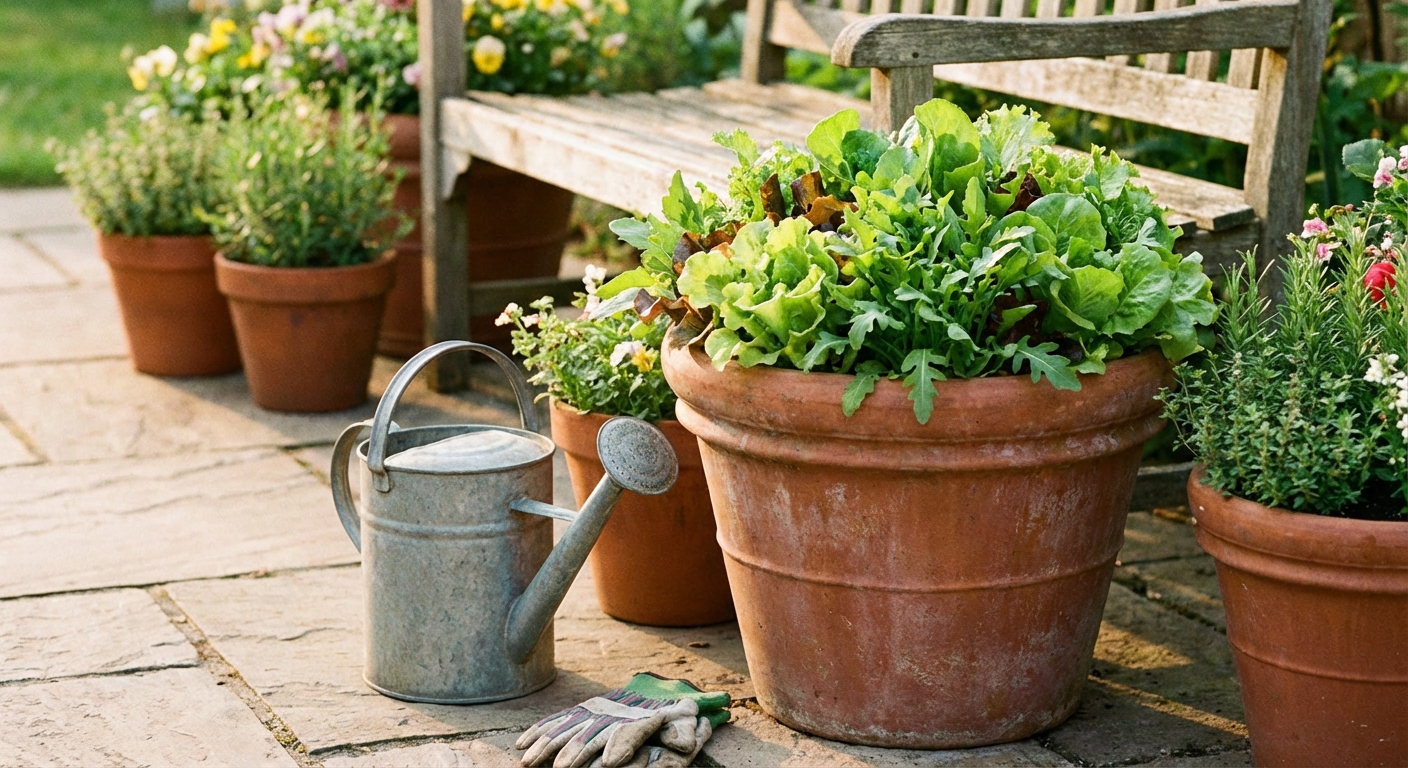
Containers let you control soil quality and move plants out of heat. A single 12 inch wide pot can grow a surprising amount of baby lettuce.
- Pot size: At least 6 to 8 inches deep for lettuce and arugula. Spinach is happier in 8 to 10 inches.
- Drainage: Non-negotiable. Greens hate soggy roots.
- Soil: Use a high-quality potting mix, then mix in compost (up to about 20 to 30% by volume, depending on how rich and fine your compost is). If your compost is heavy, stay closer to 20% and make sure drainage is excellent.
Soil and feeding
Leafy greens are basically a love letter to healthy soil. They grow fast, so they appreciate steady nitrogen, but they do not need heavy fertilizing if your soil is rich.
In beds
- Work in 1 to 2 inches of finished compost before planting.
- If your soil is sandy or you struggle with quick drying, add a little extra compost and consider mulching lightly after seedlings are established.
- If growth looks pale or slow, side-dress with compost or water with fish emulsion at half strength.
In containers
- Start with fresh potting mix each season or refresh with compost and a handful of worm castings.
- Because nutrients leach out of pots, feed lightly every 2 to 3 weeks with an organic liquid fertilizer if you are harvesting often.
Clara’s soil-health rule: Feed the soil first, then the plant. Compost is your most dependable “fertilizer” for greens.
Planting from seed
Seeds are cheap, and greens from seed taste ridiculously fresh. The trick is shallow planting and consistent moisture during germination.
When to plant
- Spring: Sow as soon as soil can be worked. Many greens germinate in cool soil.
- Fall: Sow 6 to 10 weeks before your first hard frost for a long autumn harvest.
- Summer: Focus on heat-tolerant mixes, use shade, and plant in the coolest microclimate you have.
- Indoors: Any time, as long as you provide bright light.
How deep and how thick
- Lettuce: Plant about 1/8 inch deep, or press seed into the surface and cover very lightly. Lettuce germinates best when sown shallow and not kept in darkness.
- Arugula: About 1/4 inch deep.
- Spinach: About 1/2 to 1 inch deep (go shallower in heavier, wetter soil and a bit deeper in sandy soil that dries fast).
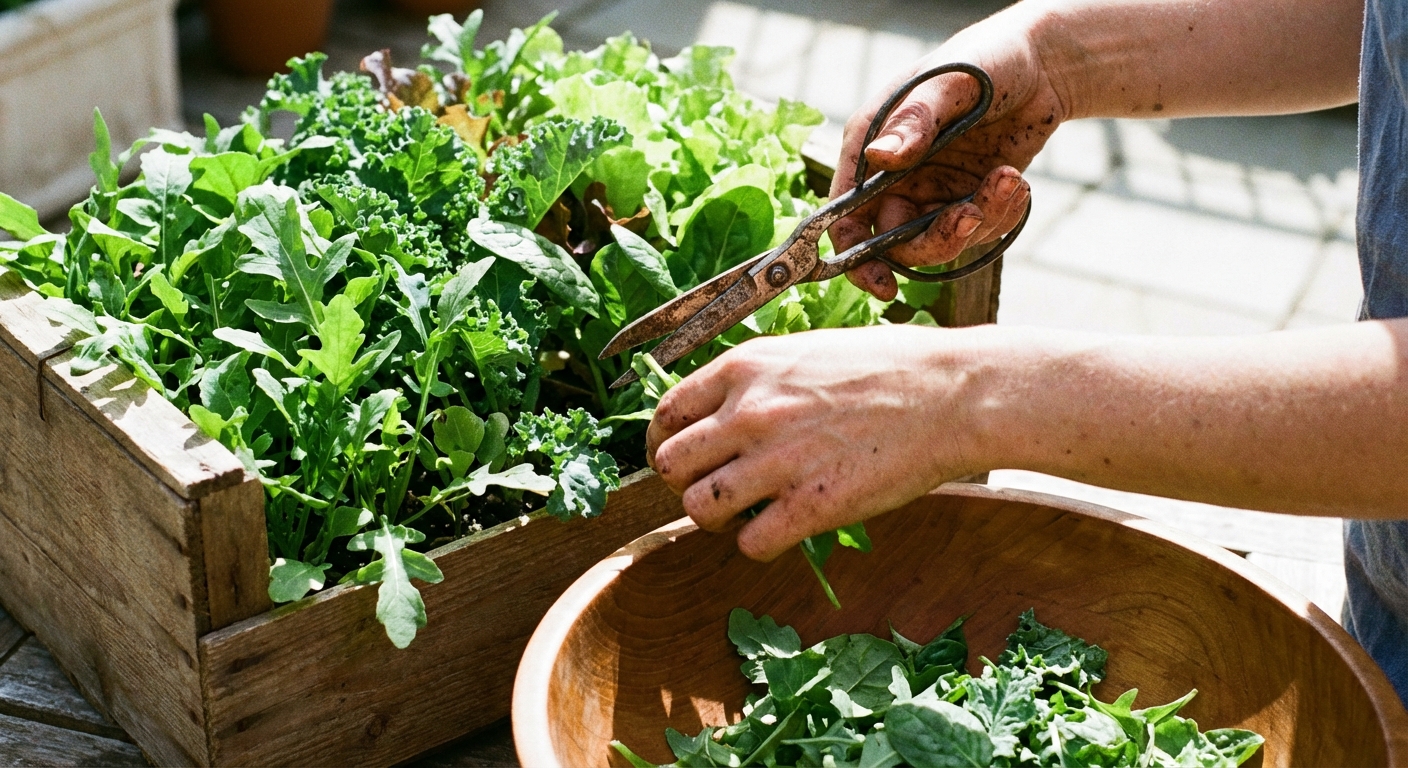
For baby greens, sow in bands or broad patches, then harvest with scissors. For larger leaves, thin seedlings so each plant has room to size up.
Moisture during germination
Most failures happen here. Keep the top inch of soil evenly moist. A fine mist spray, a light layer of vermiculite, or a damp burlap sack laid over the bed can help prevent crusting and drying.
Temperature tip for summer sowing
Lettuce and spinach can stall when soil temps climb above about 75°F (24°C). If summer planting is a must, sow in the evening, use shade cloth, water the bed to cool it first, or pre-chill lettuce seed in the fridge for a day or two before planting.
Water and light
Sweet, tender leaves come from plants that never experience a panic-dry spell. When greens get stressed, they get bitter, tough, or both.
- Watering goal: Even moisture, not constant wetness. Think of a wrung-out sponge.
- How often: In beds, deep watering a few times per week may work. In containers, you might water daily in warm weather.
- Morning watering: Helps leaves dry out and reduces disease.
- Sun exposure: Full sun is great in cool seasons. In warm weather, partial shade keeps leaves tender and delays bolting.
Cut-and-come-again harvests
This is the salad-greens superpower: harvest a little, let the plant regrow, repeat. Done right, one planting can feed you for weeks.
Two easy methods
- Leaf-by-leaf: Pick the outer leaves first and leave the center growing point. Best for looseleaf lettuce and many Asian greens.
- Chop-and-regrow: Use clean scissors to cut the whole patch 1 to 2 inches above the soil line. Great for mesclun and baby lettuce.
When to harvest: Baby greens are usually ready at 3 to 5 inches tall. Full leaves depend on variety, but you can start “snacking” early. Your plants will not mind.
How many times can you cut? Often 2 to 4 harvests for tender mixes, sometimes more if the weather stays cool and you feed lightly.
Succession planting
Instead of planting everything once and drowning in lettuce for two weeks, succession planting gives you steady harvests.
Simple schedule
- Baby greens: Sow a small patch every 10 to 14 days.
- Looseleaf lettuce: Sow or transplant every 2 to 3 weeks.
- Spinach: Sow every 2 weeks in cool weather. Skip the hottest stretch unless you have shade and a tolerant variety.
- Arugula: Sow every 2 to 3 weeks, but expect faster bolting as days get hotter and longer.
Micro-tip that saves space: Tuck new seed in right after you harvest an area. The older plants gave you dinner, and now they are giving you real estate.
Preventing bolting
Bolting is when cool-season greens decide they are done making leaves and start making flowers and seeds. It happens fast in heat and long days, and it usually turns leaves bitter.
How to slow it down
- Choose the right varieties: Look for “heat tolerant,” “slow to bolt,” and “summer crisp” on lettuce. For spinach, try heat-tolerant or “long-standing” types, but know spinach still prefers cool.
- Use shade: 30 to 50% shade cloth over hoops can buy you weeks. Even moving containers to afternoon shade helps.
- Keep soil cool and moist: Water consistently and add a light mulch once seedlings are established.
- Harvest often: Regular cutting keeps plants producing new leaves and reduces stress.
- Plant in the right spot: In summer, a bed that gets morning sun and shade after 1 or 2 pm is prime salad territory.
What to do when bolting starts
If you see a tall central stalk forming, taste a leaf. If it is still good, harvest heavily that day. If it is bitter, compost the plant and replant with something more heat tolerant (often arugula, mustard greens, or a mesclun blend) or switch to indoor growing until nights cool down.
Shade tolerance
Not everyone has a full-sun yard. The good news is leafy greens are some of the most shade-friendly vegetables you can grow.
Greens for partial shade
- Lettuce: Excellent in partial shade, especially in warm weather.
- Arugula: Very good, tends to stay more tender.
- Many mixed greens: Mizuna, tatsoi, and mustard greens often do well with 3 to 4 hours of sun.
Greens that want more light
- Spinach: Tolerates shade, but grows slower and may be more prone to issues if kept too damp in low light. Bright morning light is ideal.
Rule of thumb: If the spot is bright enough to read a book outdoors for part of the day, you can usually grow some kind of salad green there.
Growing indoors
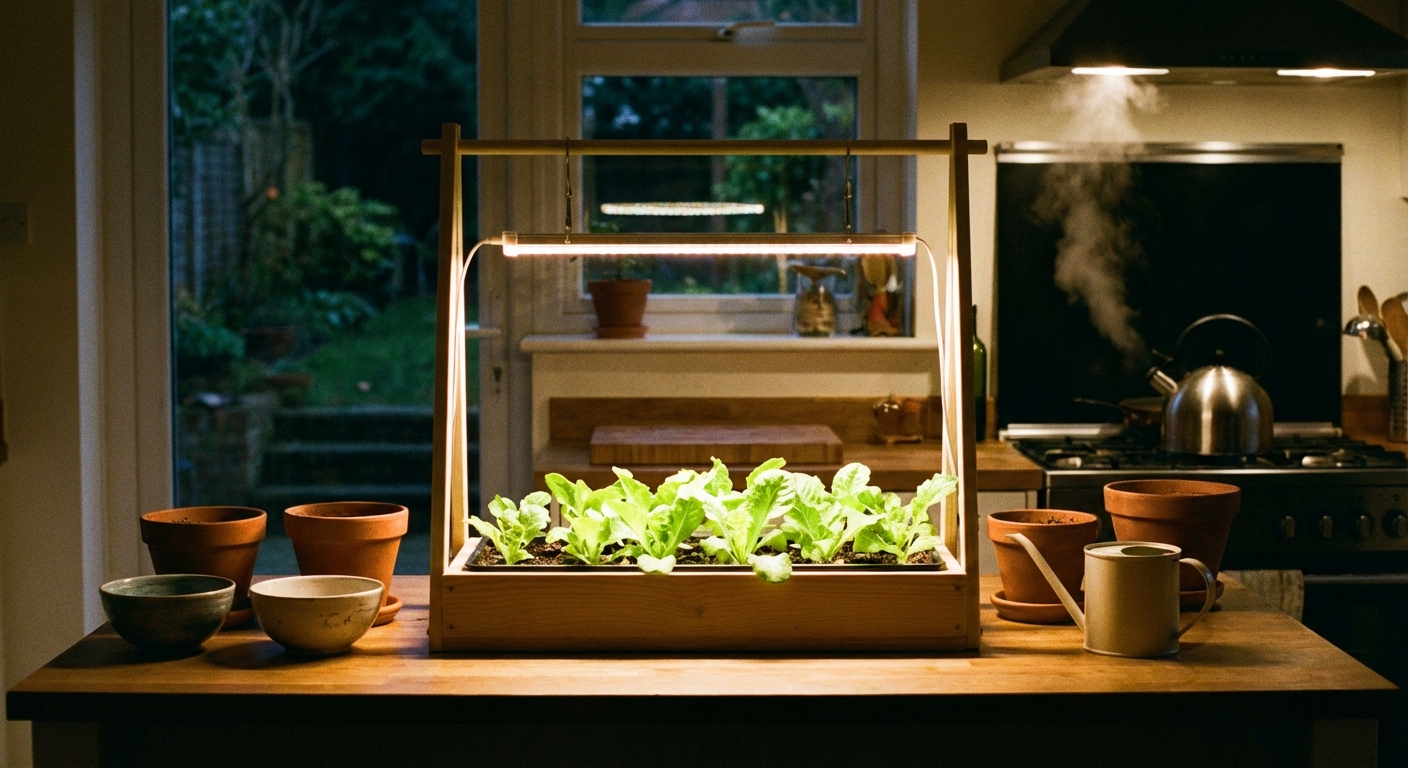
Indoor greens are my favorite winter sanity project. You do not need a greenhouse. You need a container, a bright window or a grow light, and the willingness to water with a lighter hand.
Indoor setup that works
- Container: A window box, a 10 to 14 inch pot, or a shallow tray with drainage.
- Soil: Fresh potting mix with a scoop of compost or worm castings.
- Light: A sunny south-facing window can work for slower growth. For best results, use a simple LED grow light for 12 to 16 hours per day.
- Airflow: A gentle fan nearby helps prevent mildew and keeps plants sturdy.
What to grow indoors
- Looseleaf lettuce and baby mixes: Reliable and productive.
- Arugula: Fast and flavorful.
- Spinach: Great under lights in cooler rooms.
Indoor harvesting tip: Cut small amounts often. Indoor plants regrow, but they do it slower than outdoor plants in spring.
Days to harvest
These ranges vary by variety and season, but they help you plan (and stay motivated).
- Baby greens (most mixes): about 20 to 30 days.
- Leaf lettuce: about 30 to 45 days (sooner for baby leaves).
- Arugula: about 20 to 40 days, depending on how baby you harvest it.
- Spinach: about 35 to 50 days (often faster in cool, steady spring weather).
Common problems
Bitter leaves
- Cause: Heat, drought stress, or bolting.
- Fix: Add shade, water consistently, harvest younger leaves, and replant with heat-tolerant varieties.
Holes in leaves
- Cause: Flea beetles, slugs, or caterpillars.
- Fix: Use a lightweight row cover, hand-pick at dusk, and keep the area tidy. In containers, elevate pots and check under rims for slugs.
Aphids (yes, even indoors)
- Cause: Tender new growth plus warm, still air.
- Fix: Blast them off with a strong spray of water, then repeat every few days. For stubborn outbreaks, use insecticidal soap and improve airflow.
Seed not germinating
- Cause: Letting the soil surface dry out, planting too deep, or high soil temps for lettuce.
- Fix: Sow shallow, keep consistently moist, and in hot weather start lettuce indoors or cool the soil surface with shade and frequent light watering.
Mildew or rotting at the base
- Cause: Poor airflow, overcrowding, overwatering, or constantly wet leaves.
- Fix: Thin seedlings, water in the morning at soil level, and improve spacing.
Food safety basics
Homegrown greens are a joy. A few simple habits keep them that way.
- Skip fresh manure near harvest: Use finished compost, and avoid applying raw manure where you will harvest within the next few months.
- Harvest smart: Harvest in the morning for the crispest leaves, and use clean scissors or a clean knife.
- Wash before eating: Rinse leaves well, spin or pat dry, and refrigerate promptly.
Seasonal plan
Spring
- Sow lettuce, spinach, and arugula early.
- Start succession planting every 2 weeks.
- Harvest baby greens often for tenderness.
Summer
- Use shade cloth or afternoon shade.
- Prioritize heat-tolerant lettuce and mixed greens.
- Grow a batch indoors if outdoor temps spike.
Fall
- Return to spinach and lettuce for peak flavor.
- Keep sowing until frost is close.
- Use row cover to extend harvests.
Winter
- Grow indoors under lights for steady salads.
- In mild climates, use cold frames or low tunnels outdoors.
If you want the most encouraging gardening secret I know, it is this: salad greens forgive you. They grow fast, they rebound after mistakes, and they give you delicious proof that you can do this.
Simple starter plan
If you are standing there with a packet of seeds and a pot and you just want a clear path, here is my go-to:
- Fill a 12 inch pot with potting mix plus a scoop of compost.
- Sow a “baby lettuce mix” thickly, barely covering the seeds.
- Mist the surface daily until sprouted, then water gently when the top inch dries.
- Start harvesting with scissors when leaves are 3 to 4 inches tall.
- Resow a little more seed every 2 weeks to keep the salads coming.
And yes, you are allowed to talk to your ferns while you do it. Your lettuce will not judge.