
How to Grow Cucumbers in Containers

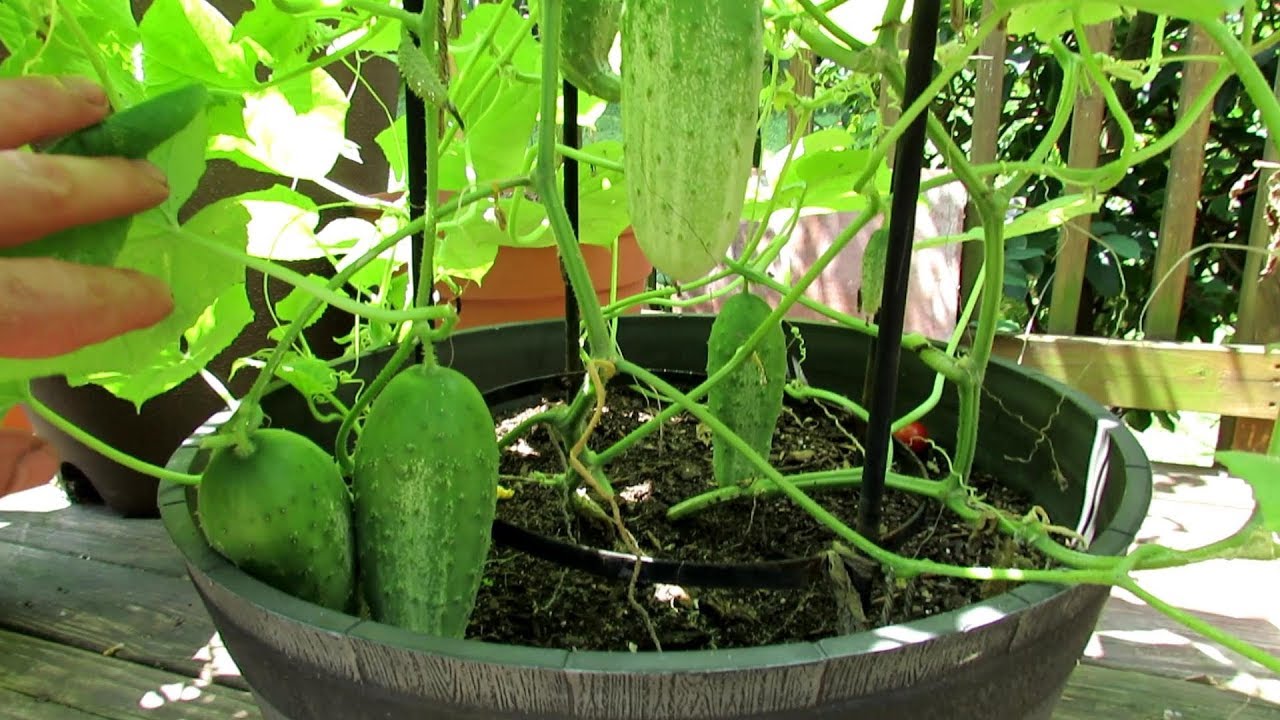
Cucumbers are one of those plants that look a little innocent in a nursery pot, then suddenly decide they want to become a vine with big dreams. The good news: you can absolutely grow them in containers, even on a balcony, as long as you give them three things they care deeply about: sun, consistent water, and rich, fluffy soil.
In this guide, I will walk you through choosing the right pot, building a soil mix that stays moist without turning swampy, supporting both bush and vining types, and keeping your plants productive all summer.
Pick the right type
There are two main growth habits, and choosing the right one makes container life much easier.
Bush cucumbers
Compact plants bred to stay shorter and more contained. They still appreciate support, but they do not try to take over your entire railing.
- Best for: small patios, beginners, 1 plant per pot
- Container goal: about 5 gallons minimum, and 7 to 10 gallons is even better in hot weather
Vining cucumbers
Classic cucumbers that want to climb. In containers, a trellis is not optional. It is the difference between a tidy plant and a tangled, mildew-prone pile.
- Best for: bigger yields, vertical growing, warm sunny spots
- Container goal: roughly 7 to 10+ gallons per plant for most types, with 10 to 15 gallons giving you the most buffer in heat
Top varieties for containers
These are reliable options that perform well in pots and tend to have good disease resistance.
- Patio Snacker: Compact, great for fresh eating, ideal for smaller containers.
- Bush Champion: Classic slicing cucumber on a bush plant, dependable and productive.
- Spacemaster: Semi-bush habit, works well in pots, good for slicers and light pickling.
- Diva: Parthenocarpic (sets fruit without pollination), thin skin, excellent flavor, great for urban balconies.
- Marketmore 76: Vigorous vining slicer, strong disease resistance, best with a sturdy trellis and a larger pot.
- Pick a Bushel: Compact to semi-compact, heavy producer of picklers, container friendly with support.
Quick balcony tip: If pollinators are scarce where you live, lean toward parthenocarpic varieties like Diva. They are wonderfully low stress. One small caveat: with some parthenocarpic types, pollination can lead to more seeds or slightly misshapen fruit. If that happens, it is not you. It is just a quirk of the variety. (This is also why some parthenocarpic cucumbers are marketed for greenhouse or high-tunnel growing, where pollination is easier to control.)
Container size and setup
Cucumbers are thirsty, fast-growing plants. In containers, a pot that is too small often shows up as stress: stalling in heat, misshapen fruit, and sometimes bitterness (bitterness is mostly about stress and genetics, but cramped roots can definitely add to the drama).
How big should the pot be?
- Bush types: 5 gallons minimum (often around 12 to 14 inches wide). If you can swing 7 to 10 gallons, you will water less and the plant will cruise through hot spells more easily.
- Vining types: 7 to 10+ gallons per plant works for many container-friendly vines when watering and feeding are consistent. If your balcony runs hot, windy, or full sun, 10 to 15 gallons is the easier mode.
- Depth: Aim for at least 12 inches deep. Depth helps with root room and moisture buffering, but the real heat protection comes from overall soil volume, pot material and color, sun exposure, and steady watering.
Drainage first
Many containers work here: plastic, ceramic, fabric, wood planters, and grow bags. The non-negotiable is drainage holes. If your pot has one tiny hole, drill a few more if you can.
How many plants per pot?
- 5 to 7 gallons: 1 cucumber plant
- 10 to 15 gallons: 1 plant is the sweet spot. You can squeeze in 2 only in a wide container with a sturdy trellis and diligent watering, but expect tighter airflow and a higher mildew risk.
- Long planter boxes: Space plants about 12 to 18 inches apart
Soil mix cucumbers love
Garden soil is too heavy for containers. It compacts, drains poorly, and makes roots struggle. Instead, use a high-quality potting mix and boost it with compost for fertility and moisture retention.
My go-to mix
- 60% high-quality potting mix (not topsoil)
- 30% finished compost
- 10% perlite (or pumice) for airflow and drainage
Optional add-ins
- Worm castings: A gentle nutrient boost, especially for seedlings.
- Slow-release organic fertilizer: Mixed in at planting for steady feeding.
- Coconut coir: Helps with water retention if your summers are hot and dry.
Soil pH sweet spot: roughly 6.0 to 7.0. Most bagged potting mixes land close enough for happy cucumbers.
Sun and placement
Cucumbers are sun lovers. For strong growth and sweet, crisp fruit, aim for:
- 6 to 8+ hours of direct sun per day
- Warmth: cucumbers sulk in cold soil, so do not rush planting
- Airflow: helps reduce powdery mildew on crowded patios
If your balcony gets intense afternoon heat, a little dappled shade after 3 pm can reduce stress. Make sure the plant still gets strong morning and midday sun.
Balcony microclimate tips
- Wind: Wind dries pots fast and can snap tender vines. Tuck containers near a windbreak, and anchor trellises well.
- Heat bounce: South and west facing walls can reflect heat like an oven. Mulch, use a larger pot, and consider a light shade cloth during heat waves.
- Pot material and color: Dark pots and thin plastic heat up faster in full sun. If your spot runs hot, choose a larger container, consider a lighter color, and avoid letting the pot bake against a heat-reflecting wall.
- Cold snaps: If nights suddenly dip, pull pots close to the building and cover plants with a light fabric row cover overnight.
Planting: seeds vs seedlings
When to plant
Wait until nights are reliably warm. Cucumbers prefer soil temperatures around 70°F for quick germination, but transplanting can succeed a bit cooler (think mid 60s°F) if the weather is settled. Night temperatures ideally stay above 60°F for steady growth.
Starting from seed
Seeds are easy and cost-effective. Direct sowing into the final container avoids transplant shock.
- Fill your pot and water the soil so it is evenly moist.
- Plant 2 to 3 seeds about 1/2 inch deep.
- Once seedlings have 2 to 3 true leaves, thin to the strongest one.
Planting seedlings
- Water the seedling well before transplanting.
- Plant at the same depth it was growing in its nursery pot.
- Water in gently and keep evenly moist for the first week.
My quirky habit: I always “introduce” a new cucumber seedling to its trellis right away. It sounds silly, but training early is genuinely easier for both of us.
Trellising
Vertical growing saves space, improves airflow, and keeps fruit cleaner. It also makes harvesting feel like a little treasure hunt instead of a leaf-wrestling match.
Easy trellis options
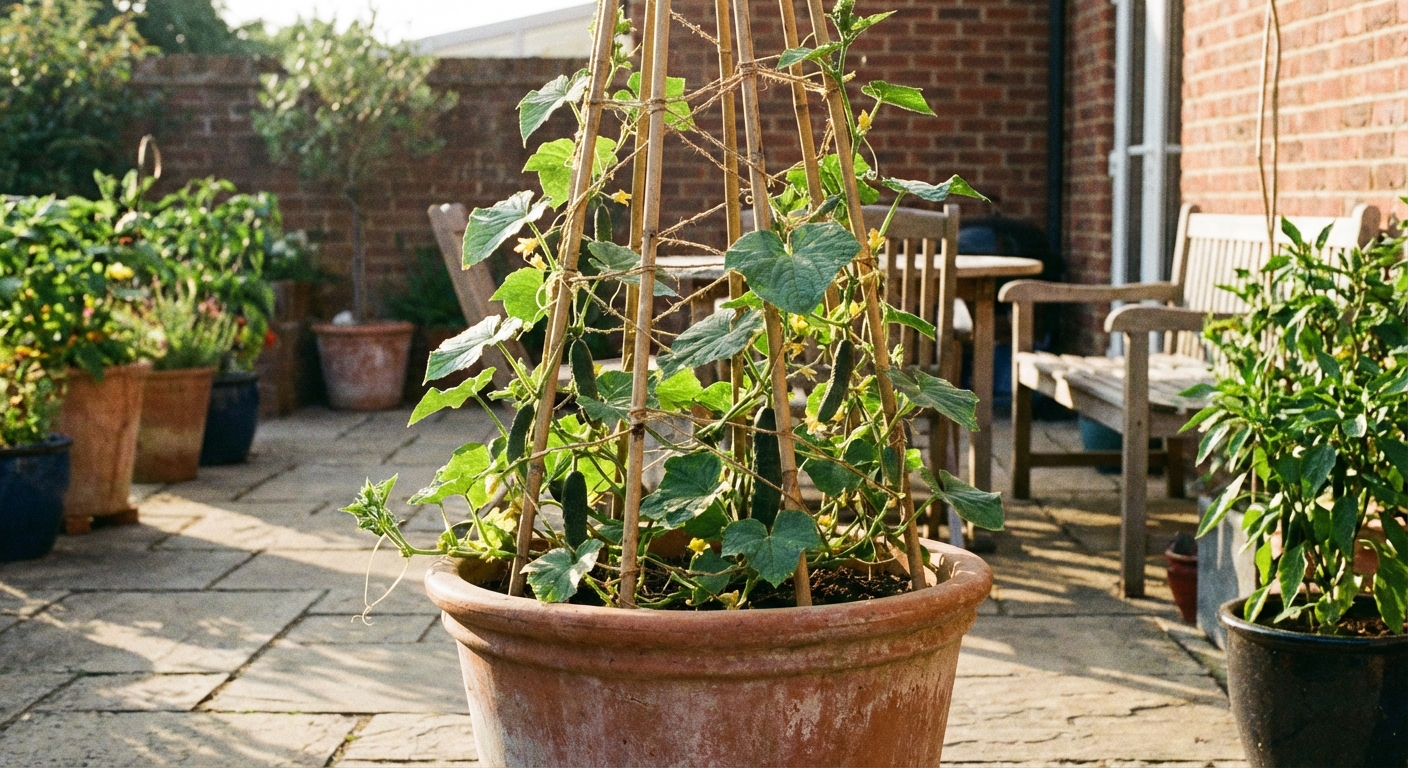
- Bamboo teepee: Fast, inexpensive, surprisingly sturdy.
- Tomato cage: Works best for semi-bush or smaller vining varieties.
- Net trellis on a frame: Great for balconies, just anchor it well.
- Panel or lattice: Ideal if you can attach it to a wall or railing safely.
How to train the vine
- Install the trellis at planting so you do not stab roots later.
- As the vine grows, gently wrap it or clip it to the support.
- Guide wandering stems upward every few days. Young stems are flexible, older ones snap.
Optional pruning
You do not have to prune cucumbers, but on small balconies it can help with airflow.
- Remove a few old lower leaves if they are touching the soil or getting mildew.
- If your trellis space is limited, you can pinch back a runaway side shoot occasionally to keep the plant on its “lane.” Do it sparingly, and prioritize good light and steady watering.
Watering
If I could hover over every container cucumber grower’s shoulder and whisper one thing, it would be this: do not let the pot swing wildly between bone-dry and soaking wet. That roller coaster is what leads to stressed plants and can contribute to bitterness.
How often to water
- Spring: often every 1 to 2 days, depending on sun and wind
- Summer heat: daily, and sometimes twice a day for small pots or grow bags
How to check moisture
Stick a finger 2 inches into the soil.
- If it feels dry at that depth, water.
- If it feels evenly damp, wait and check later.
Watering technique
- Water slowly until you see water run out the bottom.
- Aim at the soil, not the leaves, to reduce fungal issues.
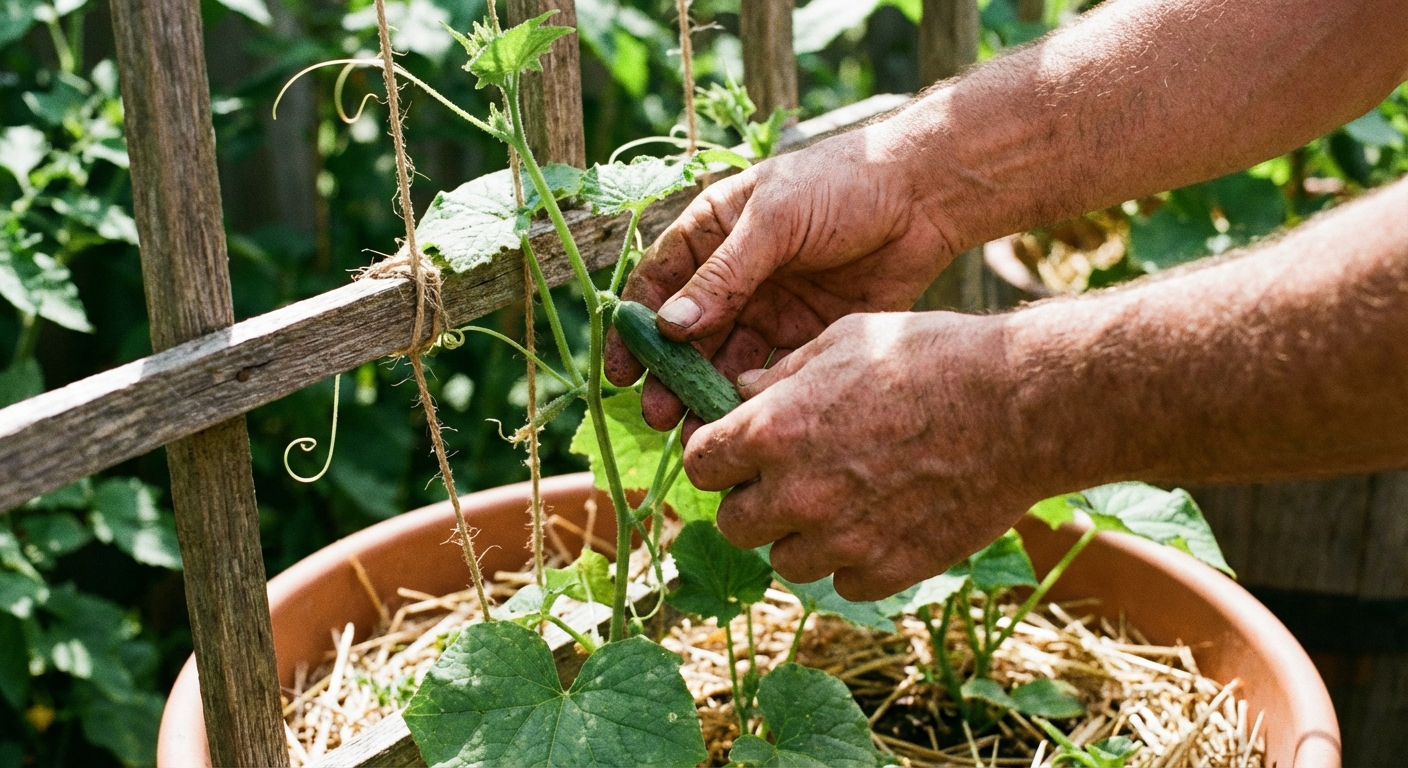
- Mulch the surface with straw or shredded leaves to reduce evaporation.
Self-watering pots and saucers
- Self-watering containers can work beautifully for cucumbers, especially on hot balconies. Keep the soil mix airy, and do not keep the reservoir constantly full in cool weather.
- Saucers are fine for protecting surfaces, but do not let the pot sit in standing water for long. Empty the saucer after deep watering, unless you are using it briefly during a heat wave and you know your container drains well.
Feeding in containers
Container soil nutrients wash out faster than in-ground beds. Cucumbers also grow fast, flower heavily, and set lots of watery fruit. That means they need steady nutrition.
At planting
- Mix in a slow-release organic vegetable fertilizer according to label directions, or
- Add a few handfuls of compost plus a small amount of a balanced organic fertilizer.
Simple NPK guide: A balanced fertilizer such as 4-4-4 (or similar) is a good all-purpose choice at planting. Once flowering and fruiting are underway, many gardeners prefer something with a bit more potassium, such as 3-4-6 or similar, to support fruiting. Always follow the label for container rates.
Once flowering starts
Switch to a rhythm. Pick one approach and stay consistent.
- Liquid feed: a fish emulsion (or a liquid veggie fertilizer) every 7 to 14 days, diluted as directed. Seaweed is great for micronutrients, but it is usually best as a supplement unless it is part of a true fertilizer blend.
- Top-dress: add compost and a light sprinkle of organic fertilizer every 3 to 4 weeks.
Signs your plant is hungry
- Pale leaves and slow growth
- Lots of leaves but few flowers can mean too much nitrogen
- Small fruits that stall can mean inconsistent water, heat stress, or low potassium
Pollination basics
Most cucumbers produce separate male and female flowers. Female flowers have a tiny “baby cucumber” behind the bloom. Without pollination, that little fruit can yellow and drop.
How to help pollination
- Grow nectar plants nearby like basil, dill, borage, calendula, or alyssum.
- Avoid spraying pesticides, even organic ones, during flowering.
- If needed, hand-pollinate using a small paintbrush: dab pollen from a male flower and brush it into the center of a female flower.
Note: Parthenocarpic varieties can set fruit without pollinators, which is a big win for enclosed patios. Some are bred and marketed specifically for greenhouse or high-tunnel growing, where limiting pollination can matter for best fruit shape. If you are growing parthenocarpic cucumbers and also have seeded cucumbers nearby, you may notice occasional odd shapes or extra seeds. It depends on the variety and how much pollination happens.
Common problems
Powdery mildew
- What it looks like: white, dusty coating on leaves
- Prevention: trellis for airflow, avoid wetting leaves late in the day
- Help: remove the worst leaves, keep watering consistent, consider a labeled organic fungicide if it spreads fast
Extra tip: If powdery mildew is a yearly visitor in your area, prioritize varieties labeled as powdery-mildew-resistant and avoid overcrowding in containers.
Bitter cucumbers
- Main cause: heat stress, irregular moisture, and sometimes varietal genetics
- Fix: mulch, water earlier in the day, keep soil evenly moist, and consider upsizing the pot next season if you are watering constantly
Yellowing leaves
- Often: nutrient deficiency, overwatering, or root stress
- Fix: check drainage, adjust feeding schedule, avoid letting the pot sit in a saucer of water
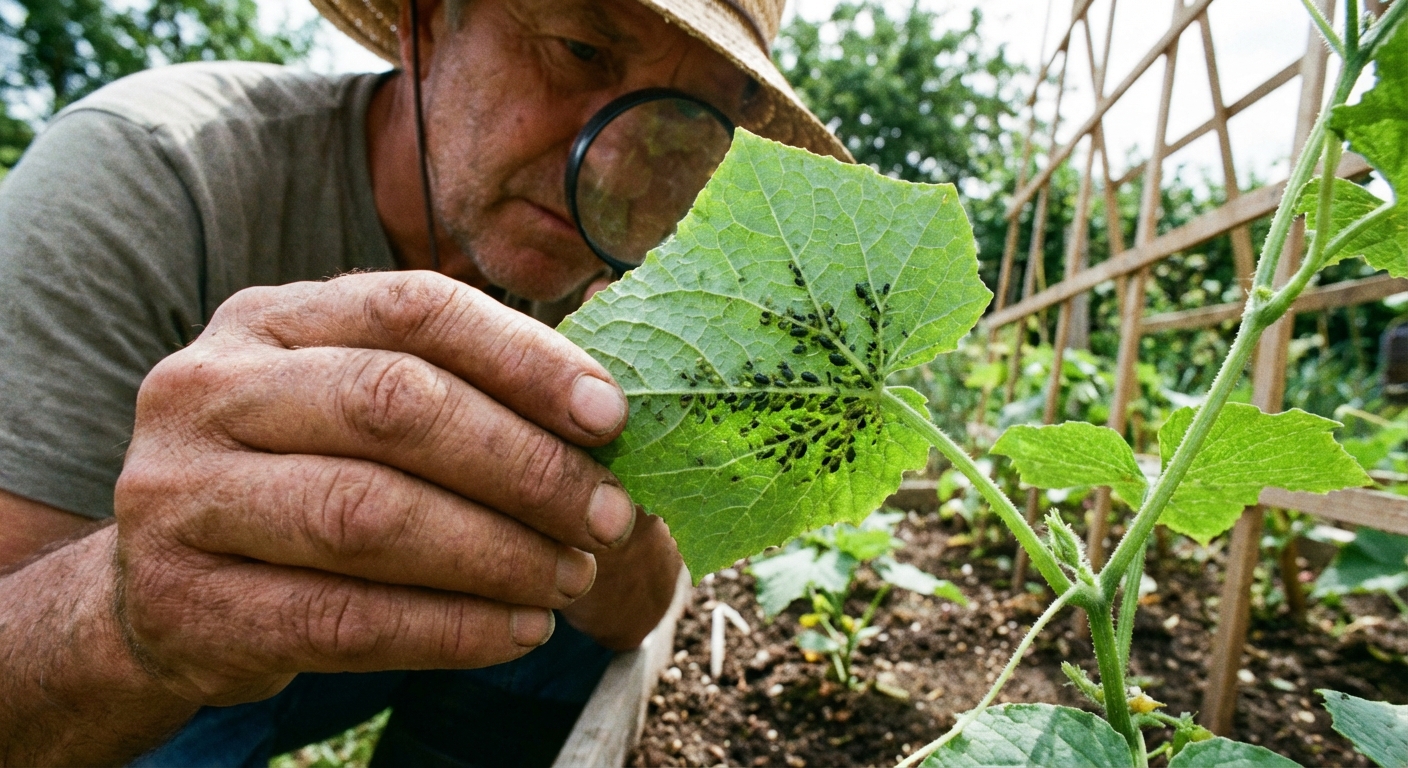
Aphids and cucumber beetles
- First steps: blast aphids off with water, check leaf undersides
- Organic options: insecticidal soap for aphids, hand-pick beetles, use fine insect netting early in the season
Harvesting
This is the fun part, and it is also how you keep the plant producing. Cucumbers left on the vine too long signal the plant to slow down.
When to pick
- Slicers: usually 6 to 8 inches long (or per your variety)
- Picklers: often 3 to 5 inches long for best crunch
How to harvest
- Use clean snips or pruners and cut the stem just above the fruit.
- Harvest every 1 to 2 days during peak production.
- Check behind leaves, cucumbers hide like they are playing a game.
Flavor tip: Harvest in the morning when fruits are cool and crisp, especially during heat waves.
Quick checklist
- Pot: about 5 to 10+ gallons (up to 15 for max heat buffer) with great drainage
- Sun: 6 to 8+ hours
- Soil: potting mix + compost + perlite
- Support: trellis for vining types (and helpful for bush types)
- Water: keep evenly moist, mulch the surface
- Feed: slow-release at planting + regular feeding once flowering starts
- Harvest: often, do not let fruits get oversized
If you have ever felt like cucumbers are “fussy,” I promise they are just expressive. Give them a roomy pot, steady water, and something to climb, and they will reward you with that fresh, snap-in-your-salad crunch that makes summer taste like summer.