
How to Grow Cilantro Without It Bolting

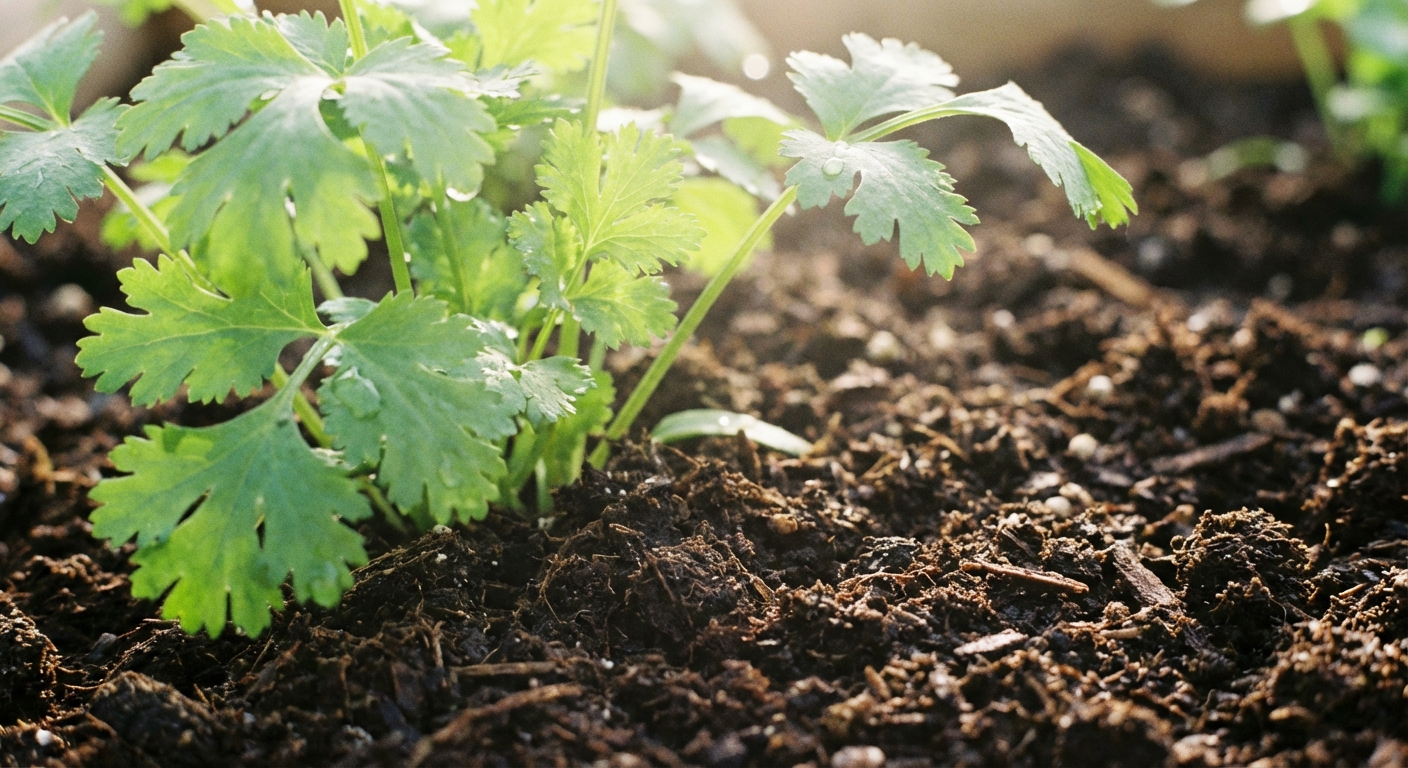
Cilantro has a reputation for breaking hearts. One day you have a sweet little patch of lacy green leaves, and the next day it has launched into a tall, skinny flower stalk like it has somewhere better to be.
The good news is that bolting is not a personal failure. Cilantro is a cool-season annual that reads heat and long days as its cue to make seeds. Your job is to slow down that “make babies!” switch for as long as possible, then happily collect coriander when it flips anyway.
Why cilantro bolts so fast
Bolting is when a plant shifts from growing leaves to sending up a flower stalk and setting seed. With cilantro, this change can happen quickly because it is triggered by a few common conditions:
- Heat (especially warm nights) speeds up flowering.
- Longer days in late spring and early summer push the plant toward reproduction.
- Stress from drying out, cramped roots, or poor soil can make cilantro bolt earlier.
Once the stalk forms, leaf production slows and the flavor changes. You can still use some leaves, but they tend to get smaller and sharper tasting.
Planting timing: treat cilantro like a spring and fall crop
If you only change one thing, change when you plant. Cilantro is happiest when days are mild.
Spring planting
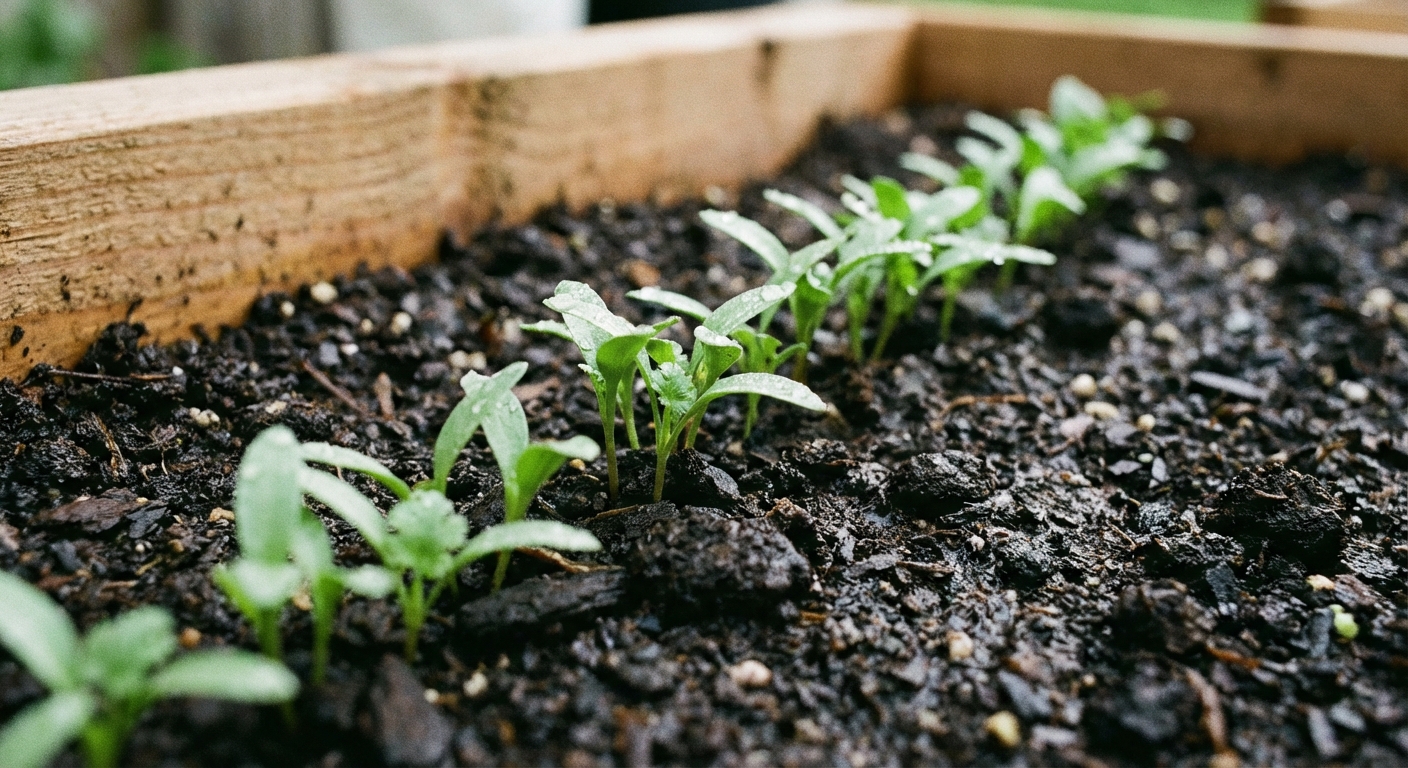
Sow cilantro as soon as your soil can be worked. In many regions, that is 2 to 4 weeks before the last frost. Light frosts are usually fine, and cooler weather means slower bolting and bigger leaves.
Fall planting
Fall cilantro is often the easiest, longest-running crop. Sow seeds 6 to 8 weeks before your first expected frost, and keep planting until cool weather settles in. In mild climates, cilantro can grow through winter with minimal protection.
If you live where spring turns hot fast
Skip the “late spring” planting entirely and treat cilantro as a late winter, early spring and fall herb. In hot-summer climates, cilantro in May is basically an invitation to bolt.
Succession sowing: the easiest way to stay in cilantro
Even with perfect timing, cilantro is a short-lived plant. Succession sowing keeps you in steady harvests instead of one dramatic boom and bust.
Simple schedule
- Sow a small patch or container every 2 to 3 weeks.
- Each sowing can be as little as a row 1 to 2 feet long or a single pot.
- Stop sowing when daytime highs are consistently hot for your area, then start again as temperatures cool.
Think of it like baking. You do not make one giant loaf for the whole month. You make smaller batches so it stays fresh.
Shade strategies that actually work
Cilantro will tolerate sun, but it lasts longer with some protection once warmth arrives.
Use afternoon shade
If you can choose a spot, aim for morning sun and afternoon shade. A location on the east side of a building, fence, or taller crop is perfect.
Grow under taller plants
Cilantro does well tucked beside plants that cast light shade, like tomatoes, peppers, or pole beans. You get bonus points for using garden space efficiently.
Add a shade cloth when heat hits
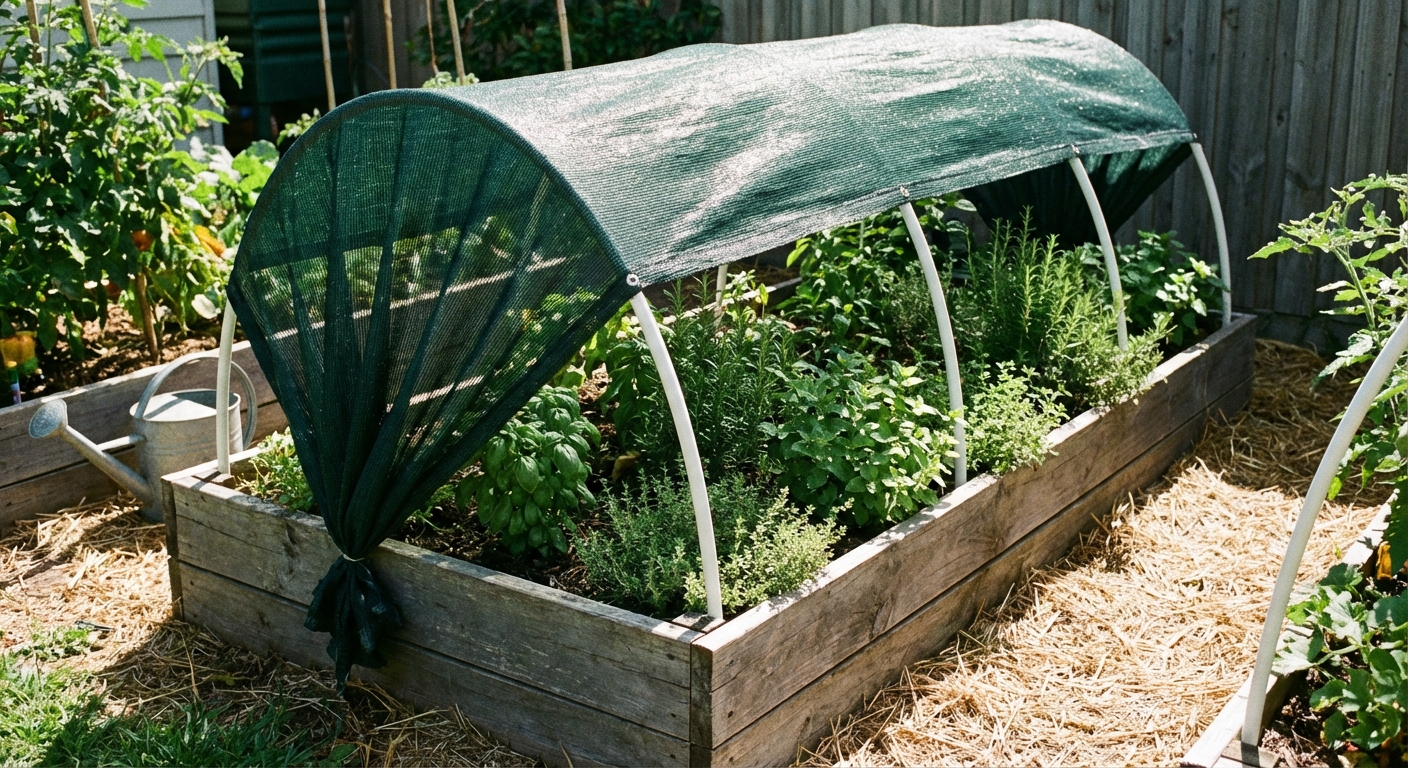
A 30% to 50% shade cloth can noticeably slow bolting. Drape it over hoops so air can move underneath, and keep the soil evenly moist.
Choose slow-bolt varieties
Variety choice will not make cilantro heatproof, but it can buy you extra time.
- ‘Slow Bolt’: Reliable, widely available, and a good baseline choice.
- ‘Calypso’: Known for staying leafy longer and handling warmth better than many types.
- ‘Santo’: Common in seed racks and often slower to bolt than generic cilantro.
- ‘Leisure’: Bred for delayed bolting with good leaf production.
If you are buying starts, ask what variety it is. If it is unlabeled, treat it as “standard cilantro” and expect it to bolt sooner.
Soil, water, and spacing: reduce stress to delay flowering
Stress makes cilantro panic-bloom. Give it steady conditions and it will stay in leaf longer.
Soil that stays cool and moist
- Work in compost before sowing to improve moisture-holding.
- Mulch lightly once seedlings are a few inches tall. Straw, shredded leaves, or fine bark works well.
- Avoid heavy nitrogen fertilizers. They can push fast, soft growth that struggles in heat.
Consistent watering
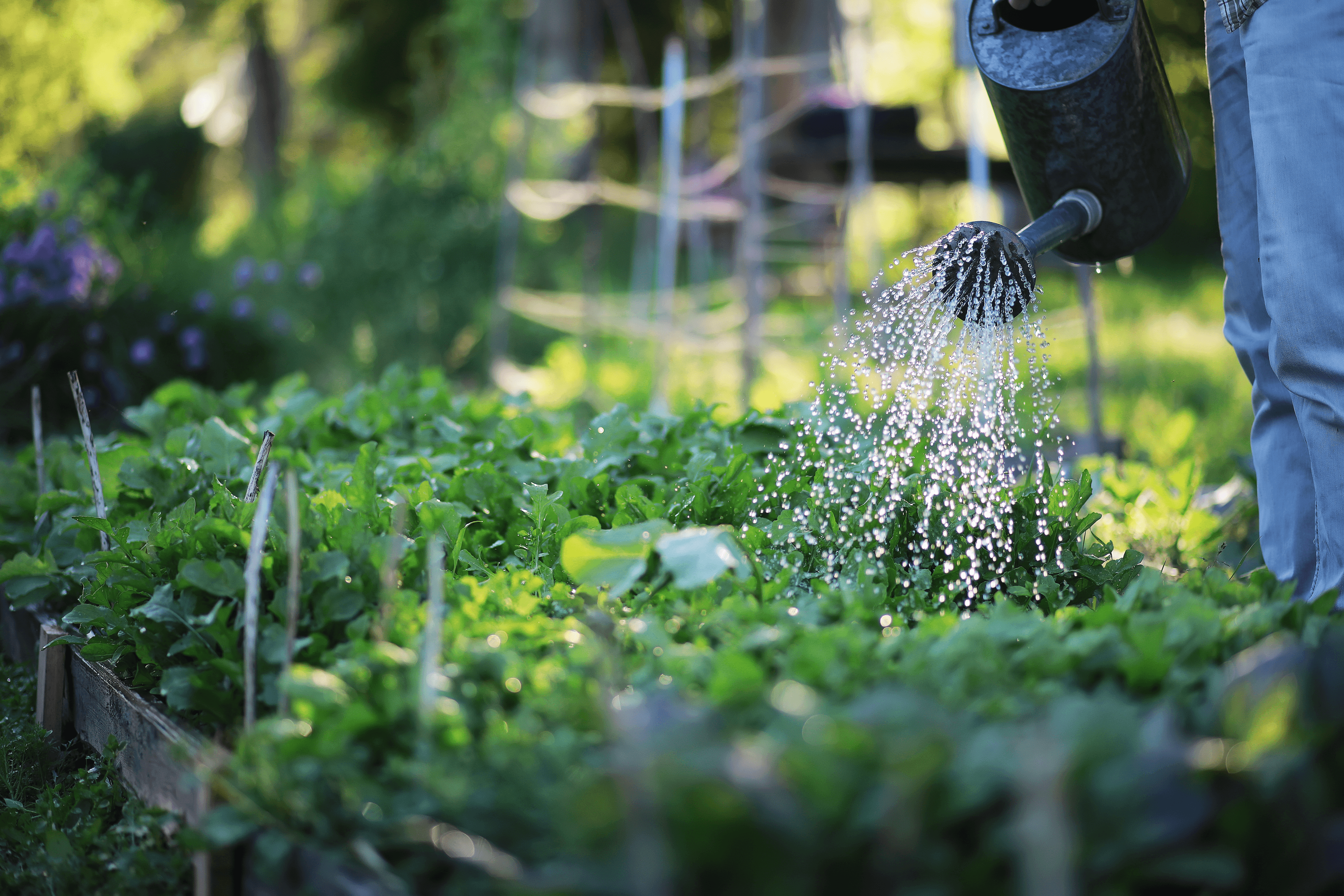
Irregular watering is one of the fastest routes to early bolting. Aim for soil that feels like a wrung-out sponge. In containers, check daily during warm spells.
Give plants room
Crowded cilantro heats up and dries out faster. Thin seedlings to about:
- 4 to 6 inches apart for full-size plants
- 2 to 3 inches apart if you harvest young as “micro cilantro” or baby leaf
Harvesting techniques that extend production
How you harvest cilantro matters. If you take a few leaves from lots of plants, you often end up with a bed full of half-stressed cilantro that bolts anyway. Instead, harvest with intention.
Harvest outer stems first
Snip or pinch outer stems near the base, leaving the center growth point to keep producing. This is more effective than plucking random leaves.
Do not take too much at once
A safe rule is to harvest up to one-third of the plant at a time. If you need a lot of cilantro for a recipe, harvest a whole plant or two from your succession sowing rather than scalping every plant in the patch.
Keep an eye on the first flower stalk
The moment you see a taller central stem forming, you can:
- Cut the plant back and use what you have. Sometimes it will regrow a little, especially in mild weather.
- Let it go and switch your plan to seed saving.
Snipping the stalk does not always prevent bolting, but it can slow the process slightly if temperatures are still moderate.
Container cilantro: small tweaks for big results
Cilantro in pots bolts quickly if the container heats up or dries out. A few practical adjustments help a lot.
- Use a larger pot: 10 to 12 inches wide holds moisture and stays cooler than a tiny herb pot.
- Choose a light-colored container: Dark pots absorb heat.
- Provide midday shade: Move the pot, or place it where it gets shade after lunch.
- Water deeply: Shallow sips encourage shallow roots and faster stress.
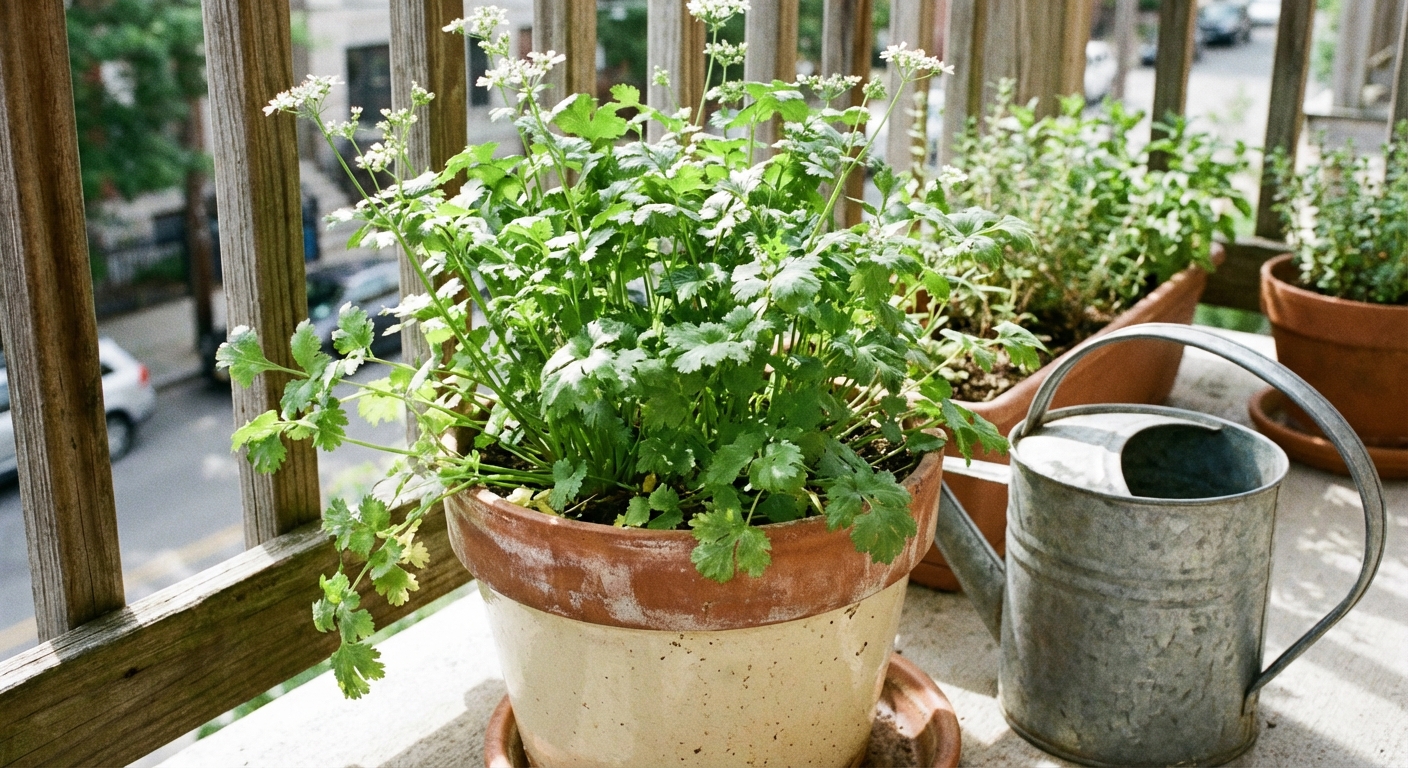
When cilantro bolts anyway: how to save coriander seeds
When cilantro flowers, it becomes a pollinator magnet. Tiny white blooms bring in beneficial insects, and the seeds are coriander, which is worth keeping. This is cilantro’s graceful exit, and I have learned to appreciate it.
Step-by-step seed saving
- Let the flowers finish: After flowering, green seed clusters form. Leave them on the plant.
- Wait for browning: Seeds are ready when the clusters turn tan to light brown and feel dry.
- Harvest on a dry morning: Snip whole seed heads into a paper bag or bowl.
- Dry thoroughly: Spread seed heads in a single layer indoors for 1 to 2 weeks.
- Rub to release seeds: Gently crumble the dry heads with your fingers.
- Store correctly: Keep seeds in a labeled jar or envelope in a cool, dark place.
How to use coriander
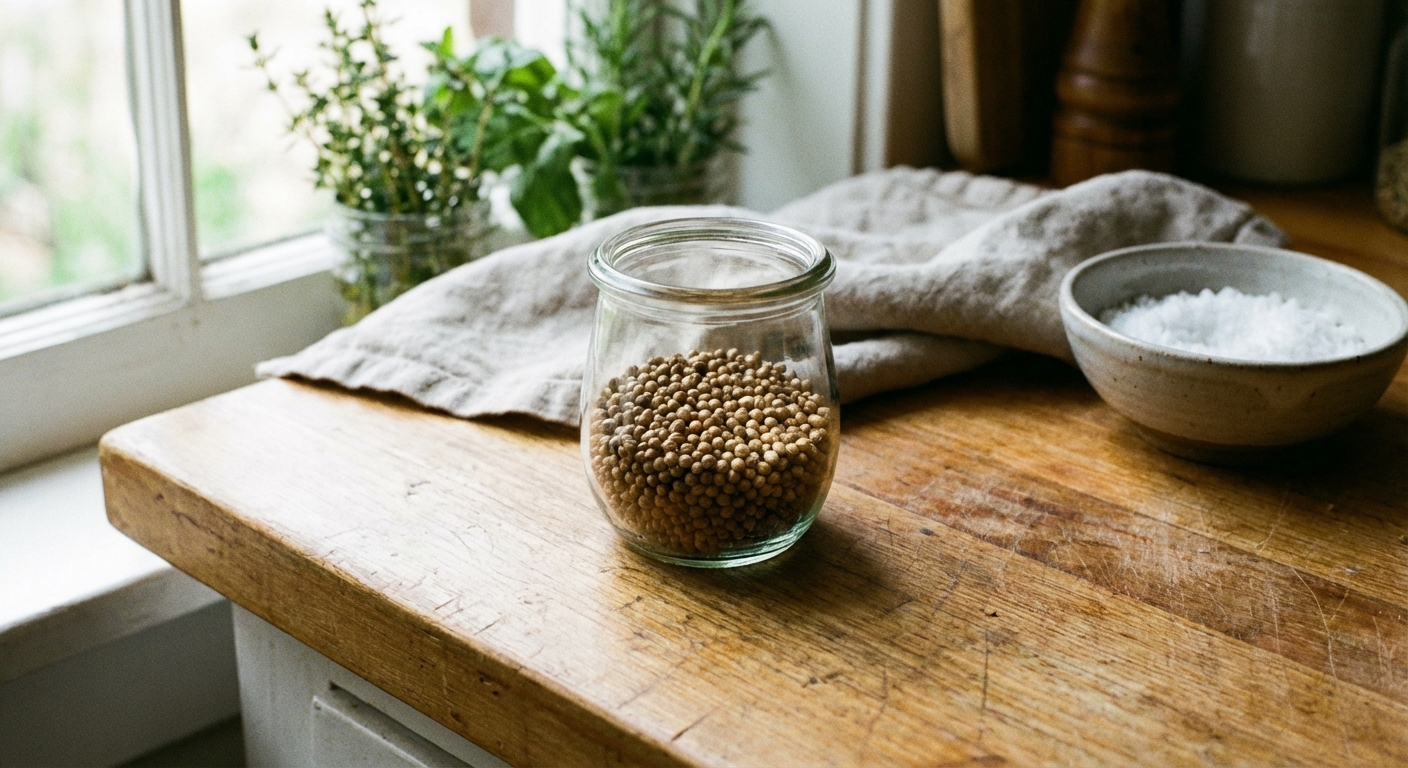
Coriander seeds have a warm, citrusy, slightly nutty flavor. Toast them lightly in a dry pan, then grind for curries, beans, roasted vegetables, or homemade spice blends.
Quick troubleshooting: what to do if it keeps bolting
- It bolts when it is still small: Plant earlier or switch to fall planting, thin more aggressively, and keep moisture consistent.
- Leaves are bitter and stems are tall: It is already transitioning. Harvest what you can and reseed.
- It bolts even in shade: Try a slow-bolt variety and increase watering frequency. Warm nights can override shade benefits.
- My cilantro never thrives: Check drainage and soil texture. Cilantro likes moisture but hates soggy roots.
A simple cilantro plan you can copy
If you want an easy routine that works in most gardens, here is a solid starting point:
- Early spring: Direct sow a small patch. Add a second sowing 2 to 3 weeks later.
- Late spring: Keep sowing only if you can provide afternoon shade and steady water.
- Summer: Pause sowing in hot climates. Let one patch bolt for pollinators and coriander.
- Late summer to fall: Restart succession sowing every 2 to 3 weeks for a long, happy harvest season.
Cilantro teaches patience in a funny way. You cannot force it to love summer. But you can outsmart bolting with timing, shade, and a little steady care. And when it finally flowers, you are not losing a crop. You are gaining coriander.