
How to Get Rid of Whiteflies on Plants

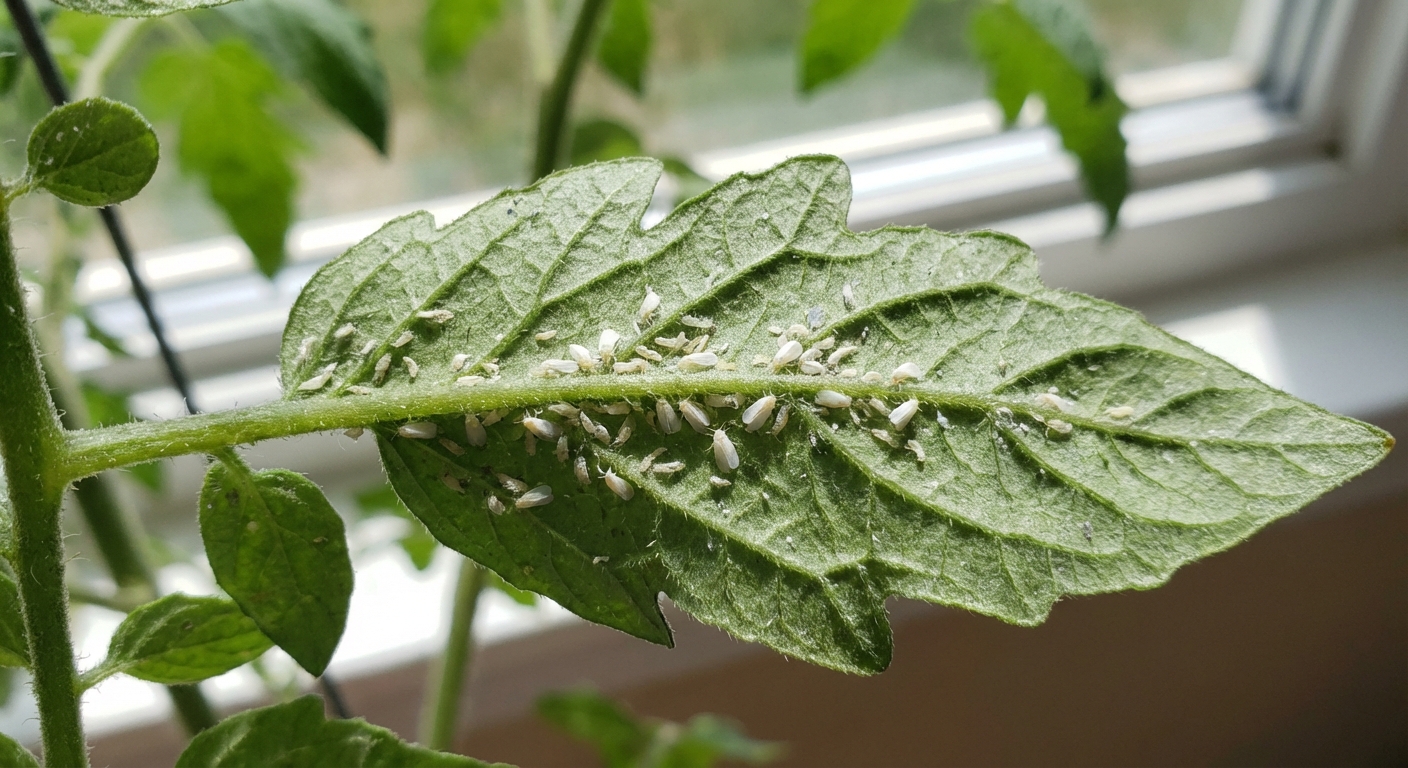
Whiteflies are one of those pests that make you doubt your whole plant parenting journey. You water, you fertilize, you whisper encouragement to your pothos, and then a tiny cloud of white specks lifts off the leaves like plant confetti in the worst possible way.
The good news: whiteflies are very beatable, especially when you understand their rhythm. They are persistent, not invincible. This guide will help you identify whiteflies correctly, break their lifecycle, and choose organic treatments that work on houseplants and in the garden.
How to identify whiteflies
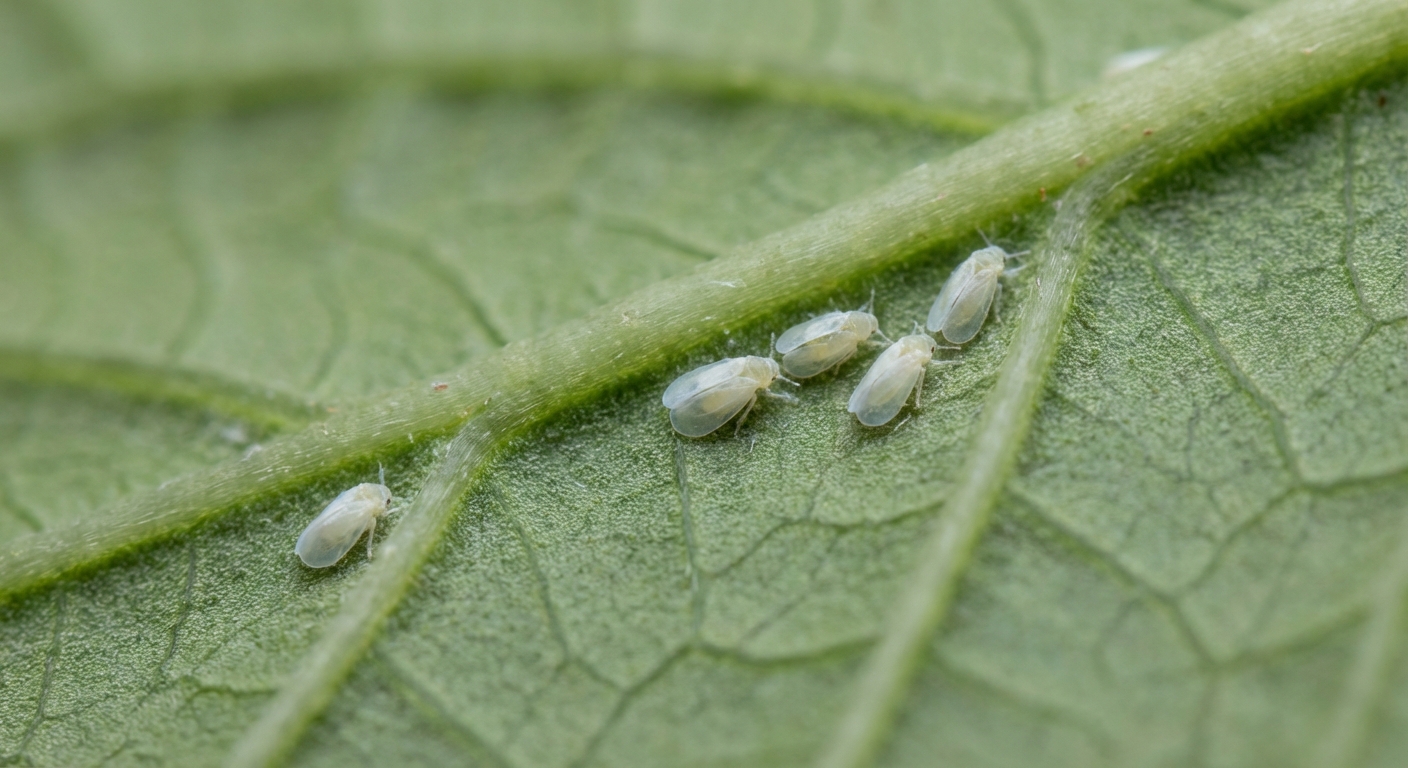
Whiteflies are tiny, sap-sucking insects that look like little white moths. They usually hang out on the undersides of leaves. When disturbed, they flutter up in a small swarm, then settle back down.
Common signs
- Little white “moths” flying up when you shake the plant
- Sticky leaves or a shiny film (honeydew)
- Yellowing leaves, especially lower or older leaves first
- Leaf drop on heavily infested plants
- Sooty mold growing on honeydew (a black, dusty coating)
- Stunted growth and tired-looking new leaves
If you want to confirm: flip a leaf over and look for tiny pale nymphs that resemble flattened, translucent scales. Those are the life stage that sits and feeds, and it is the stage you really want to target.
Lookalikes
- Fungus gnats: look more like tiny black flies and mostly hover around the soil surface, not the leaf undersides.
- Aphids: pear-shaped and usually green, black, or brown. They cluster on stems and new growth more than they “moth-fly.”
- Mealybugs: cottony, white fluff in leaf joints and along stems.
- Scale: firm, immobile bumps that do not flutter up when disturbed.
Lifecycle (and why it matters)
Whiteflies multiply quickly because their lifecycle is efficient and a bit sneaky.
- Eggs: Laid in circles or arcs on leaf undersides.
- Crawler (1st instar nymph): The only nymph stage that moves around much before settling to feed.
- Later nymphs: Flattened, scale-like, and harder to kill with quick contact sprays unless you get excellent coverage.
- “Pupal” (puparium) stage: A final, non-feeding stage before adulthood (not a true pupa, but it acts like one).
- Adults: The flying white insects you see when you bump the plant.
In warm conditions, whiteflies can go from egg to adult in as little as 2 to 4 weeks (sometimes longer depending on species and temperature). That is why one spray rarely “solves” whiteflies. You are usually battling multiple generations at once. Repeating treatments on a schedule is what breaks the cycle.
Fast triage
- Isolate the plant (indoors) or separate pots (outdoors). Whiteflies spread easily, especially in a sunny window lineup or a tight patio grouping.
- Rinse the plant thoroughly. A strong spray of water knocks adults and some nymphs off. Outdoors, use a hose with a firm spray. Indoors, the shower is your best friend.
- Remove the worst leaves. If a few leaves are heavily covered in nymphs, prune them and discard in the trash, not the compost.
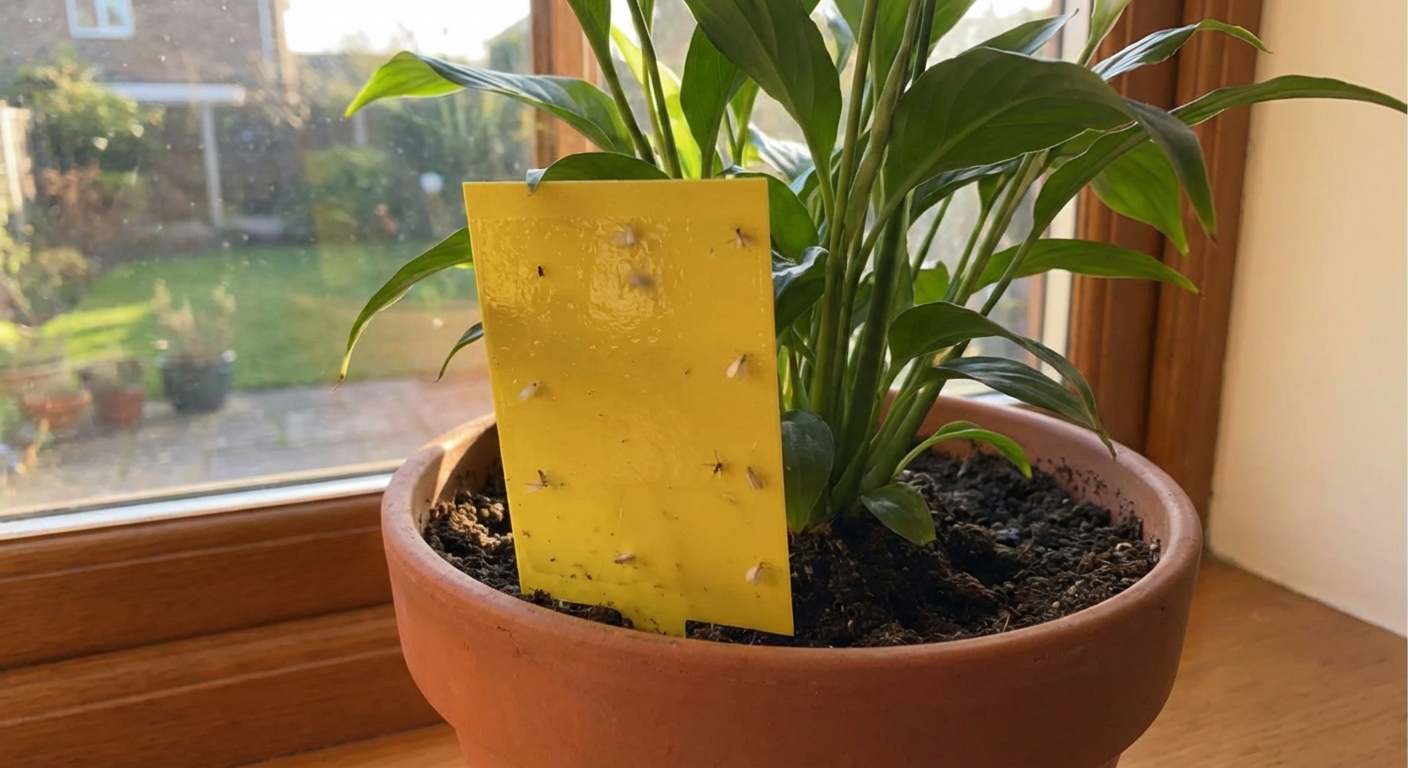
- Start traps right away. Yellow sticky traps help catch flying adults so they cannot keep laying eggs.
- Optional indoor trick: vacuum the adults. A handheld vacuum (on low) can grab a surprising number of flyers. Empty it outside immediately.
That combo alone often calms an outbreak enough that organic sprays can finish the job without drama.
Organic treatments that work
For whiteflies, I like a layered approach: traps for adults, sprays for nymphs, and plant care tweaks so your plant can recover quickly.
Before you spray
- Avoid spraying in heat or harsh sun. For soaps and oils, skip applications when temperatures are above 85 to 90°F (29 to 32°C), or if the plant is heat-stressed.
- Avoid spraying open blooms when possible, and never spray when pollinators are actively visiting.
- Edibles: Follow label directions and rinse produce before eating.
- Test first: Spray a small section, wait 24 hours, then proceed if the plant looks fine.
1) Yellow sticky traps
What they do: Catch adult whiteflies (and other flying pests) so populations cannot keep exploding.
- Place traps just above the foliage or at canopy height.
- Use 1 to 2 traps per medium houseplant, more for bushy plants.
- Replace when dusty or covered with insects.
Tip: Sticky traps will not catch eggs or nymphs on leaves. Think of them as population control, not the whole solution.
2) Insecticidal soap
What it does: Soap works by contacting and disrupting soft-bodied insects. It is especially effective on nymphs when applied thoroughly.
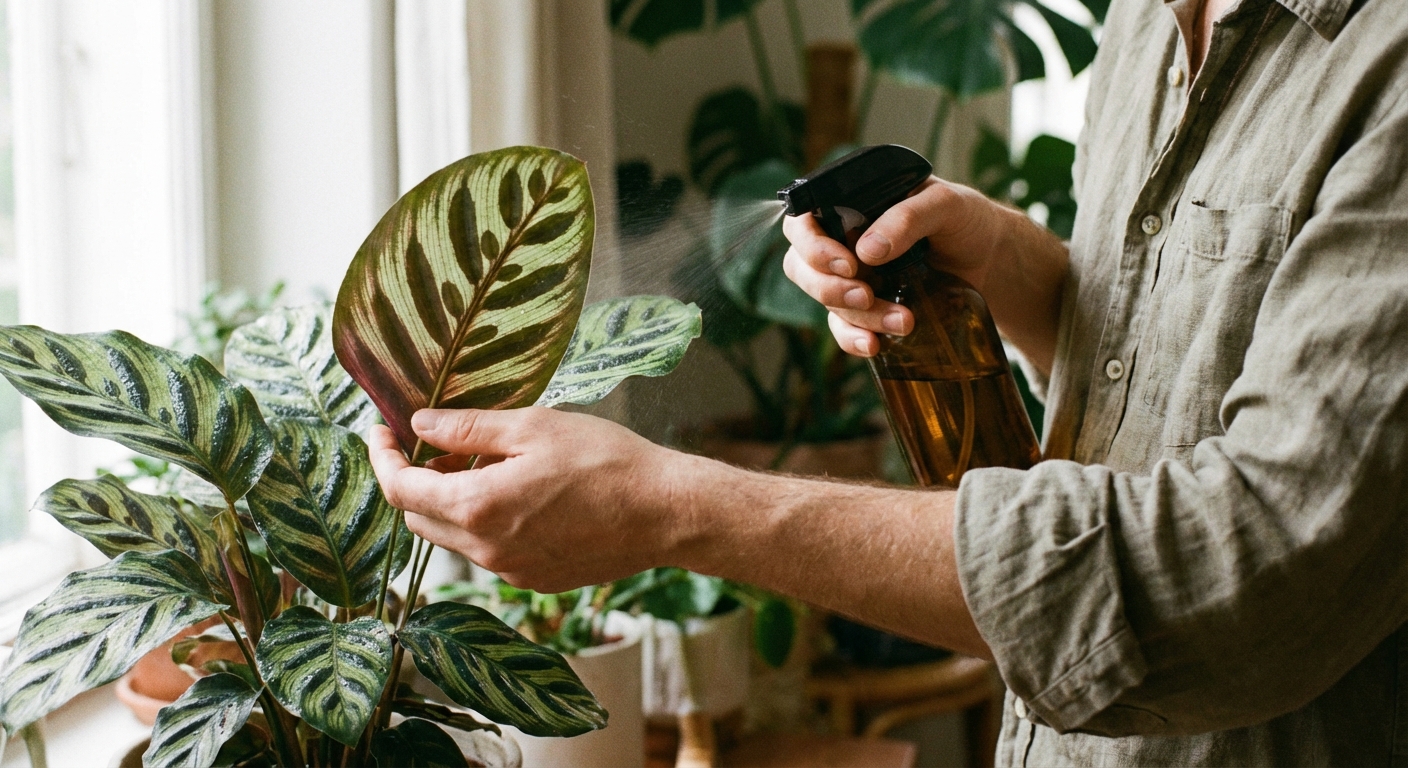
- Spray both sides of leaves, focusing on undersides.
- Apply in the early morning or evening outdoors to reduce leaf burn and protect beneficial insects.
- Repeat every 4 to 7 days for at least 3 rounds.
Note: Coverage is everything. If you only mist the top leaves, the whiteflies throw a party underneath.
3) Neem oil (or horticultural oil)
What it does: Neem can reduce feeding and reproduction, and oils can smother certain stages on contact. Neem works best with repeat applications and good technique.
- Mix exactly according to label directions.
- Test on a small section first, especially on delicate houseplants.
- Spray out of direct sun and avoid applying to heat-stressed plants.
- Repeat every 7 days for several weeks.
Important: Do not combine neem or other oils with sulfur products. To be safe, wait at least 2 to 4 weeks between sulfur and any oil spray to reduce the risk of leaf burn.
4) Manual wipe-down (great for houseplants)
On sturdy-leaved houseplants (think: hibiscus, citrus, many begonias, some ficus), wiping the undersides of leaves can remove a surprising number of nymphs.
- Use a damp cloth or cotton pads.
- You can use plain water, or water with a tiny amount of mild soap.
- Work leaf by leaf, then follow with traps and a spray schedule.
5) Beneficial insects (best for protected spaces)
If you are growing in a greenhouse, hoop house, or other protected space, beneficial insects can be extremely effective when used early and matched to the right whitefly species. Outdoors, results can be more variable because predators disperse and weather shifts fast.
- Encarsia formosa (a tiny parasitic wasp) is a classic helper for greenhouse whitefly in protected spaces.
- Lacewings, hoverfly larvae, and some lady beetles can also feed on whitefly eggs and nymphs, especially when populations are still low.
Tip: Avoid broad-spectrum pesticides if you want beneficial insects to stick around and do their job.
6) Reflective mulch (garden option)
In vegetable beds, reflective (silver) mulch can make it harder for whiteflies to settle in, especially early in the season. It is not magic, but it can noticeably slow outbreaks.
A simple 14-day plan
If you want a straightforward routine, here is a schedule that works for many home gardeners.
Day 1
- Rinse the plant well (undersides too).
- Prune heavily infested leaves.
- Set yellow sticky traps.
- Spray with insecticidal soap (or neem, if you prefer).
Day 5 to 7
- Re-rinse if needed.
- Re-spray thoroughly.
- Check traps and replace if crowded.
Day 12 to 14
- Re-spray a third time.
- Inspect new growth and leaf undersides closely.
If you still see adults, keep going weekly. Whiteflies are a marathon pest, not a sprint pest, but they do lose steam when you stay consistent.
Houseplants vs garden plants
Houseplants
- Isolation matters more. Whiteflies hop from pot to pot easily in a bright window.
- Shower rinses are incredibly effective as a first strike.
- Be cautious with oil sprays under strong grow lights. Apply when lights are off and leaves are cool.
Garden plants
- Timing matters. Spray early morning or evening to protect beneficials and reduce leaf burn.
- Ant control helps. Ants sometimes “farm” honeydew pests and may protect them from predators.
- Plant spacing and airflow make outbreaks less intense.
Plants they love
Whiteflies have favorites. If you grow any of these, make checking leaf undersides part of your regular stroll through the garden.
Common garden targets
- Tomatoes
- Peppers
- Eggplant
- Cucumbers and squash
- Beans
- Hibiscus and other ornamentals
- Brassicas can be affected too, especially in regions where species like cabbage whitefly are common
Common houseplant targets
- Hibiscus (indoors and out, it is a magnet)
- Ficus
- Citrus grown indoors
- Gardenia
- Poinsettia (especially in winter)
- Ferns can get them too, especially in warm, still air
If you have a plant that repeatedly gets whiteflies, it is not a personal failing. Some plants are simply more tempting, especially when grown in cozy, stable indoor temperatures.
Prevention
Once you have fought whiteflies, you earn the right to become a little suspicious in the best way. Prevention is mostly about early detection and reducing the conditions whiteflies love.
Smart habits
- Inspect new plants for 2 weeks. Quarantine newcomers and check leaf undersides every few days.
- Keep leaves clean. Dust and grime make it easier for pests to hide and harder for you to spot them.
- Do not over-fertilize. Excess nitrogen pushes soft, juicy growth that whiteflies adore.
- Improve airflow. Space plants and use a small fan indoors if your plant shelf is packed.
- Use sticky traps as early warning. One trap near susceptible plants can tell you a lot before an outbreak takes hold.
- Support beneficial insects outdoors. Grow nectar plants like dill, alyssum, and yarrow to feed helpful predators.
Common mistakes
- Only treating once. Whiteflies rebound fast. Repeat applications are non-negotiable.
- Spraying only the top of leaves. Whiteflies hide underneath, so you must spray underneath.
- Spraying in hot sun. Soap and oil can burn leaves. Timing matters.
- Skipping the rinse step. Knocking down adults first makes every other treatment more effective.
- Not isolating indoor plants. One infested plant can quietly seed the entire collection.
FAQ
Are whiteflies harmful to humans or pets?
Whiteflies do not bite people or pets. They harm plants by sucking sap and spreading some plant viruses. The sticky honeydew can also lead to sooty mold.
Will dish soap work?
Sometimes, but it is easier to damage leaves with homemade mixes. If you can, use a true insecticidal soap labeled for plants. If you do use a very mild dish soap solution, test a few leaves first and never spray in direct sun or heat.
Why do I still see them after spraying?
You are probably seeing newly emerged adults from eggs and nymph stages that survived. That is normal. Keep your treatment schedule and use sticky traps to reduce the flyers.
Do sticky traps solve it?
They help a lot, but they mostly catch adults. You usually need a spray or wipe-down routine to eliminate eggs and nymphs on the leaves.
When to let go
If a plant is severely infested and declining, sometimes the kindest move is to let it go, especially indoors where it can threaten everything else you are growing. Bag it before moving it through your home, and clean the area well.
But most of the time, you can absolutely save the plant. Stay consistent, target the undersides of leaves, and remember: you are not fighting nature. You are just re-balancing it, one leaf flip at a time.