
How to Get Rid of Leaf Miners on Plants

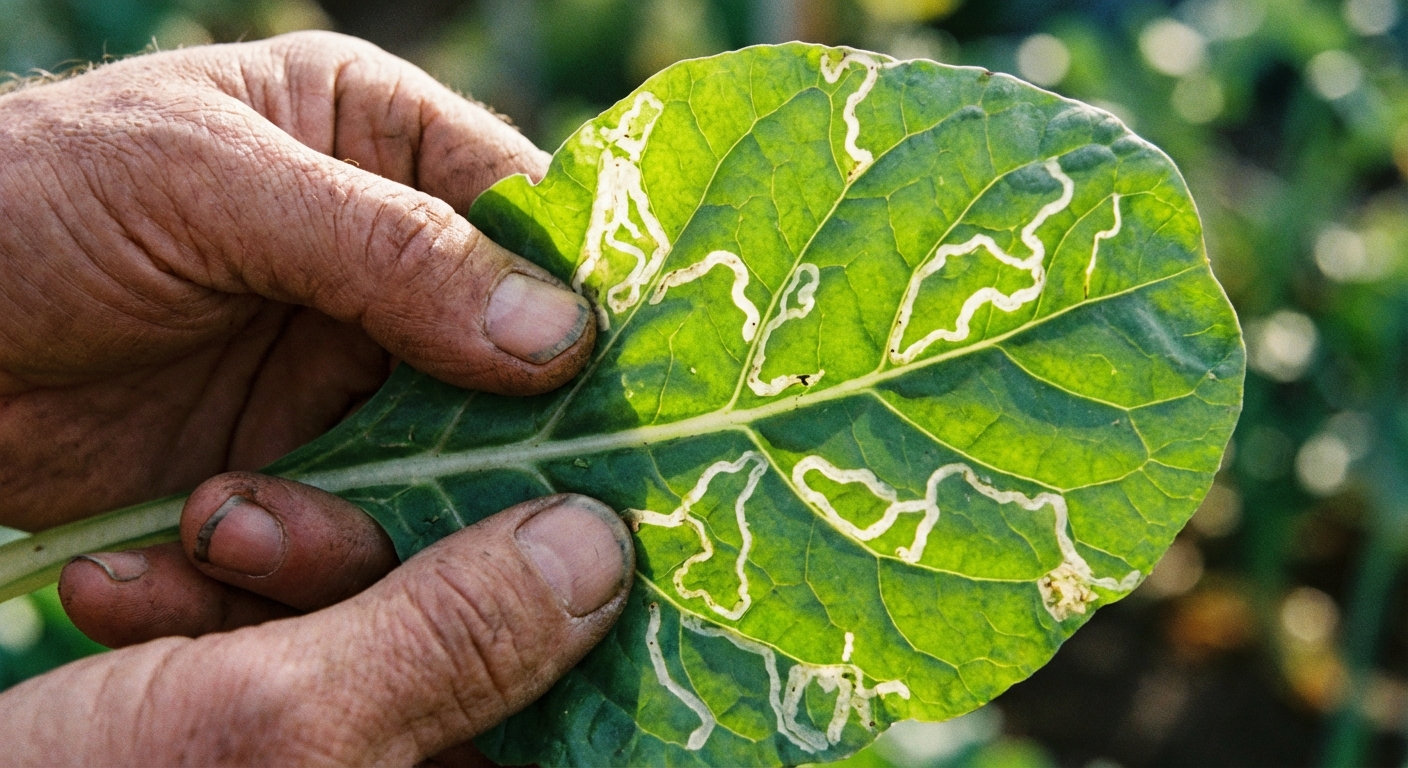
If you have ever held a leaf up to the light and spotted pale, squiggly “tunnels” like someone doodled inside the tissue, you have met leaf miners. The good news is that leaf miner damage looks dramatic, but it is usually very manageable, especially if you catch it early and focus on breaking the life cycle.
Below, I will help you confirm the diagnosis, learn which plants tend to get hit, and choose the best control methods, from the simplest (pinching off a few leaves) to targeted organic sprays like spinosad.
What leaf miners are
Leaf miners are the larvae of certain insects that feed between the upper and lower surfaces of a leaf. Instead of chewing holes from the outside like caterpillars, they eat the inner leaf tissue, leaving those signature pale trails.
Common culprits include:
- Leaf miner flies (often the most common in vegetable gardens)
- Moths (some species mine leaves in larval stages)
- Sawflies (can mine leaves on specific plants)
Adults lay eggs on or in leaves. After hatching, larvae burrow and feed, creating the trails. With many leaf miner fly species, mature larvae leave the leaf and pupate in the soil, but pupation location can vary by species. That is why soil-level prevention can help, but it is not the only lever.
How to identify leaf miner damage
Classic signs
- Winding, squiggly trails that are pale white, tan, or light green
- Blotches that look like translucent patches (some species make “blotch mines” instead of thin lines)
- Leaf curling or drying when infestations are heavy
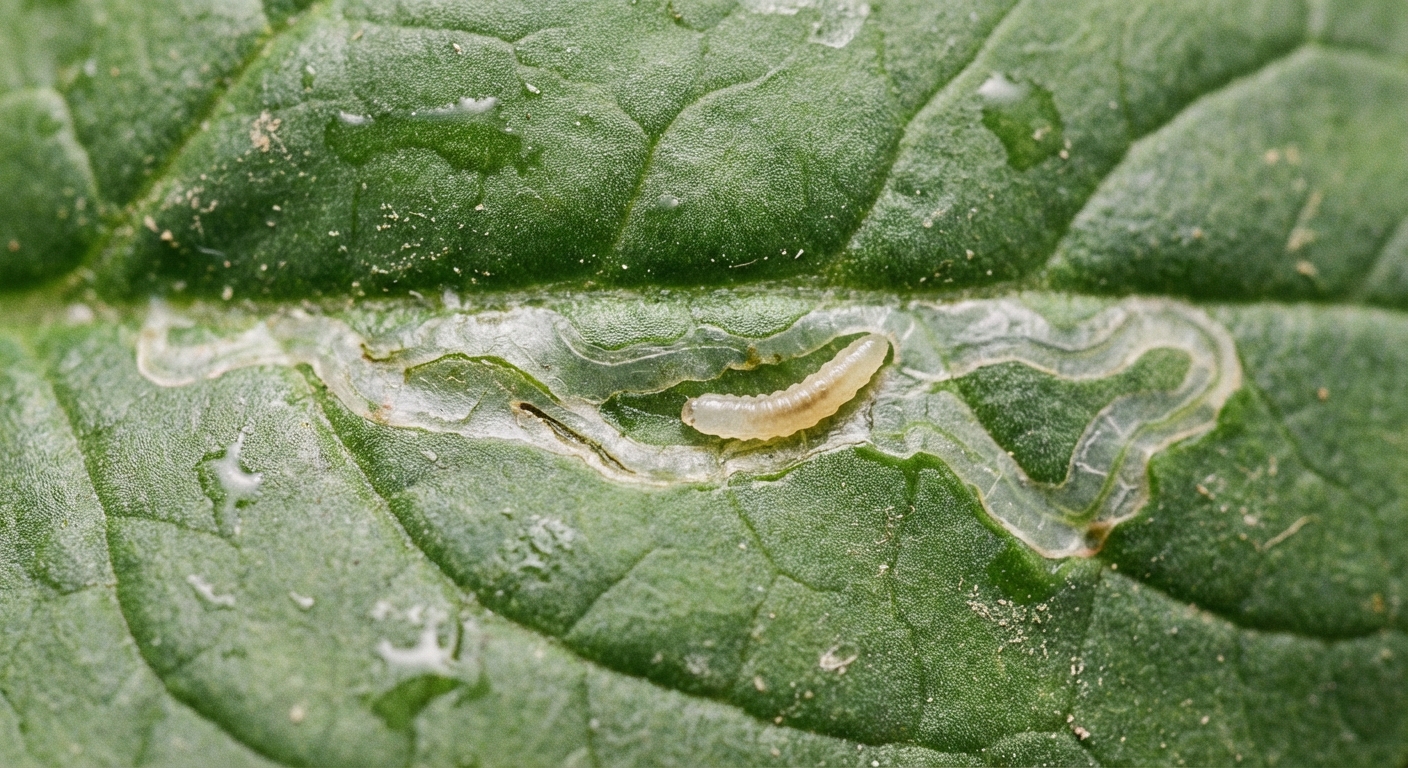
- Little dark specks inside the trail (often frass, which is insect poop)
Quick check
Hold the leaf up to sunlight. You will often see the mine more clearly, and sometimes you can spot the tiny larva inside.
Rule out lookalikes
Not every pale mark is a leaf miner. Before you treat, do a quick double-check:
- Slugs and snails usually scrape the surface and leave irregular scarring plus slime, not neat tunnels inside the leaf.
- Physical damage (wind, rubbing, hail) tends to look patchy and does not have a continuous tunnel with a frass line.
- Leaf spots from fungi or bacteria usually form distinct spots or lesions rather than a wandering trail.
If you see a winding trail that stays inside the leaf tissue and contains dark frass specks, leaf miners are a safe bet.
Plants leaf miners commonly attack
Leaf miners have favorites. If you grow any of these, it is worth checking leaves weekly during warm months and during the shoulder seasons when outbreaks can spike.
Vegetables and herbs
- Spinach
- Swiss chard and beets
- Lettuce
- Tomatoes (less common than on greens, but it happens)
- Potatoes and other nightshades in some regions
- Cilantro, parsley, and related herbs
Ornamentals and trees
- Citrus (citrus leaf miner is a big one)
- Columbine
- Holly
- Birch
- Boxwood (leaf miner species can cause blistering)
If you are seeing mines on a single plant type while everything else looks fine, that is very normal.
Do you need to treat?
Sometimes the best move is to do light cleanup and let nature handle the rest.
You are more likely to need active control if:
- New leaves are being mined faster than the plant can replace them
- You are growing leafy greens and the harvest is getting ruined
- A young plant is stalling out from repeated leaf loss
- You have a recurring issue year after year (the life cycle is completing in your space)
For established ornamentals, cosmetic damage may be tolerable. For spinach in a salad bowl, I get it. We want those leaves pretty.
What to do right now
If you feel overwhelmed, follow this order. It is the same sequence I use in my own garden beds.
Step 1: Remove and discard mined leaves
Snip off heavily affected leaves and throw them in the trash if you suspect larvae are still inside. Composting can be okay in a hot, well-managed compost, but if you are not sure your pile gets hot, play it safe.
If only a few leaves are affected, you can also pinch the mine between your fingers to crush the larva inside. It is oddly satisfying.
Step 2: Check the newest growth
Leaf miners often start on tender leaves. Inspect the newest leaves every few days for fresh trails.
Step 3: Decide if you need to protect new leaves
If you are seeing new mines every few days, move on to the control options below (row covers, beneficial insects, and targeted sprays when needed).
Control methods (organic-first)
1) Hand removal
For container gardens, raised beds, and small plantings, hand removal is often enough. Focus on:
- Removing the worst leaves
- Crushing mines in leaves you want to keep
- Repeating every 3 to 4 days for two weeks
Consistency matters because you are trying to stop larvae before they pupate and restart the cycle.
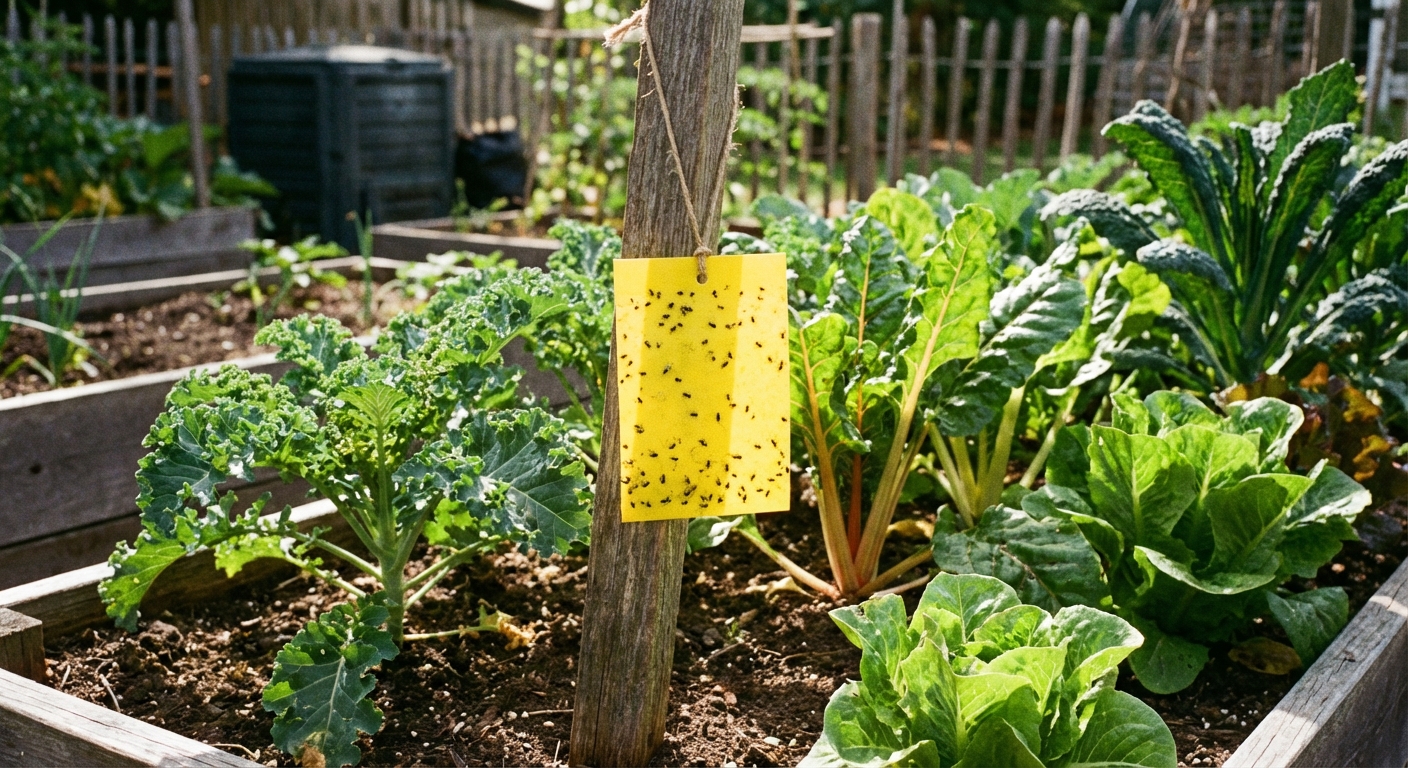
2) Yellow sticky traps
Sticky traps do not catch larvae inside leaves, but they are useful for monitoring adult activity and can sometimes help reduce adult numbers. Place traps:
- Near susceptible plants, just above foliage height
- At the edge of beds where adults may enter
- In greenhouses or indoors where pests can cycle quickly
Replace when dusty or covered with insects.
3) Row covers (best prevention for greens)
Floating row cover is one of the simplest preventions for spinach, chard, beets, and lettuce. It blocks adults from laying eggs.
- Install early, before you see damage
- Seal edges with soil, boards, or pins
- If you add covers after mines appear, you may trap pests inside, so remove mined leaves first and monitor closely
4) Neem oil
Neem oil can help reduce feeding and interfere with insect development, but results against leaf miners can be inconsistent because larvae are protected inside the leaf.
If you use neem:
- Spray in the early morning or evening to reduce leaf burn and protect pollinators
- Cover both sides of leaves, focusing on new growth
- Reapply according to the label, often every 7 days during active pressure
Neem works best when combined with leaf removal and beneficial insect support.
5) Spinosad
If leaf miners are ruining your greens, spinosad is often one of the most reliable organic treatments for larvae. It is derived from a naturally occurring soil bacterium and can be very effective when used correctly.
Tips for success:
- Follow label directions for your crop, including harvest timing (PHI) and maximum applications
- Spray in the evening when bees are not foraging, and avoid spraying open blooms
- Thoroughly coat leaves, especially undersides where eggs may be laid
- Repeat at label intervals, commonly every 5 to 7 days for a short series
- Rotate methods when possible to reduce resistance pressure
Important: Spinosad can harm beneficial insects if misused. Use it as a targeted tool, not a weekly habit all season long.
6) Encourage parasitic wasps
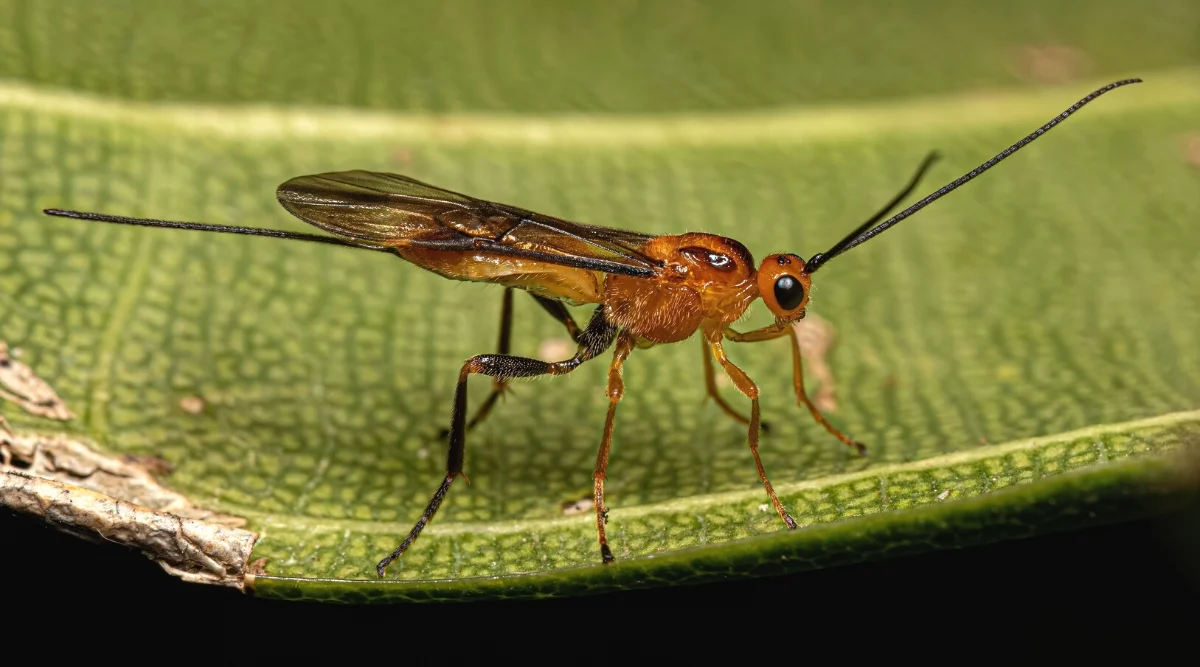
Leaf miners have natural enemies, and parasitic wasps are the superstars. They are tiny, non-stinging to humans, and they lay eggs in or on leaf miner larvae, stopping the problem from the inside out.
To support them:
- Plant small-flowered nectar sources like sweet alyssum, dill, fennel, cilantro flowers, yarrow
- Avoid broad-spectrum insecticides
- Leave a little habitat and diversity nearby, even a small patch of mixed flowers
Beneficial-friendly tip: If you see mines where the larva looks darkened, shriveled, or you notice tiny exit holes, parasitoids may already be working. In that case, lean harder on leaf removal and monitoring and go easy on sprays.
Bonus prevention
Reduce pupae around the plant
Because many leaf miner flies pupate in soil, you can sometimes lower pressure by:
- Removing heavily mined leaves promptly so larvae never reach the ground
- Using a light layer of mulch to make it harder for some adults to emerge (helpful, not foolproof)
- In containers, optionally replacing the top inch of potting mix after an outbreak as a sanitation step (modest expectations, but it can help in small spaces)
Keep plants growing steadily
Healthy plants tolerate damage better. Focus on:
- Even moisture
- Good nitrogen levels for leafy crops, without over-fertilizing
- Spacing for airflow so stressed leaves do not pile up problems
Common questions
Will leaf miner damage heal?
No, the mined tissue is dead. Your goal is to protect new growth so the plant can keep producing healthy leaves.
Is it safe to eat leafy greens with leaf miner trails?
Generally, yes. Wash well, then trim off mined sections or harvest unaffected leaves. If you are squeamish, remove damaged leaves entirely. On very wet days, heavily mined tissue can sometimes break down faster, so use your judgment and compost or discard anything that looks slimy or rotten.
Why do leaf miners keep coming back?
They reproduce quickly, and many complete part of their life cycle on the plant and in the soil. Missing a week of monitoring during peak season can allow a new generation to hatch. Staying ahead of the cycle is the real secret.
A calm checklist
- Confirm the squiggly tunnels are leaf miners (look for frass inside the trail)
- Remove and trash heavily mined leaves
- Crush mines on lightly affected leaves
- Use yellow sticky traps to monitor adults (and sometimes reduce them)
- Use row cover early for spinach, chard, beets, and lettuce
- Use neem for light pressure, spinosad as a targeted tool when outbreaks are heavy
- Support parasitic wasps with flowers and gentle practices
If you want, tell me what plant you are growing and whether you are seeing thin trails or big blotches. That detail helps pick the best next step.