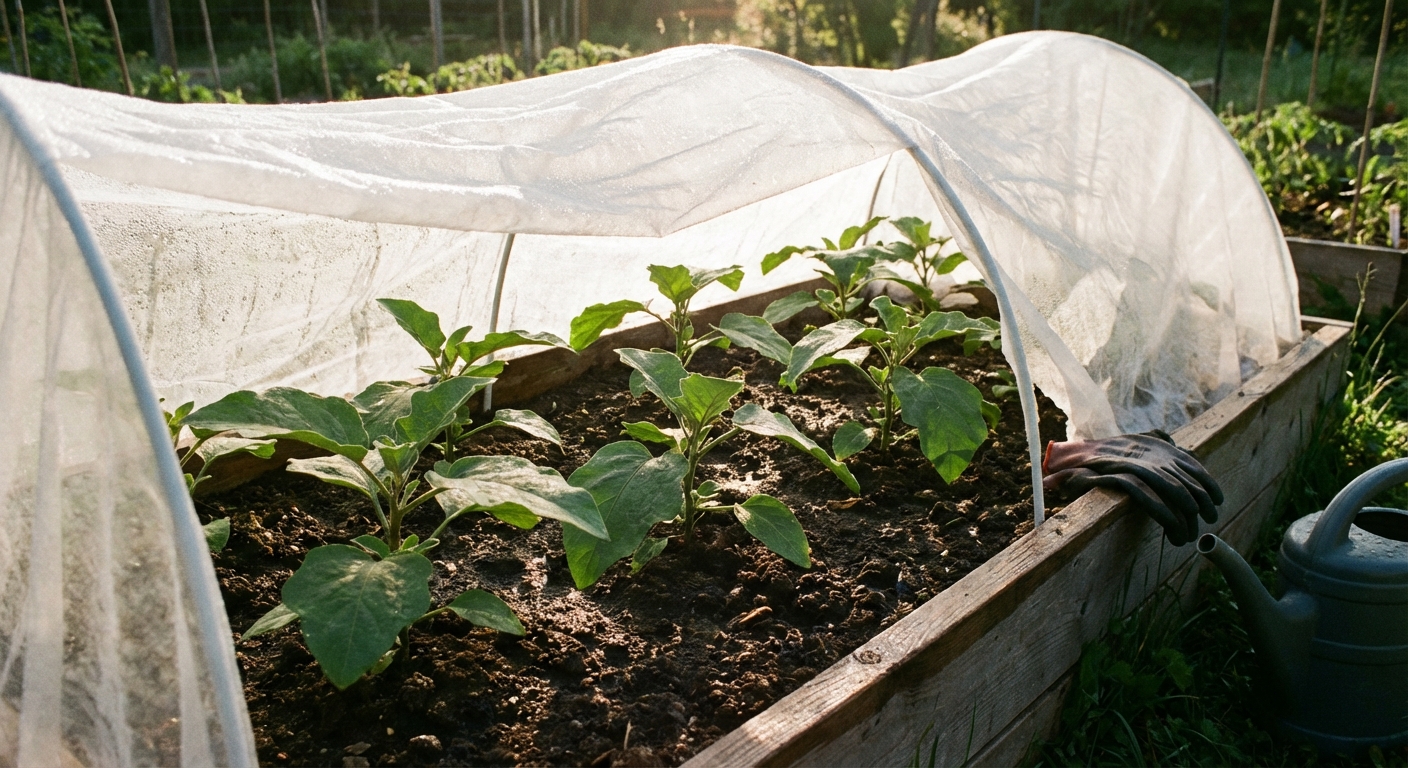
How to Get Rid of Flea Beetles in the Garden

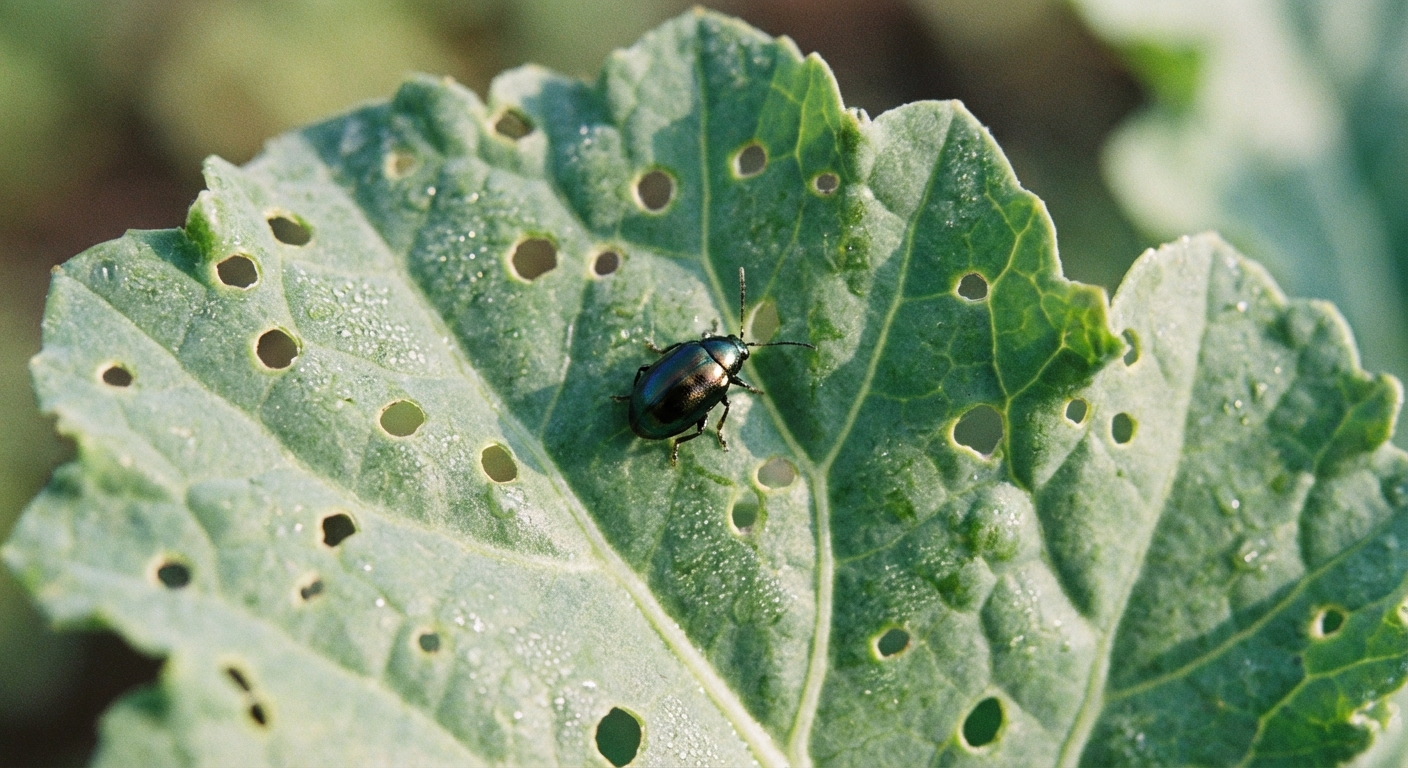
If your seedlings look like they’ve been hit with a miniature hole punch, and you spot tiny beetles that vanish the second you get close, you’re probably dealing with flea beetles. I’ve had them turn a proud little row of eggplant starts into lace overnight. The good news is you do not need harsh chemicals to get control. With a few well-timed, soil-friendly moves, you can protect your crops and keep your garden ecosystem humming.
Flea beetle identification
Flea beetles are small leaf-feeding beetles (often 1/16 to 1/8 inch long) known for one signature move: they jump like fleas when disturbed. Some are shiny black, others are bronze, and a few species have stripes, but you do not need a perfect ID to treat them effectively.
What the damage looks like
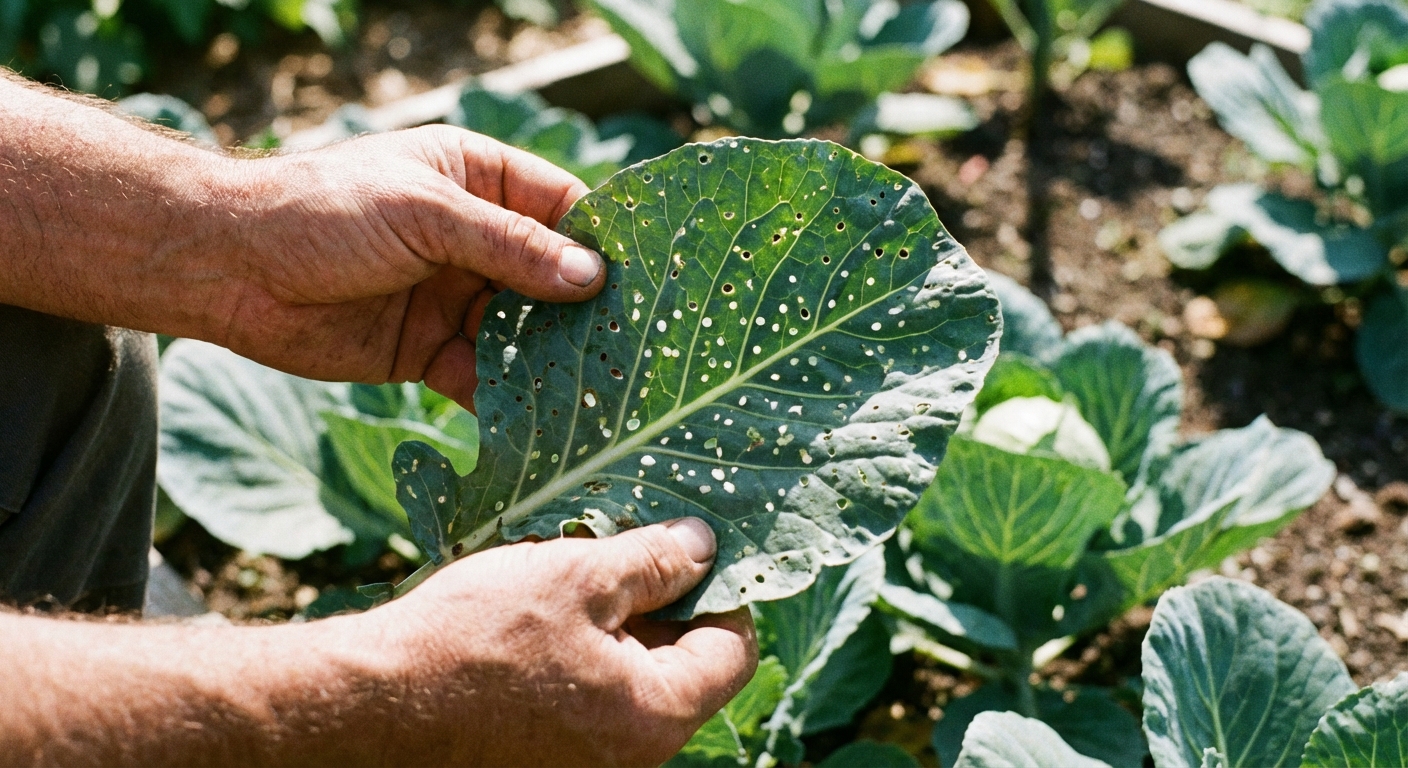
- Shothole damage: lots of tiny round holes scattered across leaves
- Leaf “peppering”: small pits and scars, especially on young leaves
- Seedlings stall out: small plants can be set back badly or even die if the growing tip is damaged
On mature plants, flea beetles are often more of an annoyance. On seedlings, they can be a full-on emergency.
Rule of thumb: If a seedling has more hole than leaf, treat it like an emergency. If a big plant has a little peppering but is still growing fast, you can usually focus on prevention and new growth.
Where and when you’ll notice them
They tend to show up early in the season as temperatures warm. Adults often overwinter in garden debris, weedy edges, hedgerows, and sometimes in the soil, then move into your beds when fresh greens appear. Dry, warm weather makes their feeding feel extra intense.
What crops flea beetles target
Flea beetles have favorites, and they are not shy about it. If you grow any of these, it’s worth planning ahead.
Most commonly attacked
- Eggplant: a top target, especially transplants and young growth
- Peppers: usually less beloved than eggplant, but seedlings can get hammered
- Brassicas: cabbage, kale, broccoli, arugula, radishes, and mustard greens are classic hosts
- Tomatoes: can be nibbled, usually worst on young plants or near weedy areas
Quick clue: If your eggplant leaves look like Swiss cheese and the brassica bed looks “peppered,” it’s a strong flea beetle sign.
Start with the fastest fixes
When flea beetles are active, speed matters. Here’s what I do first, especially if plants are still small.
1) Cover crops with row cover
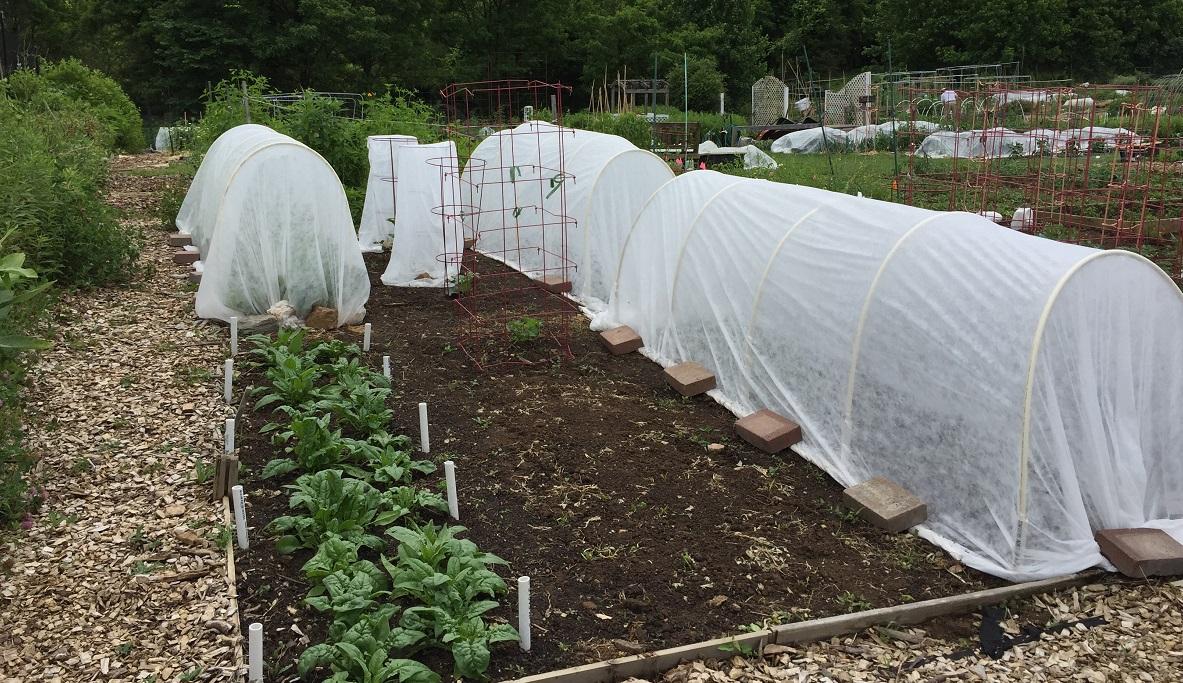
Floating row cover is my number one organic tool for flea beetles because it prevents feeding in the first place.
- Install it immediately after planting or transplanting.
- Seal edges with soil, boards, stones, or landscape staples so beetles cannot sneak in.
- Use hoops if possible so leaves are not pressed against the fabric.
Important: If flea beetles are already inside the bed, covering can trap them with your plants. In that case, knock populations down first (see neem and diatomaceous earth below), then cover.
Pollination note: Row covers are perfect early on. If you are growing crops for fruit (like eggplant, peppers, and tomatoes), plan to pull the cover back once flowering ramps up so pollinators and airflow can do their thing. Brassicas grown for heads or leaves can usually stay covered longer.
2) Use diatomaceous earth (DE) correctly
Food-grade diatomaceous earth is an abrasive powder that can scratch an insect’s outer cuticle (the protective coating on the exoskeleton) and contribute to fatal dehydration. Flea beetles are hard-bodied, and DE can still help, especially when it works into their joints and seams.
- Choose food-grade DE only.
- Dust lightly on leaves and around the base of plants in the early morning when dew helps it cling.
- Reapply after rain or heavy watering, since moisture makes it ineffective.
My note: DE can harm beneficial insects too. Avoid dusting open flowers where pollinators might contact it. I keep it focused on young foliage and the soil line, then rely on row cover for prevention.
Safety note: Apply on a calm day and avoid breathing the dust. A simple mask helps, and a light dusting works better than a cloud.
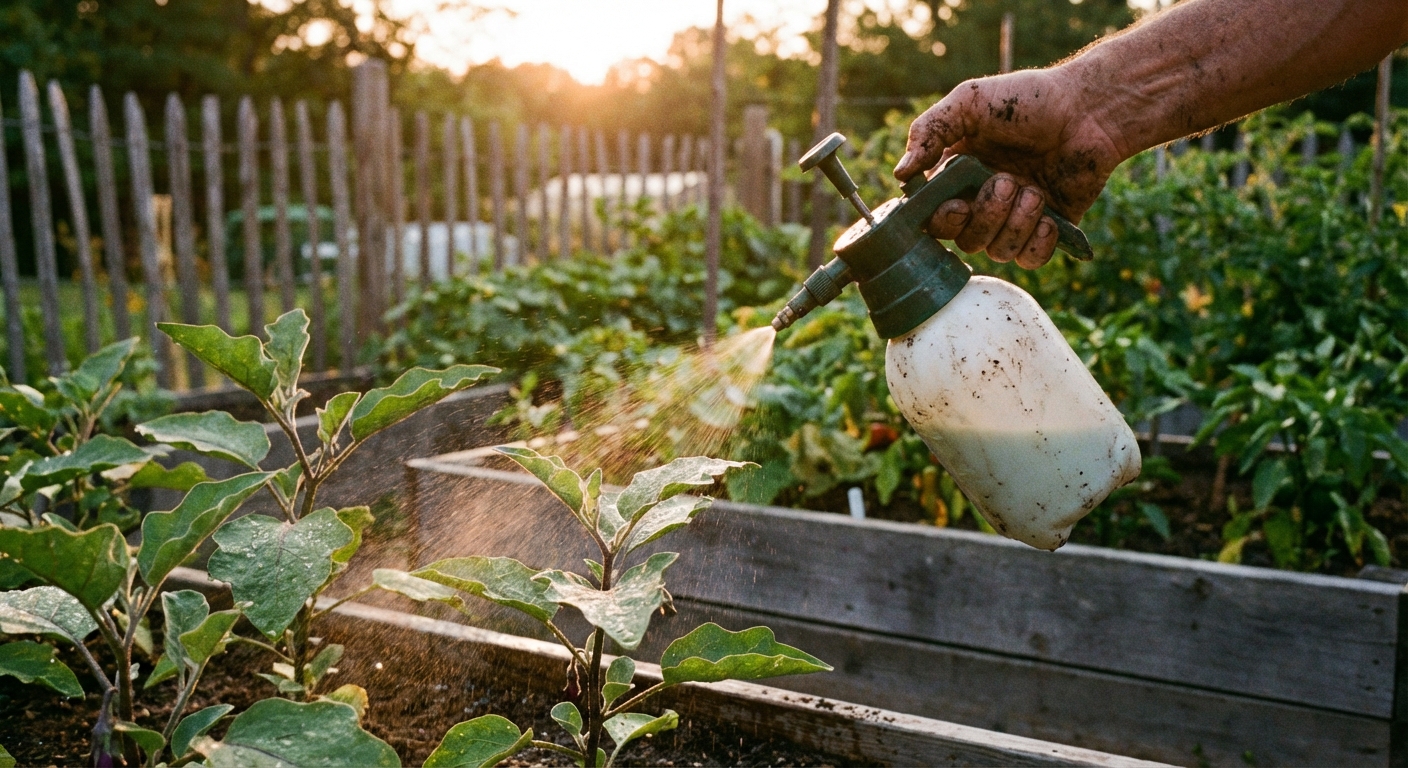
3) Spray neem with realistic expectations
Neem can help reduce feeding, especially as a deterrent and antifeedant. Products that contain azadirachtin can also disrupt growth and development, which tends to matter most for immature stages. Results on adult flea beetles can be mixed, but it is still a useful tool when pressure is building.
- Spray in the evening to reduce the risk of leaf burn and to avoid pollinator activity.
- Coat both tops and undersides of leaves.
- Repeat every 5 to 7 days for a couple of cycles, or after heavy rain.
Always follow label directions for mixing rates and plant sensitivity. Some plants are more prone to spotting, so test a small area first if you’re unsure.
4) Add a clay barrier (optional, but effective)
If you want another organic option that plays nicely with a prevention-first approach, consider kaolin clay (often sold as Surround). It coats leaves with a fine film that makes plants less appealing to chew.
- It works best as a preventive before damage is severe.
- Coverage matters. You are painting the plant, not misting it.
- Reapply after rain and on fast-growing new leaves.
It can leave a white cast on foliage, but it washes off produce later.
Trap crops
Trap cropping is one of my favorite slightly sneaky garden tricks. The idea is to plant something flea beetles love even more than your main crop, then focus control efforts there.
Good trap crop options
- Radishes (fast, easy, very attractive)
- Mustard greens
- Arugula
How to trap without boosting them
- Plant trap crops at the bed edge or a few feet away from your main crop.
- Check them daily during peak pressure.
- When they’re loaded with beetles, either remove the trap plants (bag and trash, or seal in a clear bag and leave it in the sun to kill pests) or treat the trap crop with your chosen control (like neem).
Trap crops work best paired with row covers on your main crop. That combination is powerful.
Long-term organic prevention
If flea beetles show up every spring, it’s usually because the garden is offering them comfy overwintering spots and an early-season snack bar. Here’s how to gently change that.
Clean up habitat
- Remove old crop debris at the end of the season, especially from brassicas and nightshades.
- Keep weedy areas near beds trimmed, since many flea beetles shelter and feed on weeds.
Rotate crops
Rotate where you plant brassicas and nightshades (eggplant, peppers, tomatoes). Rotation will not eliminate flea beetles, but it can reduce early pressure in the exact bed where you want tender seedlings to thrive.
Mulch for a speed bump
A light organic mulch (like straw or shredded leaves) can make it harder for flea beetles to move around at the soil surface and can help seedlings stay evenly watered so they grow through damage faster. Keep mulch pulled slightly back from the stem to prevent rot.
Use sturdier transplants or adjust timing
Small seedlings are the most vulnerable. If your garden gets hit hard early, consider:
- Starting transplants a bit larger before they go out
- Planting a week or two later when plants can outgrow light feeding
- Using row cover during those first critical weeks
Support beneficials and soil health
Healthy gardens tend to rebound faster. Diverse plantings, flowering borders, and avoiding broad-spectrum pesticides help predators and parasitoids do their quiet work. I also find that plants grown in rich, well-balanced soil handle pest pressure with more resilience.
Target the soil stage (advanced)
Some flea beetle species spend part of their life in the soil. If you deal with heavy, repeated pressure, you can experiment with biological options like beneficial nematodes or Beauveria bassiana products. They are not instant fixes, and they work best as part of an overall plan (covers, cleanup, and timing), not as a solo hero.
What not to do
- Do not wait on seedlings: once a tiny plant is riddled with holes, it may never catch up.
- Do not apply DE right before watering: it turns into ineffective paste.
- Do not spray neem in the heat of the day: higher risk of leaf burn and more pollinator contact.
- Do not forget the edges: flea beetles often surge in from weedy borders and untended corners.
A simple plan for today
If you want a straightforward approach, here’s the order I’d tackle it.
If plants are new seedlings
- Knock back active feeding: dust lightly with food-grade DE (morning) or spray neem (evening).
- Install floating row cover and seal the edges.
- Add a trap crop like radish at the bed edge for extra insurance.
- If you want an extra layer, use kaolin clay on uncovered plants as a feeding deterrent.
If plants are bigger and just getting peppered
- Use neem weekly for a short cycle if damage is increasing, or switch to kaolin clay as a deterrent.
- Use row cover for any new succession plantings.
- Clean up nearby weeds and keep borders tidy.
If you’re feeling discouraged, take a breath. Flea beetles can make even confident gardeners feel personally insulted. Your job is not perfection. It’s steady, simple protection until your plants are big enough to shrug off the nibbling and keep growing like they mean it.