
How to Get Rid of Earwigs in Your Garden

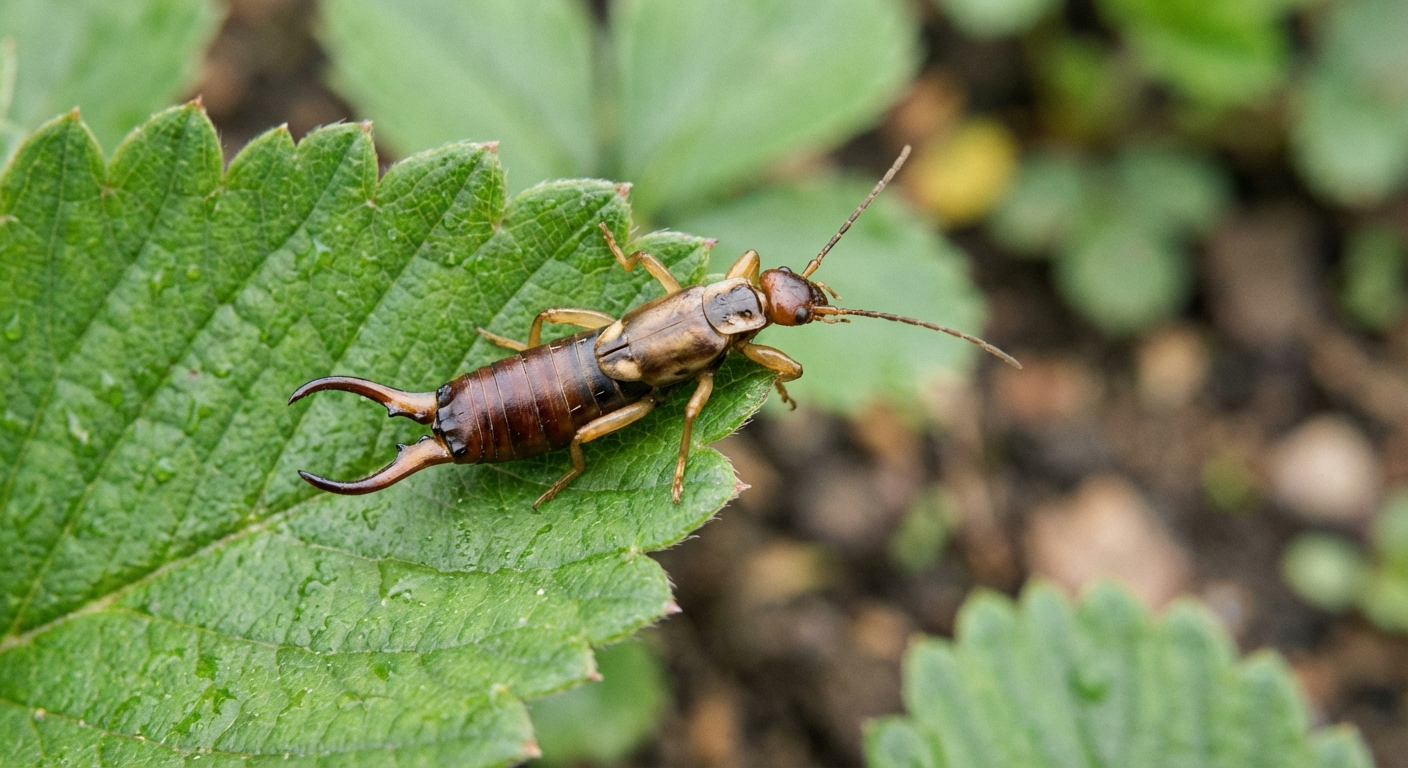
If you've ever stepped into the garden at dusk, lifted a pot, and found a little crowd of brown insects scattering like they just got caught throwing a midnight party, you've met earwigs. They're common, mostly nocturnal, and honestly a bit misunderstood. The good news is you usually don't need to wipe them out completely. You just need to shift the balance so your seedlings and fruit stop becoming the snack bar.
This guide will help you identify earwigs, understand what damage they actually do, and use practical, low-tox ways to bring their numbers down while keeping the garden ecosystem working for you.
Earwig identification
Earwigs are slender, flattened insects, usually brown to dark reddish-brown, with long antennae and the unmistakable pair of pincers on the end of the abdomen. Those forceps are modified cerci (the cerci are the paired rear appendages). They look fierce, but earwigs aren't out to get you. At most, they can give a mild pinch if handled.
Quick ID checklist
- Size: typically 1/2 to 1 inch long
- Body: shiny, flattened, fast-moving
- Pincers: curved forceps at the rear (often more curved in males)
- Activity: hides during the day, feeds at night
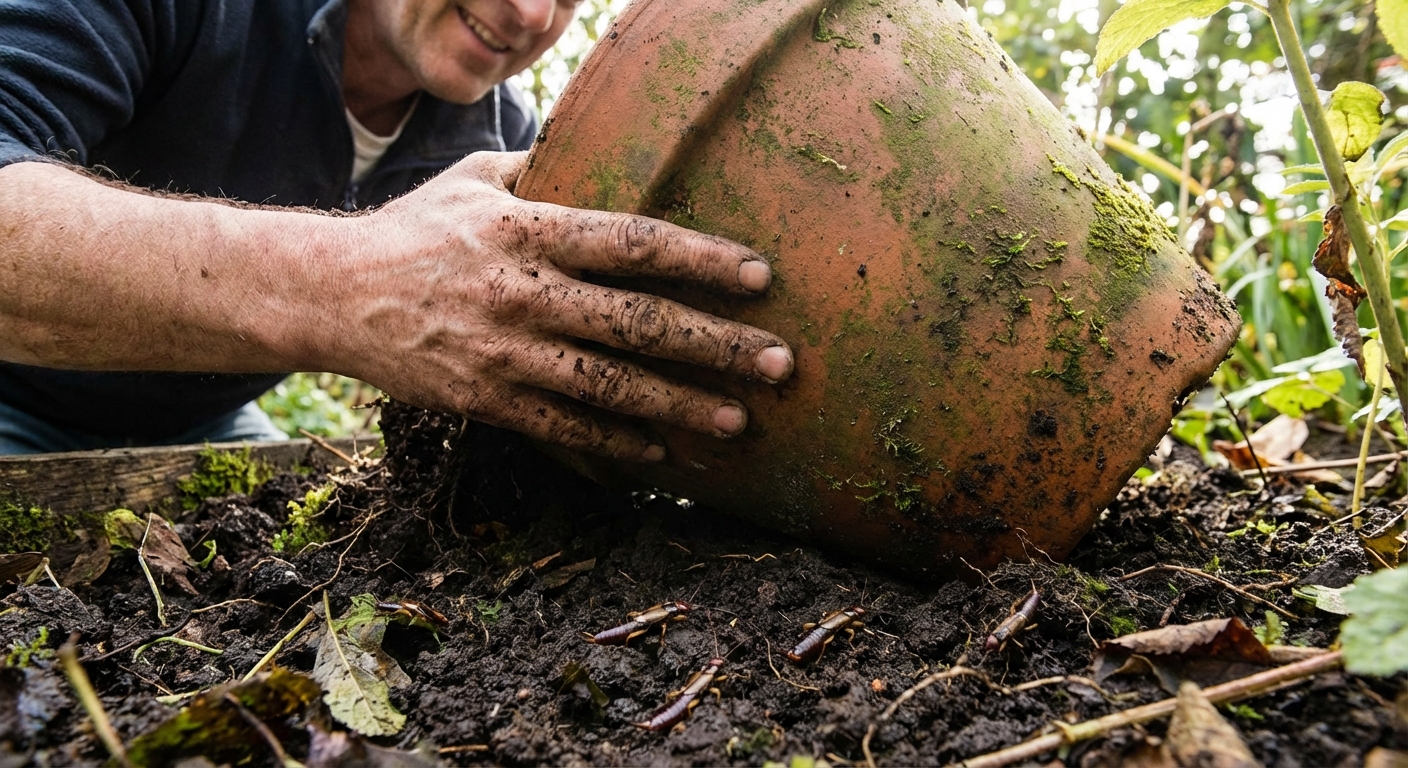
- Favorite hangouts: under mulch, boards, stones, pots, leaf litter, dense groundcovers, and anywhere cool and damp
If you're seeing lots of them in daytime, it usually means you've got excellent earwig shelter nearby. You'll also see more of them after watering or rain, and during very humid weather, because they get displaced and start hunting for a new hideout.
Earwig damage
Earwigs are omnivores. That means they eat a mix of decaying plant matter, fungi, other insects, and tender plant tissue. In a balanced garden, they can be helpful cleanup crew. In a garden with lots of hiding spots and moisture, they can turn into an overnight nuisance.
Common earwig damage
- Seedlings: ragged holes, shredded cotyledons, and stems chewed low on the plant, often leaving seedlings collapsed by morning
- Soft fruits: shallow gouges and irregular bites on strawberries, raspberries, peaches, apricots, and other thin-skinned fruit
- Ornamentals: jagged holes in tender leaves and petals (they're notorious for chewing young hosta leaves and blooms like dahlias, zinnias, and marigolds)
Clues it's earwigs
- Damage appears overnight, and you rarely see the culprit in daytime
- Chewing is often ragged on leaves and petals
- You find hiding clusters under pots, boards, damp burlap, thick mulch, or garden debris
A helpful reality check: several pests can make fruit look chewed (including beetles, birds, and rodents), and slugs can also leave ragged feeding. If you suspect slugs, look for slime trails. If you suspect earwigs, the best confirmation is a quick nighttime check (more on that below).
One important note before we go full detective mode: earwigs can feed on aphids, mites, insect eggs, and other small pests. So while you want to reduce damage, total elimination usually isn't the goal.
Do you need control?
I always encourage gardeners to pause and do a quick reality check. Earwigs can look like a crisis simply because they're so visible when disturbed, but a few earwigs don't automatically equal a garden disaster.
Intervene if
- Seedlings are being chewed down faster than they can grow
- Strawberries or stone fruit are getting pitted or gouged right as they ripen
- You're finding dozens under every pot and board
Tolerate if
- Damage is occasional and plants recover quickly
- You mainly see them in compost or under mulch where they're eating decaying matter
- Aphids are a bigger issue and earwigs seem to be helping keep them in check
Confirm at night
If you're not sure what's doing the damage, do this once before you start throwing tools at the problem.
- Go out with a flashlight 30 to 60 minutes after dark.
- Check the exact plants that are getting hit: seedlings, strawberry crowns, ripening fruit, and flowers.
- Look along the soil line, under leaves, and inside blooms.
If earwigs are the culprit, you'll usually catch them in the act. If you don't see any, check again on a second night, especially if it's warm and humid.
Best control plan
Earwig management works best as a layered approach. Think: remove the free housing, reduce moisture hiding zones, trap the ones that are already there, and protect the most vulnerable plants.
Step 1: Remove hiding spots
This is the least glamorous step, but it's the one that makes every other method work better.
- Lift and relocate shelter items: boards, stacked pots, bricks, unused drip trays, tarps, and garden clutter
- Thin dense groundcover right up against beds where seedlings or fruiting plants are struggling
- Refresh mulch habits: keep thick mulch a few inches back from tender stems and seedling rows
- Pick up fallen fruit and plant debris that creates damp, protected pockets
If you like to keep pots sitting on soil, consider putting them on a patio stone or pot feet so there's less cool, damp contact with the ground where earwigs love to tuck in.
Step 2: Use soy sauce traps
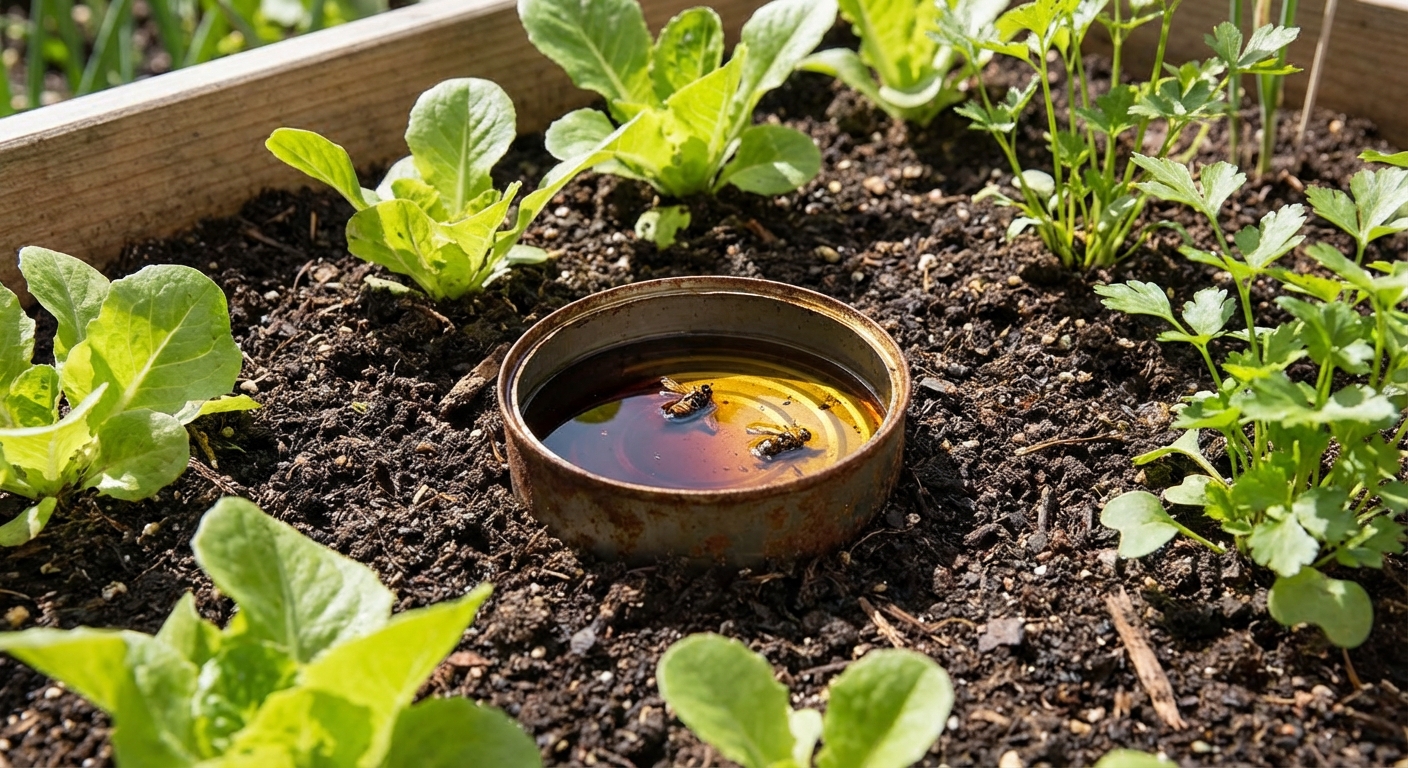
If earwigs are actively damaging plants, traps can knock populations down quickly. My favorite is the pantry trap because it's cheap and surprisingly effective.
Oil and soy sauce trap
- Use a shallow container: tuna can, cat food can, or a small yogurt cup
- Add equal parts soy sauce and vegetable oil (about 1 to 2 tablespoons each)
- Bury the container so the rim is level with the soil
- Place traps near damaged seedlings, under strawberries, or beside favorite hiding zones
- Check and empty every morning for a few days, then as needed
The soy sauce attracts them, and the oil makes it difficult for them to escape. If you'd rather not bury a can, you can also place it on the soil surface under a small board or piece of cardboard to create a trap station.
Timing tip: Set traps in late afternoon or early evening since earwigs forage at night.
Disposal tip: Strain and discard trap contents in the trash, or dump the insects into a container of soapy water first. Avoid pouring oily soy sauce mix repeatedly into garden beds.
Step 3: Try shelter traps
If you want an even lower-cost option, use earwigs' love of cozy daytime hideouts against them.
- Rolled newspaper or cardboard: lightly dampen, roll it up, and place it near problem plants overnight. In the morning, shake it out into soapy water.
- Short lengths of hose or bamboo: lay them on the soil near hotspots. In the morning, tap them out into a bucket.
These work best when you're consistent for a few days in a row.
Step 4: Use diatomaceous earth carefully
Food-grade diatomaceous earth (DE) is a powder made from fossilized diatoms. It works by abrading and drying out insects, especially where they have exposed joints and softer membranes. It can help with earwigs when applied correctly, but results vary and it works best when earwigs must crawl through a dry band.
- Apply only when dry: DE stops working when wet
- Target the soil surface: create a light ring around seedlings or at the base of plants being attacked
- Reapply after rain or irrigation
- Avoid flowers: keep it off blooms to reduce risk to visiting pollinators
- Wear a dust mask: DE is irritating to breathe in, even though it's low-tox
If your garden is consistently damp or irrigated daily, focus more on habitat cleanup and traps. DE in soggy conditions is like putting a screen door on a submarine.
Step 5: Reduce surface moisture
Earwigs adore cool, damp microclimates. You don't need to turn your beds into a desert, but small watering tweaks can make your garden less inviting.
- Water in the morning so the surface dries by nightfall
- Use drip irrigation instead of overhead watering where possible
- Avoid keeping thick mulch soaked right next to vulnerable seedlings
If you're growing strawberries, consider a clean straw layer that keeps fruit off soil but doesn't stay slimy and compacted. Fluffy, dry straw is less cozy than a damp mat of decomposing leaves.
Step 6: Beneficial nematodes (maybe)
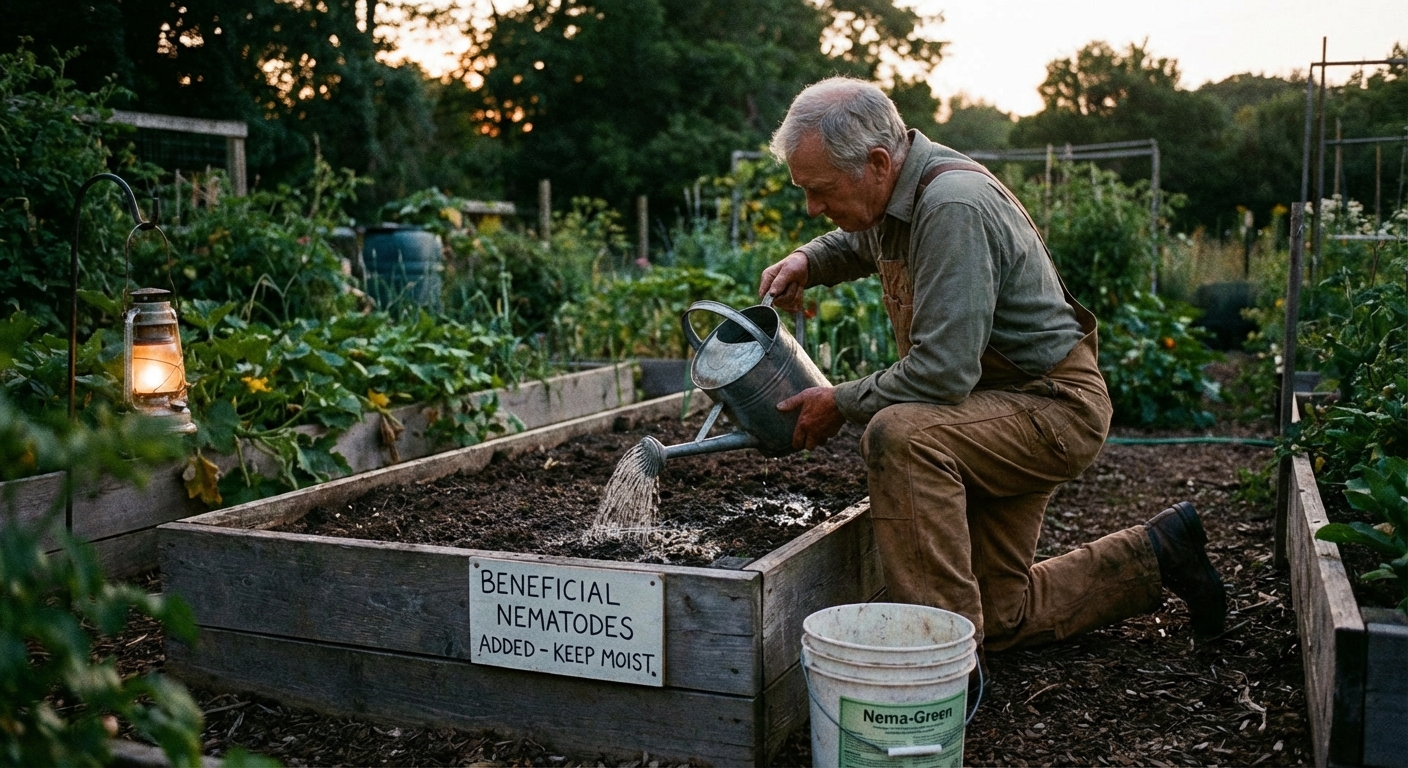
If you battle earwigs every year, beneficial nematodes may help as part of a longer-term plan, especially in consistently moist beds where earwigs spend time hiding at the soil surface. Results are mixed and product labeling varies, so consider this optional, not your first line of defense.
- What to look for: products that list Steinernema carpocapsae are commonly suggested for earwigs in garden settings. Some suppliers may recommend other species for your region, so follow the label.
- Buy from a reputable supplier and check shipping and storage directions (they're living organisms).
- Apply in the evening or on a cloudy day, since UV light can harm them.
- Keep soil evenly moist for the period recommended on the package so they can work.
- Follow temperature guidelines listed by the supplier.
Nematodes aren't instant gratification. Think of them as a longer-term pressure on the population, especially when paired with traps and hiding-spot cleanup.
Protect plants now
While you're lowering the earwig population, you can also protect the plants most likely to suffer.
Seedlings
- Use simple collars (toilet paper tubes or short plastic collars) to reduce access to tender stems
- Start seedlings a bit larger before transplanting so they can handle minor nibbling
- Trap close to seedling rows for a week after planting
Soft fruit
- Pick ripe fruit promptly, especially strawberries and raspberries
- Remove damaged fruit so it doesn't become a night buffet that attracts more
- Keep fruit off the soil using straw, berry mats, or supports where appropriate
What not to do
- Don't over-mulch right up to stems when you're fighting earwigs. Thick, wet mulch is luxury housing.
- Don't rely on one trap for a whole garden. Use multiple traps in problem areas.
- Don't apply DE and then water right away. It needs to stay dry to work.
- Don't aim for scorched-earth pest control. Earwigs can be allies against aphids and other small pests.
7-day action plan
If you're feeling overwhelmed, try this steady, low-stress plan.
Days 1 to 2
- Remove boards, debris, and damp hiding zones near damaged plants
- Lift pots and check under them in daytime to find hotspots
- Do one nighttime flashlight check to confirm earwigs
Days 2 to 5
- Set 3 to 6 soy sauce and oil traps around hotspots
- Empty each morning and reset for a few nights
- Add one or two shelter traps (rolled newspaper or hose) if you want extra pressure
Days 3 to 7
- Apply a light ring of DE around the most vulnerable seedlings when the soil surface is dry
- Switch watering to morning if possible
Week 2 and beyond
- If damage continues and earwigs remain abundant, consider beneficial nematodes that list Steinernema carpocapsae, following label directions
- Keep traps available during peak fruit ripening
When they're helpful
I know, I know. After they chew the petals off your favorite flowers, it's hard to see them as anything but tiny garden gremlins. But earwigs do have a role.
- They can eat aphids and other small, soft-bodied pests
- They help break down decaying organic matter
- They can reduce some pest pressure when their population stays moderate
So if your traps catch a few and then the damage stops, that's a win. You've brought things back into balance, and your garden can keep humming.
FAQ
Are earwigs a sign of unhealthy soil?
Not necessarily. They often show up in healthy, organic gardens because there's mulch, moisture, and plenty of life. Big populations can indicate lots of damp hiding spots or decaying material close to tender plants.
Do earwigs live in the ground?
They typically hide in soil cracks, under debris, and in moist, protected areas during the day. They come out to feed at night.
Will earwigs go away on their own?
Populations often rise during warm, humid stretches and drop when conditions become drier or cooler. If they're causing significant damage, a few nights of trapping plus habitat cleanup usually makes a noticeable difference.
Is it safe to use soy sauce traps around pets?
Use containers that are stable and partially buried so pets are less likely to investigate, and place them in protected spots. If you have a pet that eats anything it finds, consider trapping inside a small ventilated plastic container with entry holes and a weight on top.
Why are earwigs showing up indoors?
They sometimes wander inside during hot, dry weather, after heavy rain, or when outdoor hiding spots get disturbed. Reduce moisture around the foundation, remove debris right near doors, and seal obvious gaps. Outdoor lights can also attract insects, which can indirectly attract earwigs looking for food.
The gentle goal
You don't need to “win” against earwigs. You just need to protect the tender things while keeping your soil and garden habitat in a healthy rhythm. Start by removing hiding spots, add a few soy sauce and oil traps, use diatomaceous earth only in dry conditions, and consider beneficial nematodes if this is a yearly battle.
And if you catch yourself feeling discouraged, come stand with me for a moment in the evening air. The garden is still on your side. Sometimes it just needs a little redirecting.