
How to Get Rid of Ants in Houseplant Soil

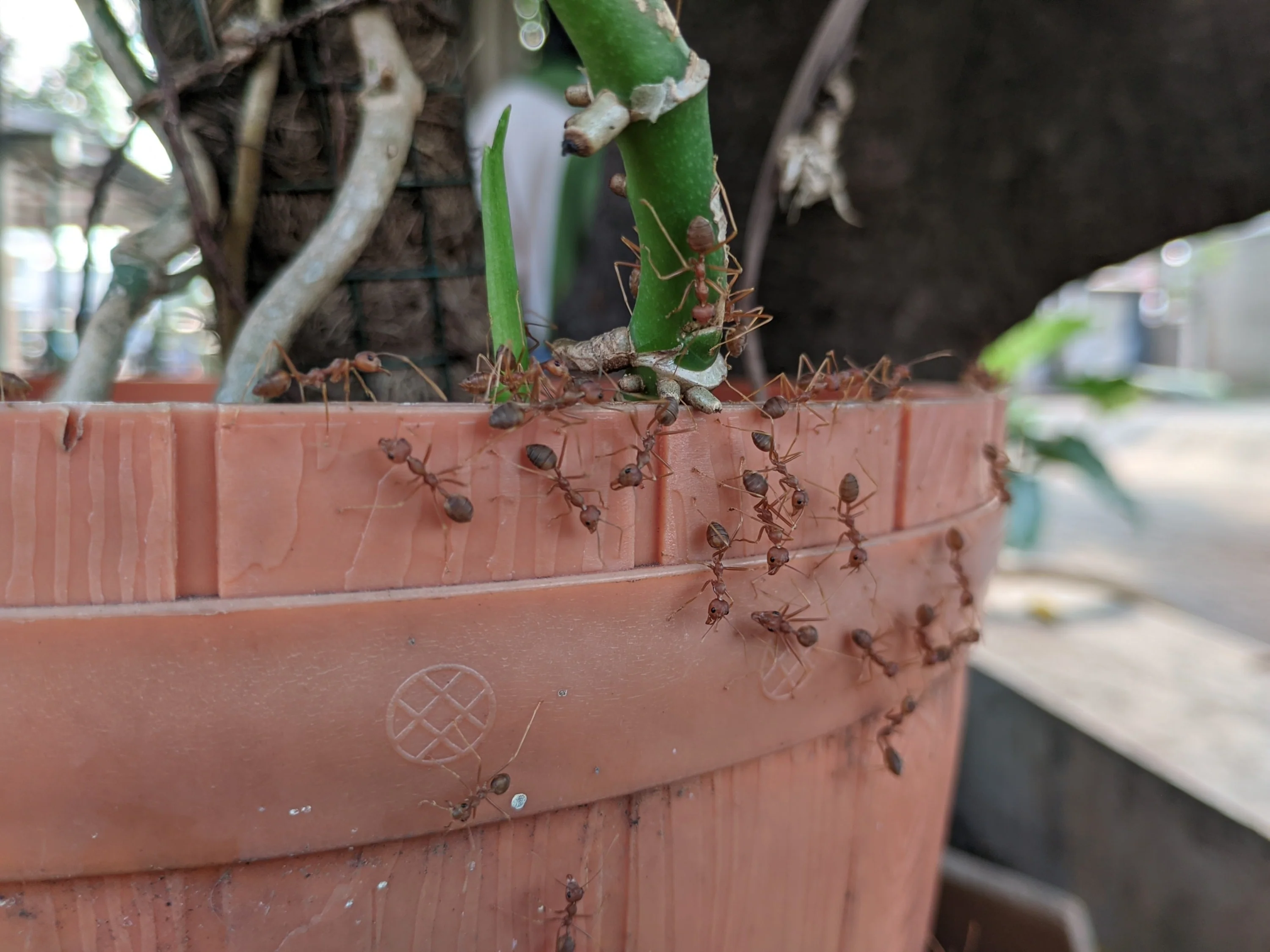
Finding ants marching in and out of a houseplant pot can feel like your plant just got promoted to “tiny apartment complex.” The good news is that ants usually are not there because they love your plant. They are there because your pot offers something they want: moisture, shelter, or a steady supply of sugary honeydew from other pests.
Below I will walk you through why ants colonize potted plants, whether they can hurt your plant, and the most effective ways to get them out, from simple water tricks to repotting and targeted treatments when you truly need them.
Why ants move into houseplant soil
Ants are opportunists. A pot is basically a ready-made bunker with a pantry nearby. Common reasons they move in include:
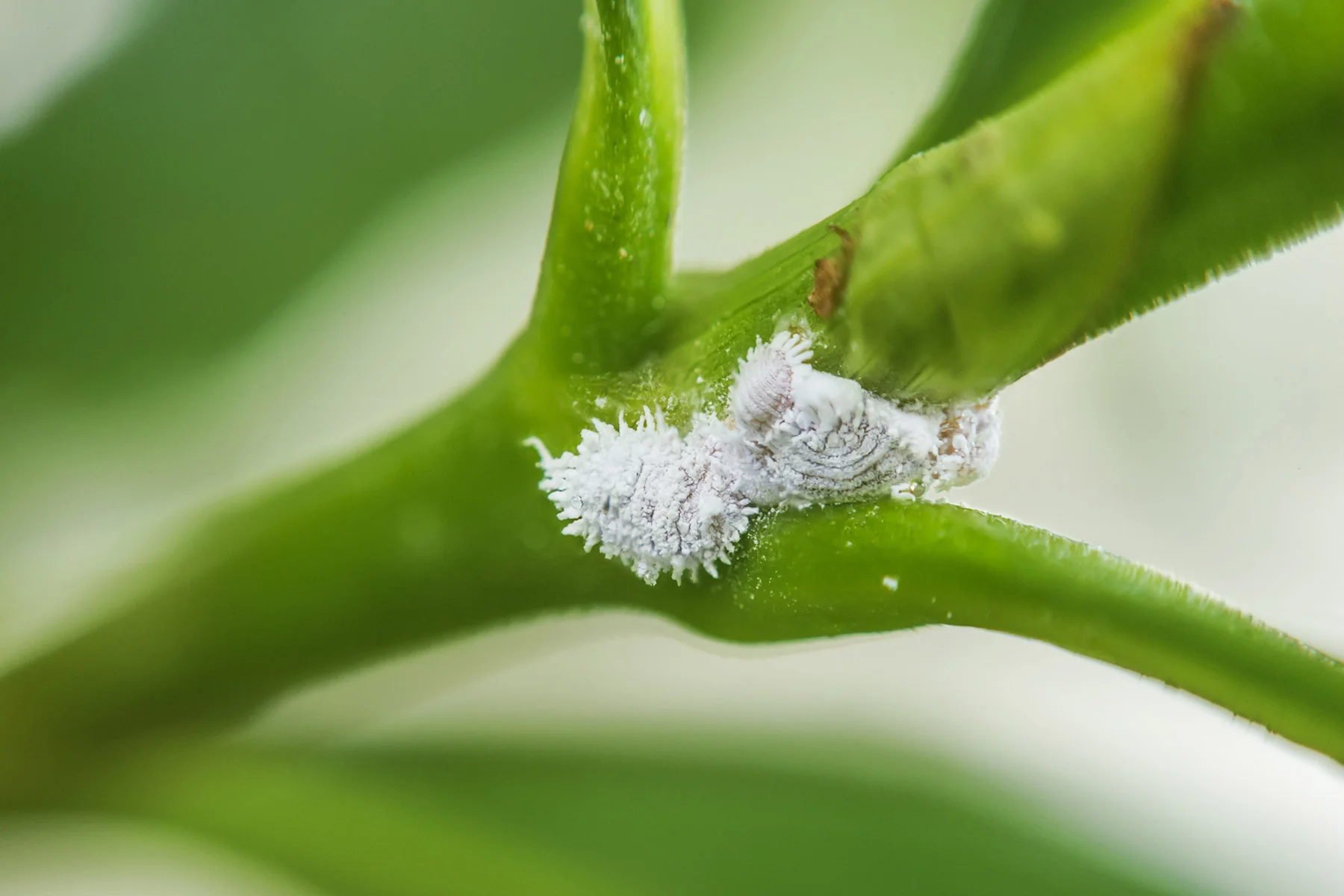
- Honeydew-producing pests are present. Aphids, mealybugs, scale, and sometimes whiteflies excrete sticky honeydew. Ants “farm” these pests for sugar and will protect them from predators. If ants show up, check stems, leaf joints, and the undersides of leaves for sap-suckers or sticky residue.
- The soil stays consistently moist. Many ant species like damp, stable conditions. Overwatering can turn a pot into a comfortable nesting site.
- Dry soil pulls them in too. In hot, dry weather, ants may use pots as a cooler refuge, especially if the pot is shaded and gets occasional water.
- Potting mix has voids and hiding spots. Chunky mixes, bark-heavy blends, and old compacted soil can form cavities that are easy to tunnel through.
- Nearby food sources. Pet food bowls, open compost caddies, fruit on the counter, and sticky spills can support an ant population that later “discovers” your plant pots.
Do ants harm houseplants?
Ants rarely damage healthy houseplants directly. They do not typically eat leaves or roots the way some larvae do. The bigger issue is what ants can signal or encourage.
When ants are mostly a nuisance
- A few ants exploring the rim of the pot or the saucer
- No visible plant pests
- No soil collapse or heavy tunneling
In these cases, you can usually evict them with a gentle method like bottom soaking or a surface barrier.
When ants can become a real problem
- You find aphids, scale, or mealybugs. Ants may protect them and help them spread, making your infestation harder to control.
- They are nesting heavily. Large colonies can disturb roots by tunneling, drying out sections of soil, or making water run down channels and out of the pot without soaking in.
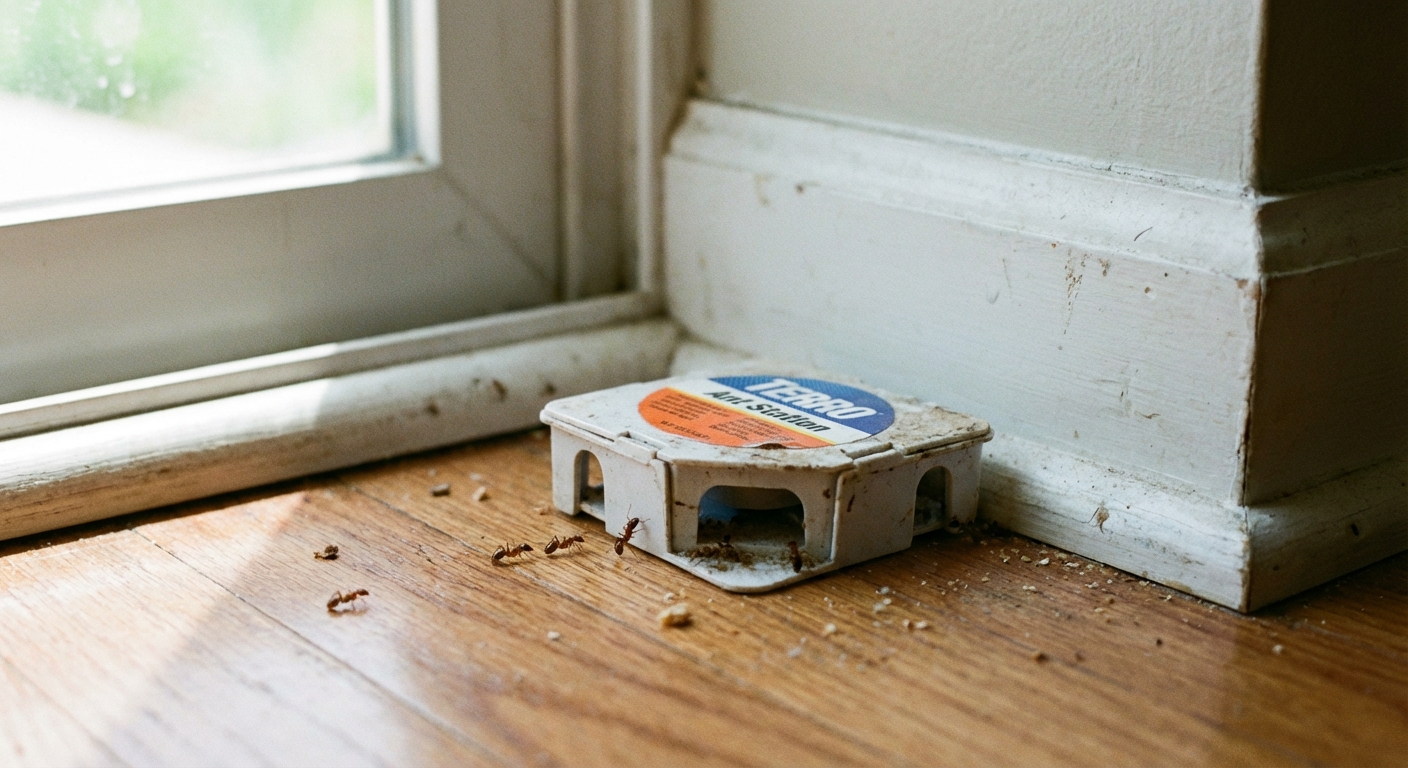
- Ants are entering your home in trails. Then it is a household issue as much as a plant issue, and you will want to address entry points and use baits strategically.
If your plant looks stressed and you see ants, do the pest check first. It is often the real story.
Quick check: ants or other soil bugs?
A lot of people see “bugs in the soil” and assume ants. Here is a quick sanity check:
- Ants move in clear lines, often carrying crumbs or larvae, and you may spot a trail to a crack, baseboard, or window.
- Fungus gnats are tiny dark flies that hover near the soil surface and show up most when the mix stays damp. You will not see organized trails.
If what you have is fungus gnats, the fix is different (drying the mix down, sticky traps, and larval control).
Quick diagnosis: are they nesting in the pot?
Before you treat, confirm what you are dealing with. Here are a few clues:
- Ants appear immediately after watering. This often indicates the colony is inside the pot and they are evacuating upward.
- Soil surface looks like it has tiny “crumb piles.” Excavated soil can show up as small mounds.
- You see consistent traffic in one spot. A steady trail to a single hole or crack suggests a nest entrance.
- The plant sits in a saucer with standing water. Ants may be drinking from it, even if they are nesting elsewhere.
Note: if this is an outdoor container, ants are often just using the pot as a convenient hideout. It is usually not worth treating unless they are farming pests or the plant is suffering.
Method 1: Bottom soaking
This is my favorite first step because it is simple, low-toxicity, and surprisingly effective when ants are actually living in the pot.
How to do it
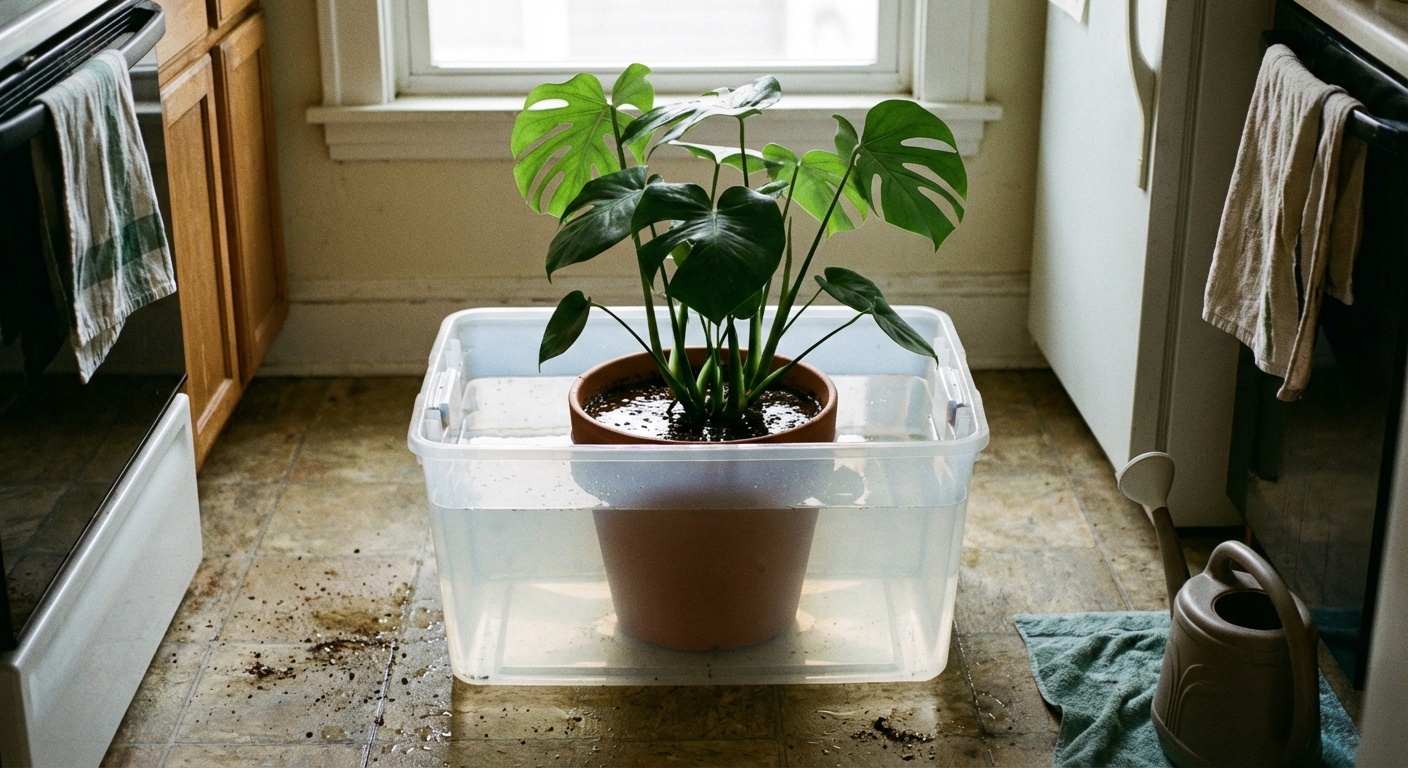
- Choose a container deep enough to hold your pot.
- Place the pot inside and add lukewarm water until it reaches about 2/3 of the pot’s height. Avoid submerging the foliage.
- Soak for 20 to 30 minutes. This often drives ants up and out as the soil becomes saturated and air spaces fill with water. Results vary by species and colony size, so think of this as an eviction notice, not always a full elimination.
- Remove and drain thoroughly. Let it drip until water is no longer streaming from the drainage holes.
- Repeat in 3 to 5 days if you still see activity.
Notes and cautions
- Skip this for plants that hate wet feet (some succulents, some cacti) unless you are willing to repot afterward into fresh, dry mix.
- If the soil is hydrophobic and water refuses to soak in later, repotting may be the better long-term fix.
Method 2: Diatomaceous earth (DE)
Food-grade diatomaceous earth works by abrading insects’ exoskeletons as they crawl through it. It is not a poison, but it only works when it is dry.
How to use DE on houseplant soil
- Let the soil surface dry.
- Dust a thin, even layer on top of the soil and around the pot base.
- Reapply after watering, since moisture makes DE clump and stop working.
Safety tips
- Use food-grade, not pool-grade.
- Avoid breathing the dust. Apply gently and consider a mask if you are sensitive.
- If you have pets or kids, use sparingly indoors and keep it where it will not get kicked up. DE can be messy.
- Keep it off wet leaves to avoid a gritty film.
DE is best for light to moderate ant traffic and as a follow-up after soaking or repotting.
Method 3: Cinnamon
Cinnamon is popular because it is easy and smells cozy. In practice, it works best as a deterrent, not a colony-killer. It can help disrupt trails and make the soil surface less appealing.
How to apply
- Sprinkle a light dusting on the soil surface, concentrating near where ants enter.
- Refresh after watering.
When to skip it
- If your potting mix already struggles with airflow. Heavy layers of any powder can crust and interfere with water penetration.
- If you need fast, decisive control of an indoor ant trail. Use baits and or repotting instead.
Method 4: Repotting
If ants are truly nesting in the root zone, repotting is the most reliable reset. It also helps if your soil is old, compacted, or staying wet too long.
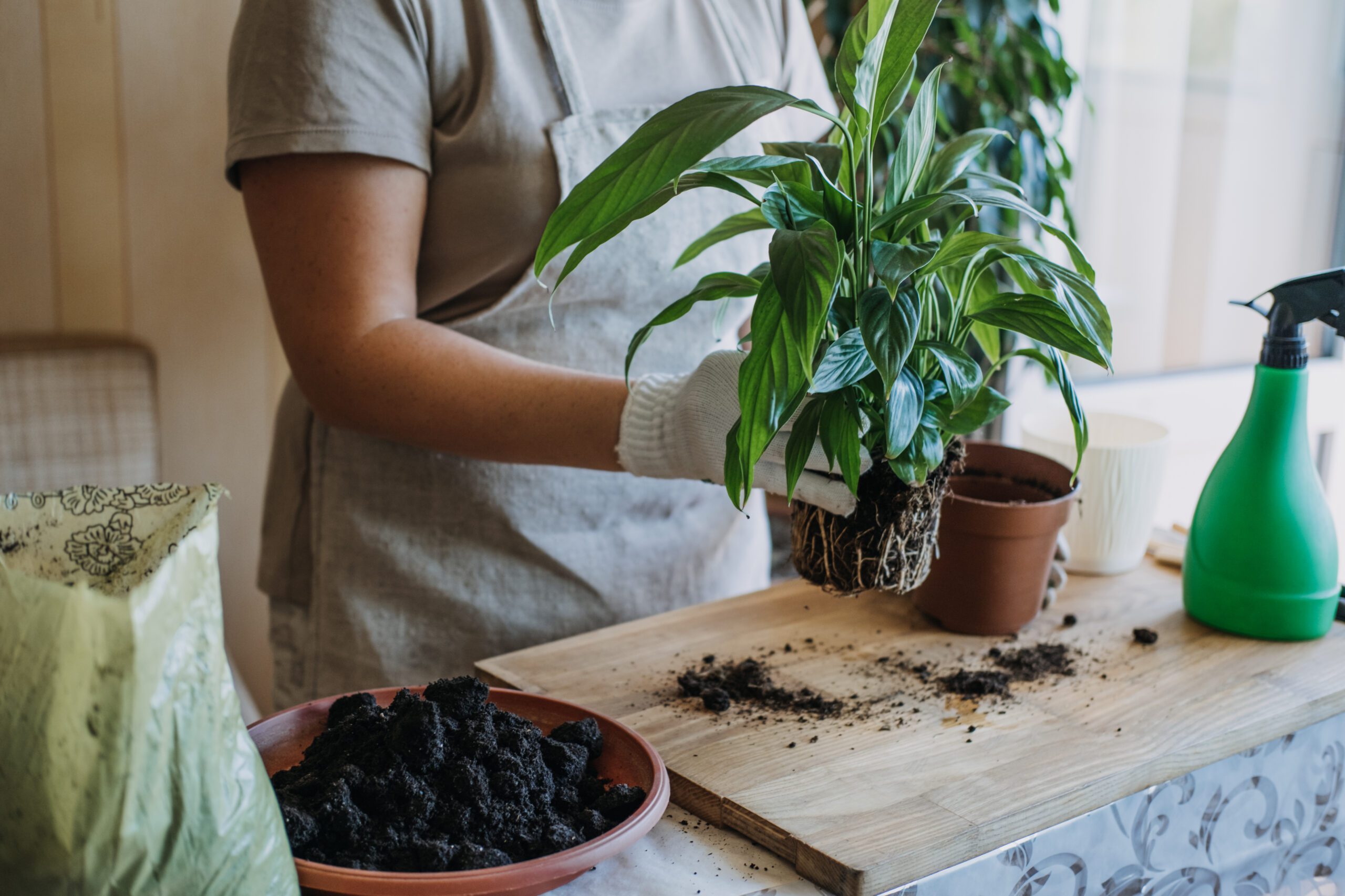
Step-by-step repot
- Isolate the plant away from other houseplants while you work.
- Slide the plant out and gently loosen the root ball.
- Remove as much old soil as practical. I usually shake and tease it away over a trash bag. If ants are swarming, do this outside if you can.
- Rinse the pot with soapy water. If you want to sanitize, a quick 10-minute soak in a 1:9 bleach-to-water ratio works, then rinse well and dry.
- Inspect roots and trim any mushy, rotten sections with clean scissors.
- Repot with fresh mix appropriate for your plant, and ensure drainage holes are clear.
- Water once to settle the soil, then let the top layer dry as your plant allows.
Pro tip from my own slightly chaotic plant shelf
If ants keep coming back, it is often because the potting mix is staying too wet. Adjusting your mix (more perlite, pumice, or bark depending on the plant) and watering rhythm can prevent repeat tenants.
Method 5: Targeted treatments
If ants are simply passing through, you can often solve it with sanitation and a deterrent. But if you have a persistent indoor trail or ants are protecting honeydew pests, you may need a stronger, more targeted plan.
Use ant baits for indoor trails
Indoors, ant baits are usually more effective than sprays because the workers carry the bait back to the colony. Repellent sprays can sometimes cause certain ants to avoid the area, split, or relocate, which can make control feel like whack-a-mole.
- Place baits along the trail, not in the pot.
- Keep away from kids and pets and follow label directions.
- Be patient. You may see more ants at first as they recruit to the food source.
- If a bait is ignored for a few days, switch types. Many household ants go for sugar-based baits, but some prefer protein or grease depending on species and season.
Treat the real pests if honeydew is involved
If you find aphids, mealybugs, or scale, treat those pests directly. Once the honeydew buffet is gone, ants usually lose interest.
- Insecticidal soap works well for aphids and some soft-bodied pests when applied thoroughly (including undersides of leaves).
- Horticultural oil can help with scale and mealybugs, but coverage is everything and repeated applications are often needed. Follow label directions and avoid hot sun exposure right after application.
- Systemic insecticides (where legal) are sometimes used for severe, persistent sap-sucker infestations, but I treat them as a last resort for indoor ornamentals. They are not labeled or appropriate for every plant or setting, so follow local labels closely and consider pollinator risks if the plant might ever go outdoors.
If you are unsure what pest you have, pause and identify first. Treating the wrong thing wastes time and stresses the plant.
What not to do
- Do not pour boiling water into the pot. It can cook roots and warp plastic nursery pots.
- Avoid flooding a pot repeatedly without improving the mix. You can trade ants for root rot.
- Skip essential oil cocktails. Many are phytotoxic and can harm pets. They also tend to be inconsistent against ants.
- Do not rely on surface sprays alone. They often kill for the day but do not solve the colony.
Keep ants from coming back
Once the pot is ant-free, prevention is mostly about making your plant area less appealing and catching pests early.
Prevention checklist
- Water with intention. Let the top inch or two of soil dry for most common houseplants before watering again (adjust by plant type).
- Empty saucers. Do not leave standing water under pots.
- Wipe honeydew. If leaves feel sticky, inspect for sap-suckers and treat promptly.
- Quarantine new plants. New plants are one of the most common ways pests move onto a plant shelf.
- Seal entry points. If ants are in the home, address window gaps, door thresholds, and cracks along baseboards.
- Keep nearby food sealed. Even a small sugar source can maintain an ant population indoors.
Fast plan
If you want a straightforward sequence, here is my go-to:
- Inspect for aphids, mealybugs, or scale. Treat those first if present.
- Bottom soak the pot to push out a nest (often effective, not always final).
- Let the surface dry, then apply DE as a dry barrier if it makes sense in your space.
- If ants return within a week, repot into fresh mix and clean the pot.
- If there is an indoor trail, add ant baits along baseboards and entry routes (not in the pot). If one bait is ignored, switch types.
And please do not take this as a moral failing if ants showed up. They are just doing what ants do. With a little persistence and a few smart tweaks, your plant can go back to being a calm green roommate instead of an ant hostel.