
Growing Winter Vegetables in Cold Climates

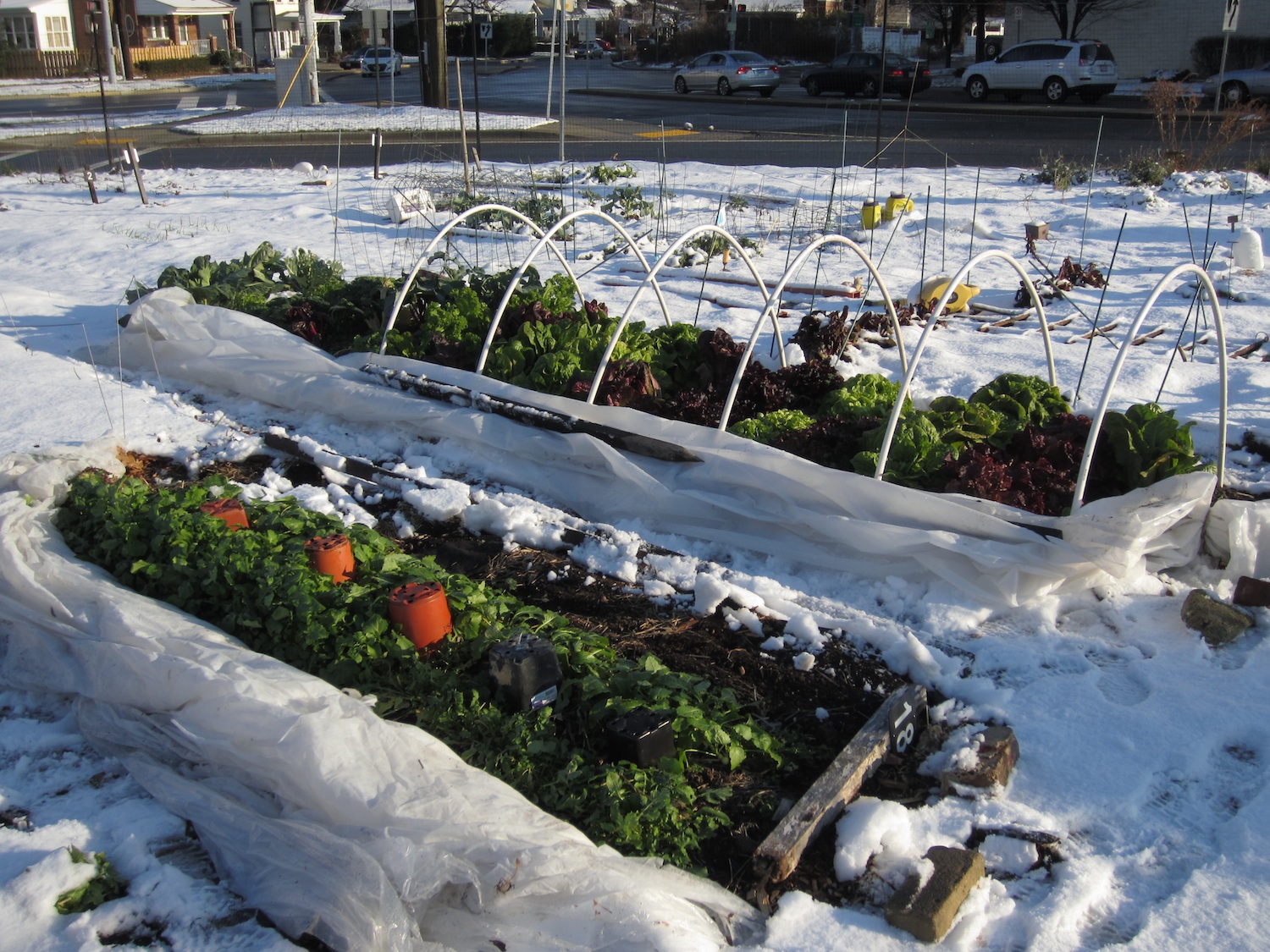
Winter vegetable gardening in a cold climate is less about “beating” the weather and more about working with it. Think of your garden like a cozy little microclimate puzzle: a bit of protection here, a smarter crop choice there, and suddenly you are harvesting crisp greens while your neighbors are scraping ice off their windshields.
One quick note before we start: “cold climate” is a little subjective. A Zone 7 winter is a very different beast than a Zone 4 winter. (If you are in the U.S., your USDA Hardiness Zone is a handy shorthand for your typical winter lows.) The good news is that the same tools work in most places. You just stack them differently depending on how cold it gets.
When I was gardening on a tiny apartment balcony, my “winter harvest” was basically a stubborn pot of parsley and a lot of hope. Now, with a small backyard plot and a few simple season-extension tools, I can keep salads, soups, and stir-fries coming long after the first hard frost. If you are new to winter growing, I promise: you do not need a greenhouse or a PhD in meteorology. You just need a plan.
How winter veggies survive
Here is the secret that calmed my own winter-gardening nerves: many cold-season plants do not mind cold. What they mind is wind exposure, sudden temperature plunges, and repeated freezing and thawing that can damage tissues and heave roots out of the soil. (Some crops can take a single hard freeze like a champ, while others get knocked back fast. Think kale vs. basil.)
Frost vs cold vs hardy
Quick disclaimer: these terms are used loosely, and seed catalogs do not always agree. This is the practical way I think about them.
- Frost tolerant crops handle light freezes (around 28 to 32°F, or -2 to 0°C) with little fuss. Many even taste sweeter after frost.
- Cold tolerant crops grow well in cool temps but still need protection in harder freezes.
- Hardy crops can sit through deeper cold, especially with a cover. Some will not “grow” much in midwinter, but they will hold for harvest.
Also important: day length. In many cold climates, winter growth slows dramatically when days drop below roughly 10 hours of daylight. (This is sometimes called the “Persephone period.” The exact timing varies by latitude and crop.) Your goal becomes harvesting what is already established, not forcing fast growth.
Pick the right crops
If you plant tender summer crops and hope they magically become winter champions, you will have a sad garden and a sadder dinner. Start with varieties that were born for cold.
Easy winter vegetables
- Spinach: one of the best winter greens. Look for cold-hardy varieties like ‘Giant Winter’ or ‘Bloomsdale’.
- Kale: extra sweet after frost. Try ‘Winterbor’ or ‘Red Russian’.
- Swiss chard: a shoulder-season star. In milder cold climates it can overwinter with protection, but in colder zones it often dies back unless you give it serious cover.
- Mâche (corn salad): the quiet overachiever. Very cold hardy and buttery-tender.
- Claytonia (miner’s lettuce): another cold-hardy salad green that thrives under cover.
- Arugula: quick and spicy. Great for fall sowing under protection.
- Scallions: many overwinter well, especially under a low tunnel or mulch.
- Carrots: can be stored right in the ground under mulch, then harvested like nature’s root cellar.
- Beets: less reliable than carrots in very cold winters. Roots can hold in milder zones or under heavy protection, but a hard freeze can ruin them.
- Radishes: fall radishes do well; look for winter types like daikon in milder cold zones and with protection.
Hardy herbs
- Parsley: surprisingly tough, especially in a cold frame.
- Chives: often bounce back early in spring even if they go dormant.
- Thyme: perennial and quite hardy, depending on your variety and exposure.
Quick rule: If it is a leafy green or a root crop, it is often a good winter candidate. If it is a fruiting crop (tomatoes, peppers, cucumbers), winter is not its season.
Timing matters most
Winter gardening is really fall gardening with a long, slow harvest. In most cold climates, you want plants established and reasonably sized before the deep cold and short days arrive.
How to time it
- Find your first hard frost date. Check your local extension office, a reliable planting calendar for your area, or a frost-date tool tied to your zip code.
- Count back from your first hard frost, which many gardeners place around 28°F (-2°C) or lower, depending on definition and local conditions.
- Add a buffer: growth slows in fall, so tack on 2 to 4 extra weeks beyond the seed packet estimate.
- Sow in waves: for greens, sow every 1 to 2 weeks in late summer and early fall so you are not relying on one perfect planting date.
And here is a sanity-saving guideline: once you are near the Persephone period, it is usually better to protect and hold what is already growing than to start new seedings outdoors and expect them to size up quickly.
If you missed the ideal fall sowing window, you can still grow in winter with transplants or by focusing on holding crops in a protected space. You may not get rapid growth, but you can still get fresh harvests.
Know your zone
Your zone and your typical winter lows help you set realistic expectations. Protection can be as simple as a single row cover, or it can be a layered system.
How protection scales
- Zones 7 to 6: a low tunnel or heavier row cover is often enough for hardy greens, especially in a sheltered spot.
- Zones 5 to 4: plan on layering, like a row cover inside a low tunnel, or a cold frame plus an extra blanket layer during cold snaps.
- Zones 3 and colder: winter harvest is still possible, but think in terms of the hardiest crops plus serious protection (cold frame, double covers, and deep mulch for roots). Some gardeners treat it as “storage in place” more than active growing.
Microclimates matter too. A south-facing wall, a windbreak, and consistent snow cover can make a garden spot feel like a whole zone warmer.
Cold frames
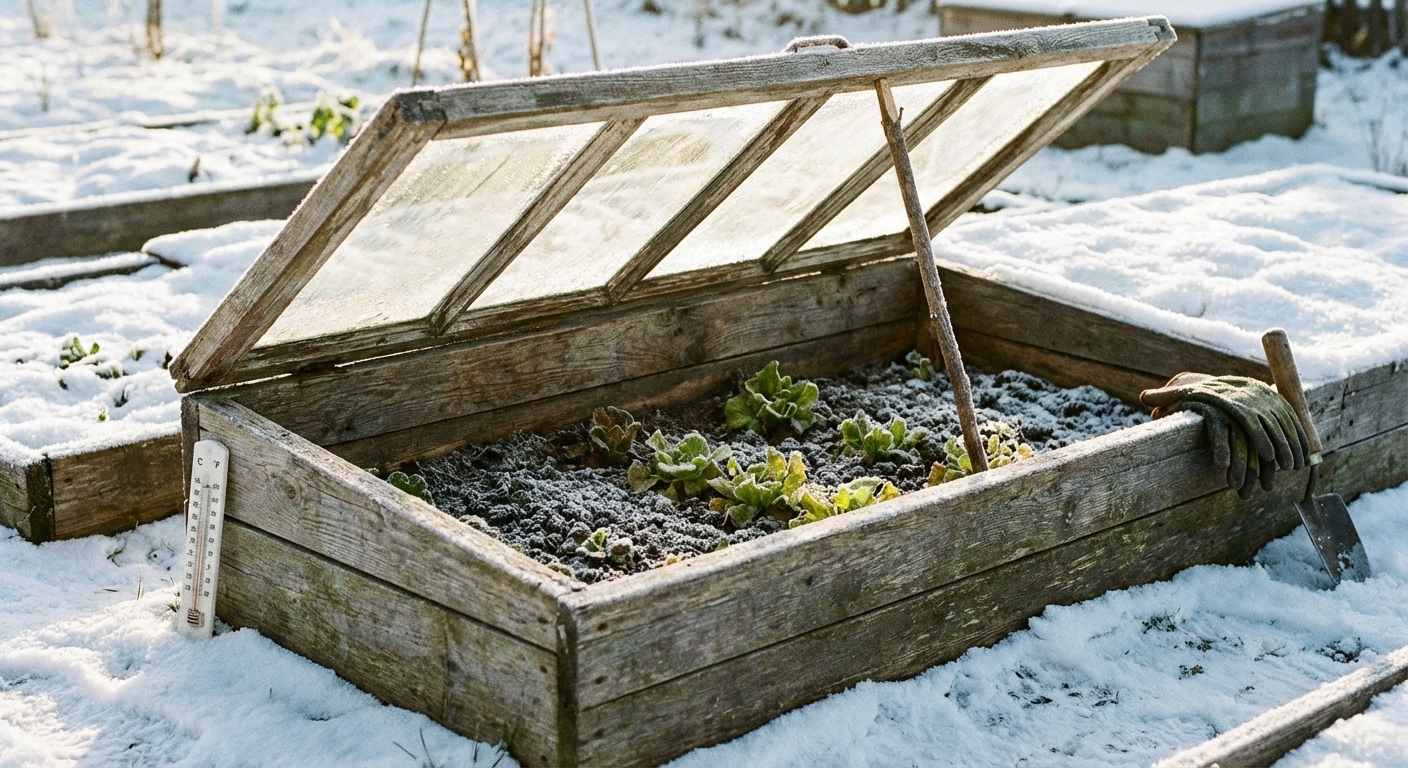
A cold frame is basically a low box with a clear lid that captures solar warmth and blocks wind. It is one of the most effective tools for winter vegetables because it creates a gentler microclimate without electricity.
What to grow inside
- Spinach, mâche, claytonia, arugula
- Baby kale and salad mixes
- Parsley and scallions
- Seedlings you are hardening off in early spring
Cold frame basics
- Face it south if possible, where it will get winter sun.
- Vent on sunny days. Start venting as temps inside approach about 60 to 70°F (15 to 21°C), and try to avoid sustained temps above about 75 to 80°F (24 to 27°C) for cool-season greens.
- Water sparingly. Plants drink less in winter. Water in the morning so leaves dry before night (and skip watering on days that never rise above freezing).
- Add insulation on brutal nights. A blanket, burlap, or an extra row cover layer over the lid can help during extreme cold snaps.
- Watch snow load. Snow is great insulation around the frame, but heavy snow on the lid can crack it or make it collapse. Brush it off when needed.
Confession: I keep a cheap thermometer in my cold frame because winter sun can be sneaky. If you have ever accidentally steamed your greens on a bright January afternoon, welcome to the club.
Row covers and tunnels
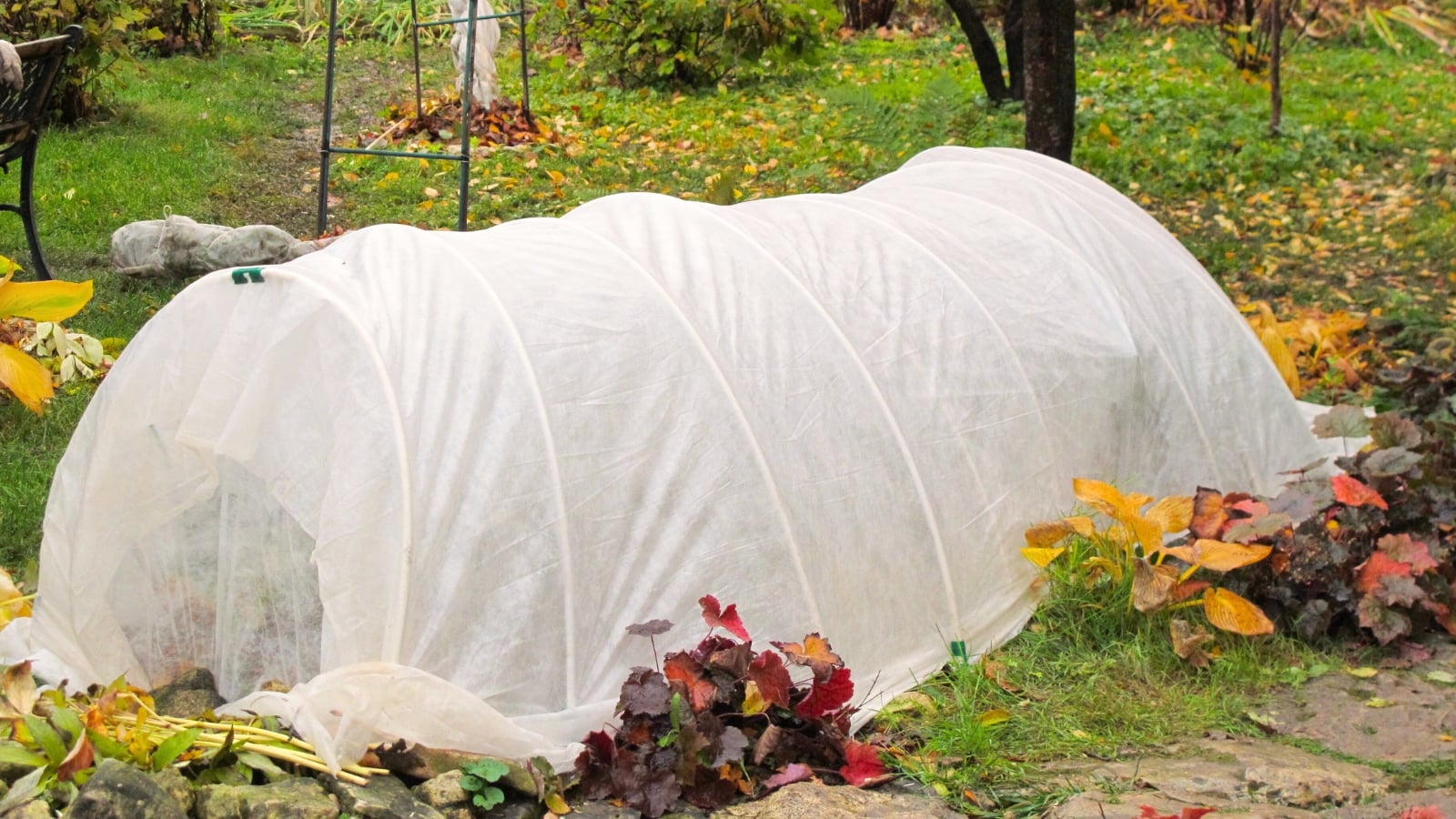
Row covers are lightweight fabrics (often called “floating row cover”) that trap a little warmth and protect plants from wind. Low tunnels are row covers held up by hoops, creating a small protected air pocket over the bed.
Pick a cover weight
- Lightweight: best for insect protection and a small temperature boost.
- Medium to heavyweight: better for frost protection, especially with wind.
The exact temperature protection depends on the product and conditions, but in general: heavier fabric equals more frost protection, with less light penetration. In the depths of winter, that tradeoff is usually worth it.
Setup that works
- Use hoops (wire, PVC, or metal conduit) so the fabric does not press plants flat.
- Seal the edges with soil, boards, landscape pins, or sandbags. Wind is the real villain.
- Keep an extra layer handy for nights that dip far below your norm.
- Clear heavy snow from tunnels so hoops do not buckle. (Snow around the sides is fine, even helpful.)
What grows well under cover
- Kale, spinach, arugula, mustard greens
- Carrots and beets (especially for overwintering harvest with extra mulch)
- Overwintered scallions and hardy herbs
Mulch matters
If cold frames are cabins and row covers are cozy blankets, mulch is the thick comforter tucked around your garden’s feet. Mulch helps keep soil temperatures steadier and prevents freeze-thaw cycles that can heave roots out of the ground.
Best winter mulches
- Straw: great insulation, easy to pull back for harvesting carrots.
- Shredded leaves: free and soil-building, especially if lightly chopped.
- Evergreen boughs: helpful for wind protection and holding lighter mulch in place.
How to mulch for harvest
- For root crops like carrots: wait until the ground is cold (but not deeply frozen), then apply 6 to 12 inches of loose mulch. In very cold, windy places you may need more, and it helps if the mulch stays fluffy and relatively dry.
- Pull mulch back to harvest as needed, then tuck it back in place.
Small warning: thick mulch and cozy covers can also be an invitation to voles and mice. If you have a history of nibbling damage, consider setting traps, keeping weeds down around beds, and using hardware cloth in problem spots.
Soil health note: Leaves and straw break down over time, feeding your soil life. Winter protection that turns into spring compost is my favorite kind of multitasking.
Watering and feeding
In cold weather, plants grow slowly and use less water. Overwatering plus cold soil is a recipe for rot and frustration.
Winter watering rules
- Water earlier in the day so foliage dries before night.
- Check soil under covers. Beds can stay drier than you expect because precipitation is blocked.
- Avoid waterlogging. If your bed stays soggy, consider improving drainage before next season with compost and better bed shaping.
- Avoid icing. If temperatures will not rise above freezing, skip watering that day to prevent ice on leaves and paths.
Do you need fertilizer?
If you amended with compost in late summer or early fall, you are usually set. Heavy feeding in winter is rarely necessary because growth is naturally slow. Instead, focus on healthy soil and steady moisture. In early spring, a light top-dressing of compost can help plants take off again.
Harvest without stress
Winter harvesting feels a little like sneaking cookies from the jar. You want to be gentle, quick, and leave the good stuff for later.
Better winter harvest habits
- Harvest mid-day when temperatures are warmest and leaves are less brittle.
- Use clean scissors for greens to avoid tearing and bruising.
- Take the outer leaves of kale and chard so the plant keeps producing.
- Do not over-harvest during deep cold. Plants need enough leaf surface to keep ticking along.
And yes, some greens may look a little rumpled after a frosty night. Give them a chance. Many perk up beautifully once the sun hits the bed.
Common mistakes
Mistake: Starting too late
Fix: Think “fall planting for winter harvest.” Aim for established plants before the deep cold and short days.
Mistake: Loose row covers
Fix: Seal edges tightly. Wind steals warmth fast and can shred fabric in one blustery night.
Mistake: Not venting
Fix: On sunny days, crack the lid or lift the tunnel edge. A protected space can heat up fast even when snow is on the ground.
Mistake: Overestimating tender crops
Fix: Choose hardy greens and roots. Save tomatoes for summer and let winter be winter.
A simple starter plan
If you want the easiest on-ramp, try this small, no-drama setup:
- One bed or raised bed section in your sunniest spot (bonus points for a windbreak).
- Plant spinach, kale, and mâche in late summer to early fall (timing depends on your frost date and zone).
- Add hoops + row cover once nights are regularly near freezing.
- Mulch around plants and heavily mulch any carrots you plan to overwinter.
- Layer up if you are in a colder zone: row cover inside the tunnel, or a cold frame for the most tender greens.
- Keep notes on what survived, what thrived, and when you planted. Your garden will teach you your local winter better than any generic calendar.
Winter gardening is wonderfully quiet. The beds are tidy, the pests are mostly sleeping, and every harvest feels like a tiny miracle you made with your own hands. If you have ever wished you could stretch the peace of gardening into the colder months, this is your invitation.
Quick checklist
- Know your zone and typical winter lows
- Pick hardy crops: spinach, kale, mâche, claytonia, carrots
- Plant early enough to establish before deep cold
- Block wind with row cover, a tunnel, or a cold frame
- Vent on sunny days to prevent overheating
- Mulch roots to reduce freeze-thaw damage
- Clear heavy snow from lids and hoops
- Harvest gently during the warmest part of the day