
Growing Carrots, Potatoes, and Radishes in Containers

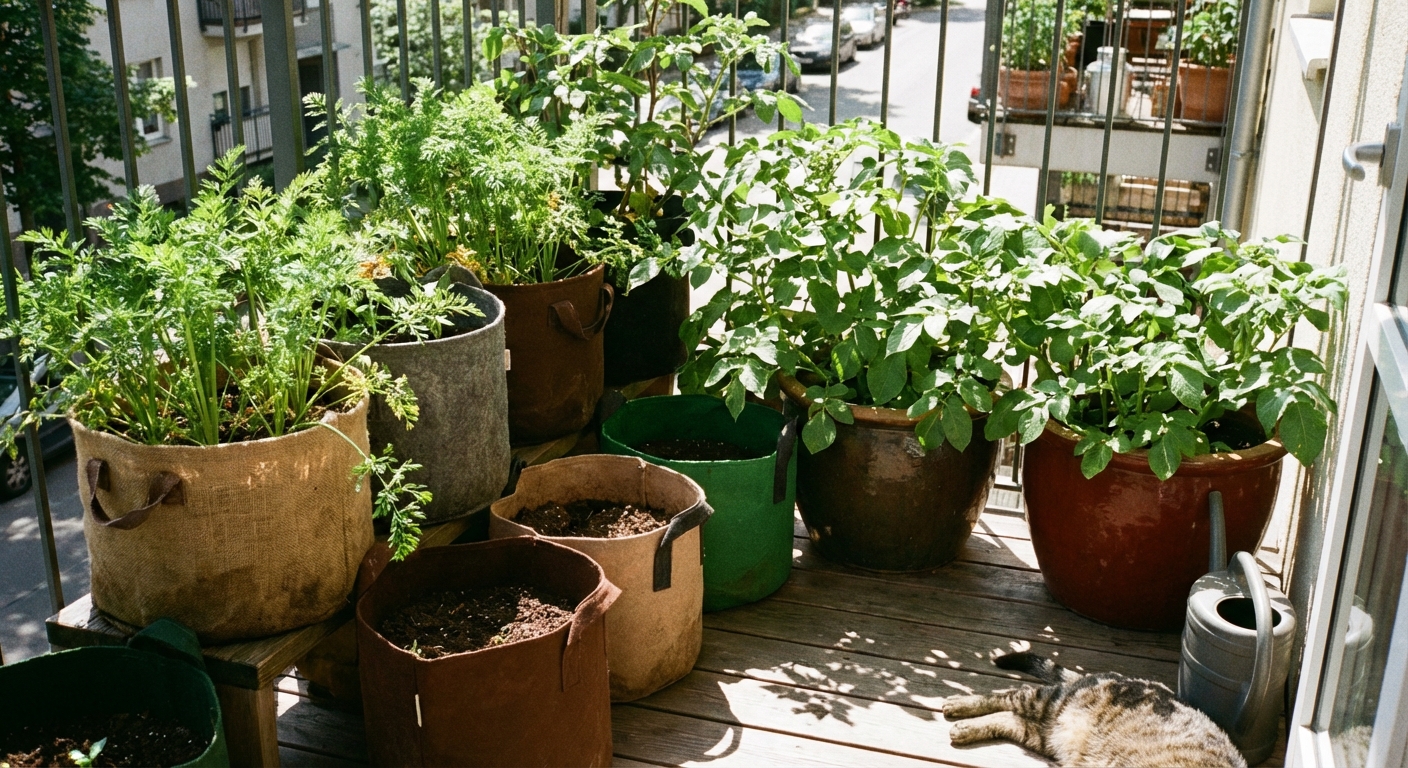
Root vegetables look humble above the soil, but below the surface they are doing the real magic. The good news for patio and balcony gardeners is this: carrots, potatoes, and radishes can all thrive in containers if you nail three things.
- Pot depth so roots have room to size up.
- Soil looseness so roots can grow straight and smooth.
- Watering consistency so you get crisp, sweet harvests instead of cracked or stunted ones.
I talk to my ferns, and I have also made plenty of small gardening mistakes so you do not have to. This is not about perfection. It is about setting your containers up like a cozy underground bedroom: fluffy, evenly damp, and not full of rocks.
The quick container cheat sheet
If you want the fast version before we dig in, here are the starting points that work for most home growers.
- Carrots: Use a pot at least 10 to 12 inches deep for short varieties, 14 to 18 inches for longer types. Keep soil very loose and stone-free.
- Potatoes: A 10 gallon bag can handle 2 seed potatoes in good sun. A 15 gallon bag can handle 3 to 4 seed potatoes. If you want fewer, bigger potatoes with less fuss, plant less (for example, 1 to 2 in a 10 to 15 gallon bag). Add soil as stems grow (hilling) to keep tubers covered and encourage better yields in some setups.
- Radishes: A pot 6 to 8 inches deep is plenty. They grow fast and love cool weather.
Sun: Aim for 6+ hours for potatoes and carrots. Radishes tolerate a bit less, especially in warm climates where afternoon shade helps.
Choosing containers that make roots happy
Prioritize depth, but keep some width
Root crops are like introverts. They want personal space, especially down below. Depth prevents forked carrots and cramped potatoes. Width matters for spacing and moisture stability. Wider pots dry out a little slower, which makes your watering life easier.
- Carrots: Deep pots, window-box style planters, or tall nursery containers work well. Avoid shallow bowls.
- Potatoes: Fabric grow bags are fantastic because they breathe and drain well, but they can dry out faster than plastic. Any container works if it has excellent drainage and enough volume.
- Radishes: Almost any container works as long as it is not tiny and has drainage holes.
Drainage holes are non-negotiable
If your container has no drainage, it is not a planter. It is a soup bowl. Root crops hate sitting in waterlogged soil because it invites rot and poor growth. If you use a decorative cachepot, keep the vegetable in a plastic pot with holes inside it and empty runoff water.
Best materials for patios and balconies
- Fabric grow bags: Great drainage, less risk of overwatering, easy to store. They dry faster in heat and wind.
- Plastic: Lightweight and holds moisture well, helpful in hot, windy spots.
- Terracotta: Beautiful but dries quickly, which can mean more frequent watering.
Soil: loose, fluffy, and quietly powerful
With containers, you are the whole ecosystem. The soil mix is your number one tool for straight carrots, smooth radishes, and good potato yields.
What loose soil means
Loose soil is soil that crumbles easily in your fingers, drains well, and still holds moisture like a wrung-out sponge. It is not heavy, sticky garden dirt. It is not packed down potting mix that has turned into a brick.
A dependable root-veg container mix
This is my go-to blend for containers when I want roots to glide through the soil instead of wrestling it.
- 60% high-quality potting mix (not topsoil)
- 25% finished compost
- 15% drainage booster like perlite or pumice
If your potting mix already contains plenty of perlite, you can reduce the added drainage ingredient. If it is peat-heavy and compacting, add more.
Skip rocks and gravel layers
Old advice says to put rocks at the bottom for drainage. In containers, gravel does not improve drainage. It reduces the amount of soil roots can use, and it can keep water lingering in the soil above that layer (the classic perched water table problem). Use a well-draining mix and drainage holes instead.
Fertilizer basics for root crops
Root vegetables want steady nutrition, not a nitrogen party. Too much nitrogen can mean lush tops and disappointing roots.
- Mix in a slow-release organic fertilizer at planting (follow label rates).
- Favor fertilizers that are balanced or slightly higher in phosphorus and potassium than nitrogen.
- Top-dress with a thin layer of compost mid-season for carrots and radishes, and when hilling potatoes.
Watering techniques that prevent cracking and bitterness
In-ground gardens forgive missed waterings. Containers do not. The trick is not constant wetness. The trick is even moisture.
The finger test
Stick a finger into the soil to about the first knuckle.
- If the top 1 inch is dry for radishes, water.
- If the top 2 inches are dry for carrots and potatoes, water.
How to water properly in containers
- Water slowly until water runs out the bottom.
- Wait 5 minutes, then water again briefly. This helps fully rehydrate dry potting mix.
- Empty saucers after 15 to 30 minutes so roots are not sitting in runoff.
Common watering problems
- Carrots cracking: soil dried out then got drenched. Aim for steadier moisture.
- Radishes pithy or spicy: heat plus irregular watering. Grow in cooler weather and keep evenly moist.
- Potatoes rotting: soil stayed soggy. Improve drainage, reduce watering frequency, and ensure the container drains freely.
Carrots in containers
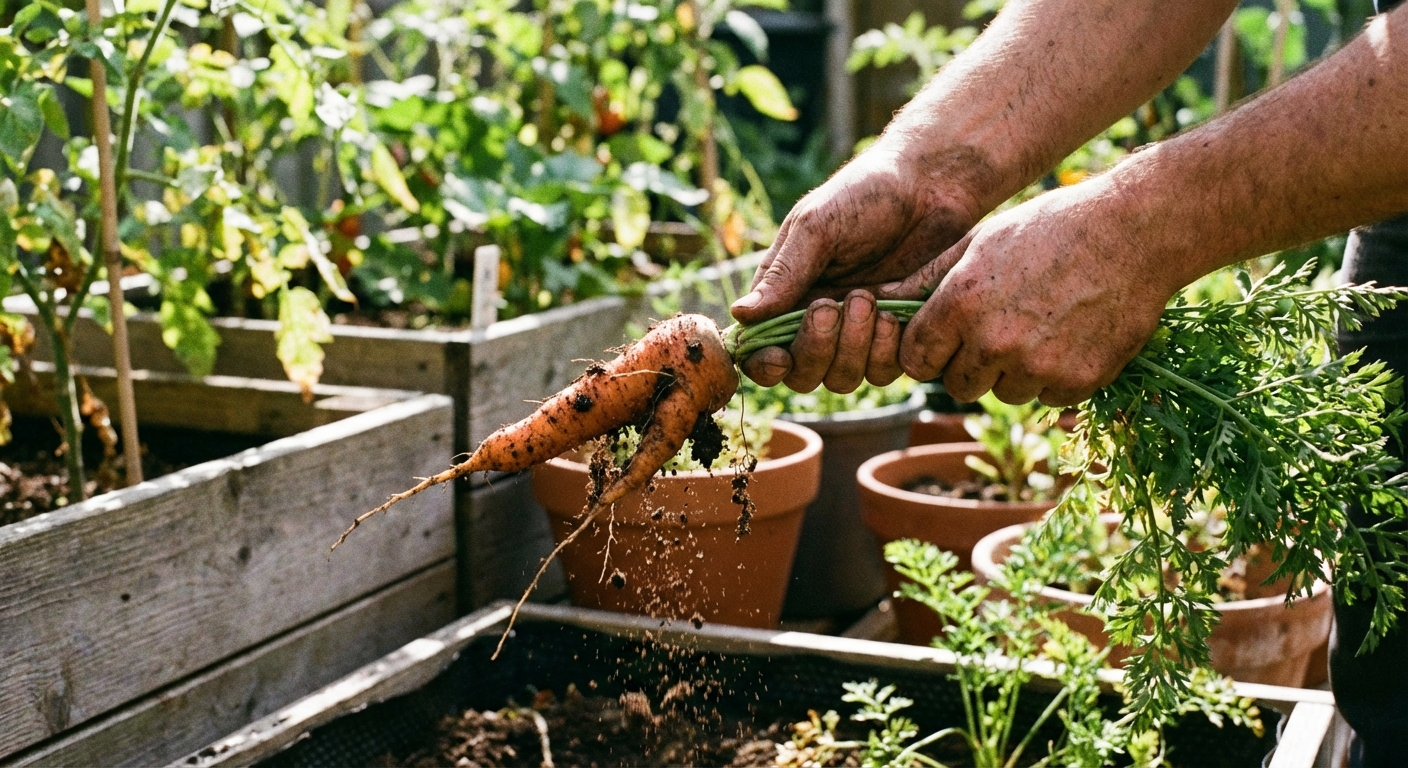
Pick the right carrot types
Long carrots can grow in pots, but shorter shapes are much more forgiving. Look for varieties described as round, stump, Chantenay, or Oxheart style. A few container-friendly examples include Paris Market (round) and Oxheart types (short and chunky). Nantes carrots can work in containers too, but they are often medium length, so give them the deeper pot end of the range.
Pot depth and spacing
- Depth: 10 to 12 inches for short varieties, 14 to 18 inches for longer varieties.
- Spacing: thin seedlings to about 2 inches apart for most types, or follow the seed packet.
How to plant carrots
- Fill your container with your loose soil mix and gently level it. Do not pack it down.
- Moisten the soil evenly before sowing.
- Sow seeds shallowly, about 1/4 inch deep.
- Keep the surface consistently damp until germination, usually 7 to 21 days. Carrots can be slow and they hate drying out during this stage.
- Thin when seedlings are a couple inches tall. Snip extras at soil level to avoid disturbing neighbors.
Carrot container tips
- Strain out chunks: If your compost has sticks or big clumps, sift it. Your carrots will thank you by growing straighter.
- Keep shoulders covered: If the top of the carrot starts peeking out, add a little soil to prevent greening.
When to harvest carrots
Carrots are usually ready in 60 to 80 days, depending on variety. You can harvest baby carrots earlier. For full size, pull one test carrot first. If it is the thickness you like, harvest the rest.
Potatoes in containers
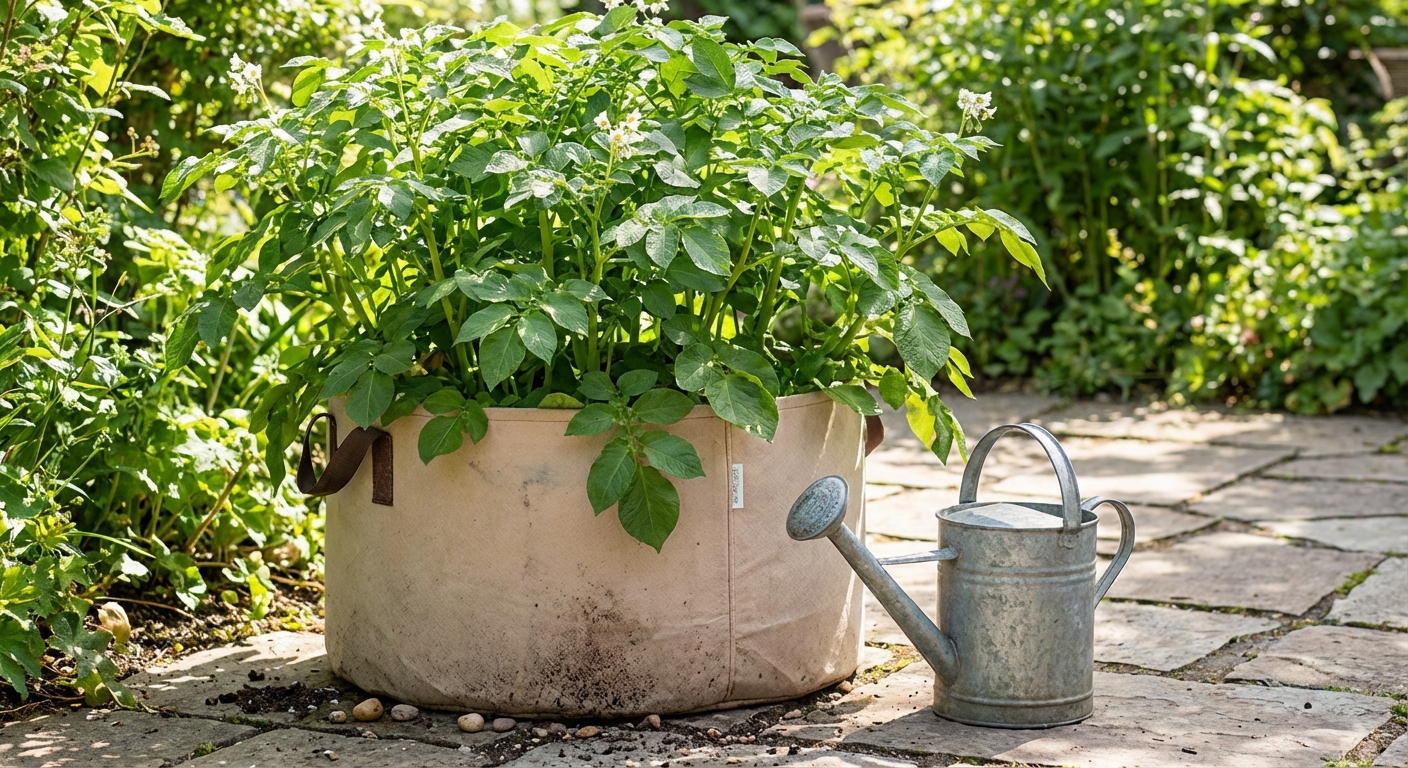
Choose seed potatoes
Use certified seed potatoes when you can. Grocery potatoes may be treated to reduce sprouting and can carry diseases that you do not want in your container soil. Chitting (pre-sprouting) is optional, but it can give you a small head start in cooler springs.
Container size and plant count
- 10 gallon: 1 to 2 seed potatoes. (2 is common if you want more total potatoes and you have strong sun.)
- 15 gallon: 2 to 4 seed potatoes, depending on how big you want the potatoes to get and how attentive you are with watering and feeding.
- 20+ gallons: 4+ seed potatoes, with excellent sun and consistent moisture.
More plants usually means more total yield, but smaller potatoes per plant. Fewer plants can mean bigger individual tubers and an easier watering routine. Choose your adventure.
Planting potatoes in a pot
- Add 4 to 6 inches of soil mix to the bottom of your container.
- Place seed potatoes with eyes facing up. Cover with 3 to 4 inches of soil.
- Water thoroughly and place in full sun.
- When stems grow 6 to 8 inches tall, add more soil around them, leaving a few inches of green leaves exposed.
- Repeat hilling until the container is nearly full.
Why hilling helps
Hilling keeps developing potatoes from turning green in the sunlight. Green potatoes can contain solanine and should not be eaten. Hilling can also improve yield in some varieties and conditions, especially when it helps the plant stay evenly moist and well-fed.
Watering and feeding potatoes
- Keep soil evenly moist, especially once plants are flowering and tubers are bulking up.
- Avoid constant sogginess. Potatoes like moisture, not mud.
- Top-dress with compost when you hill, or use a gentle organic fertilizer once or twice mid-season.
When to harvest and store potatoes
- New potatoes: harvest a few carefully once plants flower.
- Main crop: harvest when foliage yellows and dies back.
To harvest, tip the container onto a tarp and gently dig through the soil with your hands. It feels like a treasure hunt, because it is.
For storage, let main-crop potatoes cure in a cool, dark, well-ventilated spot for about 1 to 2 weeks. Brush off soil, but do not wash them until you are ready to cook. Discard potatoes that are heavily green, bitter, or damaged.
Radishes in containers
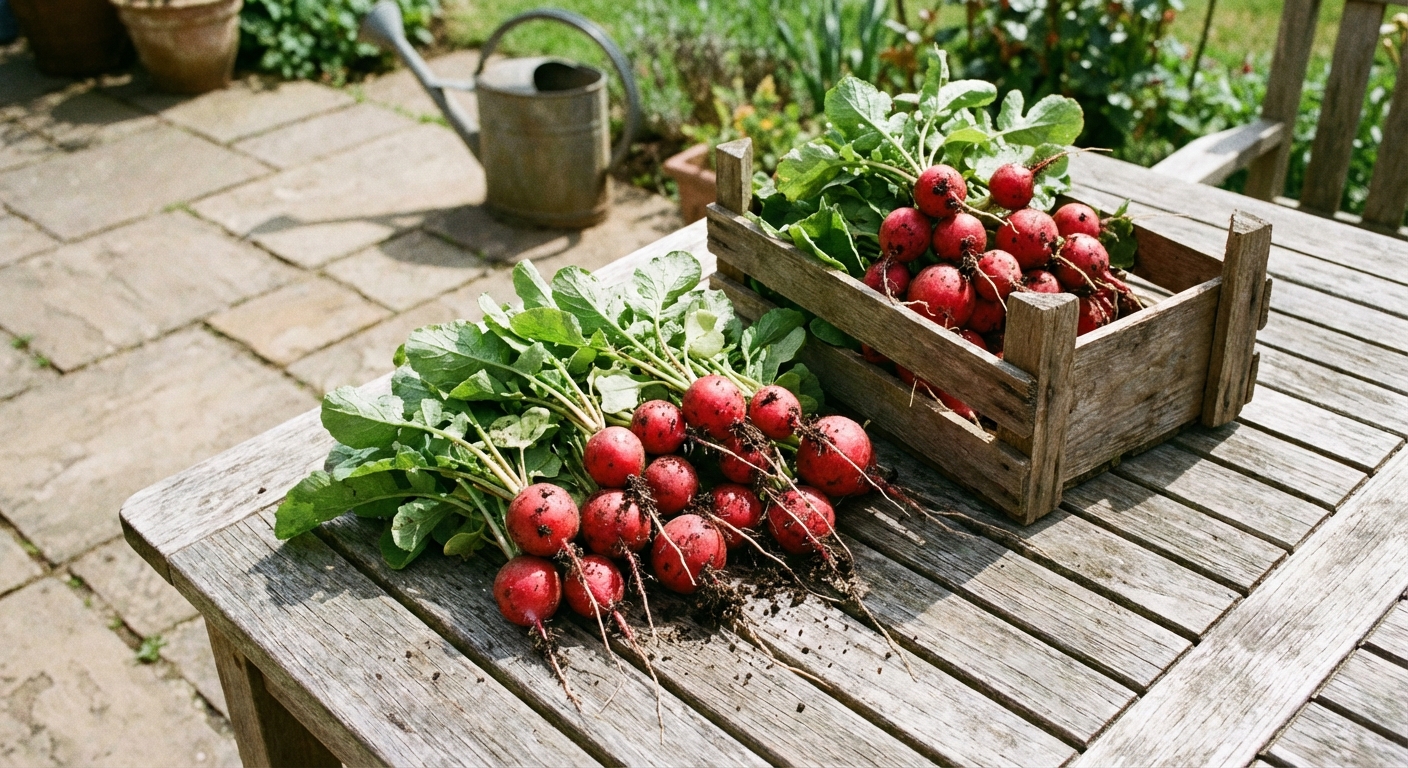
Radishes are your confidence crop
If you are nervous about growing root vegetables, start with radishes. Many varieties mature in 25 to 40 days, and they do not require deep containers.
Pot depth, spacing, and sowing
- Depth: 6 to 8 inches.
- Spacing: 1 to 2 inches apart, depending on variety.
- Sowing depth: about 1/2 inch.
Cool weather is the secret
Radishes are happiest in spring and fall. In warm weather, they can turn woody, extra spicy, or bolt. If your balcony runs hot, give them morning sun and a bit of afternoon shade.
Harvest on time
Radishes do not like to overstay their welcome. Check them as soon as they are close to maturity. If the shoulders are visible and the root looks plump at the surface, pull one. Tender radishes are a joy. Overgrown radishes can be more like crunchy regret.
Timing and temperature
Balconies can run hotter or windier than in-ground gardens. A little timing goes a long way for root crops.
- Carrots: prefer cooler weather. If summers are hot, sow in early spring or late summer for a fall harvest.
- Potatoes: grow best in mild temperatures. In extreme heat, containers can overheat fast. Give afternoon shade in heat waves and stay on top of watering.
- Radishes: happiest in cool spring and fall conditions, with light shade when afternoons get intense.
Succession planting for steady harvests
Containers are perfect for staggered sowing. Instead of planting all at once and drowning in radishes for a week, plant small batches.
- Radishes: sow every 10 to 14 days during cool seasons.
- Carrots: sow every 2 to 3 weeks for continuous harvest.
- Potatoes: usually one main planting per container, but you can do a second round if your season is long enough.
Troubleshooting container root veggies
Forked or stubby carrots
- Cause: compacted soil, rocks, or transplant disturbance.
- Fix: use a fluffier mix, avoid packing soil, direct sow, and thin by snipping.
Radishes with lots of leaves and tiny roots
- Cause: too much nitrogen, too much shade, or warm weather.
- Fix: avoid high-nitrogen feed, give more sun, grow in cooler temperatures.
Potatoes with green patches
- Cause: tubers exposed to light.
- Fix: hill more consistently and keep potatoes fully covered with soil.
Container soil drying out too fast
- Cause: small pot, terracotta, fabric bags, wind, hot reflected heat from walls.
- Fix: size up containers, use mulch, cluster pots, water in the morning, and consider a self-watering setup.
Pests and disease basics
Containers reduce some problems, but they do not make you invisible to bugs.
- Aphids on potato leaves: blast them off with water or use insecticidal soap if needed.
- Blight hygiene: avoid wetting foliage late in the day, remove heavily spotted leaves, and do not compost diseased potato plants.
- After potatoes: if you suspect disease, dump the soil (do not reuse it for tomatoes or potatoes) and wash the container before replanting.
A simple balcony setup
If you want a tidy, low-stress container root patch, here is a layout I love for small spaces:
- 1 deep pot (14 to 18 inches) for carrots.
- 1 grow bag (10 to 15 gallons) for potatoes.
- 1 medium pot or trough (6 to 8 inches deep) for radishes, sown every two weeks.
Add a thin layer of straw or shredded leaves as mulch, keep a watering can nearby, and you have a little underground harvest factory that fits in a corner.
One last reminder
Root vegetables teach you to trust what you cannot see yet. If your first carrots are a little crooked, or your radishes get spicy, you did not fail. You collected information. Adjust the pot depth, lighten the soil, water more evenly, and try again. The dirt is very forgiving, especially when you show up consistently.