
Get Rid of Slugs and Snails Naturally

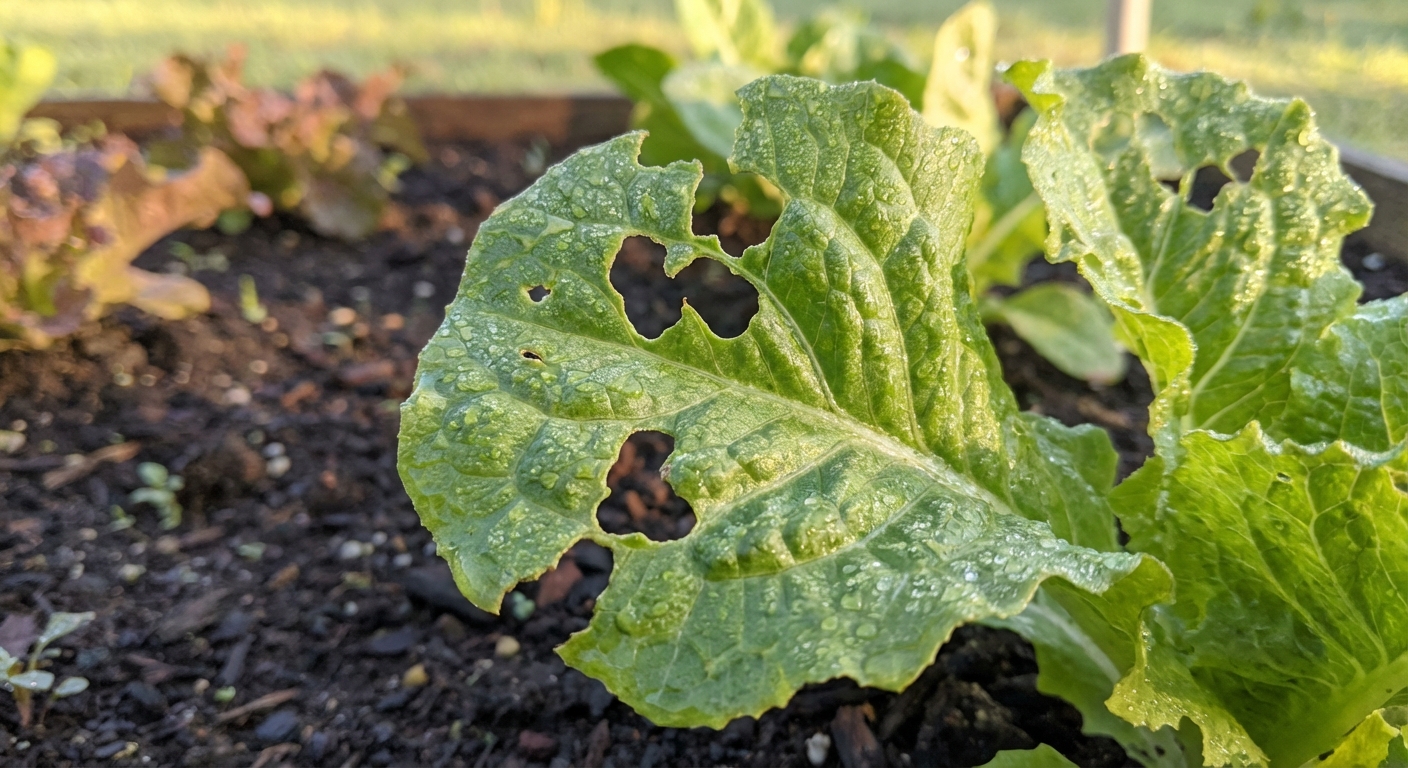
If you have ever stepped out in the early morning and found your lettuce scalloped like tiny cookie bites, you have met the night shift: slugs and snails. I used to take it personally, like my garden was being judged. Then I learned their habits, changed a few simple conditions, and started catching them in the act. You can absolutely control them without harsh chemicals, and you do not need to harm your soil ecosystem to do it.
This guide walks you through: how to confirm it is slugs or snails, what invites them in, and the most effective more pet-safe organic ways to knock their numbers down fast and keep them down.
Know your culprit
Slug vs. snail
- Slugs are soft-bodied and shell-less, usually gray, brown, or black. They hide in tight, damp places during the day.
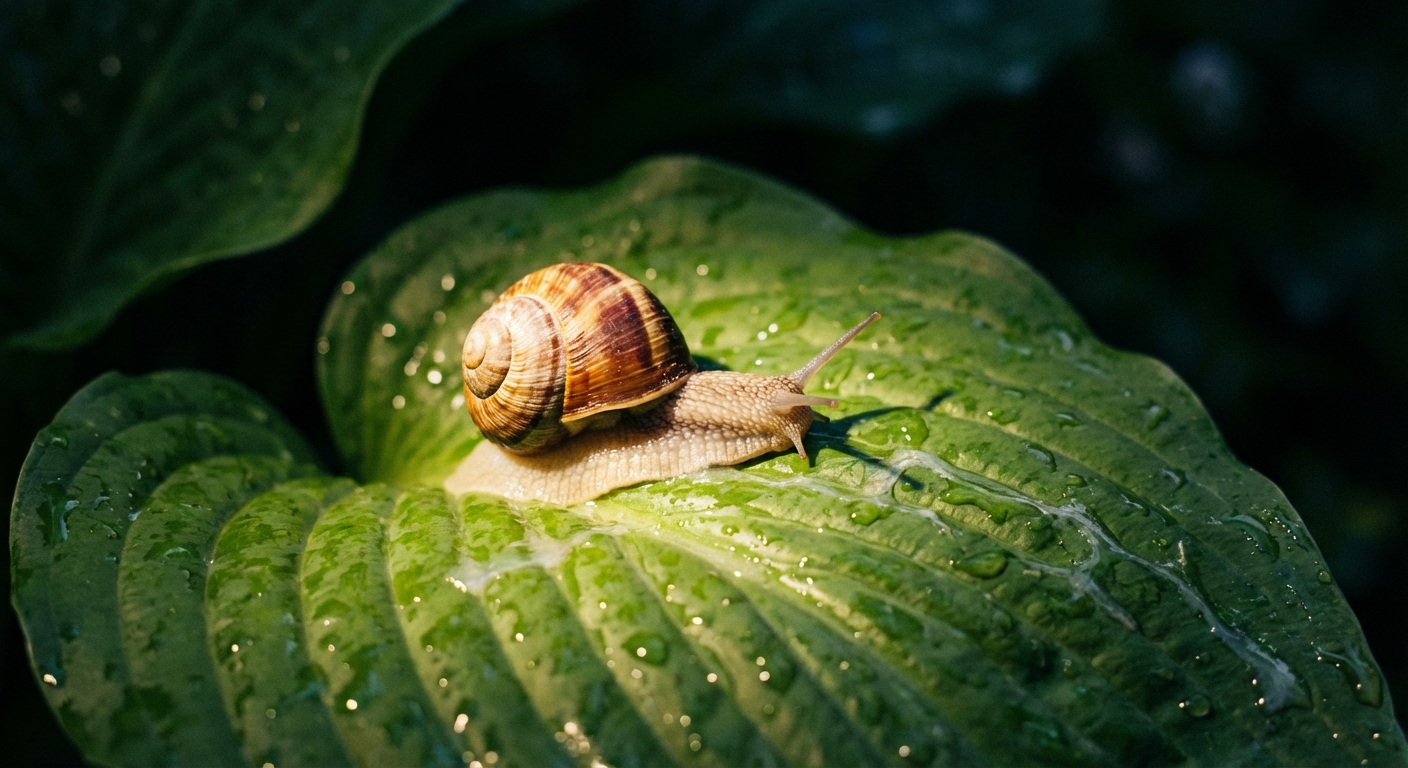
- Snails have a shell and move a little slower, often tucked into mulch, under boards, or in dense groundcover.
Signs it is slugs or snails
- Shiny slime trails on soil, mulch, pots, or leaves, especially visible in morning or after watering.
- Irregular holes in leaves, often starting at the edges.
- Seedlings mowed down at soil level overnight.
- Damage is worst in cool, damp weather, and often spikes in spring and fall.
Lookalikes
- Earwigs: chew ragged holes too, but you will often find them hiding in tight crevices or rolled leaves. They do not leave slime trails.
- Caterpillars: leave frass (little droppings) and larger, more obvious bites. Check the undersides of leaves.
- Cutworms: clip seedlings at soil level, but they are usually curled in the soil nearby during the day.
- Sowbugs and pillbugs: mostly eat decaying material, but will nibble very tender seedlings in damp conditions.
Quick check: Go out with a flashlight 1 to 2 hours after dusk. If you catch them actively feeding, your plan gets a lot simpler because you can target where they are actually coming from.
Why your garden is attractive
Slugs and snails are basically tiny moisture-seekers. They need damp shelter to avoid drying out, and they love tender new growth. Most infestations come down to a few common conditions.
- Consistently wet soil and mulch, especially with evening watering.
- Dense hiding places like boards, bricks, low groundcover, heavy leaf litter, or thick mulch pushed right up to stems.
- Protected “highways” along fences, bed borders, stacked pots, and shady walls.
- Lots of their favorite foods: lettuce, basil, marigolds, hostas, dahlias, strawberries, seedlings of nearly anything.
Good news: you do not have to make your garden dry and bare. The trick is strategic dryness and fewer hiding spots right where your plants are vulnerable.
Quick picks by situation
- Fastest results: hand-picking + a couple of targeted beer traps in the hotspot
- Best for raised beds and pots: copper tape (installed correctly) + cleanup to prevent bridges
- Best in rainy climates: hand-picking + iron phosphate bait (used carefully) + copper, skip DE
- Most pet-responsible: hand-picking + copper barriers + watering changes
Step-by-step plan
When people ask me what works best, I tell them this: slugs and snails are a numbers game. You will get the fastest results by combining removal (reduce the population) with prevention (make it harder for the next wave).
Step 1: Cleanup the danger zone
Focus on a 2 to 3 foot ring around your most damaged plants.
- Pull mulch back a couple inches from plant stems.
- Remove boards, flat stones, and pots sitting directly on soil near beds (or elevate them).
- Trim dense groundcovers or weeds that touch your crops.
- Pick up fallen leaves and overripe fruit.
Keep the compost pile away from the bed edge if possible. It is a lovely slug hotel, and I say that with respect.
Step 2: Hand-pick for the biggest payoff
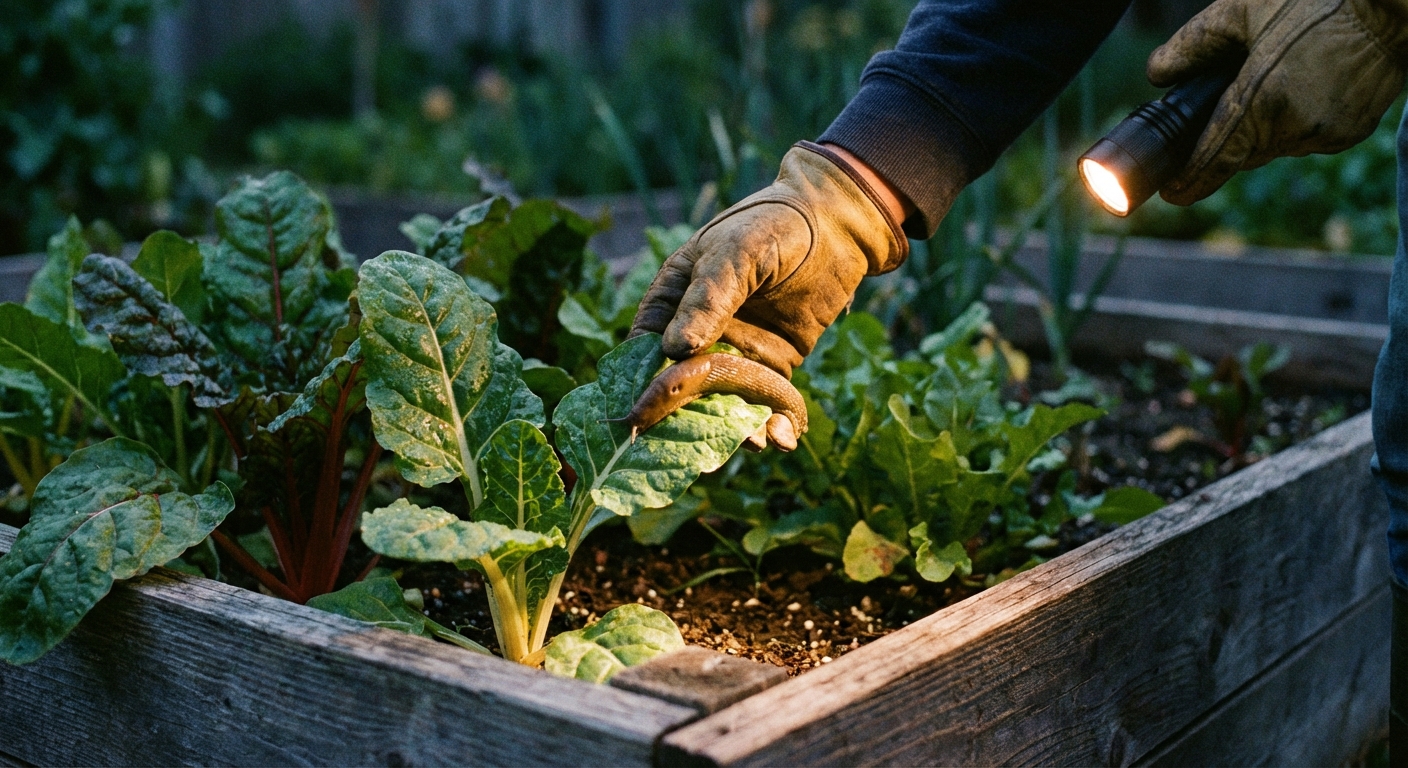
Hand-picking sounds old-fashioned, but it is genuinely one of the quickest ways to stop the bleeding, especially in small vegetable and flower beds.
- Go out after dark with a flashlight, or at dawn while it is still damp.
- Check under leaves, along bed edges, and under drip lines where moisture lingers.
- Wear gloves if you prefer.
What to do with what you pick: If you are comfortable dispatching them, many gardeners drop them into a container of soapy water. If you are thinking about relocation, check local rules first. In some areas it is discouraged (or illegal) to move pests, and it often does not work anyway because they can return or you may accidentally spread an invasive species. Either way, consistent removal for 7 to 10 nights can drastically reduce damage.
Beer traps
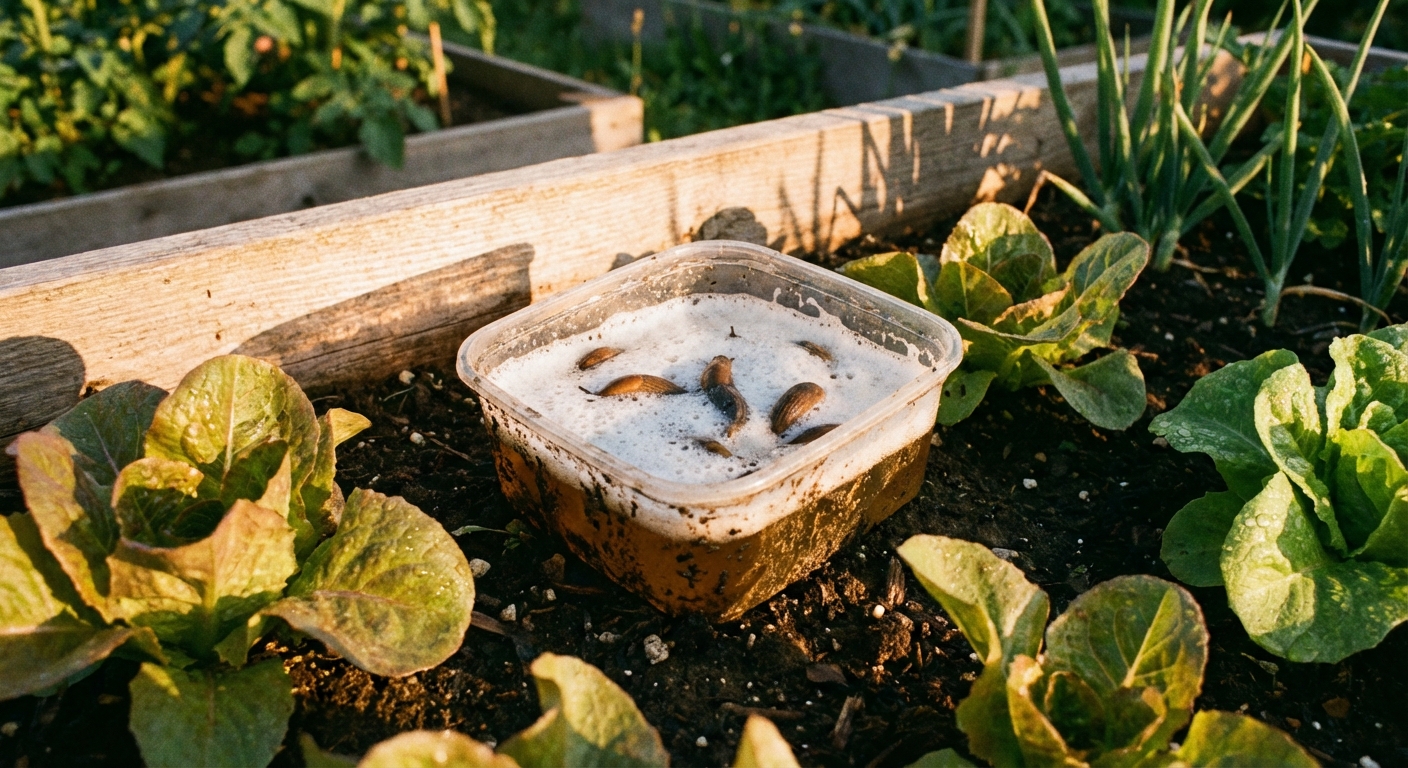
Beer traps work because slugs and snails are attracted to the yeast scent. They crawl in, fall, and cannot get out. It is not glamorous, but it can be very effective in hotspots.
How to set a beer trap
- Use a shallow container like a tuna can or yogurt cup.
- Bury it so the rim sits about 1/2 inch above the soil. This helps reduce beneficial ground beetles accidentally falling in.
- Fill with 1/2 to 1 inch of beer.
- Place traps near damaged plants, not all over the garden. You want to intercept, not attract from farther away.
- Empty and refresh every 1 to 2 days, or after rain.
Rain tip: Rain dilutes beer fast. A simple cover helps: place an upside-down plant saucer or plastic lid over the trap, propped up on stones so slugs can still crawl in.
No beer? A yeast-and-sugar mix can work in a pinch: warm water + a pinch of yeast + a teaspoon of sugar. It is not always as potent, but it is worth trying.
Pet note: Beer traps are generally low risk if tucked, but curious dogs can drink them. If you have a beer-loving pup, choose other methods or use the covered setup above.
Copper barriers
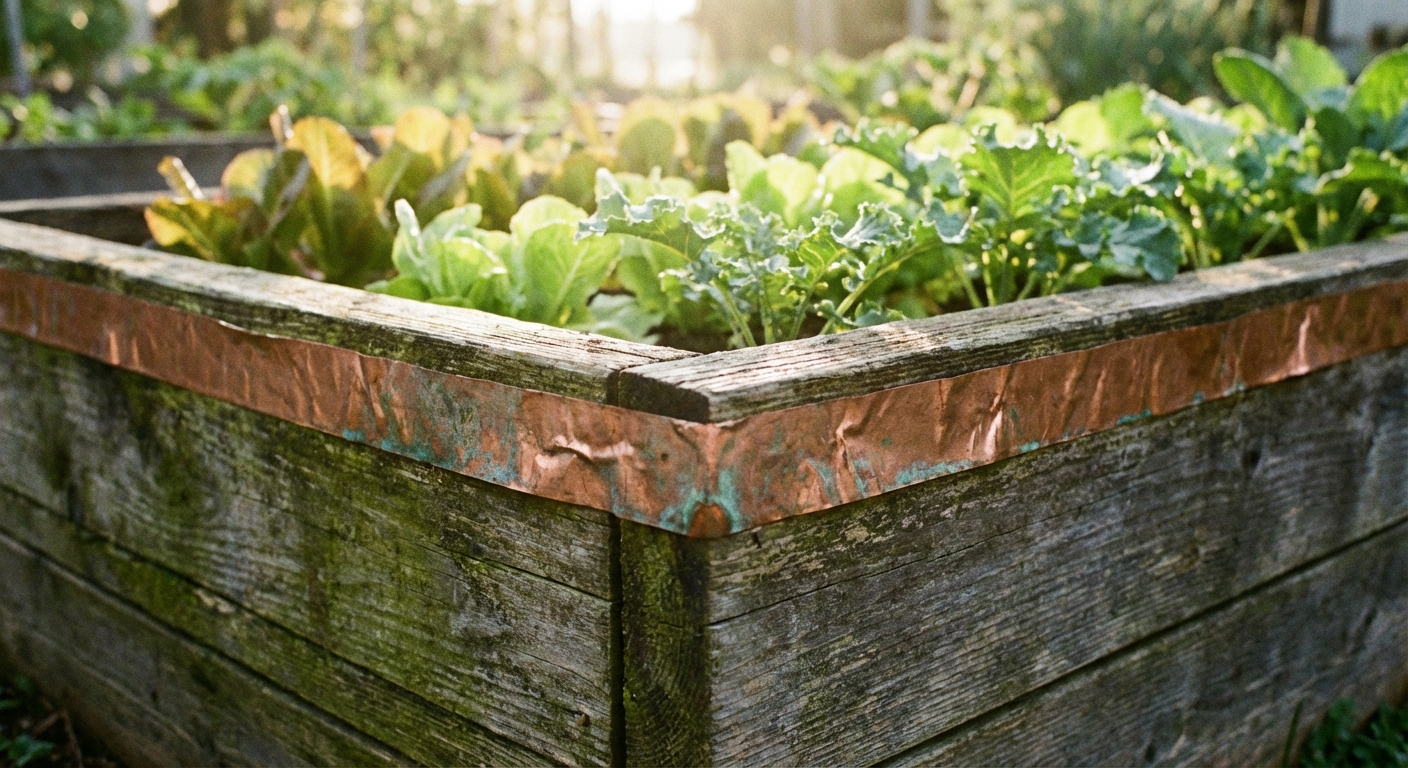
Copper can deter slugs and snails, and it is a clean option around pets. Results are mixed if it is installed poorly, but it often works well when installed correctly as a barrier around something you really want to protect.
Where copper works best
- Around raised beds using copper tape on the outside rim
- Wrapped around pots and planters
- As a ring around a small in-ground seedling area
Tips so copper does not fail
- Use enough width: aim for a continuous band about 1 to 2 inches wide (2.5 to 5 cm). Narrow strips are easier to cross.
- Make it unbroken: seal gaps and overlaps. One little break is a welcome mat.
- Keep it clean: dirt and heavy oxidation reduce effectiveness. A quick wipe with vinegar water helps.
- Prevent bridges: make sure leaves, weeds, mulch, and irrigation tubing do not drape over the copper. Slugs will use a leaf like a bridge.
Pet-safe? Yes. Copper tape is a great option for households with pets because it does not involve baiting or powders that can be inhaled.
Diatomaceous earth
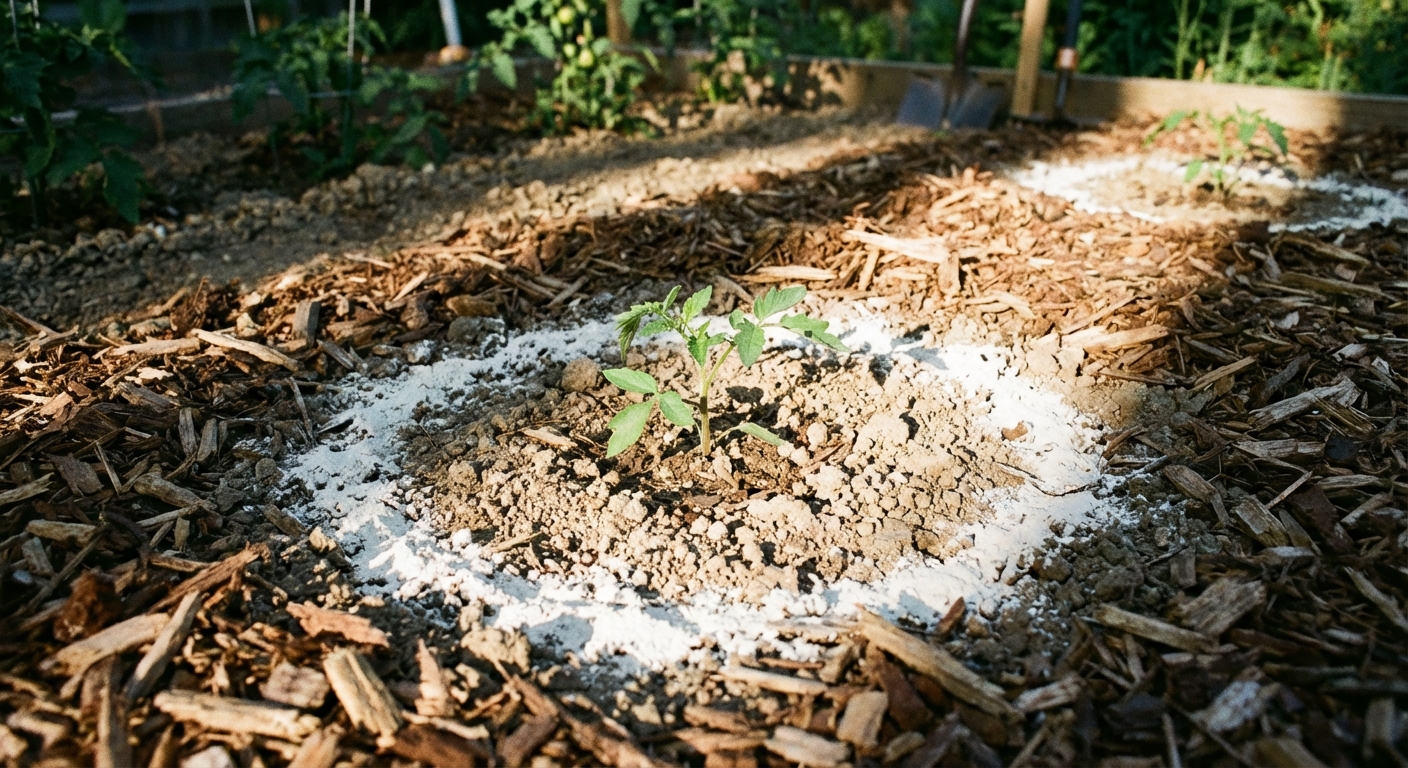
Food-grade diatomaceous earth (DE) is made from fossilized algae. It works by scratching and drying out soft-bodied pests. The key is that it must be dry to work.
Important reality check: On slugs, DE results can be variable. Because slugs produce a lot of mucus, some will cross it anyway. I treat DE as a supplemental “dry moat,” not the only strategy.
How to apply DE
- Choose food-grade DE, not pool filter DE.
- Apply a thin, even ring on dry soil around plants or bed edges.
- Reapply after rain, heavy dew, or overhead watering.
Important cautions
- DE can irritate lungs. Apply on a calm day and avoid breathing dust.
- DE is not selective. It can affect other crawling insects too, so keep it targeted and minimal.
- If your climate is consistently wet, DE will be frustrating. Use copper, hand-picking, nematodes (where available), or iron phosphate instead.
Pet note: Food-grade DE is often marketed as pet-friendly, but you still want to avoid creating dusty conditions where pets sniff or roll in it. Apply lightly and water your plants at the soil line to keep it in place longer.
Iron phosphate bait
If you want an organic tool that holds up better in wet weather, iron phosphate slug bait is worth knowing about. It is generally regarded as lower risk than metaldehyde, and it can be very effective when used correctly.
How to use it well
- Use it as a targeted treatment in problem areas, not as a broadcast habit.
- Apply in the evening when slugs and snails are active, then re-check and reapply only as the label directs.
- Sprinkle lightly. More is not better.
- Keep pellets out of mulch piles where pets might nose around.
Safety notes
- Read the ingredient list: some products combine iron phosphate with other active ingredients (like spinosad). If your goal is the lowest non-target risk, choose a simple iron phosphate formulation and follow the label precisely.
- Pet-safe is not pet-proof: even iron phosphate products can cause GI upset if a pet eats enough. Store securely and apply carefully.
Nematodes
In some regions, you can buy beneficial nematodes that target slugs (often sold as Phasmarhabditis species). They are a living control, which means they can be a great fit for gardeners who prefer to avoid traps and pellets.
What to know
- Availability varies: they are not sold everywhere, and they are often seasonal.
- They need moisture: nematodes work best in moist soil and moderate temperatures. Follow the supplier instructions closely.
- Think long-term: this is not an overnight fix, but it can help bring numbers down steadily.
Companion planting
Companion planting will not solve a heavy infestation by itself, but it can help tip the balance, especially when combined with removal and barriers.
Plants that may deter them
- Rosemary, thyme, sage, and lavender (drier, aromatic foliage)
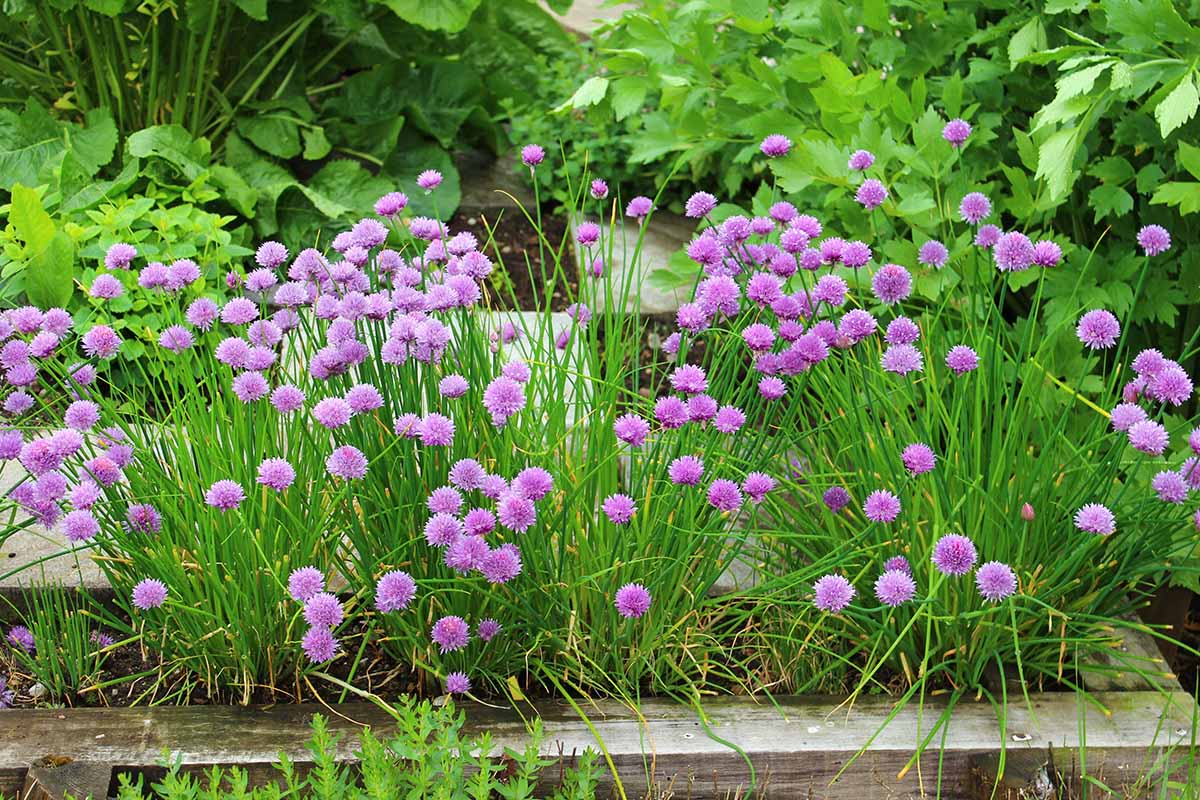
- Alliums like chives, garlic, and ornamental allium
- Fennel (mixed reports, but can help in some gardens)
I like to edge vulnerable beds with a mix of thyme and chives. It is not a force field, but it reduces the “easy path” feel.
Plants that get hit hard
- Marigolds
- Hostas
- Lettuce
If you intentionally plant a little sacrificial lettuce or marigold near the outer edge, you can hand-pick from that area nightly and reduce pressure on your main crop. Think of it as setting a dinner table away from your kitchen.
Watering tricks
Slugs and snails thrive when nights are damp. One of the most underrated fixes is simply changing when and how you water.
- Water in the morning so the soil surface dries by evening.
- Use drip irrigation or a soaker hose when possible.
- Avoid thick, constantly wet mulch around seedlings. Keep mulch, but give the stem a little breathing room.
If you have a slug problem and you are watering at sunset, you are basically ringing a dinner bell. No shame, I have done it too.
Support predators
In a healthy garden, slugs and snails are part of the food web. Your goal is not necessarily to eliminate every single one. It is to stop them from overwhelming your plants.
Helpful predators
- Ground beetles and other beneficial insects
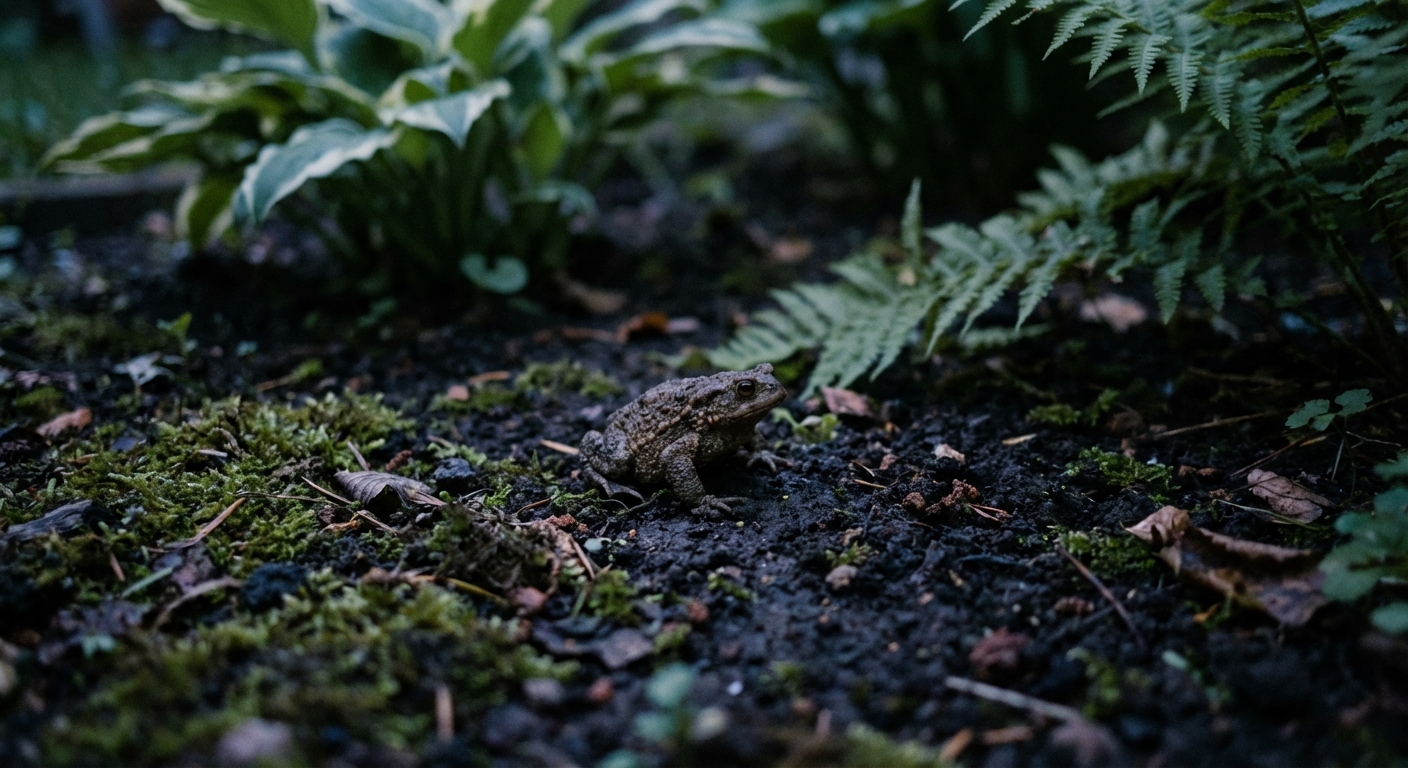
- Toads and frogs
- Birds (especially thrushes, robins, and chickens if you keep them)
- Garter snakes in some regions
How to invite the helpers
- Provide a small, shallow water source with stones for safe landing.
- Keep a few “wild” corners with native plants, but avoid piling wet debris right next to your vegetable bed.
- Skip broad-spectrum pesticides that harm beneficial insects.
My personal favorite garden ally is the humble toad. If you ever see one, quietly thank it for its service and let it get on with its night patrol.
Pet-safe slug control
Best organic options around pets
- Hand-picking
- Copper tape and barriers
- Targeted beer traps with pet access prevented
- Garden hygiene and watering changes
Be cautious with these
- Diatomaceous earth: avoid dust exposure for pets and kids.
- Iron phosphate baits: lower risk than metaldehyde, but still store securely and apply per label to prevent ingestion.
- Salt: do not use it in beds. It damages soil and plants.
Never use these around pets or wildlife
- Metaldehyde slug baits: highly toxic to dogs, cats, and wildlife.
About iron phosphate baits: Many gardeners consider iron phosphate an organic tool and it is generally regarded as lower risk than metaldehyde. That said, “pet-safe” is not the same as “pet-proof.” If you choose to use it, follow the label precisely, choose a formulation that aligns with your risk tolerance, and use it as a later step after you have tried barriers and removal. If you want to stay strictly to non-bait methods, you can absolutely do that.
Troubleshooting
You keep trapping them
- Your traps may be too far from the feeding zone. Move them closer to damaged plants.
- You might have a hidden daytime shelter nearby: a board, stacked edging stones, dense groundcover, or a damp gap under a pot.
- Check for bridging over copper or barriers via leaves and weeds.
- If it is raining a lot, add a cover over beer traps and refresh more often.
DE keeps disappearing
- Rain and dew are neutralizing it. Switch to copper barriers and hand-picking, and water in the morning.
- Consider iron phosphate or nematodes for wet conditions.
Only seedlings are dying
- Seedlings are slug candy. Use collars, copper rings, and extra vigilance for 2 weeks until plants size up.
7-day reset
If you want a clear plan you can follow without overthinking it, here is my favorite one-week reset for vegetable and flower beds.
Day 1
- Pull mulch back from stems and remove nearby hiding spots.
- Water in the morning only.
Days 2 to 4
- Hand-pick for 10 to 15 minutes after dark.
- Set 1 to 3 beer traps near the worst area and refresh as needed (use a cover if rain is in the forecast).
Days 5 to 7
- Add copper tape to raised beds or pots, or create a targeted copper barrier around the most vulnerable plants.
- If rain is constant, consider a targeted iron phosphate application per label instead of relying on DE.
- Keep hand-picking every other night.
After a week, you will usually see noticeably less damage. After two weeks, most gardens shift from “constant devastation” to “occasional nibble,” which is where prevention can take over.
FAQ
Do coffee grounds get rid of slugs?
Sometimes they help as a mild deterrent, but they are inconsistent. Grounds break down quickly, get moldy when wet, and can change soil conditions if piled heavily. I treat coffee grounds as compost, not a reliable slug control method.
Will eggshells stop slugs?
Crushed eggshells are often too blunt or settle into the soil, especially after rain. If you love the idea of a physical barrier, copper is far more dependable.
Are slugs and snails always bad?
In small numbers, they are part of decomposition and the garden food chain. The trouble starts when moist conditions and shelter let them multiply faster than predators can keep up.
What plants should I protect first?
Prioritize seedlings, leafy greens (lettuce, spinach), strawberries, basil, hostas, dahlias, and anything newly transplanted. Once a plant is bigger and tougher, it can handle a little nibbling.
My gentle bottom line
Slugs and snails are not a moral failing on your part, and they do not mean you have a black thumb. They mean you have moisture, shelter, and tasty plants. By combining a little cleanup, consistent night patrol, and smart barriers like copper (installed correctly), you can protect your veggies and flowers while keeping your garden organic and soil-friendly.
If you tell me what you are growing and what your weather has been like, I can help you choose the best combination for your exact setup.