Determinate vs. Indeterminate Tomatoes

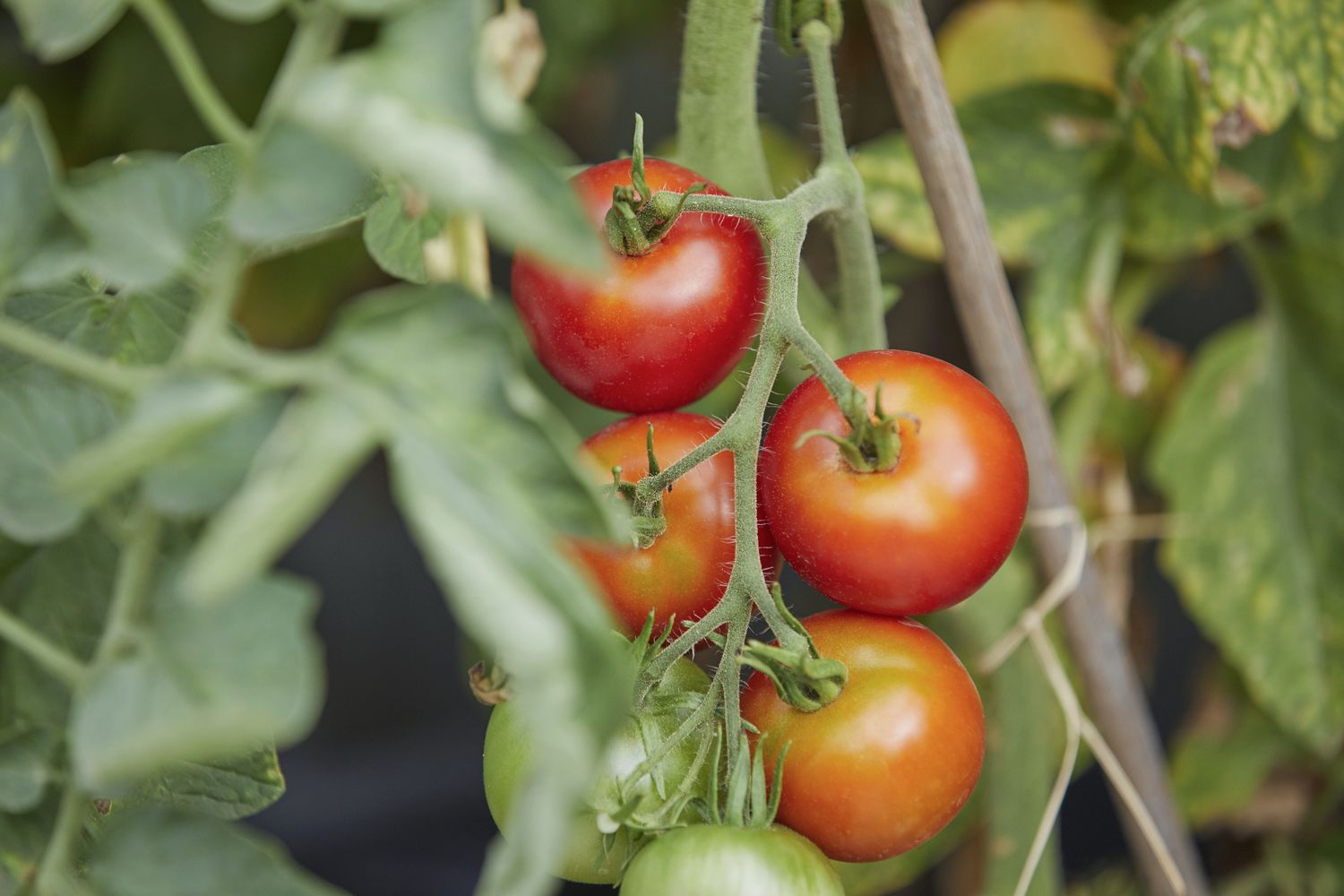
Tomatoes have a way of making gardeners overthink. I have stood in nursery aisles holding two nearly identical seedlings, whispering to myself, “Okay Clara, do we want a tidy little bush… or a vine that will attempt to move in?”
The good news is that determinate and indeterminate tomatoes are neither “better” nor “worse”. They are simply built for different spaces and different harvest styles. Once you know what each one wants, choosing becomes wonderfully simple.
The quick difference
If you only remember one thing, make it this:
- Determinate tomatoes grow to a more limited size. Their main stems stop extending after they set terminal flower clusters, so you get a more concentrated harvest window. They are often called bush tomatoes.
- Indeterminate tomatoes keep growing, flowering, and setting fruit until frost (or disease) shuts them down. They are often called vining tomatoes.
That growth habit affects everything else: support, pruning, container size, how long you harvest, and how many tomatoes you will be swimming in at once.
Determinate tomatoes (bush types)
What they are like
Determinate tomatoes grow to a more predictable size, often around 3 to 5 feet tall, though some compact types stay closer to 2 to 4 feet. They set blossoms on the ends of their stems, and once those terminal clusters form, the plant shifts energy into ripening a big batch of fruit. Many will still produce some later tomatoes, but the “main event” tends to come in a shorter, fuller wave.
Think of determinate tomatoes as the gardeners who meal prep on Sunday. A lot gets done at once, then everyone rests.
Best reasons to grow determinates
- You want a big harvest in a short time, especially for sauce, salsa, and canning.
- You are growing in containers or small raised beds where a giant vine would overwhelm your space.
- You prefer lighter pruning. Many determinates do fine with minimal snipping.
- You garden in a shorter season and want fruit to ripen before late-season disease pressure ramps up.
Support needs
Determinate does not mean “no support”. A loaded determinate plant can topple like it has fainted dramatically. Plan on a tomato cage or a short, sturdy stake, especially for paste and slicer varieties.
Pruning tips
Here is where people get tripped up: heavy pruning can reduce your harvest on determinates because they produce a lot of fruit on those “end points”. My general rule is:
- Remove leaves that touch soil.
- Thin only what is needed for airflow, especially in humid climates.
- Skip aggressive sucker removal unless the plant is very crowded.
Also worth knowing: pruning has trade-offs. Too much leaf removal can increase sunscald on fruit in hot, bright weather, but zero pruning in a humid climate can turn the plant into a disease-friendly thicket. Aim for “breezy”, not “bare”.
Popular determinate varieties
- Roma VF (paste; commonly determinate)
- Celebrity (often sold as determinate in many sources, sometimes listed as semi-determinate depending on supplier, so check your tag)
- Mountain Pride (commonly determinate)
- Patio Choice Yellow (compact container type)
Quick reality check: names and categories can be slippery. “Roma”, “cherry”, and “beefsteak” describe fruit style, not always growth habit. If you are ever unsure, confirm determinate vs indeterminate on the seed packet or the breeder or seed company page.
Indeterminate tomatoes (vining types)
What they are like
Indeterminate tomatoes keep extending their main stems, keep pushing out flowers, and keep setting fruit as long as conditions are decent. In many gardens they reach 6 to 10+ feet, and in long seasons or warm climates they can go 10 to 12 feet (or more) if we let them.
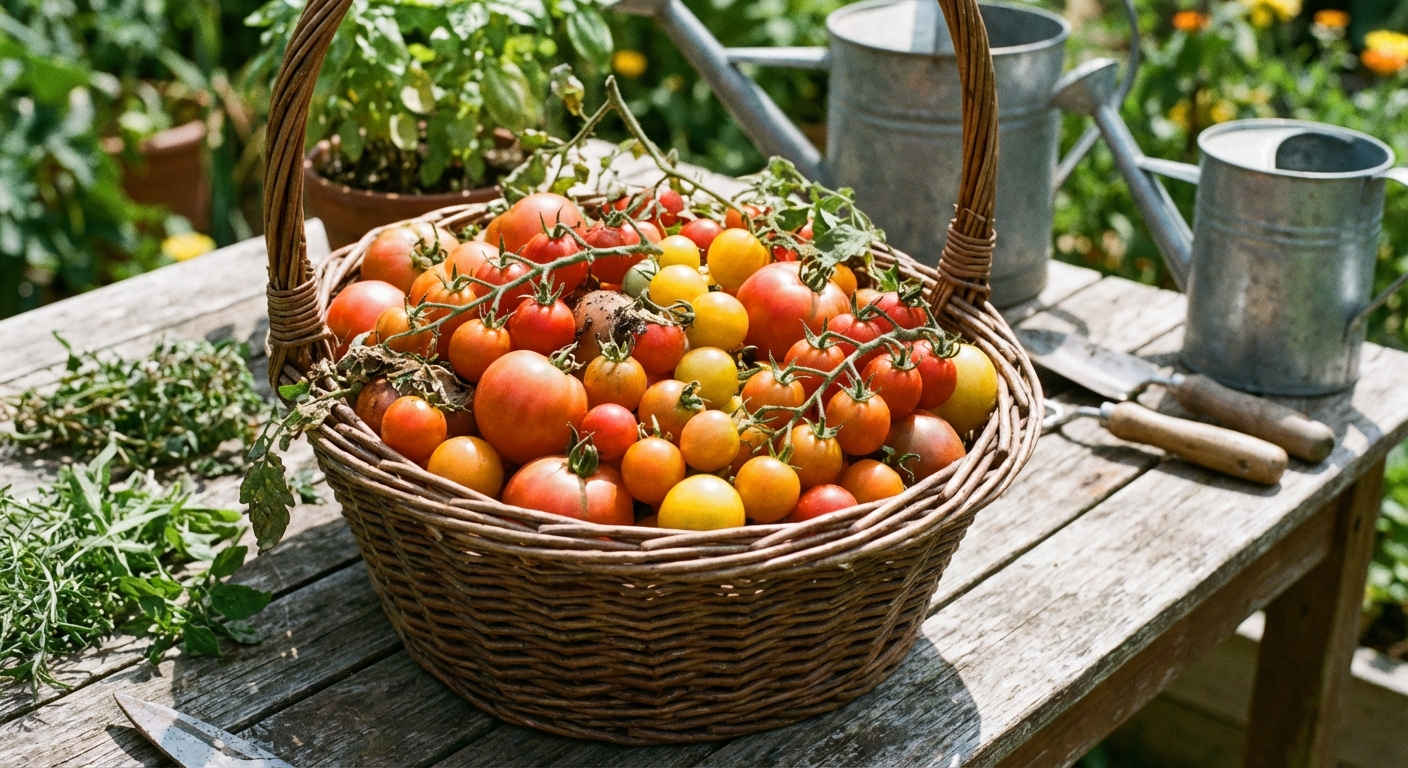
Harvest is more of a steady drip of tomatoes, with peaks and valleys. It is the kind of plant that makes you check the garden “just for a minute” and come back inside with a bowl of red treasures.
Best reasons to grow indeterminates
- You want tomatoes over a long season for sandwiches, salads, and daily cooking.
- You have room for vertical growing like tall stakes, a trellis, or a string system.
- You love heirlooms. Many beloved heirlooms are indeterminate.
- You want maximum yield per plant over time, especially in long summers.
Support needs
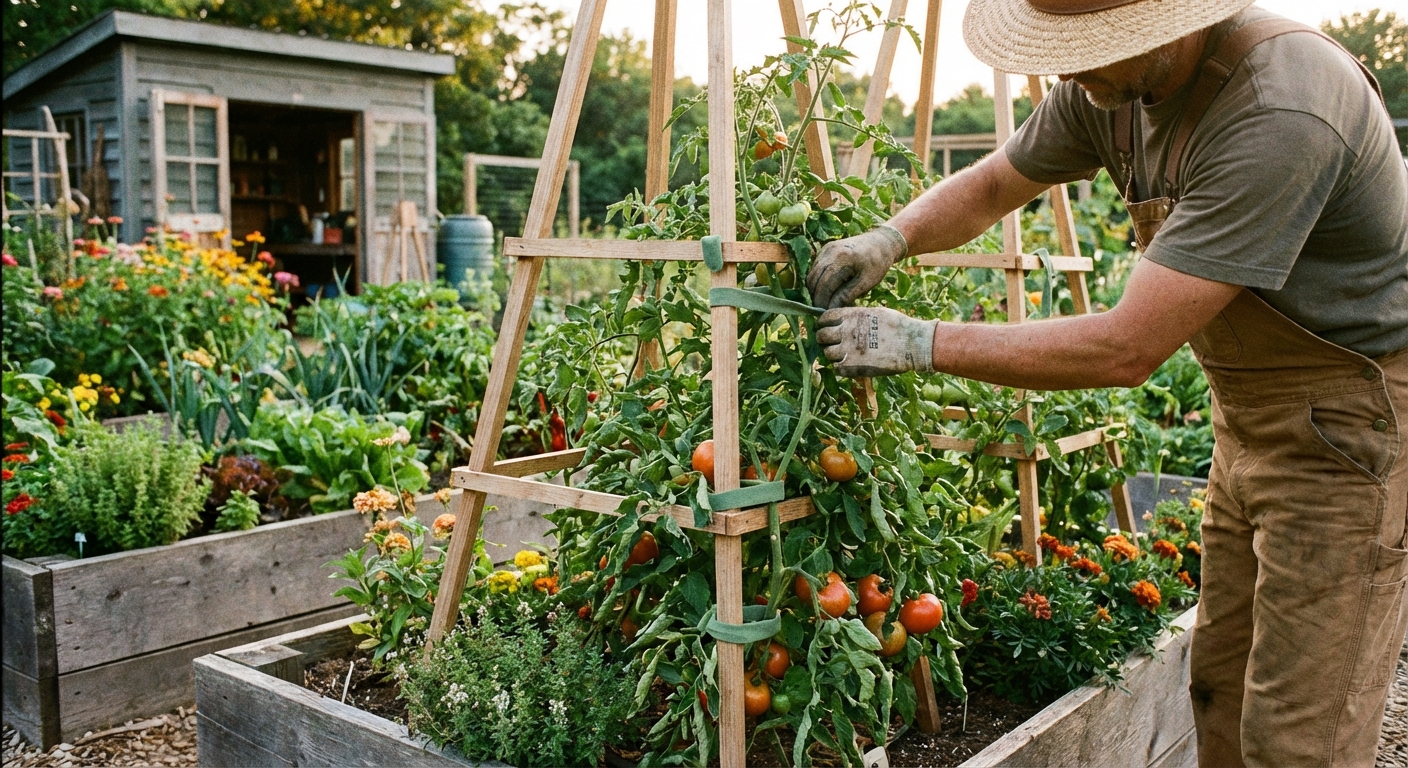
Indeterminates are not optional-support plants. Give them one of these:
- 8-foot stake (or taller in long-season climates)
- Strong trellis with soft ties
- Florida weave for rows
- String trellis in a greenhouse or covered area
Pruning tips
Pruning indeterminates is less about being “perfect” and more about keeping the jungle breathable. You can go a few different directions depending on your space:
- One or two main stems: best for tight spacing, tall trellises, and good airflow.
- Light pruning only: fine if you have room and do not mind a wilder plant, though disease can be tougher in humid areas.
Always remove leaves that touch the soil, and keep an eye out for crowded inner growth. Airflow is your quiet superpower against fungal issues. Just do not strip the plant so hard that fruit gets sunburned.
Popular indeterminate varieties
- Sun Gold (cherry)
- Sweet 100 (cherry)
- Brandywine (heirloom slicer)
- Big Beef (hybrid slicer)
Side by side
Here is the practical, boots-on-the-ground comparison that matters when you are choosing plants.
Size and spacing
- Determinate: more compact. Often 18 to 24 inches apart, but caged plants in humid climates may need more for airflow.
- Indeterminate: larger and taller. Often 24 to 36 inches apart with cages or a looser system. If you train to one stem on a trellis, you can sometimes space closer because the plant is kept narrow.
Harvest timing
- Determinate: a concentrated harvest, commonly over 2 to 4 weeks once it starts (with some follow-up fruit possible afterward).
- Indeterminate: continuous harvest until frost, with peaks and valleys.
Best use in the kitchen
- Determinate: excellent for canning and big-batch sauce. One weekend can fill your pantry.
- Indeterminate: perfect for fresh eating all season.
Containers vs. in-ground
- Determinate: generally easier in containers. Compact types can do well in 5 to 10 gallons if you stay on top of watering. For full-size determinates, a 10 to 15 gallon pot is a comfortable, low-stress choice.
- Indeterminate: doable in containers, but they need a big root zone and strong support. Many gardeners manage in 10 to 20 gallons, but if you want a happier vine and fewer water panics in summer, aim for 15 to 25 gallons.
Pruning and maintenance
- Determinate: less pruning. Focus on sanitation and airflow.
- Indeterminate: more tying, more training, and optional pruning to keep plants manageable.
Which should you grow?
For sauce and canning
Go determinate or semi-determinate paste tomatoes. The concentrated harvest means you can cook once and process a lot. Your future self in January will feel very loved.
For sandwiches all summer
Go indeterminate. You will get a steady supply, especially if you plant one early variety plus one main-season variety.
For a patio or balcony
Lean determinate, especially compact “patio” types. You can absolutely grow indeterminates in containers, but they demand larger pots and more attention to watering and support.
For short seasons and blight
Determinate tomatoes can be a smart strategy because a big portion of their crop often ripens earlier. That said, variety selection matters more than type. Look for disease resistance on the tag if blight and wilt are common in your area.
For low-effort gardening
Determinate tomatoes usually feel simpler. Fewer trellis gymnastics, fewer ties, fewer “how did you grow three feet this week?” surprises.
My favorite plan: grow both
If you have room for two or three plants, a mixed approach is the sweetest spot:
- 1 determinate paste tomato for a sauce weekend
- 1 indeterminate slicer for steady sandwiches
- 1 indeterminate cherry because you deserve joyful garden snacking
This spreads out your harvest, reduces the heartbreak if one variety struggles, and makes the season feel abundant without being overwhelming.
How to tell what you are buying
Most seedlings will say determinate or indeterminate on the plant tag. If the tag is vague, you can:
- Check the seed company description on your phone while you shop.
- Search the exact variety name plus “determinate or indeterminate”. The seed packet or producer site is usually the most reliable.
- Look at the listed height. Very compact varieties are often determinate.
- Ask the nursery staff. If they are gardeners, they usually love this question.
One more nuance: some tomatoes are labeled semi-determinate. These usually get taller than determinates (often in that 4 to 6 foot neighborhood), and they tend to produce over a longer window, but they still do not run as endlessly as true indeterminates. Treat them as “determinate-plus” and give them sturdier support.
Care basics for both
No matter which growth habit you choose, these three habits will do more for your success than any fancy trick.
1) Give them real sun
Tomatoes want at least 6 to 8 hours of direct sun. More sun generally means sturdier plants and better flavor.
2) Water deeply and consistently
Inconsistent moisture is a common trigger for blossom end rot because it disrupts calcium uptake and transport within the plant. Water at the base, not over the leaves, and mulch to smooth out moisture swings.
3) Feed the soil
I am an organic gardener at heart, so I lean on compost, mulch, and gentle fertilizers. Mix in compost at planting, then use a balanced organic fertilizer or compost tea as the plant starts flowering. Too much nitrogen makes gorgeous leaves and fewer tomatoes, which is not the trade we are after.
Decision cheat sheet
- Choose determinate if you want compact plants, simpler support, and a big harvest for preserving.
- Choose indeterminate if you want a long season of steady picking and you have vertical space.
- Choose both if you want the most satisfying, low-stress tomato season.
If you tell me your growing zone, your space (container, raised bed, or in-ground), and what you love eating most, I can help you narrow down a short list of varieties that fit your garden like a good pair of gloves.