
Chinese Money Plant Care

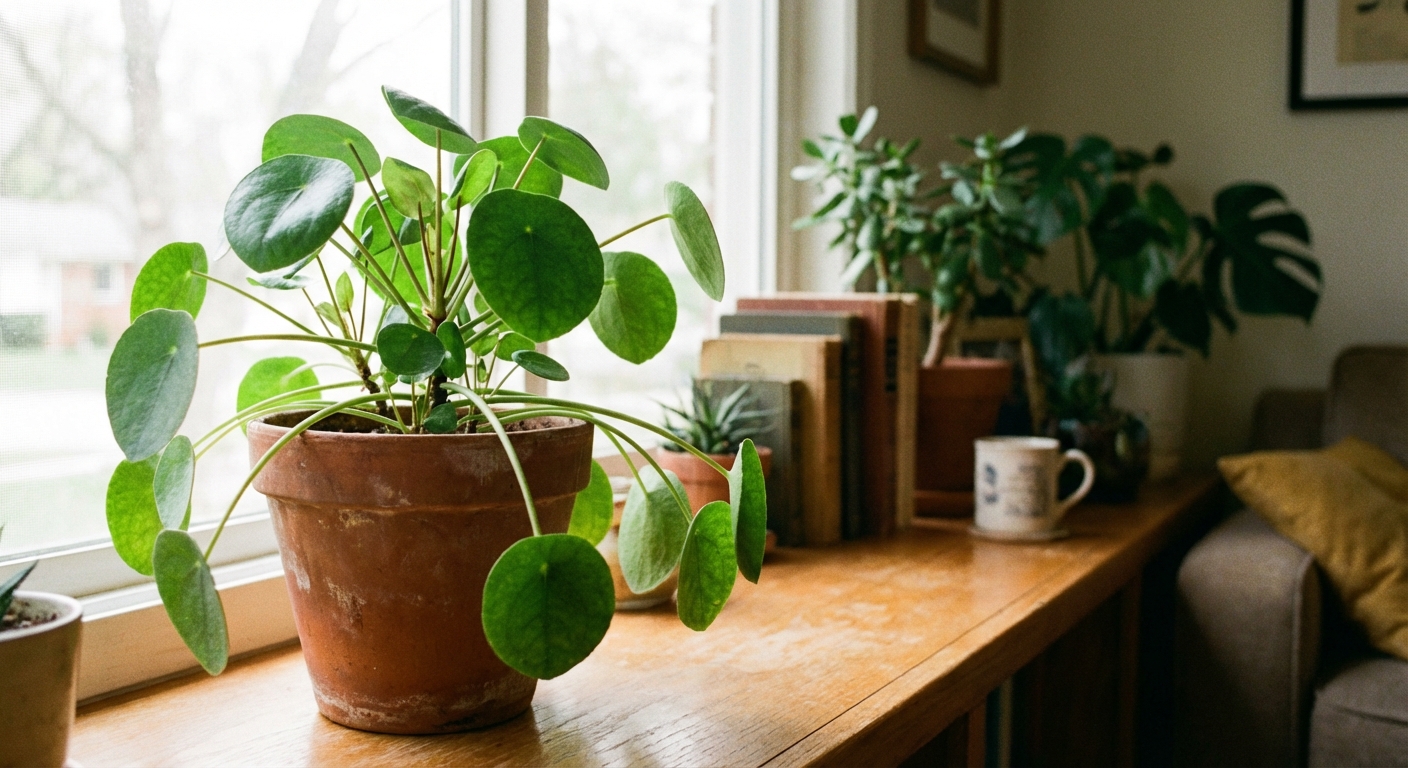
Pilea peperomioides, better known as the Chinese money plant, is one of those houseplants that feels like a tiny green friend. Its coin-shaped leaves look almost too perfect when it is happy, and when it is not happy, it tells you fast. The good news: Pilea is forgiving once you nail two things: steady light and sensible watering.
Below is how I care for mine, including the best soil mix, how often to water, and how to separate pups so you can share the plant the way it was meant to be shared.
Quick care snapshot
- Light: Bright, indirect light. A little gentle morning sun is fine.
- Water: Water when the top 1 to 2 inches of soil are dry. Less often in winter.
- Soil: Airy, fast-draining potting mix with added perlite and bark.
- Pot: Must have a drainage hole.
- Growth habit: Leans toward light; rotate weekly.
- Propagation: Separate pups when they have their own roots (height is a bonus).
- Pet safety: Generally considered non-toxic to cats and dogs.
Light
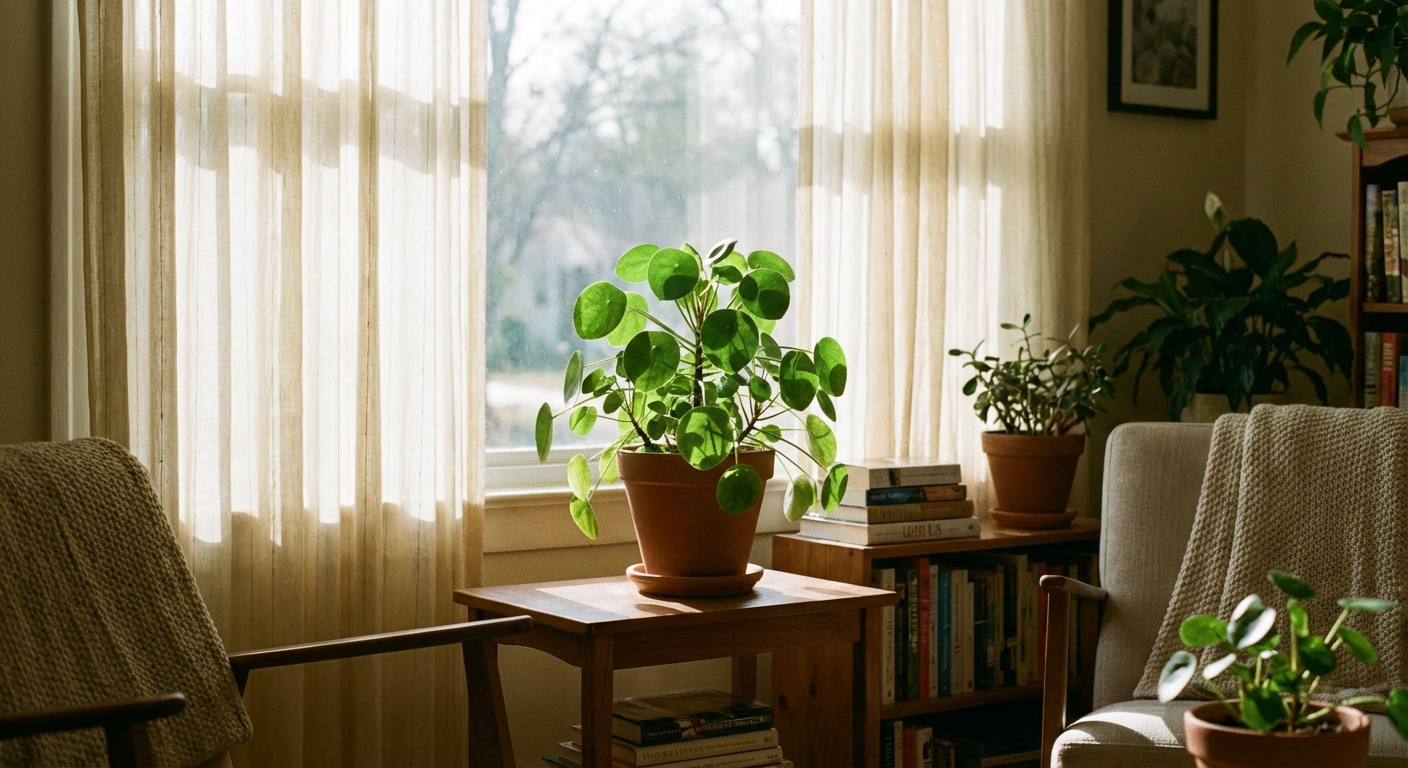
If Pilea had a love language, it would be bright, indirect light. Think “near a window” rather than “in a sunbeam all afternoon.”
Best window exposure
- East-facing: My favorite. Gentle morning sun plus bright light the rest of the day.
- North-facing: Works if it is truly bright, but growth may be slower and leggier.
- West or south-facing: Great if you set the plant back from the glass or filter light with a sheer curtain.
Signs your light is off
- Too little light: Long bare stems, smaller leaves, and a plant that leans dramatically toward the window.
- Too much direct sun: Faded patches, crispy edges, or leaves that look a bit “washed out.”
Editor’s tip: Pilea naturally turns toward light, so rotate the pot a quarter turn every week. This one simple habit prevents the classic “leaning money plant” look.
Watering
Most Pilea problems come from love poured a little too enthusiastically. Instead of watering on a calendar, water based on soil dryness.
When to water
Water when the top 1 to 2 inches of soil are dry. For many homes, that is about every 7 to 14 days in spring and summer, and often less in winter. Light, temperature, pot size, and humidity change everything.
How to water
- Check the soil with your finger. Dry on top, slightly cool and damp deeper down is perfect.
- Water thoroughly until water runs out of the drainage hole.
- Empty the saucer so the roots are not sitting in water.
Bottom watering
If your potting mix tends to repel water when dry, bottom watering can help. Place the pot in a bowl of water and let it soak until the top of the soil feels slightly damp, which is often 15 to 25 minutes depending on pot size and how dry it is. Then let it drain well.
What your plant is telling you
- Overwatering: Droopy leaves with soft stems, yellowing, mushy lower leaves, fungus gnats, or a musty smell from the soil.
- Underwatering: Leaves droop but perk up after watering, soil pulls away from the pot edges, leaves may feel thinner.
Soil mix
Pilea likes moisture, but it hates swampy roots. The goal is a mix that holds some water and nutrients while still draining fast.
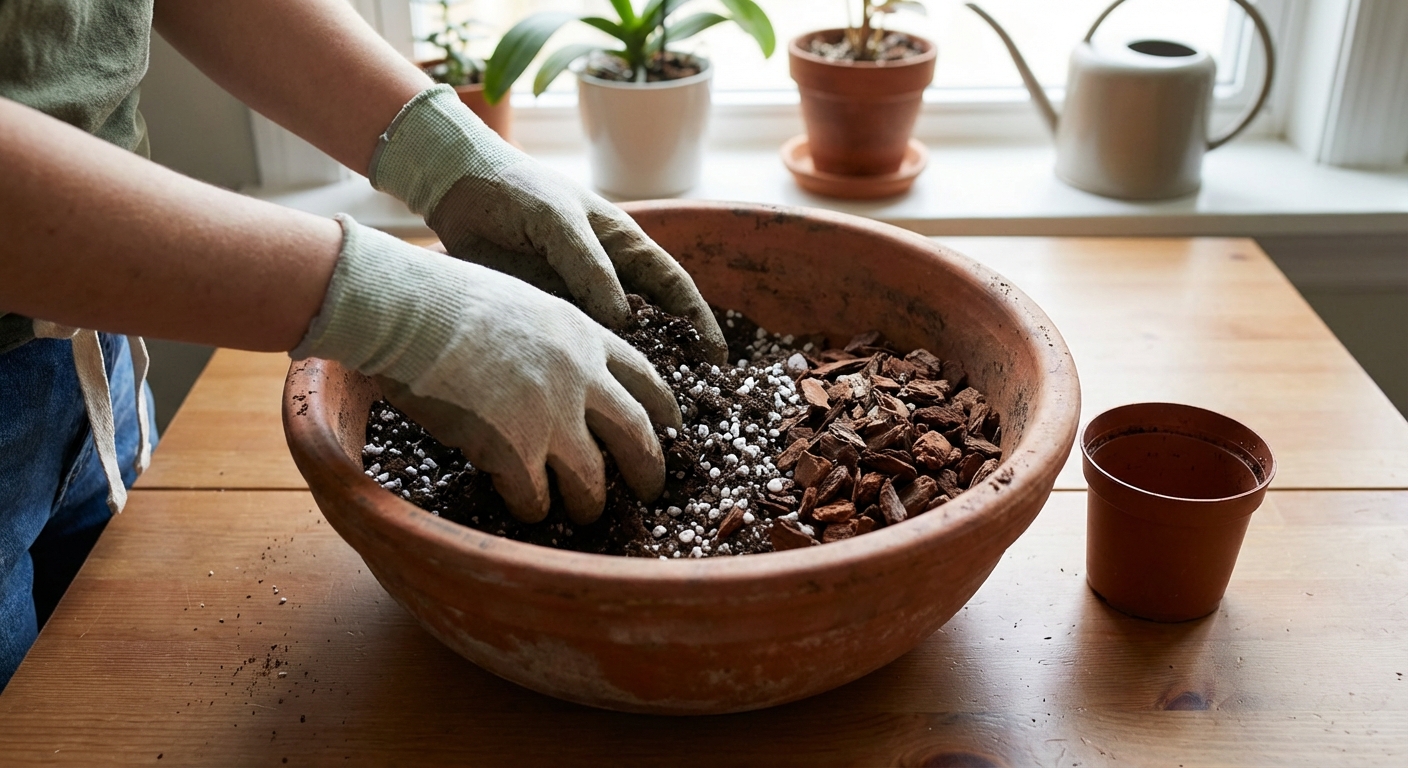
My simple soil recipe
- 2 parts quality indoor potting mix
- 1 part perlite or pumice
- 1 part fine orchid bark (or coco chunks)
This blend stays light and breathable, which reduces root rot risk and keeps growth steady.
Pot choice
- Drainage hole is non-negotiable.
- Terracotta: Dries faster, great if you tend to overwater.
- Plastic or glazed ceramic: Holds moisture longer, great if your home is dry or you forget to water.
Temp, humidity, feeding
Temperature
Pilea is happiest between 65 to 80°F (18 to 27°C). Avoid cold drafts, especially in winter near leaky windows.
Humidity
Average home humidity is usually fine. If your air is very dry, you may see crisp edges or slower growth. Grouping plants together or running a small humidifier nearby can help.
Fertilizer
During spring and summer, feed with a balanced houseplant fertilizer at half strength about once a month. In fall and winter, I usually pause. If the plant is not actively growing, extra fertilizer can build up in the soil and irritate roots.
Pet safety
Good news for pet homes: Pilea peperomioides is generally considered non-toxic to cats and dogs. That said, I still try to keep nibbling to a minimum because any plant material can cause mild stomach upset in some pets.
Pests
Pilea is not a magnet for pests, but it can still happen, especially when the plant is stressed.
- Fungus gnats: Usually a sign the soil is staying too wet. Let the mix dry more between waterings, remove any decaying leaves, and consider yellow sticky traps.
- Mealybugs: Look for white, cottony clusters in leaf joints and under leaves. Dab with rubbing alcohol on a cotton swab, then follow up with insecticidal soap.
- Spider mites or thrips: Fine webbing, speckled leaves, or distorted new growth. Rinse the plant well and treat with insecticidal soap, repeating weekly a few times.
If something feels “off” and the basics seem right, do a quick pest check with a flashlight. It is often the missing piece.
Propagating pups
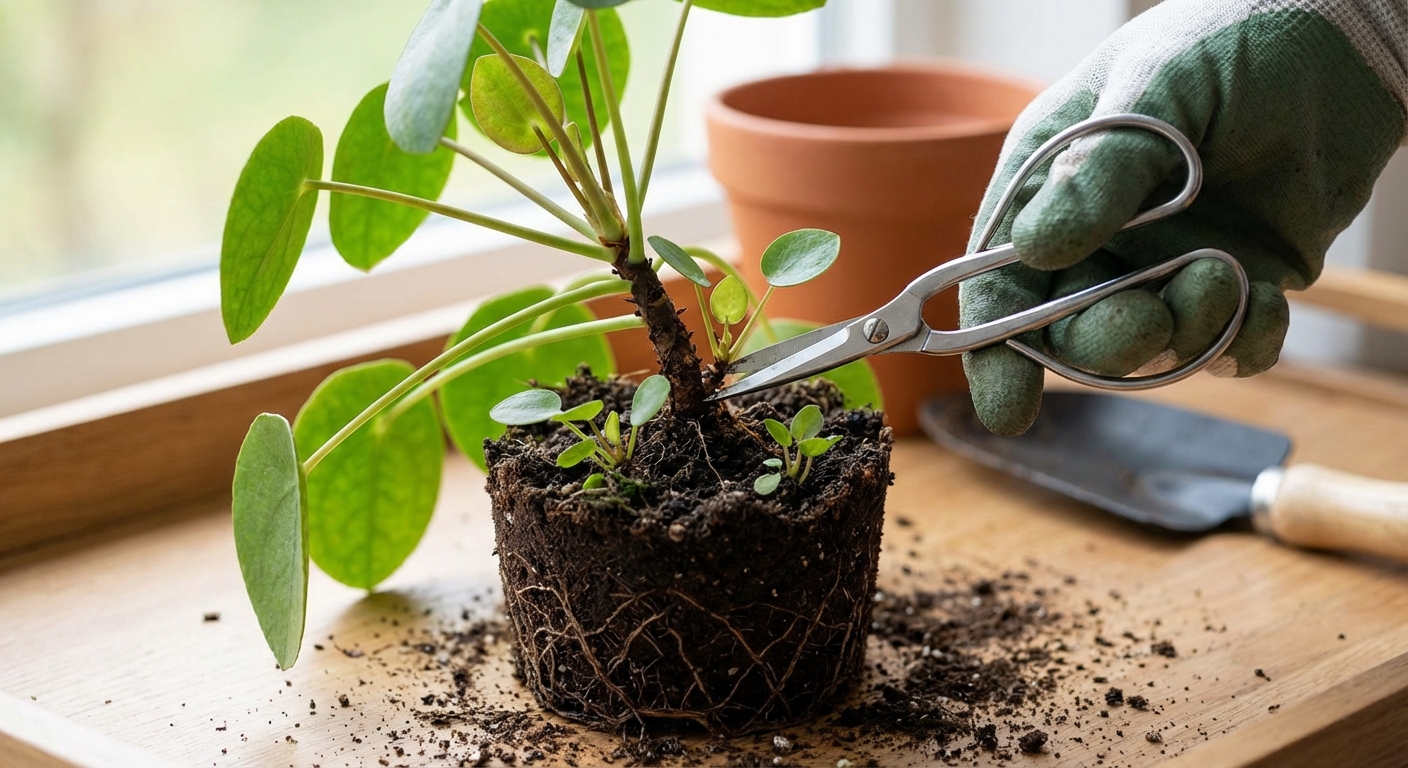
This is the part I love most. Pilea practically insists on being shared. Pups usually pop up from the soil near the mother plant, or occasionally along the stem.
When a pup is ready
- It has several leaves of its own.
- It has started forming its own roots or you can see a clear connection point you can cut cleanly.
- It is often 2 to 4 inches tall, but roots matter more than height.
What you need
- Clean scissors or a small knife
- Fresh airy potting mix
- A small pot with drainage
Step-by-step
- Water lightly the day before so the soil holds together but is not soggy.
- Gently slide the mother plant out of the pot.
- Find the pup’s connection to the mother plant. It is usually a small underground stem.
- Cut the connecting stem cleanly, keeping as many pup roots as possible.
- Pot the pup in slightly moist mix, firming the soil just enough to hold it upright.
- Place it in bright, indirect light and keep the soil lightly moist for 1 to 2 weeks while it settles in.
Rooting in water
Yes. If you separate a pup with few roots, you can place the cut end in water and wait for roots to grow, then pot it up. Change the water every few days. I still prefer soil rooting for a sturdier transition, but water rooting is great for beginners and gift-giving.
Troubleshooting
Curling leaves
Leaf curl is Pilea’s way of saying “something feels off.” The usual suspects:
- Too much direct sun: Leaves may curl and feel tight. Move it back from the window or add a sheer curtain.
- Underwatering: Soil is bone dry and leaves curl inward. Rehydrate thoroughly, and aim for more consistency.
- Heat or cold stress: A heater vent or chilly draft can trigger curl. Relocate to a steadier spot.
- Overfertilizing: Excess salts can stress leaves. Flush soil with water and pause feeding for a month.
- Pests: If you see speckling, webbing, or odd new growth, inspect for spider mites or thrips.
Leaning stems
- Most common cause: Light coming from one direction.
- Fix: Rotate weekly and move to brighter indirect light.
- Extra support: If the stem is already tall, a small stake can help while new growth balances out.
Yellow leaves
A single older leaf yellowing occasionally is normal. Multiple yellow leaves usually point to:
- Overwatering or compact soil
- Poor drainage or a pot without a hole
- Low light causing slow, weak growth
If the soil stays wet for many days, repot into a chunkier mix and check for soft, brown roots.
Brown, crispy edges
- Very dry air
- Underwatering or inconsistent watering
- Mineral buildup from hard water or heavy fertilizing
If your tap water is hard, try using filtered water occasionally and flush the pot every month or two by running water through the soil for a full minute.
Drooping leaves
Droop can mean “I’m thirsty” or “my roots are drowning.” Check the soil before you do anything. Dry? Water. Wet? Let it dry and improve drainage and airflow.
Pale spots
Often sun scorch, especially if the plant was moved suddenly into brighter light. Shift to gentler light and let new growth replace damaged leaves.
Pruning and repotting
Pruning
I prune Pilea lightly, mostly by removing yellowing lower leaves or any leaves that are damaged. Use clean scissors and snip the leaf stem near the main stalk.
Cleaning leaves
Dust dulls those shiny coins. Wipe leaves with a soft, damp cloth. Skip leaf shine products, they can interfere with normal leaf function and attract dust.
When to repot
- Roots circling the bottom or poking out of the drainage hole
- Soil drying out extremely fast
- A top-heavy plant that tips easily
Repot in spring if you can, going up just 1 to 2 inches in pot diameter. Too big a pot holds excess moisture and can lead to root trouble.
One simple habit
If you do nothing else, do this: rotate your Pilea every week and water only when the top layer dries out. That combo keeps stems straighter, leaves fuller, and the whole plant looking like the perky little UFO it was born to be.
And when the pups show up, share one. It is the most charming “houseplant handshake” I know.