
Calathea Care: Light, Water, and Humidity

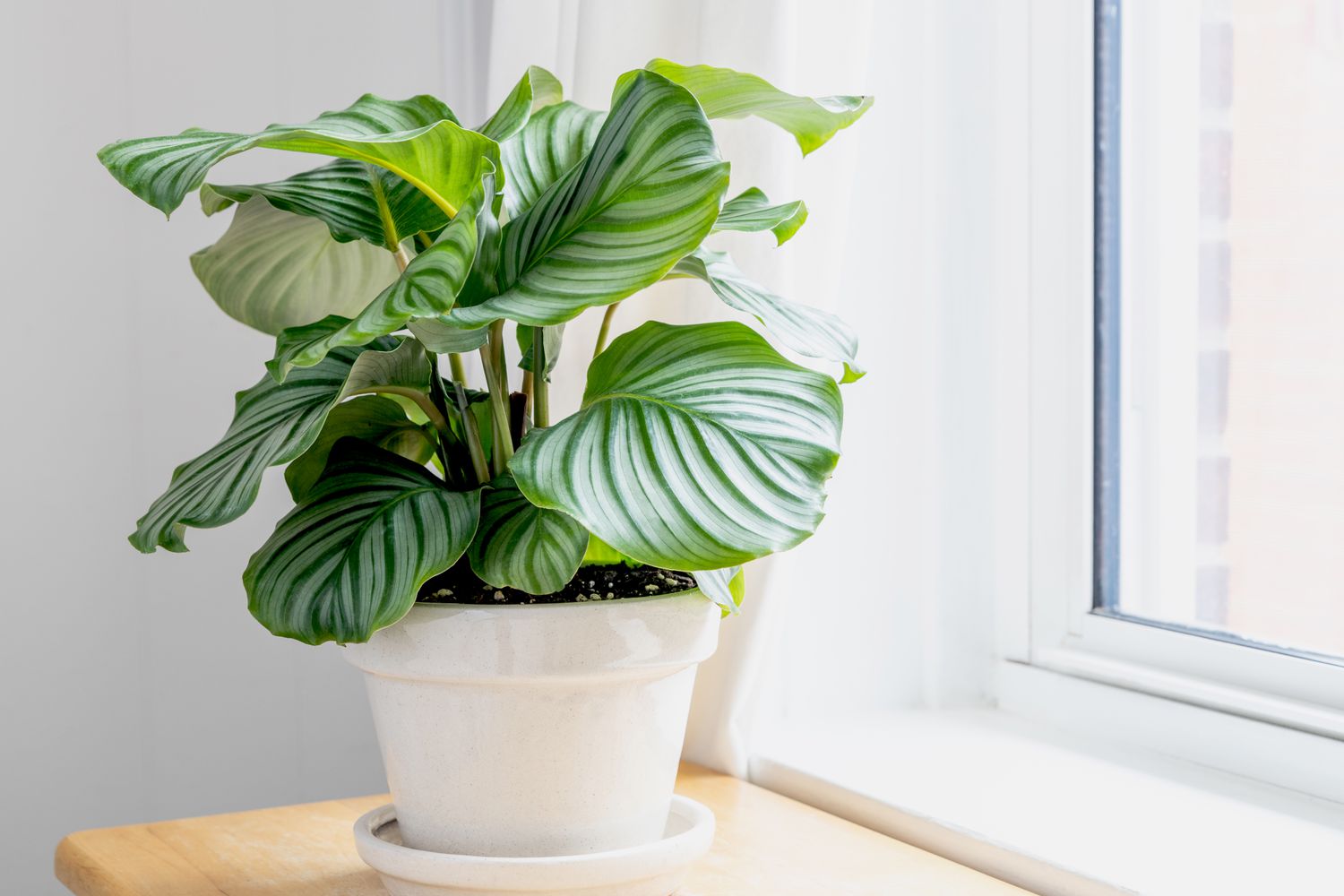
Calatheas, and the many houseplant varieties now commonly sold under the updated genus name Goeppertia, are famous for two things: stunning leaf patterns and a reputation for being fussy. I get it. These are the plants that can look like a rainforest dream one week, then wake up the next like they have opinions about your tap water.
The good news is that calathea care is not complicated once you understand what they actually want: bright, indirect (soft) light, even moisture, higher humidity, and clean water. Nail those four, and you will feel like you have unlocked a secret level of houseplant confidence.
Why calatheas seem fussy
In nature, calatheas live under the forest canopy where the air is consistently humid, rainfall is frequent, and the light is filtered through layers of leaves. Indoors, we often give them the opposite: dry air, inconsistent watering, and harsh sunbeams. Their leaves respond fast, which is why they are such a common troubleshooting search.
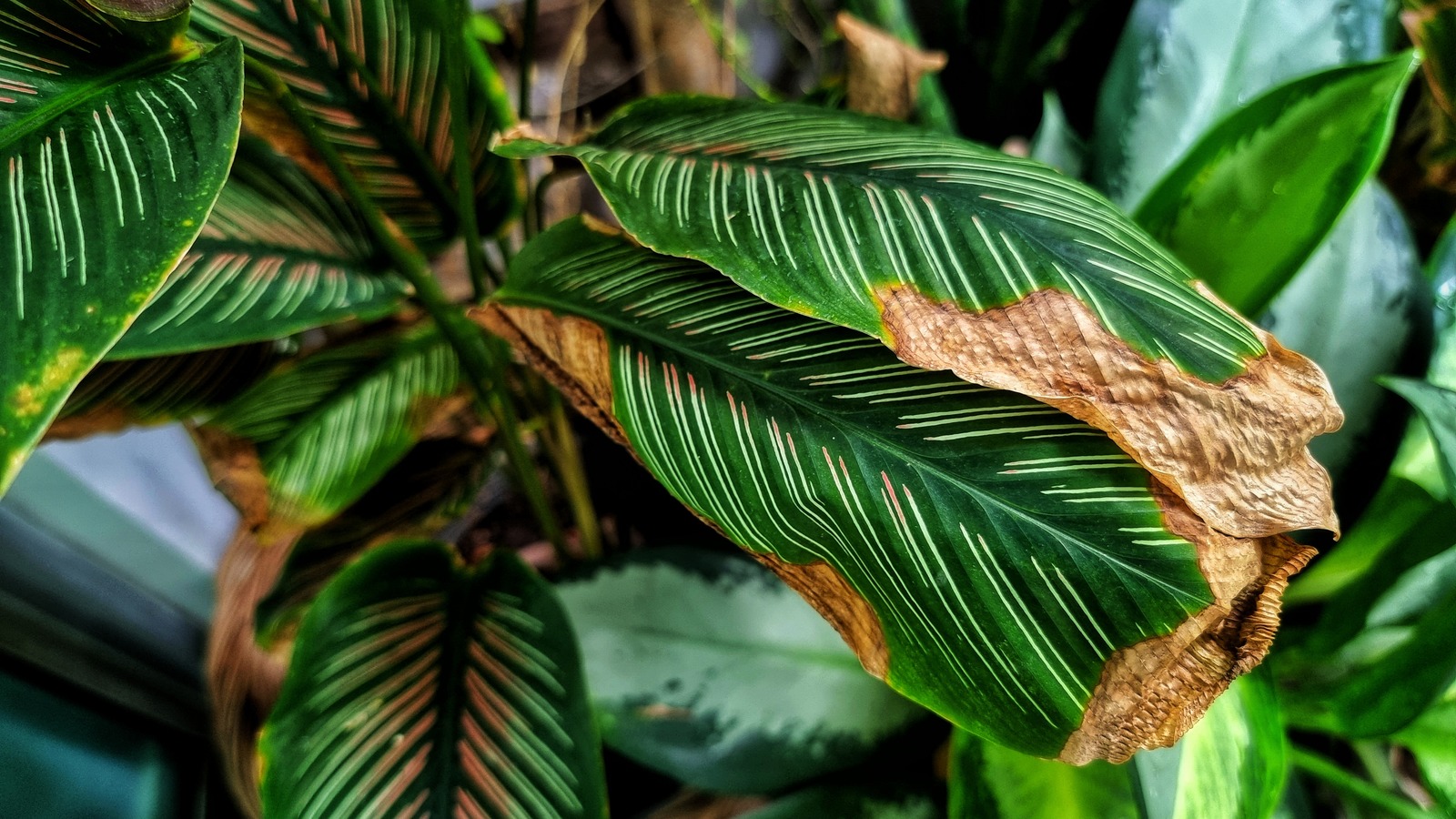
- Crispy edges usually point to dry air, mineral-heavy water, or inconsistent moisture.
- Leaf curling is often thirst, low humidity, or too much light.
- Brown spots can be a mix of mineral buildup, sun scorch, or soggy roots.
If you take one thing from this page, let it be this: calatheas are communicators. Their leaves are basically little flags telling you what to adjust.
Light: bright, indirect, and steady
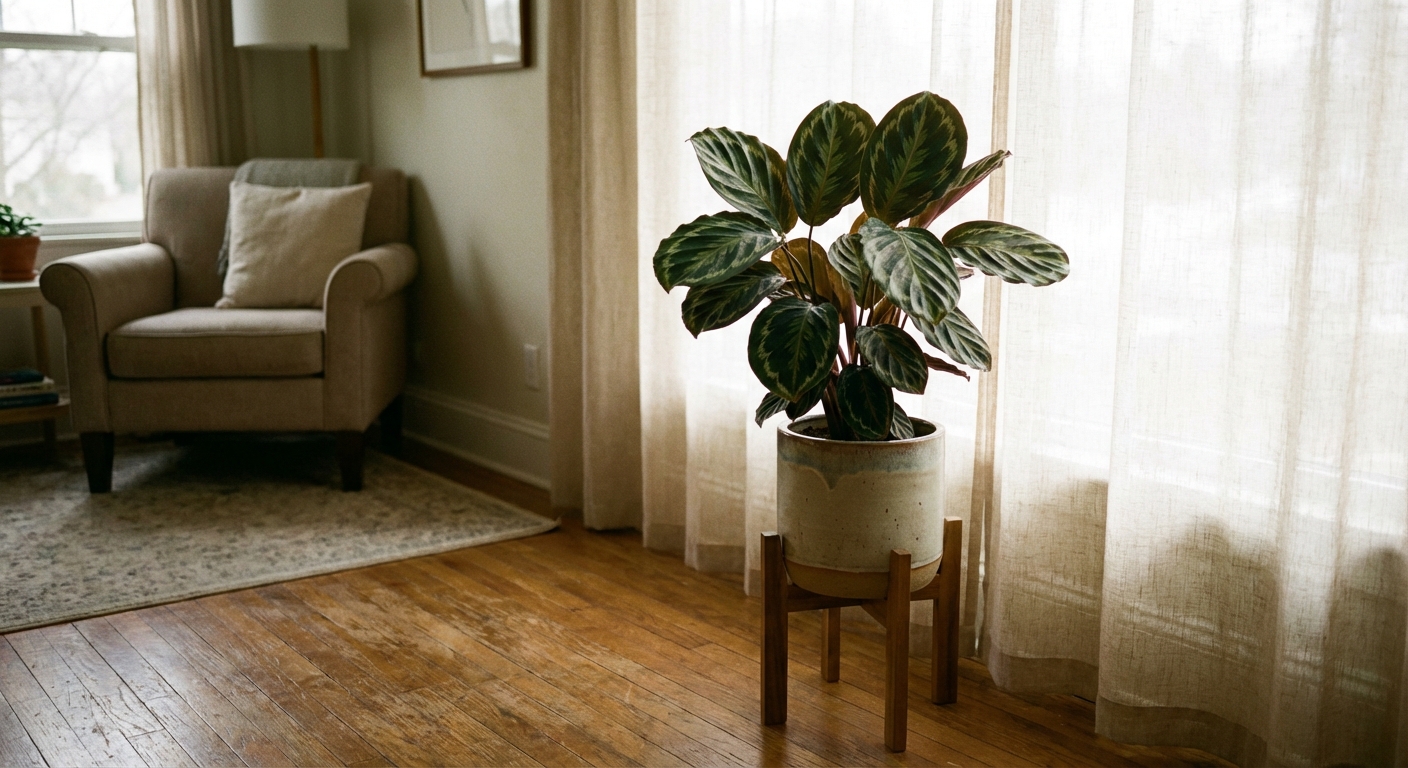
Calatheas do best in bright indirect light. Think “near a window” but not “sun on the leaves.” Morning light can be okay if it is gentle, but hot midday and afternoon sun can scorch and fade their patterns.
Best window spots
- East-facing: Often ideal. Soft morning light, then brightness the rest of the day.
- North-facing: Great if the window is not blocked and the room is bright.
- South or west-facing: Works only if filtered. Use a sheer curtain or place the plant several feet back.
Signs the light is off
- Too much light: curled leaves midday, washed-out color, crispy patches, brown scorch spots.
- Too little light: slow growth, smaller leaves, leggy stems, soil staying wet too long.
Clara tip: If you can comfortably read a book in that spot without turning on a lamp, your calathea can usually photosynthesize happily there too. Want a more concrete guide? Aim for a bright spot about 2 to 6 feet from an unobstructed window, with no direct sun hitting the leaves.
Water: even moisture, no soggy roots
Calatheas like soil that stays lightly and evenly moist, not bone dry and not swampy. Most “calathea hate me” stories come from a cycle of letting the pot dry out too far, then overcorrecting with a big soak, then repeating.
When to water
Use your finger, not the calendar. Water when the top 1 inch of soil feels dry but the pot still has a little weight to it. In many homes, that is roughly every 5 to 10 days, but your light, pot size, and season matter more than the number.
How to water (step-by-step)
- Take the plant to the sink or shower.
- Water thoroughly until it drains freely from the bottom.
- Let it drain for a few minutes. Never let it sit in a saucer of water.
- Return it to its spot and try not to move it again. Calatheas appreciate routine.
Drainage and pots
- Use a pot with drainage holes. If you love a cover pot (cachepot), keep the plant in a nursery pot inside it and always empty the bottom after watering.
- Skip “self-watering” setups unless you have used them successfully with moisture-sensitive plants. Constantly wet roots are an invitation to yellow leaves.
Potting mix that calatheas actually like
You want a mix that holds moisture but still breathes. A simple, reliable blend:
- 2 parts high-quality indoor potting mix (peat or coco-based)
- 1 part perlite or pumice
- 1 part fine orchid bark
This gives you that rainforest-floor feel without suffocating the roots.
Water quality: the hidden dealbreaker
If your calathea gets crispy tips even when you swear you are watering correctly, look at your water. Calatheas are often reported to be sensitive to mineral buildup and common additives in tap water, especially in areas with harder water. Fluoride comes up a lot with calatheas, and chlorine can also be irritating for some plants.
Best water options
- Rainwater: My personal favorite. It is soft and plant-friendly.
- Distilled water: Consistent and reliable.
- Reverse osmosis (RO): Great if you already use it at home.
- Filtered tap: Helps, but not all filters reduce fluoride. Check your filter specs.
Does letting tap water sit out help?
Letting water sit out overnight can reduce free chlorine in some areas, but it does not remove fluoride and it does not fix hard water. Also, many municipalities use chloramine, which does not dissipate by sitting out. If your area has hard water and your calathea is sulking, switching to distilled or rainwater is often the fastest “wow” improvement.
Clara tip: If you see a white crust on the soil surface or pot rim, that is mineral buildup. Flush the pot with clean water a few times (letting it drain fully) and consider repotting if the crust keeps returning.
Humidity: the comfort zone
Here is the part nobody wants to hear in winter: calatheas prefer 50 to 70 percent humidity. They can tolerate less, but you may see some tip browning as the air dries out. Many homes sit at 25 to 40 percent once the heat turns on, and that is when the crisping begins.
How to raise humidity
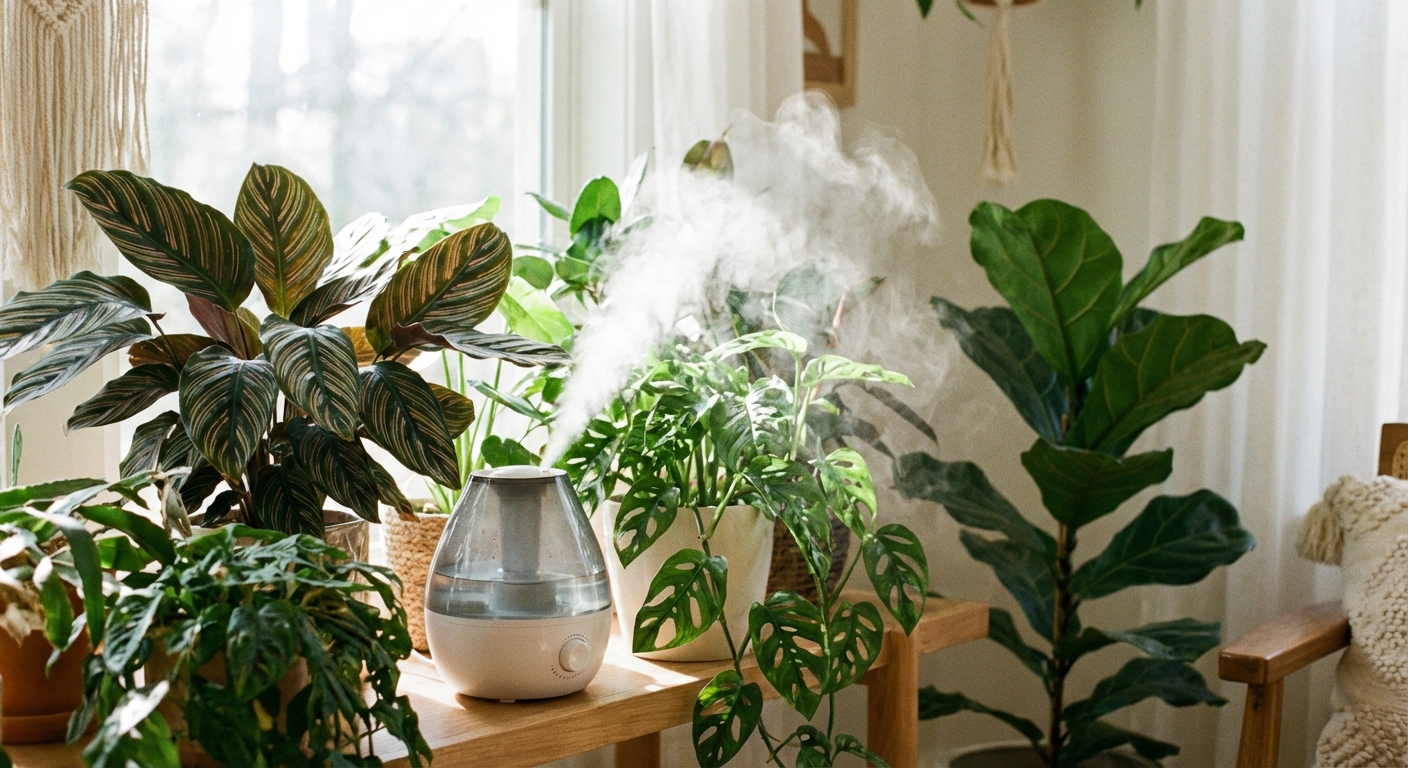
- Humidifier: The easiest, most reliable fix. Aim for 55 to 65 percent if you can.
- Plant grouping: Helps a little by creating a humid microclimate.
- Bathroom placement: Great if you have bright enough light and you shower regularly.
- Pebble tray: Mild help at best. Fine as a bonus, not as your main plan.
- Misting: Temporary. It can spot leaves and does not raise humidity for long. I skip it.
Clara tip: A small hygrometer is a game-changer. Guessing humidity is like guessing soil moisture. It is possible, but it makes you work harder than you need to.
Pests: spider mites love calatheas
If your calathea suddenly looks dusty, dull, or slightly speckled, do not assume it is just “winter mood.” Calatheas are spider mite magnets, especially when humidity drops.
How to spot spider mites
- Fine webbing near leaf joints or along the underside of leaves
- Tiny pale speckles or a sandblasted look on the leaves
- Leaves losing color and looking tired even with decent care
What to do (fast)
- Isolate the plant for a couple weeks.
- Rinse the leaves thoroughly, especially undersides. A lukewarm shower works.
- Wipe each leaf with a soft cloth. This removes dust and physically knocks pests off. It also helps the plant photosynthesize better.
- Treat with insecticidal soap or horticultural oil, following label directions. Repeat weekly for a few rounds because eggs hatch.
- Raise humidity and keep care steady. Mites thrive in dry air.
Clara tip: Make “leaf wipe day” part of your routine. Calatheas have broad leaves that collect dust, and a clean leaf is a happier, more pest-resistant leaf.
Quick diagnosis
Calatheas give you clues. The trick is reading the pattern and adjusting one variable at a time so you know what actually worked.
Problem: crispy leaf edges
- Most common causes: low humidity, mineral-heavy water, letting the soil dry too far.
- Try this: move humidity to 55 percent plus, switch to distilled or rainwater, and water when the top inch dries.
- Also check: heat vents, radiators, and drafty windows. Dry moving air will crisp leaves fast.
Problem: leaves curling inward
- Most common causes: thirst, too much direct light, low humidity.
- Try this: water thoroughly, then reassess placement. If sun hits the leaves, pull it back or add a sheer curtain.
- Note: some calatheas “pray” by lifting leaves at night. Curling tight like a taco is different and usually stress.
Problem: brown spots or scorched patches
- Most common causes: direct sun, cold drafts, mineral burn, or water sitting on leaves in cool conditions.
- Try this: remove direct sun exposure, keep temperatures steady, and switch water source.
Problem: yellowing leaves
- Most common causes: overwatering, poor drainage, compacted mix, or low light leading to slow drying.
- Try this: let the top 1 to 2 inches dry, ensure the pot has drainage, and consider a chunkier mix.
Temperature and airflow
Calatheas like it warm and stable. Aim for 65 to 80°F (18 to 27°C). Brief dips happen, but repeated cold drafts and blasting heat will show up on the leaves.
- Avoid: vents, fireplaces, exterior doors, and drafty sills.
- Good: a consistent room with gentle air circulation, not a wind tunnel.
Feeding: keep it light
Calatheas are not heavy feeders, and over-fertilizing can contribute to leaf tip burn. During spring and summer, feed gently.
- Use a balanced houseplant fertilizer at quarter to half strength.
- Feed every 4 to 6 weeks in the growing season.
- Skip feeding in fall and winter when growth slows.
If you are already battling crispy tips, pause fertilizer for a bit and focus on water quality and humidity first.
Seasonal tweaks
Calathea care changes with the seasons, even if you do everything “the same.”
- Winter: growth slows, soil dries more slowly, and humidity usually drops. You will often water less frequently, but try not to let the pot fully dry out.
- Summer: brighter light and warmer temps can mean more frequent watering. Check soil more often.
Repotting and roots
Repot every 1 to 2 years, ideally in spring, or sooner if the plant dries out extremely fast, the mix has compacted, or roots are circling the pot.
Signs your calathea needs a repot
- Water runs straight through and the plant wilts quickly afterward.
- Soil stays wet for many days and smells sour.
- Roots are visible at the drainage holes.
Choose a pot only 1 to 2 inches wider. Going too big holds extra moisture and increases the risk of root rot.
Propagation: simple division
If your plant has multiple clumps, the easiest way to propagate is division during repotting. Gently separate the root ball into sections, making sure each division has roots and a few healthy stems. Pot them up in the same kind of airy, moisture-holding mix and keep conditions steady while they recover.
A calm weekly routine
If you want your calathea to stop acting like a tiny, leafy diva, give it a predictable rhythm.
- Once a week: check soil moisture with your finger, wipe dust off leaves, and look under leaves for pests.
- Every watering: use rain, distilled, RO, or truly fluoride-reducing filtered water.
- Daily glance: notice leaf posture and curl, especially after sunny days.
- All winter: run a humidifier near it if your home air is dry.
Calatheas do not need perfection. They need consistency. Once you give them a stable little “indoor rainforest,” they repay you with the kind of foliage that makes you stop and stare.
FAQ
Are calathea and goeppertia the same plant?
In everyday houseplant life, pretty much. Many plants long sold as Calathea were reclassified as Goeppertia, but tags and trade names still vary. Either way, care is essentially the same: humidity, clean water, and gentle light.
Should I cut off brown tips?
You can trim crispy tips with clean scissors, following the leaf’s natural shape. It is cosmetic, but it can make the plant look fresher. Focus on fixing the cause so new growth stays healthy.
Why are my calathea leaves curling but the soil is wet?
That often points to root stress (too wet, compacted mix, poor drainage) or too much light. Check that the pot drains well and that the plant is not sitting in direct sun. If the mix stays wet for a long time, consider repotting into a chunkier blend.
Do calatheas like to dry out between waterings?
Not fully. Letting them dry out completely can lead to curling and crispy edges. Aim for lightly moist, with the top inch drying before you water again.
Is calathea safe for pets?
Many calatheas are widely considered pet-safe and are often listed as non-toxic, but labels and species can be inconsistent in the trade. If pet safety is a priority, verify your exact plant against a reputable database (like the ASPCA toxic and non-toxic plants list) and ask your grower or shop for the botanical name.