Best Organic Fertilizers for Big Vegetable Harvests

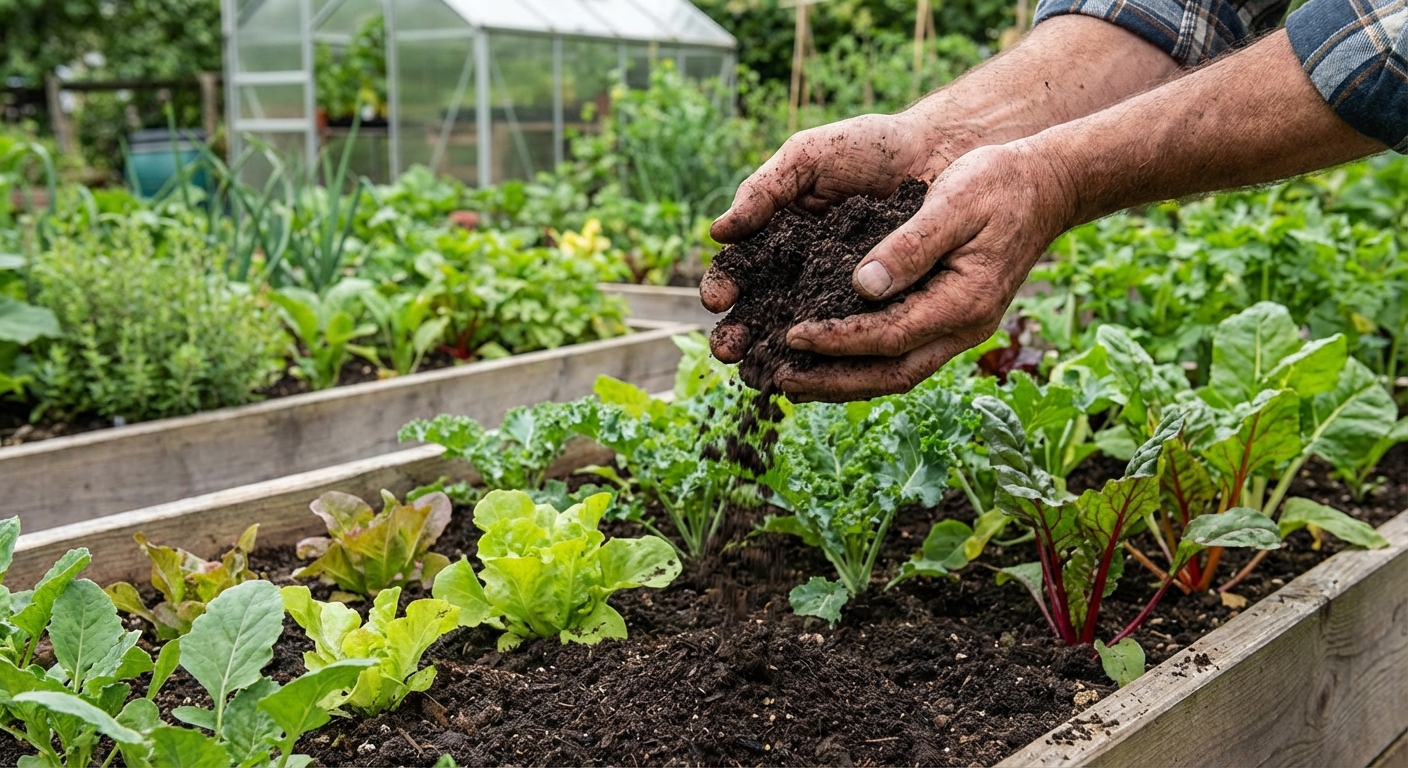
If you want a high-yield vegetable garden, I’ve got good news and slightly messy news. The good news is you don’t need a shelf full of fancy bottles. The messy news is that the real “fertilizer” is often the unglamorous stuff: compost, leaf mold, worm castings, and a few targeted amendments that feed both plants and the soil life doing the heavy lifting.
Think of organic fertilizers as two kinds: quick and slow. Some are quick snacks (like fish emulsion) that help plants rebound fast. Others are slow, steady meals (like compost and bone meal) that build deep fertility and better structure over time. Big yields come from combining both at the right moments.
Start with soil
Organic gardening is basically a long friendship with your soil. Before you add anything, it helps to know what you’re working with.
Get a basic soil test
If you can do one “grown-up” thing this season, make it a soil test. It tells you pH and nutrient levels so you’re not guessing and accidentally overdoing phosphorus or potassium. Many extension offices offer affordable testing, and some labs will also report organic matter percentage.
Know what N-P-K means
- N (nitrogen): leafy growth. Too much can mean gorgeous foliage and disappointing fruit.
- P (phosphorus): roots, flowering, fruiting. Often overapplied in home gardens.
- K (potassium): overall vigor, disease resistance, fruit quality.
For high yields, the goal isn’t “more of everything.” The goal is consistent nutrition + biologically active soil + steady moisture.
Best organic fertilizers
Below are the workhorses I reach for again and again. You don’t need all of them. Choose based on your crops, your soil test, and your style of gardening.
Compost (the foundation)
Compost improves nearly everything: soil structure, water-holding capacity, drainage in clay, nutrient availability, and microbial life. It’s also gentle, which is why it’s the safest “fertilizer” for new gardeners.
- Best for: every vegetable bed, every season
- How to use: top-dress about 1 inch (up to 2 inches for new beds or tired soil), or mix 1 to 3 inches into the top 6 inches of soil when establishing beds
- Good to know: if your beds are already fertile or your compost tests high in salts or phosphorus, go lighter and let your soil test steer the plan
- Pro tip: compost isn’t always high in nitrogen, so heavy feeders may still need a boost midseason
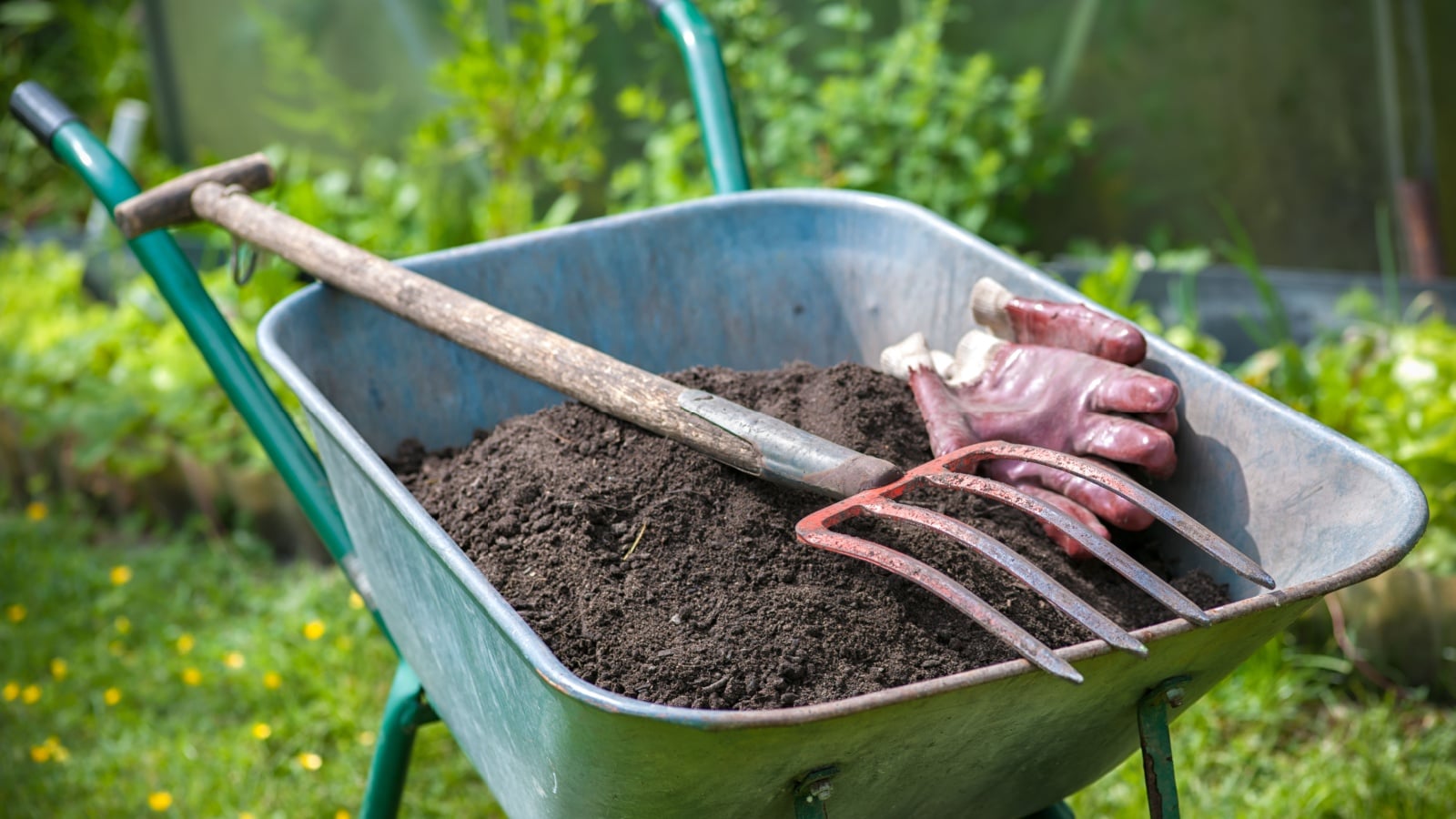
Worm castings (gentle and effective)
Worm castings are like a calm, steady friend for seedlings and transplants. They contain plant-available nutrients, beneficial microbes, and compounds that can support root growth.
- Best for: seedlings, transplants, container vegetables, leafy greens
- How to use: 1/4 to 1/2 cup in each transplant hole, or top-dress a thin layer around plants
- Heads up: they’re hard to burn plants with, but don’t replace your potting mix with castings (especially in containers, where salts and water-holding can get out of hand)
Well-composted manure (big fertility, used safely)
Composted manure can be fantastic for building fertility and organic matter, especially in beds that have been cropped hard. The key is using properly composted manure from a source you trust. Fresh or “just aged” manure is a different category and needs stricter timing for food safety.
- Best for: corn, squash, hungry raised beds, general soil building
- How to use: apply in fall or at bed prep and incorporate lightly; keep it off leaves and edible parts
- Food safety note: if you’re using raw (not composted) manure, follow the common 90/120-day guidance between application and harvest (typically 120 days for crops that touch soil, 90 days for crops that don’t). When in doubt, use composted manure and still keep applications well ahead of harvest.
- Sourcing tip: ask about persistent herbicides (like aminopyralid) in hay or manure inputs. If you’re unsure, do a quick “bean test” with the compost/manure before spreading it widely.
Fish emulsion (fast nitrogen)
Fish emulsion is one of the quickest organic ways to correct pale leaves and slow growth. It’s especially helpful early in the season when plants are building stems and leaves.
- Best for: leafy greens, brassicas, corn, early tomato growth
- When to use: early growth, or when plants look hungry (yellowing older leaves can be a clue)
- How to use: dilute per label, drench soil at the base in the cooler part of the day
- Quirky-but-true tip: rinse watering cans and sprayers right away unless you enjoy eau de dockside
Blood meal (strong nitrogen)
Blood meal is high in nitrogen and works faster than many organic amendments. It can be useful, but it’s not an all-purpose solution. Too much can lead to lush leaves and fewer tomatoes, peppers, and cucumbers.
- Best for: nitrogen-deficient beds, heavy leafy crops
- Use with care: follow package rates and water it in; don’t eyeball it
- Watch for: leafy excess on fruiting crops
Bone meal (roots and blooms)
Bone meal is a classic organic phosphorus source and is often used when planting. It’s slower-release and most helpful when soil phosphorus is actually low and pH is in a range where plants can use it. In general, it breaks down and becomes available more reliably in slightly acidic soils (often below pH 7.0).
- Best for: root development at transplanting, bulbs, fruiting crops when a soil test shows low P
- When to use: pre-plant or at transplant time
- Important: don’t add it “just because.” Many gardens already have plenty of phosphorus.
Feather meal (slow nitrogen)
If fish emulsion is a quick snack, feather meal is a slow breakfast that keeps you going. It releases nitrogen gradually as soil biology breaks it down.
- Best for: long-season crops like tomatoes and peppers, nitrogen support without constant liquid feeding
- When to use: pre-plant or early season
Kelp meal (micros and support)
Kelp isn’t about blasting plants with N-P-K. It’s about micronutrients and natural compounds that may support overall vigor and stress response. I like it as a backup singer for transplanting and rough weather, not the lead vocalist.
- Best for: transplants, containers, gardens that need micronutrient support
- When to use: at planting and during stressful weather
- How to use: mix into soil, or use as a diluted liquid feed depending on product
Alfalfa meal (balanced and soil-friendly)
Alfalfa meal offers a gentle nutrient profile and tends to energize soil biology. It’s a lovely amendment for general fertility and can be especially nice in beds that feel tired.
- Best for: general bed replenishment, tomatoes, peppers, mixed vegetable beds
- When to use: pre-plant, midseason top-dress
Organic blends (simple and practical)
If you don’t want to manage a pantry of single-ingredient amendments, a balanced organic fertilizer (often something like 4-4-4) is a solid, low-stress option. It’s basically your “one bag that behaves.”
- Best for: mixed beds, new gardeners, raised beds that get replanted often
- How to use: apply at label rate at bed prep, then reapply lightly midseason if needed
- Tip: still keep an eye on phosphorus over time, especially if you also add a lot of compost
Rock phosphate and greensand (very slow minerals)
These are long-game amendments used to build mineral reserves over time. Availability depends a lot on pH and soil biology, and greensand in particular releases potassium very slowly. Translation: they’re not a quick fix for this season’s tomatoes.
- Best for: long-term soil building, especially if a soil test indicates need
- When to use: fall or early spring, mixed into soil
Wood ash (K and pH boost)
Wood ash can raise pH and add potassium and calcium. It’s easy to overdo, especially in already-neutral soils. If you garden in alkaline soil, skip it. Also, only use ash from clean, untreated, unpainted wood.
- Best for: acidic soils that need a small pH lift and potassium support
- When to use: fall or very early spring
- Do not use: around acid-loving plants, or if your soil test shows high pH
- Handle gently: apply sparingly, mix in, and re-test pH over time
Liquid feeds and tea
Liquid organic fertilizers can be great for high-yield gardens because they correct problems quickly and help keep growth steady through the busiest part of the season.
Compost tea
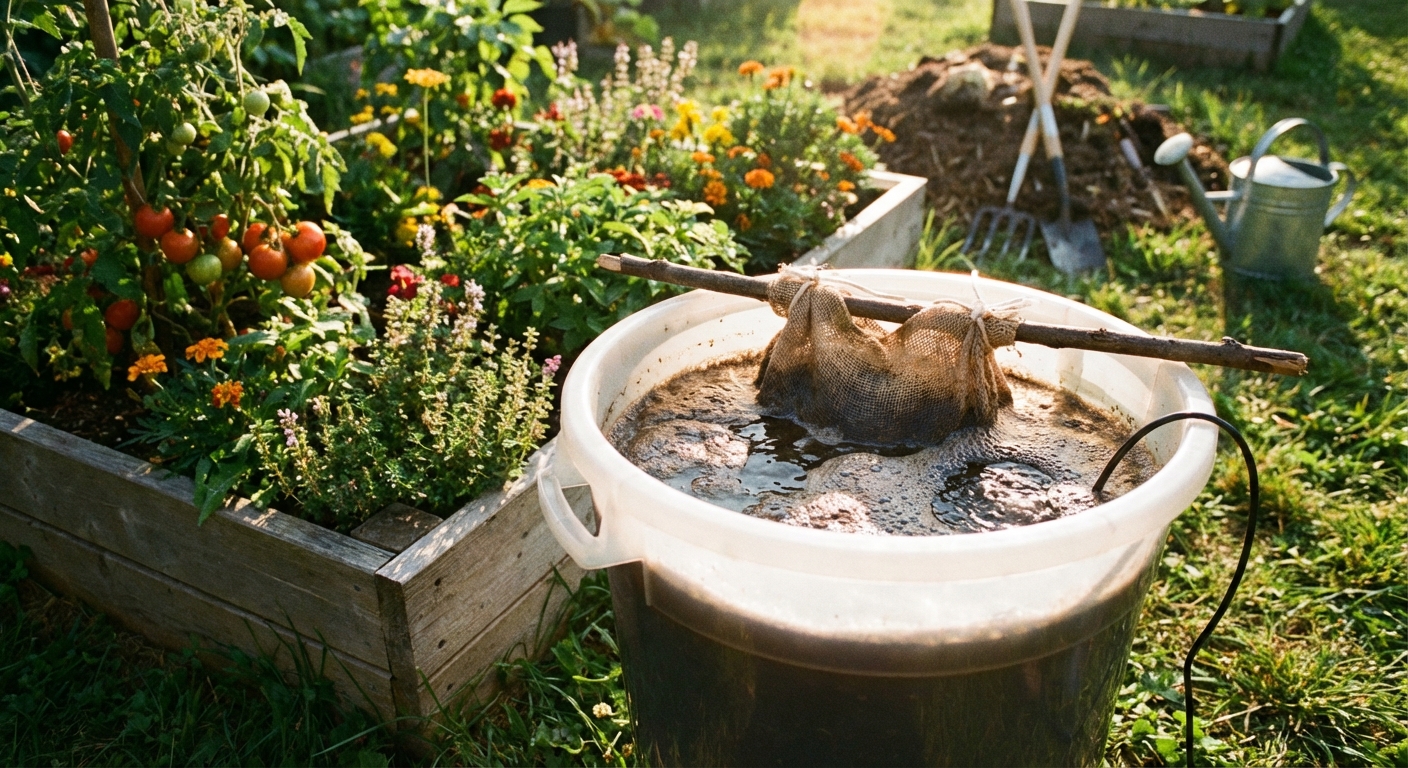
Compost tea is best thought of as a gentle nutrient and microbe rinse, not a miracle potion. If you’ve got quality compost and you apply it well, tea is optional. It may help inoculate soil around roots after stress, but it’s not a substitute for compost, mulch, and good watering.
- Best for: seedlings after transplant, beds that dry out often, a gentle boost after stress
- When to use: early season, after heavy rain, after plants bounce back from stress
- How to use: apply to soil around roots; avoid splashing edible leaves close to harvest
- Safety note: use clean equipment, don’t let it go funky, and follow your local best practices for brewing and handling to reduce pathogen risk
Fish and seaweed blends
These combine quick nitrogen (fish) with micronutrients and support (seaweed). If you want one easy bottle for containers and raised beds, this is often the one.
- Best for: container vegetables, heavy feeders, gardens with sandy soil
- When to use: every 1 to 3 weeks during active growth, following label directions
When to apply
Now let’s put these tools on a calendar. Timing is where yields are won. The goal is to have nutrients available when plants are building roots, then again when they’re setting flowers and filling fruit.
1) Pre-plant
- Add about 1 inch compost across the bed (up to 2 inches for new beds or depleted soil).
- If your soil test supports it, mix in slow amendments like feather meal (nitrogen) or a balanced organic blend.
- For long-season fruiters, consider a small amount of kelp meal for micronutrients.
2) At transplanting
- Mix a handful of compost into each hole.
- Add worm castings for gentle nutrition and root-friendly biology.
- If phosphorus is low per test, add bone meal at label rate.
3) Early growth
- Use a diluted fish emulsion drench if growth is slow or leaves are pale.
- For leafy crops, this is often the most important feeding window.
4) Bloom and fruit set
This is where a lot of gardeners accidentally overdo nitrogen and end up with gorgeous vines and few fruits.
- Ease off heavy nitrogen once tomatoes, peppers, and cucumbers are flowering steadily.
- Focus on consistent moisture, mulch, and moderate feeding. A seaweed-focused feed can help with micronutrients and stress support.
- If your soil test shows low potassium, choose an organic fertilizer with higher K rather than tossing in random amendments.
5) Midseason top-dress
- Top-dress with compost around heavy feeders.
- Add a light sprinkle of a slow-release organic fertilizer if plants are producing heavily.
- Water it in well, then pull mulch back over it.
Containers vs beds
Container vegetables are high performers, but they’re also high maintenance (in a lovable way). Nutrients wash out faster, and salts can build up faster too.
- Plan on more frequent feeding: a fish and seaweed blend every 1 to 2 weeks is common during peak growth (follow label rates).
- Go easy on strong dry amendments: it’s easier to overdo nutrients in a pot than in the ground.
- Watch for salt buildup: if leaf tips burn or growth stalls, flush the pot with plain water and let it drain fully.
Crop favorites
If you’re standing in your garden with a trowel in one hand and a fertilizer bag in the other, here’s a simple way to match amendments to what you’re growing.
Tomatoes
- Best base: compost + worm castings at transplanting
- Optional: kelp meal for resilience
- Midseason: compost top-dress; avoid heavy nitrogen once flowering ramps up
Peppers and eggplant
- Best base: compost + a modest slow-release nitrogen source (feather meal works nicely)
- During fruiting: small, consistent feedings beat big doses
Leafy greens
- Best base: compost
- Boost: fish emulsion for quick leaf growth, especially for kale and other brassicas
Root crops
- Best base: compost that’s well-finished and not too chunky
- Avoid: too much nitrogen, which can mean leafy tops and smaller roots
Squash and cucumbers
- Best base: compost + composted manure (especially for squash hills)
- Midseason: compost top-dress and consistent watering for steady fruiting
Corn
- Best base: compost + a reliable nitrogen plan
- Feeding moment: when corn is knee-high, then again before tasseling if needed
Common mistakes
Overdoing phosphorus
Bone meal, rock phosphate, and many “bloom boosters” can pile up phosphorus over time. Excess phosphorus can interfere with micronutrient uptake. If you’re not sure, let a soil test guide you.
Feeding when it’s really water
Plants can’t use nutrients without consistent moisture. If your garden swings from dry to soaked, fertilizer won’t fix yield issues. Mulch and regular watering often make a bigger difference than another amendment.
- Mulch target: 2 to 4 inches of straw, shredded leaves, or untreated grass clippings (thin layers), kept a little back from stems.
- Watering goal: deep, consistent watering. Drip or soaker hoses make this much easier than overhead watering.
Chasing deficiencies
High yields are a season-long rhythm. Compost, mulch, and gentle slow-release amendments reduce the need for constant rescue feeding.
Mixing up deficiency signs
Yellow leaves don’t always mean “add nitrogen.” A couple of common look-alikes:
- Nitrogen: older leaves yellow first, overall growth slows.
- Iron: newer leaves yellow first (often with greener veins), more common with high pH.
- Magnesium: older leaves show yellowing between veins.
If symptoms are persistent, a soil test (and sometimes a tissue test) beats guessing.
Applying strong liquids in heat
Even organic liquids can stress plants if applied during heat. Feed in the morning or evening and water first if soil is dry.
Simple feeding plan
If you want something you can stick to without overthinking, here’s a reliable, soil-friendly routine.
- Bed prep: about 1 inch compost across the whole bed (more for new beds, less for already-rich soil).
- At planting: worm castings in the hole for transplants.
- Early growth: fish emulsion every 10 to 14 days for heavy feeders until flowering is steady.
- Fruit set onward: switch to lighter feeding, focus on mulch and moisture, and top-dress compost midseason.
And yes, you can absolutely talk to your plants while you do it. My ferns insist it helps morale.
FAQ
What’s the best organic fertilizer overall?
Compost is the best all-around foundation because it improves soil structure and nutrient cycling. For quick growth support, a fish and seaweed liquid feed is a practical companion.
Can I get high yields using only compost?
In lots of gardens, yes, especially if you add compost annually and keep beds mulched. Heavy feeders like corn and long-season tomatoes may still benefit from occasional supplemental nitrogen or a balanced organic fertilizer.
How often should I fertilize?
Slow amendments are typically applied pre-plant and sometimes midseason. Liquid feeds are used more often, usually every 1 to 3 weeks during active growth, depending on the product, containers vs in-ground, and what your soil is doing.
Are coffee grounds a good fertilizer?
Coffee grounds are better as a compost ingredient than as a direct fertilizer. They can clump and repel water if applied thickly. Compost them first, or sprinkle very lightly under mulch.