
Best Indoor Plants for Beginners (Hard to Kill)

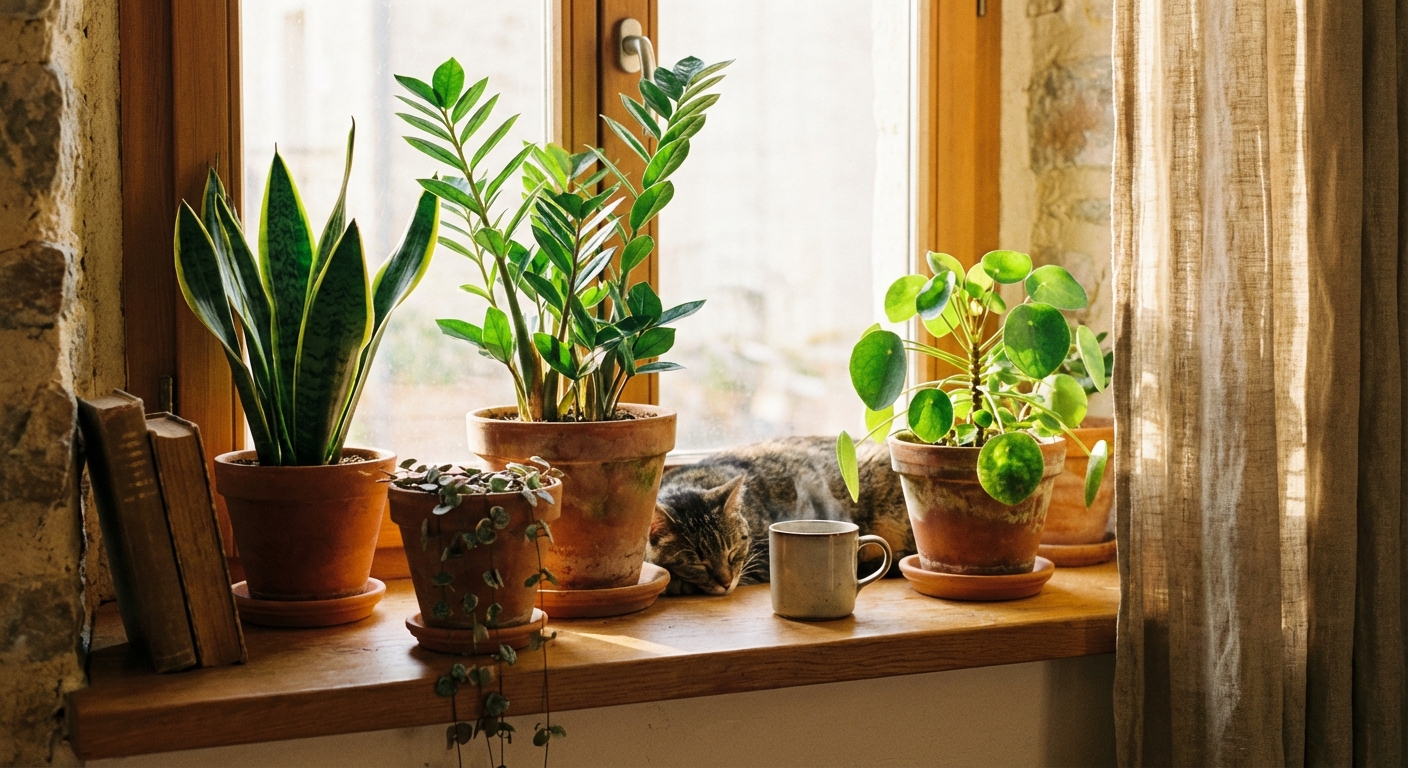
If you have ever whispered, “I just want a plant that will not die,” welcome. You are exactly who I wrote this for. The secret to “having a green thumb” is mostly picking plants that are willing to meet you halfway, then giving them a few reliable basics: a pot with drainage, a spot that matches their light needs, and watering only when the soil tells you it is time.
Below are 12 hard-to-kill indoor plants, organized by light level. Each one includes a quick care summary, why it tolerates neglect, and a beginner-friendly difficulty rating.
Quick difficulty key
- ★ Easiest: Forgives missed waterings, adapts to average home conditions, slow to complain
- ★★ Easy: Generally forgiving but has one “do not do this” rule (usually overwatering)
- ★★★ Easy with a habit: Still beginner-friendly, but you will want a simple routine (like rotating weekly or watering by touch)
Before you buy: 3 beginner rules that prevent most plant deaths
1) Drainage is non-negotiable
Choose a pot with a drainage hole, or use a nursery pot inside a decorative cachepot. Standing water is the fast lane to root rot.
2) Water by soil, not by calendar
Press a finger into the potting mix. If the top inch or two is dry (it varies by plant and pot size), then water thoroughly until excess drains out. If it is still damp, wait.
One note on timing: The watering ranges below are typical, not a promise. Season, light, pot size, and soil mix can easily double or halve the schedule.
3) Light is plant food
“Low light” does not mean “no light.” A rough test: if you can comfortably read a book there during the day, many low-light-tolerant plants can cope. Brighter light usually means faster growth and easier care.
Light levels, decoded
- Low light: A few feet back from a window, or a room with smaller/filtered windows. Think “I can see, but it is not bright.”
- Medium indirect: Near a window with steady daylight, but not in a harsh sunbeam.
- Bright indirect: Very close to a bright window (often within 1 to 3 feet), with the sun not directly hitting the leaves for long. Sheer curtains count.
- Direct sun: A sunbeam that lands on the plant for hours (often south or west windows in the Northern Hemisphere, depending on season and obstructions).
Quick window caveat: “North window” advice assumes the Northern Hemisphere and an unobstructed view. If your window faces another building or you are in the Southern Hemisphere, treat window direction as a hint, not a rule.
Low light champs (rooms with less natural light)
These plants are famously tolerant of imperfect conditions and slower watering schedules. They will not grow as quickly in low light, but they will hang on.
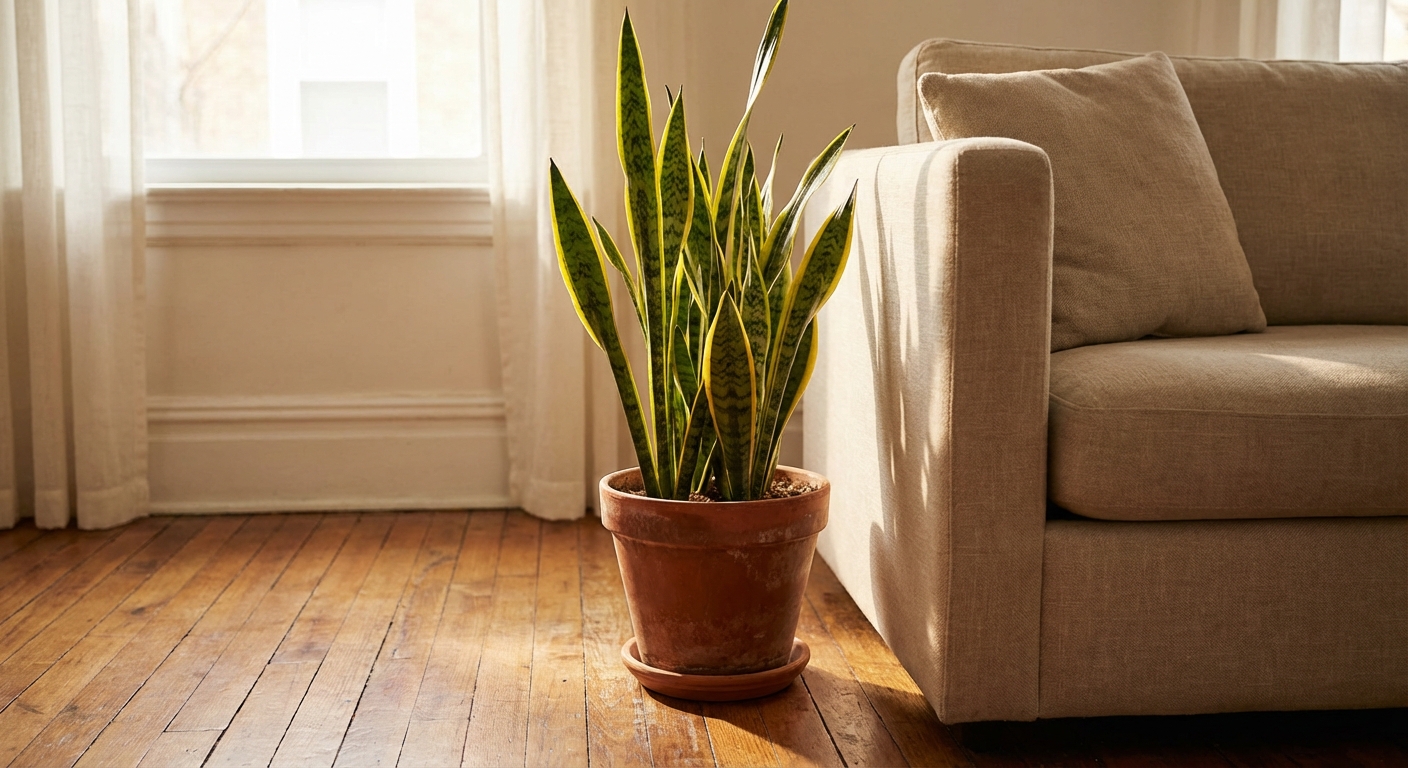
1) Snake Plant (Dracaena trifasciata)
Difficulty: ★
Light: Low to bright indirect (tolerates low light)
Water: Let soil dry out completely, then water. Often every 2 to 4 weeks indoors.
Why it tolerates neglect: Thick, water-storing leaves and a rhizome that helps it coast through missed waterings. Overwatering is the main danger.
- Beginner tip: If in doubt, wait one more week.
- Watch for: Mushy base or yellowing leaves usually means it is staying too wet.
- Pet note: Mildly toxic if chewed (can cause drooling or stomach upset).
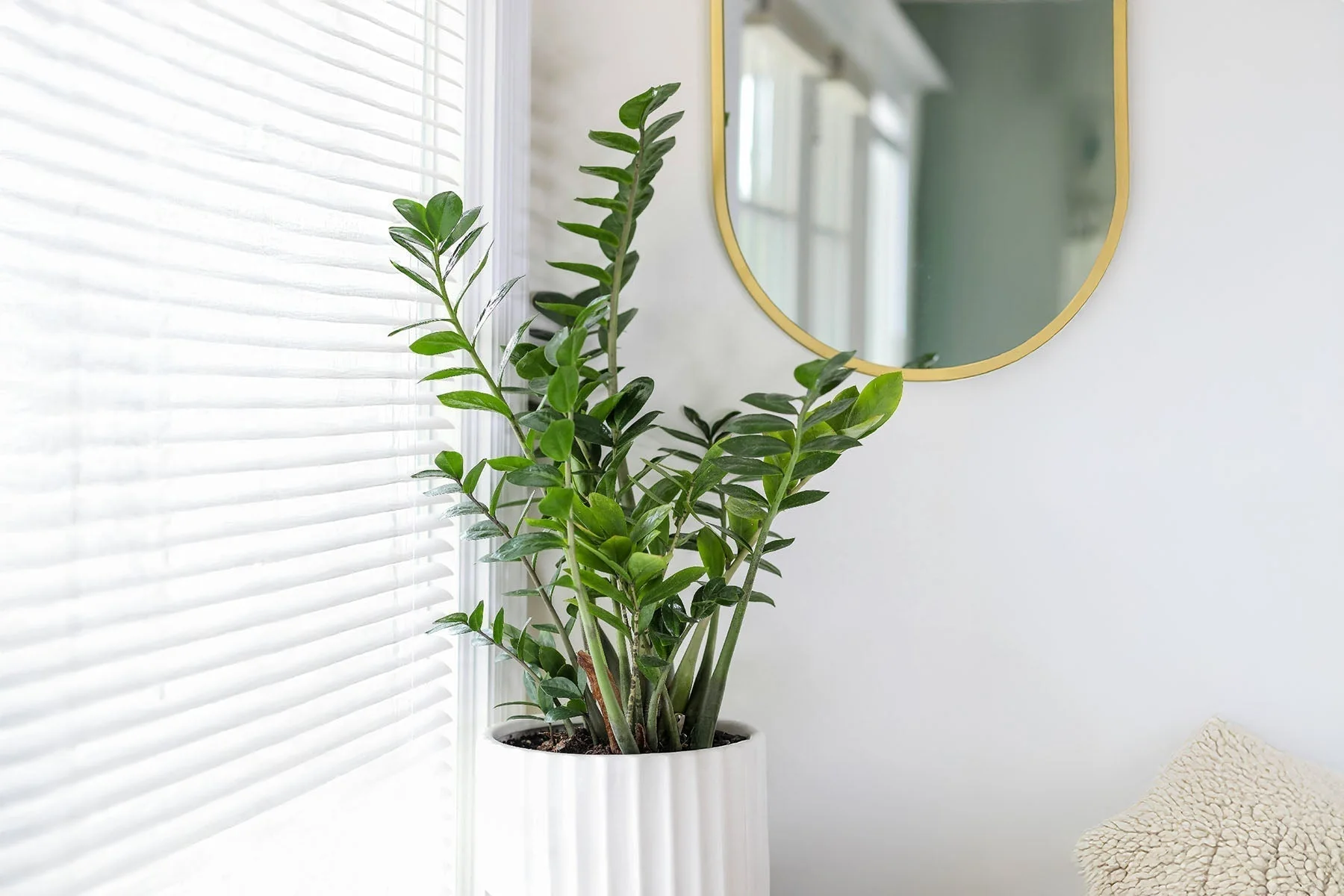
2) ZZ Plant (Zamioculcas zamiifolia)
Difficulty: ★
Light: Low to bright indirect
Water: Allow the pot to dry most of the way down before watering. Roughly every 2 to 5 weeks.
Why it tolerates neglect: Potato-like rhizomes store water, and the glossy leaves lose moisture slowly. It is built for forgetful plant parents.
- Beginner tip: A ZZ plant that looks “fine” is usually fine. Resist the urge to fuss.
- Watch for: Yellowing stems or soft spots can point to overwatering.
- Pet note: Toxic if chewed (can irritate mouth and stomach).
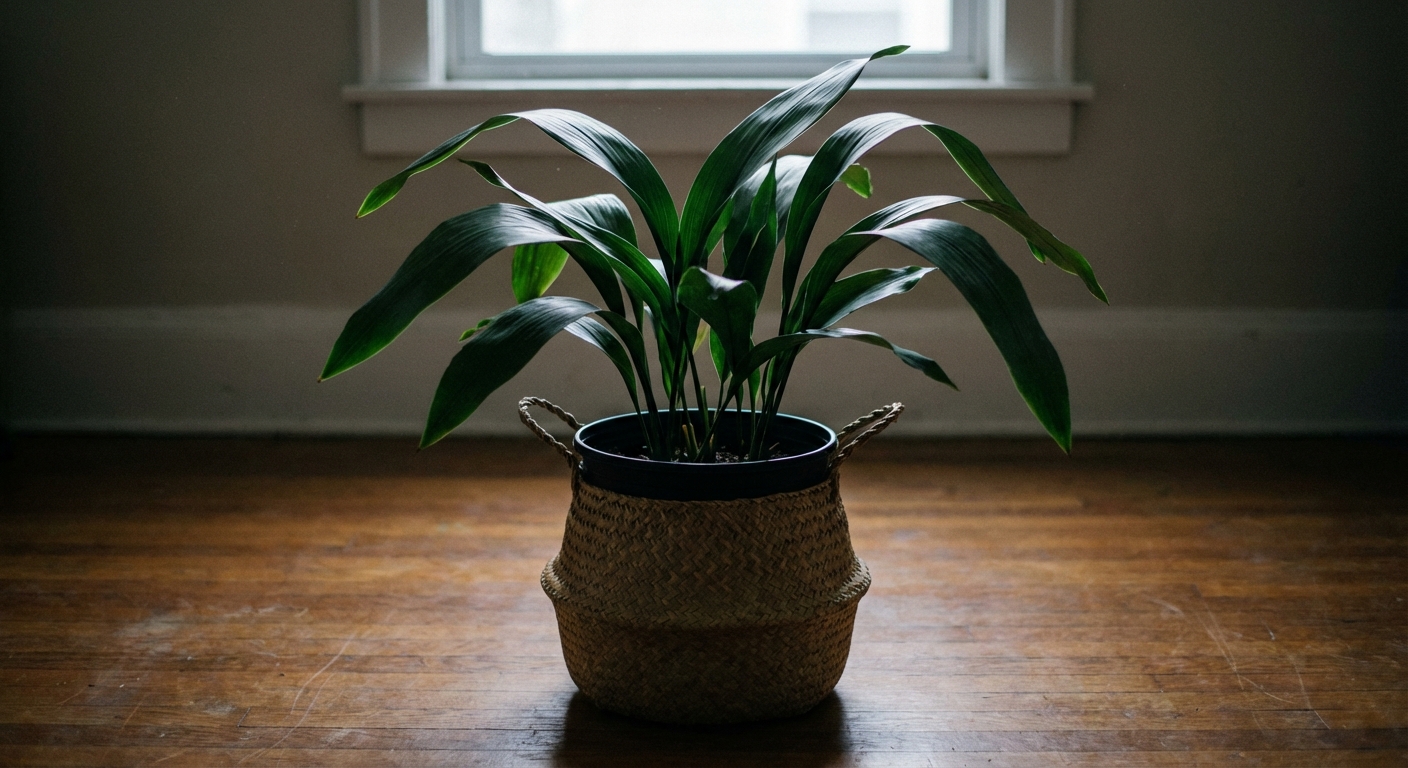
3) Cast Iron Plant (Aspidistra elatior)
Difficulty: ★★
Light: Low to medium indirect
Water: When top 2 inches are dry. It prefers being slightly dry rather than soggy.
Why it tolerates neglect: It was nicknamed “cast iron” for a reason. It handles low light, missed waterings, and average indoor humidity with very little drama.
- Beginner tip: Wipe dust off leaves occasionally so it can photosynthesize in dimmer rooms.
- Watch for: Yellow leaves plus wet soil usually means it is staying too damp.
- Pet note: Commonly listed as non-toxic, but still discourage chewing.
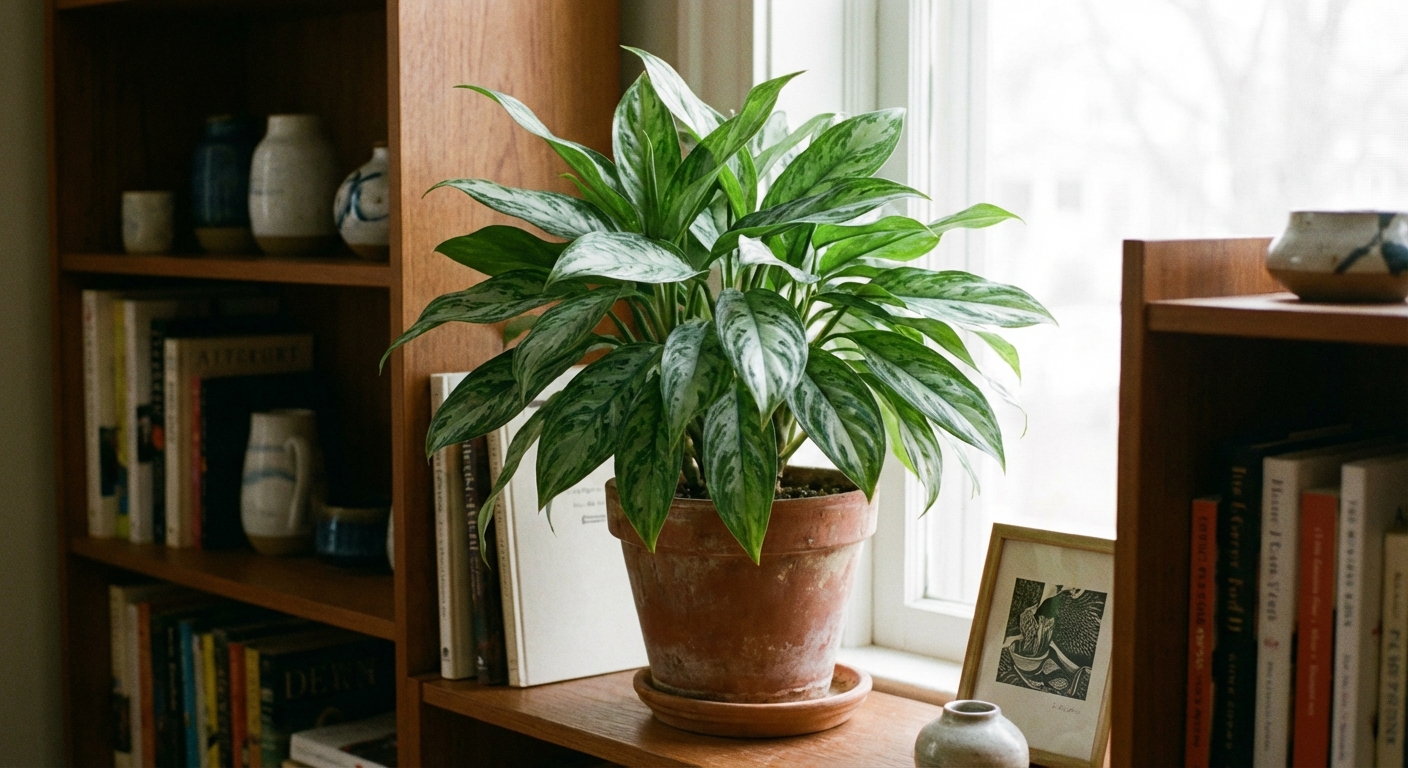
4) Chinese Evergreen (Aglaonema)
Difficulty: ★★
Light: Low to medium indirect (brighter light keeps colorful varieties vibrant)
Water: When the top 1 to 2 inches are dry.
Why it tolerates neglect: It adapts to typical indoor conditions and bounces back from occasional underwatering better than many leafy tropicals.
- Beginner tip: Do not park it in cold drafts. Chilly windows in winter can cause leaf damage.
- Watch for: Yellowing leaves can mean too much water, while crispy edges can mean too much sun or very dry air.
- Pet note: Toxic if chewed (can irritate mouth and stomach).
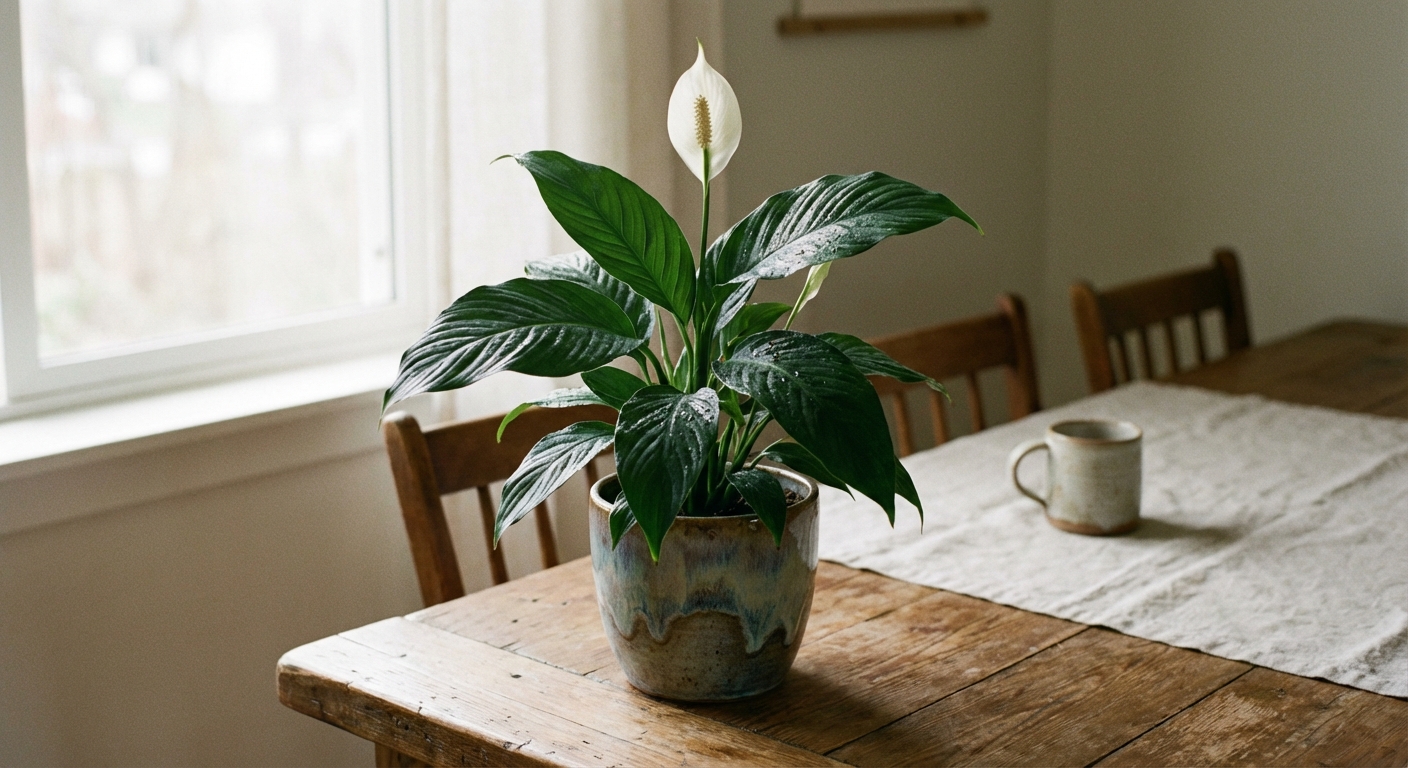
5) Peace Lily (Spathiphyllum)
Difficulty: ★★★
Light: Low to medium indirect (blooms best in brighter indirect)
Water: When top inch is dry. Peace lilies are dramatic and will droop when thirsty, then perk up after watering.
Why it tolerates neglect: It clearly communicates thirst and rebounds quickly. Great for beginners learning a watering rhythm.
- Beginner tip: Do not keep it constantly wet. Let the top layer dry a bit between waterings.
- Watch for: Droop means thirsty, but droop plus wet soil can mean roots are unhappy.
- Pet note: Toxic if chewed (can irritate mouth and stomach).
Medium to bright indirect light winners (fast rewards near east or west windows)
If you have a spot that gets steady daylight but not harsh midday sun, these plants grow quickly and make beginners feel like plant magicians.
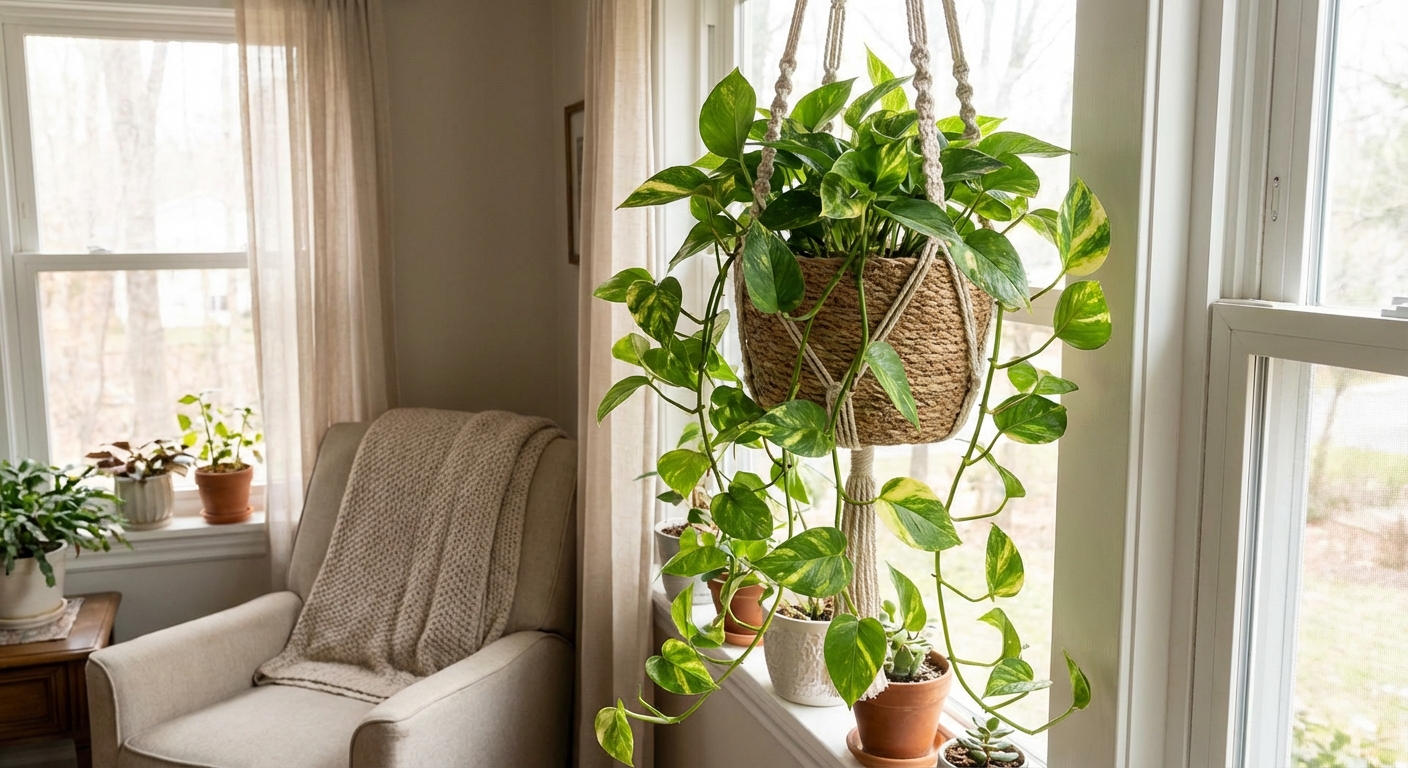
6) Pothos (Epipremnum aureum)
Difficulty: ★
Light: Low to bright indirect (variegated types prefer brighter)
Water: When top 2 inches are dry. Leaves look slightly less perky when thirsty.
Why it tolerates neglect: It is a resilient vine that roots easily and forgives missed waterings. Even if it gets leggy, a simple trim makes it bushier.
- Beginner tip: Take a cutting, pop it in water, and you have a free backup plant.
- Watch for: Yellow leaves often mean too much water. Long bare stems mean it wants brighter light.
- Pet note: Toxic if chewed (can irritate mouth and stomach).
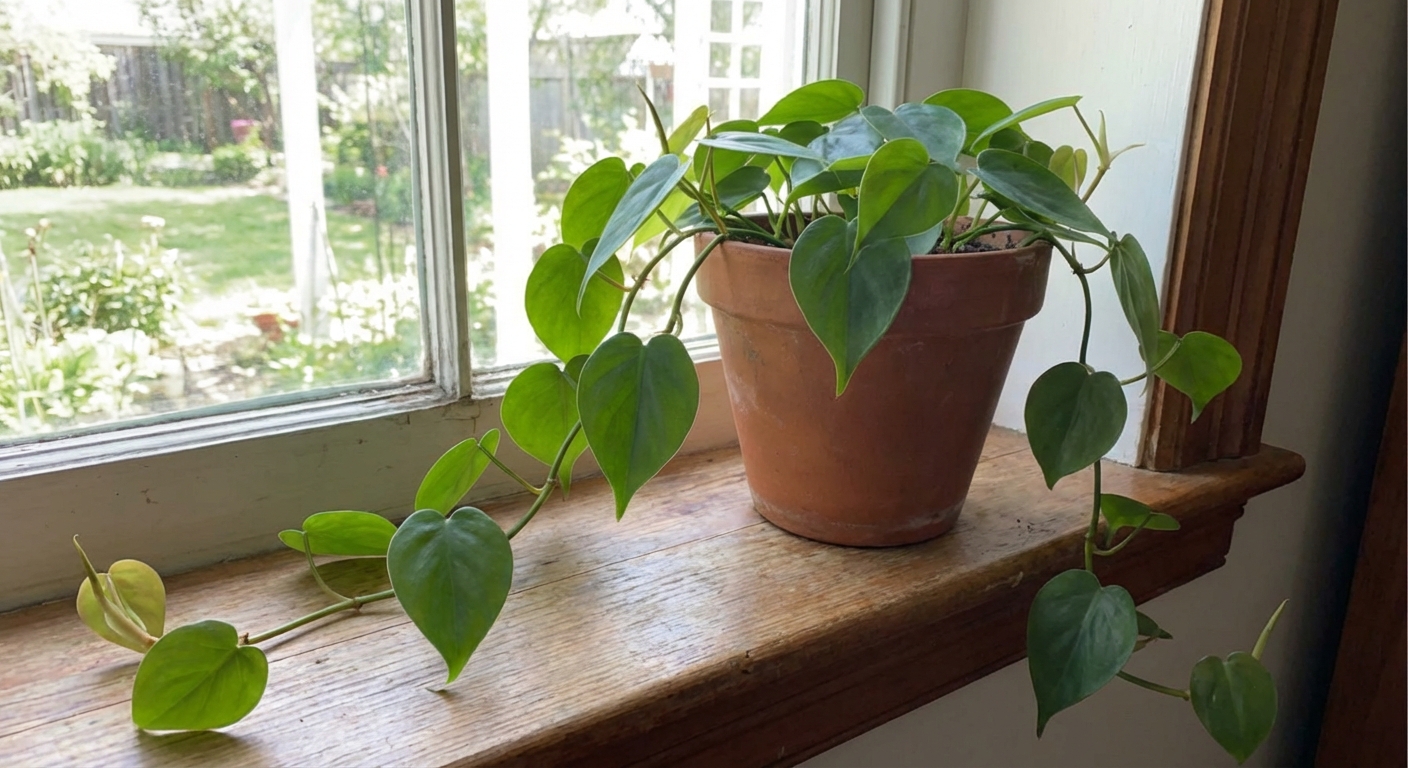
7) Heartleaf Philodendron (Philodendron hederaceum)
Difficulty: ★
Light: Medium to bright indirect
Water: When top inch is dry.
Why it tolerates neglect: Similar to pothos in toughness, with flexible vines and strong regrowth after pruning. It handles average humidity well.
- Beginner tip: Rotate the pot weekly for even growth toward the light.
- Watch for: Droopy leaves can mean thirsty. Yellow leaves plus wet soil often means overwatering.
- Pet note: Toxic if chewed (can irritate mouth and stomach).
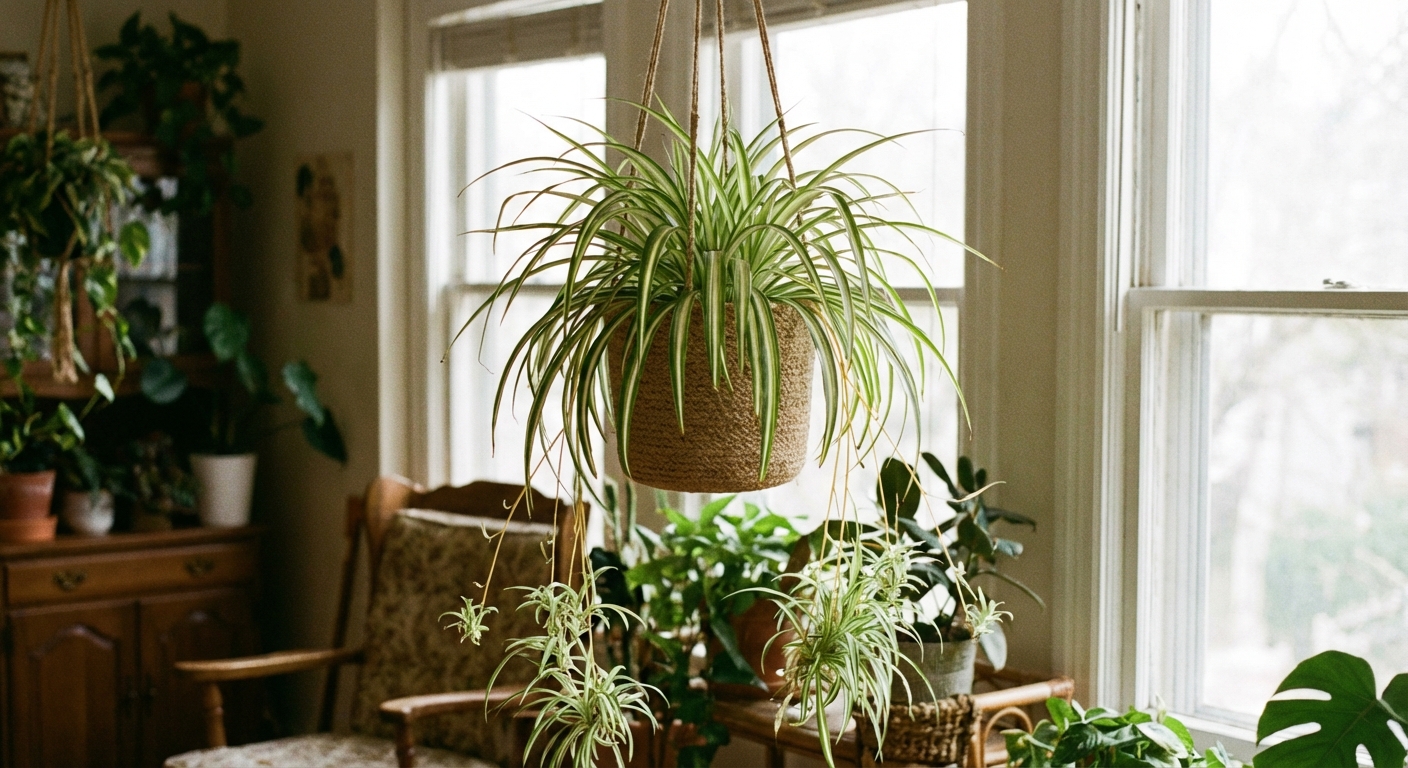
8) Spider Plant (Chlorophytum comosum)
Difficulty: ★★
Light: Medium to bright indirect
Water: When top 1 to 2 inches are dry. It appreciates slightly more regular watering than succulents.
Why it tolerates neglect: It grows from a tough crown with thick roots that store water. It also gives you baby “spiderettes,” which is basically the plant cheering you on.
- Beginner tip: Brown tips often come from inconsistent watering or mineral-heavy water. If it bothers you, try filtered water.
- Watch for: Pale leaves can mean too much direct sun. Limp leaves can mean it stayed dry too long.
- Pet note: Commonly listed as non-toxic and a solid “starter plant” for pet homes.
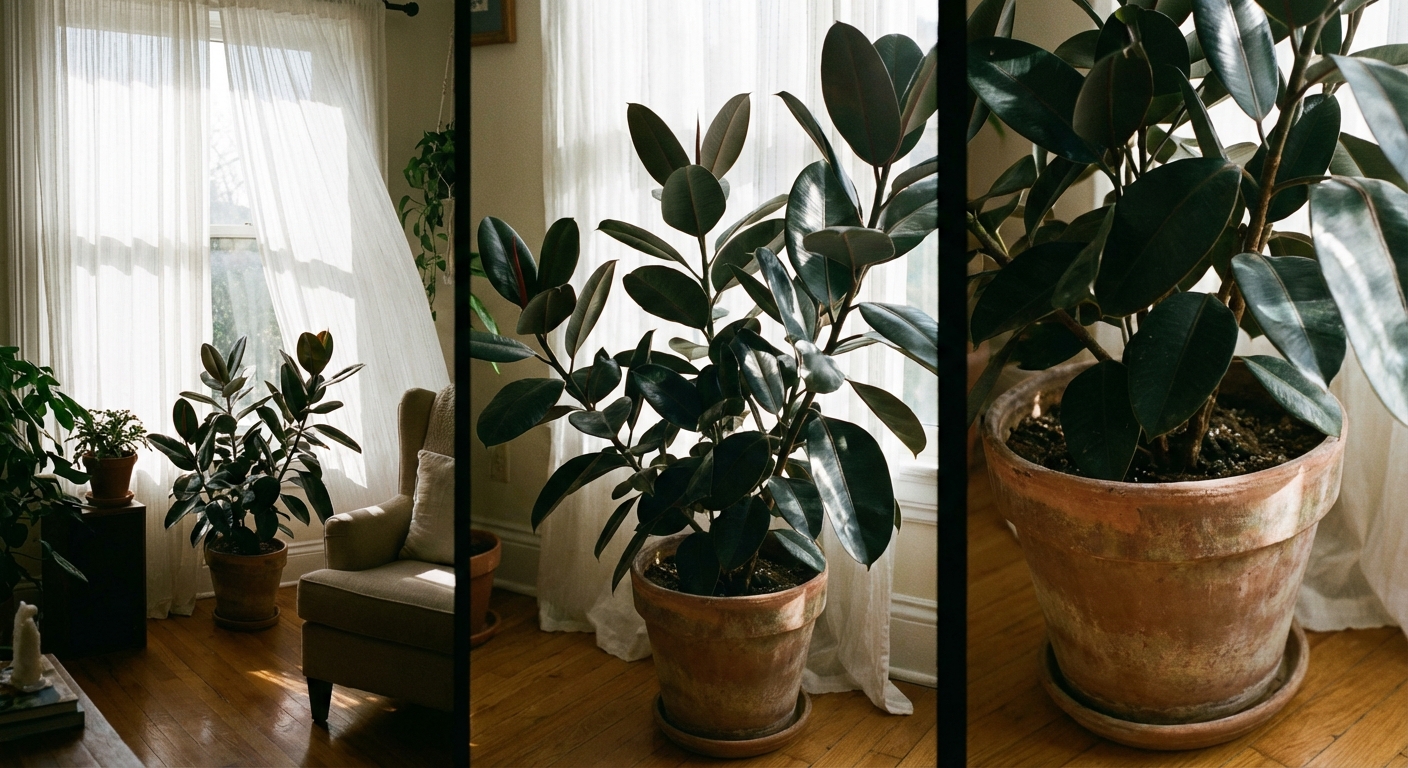
9) Rubber Plant (Ficus elastica)
Difficulty: ★★★
Light: Bright indirect (can handle a little gentle morning sun)
Water: When top 2 inches are dry.
Why it tolerates neglect: Thick leaves store moisture, and it is sturdier than many ficus relatives. Once settled, it becomes a reliable indoor tree.
- Beginner tip: Avoid frequent moving. Ficus like consistency.
- Watch for: Leaf drop often follows sudden changes (light, drafts, moving). Yellowing plus wet soil points to overwatering.
- Pet note: Sap can be irritating and is toxic if chewed.
Bright light and sunny window picks (for people who forget to water)
If you have strong light and a tendency to under-water, these plants will happily live on your schedule.
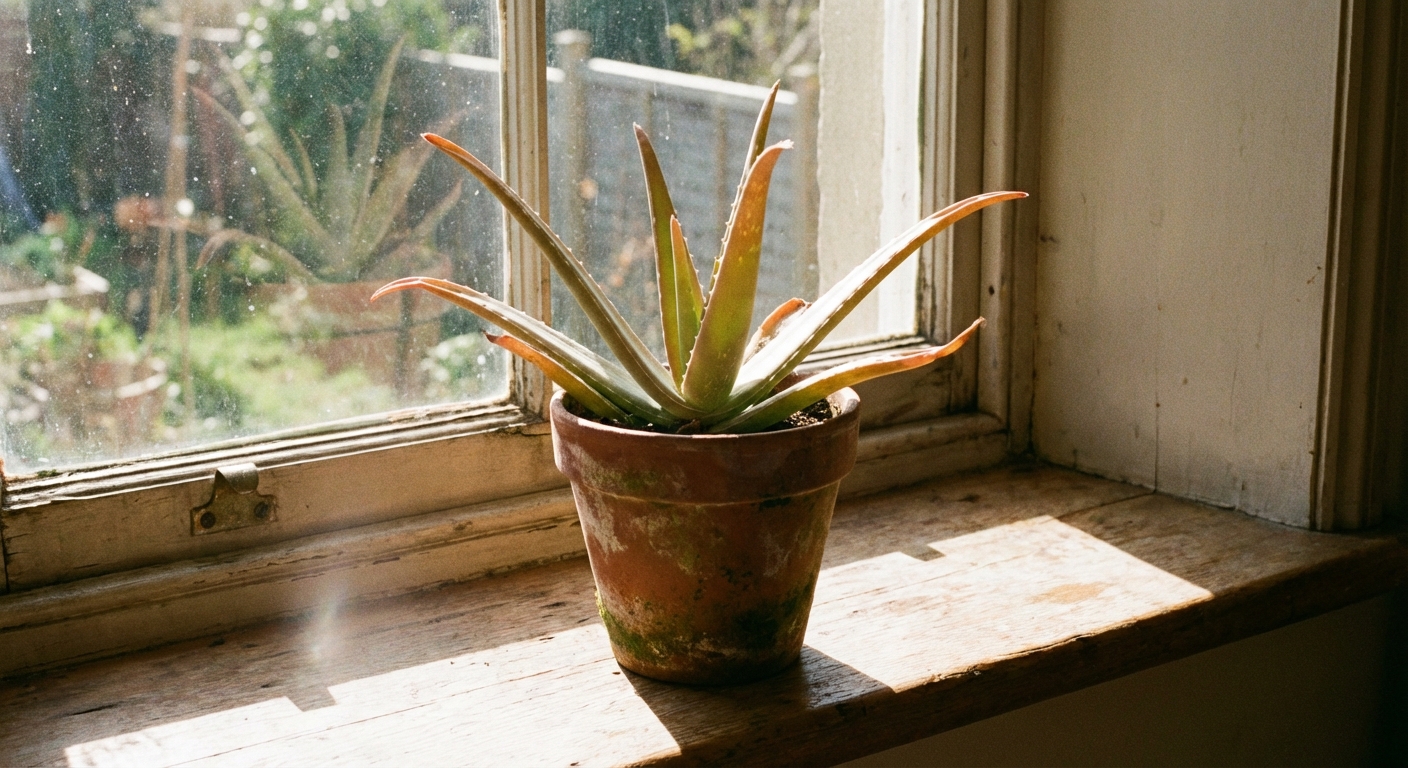
10) Aloe Vera (Aloe barbadensis)
Difficulty: ★★
Light: Bright light, some direct sun is fine
Water: Let soil dry out completely. Water deeply, then let it dry again.
Why it tolerates neglect: Aloe stores water in its leaves. Overwatering is the main issue, especially in low light.
- Beginner tip: Use a gritty cactus mix and a pot with drainage. Aloe hates soggy feet.
- Watch for: Soft, translucent leaves often mean too much water. Thin, curling leaves can mean it is too dry or needs more light.
- Pet note: Can cause stomach upset if pets chew it.
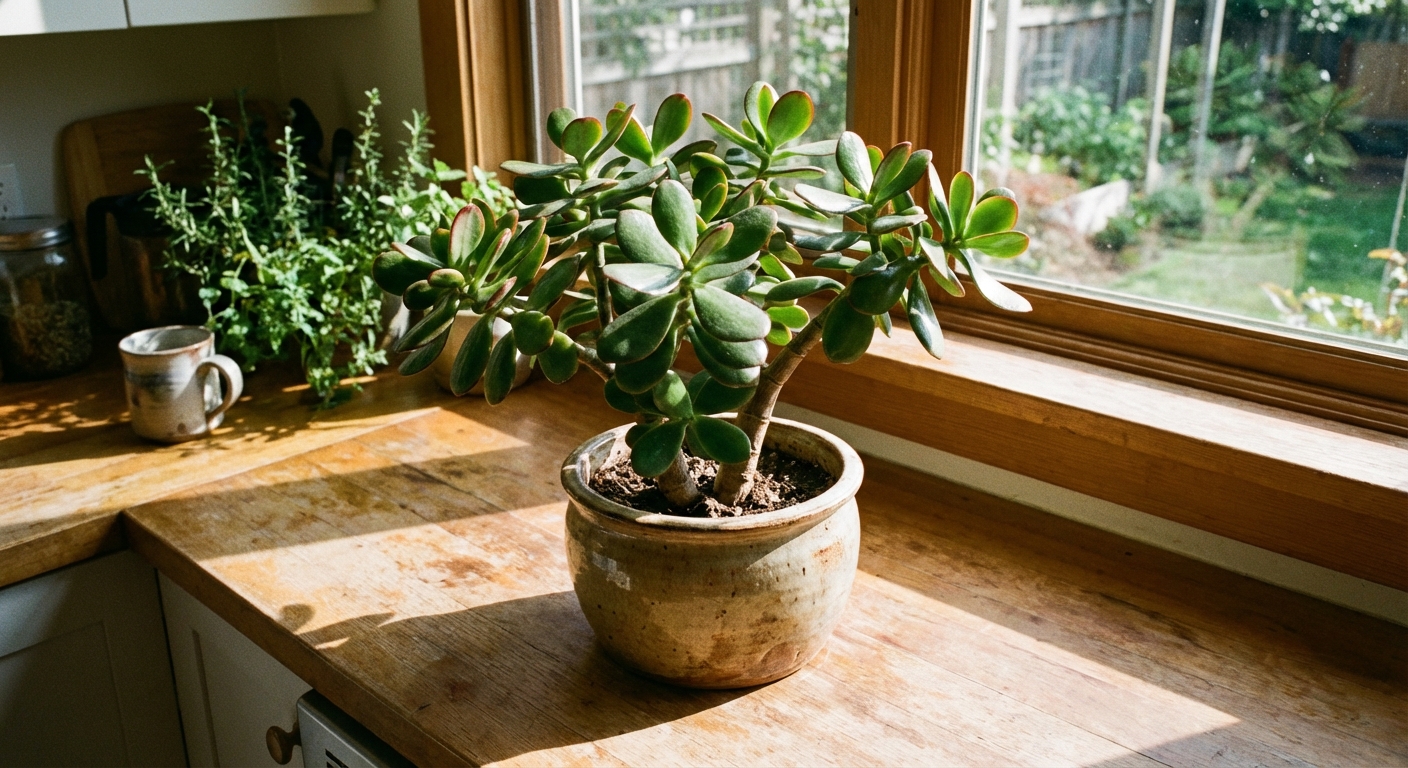
11) Jade Plant (Crassula ovata)
Difficulty: ★★
Light: Bright light, can take direct sun
Water: When soil is fully dry. Less in winter.
Why it tolerates neglect: It is a succulent shrub that stores water and grows slowly, so it does not demand constant attention.
- Beginner tip: If the leaves wrinkle slightly, that is your cue to water.
- Watch for: Leaves dropping can mean overwatering or not enough light. Stretching means it wants more sun.
- Pet note: Commonly listed as toxic to cats and dogs.
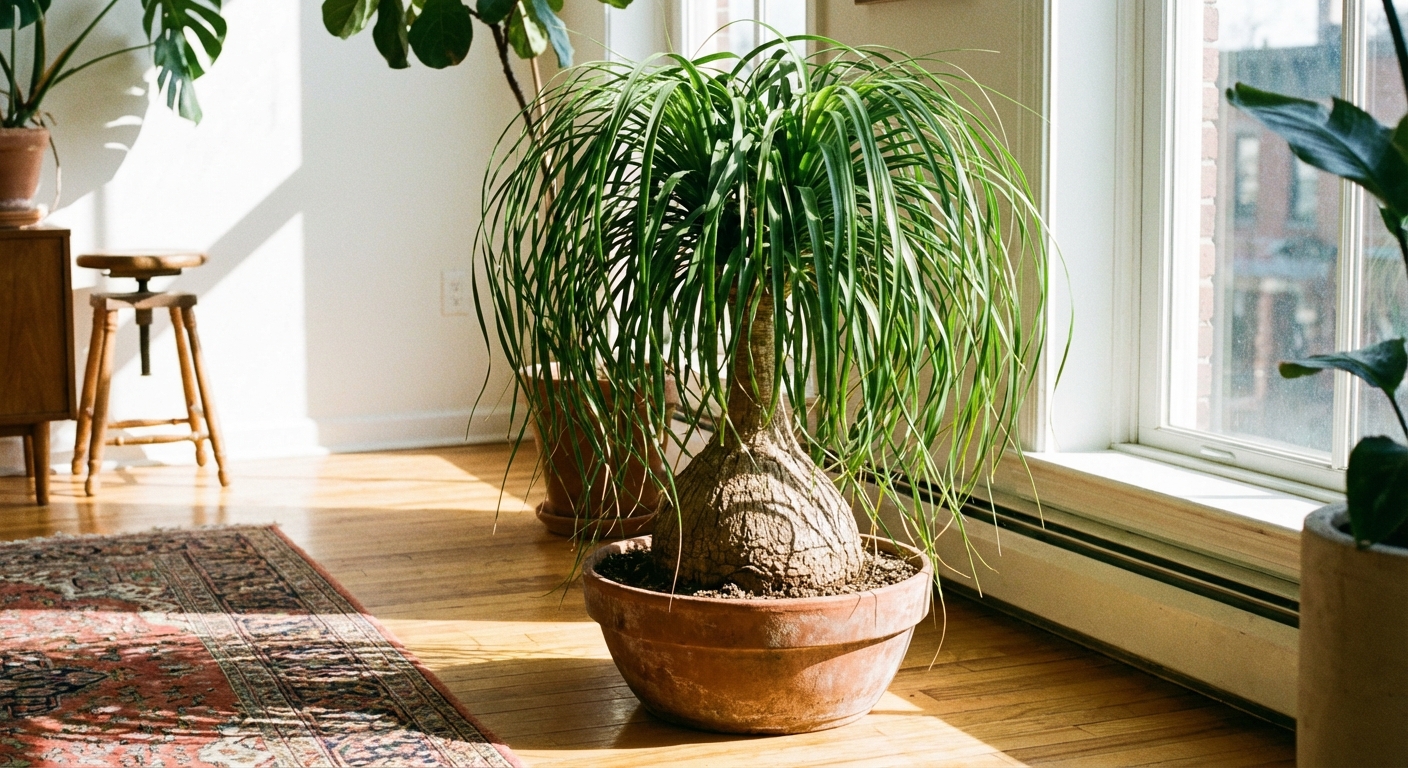
12) Ponytail Palm (Beaucarnea recurvata)
Difficulty: ★
Light: Bright indirect to direct sun
Water: Allow soil to dry out completely. It can go weeks between waterings.
Why it tolerates neglect: That bulbous “ponytail” base stores water like a little living canteen.
- Beginner tip: If you tend to overwater, this plant will teach you patience fast.
- Watch for: Yellowing leaves can mean too much water. Brown tips can mean very dry air or underwatering, but it is usually forgiving.
- Pet note: Commonly listed as non-toxic and often a good option for pet homes.
Quick-reference table: choose by your light
- Rooms with less natural light: Snake plant (★), ZZ plant (★), Cast iron plant (★★), Chinese evergreen (★★), Peace lily (★★★)
- Medium to bright indirect: Pothos (★), Heartleaf philodendron (★), Spider plant (★★), Rubber plant (★★★)
- Bright light or sun: Aloe (★★), Jade (★★), Ponytail palm (★)
Potting mix basics (keep it simple)
- Most leafy houseplants: A quality indoor potting mix is fine. If you tend to overwater, mix in extra perlite or orchid bark for faster drainage.
- Succulents and desert-style plants (aloe, jade): Use a cactus/succulent mix, or amend potting mix heavily with perlite or pumice.
Why “hard to kill” plants still die (and how to avoid it)
Overwatering is the #1 culprit
Most beginner plants on this list prefer drying out at least a bit. If your plant looks sad but the soil is wet, do not water. Check for a drainage hole, dump any standing water, and let it dry.
Too little light is the silent struggle
A plant can survive in dim corners, but it might slowly decline over months. If you see long, stretched stems and smaller leaves, scoot it closer to a window.
Pots that are too big stay wet too long
When roots are swimming in extra soil, that soil holds moisture for days. Choose a pot that is only 1 to 2 inches wider than the root ball when repotting.
My “no panic” watering routine for beginners
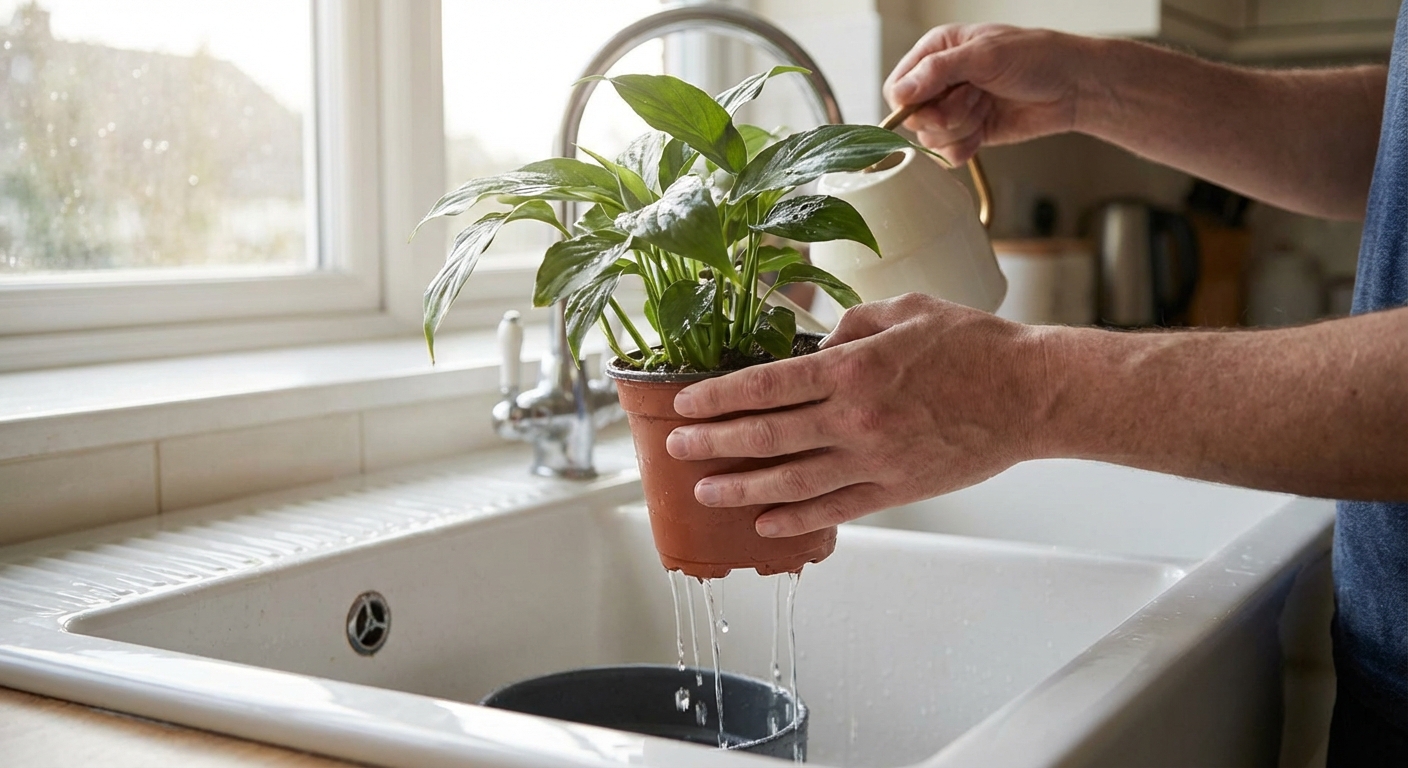
- Once a week: Do a quick finger-test on each pot. Touch the soil.
- Water only the thirsty ones: Take each to the sink and water until it drains.
- Empty saucers: Never let pots sit in water.
- Rotate: Give each pot a quarter turn so it grows evenly.
If you can manage that, you are not a black thumb. You are a gardener in training. And honestly, so are the rest of us. Even the folks who talk to their ferns.
One more thing: safety around pets and kids
Some popular houseplants can be irritating or toxic if chewed. In this list, spider plant, cast iron plant, and ponytail palm are commonly considered more pet-friendly options, while plants like pothos, philodendron, peace lily, snake plant, ZZ plant, Chinese evergreen, rubber plant, and jade are more likely to cause problems if chewed. Aloe can also cause stomach upset.
If you share your home with curious cats, dogs, or toddlers, double-check toxicity before you buy and place plants out of reach. If you want, tell me your light situation and whether you have pets, and I will help you pick the safest, easiest matches.