
7 Humidity-Loving Houseplants for Your Bathroom

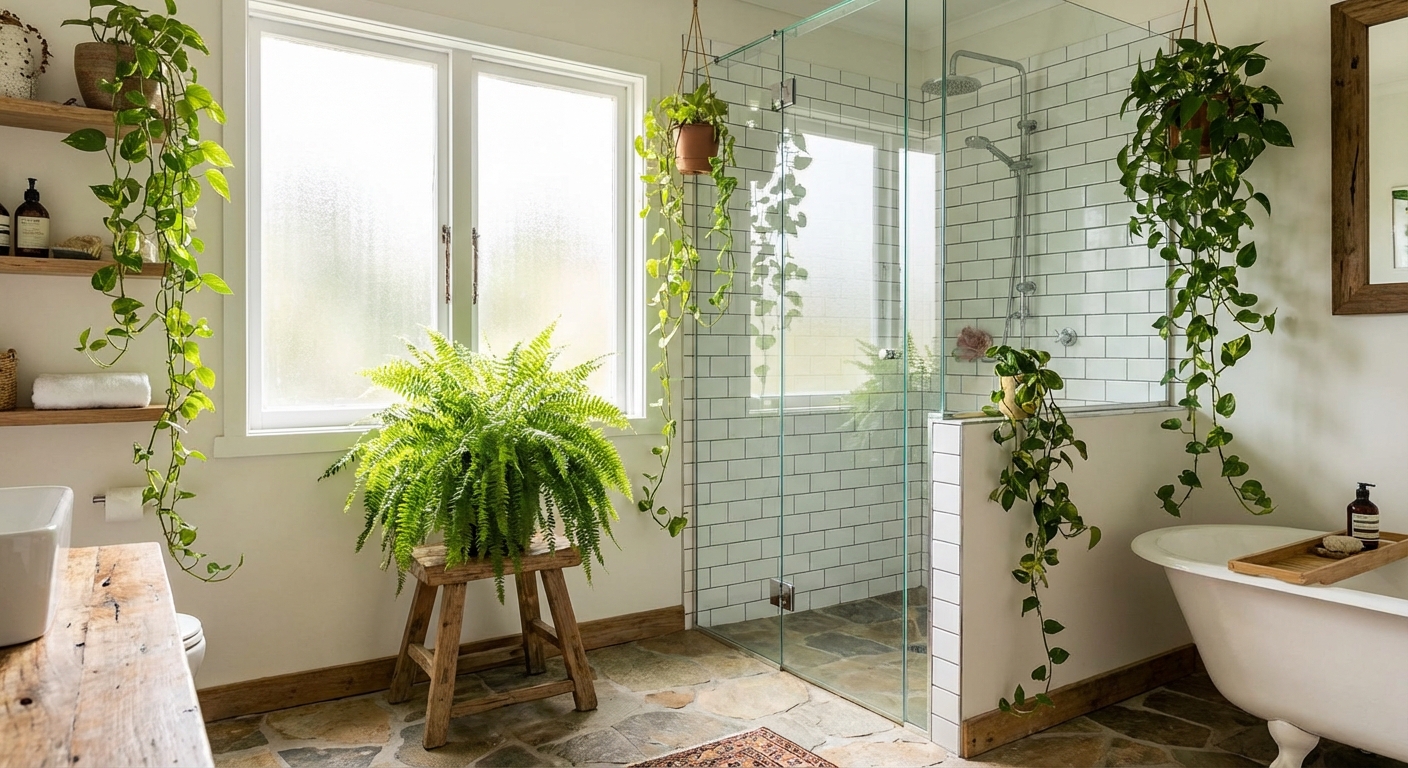
Bathrooms get a bad rap in the houseplant world. People assume they’re too dark, too damp, too unpredictable. But if you’ve got even a sliver of natural light, your bathroom can become the easiest little tropical corner in your whole home. The shower does half the humidifying for you, and your plants get to live their best rainforest fantasy while you brush your teeth.
I’ve got a soft spot for bathroom plants because they’re such a confidence booster. If you’ve ever whispered “I just kill everything,” a humidity-loving plant in the right spot can be your turning point. The trick isn’t magic. It’s matching the plant to your bathroom’s light and temperature, then keeping the roots healthy.
Before you shop: 4 checks
Grab your coffee, stand in your bathroom, and do this quick scan. It’ll save you money and heartbreak.
- Light: Do you have a window? Frosted glass cuts light a lot. Window direction is a helpful clue, but it’s location-dependent (and it flips in the Southern Hemisphere). In many Northern Hemisphere homes, north-facing windows tend to be lower light, east is gentler morning light, and south or west can be bright to very sunny. If direct rays hit leaves, use a sheer curtain or move the plant back a few feet.
- Humidity level: Do you shower daily, and does the mirror fog up? That’s a good sign. If you run an exhaust fan for a long time, humidity drops quickly, which some plants still tolerate but a few will sulk.
- Temperature swings: Bathrooms can bounce from cool to steamy fast. Most tropical plants are fine with that, but keep them away from cold drafts and direct blasts of hot air.
- Airflow and drying time: High humidity is great. Soggy soil isn’t. Pick pots with drainage holes and use a chunky, airy mix so roots can breathe.
7 humidity-loving plants
These are my go-to “steam lovers.” I included placement notes for real bathrooms, not fantasy greenhouses.
1) Boston fern (Nephrolepis exaltata)
If your bathroom feels like a cloud after a shower, Boston fern will practically applaud. Those feathery fronds crave moisture in the air, and a bathroom is one of the few places they feel consistently pampered.
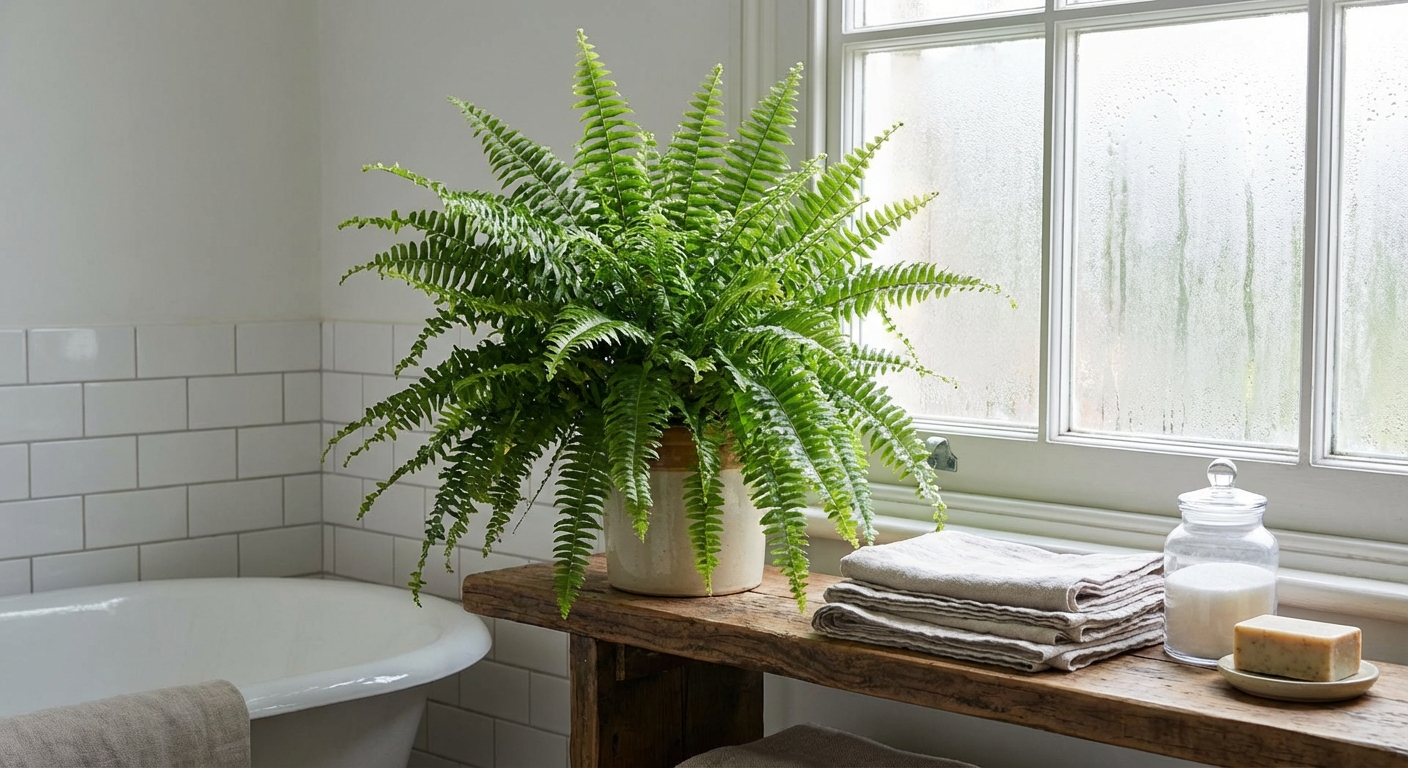
- Light: Bright, indirect light is ideal. It can handle lower light, but growth slows.
- Water: Keep soil evenly moist, not dripping. Water when the top 1 inch feels just barely dry.
- Bathroom placement: Near a window, or a few feet back from it. Avoid placing directly above a radiator or heat vent.
- Potting mix tip: Use a moisture-retentive mix that still drains well, like quality indoor potting soil cut with 20 to 30 percent perlite.
- Quick fix: Crispy tips usually mean the air got too dry between showers or the soil dried too far. A pebble tray helps, but consistent watering helps more.
2) Bird’s nest fern (Asplenium nidus)
Bird’s nest fern has broad, rippled fronds that look like glossy green ribbons. It loves humidity but is often less dramatic than Boston fern, which makes it a sweet choice for busy households.
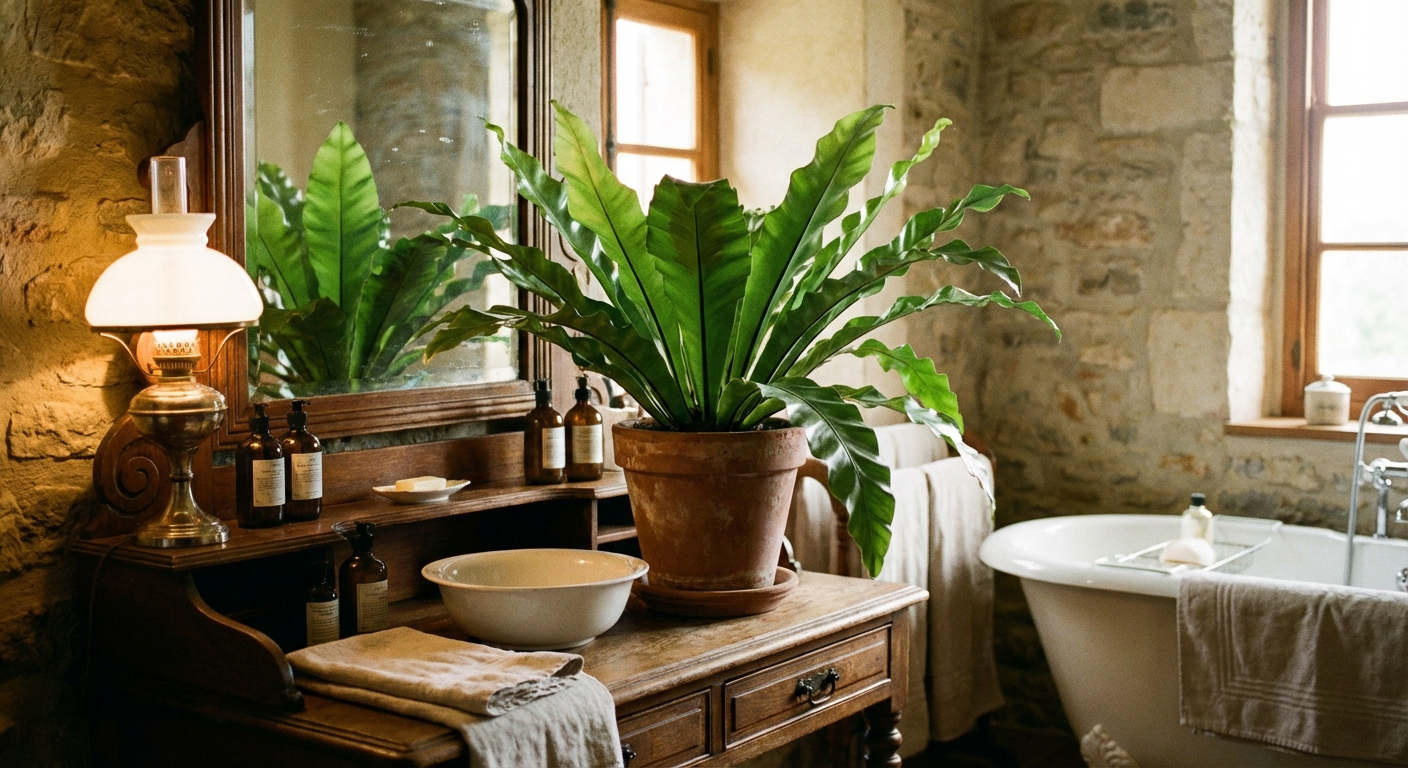
- Light: Low to medium indirect light. Bright indirect light is fine, but avoid direct sun.
- Water: Water the soil, not the center crown. Keep lightly moist and never let it sit in water.
- Bathroom placement: On a shelf or vanity away from direct splash zones.
- Extra care note: Don’t mist directly into the center rosette. That can invite rot.
3) Golden pothos (Epipremnum aureum)
Pothos is the cheerful friend who thrives even when life gets messy. In a bathroom, the extra humidity can encourage smoother growth and fuller-looking vines. It also looks gorgeous trailing from a shelf or hanging near a window.
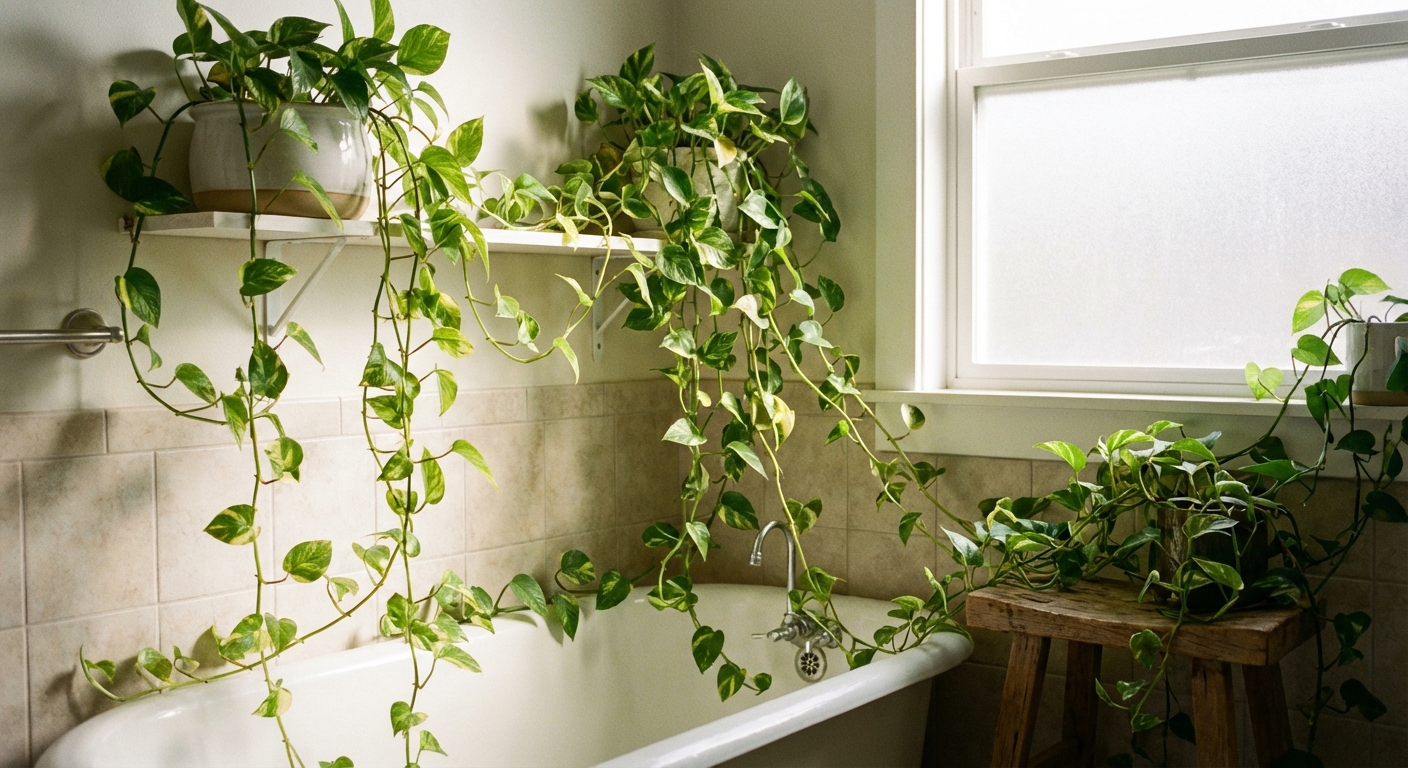
- Light: Low to bright indirect light. Variegated types keep their pattern better with more light.
- Water: Let the top 2 inches dry, then water thoroughly. Bathrooms can slow drying, so check soil before you auto-water.
- Bathroom placement: High shelf, shower-adjacent wall, or hanging by a window.
- Training tip: Give it a wall hook or small trellis. Vines that climb often grow larger leaves.
- Heads up: Toxic if chewed by pets or kids, so keep it out of reach if needed.
4) Heartleaf philodendron (Philodendron hederaceum)
This is one of my favorite beginner-friendly, “I swear I can keep a plant alive” plants. Heart-shaped leaves, forgiving watering needs, and it appreciates the humidity boost without demanding constant attention.
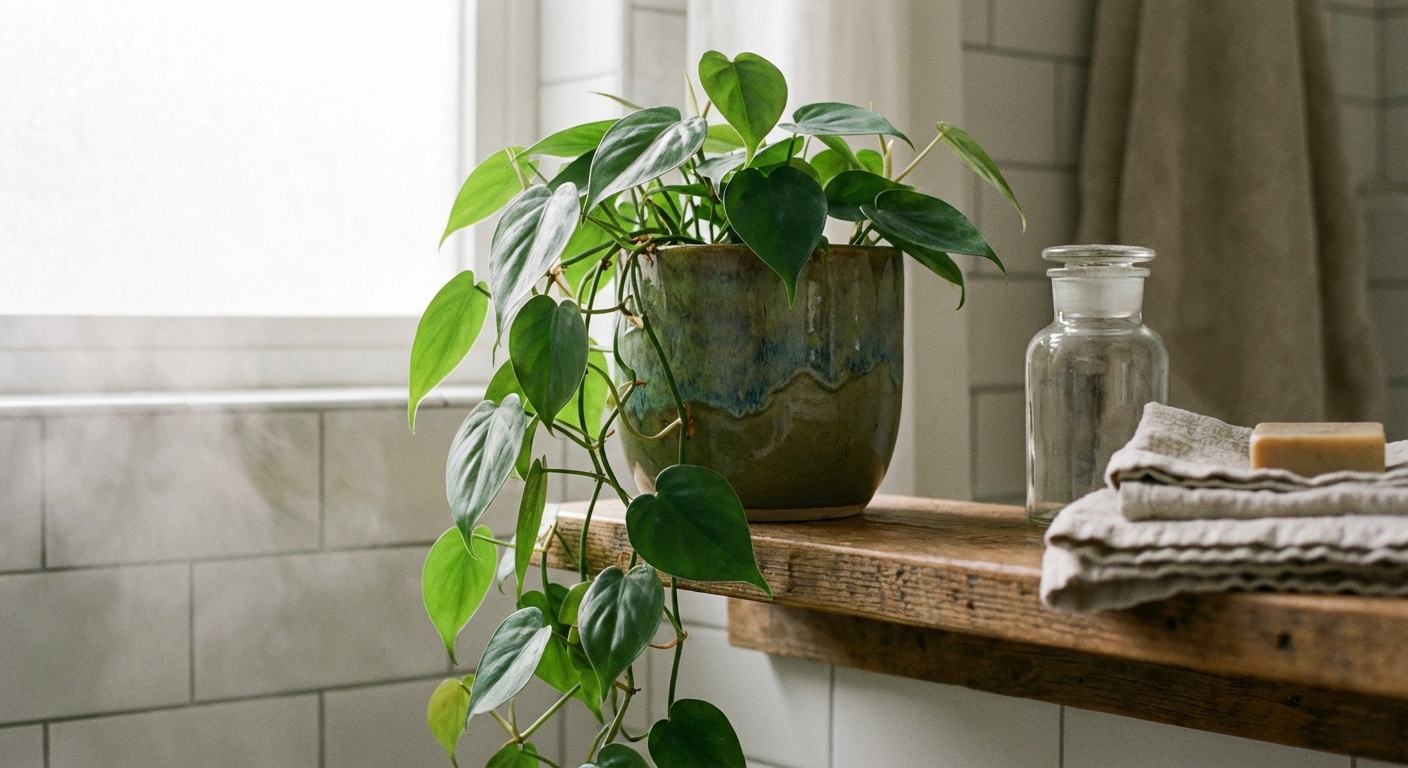
- Light: Medium indirect light is best, but it tolerates low light.
- Water: Water when the top half of the pot feels dry. If your bathroom is very humid, you’ll often water less, but still check the soil first.
- Bathroom placement: A few feet from a window, or near a skylight.
- Soil tip: A chunky aroid mix works beautifully, think potting soil plus orchid bark and perlite for airflow.
5) Peace lily (Spathiphyllum)
Peace lilies are famous for drooping theatrically when thirsty, then perking up after a good drink. In a bathroom, that drama can calm down a bit because higher humidity reduces how fast leaves lose moisture. Just remember: humidity helps, but it doesn’t replace root watering, so don’t “set and forget” it.
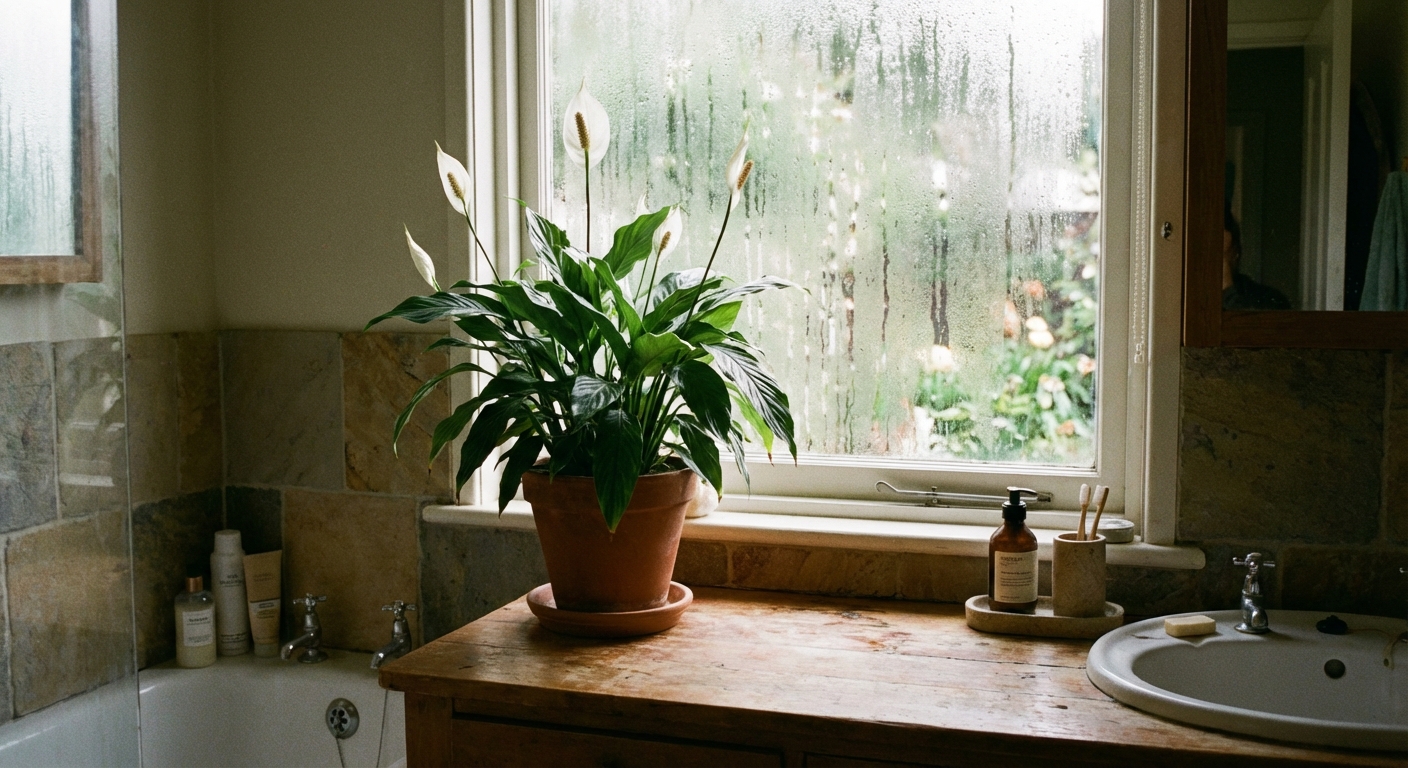
- Light: Low to bright indirect light. More light means more blooms.
- Water: Water when the top 1 to 2 inches are dry. Don’t let it stay soggy.
- Bathroom placement: Near a window or bright vanity light area. Keep leaves away from constant splash.
- Humidity win: Brown leaf edges often improve in bathrooms with regular showers.
- Heads up: Toxic if ingested. Place safely if pets are curious.
6) Moth orchid (Phalaenopsis)
If you want your bathroom to feel like a spa, add an orchid. Phalaenopsis orchids naturally live in humid environments, and a bathroom can reduce dry-air stress and help buds open well, provided you still have bright, indirect light and decent airflow around the roots.
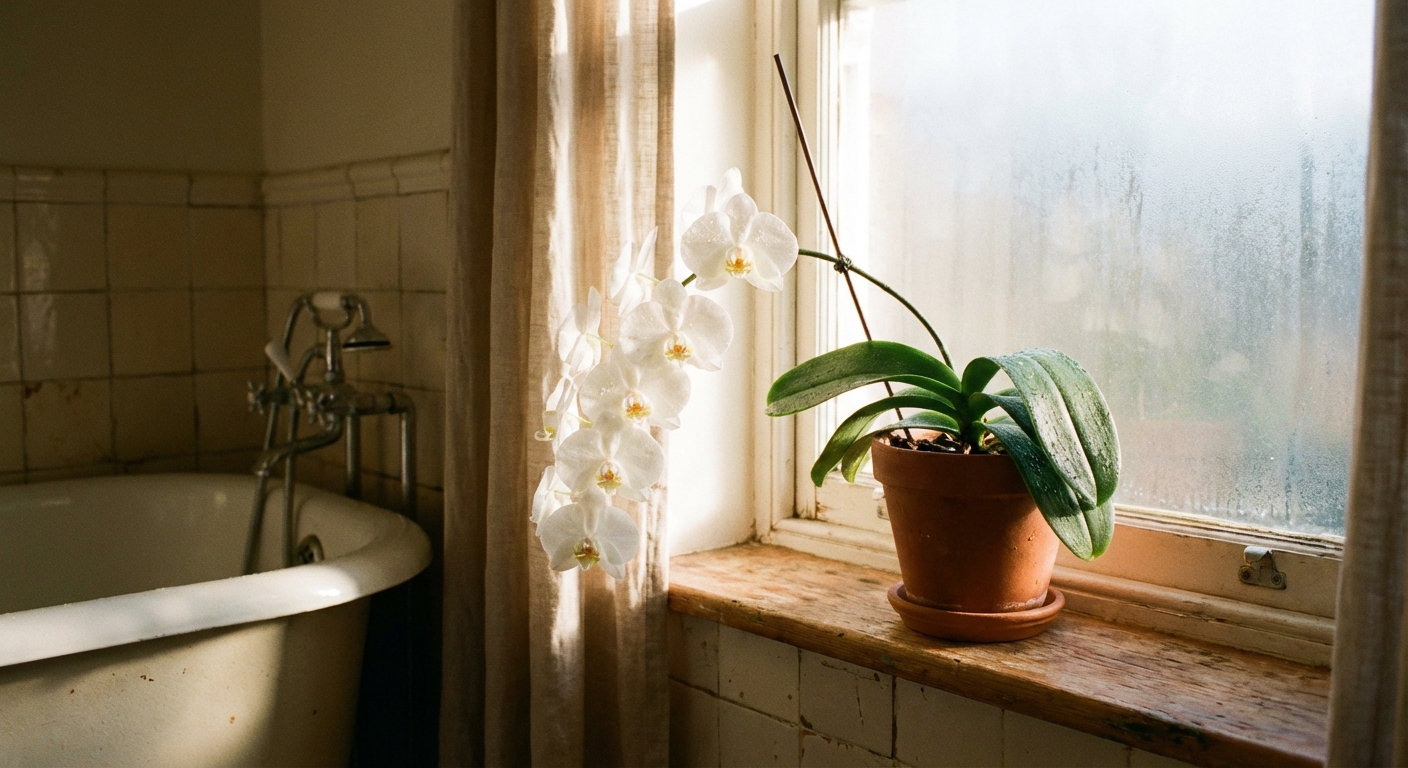
- Light: Bright, indirect light. An east-facing bathroom window is a dream (just watch direct sun).
- Water: Water when roots look silvery and the pot feels light. In humid bathrooms, this may be less frequent than in other rooms, but don’t guess. Check the roots.
- Bathroom placement: Near the window, but not in direct sun. Keep it out of the direct shower spray.
- Potting tip: Use orchid bark in a ventilated pot. Regular potting soil will smother the roots.
- Humidity note: Orchids love humidity, but they also need air movement. If your bathroom stays wet for hours, run the fan briefly after showers.
7) Air plants (Tillandsia spp.)
Air plants are tiny weirdos in the best way. They don’t live in soil, and many types love humid air. Bathrooms can be perfect if you’ve got decent light and you’re careful about drying, because “constantly damp” is where they get cranky.
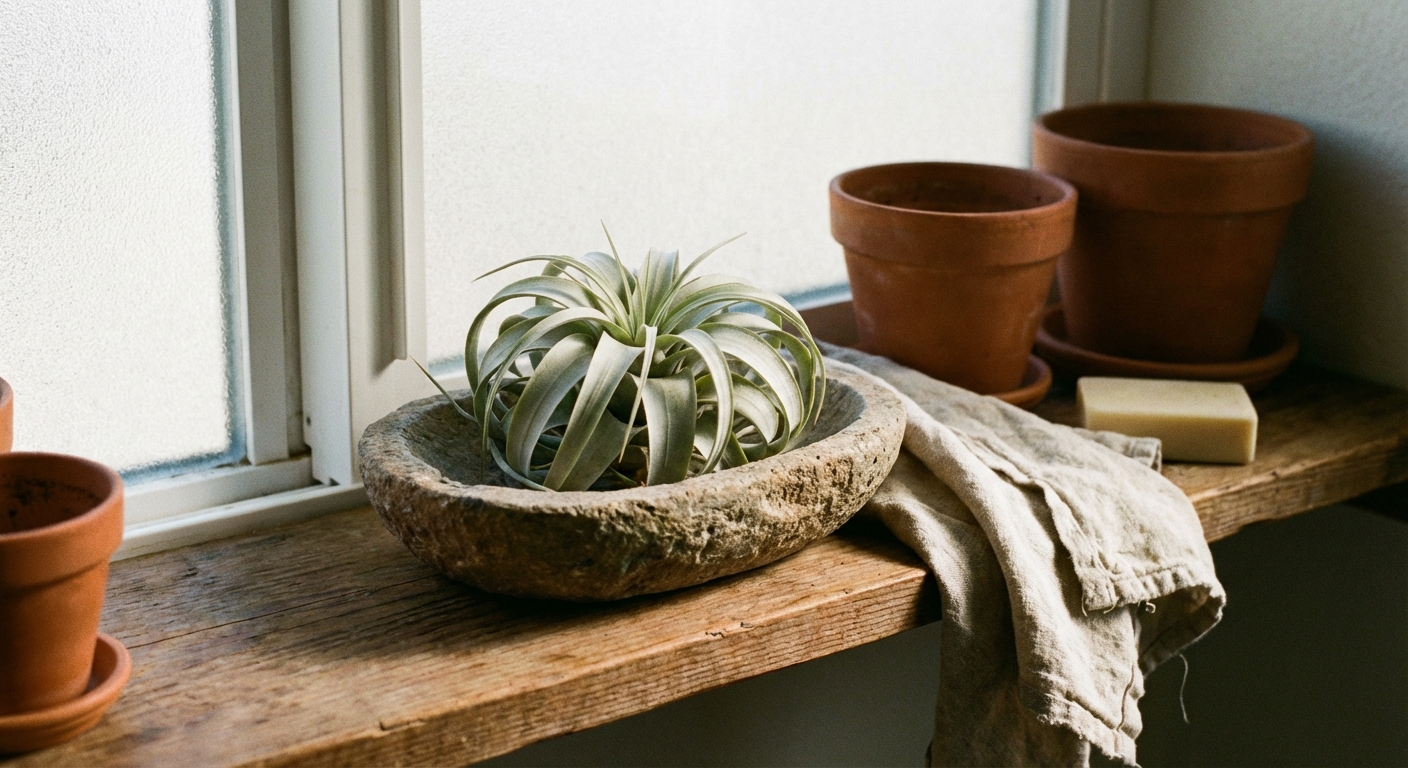
- Light: Bright, indirect light. Some tolerate medium light if humidity is high.
- Water: A common starting point is a 20 to 30 minute soak about once a week, but it’s species-dependent (some silver, droughty types want less). Whatever routine you choose, aim for the plant to dry fully within about 4 hours.
- Bathroom placement: On an open shelf, in a dish, or in a hanging holder where it can dry quickly after watering.
- Critical tip: Don’t leave water sitting in the plant’s base, and skip closed terrariums in bathrooms. That’s the fastest route to rot.
Care that works
Humidity is a gift, but it changes the usual houseplant rules a bit. Here’s how to keep your tropical oasis from turning into a fungus festival.
Pots and saucers
- Always use drainage holes. Bathrooms slow evaporation, so drainage matters more, not less.
- Use a saucer to protect counters and shelves, but don’t let pots sit in standing water.
- Choose materials on purpose: Plastic or glazed ceramic holds moisture longer. Terra cotta breathes and dries faster, which can be great for some plants and too drying for thirstier ferns.
Water for slower dry-down
Bathrooms can keep soil moist longer than living rooms. That means you may water less often than you’re used to.
- Check soil with a finger, chopstick, or moisture meter before watering.
- If the top layer feels damp, wait. Most “mysterious” bathroom plant deaths are overwatering in disguise.
Is it bright enough?
- Quick reality check: If you can comfortably read in there during the day without turning on a light, you’ve usually got workable plant light near the window.
- Want to be extra sure? A free lux meter app can help you compare spots. Light drops fast as you move away from the window.
Light is the limiter
Humidity helps leaves. Light fuels growth. If your bathroom has very low light, choose pothos, heartleaf philodendron, bird’s nest fern, or peace lily. If there’s no window, add a small grow light on a timer (10 to 12 hours) and suddenly you’ve got options.
Prevent mildew and gnats
- Run the fan for 10 to 20 minutes after showers if your bathroom stays damp for hours.
- Keep leaves dry when possible and avoid misting as a routine. Humidity is already handled.
- For fungus gnats: Let soil dry more between waterings, use sticky traps, and consider BTI (Mosquito Bits or dunks) for a more reliable knockdown. A sand top-dress can help in some setups, but it’s not a magic fix.
Bathroom product safety
- Avoid the spray zone: Keep plants away from cleaning aerosols, hairspray, and heavy fragrance sprays. Those residues can spot leaves.
- Leaf rinse: If your plant lives near products, rinse leaves in the sink or wipe them down occasionally so it can actually breathe and photosynthesize.
Placement ideas
Your bathroom doesn’t need to be big to feel lush. You just need height, texture, and one trailing plant that knows how to flirt with gravity.
- Hang one trailer: pothos or heartleaf philodendron from a rust-proof hook near the window.
- Add one “fluffy” texture: Boston fern on a stool or lidded hamper near the shower.
- Choose one statement bloom: a Phalaenopsis orchid on the windowsill or vanity.
- Use shelves for small accents: air plants in simple dishes where they can dry quickly.
- Protect surfaces: Use waterproof trays under pots, and avoid letting wet pots sit directly on wood shelves in constantly damp corners.
Quick troubleshooting
- Yellow leaves: usually too much water or not enough light. Also check if it’s only the oldest leaves, because some yellowing is normal aging. Confirm drainage and move closer to the window if possible.
- Brown, crispy tips: often underwatering, salt buildup, or a bathroom that isn’t as humid as you think between showers. Try flushing the pot with water once a month and adjust watering.
- Soft, mushy stems or black spots: too wet and not enough airflow. Let soil dry more between waterings and run the fan after showers.
- No growth: low light. Humidity can’t replace sunlight. A small grow light can be a game changer.
My favorite beginner combo
If you want a simple, nearly foolproof bathroom trio, start here:
- Golden pothos for trailing drama
- Bird’s nest fern for lush texture
- Phalaenopsis orchid for that spa-level elegance
Give them drainage, a bit of window light, and permission to be imperfect. Plants are living things, not home decor props. When you treat your bathroom like a tiny ecosystem, it starts to feel like one too.