
15 Pet-Safe Houseplants for Cats and Dogs

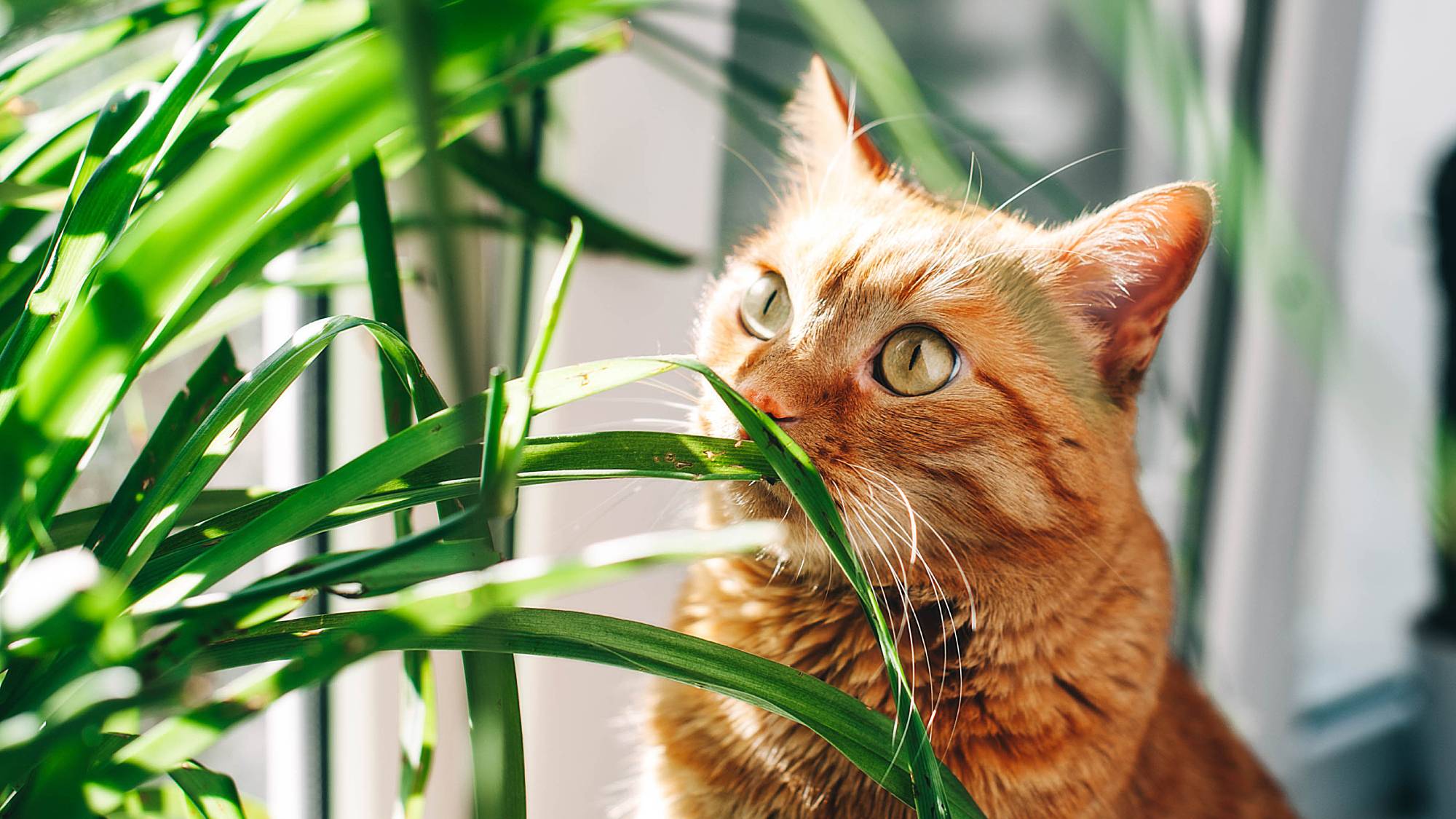
If you have ever tried to enjoy a peaceful moment with your plants while your cat plots a dramatic leap into the nearest pot, welcome. You are in the right place.
Here at Leafy Zen, I am all for filling your home with living green. But if you share your space with curious cats or snacky pups, you deserve houseplants that are not just “probably fine,” but non-toxic.
This guide covers 15 pet-safe houseplants that are widely recognized as non-toxic to cats and dogs (always verify with a trusted toxicity database and your vet if your pet has special sensitivities). I will also share the practical, real-life tips that keep both your plants and your furry roommates thriving.
Before you plant shop
When I say “pet-safe,” I mean the plant is considered non-toxic to cats and dogs. That said, even non-toxic plants can still cause mild tummy upset if a pet eats a lot of leaves or digs up a mouthful of potting mix. Non-toxic does not mean edible.
Also, keep in mind: fertilizers, pest sprays, and even certain mulches can be the real troublemakers. A pet-safe plant can become not-so-safe if it is treated with something harsh.
Quick safety checklist
- Confirm the exact species and cultivar name. Common names can be misleading.
- Skip systemic pesticides and avoid leaf shine products.
- Use pet-conscious soil choices and keep compost, blood meal, and bone meal locked away.
- Avoid cocoa mulch (toxic to dogs). Indoors, it is best to skip scented or food-based toppers entirely.
- Watch new plants for a week to see how your pet reacts around them.
Trusted resources
- ASPCA Animal Poison Control (plant toxicity database and hotline)
- Pet Poison Helpline
The 15 best non-toxic houseplants
I chose these plants because they are widely grown indoors, generally easy to find, and genuinely lovely to live with. I also picked a mix of textures and light needs so you can build a whole indoor jungle without worry.
One more gentle reminder before we dive in: even “non-toxic” plants can still cause mild GI upset if your pet eats a lot of them. If your household includes a determined chewer, placement matters.
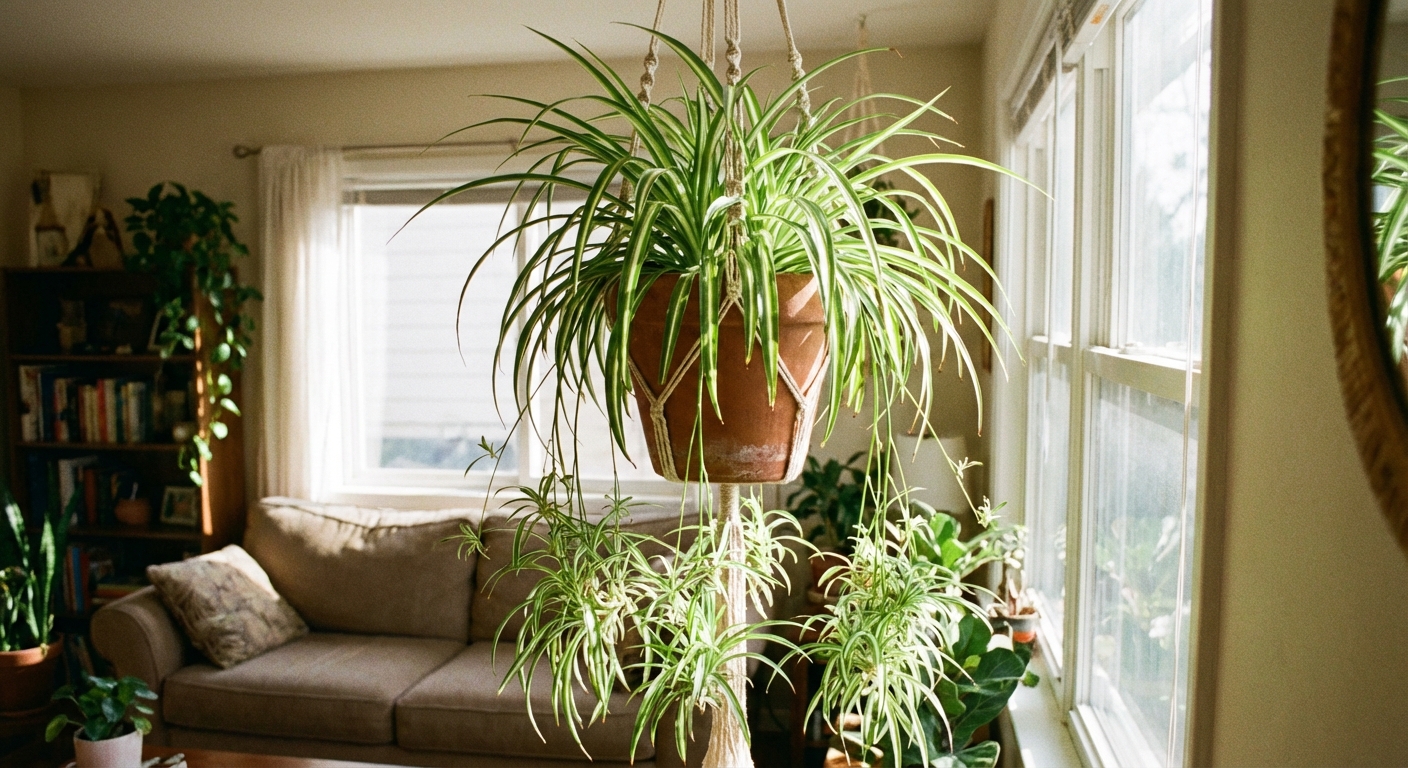
1) Spider Plant (Chlorophytum comosum)
Spider plants are basically the “golden retriever” of houseplants. Cheerful, forgiving, and always trying their best. The arching leaves look great in hanging baskets, and the little “pups” are easy to propagate.
- Light: Bright indirect light is ideal, but it tolerates medium light.
- Water: When the top 1 to 2 inches of soil are dry.
- Pet note: Non-toxic, but some cats like to chew the strappy leaves. Hang it up if your cat is a salad enthusiast.
2) Boston Fern (Nephrolepis exaltata)
I talk to my ferns, and I do not apologize for it. Boston fern fronds give you that lush, old-library vibe, especially in bathrooms or kitchens with a bit of humidity.
- Light: Bright to medium indirect light.
- Water: Keep evenly moist, not soggy. Ferns hate drying out completely.
- Care tip: Set the pot on a pebble tray with water for gentle humidity.
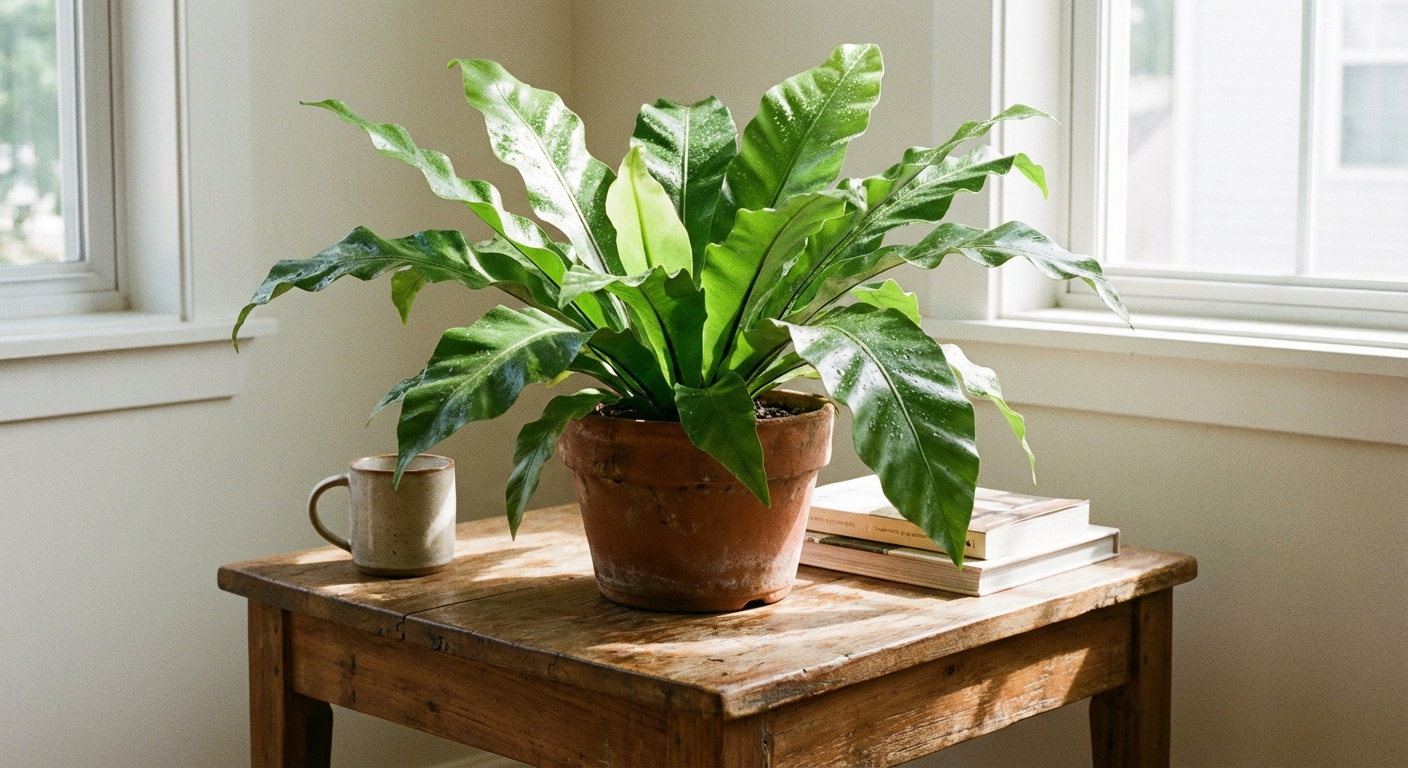
3) Bird’s Nest Fern (Asplenium nidus)
With glossy, rippling fronds that unfurl from a central “nest,” this fern looks sculptural without being fussy. It is a sweet pick if you love greenery but want a tidier shape than a Boston fern.
- Light: Medium to bright indirect light.
- Water: Water the soil, not the center crown. Keep lightly moist.
- Pet note: A wonderful fern option for pet homes.
4) Ponytail Palm (Beaucarnea recurvata)
Despite the name, it is not a true palm. It stores water in its bulbous base, which makes it delightfully drought-tolerant for busy weeks.
- Light: Bright light, including some gentle sun.
- Water: Let soil dry most of the way, then water thoroughly.
- Care tip: Great on the floor in a bright room, away from wagging tails.
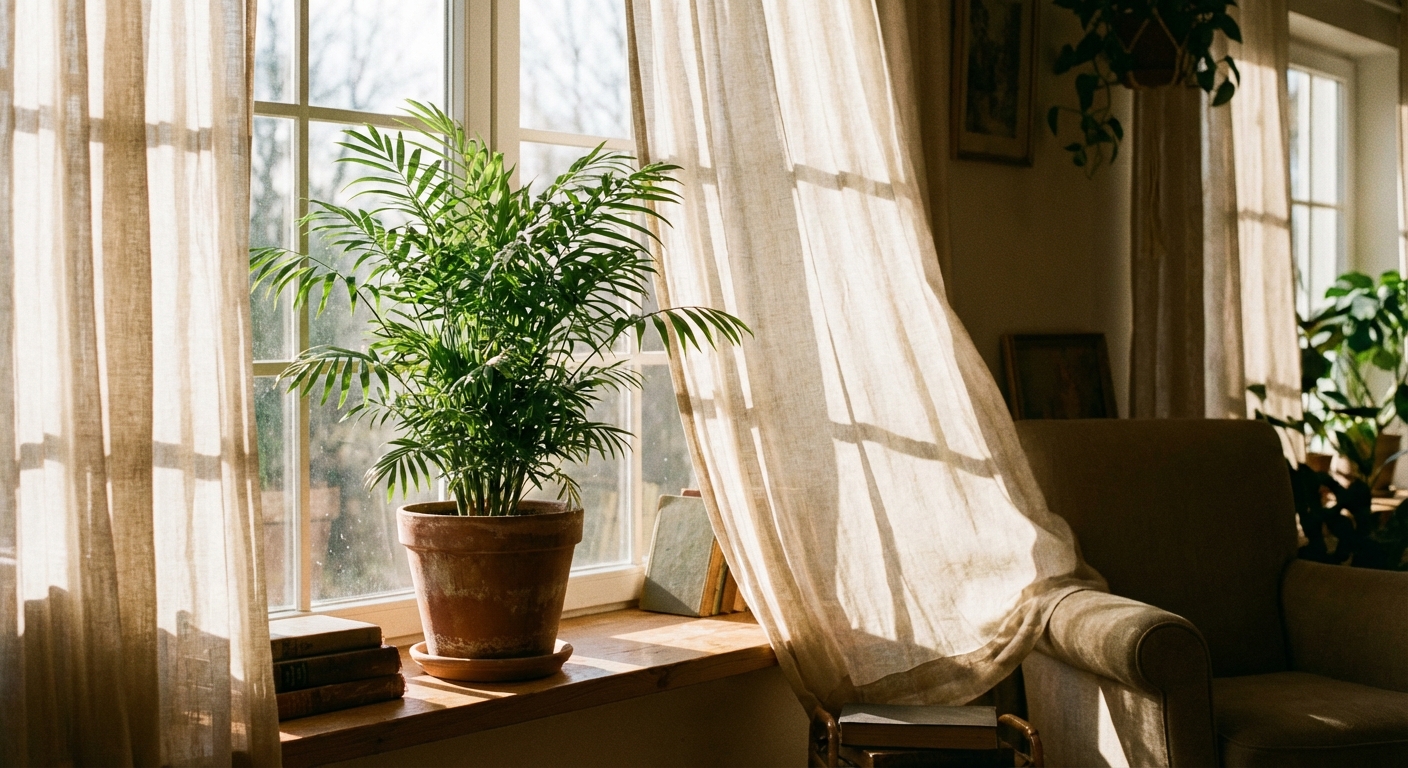
5) Parlor Palm (Chamaedorea elegans)
If you want that classic indoor palm look without worrying about pets, Parlor Palm is a graceful, slow-growing favorite. It also tolerates lower light better than many “tropical” looking plants.
- Light: Low to bright indirect light.
- Water: When the top couple inches are dry.
- Care tip: Rotate the pot monthly so it grows evenly.
6) Areca Palm (Dypsis lutescens)
Areca Palm brings instant vacation energy. It has feathery fronds and a fuller silhouette than Parlor Palm, making it a lovely statement plant.
- Light: Bright indirect light.
- Water: Water when the top 2 inches are dry. Do not let it sit in water.
- Care tip: Use a pot with drainage holes and empty the saucer after watering.
- Troubleshooting: Crispy tips usually mean low humidity or inconsistent watering.
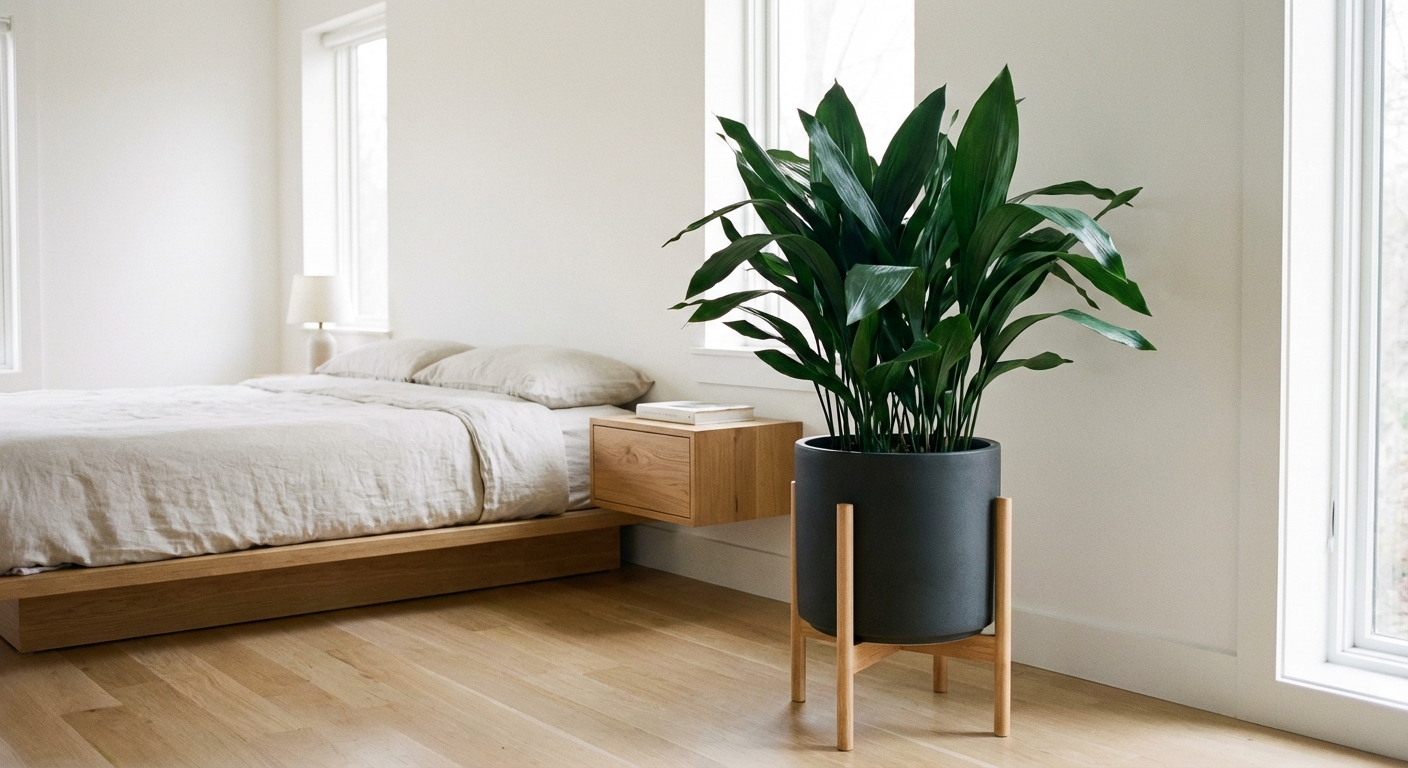
7) Cast Iron Plant (Aspidistra elatior)
This plant earned its name. It tolerates low light, missed waterings, and general household chaos with a calm, stoic energy I deeply respect.
- Light: Low to medium indirect light.
- Water: Let the top half of the pot dry, then water.
- Care tip: Perfect for hallways, bedrooms, and low-light corners.
8) Prayer Plant (Maranta leuconeura)
Maranta leaves look hand-painted, and they often fold up a bit at night like they are in prayer. It is one of those plants that makes you slow down and notice the day.
- Light: Medium indirect light. Avoid harsh sun.
- Water: Keep soil lightly moist. Use filtered water if your tap is very hard.
- Troubleshooting: If the leaf edges brown, increase humidity and check watering consistency.
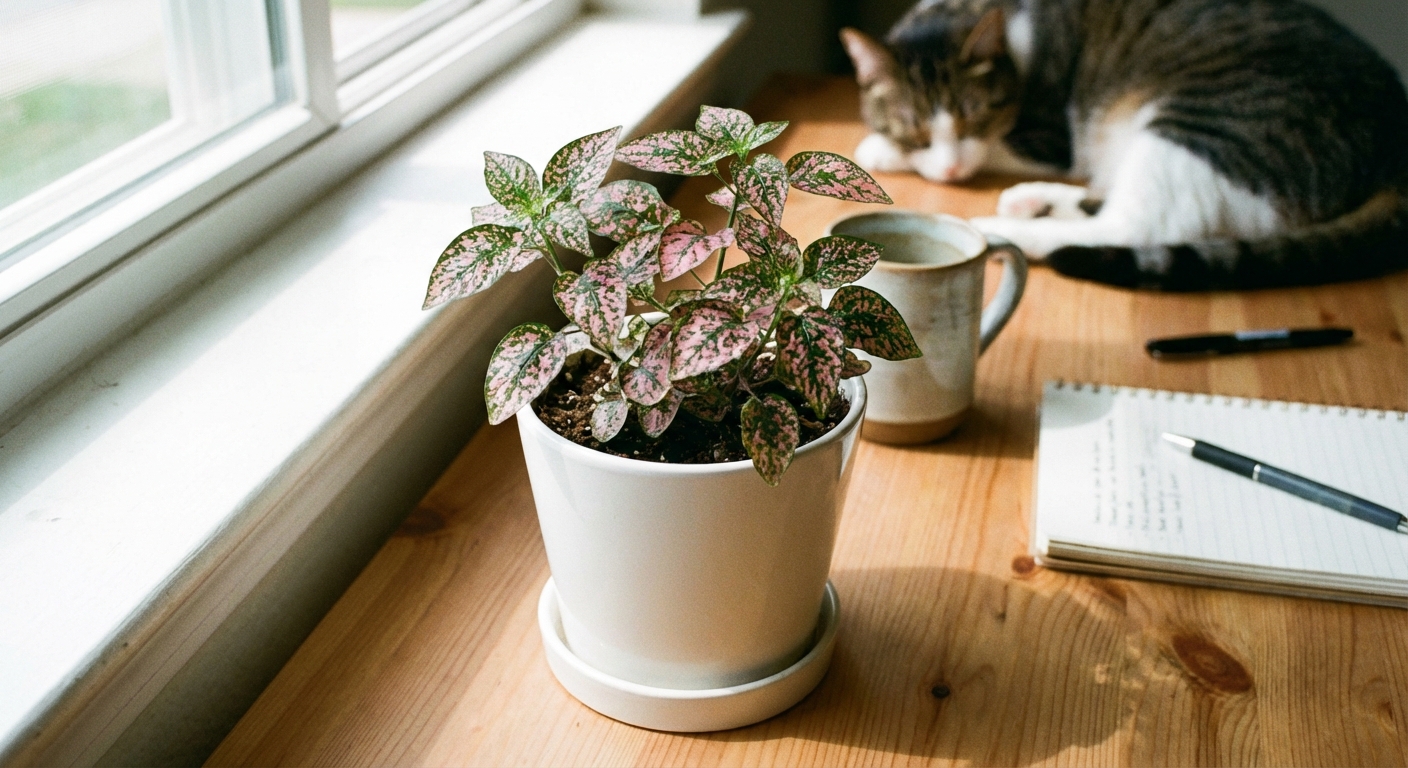
9) Polka Dot Plant (Hypoestes phyllostachya)
Pink-speckled leaves are pure joy in plant form. Polka Dot Plant stays fairly compact, so it is perfect for shelves and desktops.
- Light: Bright indirect light to keep the colors vibrant.
- Water: When the top inch dries. It wilts dramatically when thirsty, then bounces back.
- Care tip: Pinch the tips to encourage bushiness.
10) Peperomia (Peperomia obtusifolia and other Peperomia spp.)
Peperomias come in so many textures, from baby rubber plant to ripple-leaf types. Most stay small and tidy, and their thicker leaves mean they are not as thirsty as many tropicals.
- Light: Medium to bright indirect light.
- Water: Let the top half of the soil dry, then water.
- Pet note: A top pick for homes with nibblers.
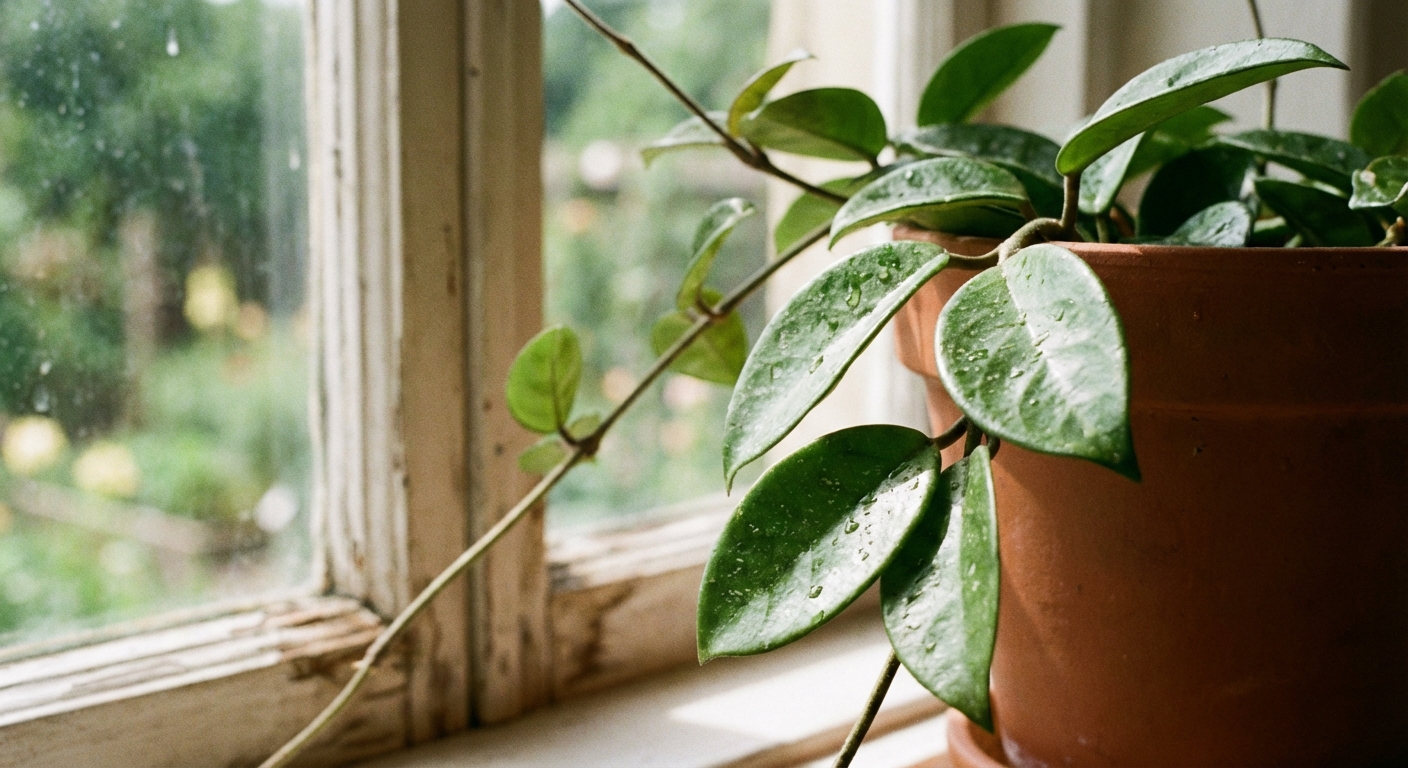
11) Hoya (Hoya carnosa and other Hoya spp.)
Hoyas are slow, steady, and surprisingly tough. Give them bright light and a little patience, and they may reward you with fragrant, star-shaped blooms.
- Light: Bright indirect light. Some gentle sun is fine.
- Water: Let soil dry out well between waterings.
- Care tip: Let it trail or train it up a small trellis.
12) Pilea (Pilea peperomioides)
Also called the Chinese Money Plant, Pilea has round, coin-like leaves on long petioles. It is modern, playful, and easy to share because it produces little pups.
- Light: Bright indirect light.
- Water: When the top 1 to 2 inches are dry.
- Care tip: If it leans, rotate weekly. It will chase the light like a friendly little sunflower.
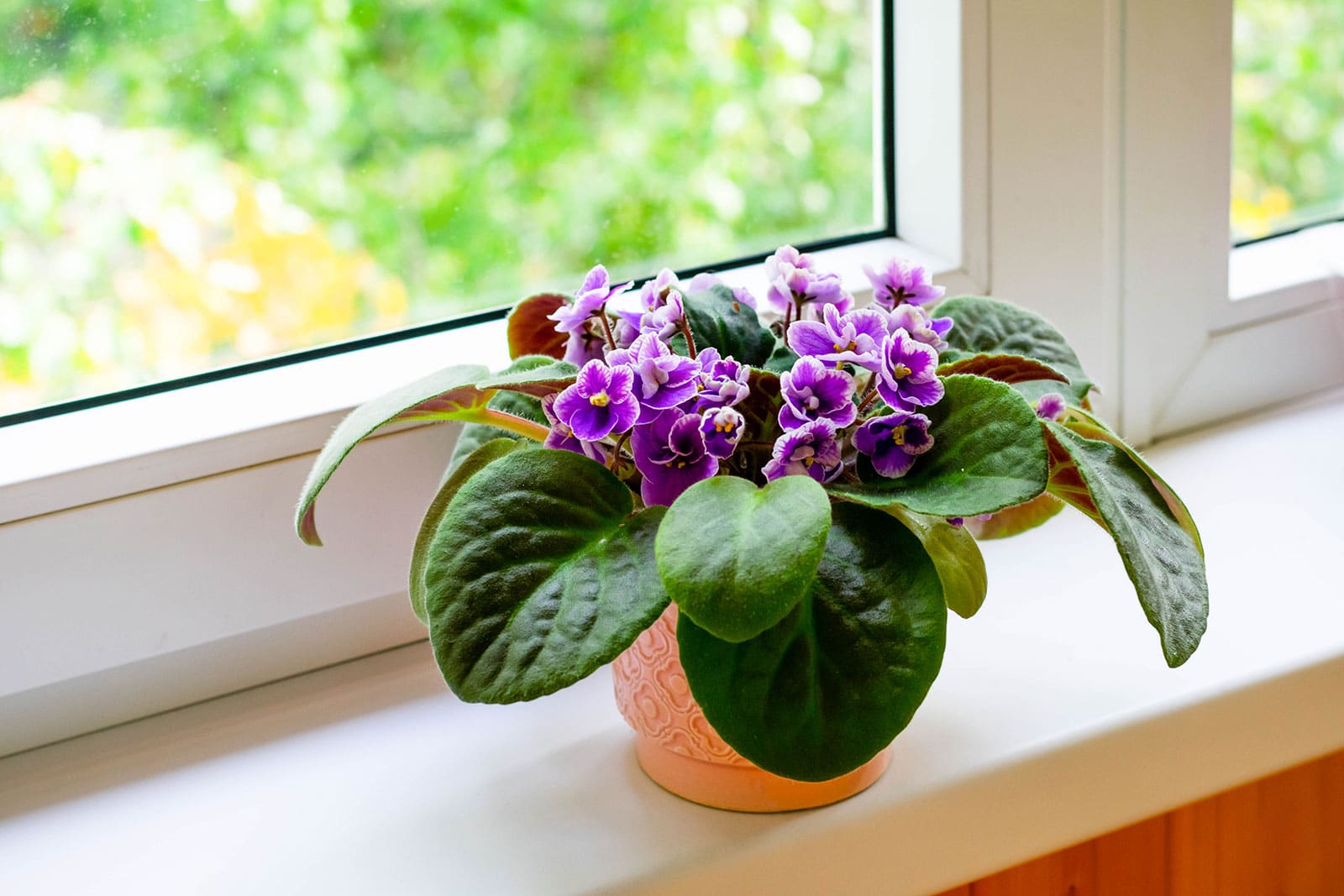
13) African Violet (Saintpaulia, now Streptocarpus sect. Saintpaulia)
A blooming houseplant that is pet-safe feels like a minor miracle. African Violets are classic for a reason, with velvety leaves and flowers in purple, pink, or white.
- Light: Bright indirect light, especially near an east window.
- Water: Bottom water to keep fuzzy leaves dry, or water carefully at soil level.
- Care tip: Use an airy African Violet mix for reliable blooms.
14) Phalaenopsis Orchid (Moth Orchid)
Orchids can feel intimidating, but Phalaenopsis (the classic Moth Orchid) is wonderfully manageable once you learn its rhythm. Just a note: “orchid” is a big family, so if a plant tag only says “orchid,” confirm it really is a Phalaenopsis before you assume it is pet-safe.
- Light: Bright indirect light.
- Water: Water thoroughly, then let the bark mix dry slightly. No ice cubes needed.
- Care tip: Clear pots help you see root health. Green roots are happy roots.
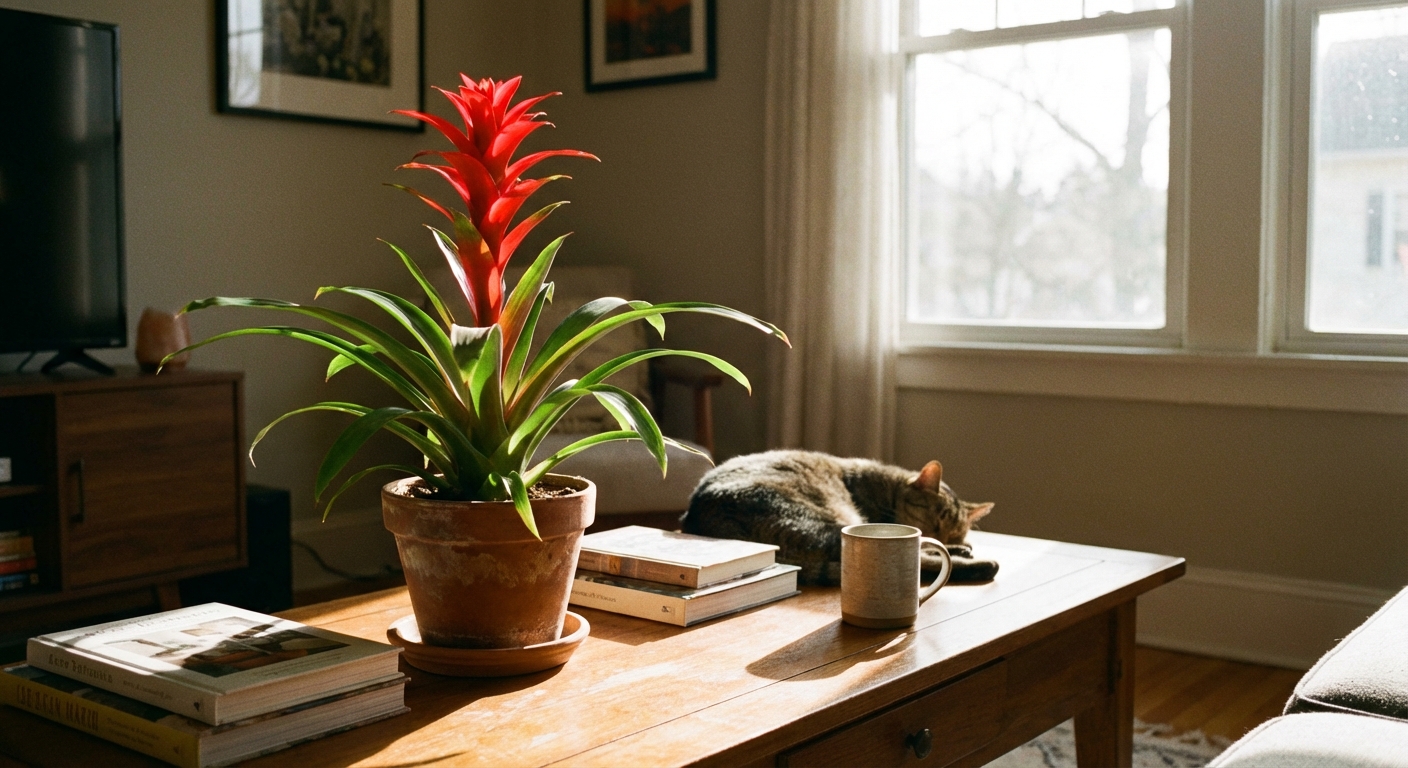
15) Bromeliad (Guzmania, Neoregelia, and more)
Bromeliads are living fireworks. Many form a central “cup” that holds water, and their colorful bracts bring serious personality to a room.
Pet note: “Bromeliad” is a broad category. Many common houseplant bromeliads (like Guzmania and Neoregelia) are widely listed as non-toxic, but always verify the exact genus and species on the label before bringing one home.
- Light: Bright indirect light.
- Water: Keep a little water in the central cup and refresh it weekly. Water the soil lightly.
- Care tip: After bloom, the mother plant slowly fades, but it produces pups you can pot up.
Keep pets and plants safe
Even with non-toxic plants, I like to garden with two truths in mind: pets are basically toddlers with fur, and potting soil is weirdly exciting.
Placement that works
- Use height strategically: Hanging planters, wall shelves, and tall plant stands keep nibbling to a minimum.
- Create a “pet zone” and a “plant zone”: A sunny window bench can be for plants, while a cat tree claims the opposite corner.
- Choose heavier pots: Wide, sturdy planters are harder to tip than lightweight nursery pots.
- Big plant reality check: In dog households, floor plants (like Areca Palm and Ponytail Palm) may need a heavier cachepot and a little buffer space so they do not get bumped or sampled.
Make the pot less interesting
- Top dress the soil: A layer of large, smooth river stones can discourage digging.
- Try a moss topper carefully: Some pets like to pull it. Stones are usually better.
- Keep fallen leaves picked up: Floor snacks are irresistible.
Offer a “yes” plant for chewers
If your cat is determined to munch greenery, give them their own options so your houseplants are less tempting.
- Cat grass (often wheat, oat, or barley grass) in an easy-to-reach spot.
- Rotate sacrificial greenery: Spider Plant pups can be a good distraction in some households.
Pet-safe care methods
I am a soil-health person to my core, but indoor plants with pets call for extra caution. When in doubt, choose gentle methods and keep products locked away.
Fertilizing without worry
- Use mild, diluted fertilizers and wipe any spills immediately.
- Avoid strong-smelling meals like fish emulsion indoors if your dog thinks it is dinner.
- Store amendments securely: A sealed bin in a cabinet is best.
Pet-aware pest control
Start with the gentlest steps first.
- Rinse the plant in the sink or shower to knock pests back.
- Wipe leaves with a damp cloth, especially for spider mites.
- Spot-treat with insecticidal soap if needed. Follow label directions, use good ventilation, and keep pets away until leaves are fully dry. If the label allows, rinse leaves after the stated contact time.
If your pet eats a plant
Take a breath. Even with non-toxic plants, it is smart to be cautious.
- Remove plant material from your pet’s mouth if it is safe to do so.
- Identify the plant (a quick photo helps, including the plant tag if you have it).
- Call your vet if you notice vomiting, drooling, lethargy, or if your pet ate a large amount.
- Review what else might be involved: fertilizer pellets, pesticide residue, or moldy soil are often bigger issues than the leaves.
And if you are ever uncertain about a plant not listed here, do not guess. Verify the exact species before it comes home with you.
Common plants to avoid
Since plant labels can be vague and lookalikes are real, here are a few very common houseplants that are not pet-safe (especially for cats):
- True Lilies (Lilium and Hemerocallis): Extremely dangerous to cats.
- Sago Palm (Cycas revoluta): Highly toxic to cats and dogs.
- Pothos and Philodendron: Popular, beautiful, and irritating or toxic when chewed.
If you love the look of something on this list, I promise there is a pet-safe alternative we can find that gives you a similar vibe.
Build your pet-safe lineup
If you want a simple way to start, here are a few mix-and-match combos I love:
- Low light corner: Cast Iron Plant + Parlor Palm
- Bright windowsill: Pilea + Peperomia + African Violet
- Bathroom spa vibe: Boston Fern + Bird’s Nest Fern
- Statement plant moment: Areca Palm or Ponytail Palm
Your home can be green, calm, and safe all at once. And if you catch yourself whispering encouragement to a fern, trust me. That is just part of becoming a plant person.