
12 Perennials for Summer-Long Color

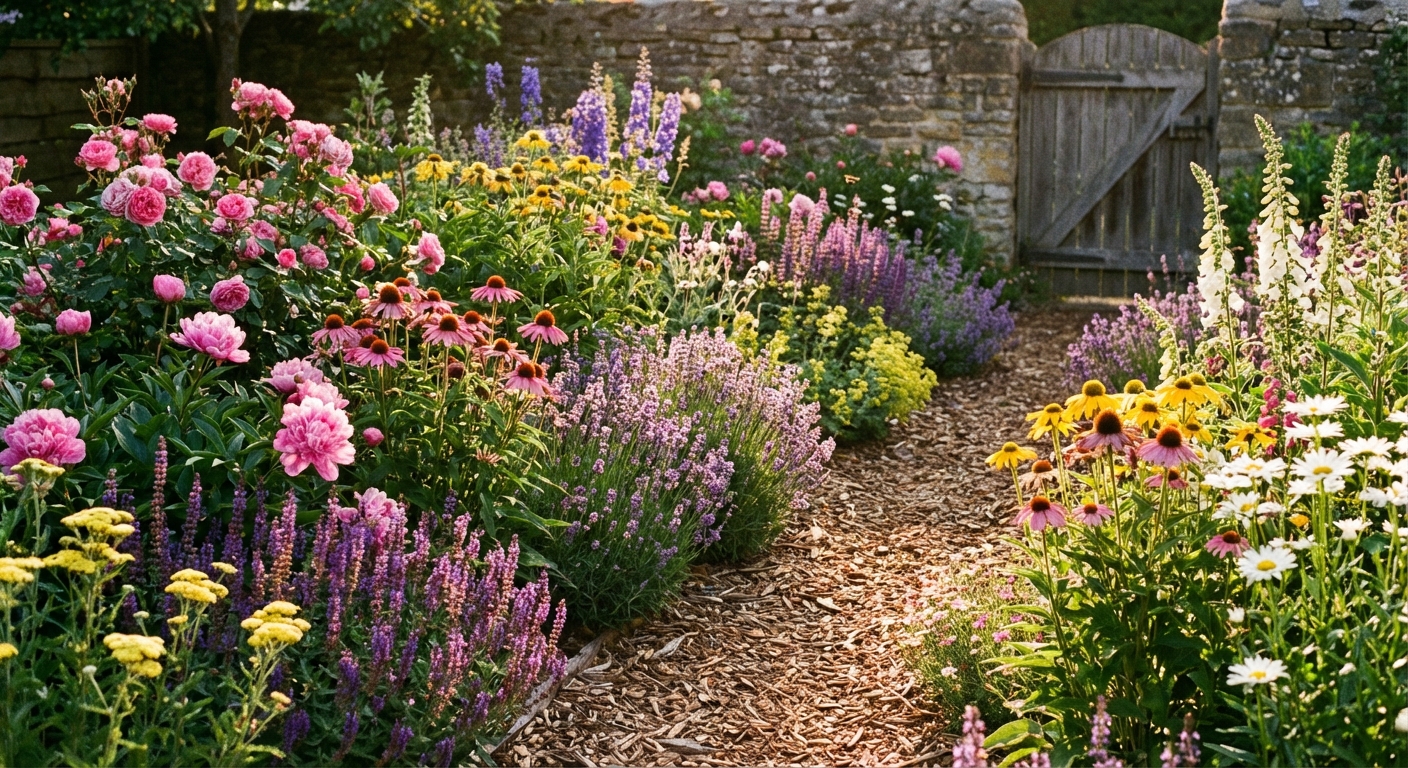
Some summers are generous with rain and mild afternoons. Others feel like the sun is personally offended by your flower beds. The good news is you can plant for both.
This list focuses on reliable perennials that give you summer-long color, usually from early or mid-summer into fall. Some bloom nearly nonstop. Others bloom in strong flushes and then repeat if you do quick, easy maintenance like deadheading or a midseason trim. If you are newer to gardening, these are the kind of plants that forgive you for going on vacation or forgetting to fertilize.
Quick note: Bloom timing varies by climate, heat, humidity, and day length. Think of these as dependable “long bloomers” for temperate gardens, then use the tips below to stretch the season where you live.
How to get summer-long blooms
- Give them enough sun. Most long-blooming perennials want 6 or more hours of direct sun.
- Deadhead for repeats. Snipping spent blooms can trigger fresh flowers on many plants here.
- Water deeply, less often. A slow soak encourages deep roots and tougher plants.
- Top-dress, then mulch. Compost is great, but it breaks down fast. Use 1 to 2 inches as a top-dress, then add 2 to 3 inches of shredded leaves or bark mulch on top (keep it off the crowns).
- Do not overfeed. Too much nitrogen makes lush leaves and fewer flowers, especially for drought-tolerant types like lavender.
- Give plants room to breathe. A little extra spacing helps prevent mildew and leaf spot, especially for phlox, coneflower, and rudbeckia.
Reality check: “Blooms all summer” can mean constant flowers, or a big flush followed by repeat waves. You will see both styles below, and each plant includes a quick bloom style note so you know what to expect.
12 perennials for summer-long color
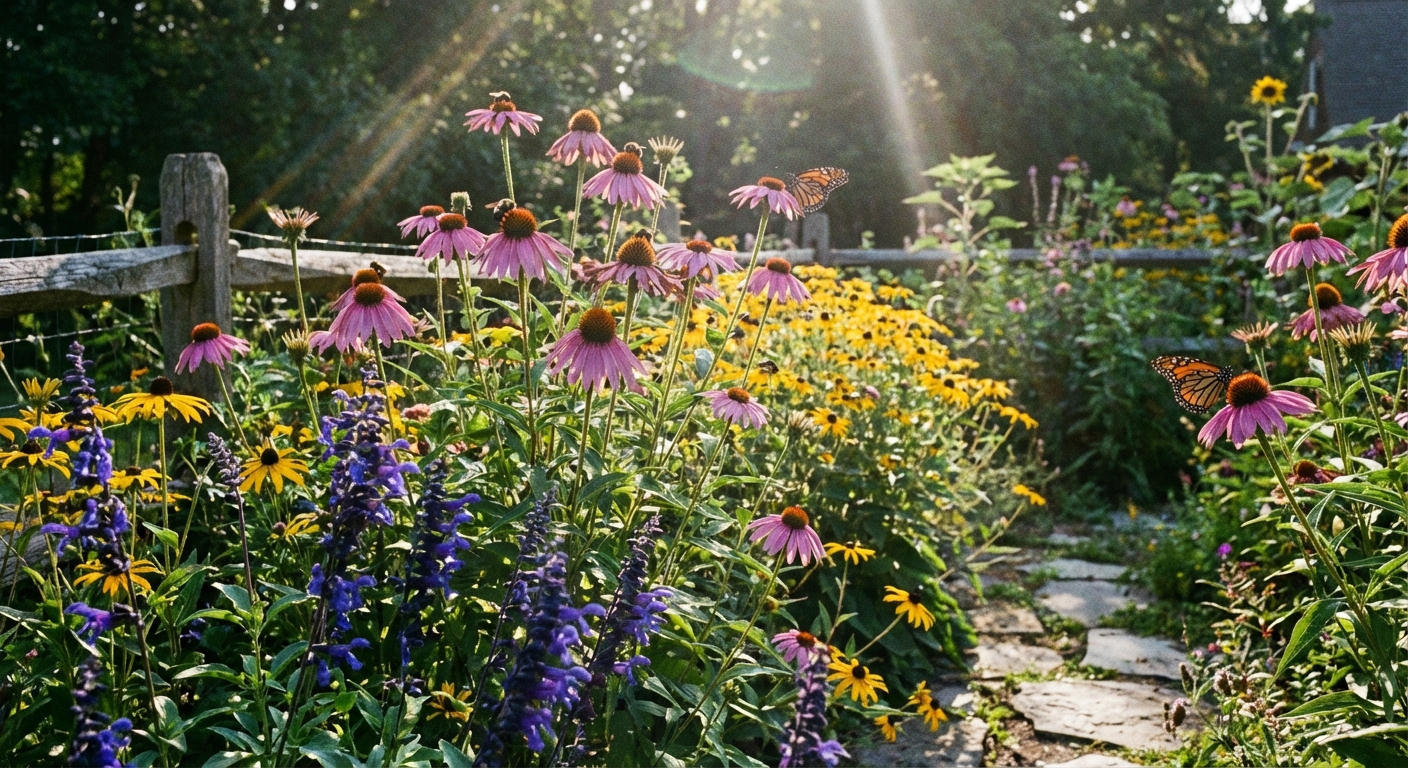
1) Purple coneflower (Echinacea purpurea)
Coneflower is the friend who shows up on time, brings snacks, and stays to help you clean up. It blooms for a long stretch, feeds pollinators, and handles heat once established.
- Bloom style: Long season with repeat blooms (best in waves)
- Hardiness zones: 3 to 8
- Sun: Full sun to part sun (best bloom in full sun)
- Soil: Average, well-draining; tolerant of clay once established
- Mature size: 2 to 4 ft tall, 1.5 to 2 ft wide
- Bloom period: Summer into fall (often peaks mid-summer; extends with deadheading)
- Maintenance tips: Deadhead to keep flowers coming, or leave some seed heads for goldfinches. Water the first season, then it is fairly drought-tough. Watch for aster yellows (rare but serious): remove and discard affected plants if you see deformed, greenish flowers.
2) Black-eyed Susan (Rudbeckia)
If you want a sunny, golden “always happy” flower, this is it. Rudbeckia blooms hard, looks great in big drifts, and is wonderfully beginner-proof.
- Bloom style: Heavy flush with repeats (deadhead for longer bloom)
- Hardiness zones: 3 to 9 (varies by species and cultivar)
- Sun: Full sun (tolerates light shade)
- Soil: Average to moderately fertile, well-draining
- Mature size: 1.5 to 3 ft tall, 1 to 2 ft wide
- Bloom period: Mid to late summer into early fall (longer with deadheading)
- Maintenance tips: Deadhead for more blooms. Stake taller varieties in windy spots. Thin or divide if clumps get thick. Keep foliage drier when watering to reduce leaf spot.
3) Daylily (Hemerocallis)
Daylilies get teased because each flower lasts a day, but a healthy clump makes so many buds that the show keeps rolling. For low-maintenance color, they are hard to beat.
- Bloom style: Main season bloom, plus repeats if you choose rebloomers
- Hardiness zones: 3 to 9
- Sun: Full sun to part sun
- Soil: Adaptable; best in compost-enriched, well-draining soil
- Mature size: 1 to 4 ft tall, 1.5 to 3 ft wide (depends on cultivar)
- Bloom period: Early to late summer (depends heavily on cultivar)
- Maintenance tips: If you want extended bloom, shop for reblooming cultivars like ‘Stella de Oro’. Remove spent flower stalks after bloom to tidy. Divide every 3 to 5 years if flowering slows. In some regions, watch for daylily rust and remove affected leaves.
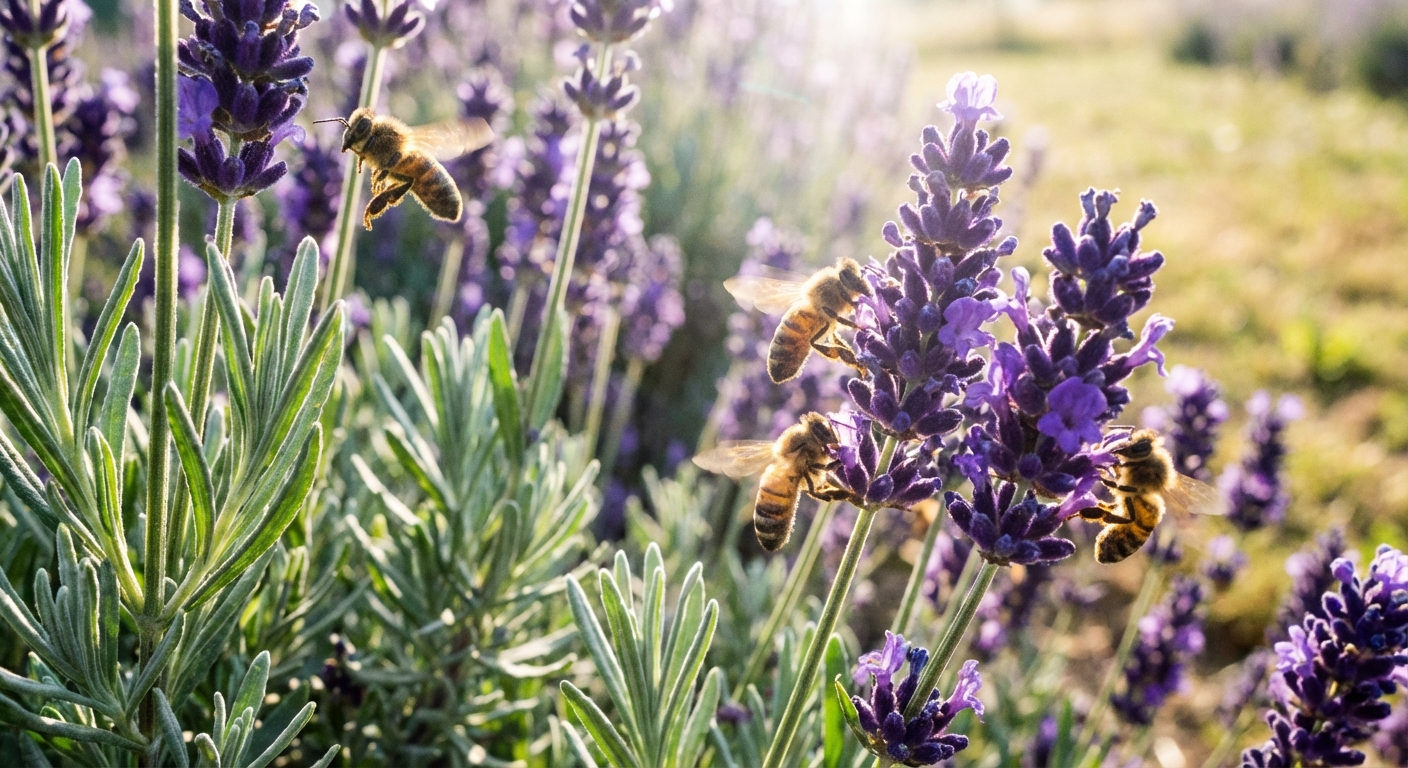
4) Lavender (Lavandula)
Lavender is not just a plant, it is a mood. Warm sun on silvery leaves, that unmistakable scent when you brush past, and bees humming like a tiny engine.
- Bloom style: Strong flush, sometimes a light repeat (very climate- and cultivar-dependent)
- Hardiness zones: 5 to 9 (varies by type; English lavender is often the hardiest, but wet winters are the real challenge)
- Sun: Full sun
- Soil: Lean, very well-draining; sandy or gravelly is ideal
- Mature size: 1 to 3 ft tall, 1 to 3 ft wide
- Bloom period: Late spring to summer (may rebloom lightly if trimmed after the first flush)
- Maintenance tips: Do not overwater. Avoid heavy mulch piled against the crown. Lightly prune after flowering, but do not cut into old woody stems. If your soil is wet, grow it on a slope or in a raised bed.
5) Salvia (Salvia nemorosa and related hardy salvias)
Salvia is my go-to when someone tells me they “kill everything.” It blooms, gets covered in pollinators, and if you give it one midseason haircut, it usually throws a second big wave.
- Bloom style: Big flush plus a strong repeat after shearing
- Hardiness zones: 3 to 9 (varies by species)
- Sun: Full sun (part sun is okay, fewer flowers)
- Soil: Well-draining; average fertility
- Mature size: 1 to 3 ft tall, 1 to 2 ft wide
- Bloom period: Late spring through summer, with repeat bloom into fall if cut back
- Maintenance tips: After the first flush, shear back by about one-third to encourage rebloom. Water the first season, then it becomes fairly drought-tolerant.
6) Coreopsis (Coreopsis verticillata and others)
Coreopsis is one of those plants that looks like sunshine got stuck in flower form. Many varieties bloom for ages, especially if you keep it from going to seed too early.
- Bloom style: Long season (often close to continuous with deadheading)
- Hardiness zones: 3 to 9 (varies)
- Sun: Full sun
- Soil: Well-draining; handles poorer soils better than rich, soggy ones
- Mature size: 1 to 2.5 ft tall, 1 to 2 ft wide
- Bloom period: Early summer through fall (long bloomers)
- Maintenance tips: Deadhead regularly, or shear lightly after a big flush. Avoid heavy fertilizer. Divide every few years if the center thins.
7) Catmint (Nepeta)
Catmint is the gentle, billowy purple-blue cloud that makes everything around it look more expensive. It is also wonderfully forgiving and long-blooming.
- Bloom style: Big flush plus repeat (shear for a second act)
- Hardiness zones: 3 to 8
- Sun: Full sun to part sun
- Soil: Well-draining; average to lean
- Mature size: 1 to 3 ft tall, 1.5 to 3 ft wide
- Bloom period: Late spring through summer, with repeats into fall if sheared
- Maintenance tips: Shear back after the first big bloom to keep it tidy and trigger a repeat. It is drought-tolerant once established. If it flops, it usually means too much shade or too-rich soil. Some types can self-seed lightly.
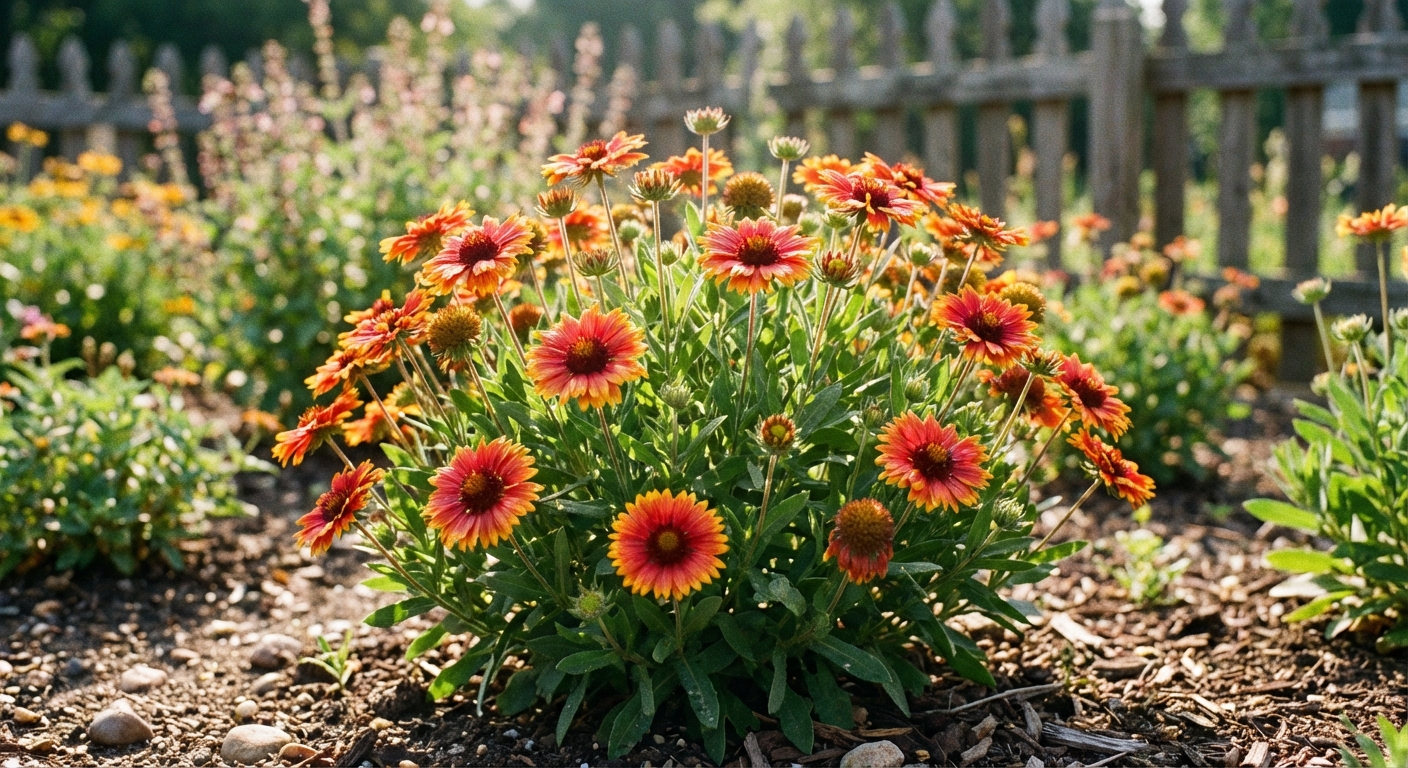
8) Blanket flower (Gaillardia)
Gaillardia brings warm, sunset tones and keeps blooming even when summer turns cranky and dry. It is a superstar in sandy soil.
- Bloom style: Near-continuous in season with deadheading
- Hardiness zones: 3 to 9 (best with sharp drainage; can be short-lived in wet winters)
- Sun: Full sun
- Soil: Well-draining; lean soil is fine
- Mature size: 1 to 2.5 ft tall, 1 to 2 ft wide
- Bloom period: Early summer through fall (longest with deadheading)
- Maintenance tips: Deadhead to keep flowers coming. Avoid heavy fertilizer. In wet winter areas, improve drainage or grow in raised beds to prevent crown rot.
9) Garden phlox (Phlox paniculata)
For fragrant, old-fashioned summer color, tall garden phlox is a classic. It shines in cottage gardens and mixed borders, and the scent in the evening is genuinely lovely.
- Bloom style: Big midsummer show, then extended with deadheading
- Hardiness zones: 4 to 8 (some cultivars are hardy to 3)
- Sun: Full sun to part sun
- Soil: Moist, well-draining, compost-rich soil
- Mature size: 2 to 4 ft tall, 1.5 to 3 ft wide
- Bloom period: Midsummer through early fall
- Maintenance tips: Choose mildew-resistant varieties when possible. Water at the base rather than overhead. Thin stems a bit in spring for airflow. Deadhead to extend bloom and keep it tidy.
10) Hardy geranium (cranesbill) (Geranium)
Hardy geraniums are the quiet workhorses of the perennial world. They weave through beds, fill gaps, and bloom for a long time with very little fuss.
- Bloom style: Depends on the plant (some are short; a few are famously long)
- Hardiness zones: 4 to 9 (varies by species)
- Sun: Full sun to part shade (many prefer afternoon shade in hot climates)
- Soil: Well-draining; average fertility
- Mature size: 10 to 24 in tall, 1.5 to 3 ft wide
- Bloom period: Late spring through summer (often reblooms if cut back)
- Maintenance tips: If you want the longest bloom window, look for Geranium ‘Rozanne’ (and similar long-blooming types). Shear back after the first flush to refresh foliage and encourage more blooms. Divide every few years to keep clumps vigorous.
11) Yarrow (Achillea)
Yarrow is tough, drought-tolerant, and pollinator-friendly. The flat-topped blooms are also wonderful for cutting, fresh or dried.
- Bloom style: Flush plus repeat with deadheading
- Hardiness zones: 3 to 9
- Sun: Full sun
- Soil: Well-draining; thrives in lean soils
- Mature size: 1 to 3 ft tall, 1 to 2.5 ft wide
- Bloom period: Early summer into fall (best with deadheading)
- Maintenance tips: Deadhead for repeat bloom. Divide every 2 to 3 years if it spreads or the center weakens. Avoid rich soil and heavy fertilizer, which can cause flopping. Some types spread enthusiastically, so give it boundaries if you like a tidier border.
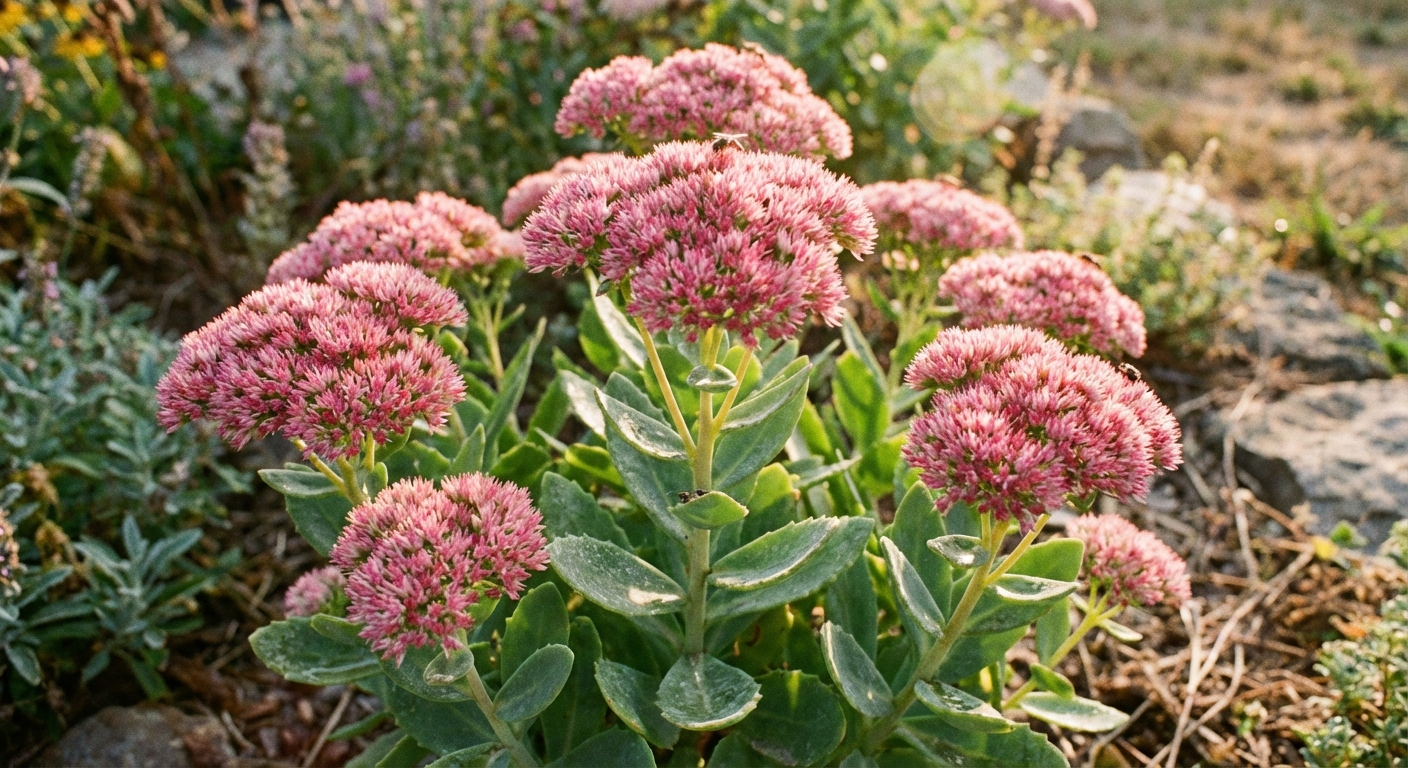
12) Sedum (upright stonecrops) (Hylotelephium, formerly Sedum)
Sedum is the late-summer closer. It might not start blooming in June, but when August hits and other plants look tired, sedum steps in with thick stems, succulent leaves, and big flower heads that last and last.
- Bloom style: Late-season star (not an early-summer bloomer)
- Hardiness zones: 3 to 9
- Sun: Full sun to part sun
- Soil: Well-draining; drought-tolerant once established
- Mature size: 1 to 2.5 ft tall, 1 to 2 ft wide
- Bloom period: Late summer through fall
- Maintenance tips: Very low-maintenance. Cut back dead stems in late winter or early spring. If plants get floppy, try the “Chelsea chop” in late spring, trimming stems by one-third to encourage sturdier growth.
Simple planting plan
If you want an easy mix that looks good from early summer to fall, try this beginner-friendly combination in a sunny bed:
- Back row (taller): coneflower + garden phlox (leave space for airflow)
- Middle: black-eyed Susan + yarrow + salvia
- Front edge: catmint + hardy geranium + coreopsis
- Late-season anchor: tuck sedum in groups of 3 for an autumn glow
Plant in clumps of 3 or 5 instead of one lonely plant here and there. It reads calmer, fuller, and more intentional, even in year one.
Beginner maintenance checklist
- Weekly: Walk the garden with scissors, snip spent blooms (deadheading), and pull tiny weeds before they get brave.
- During heat waves: Water deeply in the morning, aiming for the soil, not the leaves.
- First season: New perennials need consistent watering while roots settle in. After that, many of these become wonderfully independent.
- Midseason boost: Top-dress with compost around plants (not piled on crowns) and refresh mulch.
- End of season: Leave some seed heads (especially coneflower and rudbeckia) for birds if you like a wilder winter look.
If you only do one thing, do this: mulch + deep watering early on. Once roots settle in, most of these perennials become wonderfully low drama.
Quick troubleshooting
- Lots of leaves, few flowers: Too much shade or too much fertilizer. Move to more sun or ease up on feeding.
- Plants flopping over: Soil may be too rich, the spot too shady, or the plant too tall for wind. Try a midseason trim (salvia, catmint, yarrow), or add a discreet support.
- Mildew on phlox: Improve airflow, water at the base, and consider mildew-resistant varieties for next season.
- Lavender struggling: Almost always drainage. Give it gritty soil, a raised spot, and less water.
- Leaves spotted or looking tired by late summer: Common on some perennials in humid areas. Water at soil level, remove the worst leaves, and prioritize airflow. Most plants will still bloom well.