12 Fast-Growing Vegetables to Harvest in Under 60 Days

If you have ever stood over a seed packet whispering, “Come on, little guy, you can do it,” welcome. Fast crops are the best kind of confidence builder, especially if you garden in a short season, in containers, or you simply want dinner to show up before your enthusiasm wanders off.
Below are 12 vegetables you can typically harvest in under 60 days. A few are even ready in 25 to 35 days, which is basically gardening magic. (I still talk to my ferns, but these are the plants that talk back quickly.)
Quick note on “days to maturity”: seed packets usually mean days to first harvest under decent conditions, and timing changes with variety, weather, and whether you harvest baby leaves versus full-size plants.
Before you plant: hit the 60-day mark
Days to maturity are estimates, not promises. Weather, daylight, soil warmth, and variety all matter. If you want to harvest on the early side, these are the small moves that make a big difference.
- Choose quick varieties. Look for “baby,” “early,” “dwarf,” or “bush” types on seed packets.
- Warm the soil. A week or two under clear plastic or a cloche speeds germination in spring. Just vent or remove it on hot, sunny days so seedlings do not cook.
- Feed the soil, not the plant. Mix in compost before sowing. For leafy greens, a gentle nitrogen boost (like fish emulsion) helps.
- Keep moisture even. Inconsistent watering makes roots split, greens bitter, and growth stall. Mulch helps.
- Harvest young and often. Many crops are faster if you pick them as baby greens or tender pods.
- Succession sow. Plant a small amount every 1 to 2 weeks so you are always harvesting something instead of waiting for one big moment.
12 quick vegetables
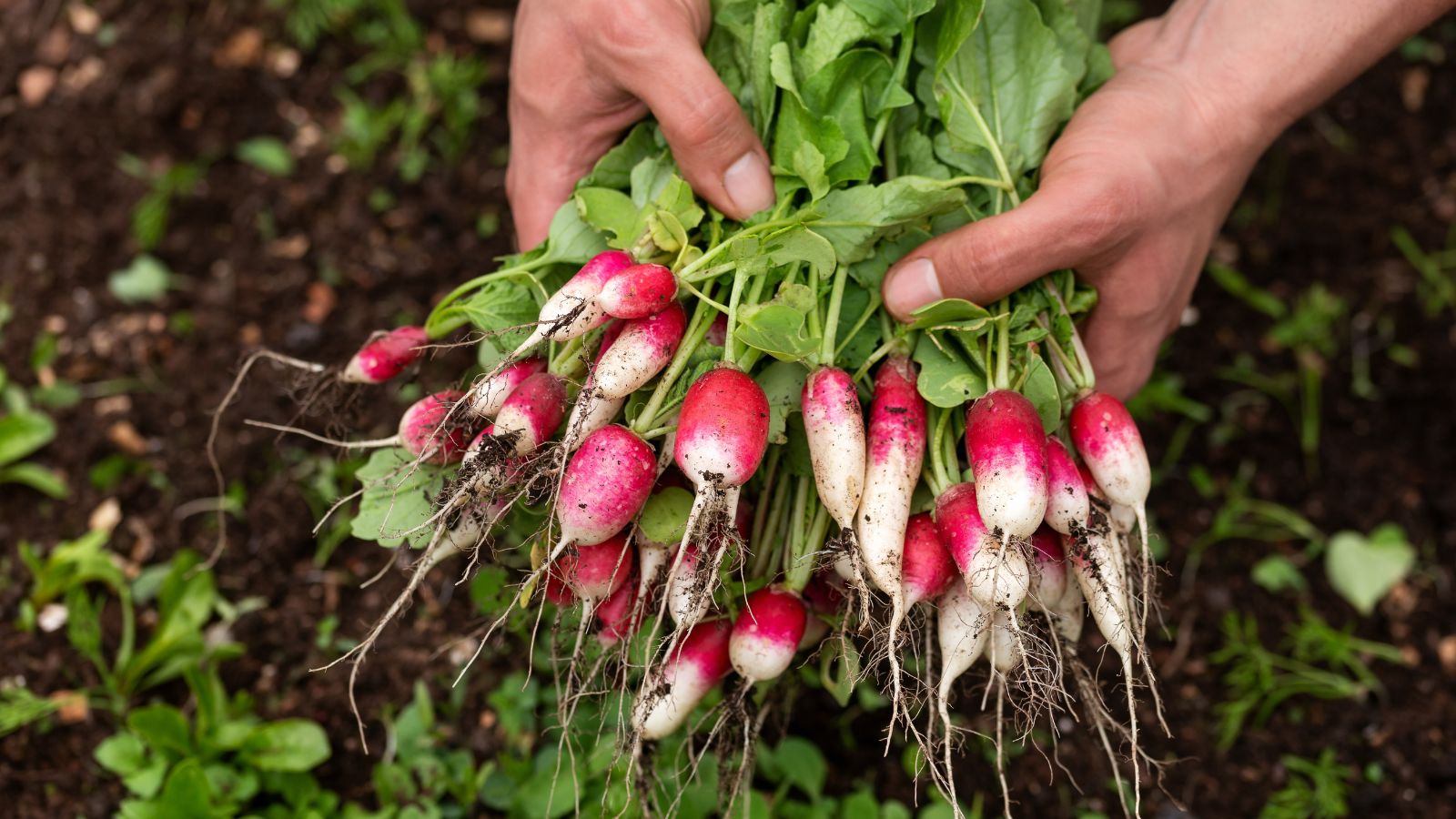
1) Radishes
Typical harvest: 22 to 35 days
If impatience had a mascot, it would be a radish. They are crisp, peppery, and ridiculously fast.
- How to sow: Direct sow 1/2 inch deep, thin to 1 to 2 inches apart.
- Speed tip: Keep soil consistently moist so roots stay tender and do not turn woody.
- Harvest cue: The “shoulders” of the root start peeking above the soil line.
2) Baby spinach
Typical harvest: 25 to 45 days (baby leaves)
Spinach is happiest in cool weather and will reward you quickly if you treat it like a spring and fall crop.
- How to sow: Direct sow 1/2 inch deep; keep evenly moist until germination.
- Speed tip: Spinach germinates best in cooler soil. In warm spells, give it afternoon shade or use shade cloth to keep it from stalling or bolting.
- Harvest cue: Pick outer leaves when they are 3 to 5 inches long.
3) Arugula
Typical harvest: 20 to 40 days
Arugula grows like it is trying to impress you. It is peppery, lush, and perfect for cut-and-come-again harvests.
- How to sow: Direct sow 1/4 inch deep, thin to 4 to 6 inches.
- Speed tip: Harvest young for the mildest flavor, especially as weather warms (heat makes it bolt fast).
- Harvest cue: Snip leaves at 3 to 6 inches, leaving the crown to regrow.
4) Leaf lettuce (looseleaf types)
Typical harvest: 30 to 55 days (sooner as baby greens)
Looseleaf lettuce is the friendliest gateway crop. It does not need to form a head, so you can start harvesting early.
- How to sow: Surface sow or cover very lightly. Lettuce germinates best with light and shallow planting.
- Speed tip: Sow a short row every 1 to 2 weeks for steady salads. In heat, provide afternoon shade to slow bolting.
- Harvest cue: Pick outer leaves once plants are 4 to 6 inches tall.
5) Bok choy (baby pak choi)
Typical harvest: 30 to 55 days
Baby bok choy is fast, tender, and feels fancy in stir-fries, even if you are wearing muddy shoes and holding a watering can.
- How to sow: Direct sow 1/4 to 1/2 inch deep; thin to 6 inches.
- Speed tip: Protect from flea beetles with lightweight row cover, and aim for cool weather to reduce bolting.
- Harvest cue: Harvest whole baby plants when they are 6 to 8 inches tall.
6) Mustard greens
Typical harvest: 25 to 45 days (baby leaves)
Mustard greens bring zing to sandwiches and sautés, and they grow quickly in cool weather.
- How to sow: Direct sow 1/4 inch deep, thin to 6 to 8 inches.
- Speed tip: Harvest as baby greens for quick returns and milder bite. Hot weather can push mustards to bolt, so spring and fall are your sweet spot.
- Harvest cue: Snip outer leaves, or cut the whole plant young.
7) Green onions (scallions)
Typical harvest: 30 to 60 days (from seed), faster from starts
Scallions are the “always useful” crop. Even a small pot on a balcony can keep you stocked.
- How to sow: Direct sow 1/4 inch deep in clusters, or plant bunching onion starts (small transplants) for a quicker jump.
- Speed tip: For true scallion-style harvest, choose bunching onion varieties. Onion sets can work too, but they may make thicker stems or small bulbs depending on the type.
- Harvest cue: Pull when stems are pencil-thick, or harvest young for tenderness.
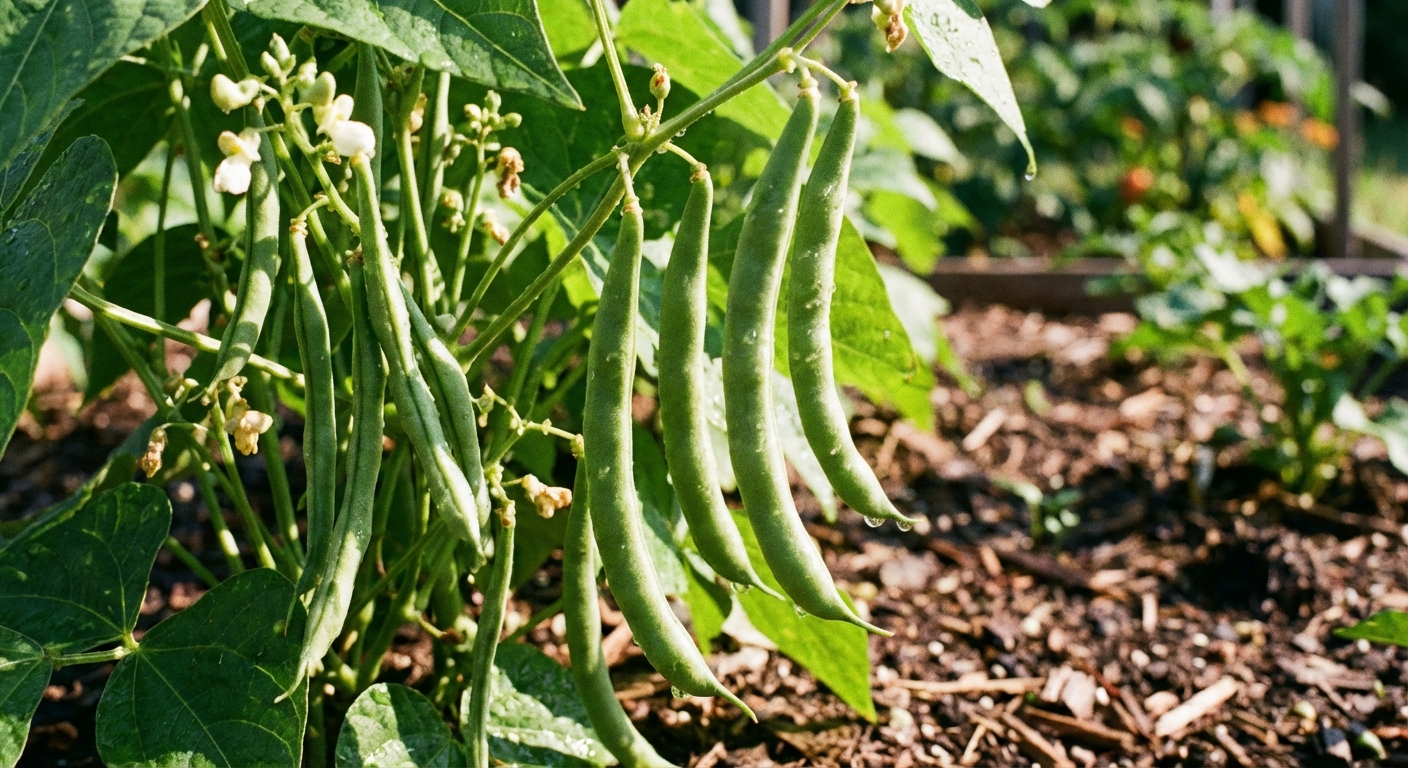
8) Bush beans (snap beans)
Typical harvest: 45 to 60 days
Bush beans are a summertime classic because they germinate quickly in warm soil and then just go.
- How to sow: Direct sow 1 inch deep after frost, when soil is warm.
- Speed tip: Pick frequently. The more you harvest, the more they produce.
- Harvest cue: Pods are firm and crisp, before seeds bulge.
9) Snap peas (early types)
Typical harvest: 50 to 60 days
Snap peas are the cool-season sweethearts of the garden. They taste like spring sunshine.
- How to sow: Direct sow 1 inch deep as soon as soil can be worked.
- Speed tip: If you want the earliest harvest, pick an early-maturing variety. Dwarf types are not always faster, but they are great for containers and need less trellising.
- Harvest cue: Pick while pods are crisp and plump, before seeds swell too much and pods turn starchy.
10) Beets (baby roots and greens)
Typical harvest: 45 to 60 days (baby beets), 30+ days for greens
Beets pull double duty. You get nutritious greens early and sweet baby roots soon after.
- How to sow: Direct sow 1/2 inch deep; thin to 3 to 4 inches.
- Speed tip: Soak beet “seeds” (actually seed clusters) for a few hours before sowing to speed germination.
- Harvest cue: Pull baby beets at 1 to 2 inches wide for the most tender texture.
11) Baby turnips
Typical harvest: 35 to 55 days
Baby turnips are mild, slightly sweet, and fast. They are also a wonderful way to learn that turnips are not just a root cellar vegetable.
- How to sow: Direct sow 1/2 inch deep; thin to 3 to 4 inches.
- Speed tip: Grow in cool weather for the best flavor and fastest growth.
- Harvest cue: Pull at 2 to 3 inches wide to avoid toughness.
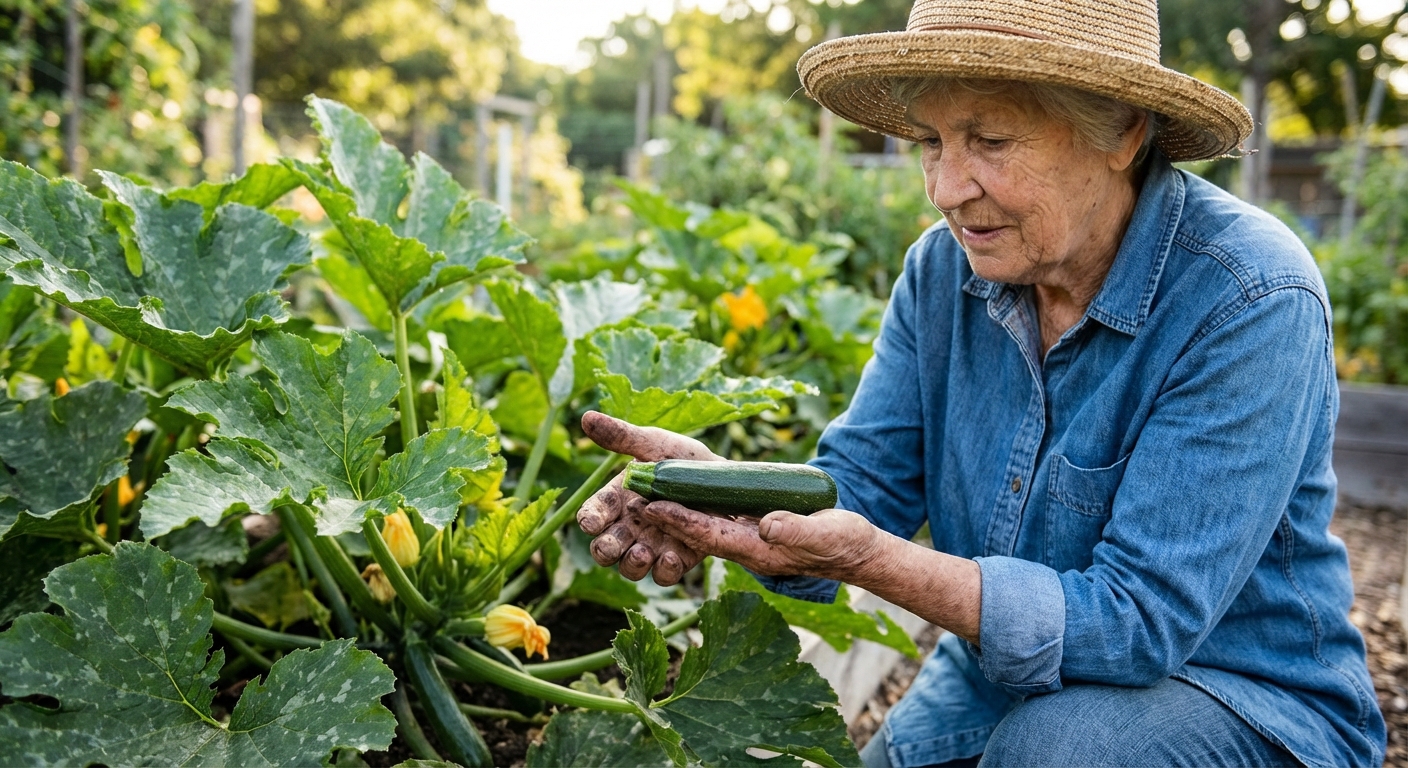
12) Zucchini (baby fruits)
Typical harvest: 45 to 60 days (fastest in warm conditions)
Zucchini is famous for abundance. It is also surprisingly quick from seed when planted into warm soil.
- How to sow: Direct sow 1 inch deep after frost, or transplant a young start.
- Speed tip: Warm soil and steady moisture are the secret handshake. Keep plants evenly watered and mulched to reduce stress and keep growth moving.
- Harvest cue: Pick at 6 to 8 inches long for the best flavor and texture.
Quick crop combos
If you want your garden to feel like it is always producing something, plant in layers and waves.
- Salad sprint: Radishes + arugula + looseleaf lettuce. Start harvesting in 3 to 4 weeks. Re-sow a little every week or two to keep it coming.
- Stir-fry patch: Bok choy + mustard greens + scallions. Harvest greens early, then pull whole baby bok choy.
- Cool-to-warm transition: Snap peas first, then follow with bush beans once peas finish and the weather warms.
Why fast crops slow down
If your “30-day” radishes are still tiny at day 45, it is not a moral failing. It is usually one of these.
- Soil too cold: Seeds sit and sulk. Wait for warmer soil or use a cover.
- Not enough sun: Leafy greens can tolerate part shade, but they still need light to move fast.
- Crowding: Thinning feels ruthless, but crowded seedlings stay small.
- Uneven watering: Stress slows growth and affects flavor.
- Low fertility: A little compost goes a long way for quick crops.
- Heat and bolting: In hot weather, spinach, arugula, bok choy, and mustards may rush to flower instead of making tender leaves.
A simple plan
If you want a simple, satisfying start: sow radishes and arugula today, add lettuce next week, and tuck in bush beans when the nights warm up. In a month you will be eating something you grew, which is the fastest way I know to cure black-thumb anxiety.
And if your first round is imperfect, celebrate anyway. Plants do not demand perfection. They just ask for another try, a bit of water, and a little faith in the soil.
Quick reference list
- Radishes: 22 to 35 days
- Arugula: 20 to 40 days
- Baby spinach: 25 to 45 days
- Looseleaf lettuce: 30 to 55 days
- Bok choy (baby): 30 to 55 days
- Mustard greens: 25 to 45 days
- Scallions: 30 to 60 days
- Bush beans: 45 to 60 days
- Snap peas (early types): 50 to 60 days
- Baby beets: 45 to 60 days
- Baby turnips: 35 to 55 days
- Zucchini (baby fruits): 45 to 60 days