
10 Companion Plants for Natural Pest Control

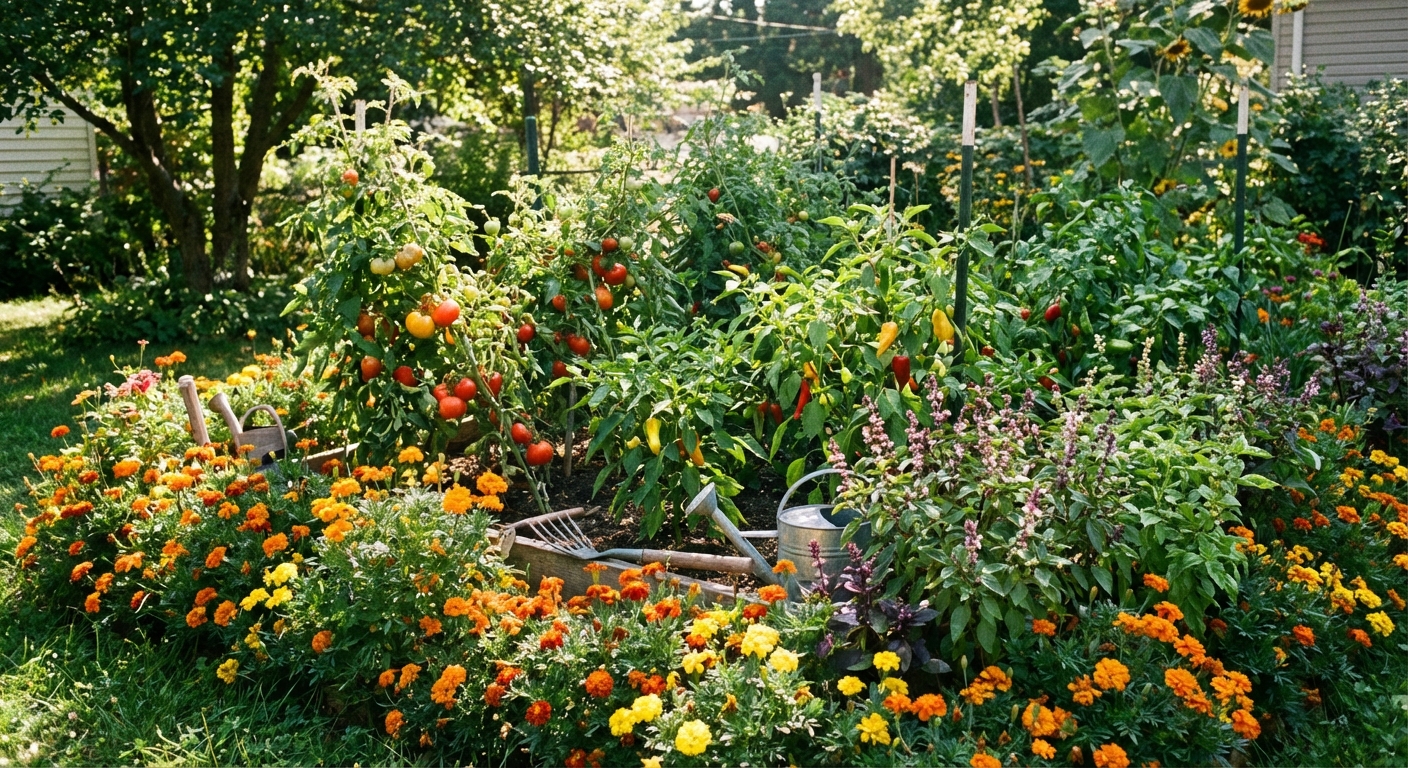
Companion planting is one of my favorite kinds of garden magic because it looks like simple beauty and smells like summer, but it works like a tiny, living security team. A few well-placed herbs and flowers can help confuse pests, lure in hungry beneficial insects, and (when used intentionally) contribute to better ground cover, less soil splashback, and happier plants overall.
One gentle reminder from someone who has absolutely begged basil to “please just live”: companion plants are not force fields. They are a helpful layer in an organic system that also includes healthy soil, crop rotation, hand picking, row cover when needed, and letting the good bugs do their work.
How companion plants help with pests
- They can repel or confuse pests with strong scents and plant chemicals, especially aromatic herbs.
- They attract beneficial insects like hoverflies, lacewings, lady beetles, and tiny parasitic wasps that go after aphids, whiteflies, and many other garden troublemakers (and in the case of parasitic wasps, some caterpillar pests too).
- They provide habitat for predators, including ground beetles and spiders, by creating a more diverse, sheltered garden.
- They can support plant resilience by shading soil, reducing splashback, and supporting pollinators for better fruit set.
If you only take one thing from this page, take this: aim for diversity. A vegetable patch with a ring of flowers and herbs is harder for pests to overwhelm than a single crop planted in a big block.
Also, results vary by region, timing, and pest pressure. Companion planting works best as part of an overall plan, not as a solo act.
The 10 best companion plants for natural pest control
1) Sweet alyssum
Sweet alyssum is a low, frothy flower that quietly earns its keep. It is famous for attracting hoverflies, whose larvae are tiny aphid-gobbling machines. It also draws in other beneficials and acts as a living mulch along bed edges.
- Helps with: Aphids (by attracting hoverflies and other predators).
- Plant near: Lettuce, brassicas (cabbage family), peppers, tomatoes, anywhere you battle aphids.
- How to use it: Tuck it along borders or between plants as a soft, flowering carpet. For a simple spacing goal, aim for a small cluster every 2 to 3 feet along a bed edge (or let it fill in if you are direct sowing).
2) French marigolds (Tagetes patula)
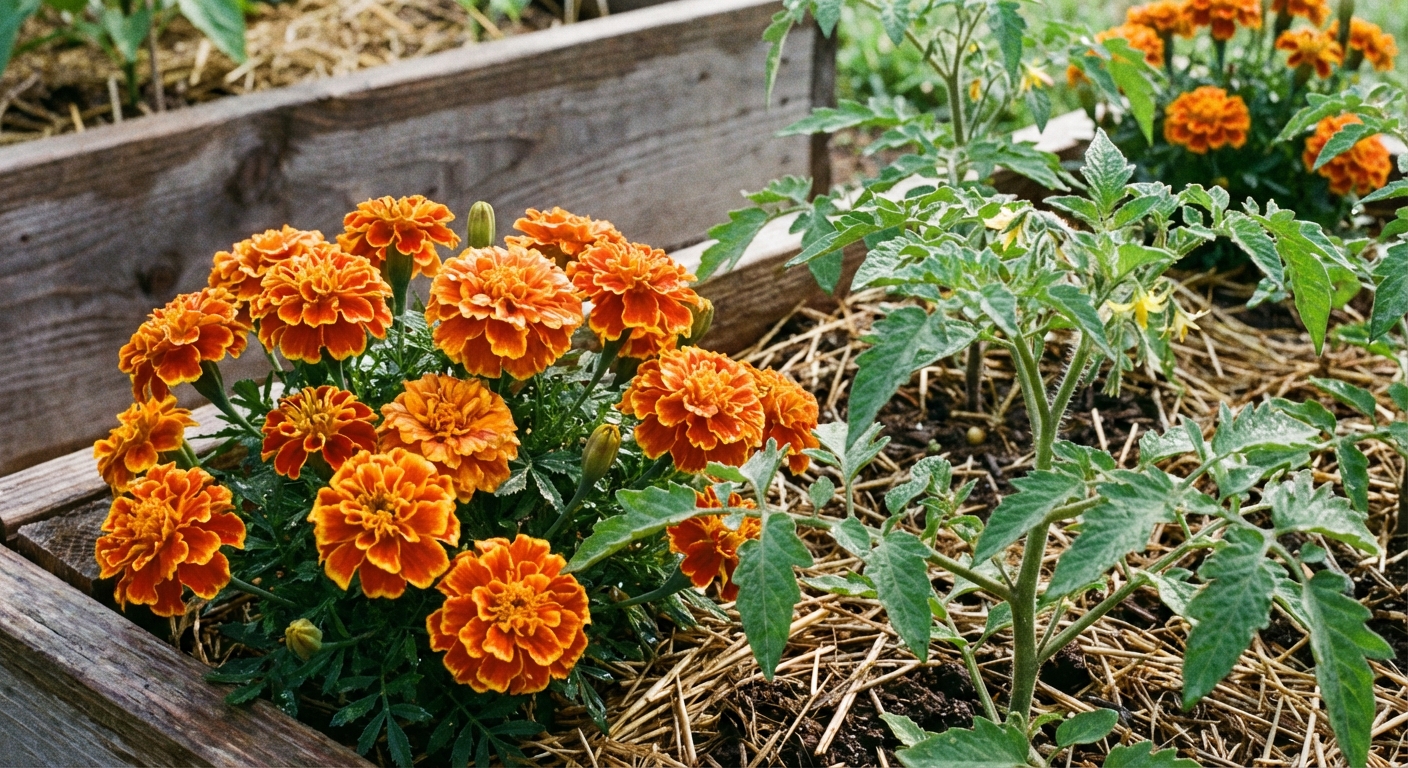
Marigolds are the cheerful bouncers of the veggie patch. Their pungent scent can help with general pest confusion, and French marigolds are also commonly planted as a rotation tool that may help reduce certain root-knot nematode problems. The catch is that this tends to work best with dense plantings, time, and strategy (think: grown as a bed-filling planting for a stretch, then rotated, not just one marigold tucked by a tomato).
- Helps with: General pest confusion, plus potential support with some root-knot nematodes when used as part of a rotation and grown densely.
- Plant near: Tomatoes, peppers, eggplant, beans, cucumbers.
- How to use it: Border beds or interplant in small clusters. Choose French types for the strongest scent. In hot, dry weather, keep plants watered since marigolds can occasionally become a hangout spot for spider mites.
3) Basil
Basil is the friend who shows up early, brings snacks, and helps you clean up after the party. Its strong aroma may help mask the scent of nearby crops for some pests (gardeners swear by it, research is mixed), and if you let a few basil plants flower, the blooms are a pollinator buffet.
- Helps with: General pest confusion around tomatoes, and supports pollinators when flowering.
- Plant near: Tomatoes, peppers, eggplant.
- How to use it: Plant 1 basil for every 1 to 2 tomato plants, or make a basil ring around a tomato cluster. Let one or two plants flower for beneficial insects, then pinch back if it gets too leggy.
4) Chives (and other alliums)
Chives bring that oniony scent that many pests dislike, and their purple pompom flowers are absolute magnets for beneficial insects. If you grow carrots, chives are one of my favorite partners because they may help with scent confusion for carrot rust fly (where present) while inviting helpful predators.
- Helps with: Aphids (by attracting beneficials), and scent confusion for certain pests.
- Plant near: Carrots, lettuce, brassicas, tomatoes.
- How to use it: Plant small clumps throughout beds. Let a few bloom, then cut back after flowering.
5) Nasturtiums
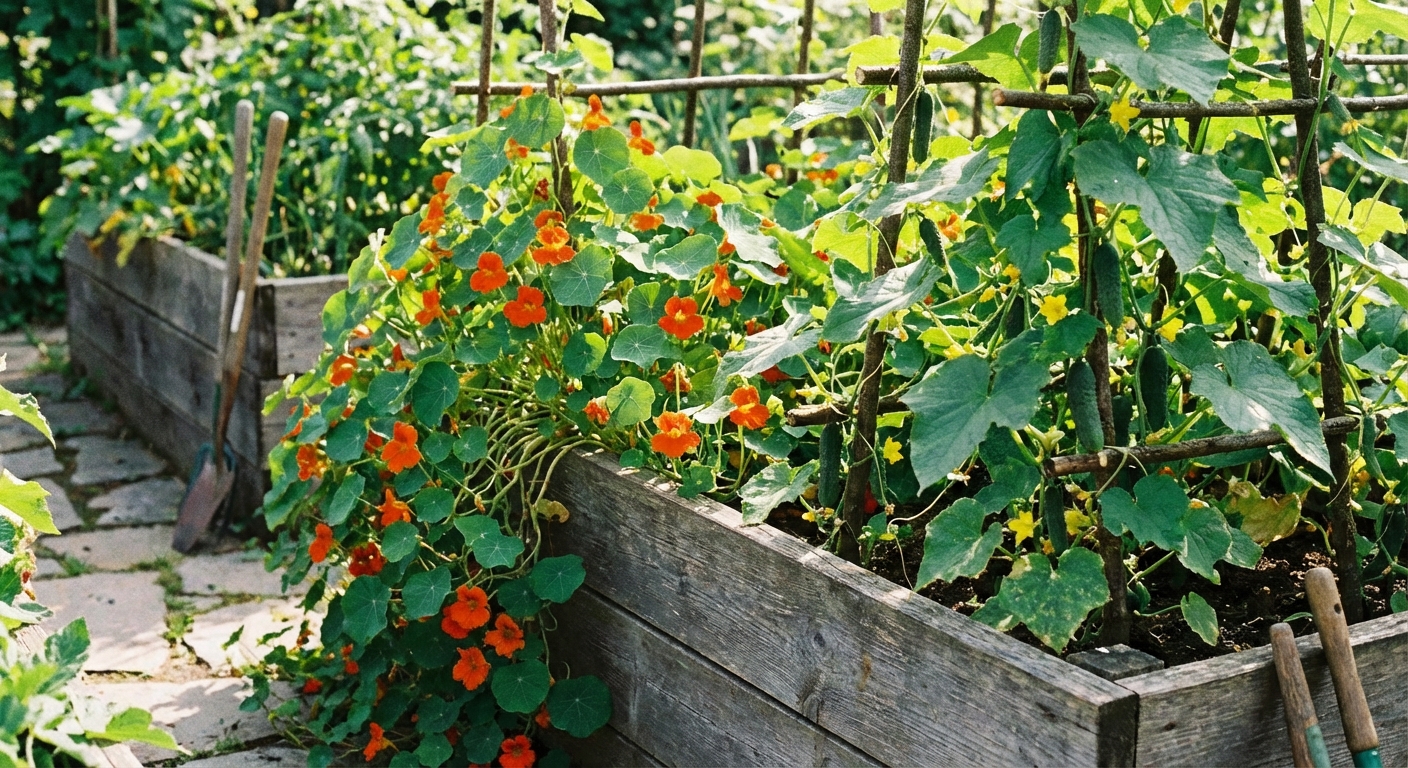
Nasturtiums are bold, juicy, and wonderfully useful. They are often used as a trap crop, meaning pests go for them instead of your vegetables. Aphids in particular can pile onto nasturtiums, which lets you remove a problem area quickly. One quick caution: in some gardens they can also attract cabbage white butterflies, so keep an eye out if you grow lots of brassicas.
- Helps with: Aphids as a trap crop, plus some deterrence for certain beetles.
- Plant near: Cucumbers, squash, brassicas, beans.
- How to use it: Put them at bed edges or near vulnerable crops. Check weekly and prune or remove heavily infested growth so the plant does not turn into an aphid apartment complex.
6) Calendula (pot marigold)
Calendula has sunny, daisy-like blooms that keep coming if you deadhead. It attracts a wide range of beneficial insects, including hoverflies and lacewings. I also love it because it is easy, forgiving, and looks like you tried very hard even when you did not.
- Helps with: Aphids (by attracting predators), and boosts beneficial insect diversity.
- Plant near: Lettuce, brassicas, tomatoes, herbs.
- How to use it: Dot throughout the veggie patch, especially near crops that often host aphids.
7) Dill
Dill is one of those plants that seems to hum with insect activity once it flowers. The umbrella-shaped blooms attract tiny parasitic wasps and other beneficial predators that help with aphids and some caterpillar pests (by parasitizing them). Bonus: it makes pickles taste like summer.
- Helps with: Cabbage worms and other caterpillar pests indirectly by supporting parasitic wasps, plus aphid predators.
- Plant near: Cabbage family crops, cucumbers, lettuce.
- How to use it: Plant in small batches every few weeks so you have blooms over a longer window. Stake if it gets tall and floppy.
8) Borage
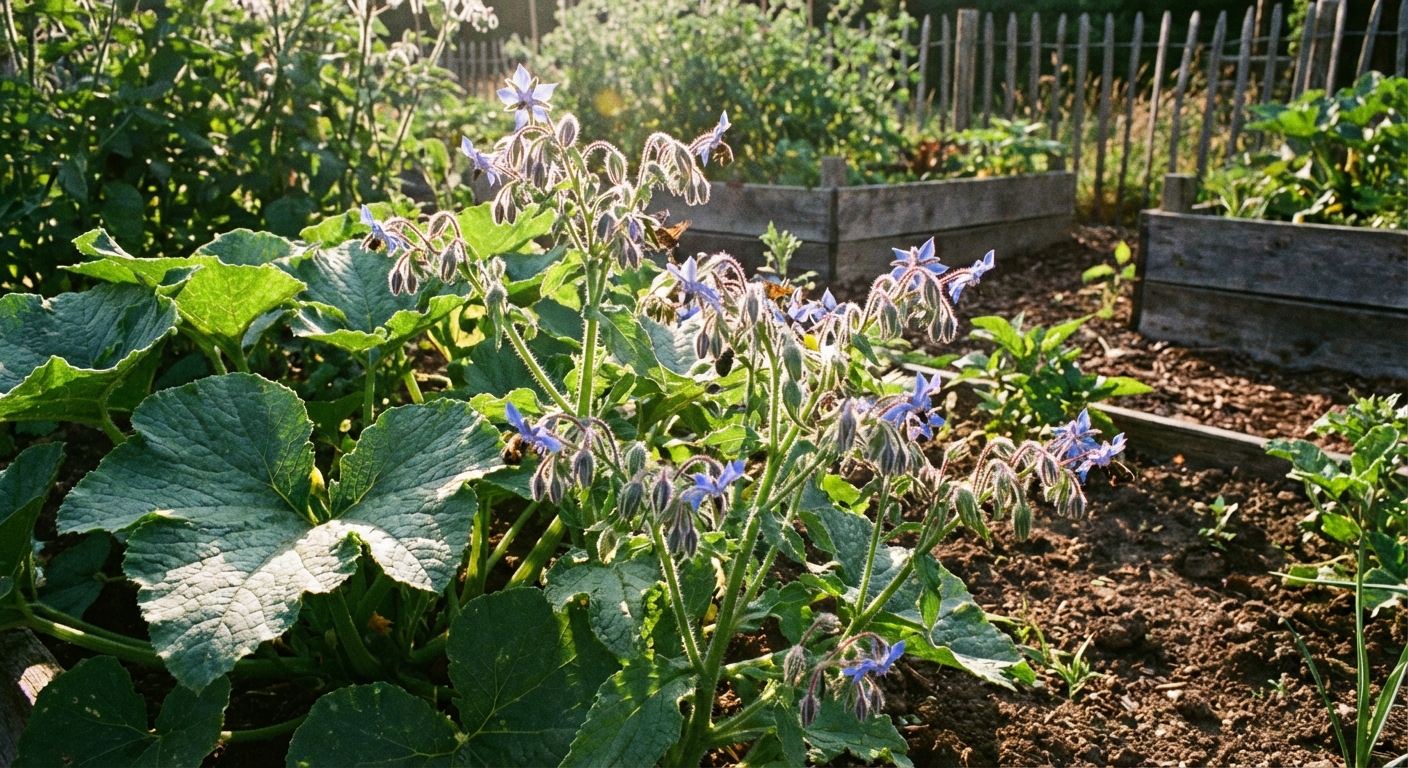
Borage has bristly leaves and starry blue flowers that bees adore. In a veggie patch, it is a powerhouse for pollinators and beneficial insects. I like to think of it as a “good bug gas station” that keeps the patrols fueled up. It can self-seed enthusiastically, so place it where you will not mind a few volunteer plants next year.
- Helps with: General pest balance by attracting pollinators and predators, especially around fruiting crops.
- Plant near: Tomatoes, squash, strawberries, cucumbers.
- How to use it: Give it space. One plant can get large. Deadhead if you want fewer volunteers, or let it self-seed if you have room.
9) Mint (in a pot)
Mint is wonderfully aromatic and can help with general “what is that smell?” pest confusion, but it is also a garden escape artist. If you plant it in the ground, it will travel, then it will bring friends. Keep mint contained in a pot placed near problem areas, and think of it as a supporting character, not the hero.
- Helps with: General deterrence with strong scent, and supports beneficial insects when flowering. (It may deter some insects, but it is not a reliable fix for ants or aphids on its own.)
- Plant near: Cabbage family, peas, patio containers.
- How to use it: Grow in a container and move it where you need it. Let some stems flower for beneficial insects, then cut back.
10) Garlic
Garlic is a classic for a reason. Its strong smell may help deter some pests and add another layer of scent camouflage, especially when you are stacking several strategies at once. I also love it as a space saver because you can tuck garlic into edges and corners.
- Helps with: General deterrence and scent masking (best as part of an overall approach, not a guaranteed control).
- Plant near: Lettuce, strawberries, tomatoes, brassicas.
- How to use it: Plant cloves along bed borders in fall (in many climates) or early spring. Harvest when tops yellow.
Quick pairing ideas
- Tomatoes: basil + marigolds + borage nearby for pollinators.
- Cabbage family crops: dill + sweet alyssum + nasturtiums at the edge (and check for cabbage butterflies).
- Cucumbers and squash: nasturtiums + borage, with calendula sprinkled through.
- Lettuce and greens: chives + sweet alyssum to help with aphid pressure.
Tips that make it work
Plant in repeats
A single marigold is cute. A small cluster is more noticeable to beneficial insects and gives you more of that aromatic “background noise” that can make pest life a little harder. Aim for little patches, borders, or repeated clumps.
Let some herbs flower
It feels wrong to “waste” an herb, but flowering dill, chives, and basil are like open invitations to the best garden helpers. If you have space, let a few go to bloom.
Use trap crops on purpose
Nasturtiums can pull aphids away from vegetables, but only if you check them. When they get heavily infested, prune and discard that growth or remove the plant to keep the problem from spreading.
Give plants breathing room
Companion planting should not turn into a jungle. Keep taller companions at the north side of a bed (in the northern hemisphere), and avoid crowding disease-prone crops like tomatoes. Good airflow comes from spacing and pruning, not wishful thinking.
Support the system
Healthy soil grows sturdier plants, and sturdier plants tolerate a little nibbling. Compost, mulch, and consistent watering go hand in hand with companion planting.
Common mistakes
- Overcrowding: Companion plants still need airflow. Pack flowers along edges and leave breathing room around disease-prone crops like tomatoes.
- Planting mint in the ground: Keep it in a pot unless you want a mint patch forever.
- Expecting zero pests: A balanced garden has some pests. The goal is fewer outbreaks and more natural control.
- Skipping observation: The most powerful organic tool is a weekly slow walk with your eyes open.
A simple starter plan
If you are new to companion planting, start with this easy trio that works in almost every veggie patch:
- Sweet alyssum as a border for beneficial insects (clusters every 2 to 3 feet is a solid start).
- Basil tucked near tomatoes and peppers.
- French marigolds sprinkled through beds for scent and color.
Then, once you see more bees, more hoverflies, and fewer aphid explosions, you can layer in dill, calendula, nasturtiums, and borage like you are building a little ecosystem one bloom at a time.